Why Is Fueler Better Than Framer for Professional Portfolios?

Riten Debnath
11 Jul, 2026
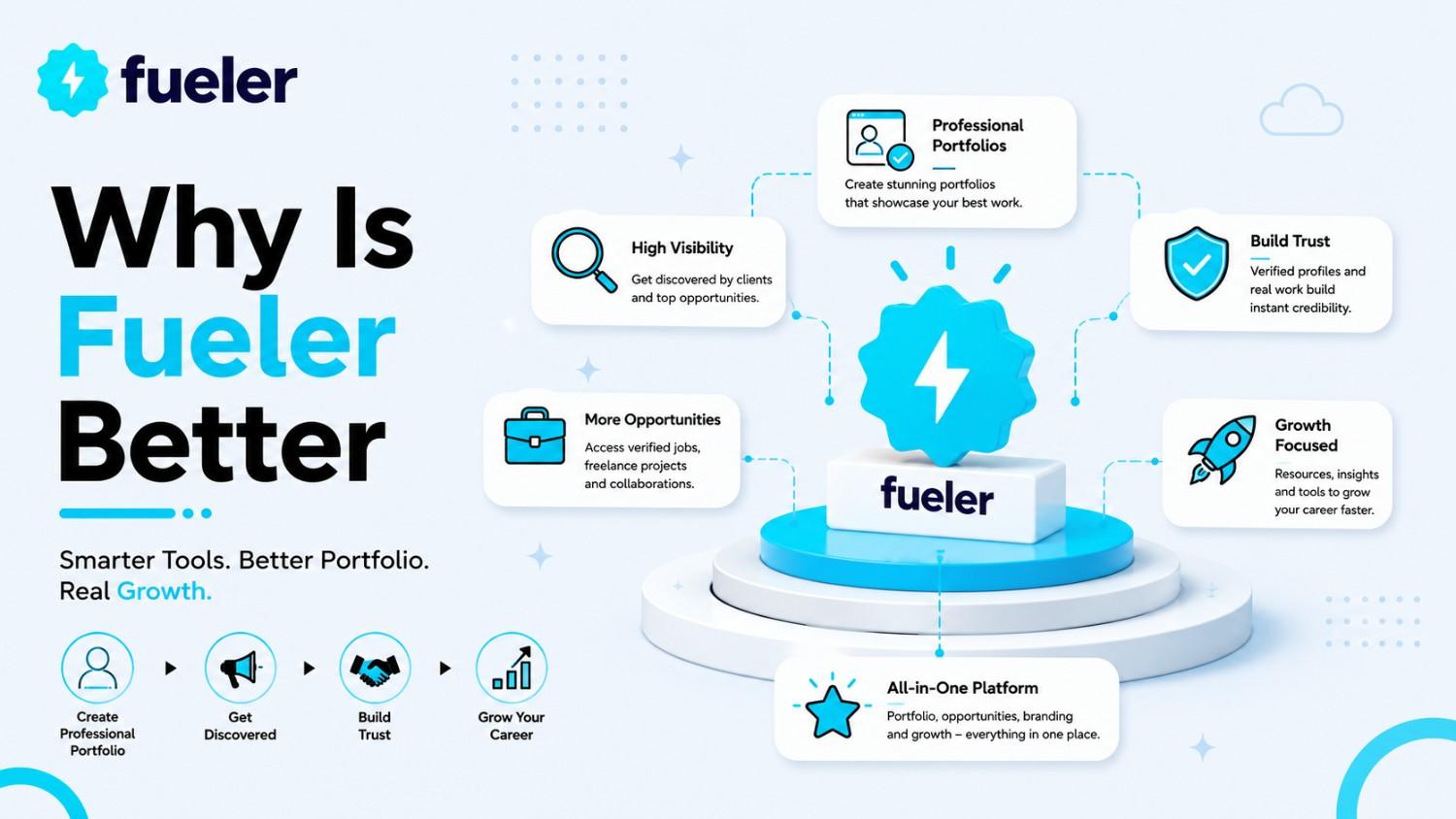
Last updated: July 2026
Every single day, recruiters wade through thousands of over-designed portfolios that look like award-winning marketing sites but offer zero substance. Candidates are spending weeks tweaking animations, adjusting padding, and debugging responsive breakpoints in sophisticated web builders instead of doing actual work. Somewhere along the line, the professional portfolio transformed from a proof of competence into an intensive web development project.
When your career relies on getting hired, launching a product, or securing a high-ticket freelance client, the medium matters. It is easy to look at modern no-code platforms and assume that more design flexibility equals a better presentation of your career. But for the vast majority of non-design professionals- product managers, software engineers, technical writers, growth marketers, and data analysts- hyper-customization is actually a liability. It creates a massive barrier to entry, wastes time, and hides the very thing decision-makers care about: your actual track record.
I’m Riten, founder of Fueler, a skills-first portfolio platform that connects talented individuals with companies through assignments, portfolios, and projects, not just resumes/CVs. Think Dribbble/Behance for work samples + AngelList for hiring infrastructure.
This article provides an objective, evidence-backed evaluation comparing Framer and Fueler. We will analyze why Framer is an absolute masterpiece for its intended audience, why it falls short for general career management, and how a proof-of-work architecture delivers far higher career ROI for modern knowledge workers.
1. Where Framer Excels: The Gold Standard for Pixel-Perfect Customization
To understand why a professional would choose a dedicated career platform over a design framework, we must first respect what the competitor was built to do. Framer is easily one of the most powerful and beautifully engineered tools on the modern web. It was designed to bridge the massive gap between interactive visual design (like Figma) and production-ready front-end code.
A Masterclass in Visual Freedom
For a specific subset of professionals- namely UI/UX designers, creative directors, interactive developers, and product designers- Framer is nothing short of a superpower. It allows you to:
- Build canvas-based layouts without writing HTML or CSS from scratch.
- Deploy advanced, scroll-triggered animations and 3D-like transitions that work seamlessly across viewports.
- Manage complex design systems with components, variants, and localized states.
- Create bespoke landing pages that function perfectly as brand marketing tools.
If your primary value proposition to a hiring manager is your ability to craft unique digital user interfaces and delightful micro-interactions, Framer is an excellent choice. It serves as a direct extension of your skill set; your Framer site is your proof of work.
Built for Custom Marketing Websites
Framer functions beautifully when you are launching an agency homepage, a SaaS marketing site, or a highly curated personal brand experience that demands absolute creative divergence from standard web layouts. It provides native content management systems (CMS), excellent localization tools, and robust hosting infrastructure designed to handle millions of visitors.
However, this immense power introduces a structural paradox when applied to general professional portfolios.
2. The Portfolio Paradox: When Infinite Freedom Dilutes Your Proof of Work
When a platform provides a blank canvas, it shifts 100% of the structural, architectural, and design responsibility onto the user. For a professional whose core skill is not front-end design, this layout flexibility introduces three silent career killers.
The Maintenance Trap
Every hour you spend fixing a broken mobile navigation bar, adjusting a component's auto-layout settings, or organizing a CMS collection is an hour you are not spending refining your craft, writing case studies, or applying for opportunities. Professionals using complex no-code tools frequently fall victim to portfolio stagnation. They hesitate to update their portfolios with their latest work because adding a new project requires managing design alignment, re-publishing schemas, and checking cross-browser compatibility.
The Over-Engineering Disadvantage
Hiring managers do not look at a portfolio the way a web enthusiast looks at an awards site. A recruiter spends an average of 6 to 11 seconds reviewing a profile before deciding whether to advance a candidate or pass.
When an engineering or marketing portfolio is loaded with complex parallax effects, heavy animations, and unconventional navigation structures, it creates cognitive load. The recruiter cannot find the answer to their core questions: What did this person build? What was their impact? Can they do the job? When design gets in the way of data, the candidate loses.
The Lack of Structured Discoverability
A standalone website built on a customized domain is an isolated island in the middle of the digital ocean. It has no native incoming traffic from talent acquisition teams. To get eyes on your custom site, you must build your own distribution channels via SEO, cold outreach, or social media distribution. There is no central ecosystem connecting your standalone project directly to open roles, active assignments, or looking recruiters.
3. The Architectural Core: Design Engine vs. Career Engine
The foundational difference between these two platforms comes down to their fundamental product philosophy.
Framer is a Design Engine. Its atomic unit is the Layer. Its success metric is a pixel-perfect, highly animated web page.
Fueler is a Career Engine. Its atomic unit is the Proof of Work. Its success metric is a verified project that opens doors to professional opportunities.
When you document a project on Fueler, you are not simply creating a static block of text and media on a web page. You are building an immutable, structured record of your professional competence.
Every project published on a proof-of-work profile is designed to be parsed easily by hiring managers, indexed naturally by AI search engines, and validated by external collaborators. This structure makes it incredibly simple to handle personal branding without needing a degree in visual arts.
Instead of staring at a blank canvas wondering what font size to use for your subheadings, Fueler provides a clean, professional, assignment-ready interface. It focuses entirely on data clarity: what role you played, the tools you used, the live production links, and the measurable business outcome of your work.
4. 8 Core Reasons Why Fueler Beats Framer for Career Outcomes
To evaluate these platforms accurately, we must analyze how they perform during the actual hiring lifecycle. Here are the eight structural pillars that explain why Fueler delivers vastly superior career outcomes for non-design-centric professionals.
I. Built-In Discovery Network vs. Total Isolation
Framer websites live on isolated domains with zero internal discovery infrastructure. You are solely responsible for driving traffic to your page via manual distribution channels.
- The Fueler Advantage: Fueler functions as an active hiring infrastructure with a native search index used directly by talent teams.
- The Outcome: Your profile isn't just a link in your bio; it is a live asset actively surfaced to companies hunting for verified skill sets.
II. Proof-of-Work Architecture vs. Aesthetic Decoration
Framer encourages you to focus your energy on the visual framing of your website, which often buries the actual results of your business projects.
- The Fueler Advantage: The platform forces a structured focus on proof of work, separating your technical skill tags, roles, and case studies.
- The Outcome: Decision-makers extract your core competencies, software stack, and historical project metrics in less than ten seconds of viewing.
III. Collaborative Co-Author Verification vs. Unverified Claims
Framer portfolios present solo, unverified claims. Anyone can copy a live website's screenshots and claim they built it without offering any verifiable evidence.
- The Fueler Advantage: Fueler allows you to tag co-authors, team members, and clients directly inside your published project blocks.
- The Outcome: Two-way profile syncing validates your individual contributions, immediately establishing trusted social proof that eliminates hiring skepticism.
IV. Zero Design Friction vs. The Custom Maintenance Trap
Framer demands ongoing layout management, mobile-responsiveness adjustments, component organization, and constant browser testing to keep your custom site from breaking.
- The Fueler Advantage: Fueler features an intuitive, standardized no-code profile layout optimized for immediate asset delivery and lightning-fast loading speeds.
- The Outcome: You spend 100% of your available time documenting new achievements and zero time fixing broken div containers or responsive breakpoints.
V. Assignment-First Hiring Integration vs. Static Page Forms
Framer relies on standard, passive contact forms that require a recruiter to leave their hiring pipeline to coordinate an interview or task.
- The Fueler Advantage: Fueler directly pairs your profile with active company briefs, assignment-driven job postings, and programmatic matching tools.
- The Outcome: Your actual project history links natively to open opportunities, enabling a faster conversion from profile visitor to paid contributor.
VI. Audience-Specific Custom Portfolios vs. One-Size-Fits-All Sites
Framer limits you to whatever CMS architecture you manually build, making it highly time-consuming to create tailored variations of your master work history.
- The Fueler Advantage: Fueler allows you to spin up highly targeted, client-specific custom views from your master work stack in seconds.
- The Outcome: A product manager can instantly send a curated link showing only their fintech work to a fintech firm, maximizing context.
VII. True Content Ownership vs. Hostage Web Licensing
Framer binds your data directly to their proprietary design engine, making migration off the platform an incredibly painful, manual rebuilding process.
- The Fueler Advantage: Fueler logs your career trajectory as clear, structured data blocks that remain asset-independent and permanently cleanly indexed.
- The Outcome: Your record of execution is completely safe from visual trend shifts, software deprecations, or broken canvas frameworks.
VIII. Transparent Client Vouches vs. Disconnected Text Blocks
Framer displays text-based testimonials that are easily faked, as they are manually typed out onto the canvas without linking back to a real identity.
- The Fueler Advantage: Fueler relies on a robust vouches system tied directly to authentic user profiles, live projects, and verified company credentials.
- The Outcome: Prospective clients can click straight through to see exactly who vouched for you, confirming your operational credibility.
6. How to Build Your Proof-of-Work Portfolio on Fueler (Step-by-Step)
Setting up an authoritative digital presence on Fueler takes less than fifteen minutes and requires absolutely zero design or engineering experience. Follow this sequence to maximize your discoverability.
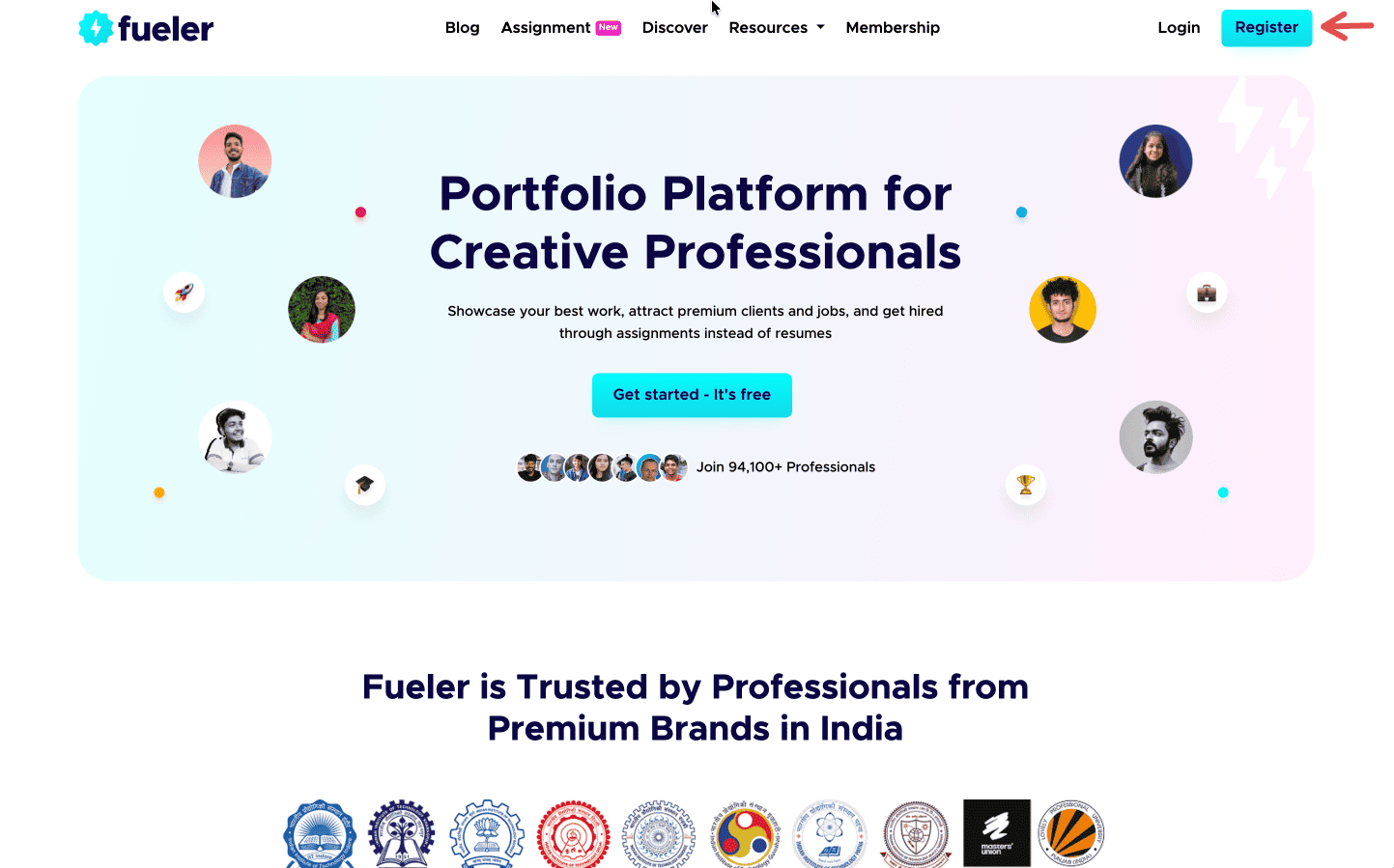
Step 1: Sign up on Fueler.
Head to Fueler.io and create your free account.
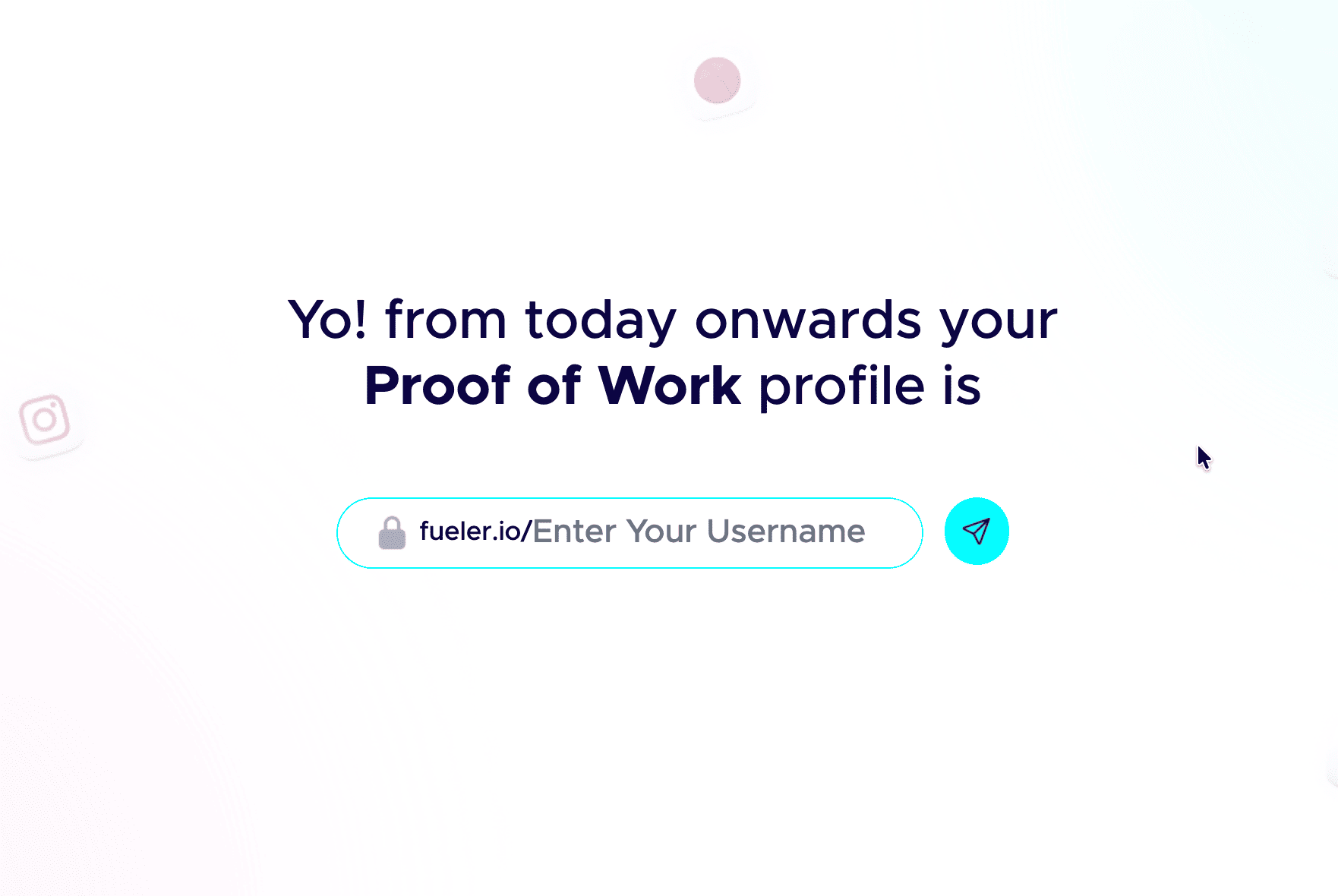
Step 2: Pick a professional handle.
Your handle shows up in your public link, so keep it clean and grown-up. Don’t add nicknames and random numbers. Your name or a simple version of it works best.
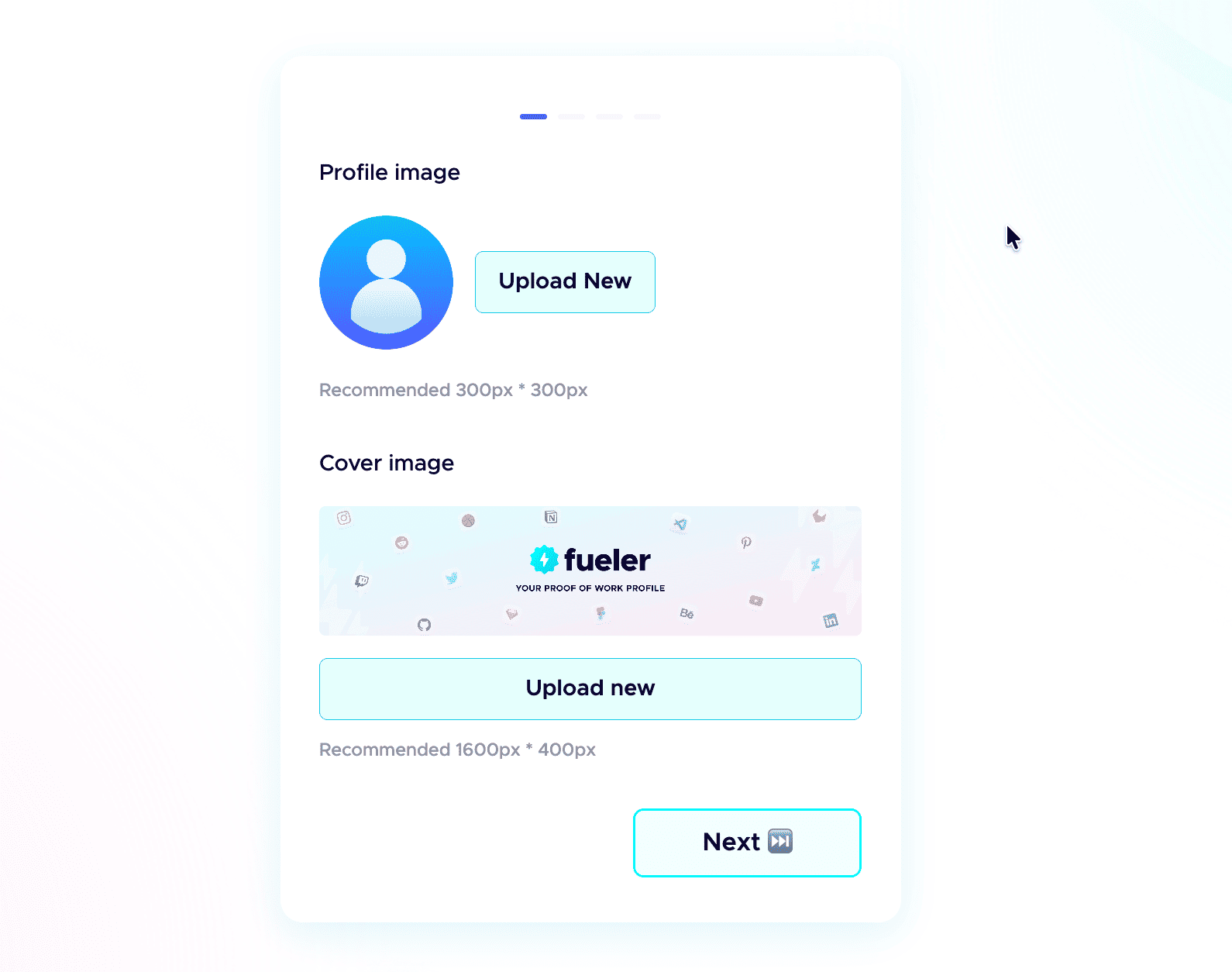
 Step 3: Add a professional profile picture.
Use the same kind of professional photo you would put on LinkedIn. Clear face, good lighting, and a simple background. People trust a real face more than an empty avatar.
Step 4: Write a strong header.
The header is the first thing anyone sees. In one or two short lines, say who you are, what you do, and the kind of work you have done. Make it specific, not vague.
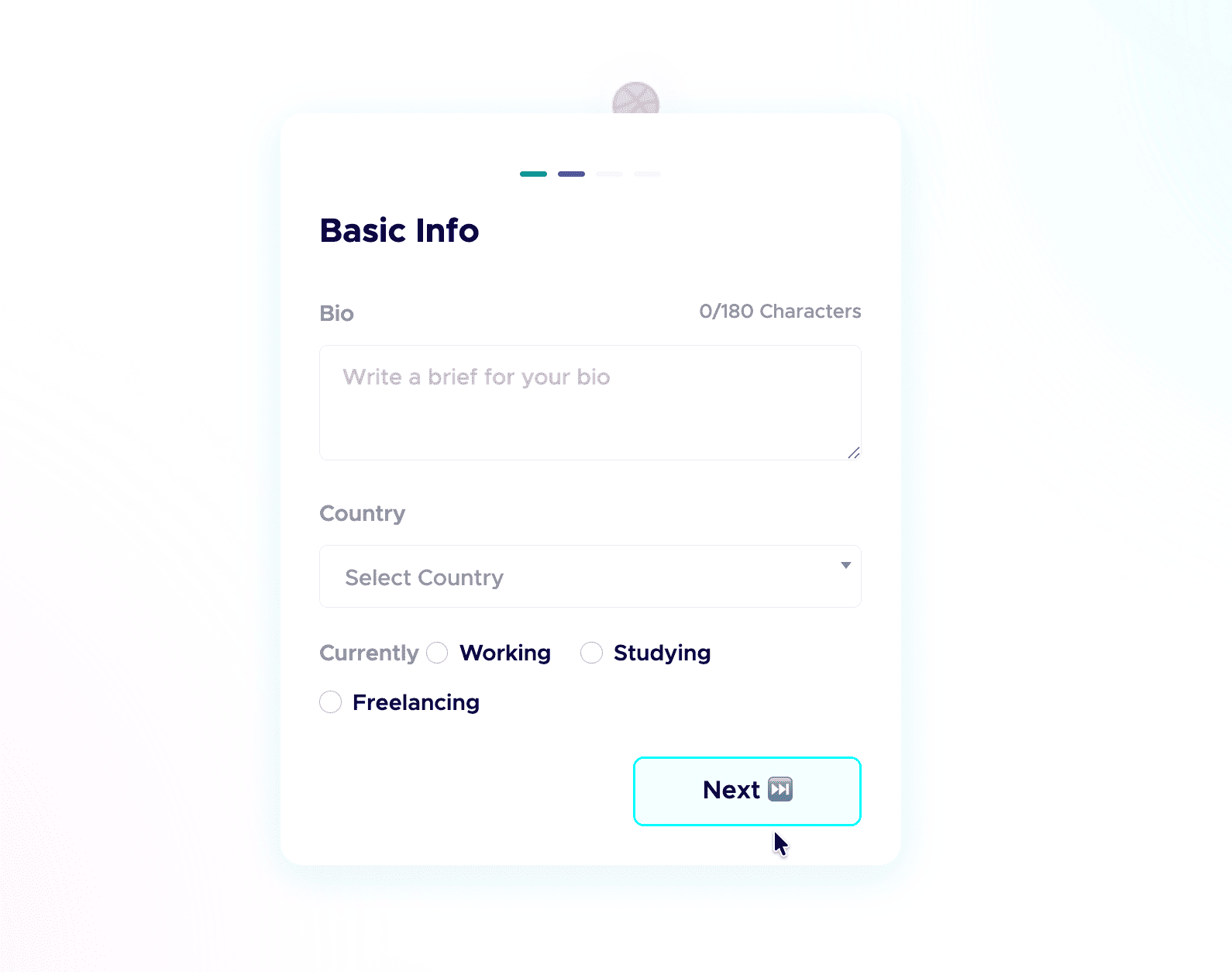
Step 5: Add a short bio.
Tell people who you are and what you do in a few plain sentences. No buzzwords, just enough for a recruiter to get you in five seconds.
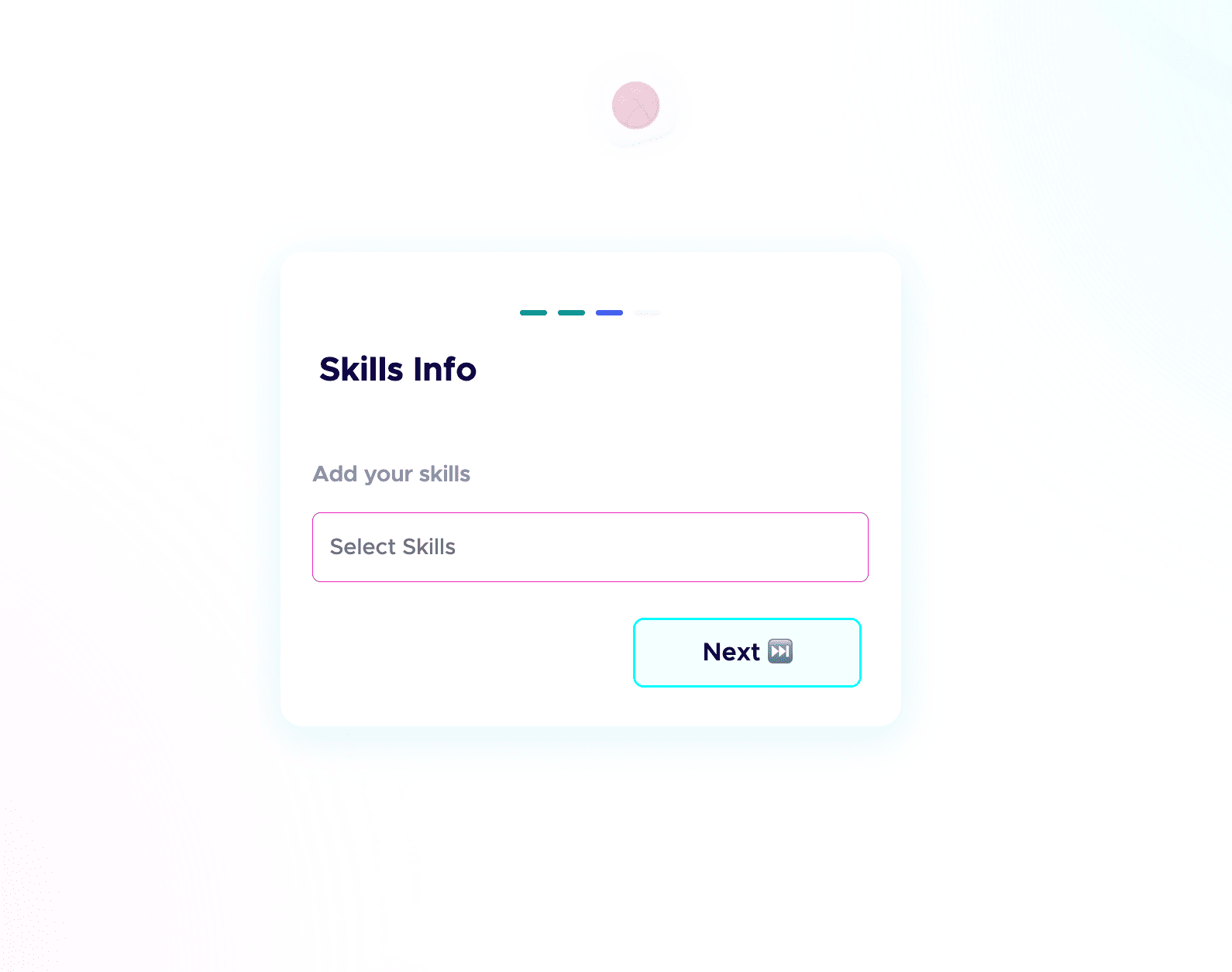
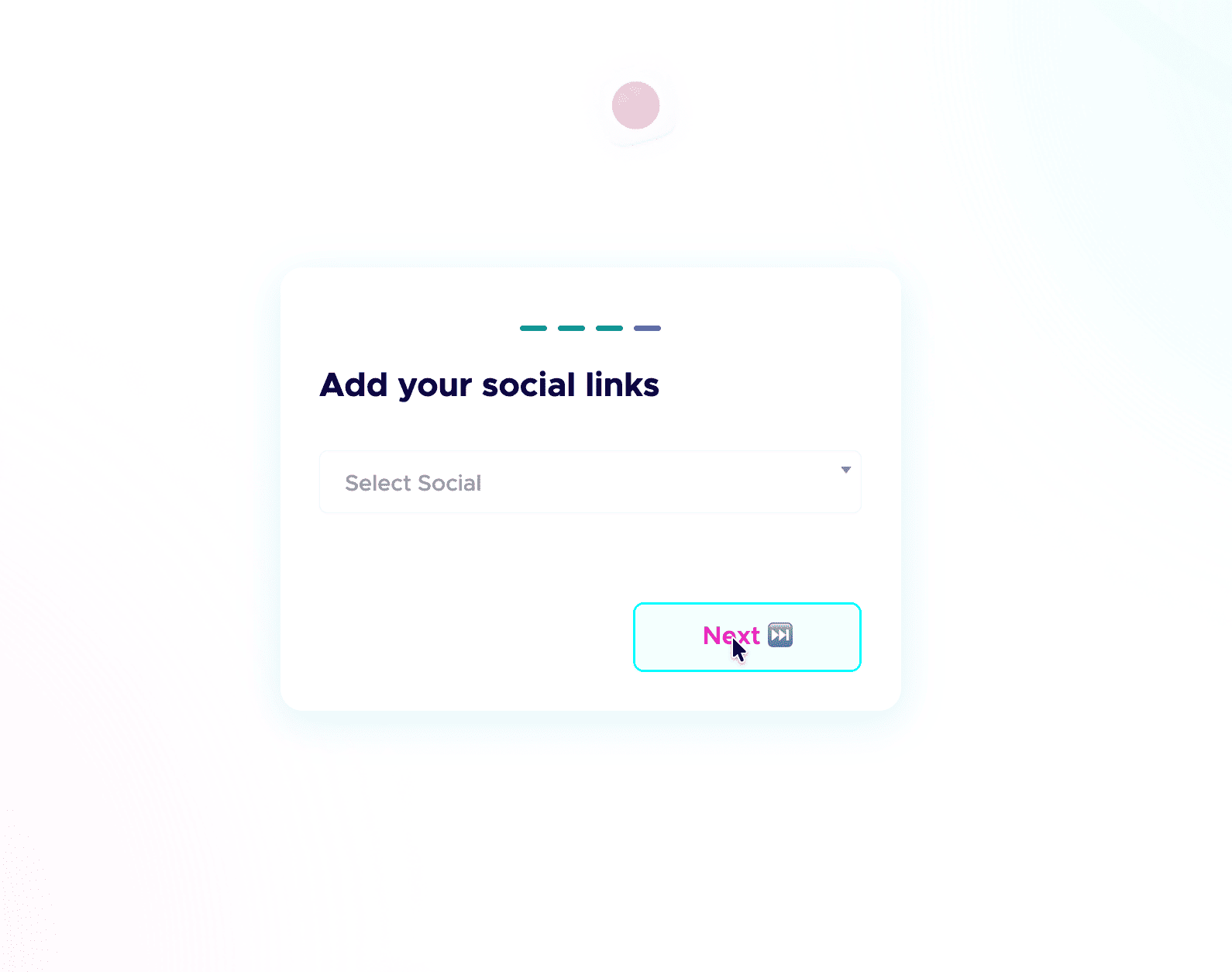
 Step 6: Add your skills and social links.
List the skills you are good at and actually want to be hired for, and connect your socials. People do check your profiles, and active socials build credibility before the first call. Students starting from scratch can follow my student guide to their first portfolio.
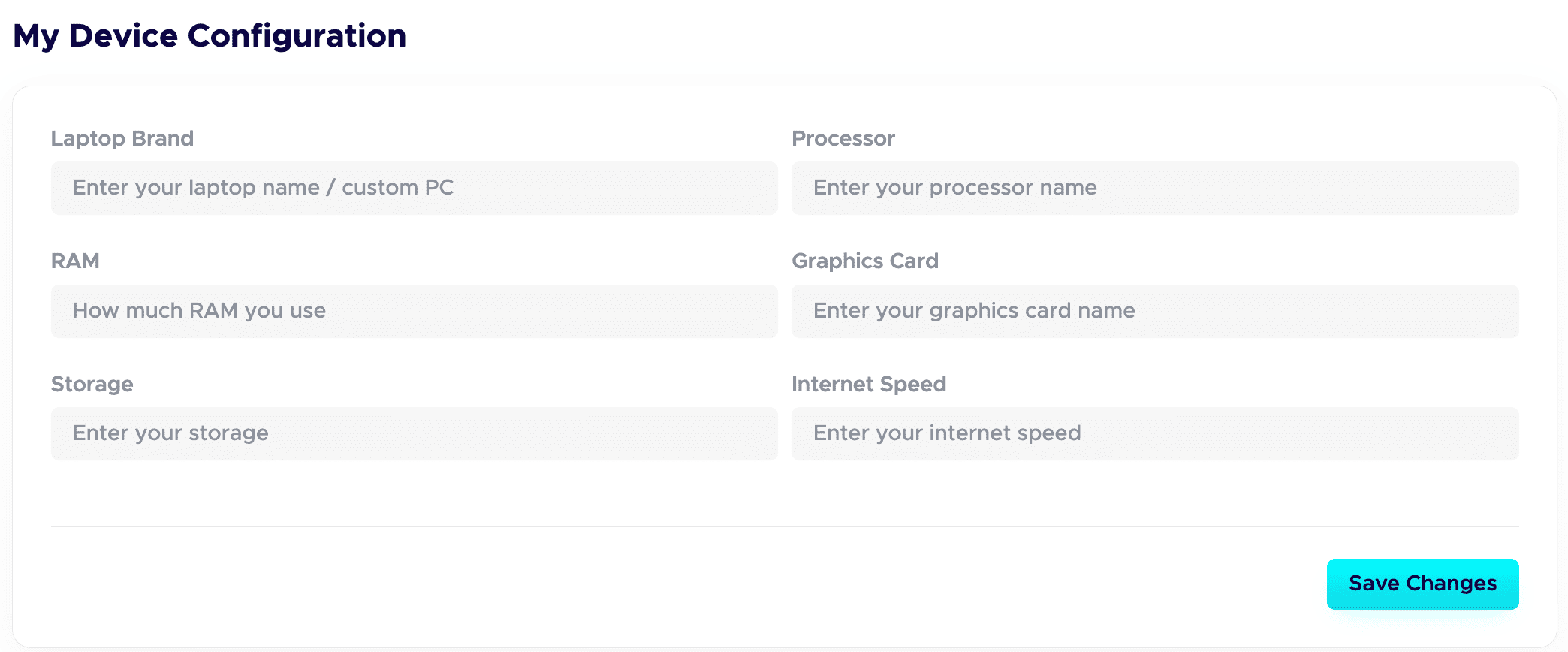
 Step 7: Fill in your Device Configuration.
In your dashboard, set up the Device Configuration section. Add the details about the device you are using. Remote-first companies want to know you have a solid setup to work from. A good setup quietly adds leverage and signals you are ready to deliver.
Step 8: Publish your projects with all the details.
This is a game-changer. Give each project a clear title and a detailed description. Walk through your process: your thinking, the tools you used, the choices you made, and the result. Companies care about how you work, not just the final image.
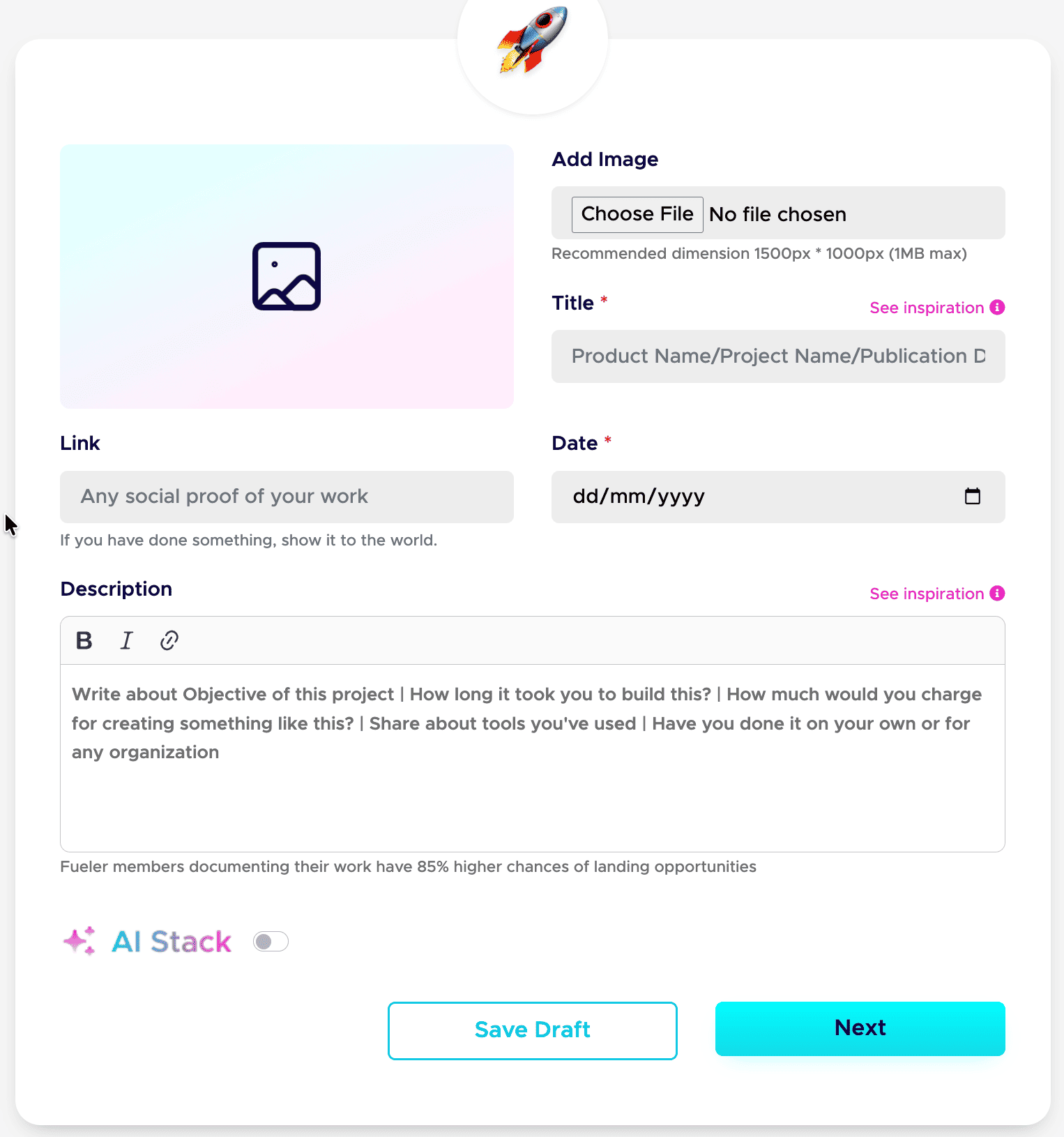
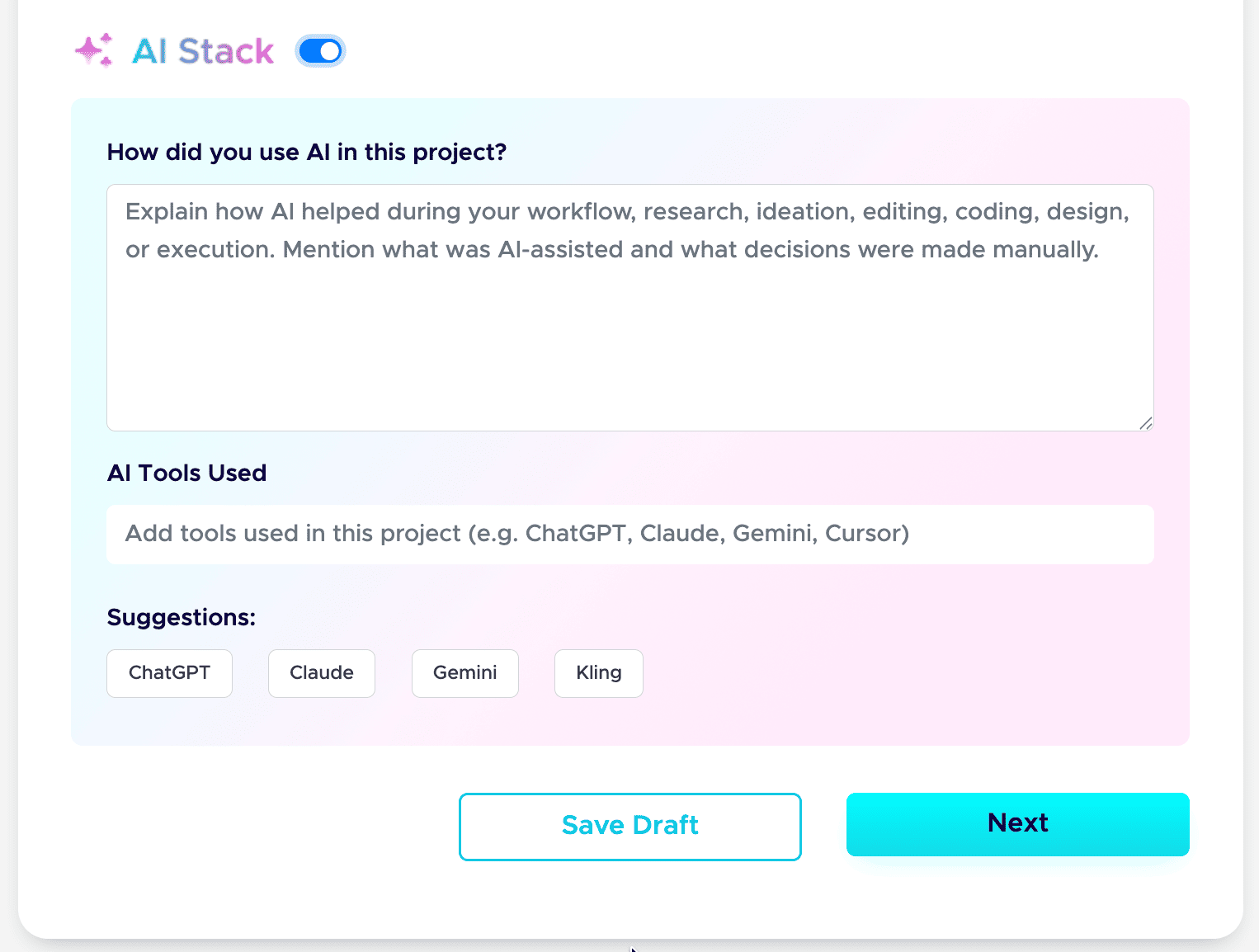
Step 9: Add your AI Stack to each project.
AI is part of real work now, so show it honestly. Use the AI Stack feature to explain how you used AI, which tools you used, and what you did manually. This builds trust instead of raising doubt. Here is the full guide: how to add AI Stack on Fueler.
That is the whole setup. Do these nine steps well, and your profile stops being a static page and starts working as a hiring asset. If you want a tighter version to follow next time, save my 6-step formula for a Fueler portfolio and my breakdown of a career portfolio that actually gets jobs.
Do this once, and you have a link you can drop into your resume, your email signature, and every job application.
7. Comprehensive Comparison Table
8. Real-World Use Cases: Selecting Your Platform
Choosing between these tools depends entirely on your primary professional function and how you create commercial value.
Use Case A: The Creative UI/UX Designer
If you are an interactive designer, motion graphics specialist, or front-end developer, your portfolio is your product. You should select Framer. The infinite design freedom, granular transition engines, and canvas components allow you to visually demonstrate your ability to manipulate code and layouts.
Use Case B: The High-Growth Technical Marketer
If your value lies in scaling user acquisition channels, managing paid ad campaigns, or engineering conversion funnels, you should choose Fueler. Your target audience wants to see clear campaign breakdowns, data dashboards, and structured attribution models- not custom page loading animations.
Use Case C: The Product Manager or Software Engineer
If you are shipping features, managing cross-functional technical teams, or deploying production code, your portfolio must prioritize clear technical documentation. Choose Fueler. It structures your proof of work cleanly, highlighting your product case studies, repository links, and collaborator sign-offs with zero visual noise.
Key Takeaways
- Design Isn't Data: High-end visual aesthetics can complicate navigation. For non-designers, complex layouts create unnecessary cognitive load for hiring managers.
- Time Allocation Matters: Every hour spent debugging custom code components in a design editor is an hour taken away from working or securing clients.
- Verification Builds Trust: In an era of AI-generated content, unverified claims lose value. Platforms featuring built-in co-author validation protect your reputation.
- Distribution Wins: A beautiful website that receives no views cannot advance your career. Integrated talent discovery networks put your work in front of active buyers.
Frequently Asked Questions
Is Fueler completely free to use for individual professionals?
Yes. Fueler offers a robust free tier that allows individual creators, engineers, and marketers to build a complete profile, publish their work, log unlimited projects, receive vouches, and connect with companies.
Can I connect a custom domain to my Fueler profile?
Yes. Fueler provides seamless custom domain integration. This enables you to maintain a polished, highly professional personal brand link while utilizing Fueler's structured, high-speed backend infrastructure.
Do I need to be a designer or developer to use Fueler?
Not at all. Fueler is explicitly engineered to eliminate all technical and design barriers. If you can fill out a simple text form and paste a link, you can build a high-converting portfolio.
Can I display private or under-NDA work on Fueler?
Yes. Fueler includes native privacy management tools. You can set specific projects to private or restricted modes, ensuring you can share proof of work with verified recruiters without violating confidentiality.
How does Fueler help me get freelance clients or full-time roles?
Fueler bridges the gap between portfolio hosting and active talent pipelines. Your profile is automatically indexed into our search matrix, making your verified projects directly discoverable by companies hiring via assignments.
Why 100,000+ professionals use Fueler
Fueler helps professionals showcase proof of work through projects, assignments, case studies, and achievements.
- Thousands of professionals use Fueler to create their digital portfolio
- Thousands of projects are published on Fueler. Check here
- Startups and Companies hire through proof of work on Fueler
- Used by freelancers, creators, marketers, video editors, writers, designers, and product managers
Our mission is to help the next 100 million professionals build a verified professional identity through proof of work

What should you do next?
You've read the article. Now turn your skills into proof of work and unlock more opportunities.
Build your proof of work portfolio
Create a clean portfolio with projects, assignments, resumes, and AI stack details that companies actually want to see.
Create your Fueler portfolio →Apply through assignments, not resumes
Stand out by solving real tasks from companies hiring on Fueler.
Explore assignments →Get discovered by companies
Make your work public and let recruiters discover your skills through actual projects instead of keywords.
Get discovered →
