
Research cutoff: November 2026. Coverage: global, with a focus on India and the US. Forecasts are marked clearly as forecasts.
Quick answer: Recruitment in 2027 will be about doing more with less trust. Recruiters face double the applicants, tighter deadlines and AI-written applications, while candidates trust the process less than ever. The biggest shifts will be a focus on quality of hire, skills-first job posts, a tougher entry-level market, capability-led hiring in India, and more work samples and paid trials to find real talent.
Key recruitment trends for 2027 at a glance
Trend | Expected impact | Evidence strength |
|---|---|---|
Recruiters asked to hire faster with more volume | High | Strong |
Hunt for "hidden gem" candidates | High | Strong |
Skills-first job posts, fewer degree filters | High | Strong |
Tougher entry-level market | High | Strong |
India hiring driven by specific capabilities | High | Strong |
Falling candidate trust and offer acceptance | Medium to high | Strong |
Assignments and paid trials | Medium, rising | Developing |
Transparency about AI in hiring | Medium, rising | Strong |
Why I am writing this
I am Riten, founder of Fueler. We started in 2021 with one simple belief: people should get hired for what they can do, not only for what is written on their resume. Today companies on Fueler hire creative talent through real assignments. That puts me in daily conversations with founders, hiring managers and candidates.
The most common thing I hear from hiring managers right now is "we got hundreds of applications and still could not find the right person." The most common thing I hear from candidates is "I applied to 200 jobs and heard nothing." Both are true at the same time. This article is my attempt to explain why, and what recruitment will look like in 2027.
The state of recruitment going into 2027
More applicants, less quality. LinkedIn research from January 2026 found the number of US applicants per open role has doubled since spring 2022, while 66% of recruiters said finding quality talent got harder.
Pressure on recruiters. 42% of recruiters said they are asked to fill roles faster, and 73% felt unprepared for the pressure of their job in 2026 (same research).
Job seekers feel lost too. 80% of job seekers in that LinkedIn research said they felt unprepared to find a job in 2026.
India is hiring, but selectively. Naukri's JobSpeak index showed white-collar hiring up only 2% year on year in September 2026, while AI and machine learning roles grew 20%.
The big picture: the market is not empty. It is noisy. Recruitment in 2027 is about cutting through noise.
The 8 biggest recruitment trends to watch in 2027
1. Faster hiring with more volume becomes the normal ask
What is changing: Recruiters are expected to fill roles quickly while handling far more applications than before.
Why it is happening: AI tools make applying almost free, and companies want to keep teams lean.
Evidence: Applicants per role doubled since 2022 (LinkedIn), and 93% of recruiters planned to use more AI in 2026 to keep up.
What to expect in 2027 (forecast): More automation of the first steps, and more pressure to show that faster hiring did not lower quality.
What you should do: If you recruit, track quality of hire, not just time to hire. If you are a candidate, make your best proof visible in the first 10 seconds.
Evidence assessment: Established.
2. The hunt for "hidden gem" candidates
What is changing: Companies want talented people who do not look perfect on paper, such as career switchers, self-taught people and graduates from smaller colleges.
Evidence: In LinkedIn's research, 39% of recruiters said they are being asked to find hidden gem candidates, and 59% already use AI to surface them.
What to expect in 2027 (forecast): More sourcing from portfolios, communities and project platforms, not just job boards.
What you should do: If you are one of those hidden gems, do not wait to be found. Publish your work. I wrote about how proof of work can help you land jobs without referrals, and that is the playbook here.
Evidence assessment: Established demand, developing methods.
3. Skills-first job posts and fewer degree filters
What is changing: More job posts list skills and outcomes instead of degrees and years of experience.
Evidence: In TestGorilla's 2025 survey, 53% of employers said they had removed degree requirements, up from 30% the year before. LinkedIn also said early data showed job seekers without a four-year degree using its AI job search were 10% more likely to get hired.
A word of caution: A 2024 study by Harvard Business School and the Burning Glass Institute found a big gap between companies announcing skills-based hiring and actually changing who they hire. Removing a degree line is easy. Changing how you judge people is hard.
What to expect in 2027 (forecast): The companies that pair skills-first job posts with real skill checks will pull ahead.
Evidence assessment: Established, with a practice gap.
4. The entry-level market gets tougher
What is changing: Fewer traditional junior roles, especially in tasks AI can help with.
Evidence: A Stanford study using ADP payroll data found employment for 22 to 25 year olds in the most AI-exposed jobs fell 13% in the three years after late 2022, while older workers in the same jobs held steady. In the US, the New York Fed reported a 5.2% unemployment rate and 42.5% underemployment rate for recent graduates in Q3 2026.
What to expect in 2027 (forecast): Junior candidates who can show real projects will stand out sharply from those who cannot.
What you should do: If you are a fresher, build 2 to 3 strong projects that match the role you want, before you apply.
Evidence assessment: Established.
5. India hires for specific capabilities, not headcount
What is changing: Indian companies are hiring for clear skills like AI, data and specialised engineering, rather than mass hiring.
Evidence: Naukri's September 2026 data shows AI and ML roles up 20%, global capability centre (GCC) hiring up 4%, and Hyderabad leading metros with 9% growth, while IT services hiring fell 4%. Info Edge's CEO said hiring is "increasingly being driven by specific business and capability needs." Separately, Deel reported in March 2026 that India is the third-largest cross-border hiring pool in the world.
What to expect in 2027 (forecast): More hiring by GCCs and global companies hiring Indian talent remotely, with a high bar for proof of skill.
Evidence assessment: Established.
6. Candidate trust and offer acceptance fall
What is changing: Candidates are more sceptical of hiring processes, especially AI ones.
Evidence: Gartner found only 51% of candidates accepted a job offer in their most recent process, down from 74% in Q2 2023, and only 26% trusted AI to evaluate them fairly. Greenhouse found almost half of US job seekers said their trust in hiring had dropped in the past year.
What to expect in 2027 (forecast): Candidate experience becomes a competitive edge. Clear timelines, real feedback and human contact will win better candidates.
Evidence assessment: Established.
7. Assignments and paid trials become a normal step
What is changing: More companies ask candidates to do a short, real task before an offer.
Evidence: 76% of employers in TestGorilla's survey use skills tests, and three in five said tests cut their time to hire. On Fueler, companies have hosted 350+ hiring assignments, and I have seen how much clearer decisions get when everyone looks at the same task.
What to expect in 2027 (forecast): Paid trials will become common for creative, marketing and content roles. If you run hiring, my guide on how much to pay for a trial assignment and how to score it covers the details.
Evidence assessment: Developing.
8. Transparency about AI becomes expected
What is changing: Candidates and regulators want to know when AI is involved.
Evidence: 87% of job seekers in the Greenhouse study said employers should be open about their AI use. The EU AI Act's high-risk rules for hiring apply from 2 December 2027, and India's DPDP Rules main duties apply from 12 May 2027.
What to expect in 2027 (forecast): Clear AI notices in job posts and application forms will become standard for serious employers.
Evidence assessment: Established.
How AI and automation are reshaping recruitment
Recruiting task | What AI does well | What humans must still do |
|---|---|---|
Sourcing | Search large talent pools quickly | Decide who is truly a fit |
Screening | Check basic requirements | Spot unusual talent and avoid bias |
Scheduling | Fully automate | Handle special cases |
Interviews | Run structured first rounds | Judge thinking, taste and values |
Offers | Draft letters and compare pay data | Build trust and close the candidate |
My view: AI should handle the boring parts so recruiters can spend more time on the human parts. The teams that use AI to remove humans from the process entirely will see trust and acceptance rates fall further.
Skills recruiters and talent teams will need in 2027
Skill | Why it matters | How to show it |
|---|---|---|
AI fluency | McKinsey found demand for AI fluency grew nearly sevenfold in two years in US job postings | Document an AI-assisted sourcing workflow |
Assessment design | Good tasks find hidden gems | Create a task and rubric for one role |
Hiring analytics | Leaders want quality-of-hire proof | Build a funnel report from sample data |
Employer branding | Trust is now a competitive edge | Run a small recruitment content campaign |
Candidate experience design | Offer acceptance is falling | Map and improve a candidate journey |
The McKinsey figure comes from its November 2025 report on agents and robots.
New roles in recruitment
Recruiting operations specialist: owns tools, automation and data.
Talent sourcer for communities: finds people through portfolios, Discord groups and creator platforms.
Assessment and assignment designer: builds fair tasks for each role.
Candidate experience lead: improves communication and trust across the process.
How to prove recruitment skills through real projects
Rewrite a job post as skills-first. Take a real job post, remove vague requirements, add clear outcomes. Show before and after.
Design a 2-hour assignment and rubric for a content writer or video editor role.
Map a candidate journey for a company you admire and suggest five improvements.
Build a small hiring dashboard showing where candidates drop off.
Hiring managers look at a portfolio very quickly. I wrote about what recruiters look at first, so put your strongest project on top.
How Fueler helps
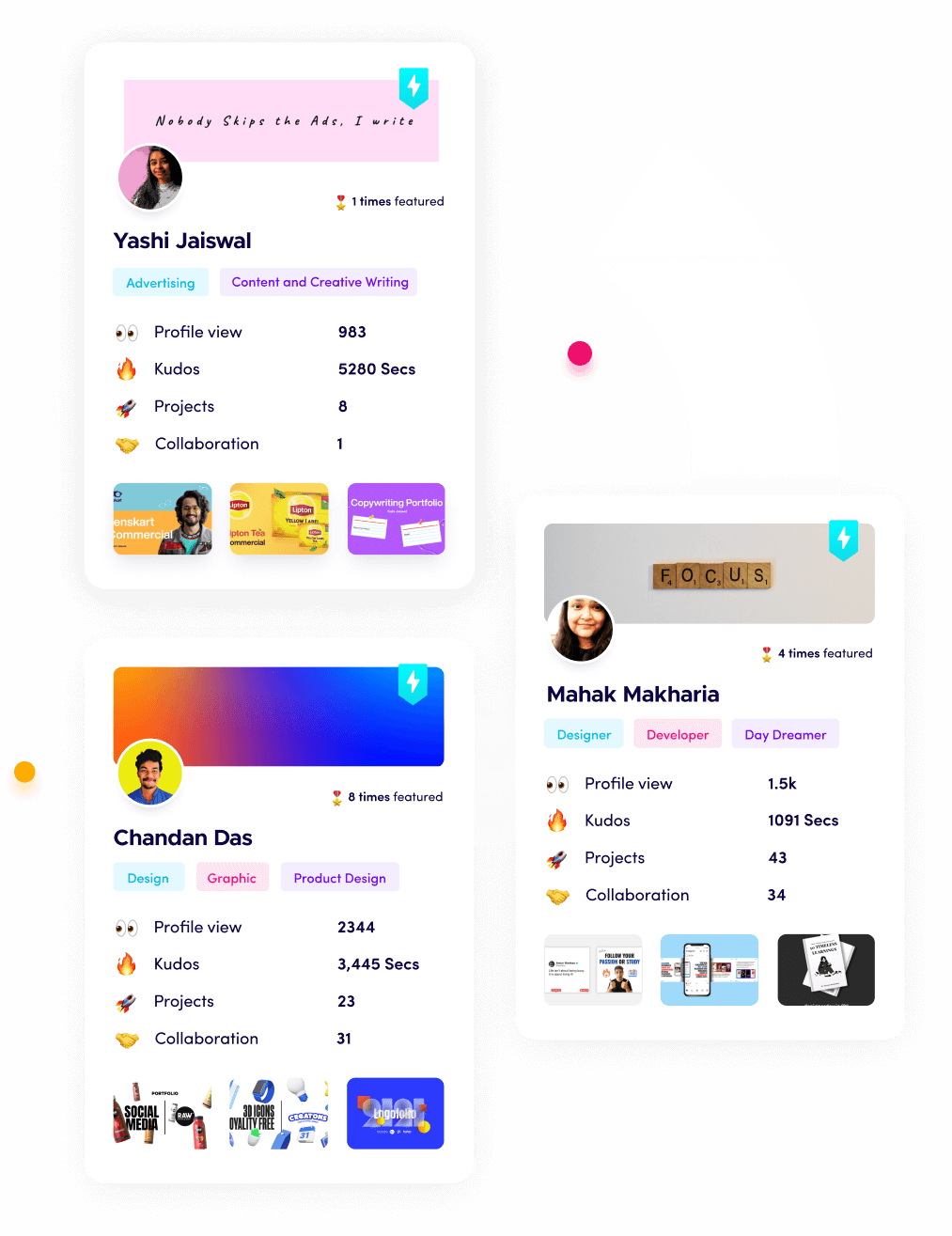
For candidates, Fueler is a place to show real projects with the story behind them, so recruiters can see how you work. For companies, Fueler lets you hire through assignments, which means every candidate does the same task and you compare real work side by side.
In India especially, I have seen hiring managers spend less than a minute on each application. My piece on certificate vs portfolio and what Indian hiring managers see in the first 60 seconds shows why a project link usually beats a list of certificates. And if you want to understand the bigger shift, read my guide on hiring without resumes.
Three possible futures for recruitment in 2027
Scenario | What it looks like |
|---|---|
Fast AI adoption | Most first rounds are AI-run. Recruiters manage agents and focus on closing candidates. |
Balanced adoption (most likely in my view) | AI handles admin and sourcing. Work samples and human interviews decide outcomes. |
Trust backlash | Fraud, bias cases and new laws push companies back to referrals, in-person rounds and assignments. |
Signals to watch: offer acceptance rates, entry-level hiring numbers, Naukri's monthly index in India, and the first enforcement cases under AI hiring laws.
Your 30/60/90 day plan
Next 30 days: Pick one target role. Study 10 job posts for it and list the common skills.
Next 60 days: Build two projects that prove those skills. Write up the process for each.
Next 90 days: Publish your work, apply to fewer but better-matched roles, and share your projects with hiring managers directly.
How I researched this
I reviewed reports and data published between 2024 and November 2026 from LinkedIn, Gartner, Greenhouse, TestGorilla, the New York Fed, Naukri, Deel, McKinsey, Stanford researchers and the Burning Glass Institute. I note the country and date for each statistic, since US and India data are not directly comparable. Surveys from companies that sell hiring tools are marked. All 2027 statements are forecasts based on this evidence. I will revisit this article during 2027 and correct anything that does not hold up.
Frequently asked questions
What will be the biggest recruitment trend in 2027?
The biggest trend is the shift from reading resumes to checking real skills. With applicants per role doubling and AI-written applications everywhere, employers are adding work samples, skills tests and paid trials earlier in the process.
Will AI replace recruiters in 2027?
No. AI will take over admin tasks like scheduling and first screening, but recruiters are still needed to judge talent, build trust and close candidates. Offer acceptance is falling, which makes the human side of recruiting more important.
Is it harder to get a job in 2027 as a fresher?
Data suggests the entry-level market is tougher. A Stanford study found a 13% fall in employment for 22 to 25 year olds in the most AI-exposed jobs. Freshers who show real projects that match the role have a clear advantage over those who only send resumes.
Which jobs are growing fastest in India for 2027?
Naukri's September 2026 data shows AI and machine learning roles growing 20% year on year, with strong hiring in global capability centres and cities like Hyderabad and Chennai. Hiring is driven by specific skills rather than large batch hiring.
How can recruiters find better candidates in 2027?
Use skills-first job posts, add a short role-relevant task early, source from portfolio and project platforms, and give candidates clear timelines and feedback. This helps you find hidden gems and improves offer acceptance.
Why 150,000+ professionals use Fueler
Fueler helps professionals showcase proof of work through projects, assignments, case studies, and achievements.
Thousands of professionals use Fueler to create their digital portfolio
Thousands of projects are published on Fueler. Check here
Startups and Companies hire through proof of work on Fueler
Used by freelancers, creators, marketers, video editors, writers, designers, and product managers
Our mission is to help the next 100 million professionals build a verified professional identity through proof of work