Last updated: July 2026
Nobody ever woke up excited to update their WordPress plugins on a Sunday morning. Yet, thousands of professionals treat portfolio building like a mandatory digital punishment. You spend three weeks tweaking a CSS media query just to make sure your text doesn't clip on an iPhone 13, all while the job you wanted gets filled by someone who sent a direct link to their work.
The internet has changed, but our portfolio tools are stuck in 2012. We’ve been conditioned to think that owning a bloated, slow-loading personal website is the ultimate sign of professional authority.
I’m Riten, founder of Fueler, a skills-first portfolio platform that connects talented individuals with companies through assignments, portfolios, and projects, not just resumes/CVs. Think Dribbble/Behance for work samples + AngelList for hiring infrastructure.
When we looked at the landscape, we noticed a painful truth: people spend more time playing web developer than actually showing their proof of work.
The Competitor: Where WordPress Actually Excels
WordPress isn't bad; it’s just misunderstood. It was built to run the internet’s content, and it does that incredibly well. If you are an enterprise agency, a heavy blogger who wants deep programmatic control over custom database schemas, or a developer who genuinely enjoys setting up local staging environments, WordPress is an absolute powerhouse.
The True Strengths of WordPress
- Infinite Creative Independence: You control every single pixel, database line, and server configuration without third-party limitations.
- Deep Plugin Ecosystem: Access to over 50,000 plugins allows you to turn your site into literally anything, from a community forum to a fully functional learning management system.
- Granular On-Page Adjustments: Complete freedom over technical metadata structures, custom URL parameters, and micro-level schema injections for Google crawlers.
The Bottleneck: Why Your WordPress Portfolio Is Costing You Jobs
Here is the problem: recruiters do not care about your theme’s animations. They care about your outcomes. When a hiring manager has 400 applications to review, a highly customized, slow-loading WordPress site becomes an active point of frustration. If your navigation isn’t immediately intuitive, they click away in six seconds.
The Hidden Downsides of WordPress Portfolios
- The Infinite Maintenance Trap: You become an accidental IT manager who constantly fixes broken PHP scripts, database connection errors, and security vulnerabilities.
- Zero Native Discoverability: Your site lives on an isolated island in the middle of the web; nobody is stumbling across your work unless you drive every single click yourself.
- High Technical Friction: Formatting a rich case study with embedded files, clean metrics, and responsive blocks requires constant visual wrestling.
Why Fueler Subverts the Entire Portfolio Process
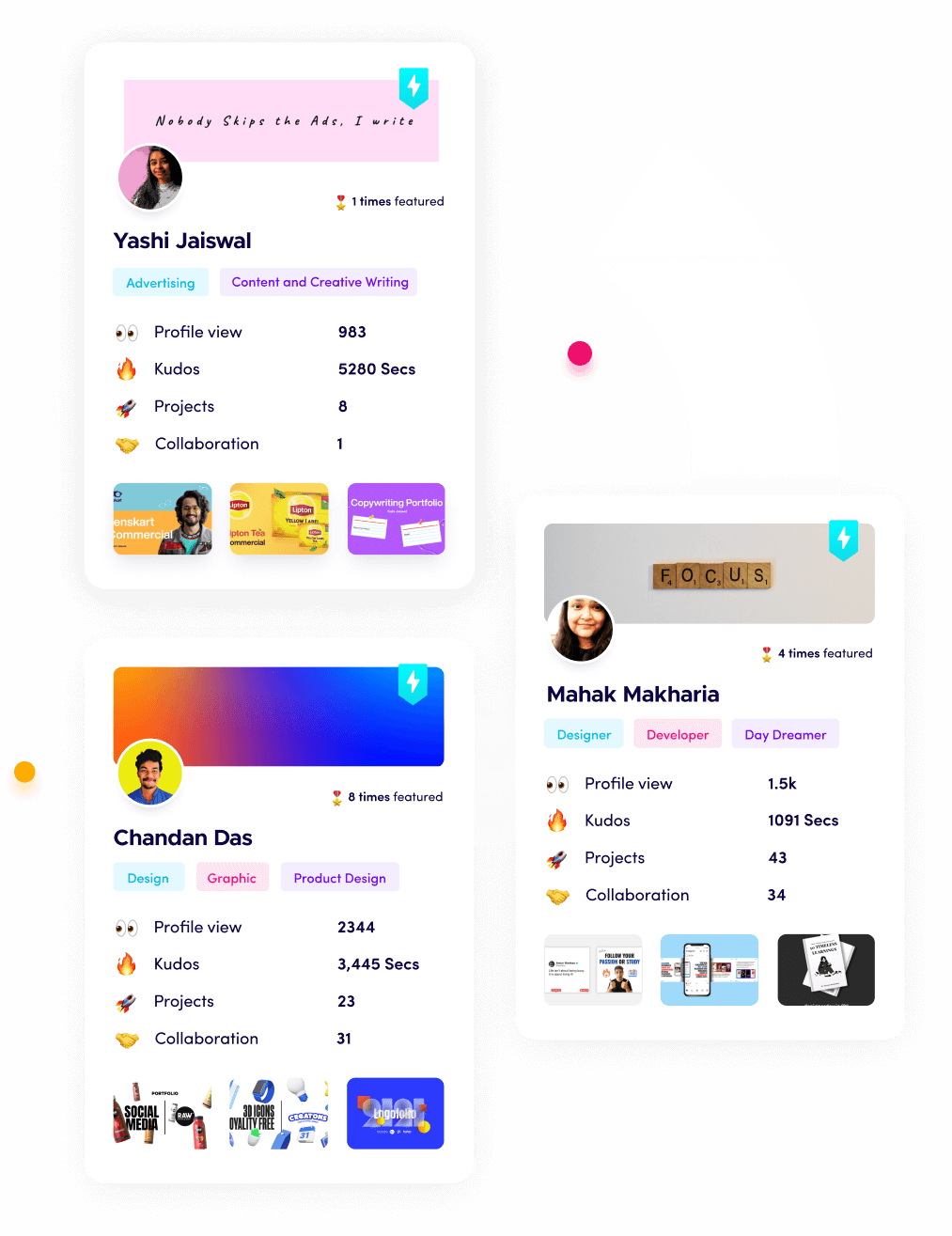
Fueler treats your portfolio as a dynamic career ledger, not a static brochure. Instead of forcing you to build a website, it gives you a clean, structured platform to log your work, collect validations, and get discovered by active recruiters. It moves you away from beautiful promises and shifts the focus entirely to undeniable proof.
The Structural Advantages of Fueler
- Hiring-First Architecture: The layout is optimized strictly for visual scanning, giving recruiters the exact metrics, tools, and proof points they want in seconds.
- Native Inbound Network: Your profile lives inside a searchable talent ecosystem where companies actively filter candidates by proven skills and historical assignments.
- Proof Over Promises: Features like verified projects and community vouches turn your profile into a credible asset that eliminates the skepticism of traditional resumes.
How to Build Your Fueler Portfolio in 5 Minutes
You don't need a code repository or a hosting plan. Let’s get your work done before your coffee gets cold.
How to Create Your Portfolio on Fueler Step by Step
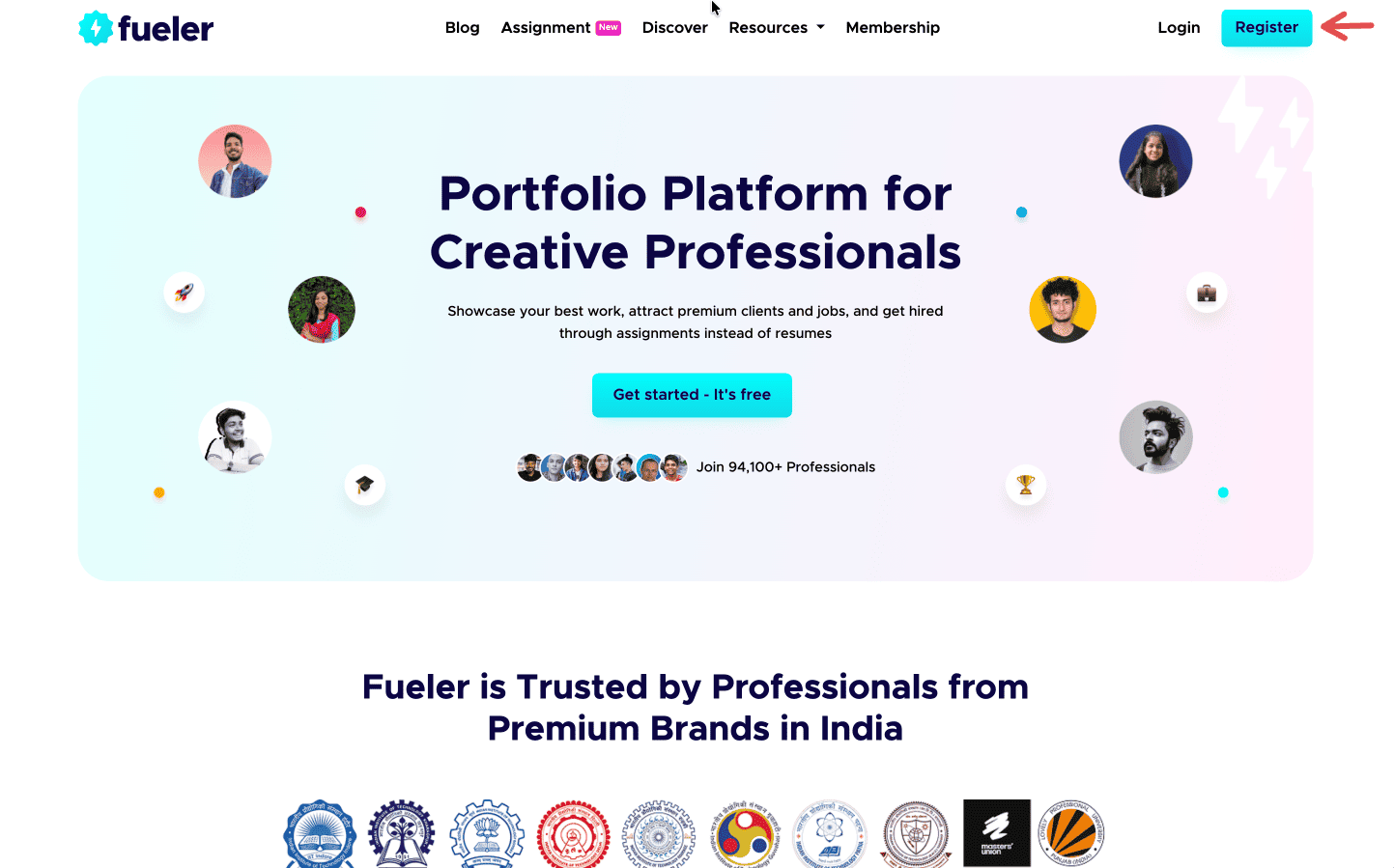
Step 1: Sign up on Fueler.
Head to Fueler.io and create your free account.
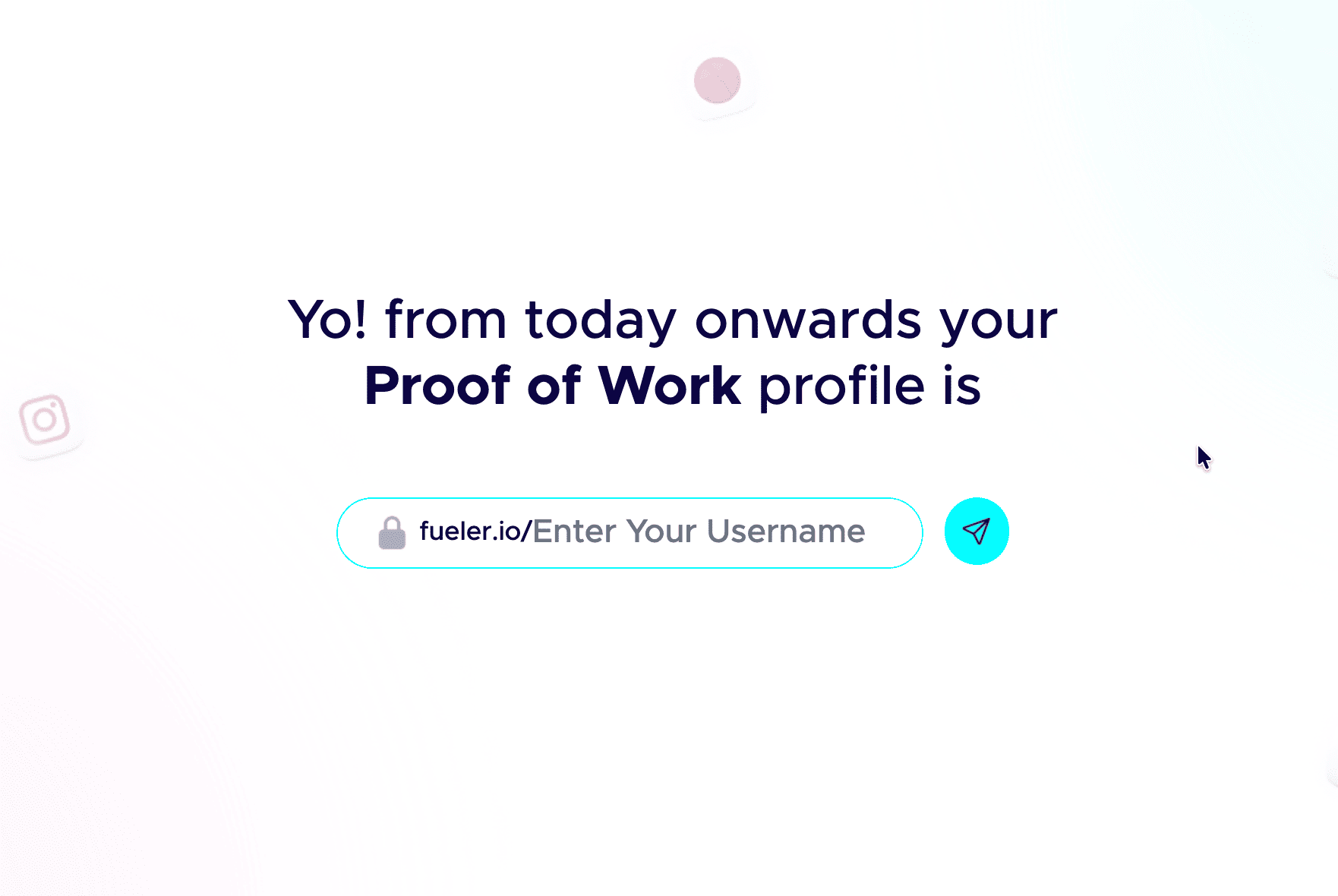
Step 2: Pick a professional handle.
Your handle shows up in your public link, so keep it clean and grown-up. Don’t add nicknames and random numbers. Your name or a simple version of it works best.
 Step 3: Add a professional profile picture.
Use the same kind of professional photo you would put on LinkedIn. Clear face, good lighting, and a simple background. People trust a real face more than an empty avatar.
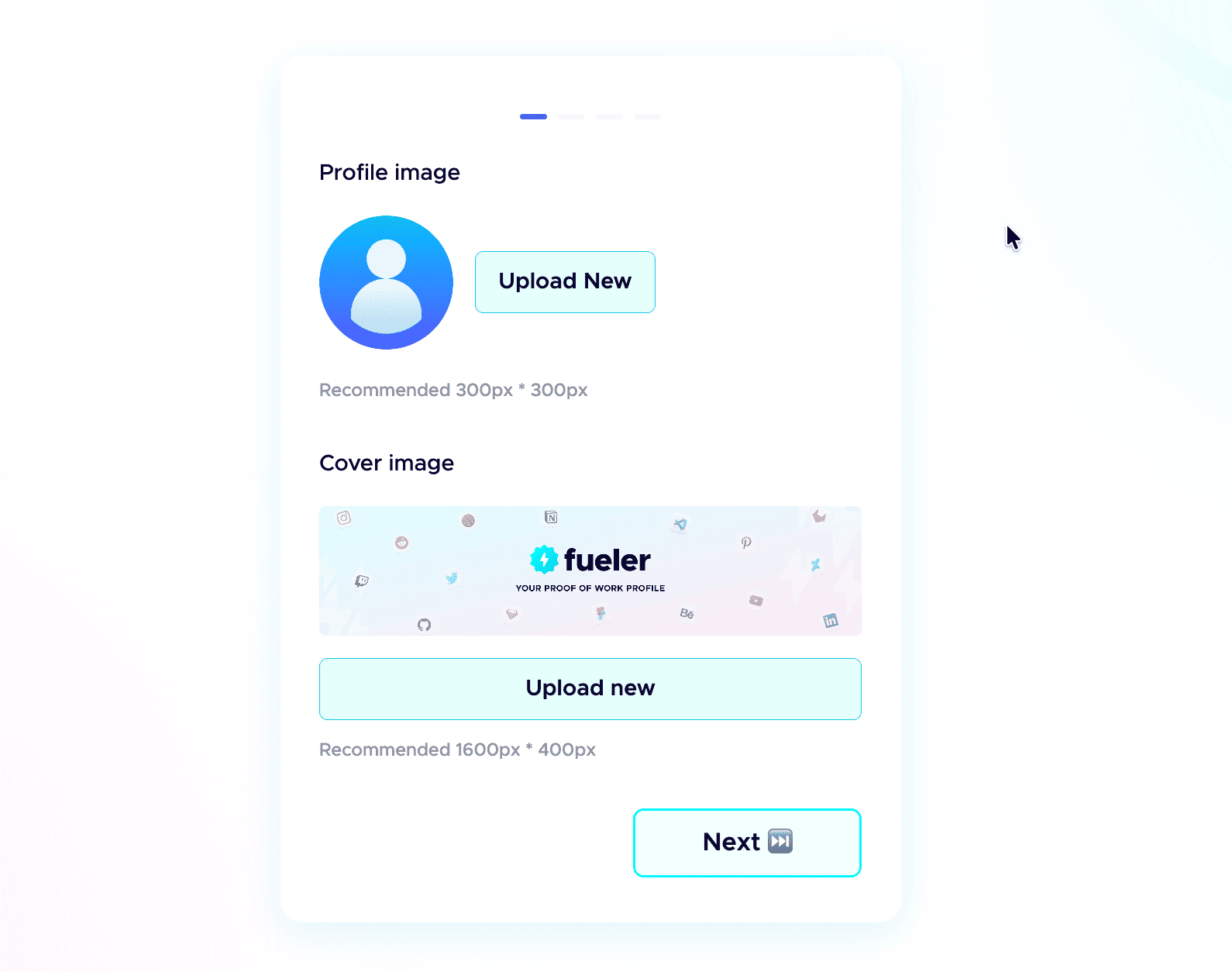
Step 4: Write a strong header.
The header is the first thing anyone sees. In one or two short lines, say who you are, what you do, and the kind of work you have done. Make it specific, not vague.
Step 5: Add a short bio.
Tell people who you are and what you do in a few plain sentences. No buzzwords, just enough for a recruiter to get you in five seconds.
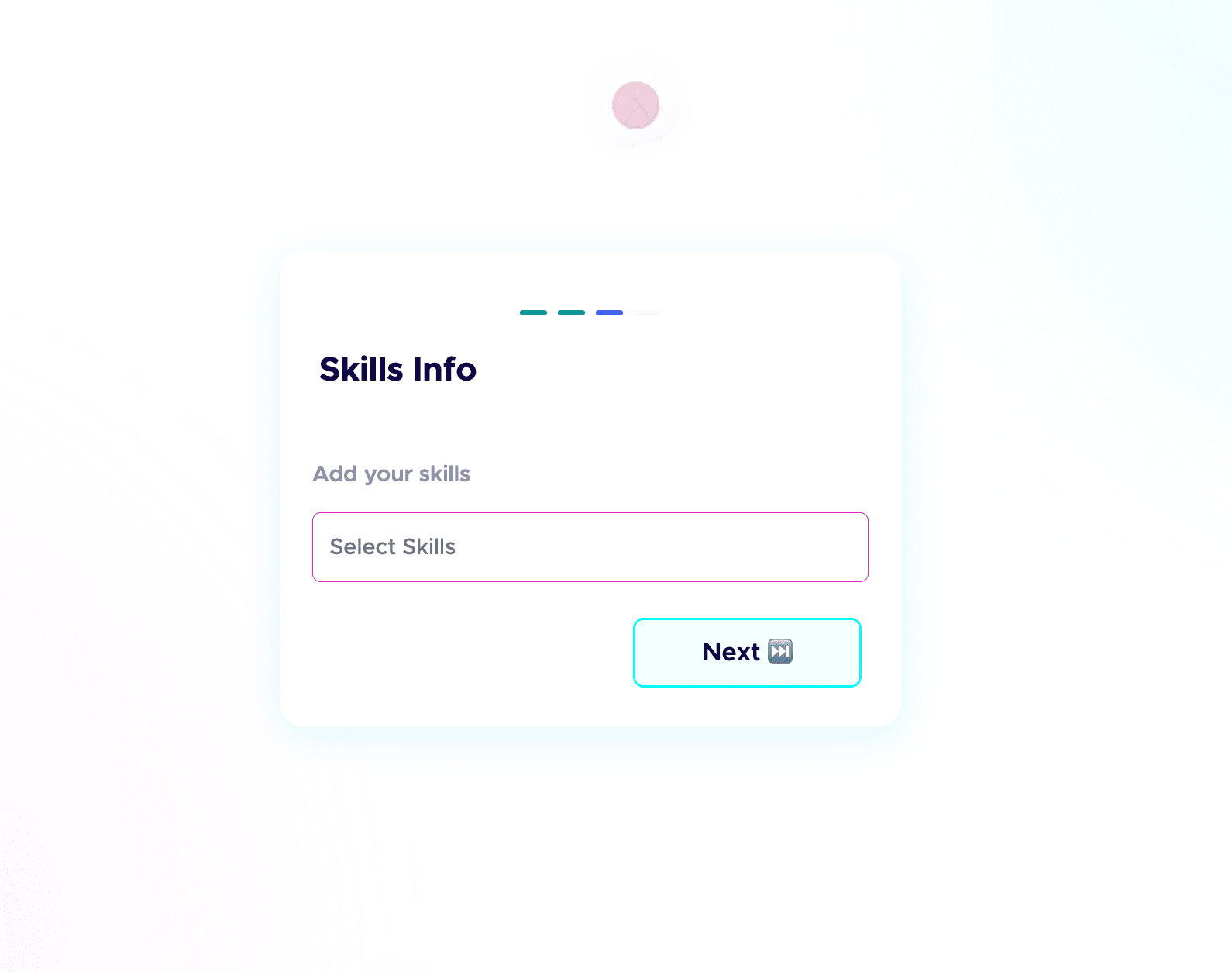
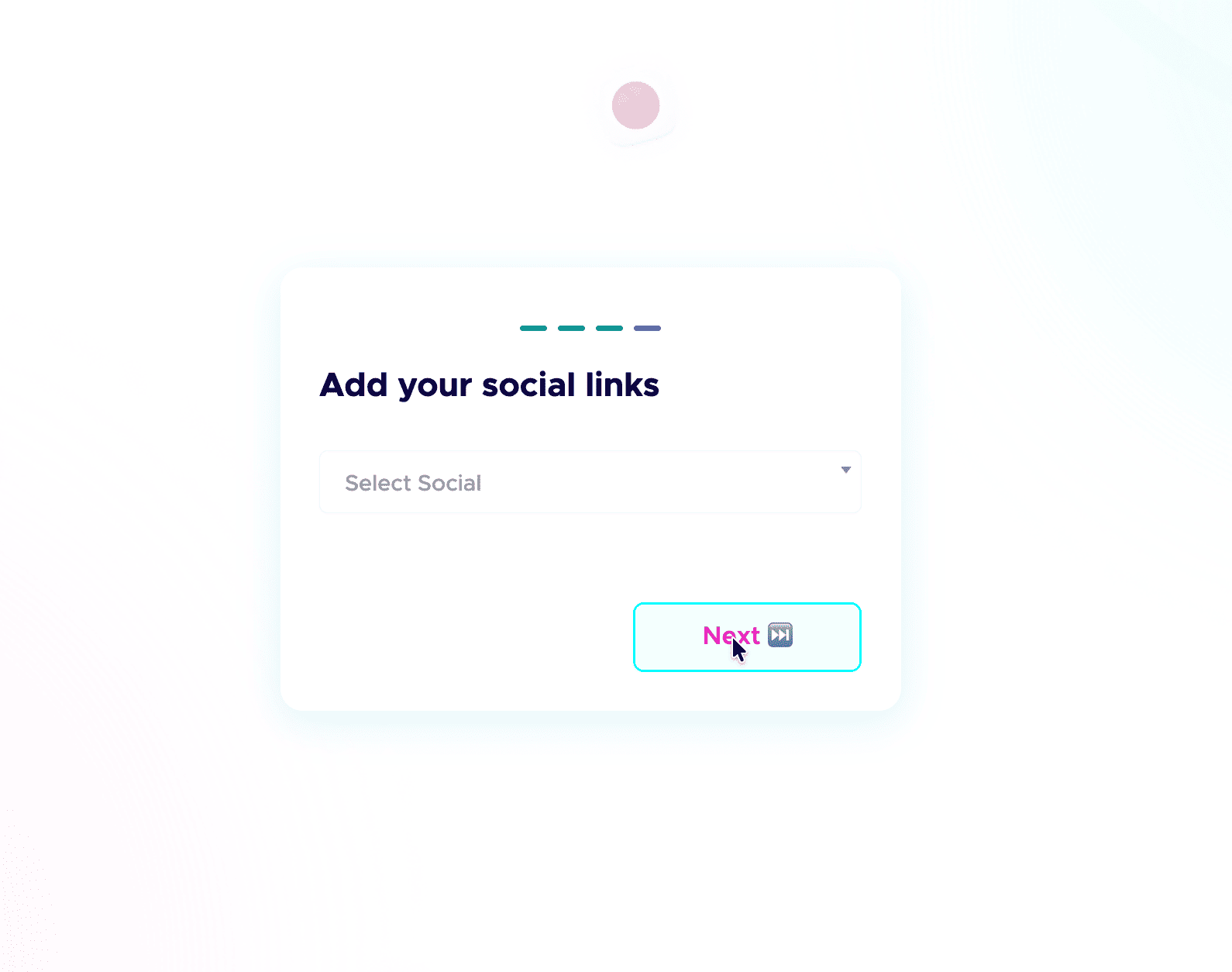
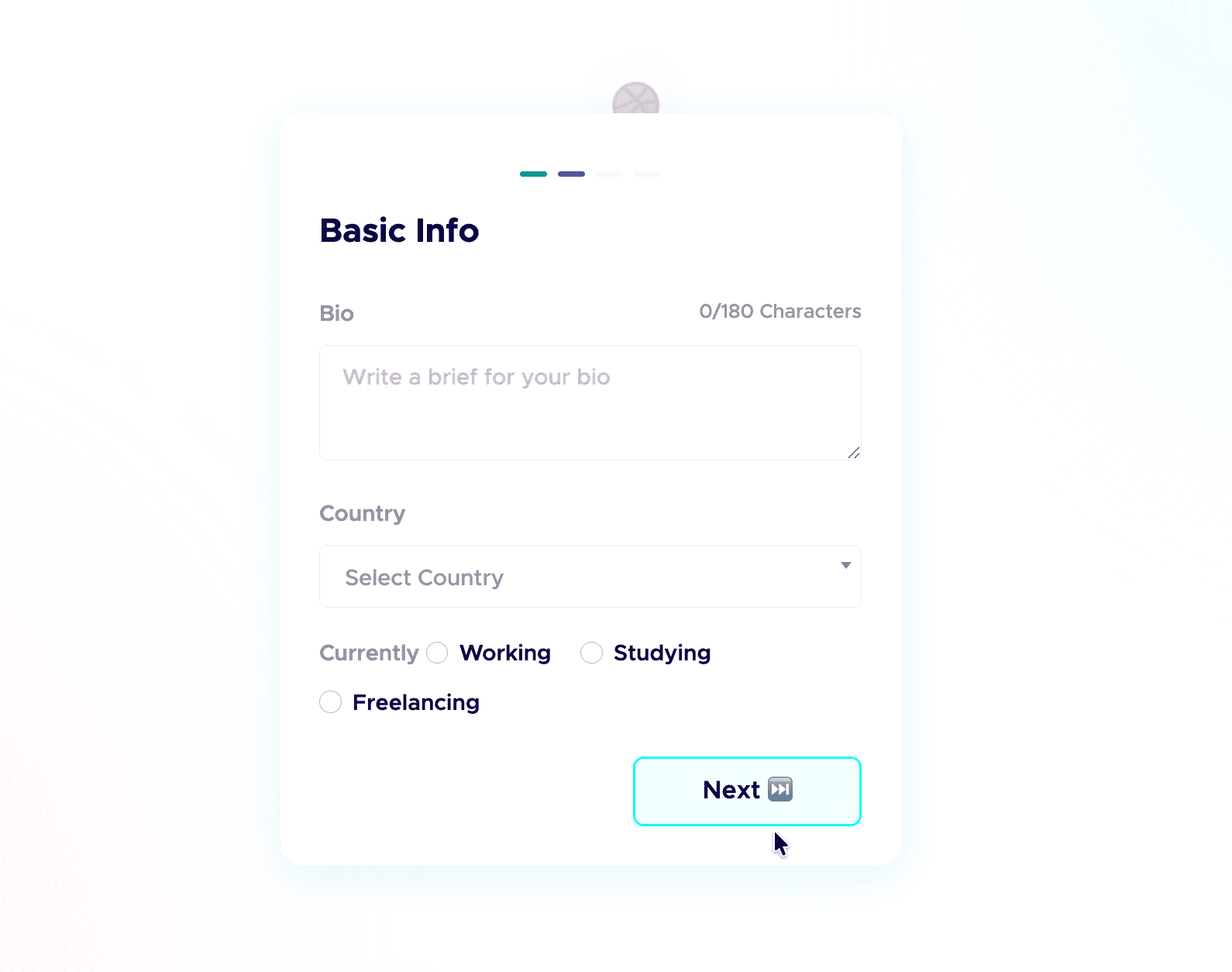 Step 6: Add your skills and social links.
List the skills you are good at and actually want to be hired for, and connect your socials. People do check your profiles, and active socials build credibility before the first call. Students starting from scratch can follow my student guide to their first portfolio.
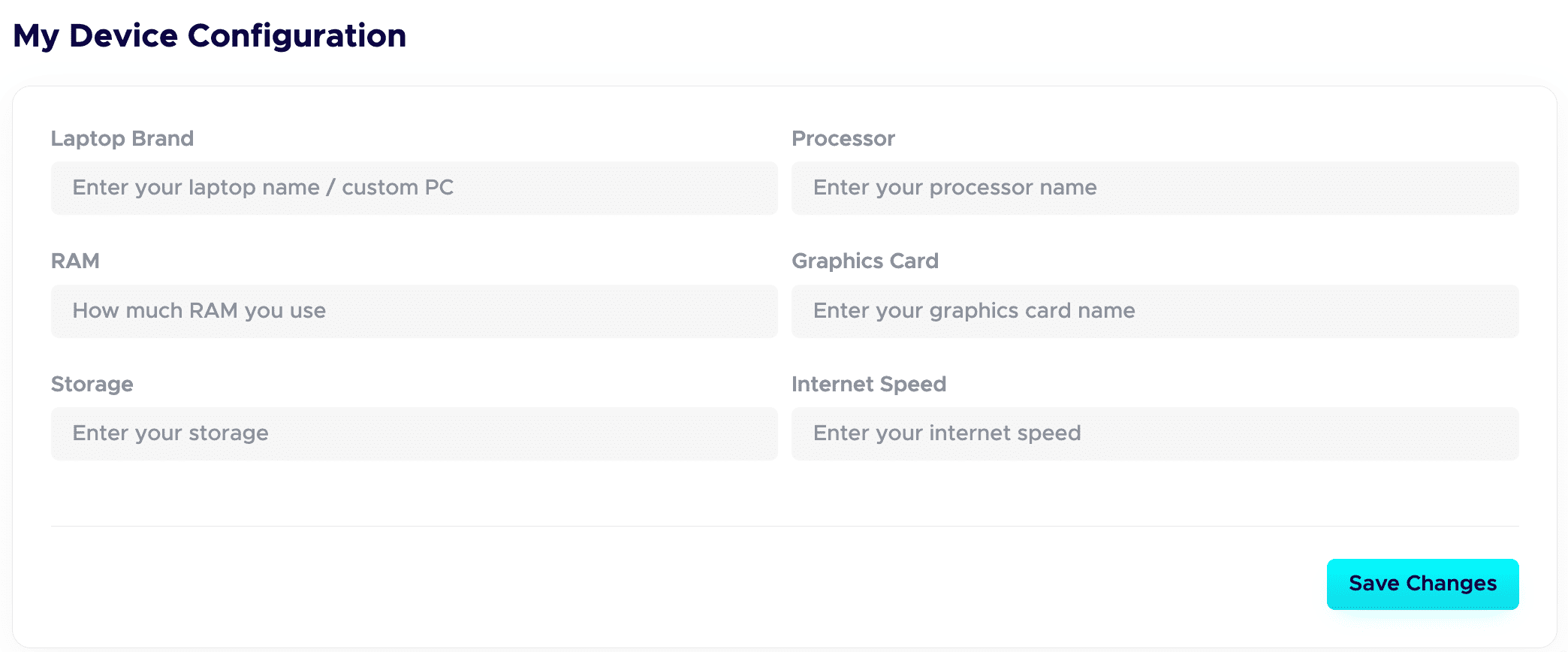
 Step 7: Fill in your Device Configuration.
In your dashboard, set up the Device Configuration section. Add the details about the device you are using. Remote-first companies want to know you have a solid setup to work from. A good setup quietly adds leverage and signals you are ready to deliver.
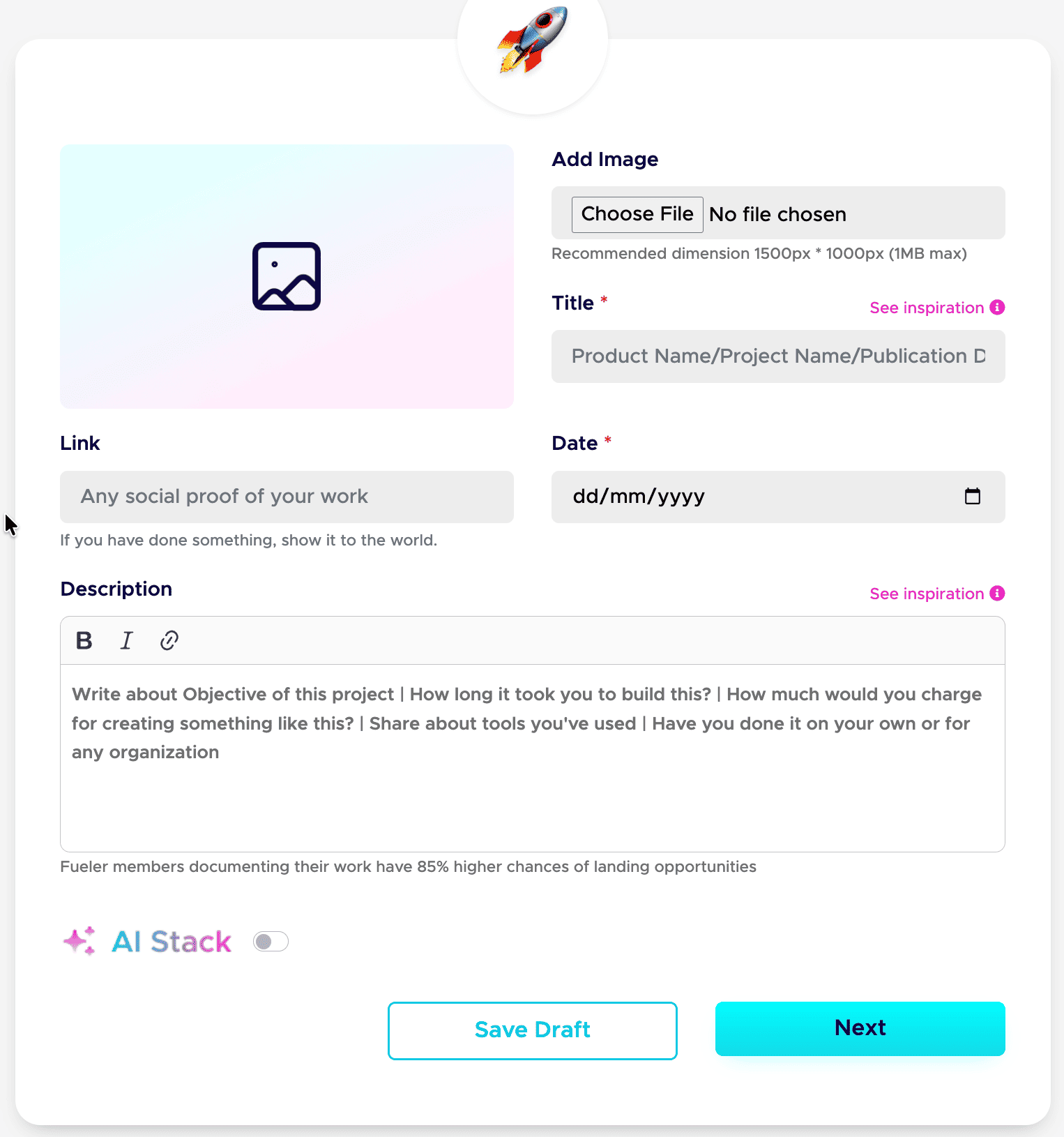
Step 8: Publish your projects with all the details.
This is a game-changer. Give each project a clear title and a detailed description. Walk through your process: your thinking, the tools you used, the choices you made, and the result. Companies care about how you work, not just the final image.
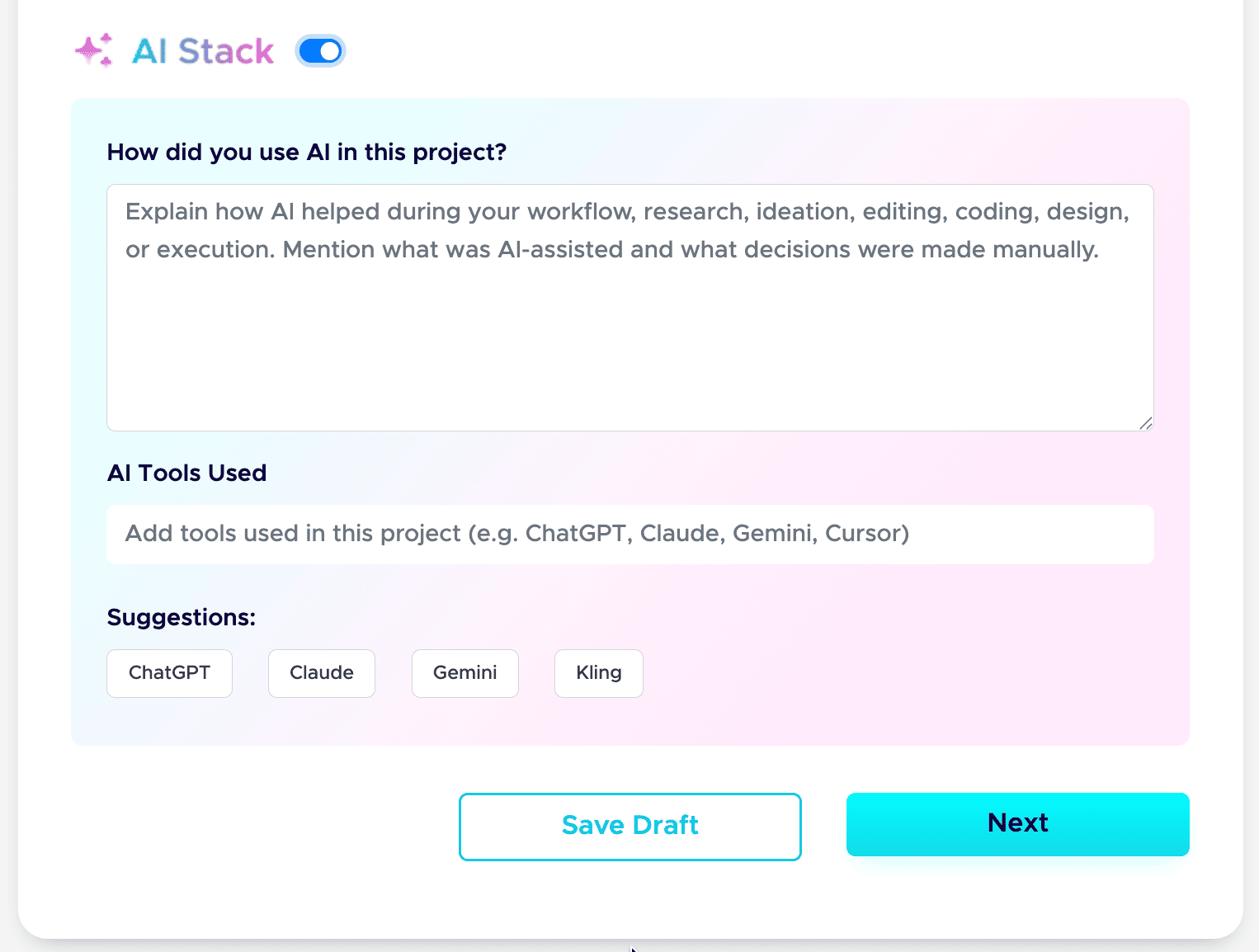
Step 9: Add your AI Stack to each project.
AI is part of real work now, so show it honestly. Use the AI Stack feature to explain how you used AI, which tools you used, and what you did manually. This builds trust instead of raising doubt. Here is the full guide: how to add AI Stack on Fueler.
That is the whole setup. Do these nine steps well, and your profile stops being a static page and starts working as a hiring asset. If you want a tighter version to follow next time, save my 6-step formula for a Fueler portfolio and my breakdown of a career portfolio that actually gets jobs.
Do this once, and you have a link you can drop into your resume, your email signature, and every job application.
Deep Dive: Core Structural Differences
Understanding how these platforms differ at a foundational level changes how you position your career assets.
Customization vs. Standardization
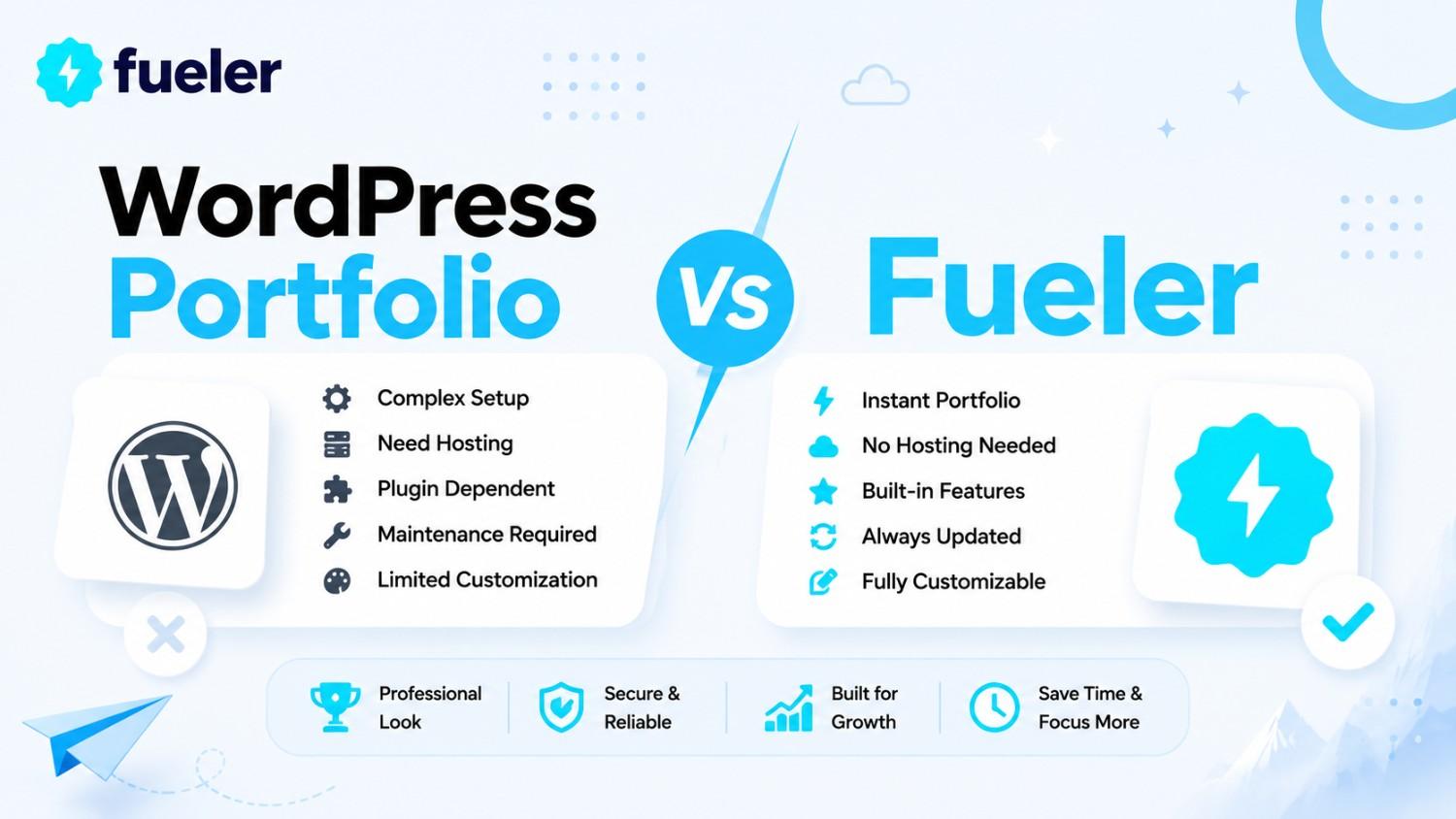
WordPress demands that you design a user experience from scratch, which often introduces navigation friction. Fueler standardizes the container so recruiters can find your core metrics instantly, keeping the focus strictly on the caliber of your execution.
Hosting Overhead vs. Zero Infrastructure
A WordPress site requires a domain name, an SSL certificate, regular server backups, and security patching to prevent malicious code injections. Fueler operates entirely in the cloud with zero maintenance, letting you publish new live updates from your phone in seconds.
Isolated Island vs. Ecosystem Network
A traditional website has an inbound discovery rate of zero without active search optimization or social distribution. Fueler places your proof of work inside a live directory where brands and managers actively search for specific execution skills.
The Feature-by-Feature Breakdown
Let’s look at how these two engines operate when your career growth is on the line.
Real-World Scenarios: Who Should Choose What?
Choose WordPress If:
You are a full-stack developer showcasing custom API integrations, or an agency owner who needs highly specific multi-page onboarding funnels. You have the time to maintain servers and want your portfolio to look like an experimental digital art piece.
Choose Fueler If:
You are a modern professional, whether a content strategist, UI designer, growth marketer, or copywriter who wants to land opportunities fast. You want to showcase your work without the stress of managing a personal site, ensuring your career portfolio remains clean, structured, and instantly readable for decision-makers.
The Shift Toward Skills-First Hiring
The corporate world is quietly retiring the traditional resume. High-growth companies are realizing that a polished CV or an expensive university degree doesn't guarantee job performance. They want to see what you have actually built.
When you use a platform designed around project outputs, you align yourself with this industry shift. You stop telling people you are a "highly motivated self-starter" and start showing them the actual case studies that validate your execution. It changes the entire dynamic of an interview from a defensive defense of your resume to an active discussion about your achievements.
Optimizing for Modern Discovery
The AI Engine Visibility Problem
Traditional websites hide data behind non-standard custom layouts that modern search algorithms struggle to parse cleanly. Fueler utilizes uniform, highly indexable data schemas that make your skill blocks instantly readable to automated filtering engines.
Frictionless Recruiter UX
Hiring managers spend an average of six seconds on an initial profile review before making a decision. Fueler eliminates multi-page navigation clicking by placing your bio, skills, verified projects, and client feedback onto a single scannable canvas.
Key Takeaways
- Friction Kills Opportunities: The longer it takes you to update your site or format a page, the less likely you are to apply for a breakthrough role.
- Verification Generates Trust: In a world flooded with generic AI text, showing a clean portfolio filled with real, validated data helps you stand out instantly.
- Network Effects Matter: A personal website leaves you isolated, while a collaborative platform keeps you visible to a broader ecosystem of talent and companies.
Frequently Asked Questions
Can I use Fueler if I already have a personal blog?
Yes. Many professionals use Fueler specifically as their clean career landing page while keeping their personal blog for long-form writing or side hobbies.
How do recruiters find my profile inside Fueler?
Companies use our native directory to filter candidates based on specific skills, past assignments, and verified work history, putting your profile directly in front of active opportunities.
Is Fueler suitable for non-technical fields like writing or management?
Absolutely. If you create strategies, write copy, manage launches, or build frameworks, you can document those processes as clear, readable case studies.
Do I own my data and content on Fueler?
Yes. Your projects, case studies, and uploaded materials belong entirely to you, and your profile page remains publicly shareable across any external platform.
Stop fighting with website builders and themes. Your work is too good to be hidden behind a broken plugin or a slow-loading landing page. Keep your focus entirely on what moves the needle: building things, shipping projects, and letting your real execution do the talking.
Your next client isn't waiting for your website to be perfect; they are waiting to see your proof of work.
Why 100,000+ professionals use Fueler
Fueler helps professionals showcase proof of work through projects, assignments, case studies, and achievements.
- Thousands of professionals use Fueler to create their digital portfolio
- Thousands of projects are published on Fueler. Check here
- Startups and Companies hire through proof of work on Fueler
- Used by freelancers, creators, marketers, video editors, writers, designers, and product managers
Our mission is to help the next 100 million professionals build a verified professional identity through proof of work