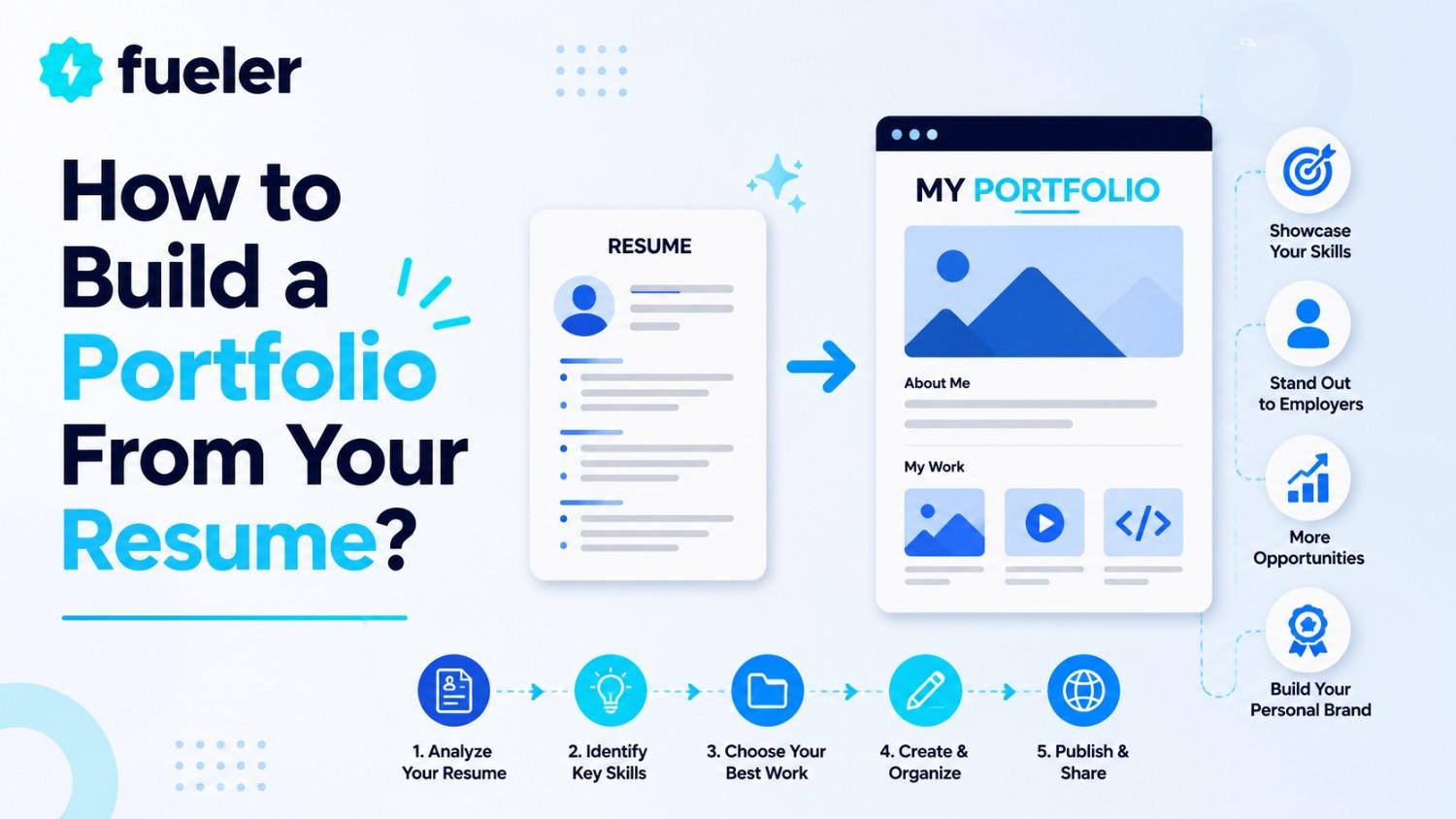
How to Build a Portfolio From Your Resume? (Free Tool Inside)

Riten Debnath
20 Jul, 2026
Last updated: July 2026
Most professionals approach job hunting backwards. They spend days tweaking bullet points on a two-page resume, hoping a hiring manager will notice their profile among hundreds of identical applications. Today, companies are flooded with resumes that look exactly the same, use the same corporate buzzwords, and make the same unverified claims. The reality of the modern job market is simple: companies no longer buy promises. They buy proof.
I’m Riten, founder of Fueler, a skills-first portfolio platform building the career infrastructure for 100 million creative professionals. Fueler connects talented individuals with companies through assignments, portfolios, and projects, not just resumes or CVs. Think of it as Dribbble/Behance for work samples combined with AngelList for hiring infrastructure.
To stand out today, you need to show employers what you can do instead of only telling them about it. That's where proof of work comes in. Rather than listing your skills on a resume, you create real projects that anyone can see and evaluate. In this guide, you'll learn how to use your existing resume to find project ideas, build work that matches your skills, and create a portfolio that helps recruiters understand your abilities before the interview.
What Is Fueler's Resume to Proof of Work Ideas Generator?
Fueler's Resume to Proof of Work Ideas Generator is a free tool that helps you discover what projects to build for your portfolio. It uses your existing resume to recommend ideas that match your experience instead of suggesting generic projects.
The generator analyzes your resume, including your previous jobs, projects, and skills. Based on that information, it creates a list of proof-of-work ideas that fit your background.
The concept is simple. Your resume explains your experience, while proof of work lets employers see your abilities. This tool connects the two.
- Every recommendation is personalized using the information already available in your resume.
- The ideas are designed to match your career path instead of giving the same suggestions to everyone.
- The tool works with standard PDF and DOCX resumes up to 5MB, making it easy to upload the resume you already have.
- The recommendations are meant to become real projects that strengthen your portfolio and showcase your abilities.
- Instead of spending time deciding what to build, you can focus on completing projects and documenting your work.
Why It Matters: The hardest part of building proof of work is usually getting started. By turning your resume into project ideas, the generator helps you spend less time thinking and more time building.
The Anatomy of High-Impact Proof of Work
Not all portfolio projects are created equal. A generic clone of a popular application or a surface-level summary of an industry trend does not qualify as high-impact proof of work. To capture the attention of busy decision-makers, a project must demonstrate deep contextual awareness, technical execution, and strategic thinking. It needs to look like real work done for a real business, not a homework assignment.
High-impact proof of work addresses a specific, identifiable pain point within an industry or a target company. It shows that you can identify a gap, design a viable solution, execute that solution using modern tools, and measure the results effectively. The best projects are often proactive contributions made directly to organizations you admire, showing them exactly what you can do before you are even on the payroll.
When you structure a project, you must document the entire journey, not just the final result. Founders care deeply about how you think, how you handle constraints, and how you iterate when things go wrong. Your documentation should serve as a transparent window into your professional workflow, giving companies total confidence in your ability to operate autonomously.
Key Characteristics of Effective Projects
- Clear problem definition: Begin with an explicit breakdown of the business problem to prove you operate with commercial intent rather than random building.
- Visible methodology documentation: Detail your step-by-step process and technical trade-offs to show hiring teams you possess structured thinking under pressure.
- Real-world deployment: Ensure all assets are live, public, and accessible via a clean URL to prove your end-to-end management skills.
- Measurable outcome analysis: Track and display specific performance metrics to show employers you focus on direct return on investment.
- Clean presentation architecture: Format your project case study cleanly using structured headers so time-constrained managers can extract value within seconds.
Why It Matters
High-impact proof of work separates superficial hobbyists from serious professionals who understand business objectives. By building assets that mirror real-world corporate challenges, you eliminate the learning curve associated with onboarding a new hire. Employers can clearly see how your current skills will translate directly into immediate value for their existing teams.
Step-by-Step Guide: Publish Your Proof of Work on a Fueler Portfolio
The tool is built to be fast. Here is the exact process from start to finish. Follow it once, and you will understand the full loop. Check out the link here: https://fueler.io/resume-to-proof-of-work
Step 1: Head to the Resume to Proof of Work Ideas Generator on Fueler and get to the upload screen.
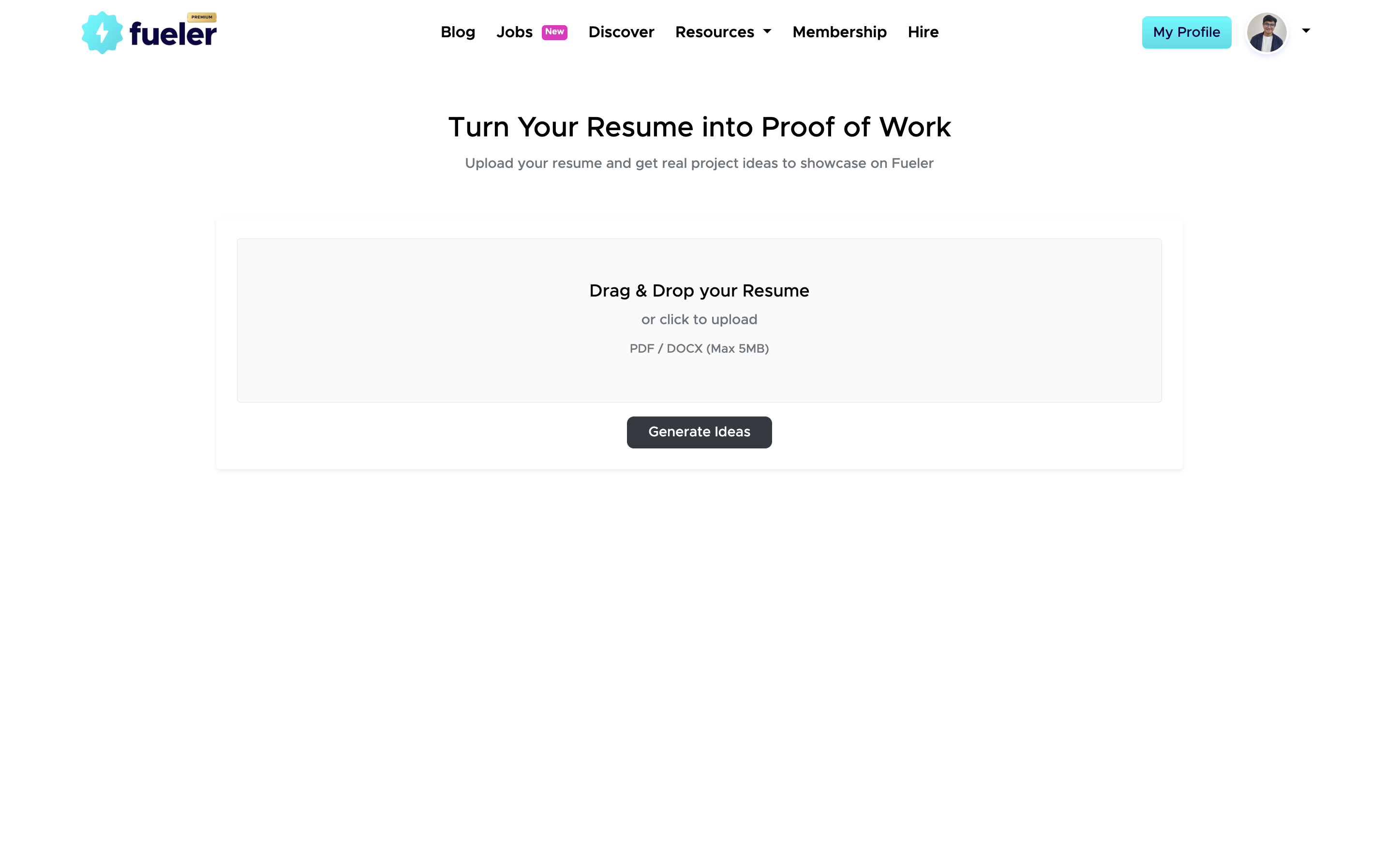
Step 2: Drag or upload your resume. Drop your file into the box, or click to upload. Then hit Generate Ideas.
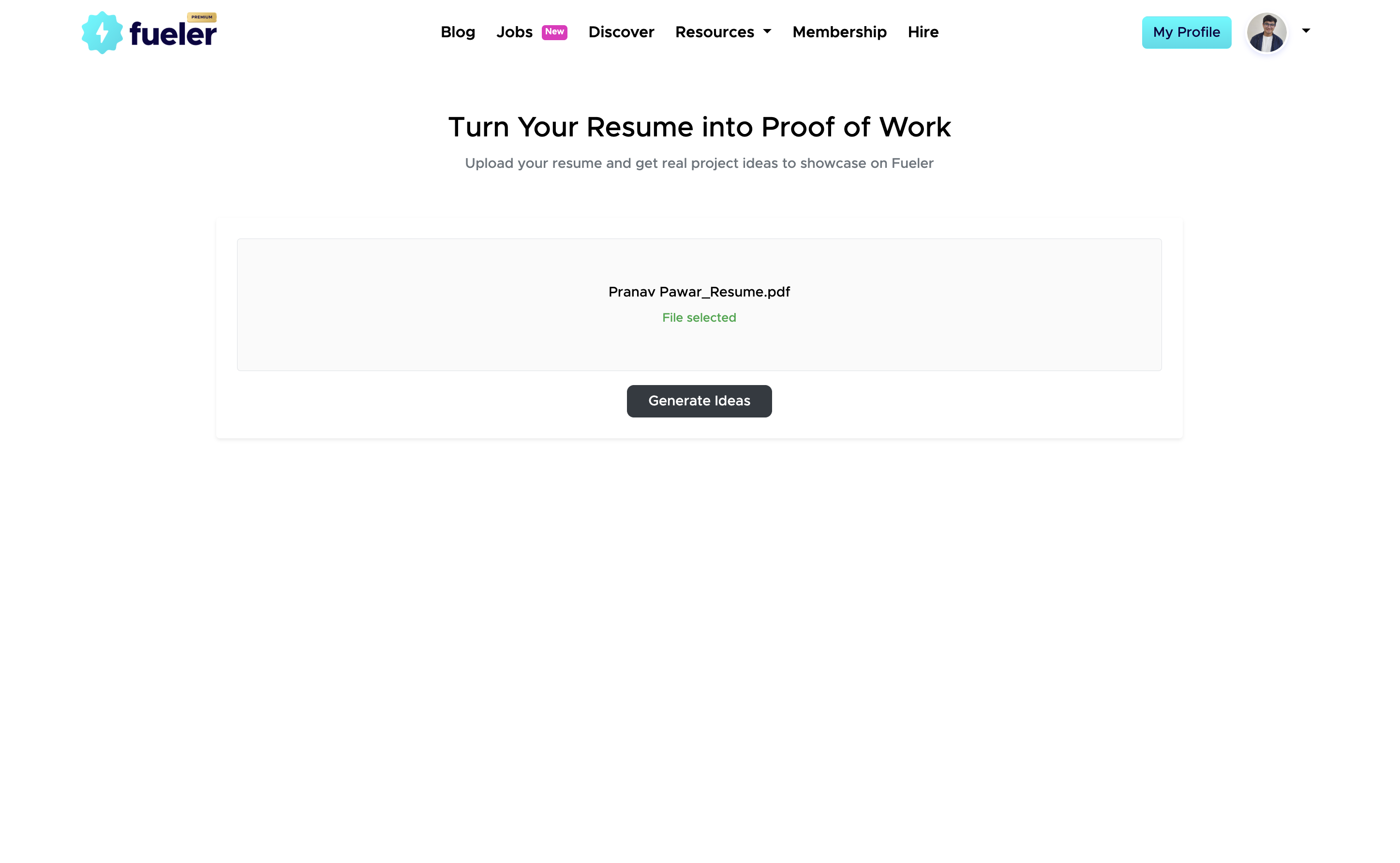
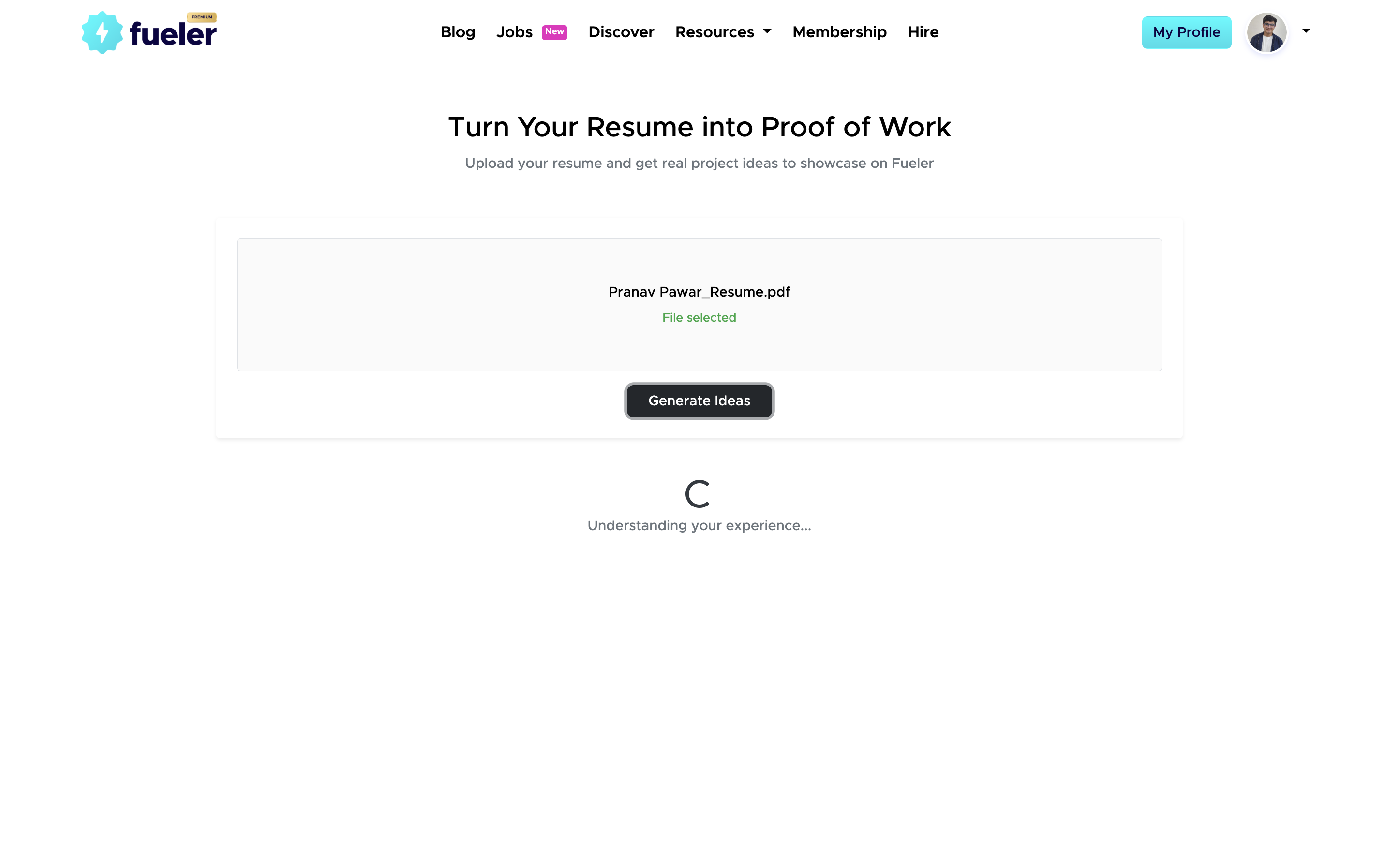
Step 3: Take the ideas and create proof of work. Read through the project ideas it gives you. Pick the ones that match the roles you want, then start building. This is where a suggestion becomes a real, finished piece of work.
- Uploading is friction-free, since you use the exact resume file you already have, which means you can go from opening the tool to holding a list of project ideas in under two minutes without any manual setup.
- The generated ideas are shaped by your actual skills, so a marketer gets marketing projects and a developer gets build ideas, keeping every suggestion relevant to the career path you are trying to grow into.
- You stay in control of what to build, choosing the ideas that map to your target roles rather than being forced down a fixed path, which keeps your portfolio focused on the jobs you actually want.
- Each idea is a starting point you can expand, so a simple suggestion like an audit or a redesign can grow into a full case study with your process, tools, and results documented for hiring managers to read.
- The output is portfolio-ready by design, meaning every project you finish is meant to be published and discovered, not saved in a folder where no company will ever find it.
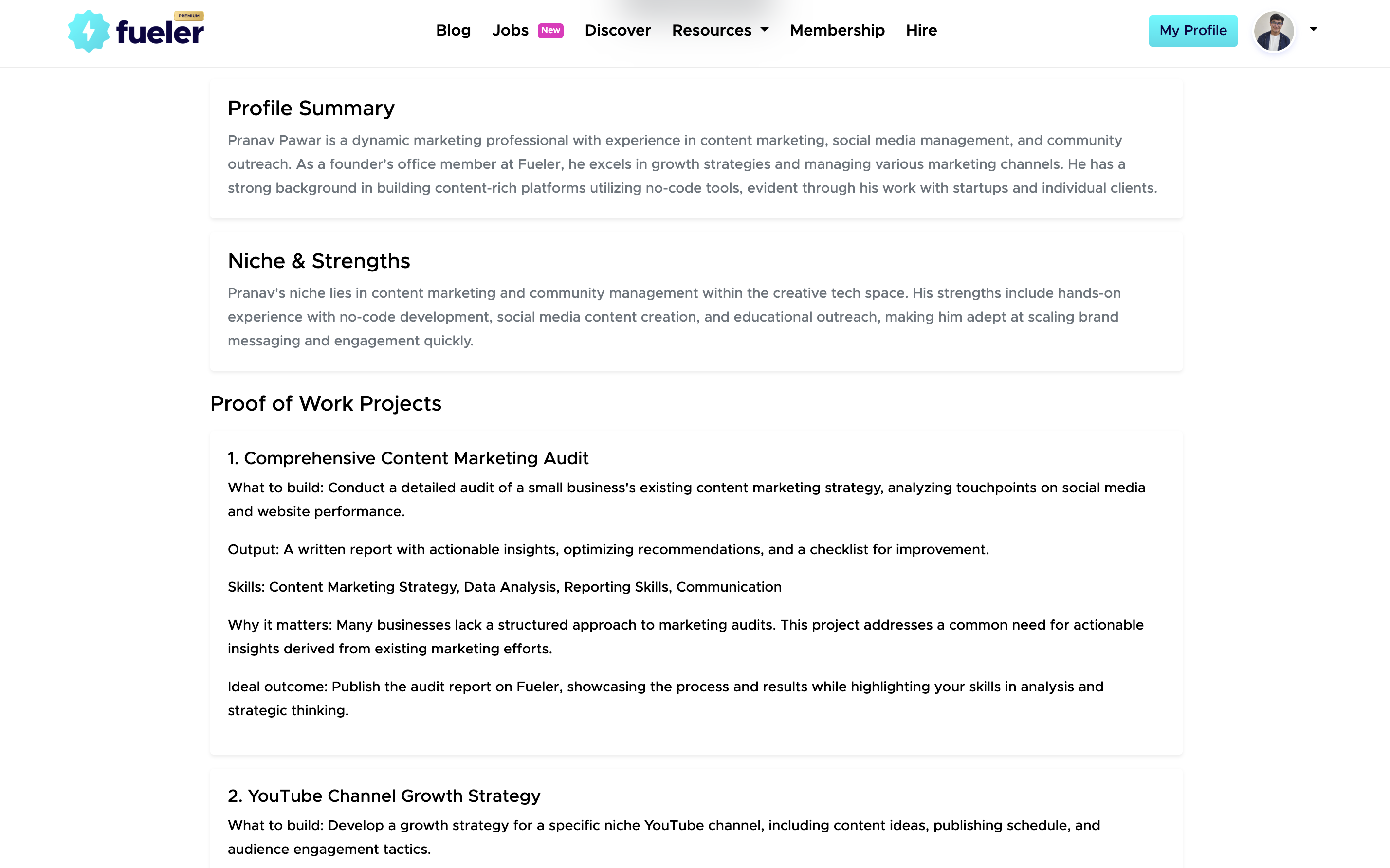
Why It Matters: The biggest reason people never build proof of work is that starting feels heavy. This tool makes starting light. Three steps take you from a static resume to a clear build list, which removes the excuse of not knowing where to begin. Momentum matters more than perfection, and this is the fastest way to create it.
Deep-Dive Sections: Mapping Specific Roles to Tangible Assets
To understand how this methodology works in practice, we must examine how various professional disciplines can convert abstract resume bullet points into distinct visual evidence. Every job family has a unique set of deliverables that hiring managers look for during evaluation.
Whether you operate in engineering, marketing, design, or product management, the goal remains the same: replace vague descriptions with functional proof. Let us look at how different roles can leverage the Resume to Proof of Work Ideas Generator to systematically transform their profiles.
Software Engineering and Technical Roles
Many software engineering resumes are filled with programming languages, frameworks, and tools. While those keywords are important, they don't show how you solve problems or write production-ready code. Recruiters and engineering managers want to see what you've actually built.
The Resume to Proof of Work Ideas Generator helps by analyzing your resume and suggesting projects based on the technologies and experience you already have. Instead of wondering what to build next, you get project ideas that match your current skill level and career goals.
For example, if your resume mentions React, Node.js, REST APIs, or SQL, the generator may suggest building a full-stack SaaS dashboard, an authentication system, an API performance analyzer, or a data visualization platform. Every recommendation is based on the skills already listed on your resume, making your portfolio feel authentic instead of random.
Project Ideas the Generator Might Recommend
- Build a full-stack SaaS application with user authentication.
- Create an API that solves a real-world problem.
- Build a dashboard using public datasets.
- Create a performance optimization case study for an existing application.
- Develop a developer tool that automates a repetitive workflow.
Why This Helps
Instead of simply saying you know React or Python, you show recruiters exactly how you use those skills. Your projects become proof that you can build real software, making technical interviews focus on your work instead of your resume.
Marketing, Growth, and Content Roles
Marketing resumes often include phrases like "managed social media," "created content," or "improved engagement." Those statements don't explain your strategy, creativity, or ability to drive results.
The Resume to Proof of Work Ideas Generator reads your marketing experience and turns it into practical portfolio projects. If you've worked on SEO, paid ads, email marketing, branding, or content writing, the tool suggests projects that help you showcase those skills publicly.
For example, if your resume highlights SEO and content writing, the generator may recommend publishing an SEO case study, creating a complete content strategy for a brand, or building a keyword research project. If you've managed paid campaigns, it may suggest creating a mock advertising strategy or campaign breakdown.
Project Ideas the Generator Might Recommend
- Complete SEO audit for a business.
- Brand content strategy with monthly content calendar.
- Email marketing campaign with automation flow.
- LinkedIn growth strategy for a startup.
- Landing page copywriting project with A/B testing ideas.
Why This Helps
Marketing is easier to evaluate when employers can see your thinking. Instead of reading vague resume bullets, recruiters can review your strategies, campaigns, and content to understand how you solve business problems.
Product, Design, and Operations Roles
Product managers, designers, and operations professionals often struggle to show their work because much of it happens inside meetings, planning documents, or internal tools.
The Resume to Proof of Work Ideas Generator helps convert those experiences into portfolio-ready projects. It analyzes your responsibilities and recommends work you can publish without relying on confidential company information.
If your resume mentions product management, UX research, Figma, operations, or cross-functional collaboration, the tool may suggest creating product requirement documents, redesign case studies, workflow improvements, service blueprints, or usability reports.
Project Ideas the Generator Might Recommend
- Product Requirement Document for a new SaaS feature.
- UX redesign case study for a popular mobile app.
- Figma prototype solving a real usability problem.
- Customer journey mapping project.
- Operations workflow optimization case study.
Why This Helps
Hiring managers want to understand how you think, not just what your job title was. Publishing product documents, prototypes, and process improvements gives them a clear view of your problem-solving ability and decision-making process before the interview.
Real-World Transitions: Case Studies in Transformation
To illustrate the value of converting a resume into a proof-of-work portfolio, let us look at three realistic examples across different professional categories. These profiles show how moving from flat text to interactive assets fundamentally changes how hiring managers engage with candidates.
Case Study 1: The Junior Software Engineer
- Before: A traditional resume listing university projects and a list of programming languages like JavaScript and React. The applicant submitted over 150 applications through standard job boards without receiving a single interview invitation.
- After running the generator: The applicant built a live, public status dashboard that monitors the uptime and performance response times of local public transit APIs, featuring clean code.
- Practical outcome: The candidate shared the live Fueler project link directly with a local engineering manager via messaging. The manager reviewed the clean repository architecture and invited the candidate to interview immediately.
Case Study 2: The Career-Switching Content Marketer
- Before: A resume focused entirely on previous administrative assistance experience, containing zero professional marketing entries. The applicant was routinely rejected by automated tracking software for lacking industry experience.
- After running the generator: The applicant created a deep, 15-page content distribution engine playbook for a fast-growing software brand, showing exactly how to repurpose core video assets.
- Practical outcome: The candidate included the playbook asset link in a direct application to the target company's head of content. The executive noticed the immediate value and offered the candidate a full-time role.
Case Study 3: The Associate Product Manager
- Before: A generic business analyst resume filled with vague phrases about cross-functional collaboration and participating in agile ceremonies, without providing any distinct examples of product ownership.
- After running the generator: The candidate authored a detailed product specification document that outlined a brand new onboarding flow designed to lower user churn for a mobile fintech application.
- Practical outcome: The candidate published the specification document to their public Fueler profile. During interviews, the hiring panel used the asset as the central reference point, allowing the candidate to confidently explain their philosophy.
How to Publish Your Proof of Work on a Fueler Portfolio
Once you have built a project, it needs a home. A Fueler portfolio gives your proof of work a clean, professional link that companies actively browse. This is the bonus step that turns finished projects into real opportunities.
Setting it up takes minutes. Here is a simple step-by-step guide to create your portfolio on Fueler and publish what you build.
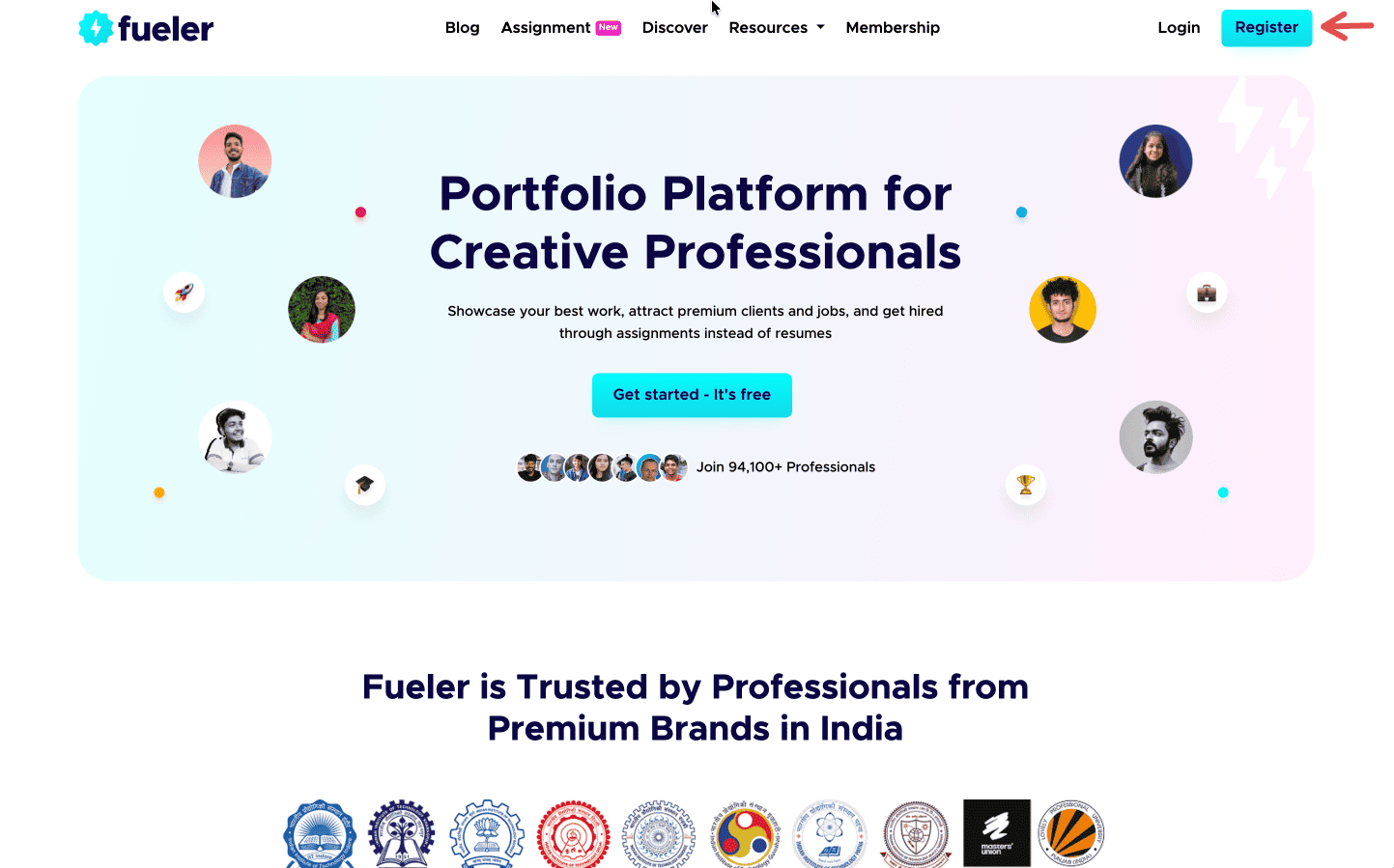
Step 1: Sign up on Fueler.
Head to Fueler.io and create your free account.
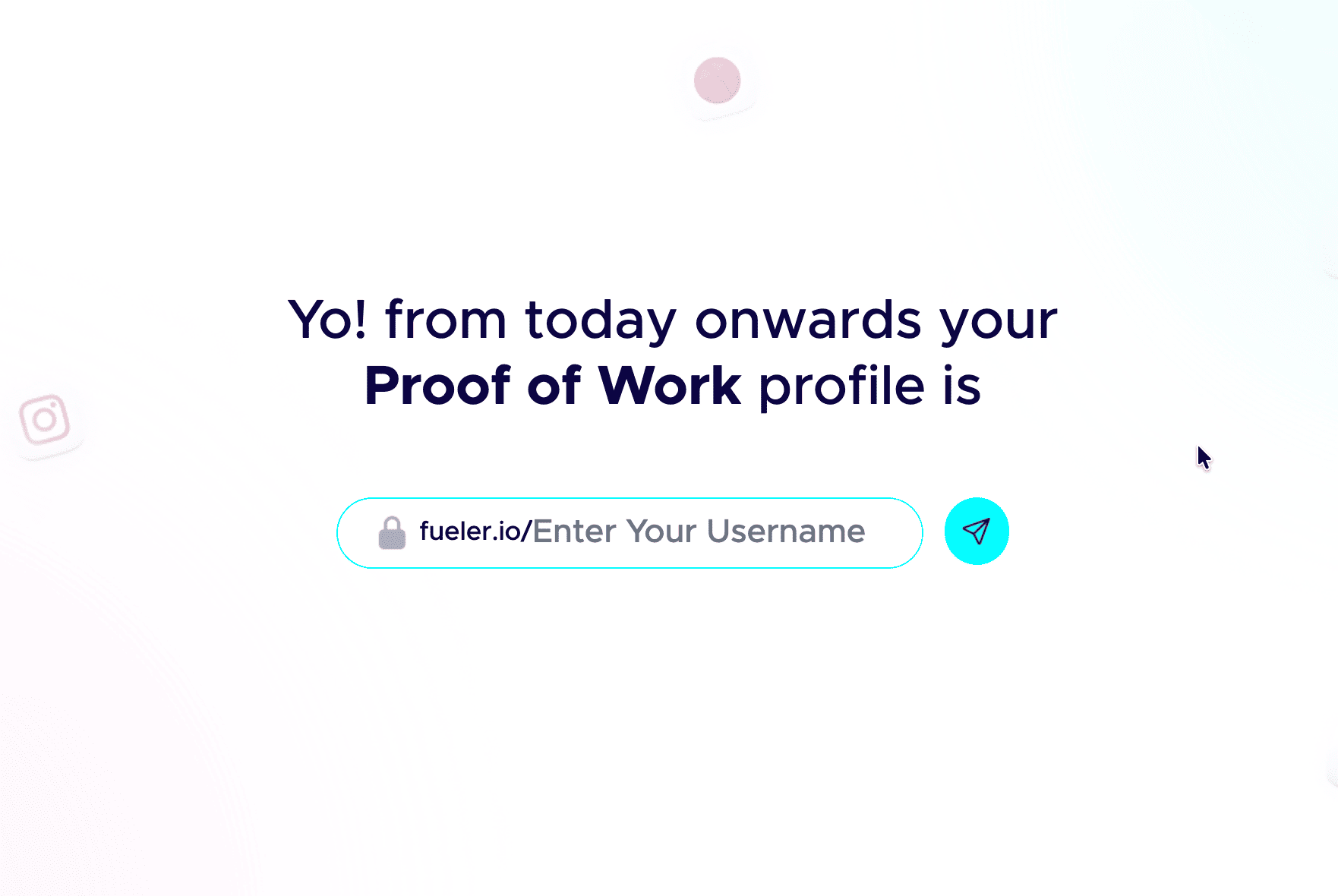
Step 2: Pick a professional handle.
Your handle shows up in your public link, so keep it clean and grown-up. Don’t add nicknames and random numbers. Your name or a simple version of it works best.
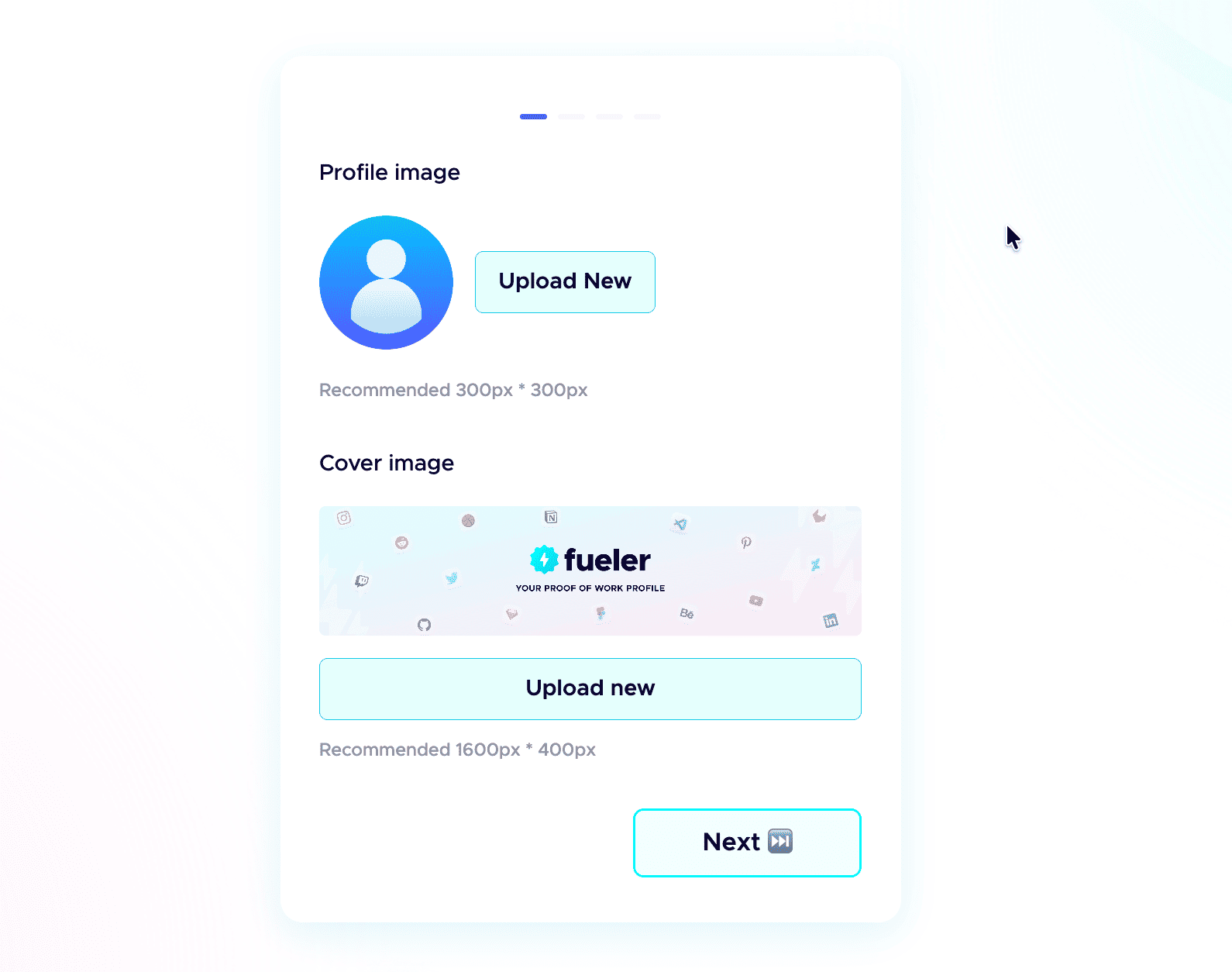
 Step 3: Add a professional profile picture.
Use the same kind of professional photo you would put on LinkedIn. Clear face, good lighting, and a simple background. People trust a real face more than an empty avatar.
Step 4: Write a strong header.
The header is the first thing anyone sees. In one or two short lines, say who you are, what you do, and the kind of work you have done. Make it specific, not vague.
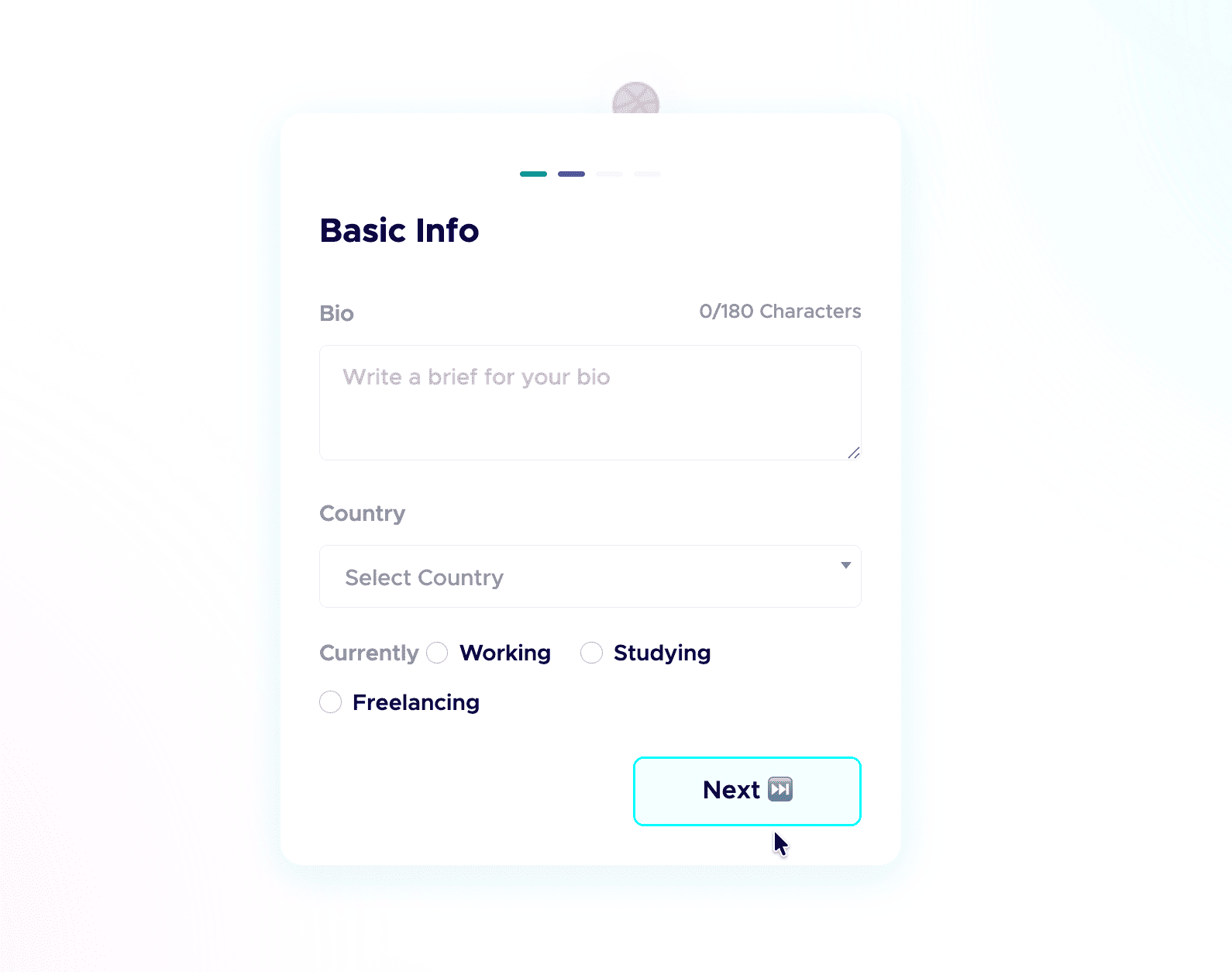
Step 5: Add a short bio.
Tell people who you are and what you do in a few plain sentences. No buzzwords, just enough for a recruiter to get you in five seconds.
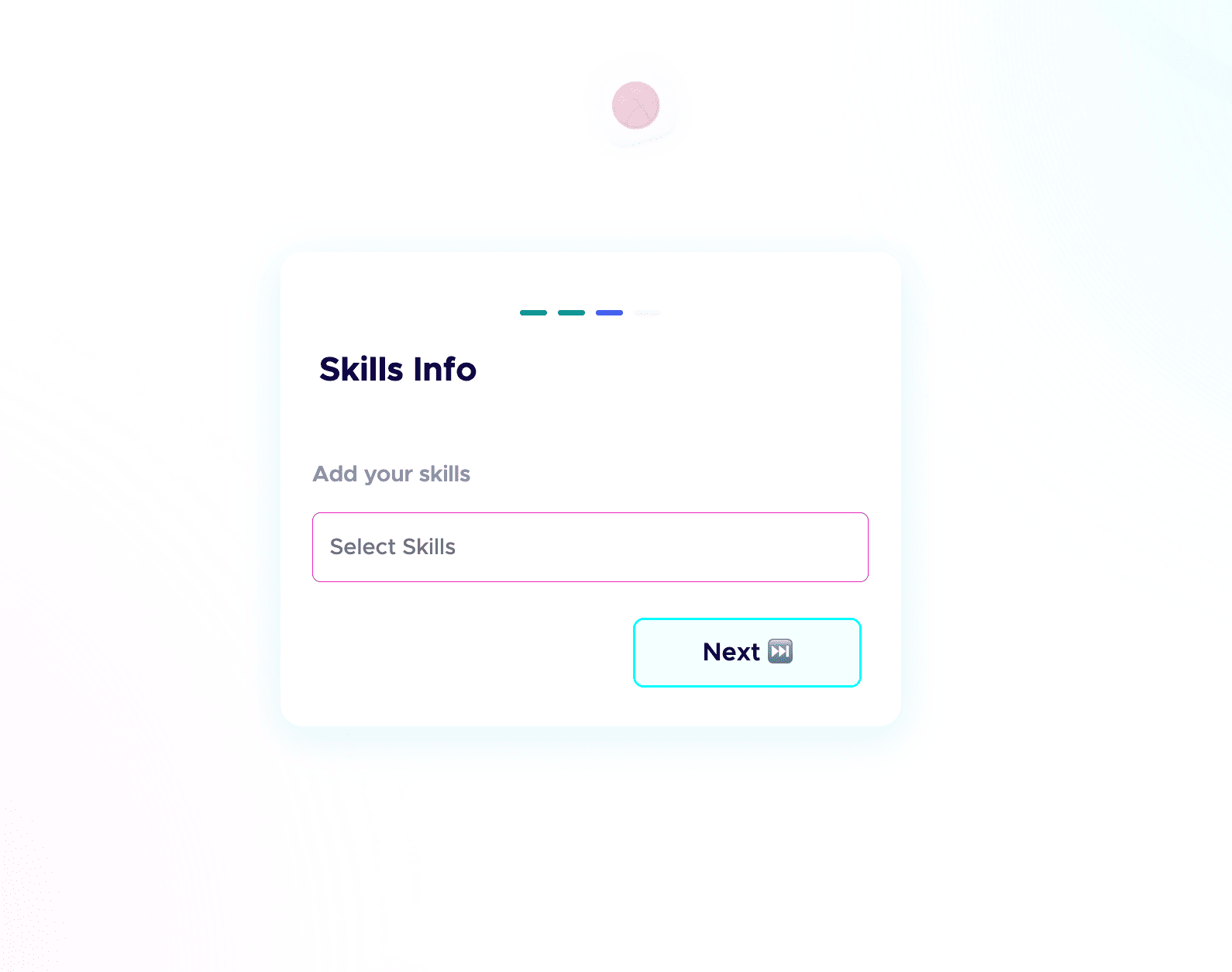
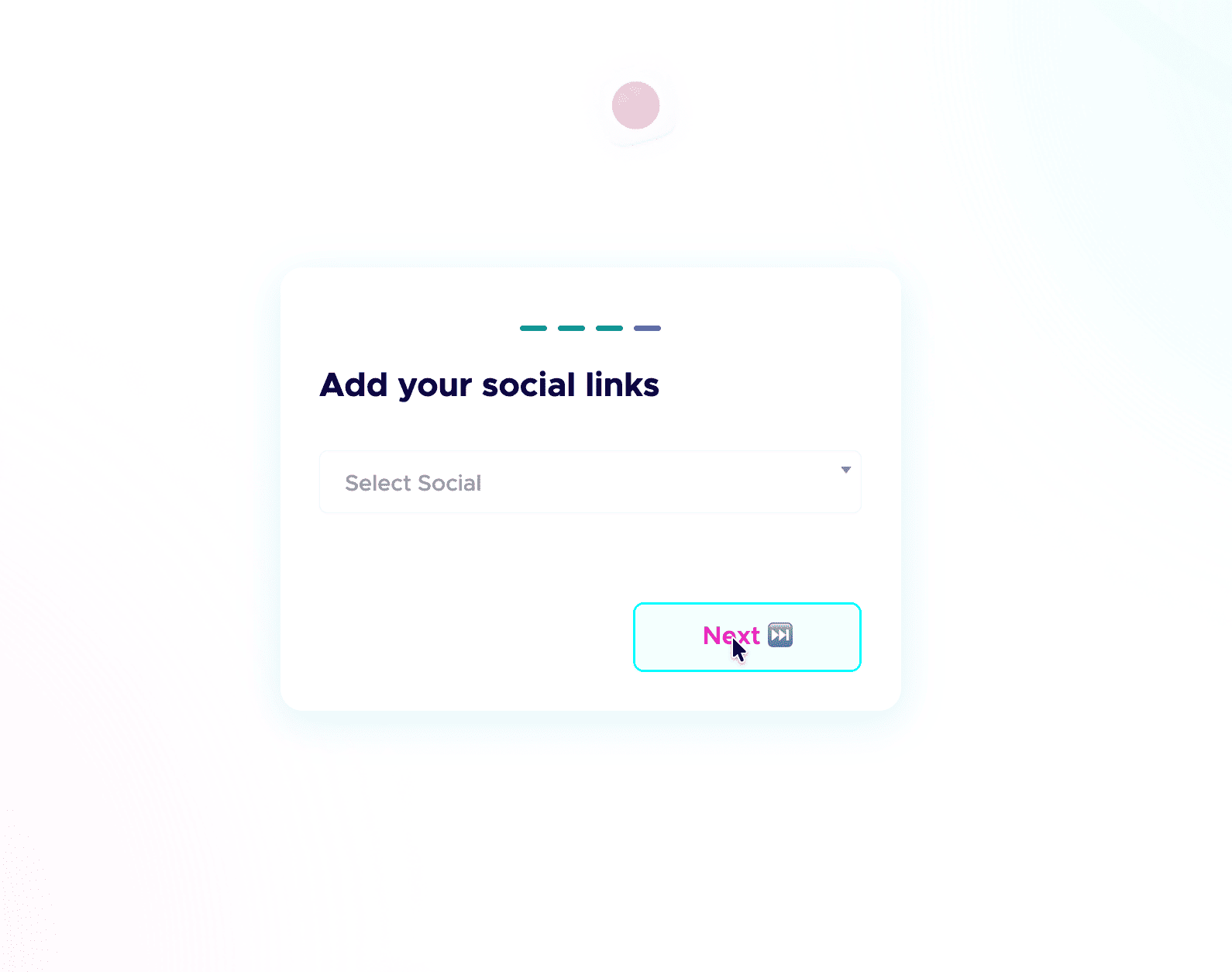
 Step 6: Add your skills and social links.
List the skills you are good at and actually want to be hired for, and connect your socials. People do check your profiles, and active socials build credibility before the first call. Students starting from scratch can follow my student guide to their first portfolio.
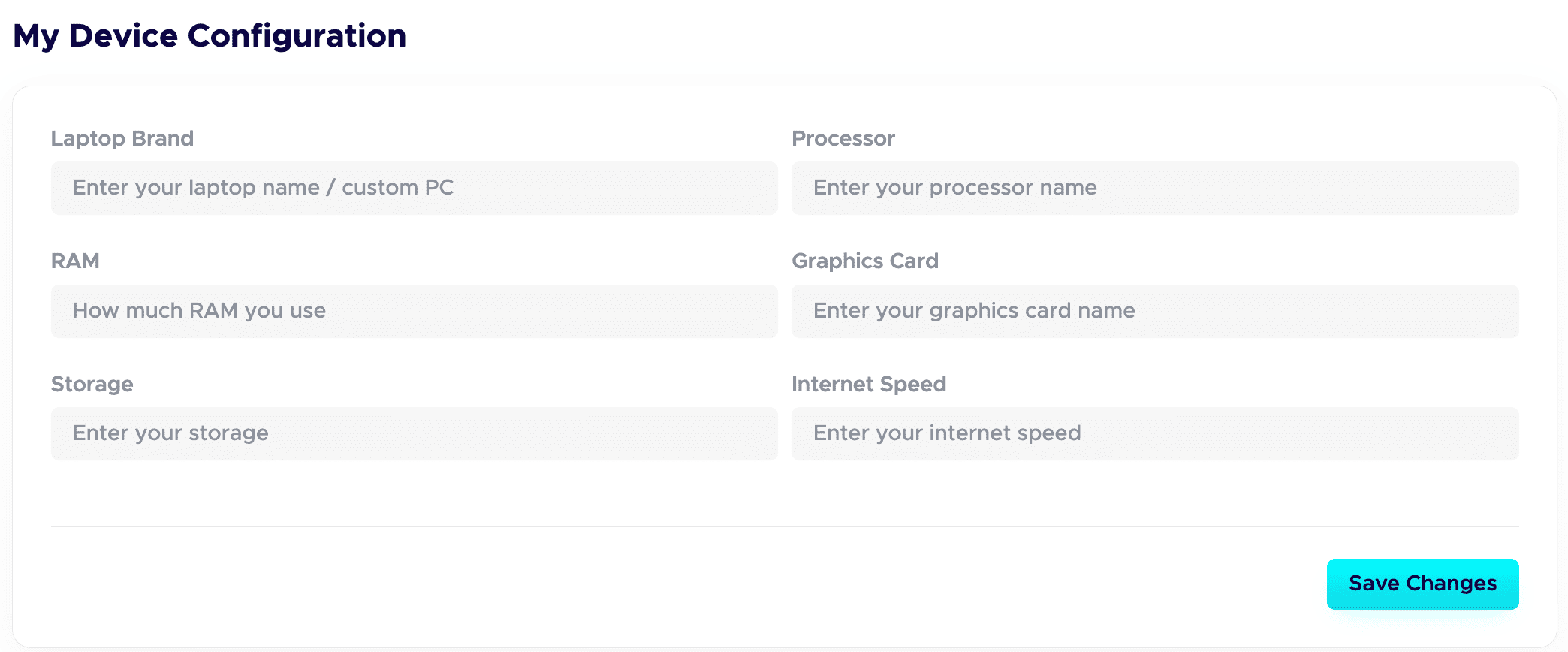
 Step 7: Fill in your Device Configuration.
In your dashboard, set up the Device Configuration section. Add the details about the device you are using. Remote-first companies want to know you have a solid setup to work from. A good setup quietly adds leverage and signals you are ready to deliver.
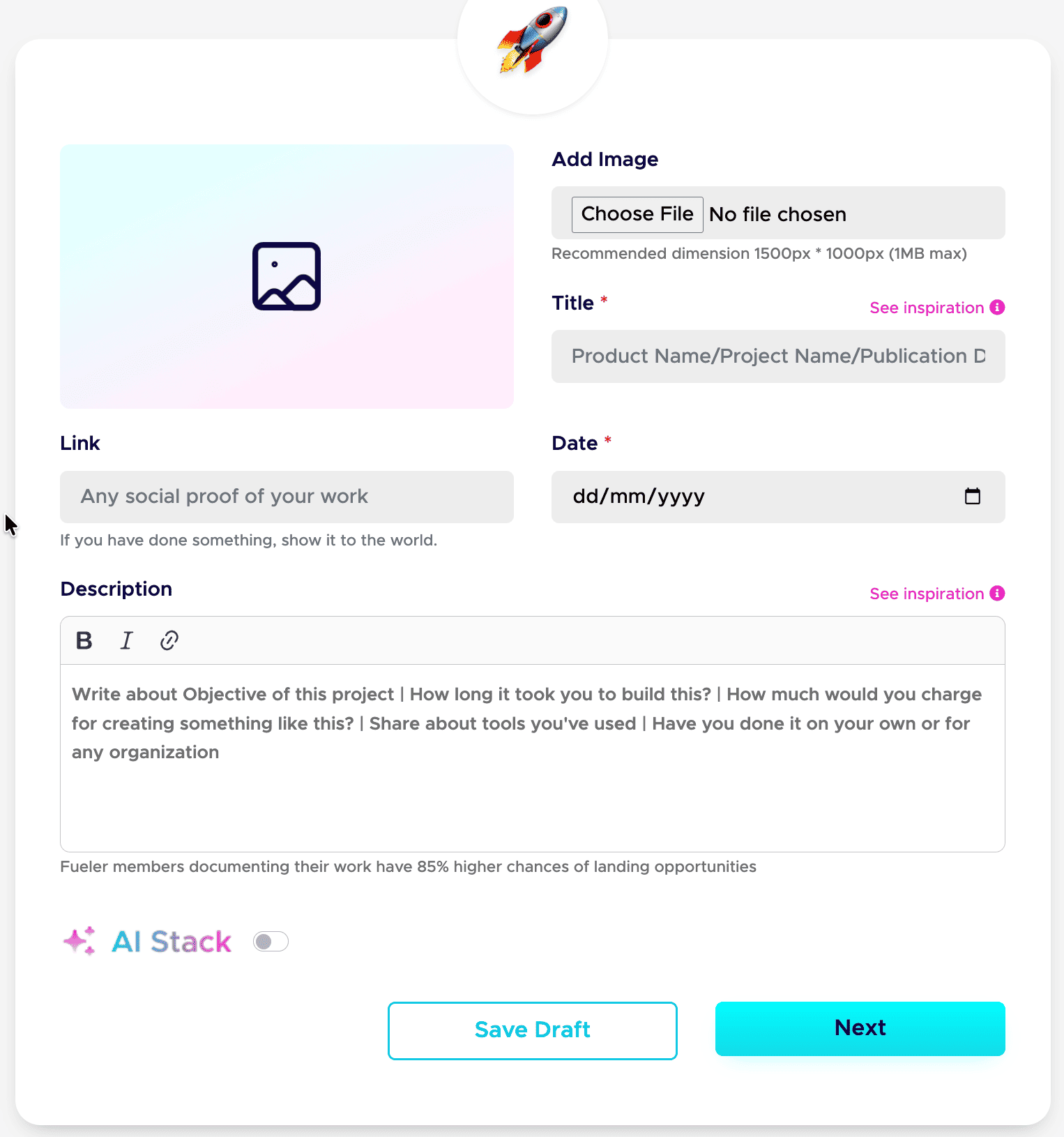
Step 8: Publish your projects with all the details.
This is a game-changer. Give each project a clear title and a detailed description. Walk through your process: your thinking, the tools you used, the choices you made, and the result. Companies care about how you work, not just the final image.
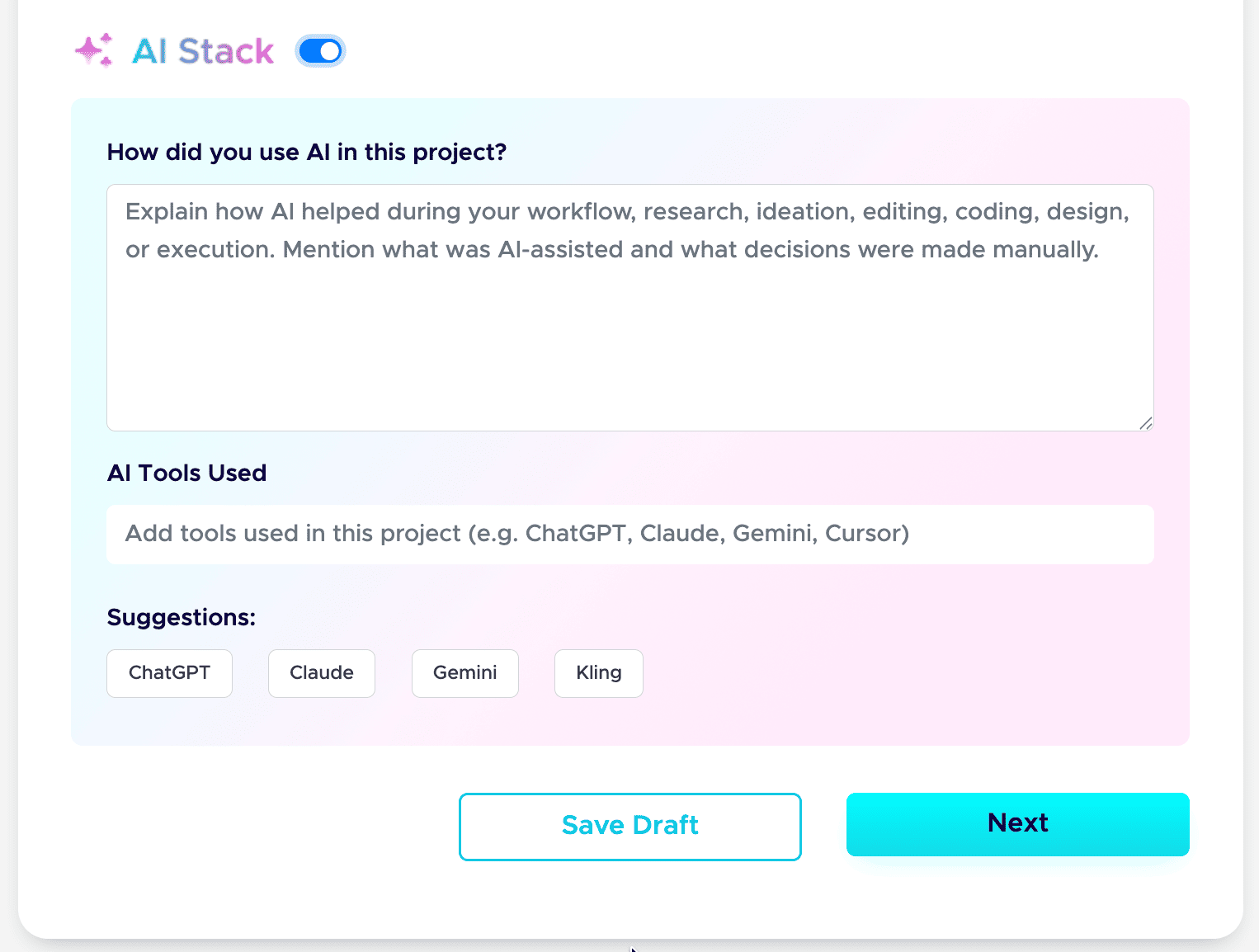
Step 9: Add your AI Stack to each project.
AI is part of real work now, so show it honestly. Use the AI Stack feature to explain how you used AI, which tools you used, and what you did manually. This builds trust instead of raising doubt. Here is the full guide: how to add AI Stack on Fueler.
That is the whole setup. Do these nine steps well, and your profile stops being a static page and starts working as a hiring asset. If you want a tighter version to follow next time, save my 6-step formula for a Fueler portfolio and my breakdown of a career portfolio that actually gets jobs.
Why It Matters: Building proof of work without publishing it is like writing a great pitch and never sending it. A portfolio is the delivery system. When your projects live on a Fueler link with full context, they stop being personal experiments and become public proof. That is the difference between hoping to get noticed and being discoverable to companies that hire on proof of work.
Final Thoughts
The balance of power in the job market has permanently shifted away from credentials and toward verifiable execution capability. Continuing to send out identical, text-heavy resumes is an inefficient use of your time that leaves your career growth up to chance and automated filters.
Your career history is not a static document to be filed away; it is a rich source of raw material waiting to be turned into functional assets. By extracting your core skills and using the Resume to Proof of Work Ideas Generator, you can quickly move past the brainstorming phase and start building things that matter.
Take a look at your current resume today, identify the skills you are most proud of, and use the free tool to turn them into practical projects. Publish your work publicly on Fueler, share your process transparently, and let your actual execution capabilities do the talking for you.
FAQs
What if I lack corporate experience to put on my resume?
The generator analyzes your existing projects, volunteer initiatives, self-taught skills, and academic coursework. It translates these fundamental capabilities into highly structured project ideas, allowing you to build a professional portfolio that makes your lack of traditional corporate experience irrelevant to employers.
How long does it take to build a high-impact piece of proof of work?
A focused, high-impact project should take between 2-3 hours of concentrated execution time. Prioritize building a tight, deeply documented asset that solves a single specific problem beautifully rather than spending months trying to launch an overly complex enterprise system.
Can I still build proof of work without sharing my previous projects?
Yes. Even if your past work can't be made public, you can still create a strong portfolio. The generator uses your resume to recommend similar projects that showcase the same skills. You can build these using dummy data, public datasets, or your own examples, giving recruiters a clear picture of what you can do.
How many projects do I need to display on my Fueler portfolio?
Focus on quality over quantity. Two or three deep, high-impact projects that showcase your systematic problem-solving process, technical execution, and clear business outcomes are far more effective than a messy gallery containing ten superficial tutorial projects.
Do companies actually look at portfolios instead of traditional resumes?
Modern founders, engineering leads, and growth managers look at portfolios because they provide immediate proof of capability. A live asset reduces hiring risk, eliminates the need for blind trust, and gives teams a clear look at how you will operate inside their business.
Why 100,000+ professionals use Fueler
Fueler helps professionals showcase proof of work through projects, assignments, case studies, and achievements.
- Thousands of professionals use Fueler to create their digital portfolio
- Thousands of projects are published on Fueler. Check here
- Startups and Companies hire through proof of work on Fueler
- Used by freelancers, creators, marketers, video editors, writers, designers, and product managers
Our mission is to help the next 100 million professionals build a verified professional identity through proof of work

What should you do next?
You've read the article. Now turn your skills into proof of work and unlock more opportunities.
Build your proof of work portfolio
Create a clean portfolio with projects, assignments, resumes, and AI stack details that companies actually want to see.
Create your Fueler portfolio →Apply through assignments, not resumes
Stand out by solving real tasks from companies hiring on Fueler.
Explore assignments →Get discovered by companies
Make your work public and let recruiters discover your skills through actual projects instead of keywords.
Get discovered →
