Last updated: November 2026
A company announcing layoffs usually becomes a story about how many people are losing their jobs. Canva's latest restructuring has added another dimension to that conversation: what happens to employees after they leave?
The Australian design platform has announced organisational changes affecting 1,271 employees, approximately 22% of its workforce. Those leaving the company will receive at least six months of salary, one year of LinkedIn Premium, career coaching, interview preparation and access to a US$10,000 startup grant.
I'm Riten, founder of Fueler, a skills-first portfolio platform building the career infrastructure for 100 million creative professionals. Fueler connects talented individuals with companies through assignments, portfolios, and projects, not just resumes or CVs. Think of it as Dribbble/Behance for work samples combined with AngelList for hiring infrastructure.
But there is an important distinction in Canva's announcement. Not all 1,271 employees are being dismissed. Some will move into different roles or be asked to relocate, while others will leave the organisation.
The decision also raises an important question about the changing workplace: as companies restructure their teams around new technology and business priorities, how should they support the people whose careers are affected?
Canva Layoffs 2026: What Actually Happened?
On November 3, 2026, Canva co-founder and CEO Melanie Perkins announced significant organisational changes through an internal message that was subsequently published on the company's official newsroom.
The announcement affects 1,271 people, representing approximately 22% of Canva's workforce. Perkins described the decision as one of the most difficult moments in the company's 13-year history.
The restructuring involves three major changes: combining Product, Growth and Platform into one organisation, reducing management layers and overlapping responsibilities, and bringing closely connected teams together geographically.
For some employees, these changes will mean new responsibilities or relocation. Others will be leaving Canva entirely.
The company has not disclosed the exact number of employees who will lose their jobs. Therefore, describing all 1,271 affected people as layoffs would be inaccurate.
Why Is Canva Restructuring Its Workforce?
Canva has identified several reasons behind its decision. The company wants to simplify its organisational structure, respond to changing technology and prepare its product teams for its next stage of development.
1. Changing Technology and Product Requirements
Technology is changing what people can create, how they create it and what they expect from digital products. Canva believes these developments require a different combination of organisational capabilities and professional skills.
However, this announcement should not be interpreted as confirmation that artificial intelligence is directly replacing the affected employees.
A Canva spokesperson told Fortune that the affected roles were not being replaced by AI. The company explained that changing technology is influencing the products it wants to build and the organisational structure required to build them.
2. Slower Business Growth
Perkins also acknowledged that Canva's growth had slowed for the first time in a decade.
According to Fortune's November 6 reporting, the company had reduced its 2026 revenue growth forecast from 30% to 20% in August.
This indicates that Canva is reassessing its organisational priorities after a period of significant expansion. The company believes smaller structural changes will not be sufficient for its next stage.
3. Too Many Specialised Teams and Management Layers
As Canva expanded, its teams became increasingly specialised. Product, Growth and Platform operated through separate structures, meaning that improving one part of the product could require coordination between several departments.
Canva believes this created fragmented ownership, additional handovers and slower decision-making.
Its restructuring aims to give teams broader responsibilities and greater independence. The company also plans to consolidate overlapping roles and simplify management layers.
What Changes Is Canva Making Internally?
The restructuring focuses on three organisational changes.
Combining Product, Growth and Platform: Canva is bringing these functions together under one Product organisation. The objective is to reduce coordination between departments and give teams clearer ownership of product development.
Reducing specialisation and management layers: The company plans to incorporate narrower specialisations into broader roles. It also intends to consolidate overlapping responsibilities and give teams more control over projects from beginning to end.
Increasing in-person collaboration: Sydney will become the primary location for more product teams. From January 2027, most hybrid employees are also expected to spend approximately two to three days per week in the office, depending on their area.
These changes demonstrate that the announcement is about more than reducing headcount. Canva is attempting to change how its teams operate and distribute responsibilities.
What Is Canva Offering Employees Leaving the Company?
The employee support package is one of the most notable aspects of this announcement. Canva has combined financial assistance, career transition support and funding for people interested in pursuing independent projects.
Here are the benefits outlined in the company's announcement.
Six Months of Salary
Every departing employee will receive at least six months of salary, inclusive of statutory entitlements, regardless of location.
This provides a financial cushion for people who need time to find another job, explore independent work or consider a different career direction.
One Year of LinkedIn Premium
Canva is providing departing employees with a 12-month LinkedIn Premium subscription.
This can help employees maintain their professional visibility, connect with recruiters and use additional features while searching for employment.
Career Coaching and Interview Preparation
The company is also providing dedicated career transition assistance, including:
One-on-one career coaching.
Interview preparation and practice.
Resume reviews.
Assistance from Canva's Talent Acquisition team in preparing for new opportunities.
These services are intended to help departing employees navigate their next professional move rather than simply providing financial compensation.
An Alumni Talent Directory
Canva is creating an opt-in alumni talent directory that it plans to share with investors, partners and its wider industry network.
The objective is to connect former employees with potential employers and help them find new professional opportunities.
Employees can choose whether they want to participate.
US$10,000 Startup Grants
One of the most interesting initiatives is the Canva Collective Fund.
The company is offering US$10,000 grants to departing employees interested in starting a business or pursuing a meaningful project within their communities.
There is an important condition: Canva will not take ownership or equity in the businesses or projects supported through these grants.
Employees leaving as part of the restructuring have until December 14, 2026, to register their interest.
Healthcare and Additional Benefits
The support package also includes 12 months of continued healthcare coverage in countries where Canva currently provides it and 12 months of Canva Care, its employee assistance programme, including family members.
Additionally, employees who joined during the previous year will have the one-year equity vesting cliff removed. Departing employees will also be allowed to keep their company-issued MacBooks.
Together, these measures cover several different aspects of an employee's transition, from immediate financial needs to longer-term career opportunities.
How Does Canva's Severance Package Compare With Typical Tech Industry Support?
Canva's minimum six-month salary commitment is notable when compared with the severance figures reported across the technology industry.
Fortune cited a 2025 report from Challenger, Gray & Christmas that placed the average technology industry severance package at 11.2 weeks of pay in 2024.
Canva's minimum commitment of approximately 26 weeks is more than twice that figure.
However, severance arrangements vary depending on employers, countries, employment contracts and individual circumstances. The comparison should be understood as an industry benchmark rather than a universal standard.
Fortune also quoted Russell Williams, SVP of Career Transition & Mobility at LHH, who explained that while severance and career transition support are common, combining all these benefits in one package is unusual.
The distinction is important. A salary payment provides temporary financial stability, while career coaching, networking opportunities and interview assistance address the practical challenges of finding another opportunity.
What Does Canva's Restructuring Mean for Job Seekers and Professionals?
Although the announcement directly affects Canva employees, it also offers useful lessons for professionals working in technology, design, marketing and other industries.
1. Your Job Title Is Not the Complete Story of Your Experience
A job title tells employers where you worked and what your position was called. It does not necessarily explain what you contributed, what problems you solved or what results you achieved.
This is one reason companies are paying attention to portfolio-based hiring.
A designer can showcase published designs, a marketer can present campaign work and a developer can demonstrate completed technical projects. These examples provide additional context when employers evaluate professional capabilities.
2. Build a Record of Your Professional Work
Professionals should maintain a record of their completed projects, contributions and achievements rather than waiting until they need another job.
A well-organised career portfolio can help communicate the work someone has completed, the responsibilities they handled and the outcomes they achieved.
It can also make it easier to prepare for interviews and explain previous experience to potential employers.
3. Continue Developing Relevant Skills
Canva's restructuring highlights how changing business requirements can influence the skills organisations need.
Professionals should continue developing capabilities relevant to their industries. Learning new tools, understanding emerging technologies and applying those skills to practical projects can help them remain adaptable.
The focus should be on developing useful capabilities, not collecting certificates without applying what has been learned.
4. Maintain Professional Relationships
Canva's decision to create an alumni directory highlights the importance of professional connections during career transitions.
Former colleagues, industry contacts and professional communities can help people discover opportunities they might otherwise miss.
A strong personal brand can also help professionals communicate their expertise and make their work easier to discover.
5. Consider Independent Career Opportunities
Not everyone leaving a company wants to immediately join another organisation. Some may consider consulting, freelancing or starting a business.
However, independent work requires more than professional experience. People need to understand their market, identify potential clients and demonstrate why customers should trust their services.
For those considering this direction, building a freelance income requires a clear understanding of how to present work and find paying opportunities.
The Fueler Perspective: Why Proof of Work Matters During Career Transitions
Canva's restructuring brings attention to something that often gets overlooked in traditional hiring: what happens to the professional value someone has built after leaving an organisation?
An employee might have spent years designing products, managing campaigns, writing content or developing software. Those contributions do not disappear when their employment ends.
However, communicating that experience to a new employer requires more than mentioning a previous company or job title.
This is where proof of work becomes relevant.
A proof-of-work portfolio gives professionals a way to present actual projects, deliverables and achievements instead of relying exclusively on descriptions of their responsibilities.
For example, a marketing professional could showcase campaigns they managed, while a designer could present completed design projects and explain the thinking behind them.
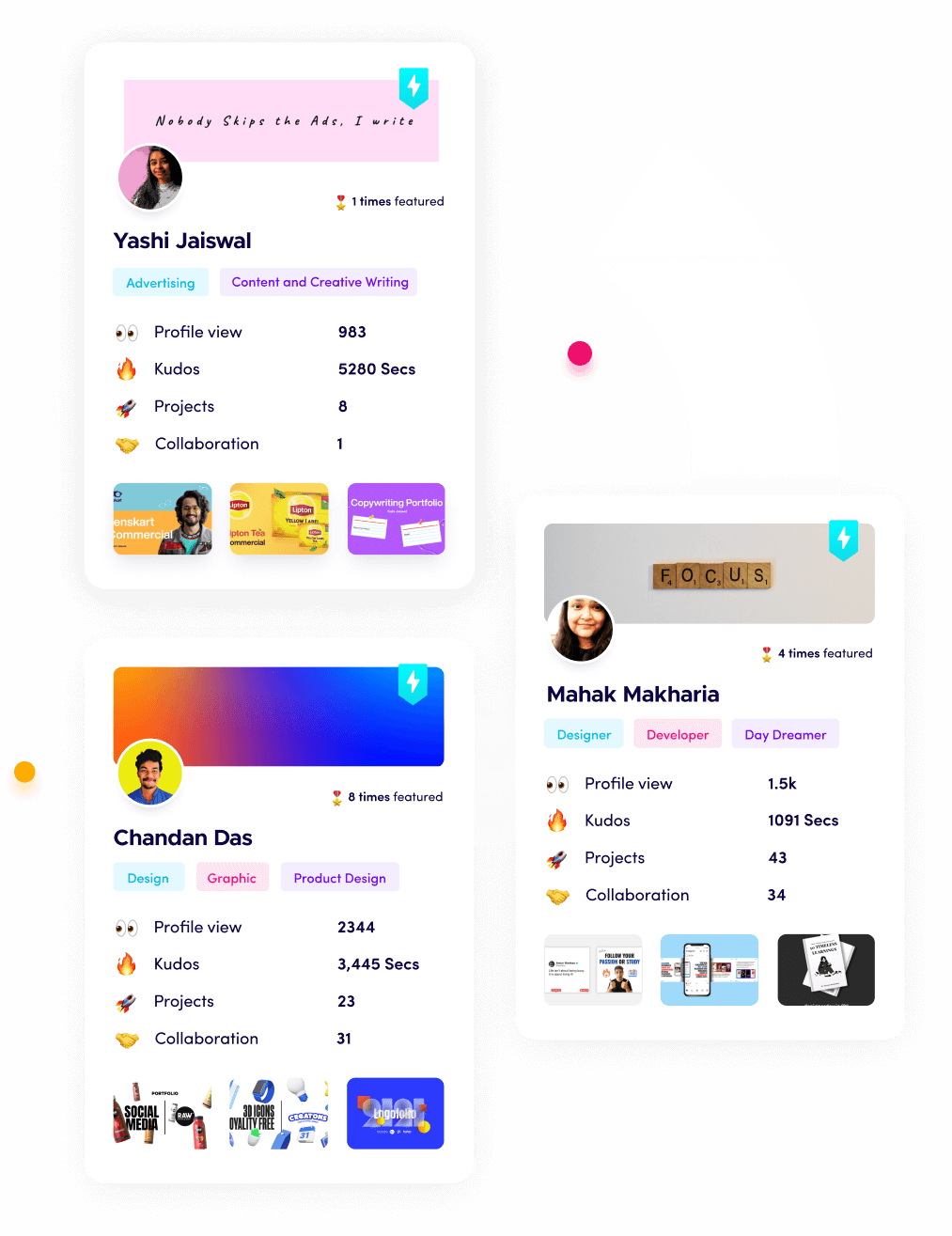
Fueler helps professionals organise and showcase their work through portfolios and connects talent with companies through assignments and projects.
The objective is to make professional capabilities easier to evaluate. A portfolio cannot guarantee employment or protect someone from restructuring, but it can help communicate their experience when they pursue their next opportunity.
Professionals who want to improve their existing resumes can also learn how to turn a resume into a portfolio and present their work in a more detailed format.
What Happens Next at Canva?
Canva's immediate priority is to complete individual conversations with employees affected by the restructuring and explain the next steps.
Because the company operates across 37 countries, the timing and process will vary according to local requirements.
The company has also announced the December 14, 2026 deadline for departing employees to register their interest in the Canva Collective Fund.
Internally, the restructuring will bring Product, Growth and Platform together, simplify management structures and increase collaboration between closely connected teams.
The planned office attendance changes are expected to begin in January 2027.
Canva has not announced how many of the 1,271 affected employees will ultimately leave the company, nor has it disclosed how many startup grants will be awarded.
Key Takeaways From Canva's 2026 Restructuring
1,271 employees are affected: The figure represents approximately 22% of Canva's workforce, but includes role changes, relocation and departures.
Six months of salary: Departing employees will receive at least six months of salary, inclusive of statutory entitlements.
Career transition assistance: Employees will receive LinkedIn Premium, coaching, interview preparation, and resume assistance.
US$10,000 startup grants: The Canva Collective Fund supports departing employees interested in launching businesses or community projects without giving Canva equity.
Organisational restructuring: Canva is combining Product, Growth and Platform and reducing management layers.
Professional adaptability matters: The announcement highlights the importance of relevant skills, professional relationships and demonstrable work.
Conclusion
Canva's restructuring is significant because of both its scale and the way the company is approaching employee departures.
The six-month salary commitment, healthcare coverage, career coaching, LinkedIn Premium and US$10,000 startup grants provide departing employees with different forms of support during an uncertain period.
But a generous exit package does not remove the difficulty of losing a job. Employees still need to make career decisions, find new opportunities and determine how to use their experience in a changing employment market.
For professionals, the practical lesson is to keep developing relevant skills, maintain meaningful industry relationships and document the work they have completed.
A job may end, but the experience and capabilities developed during that time remain valuable. Being able to demonstrate them clearly can make the next career transition easier to navigate.
Your job title tells people where you have worked. Your work shows them what you can actually do.
Frequently Asked Questions
How many employees are affected by Canva's layoffs in 2026?
Canva announced organisational changes affecting 1,271 employees, approximately 22% of its workforce. However, this figure includes people whose roles or locations are changing, as well as employees leaving the organisation. Canva has not disclosed the exact number of people being dismissed.
What severance package is Canva offering departing employees?
Canva is offering at least six months of salary, 12 months of continued healthcare coverage where available, career coaching, interview preparation and one year of LinkedIn Premium. Employees can also access an alumni talent directory and retain their company-issued MacBooks.
What is the Canva Collective Fund?
The Canva Collective Fund is an initiative providing US$10,000 grants to departing employees interested in starting a business or pursuing a meaningful community project. Canva will not take ownership or equity in the ventures supported through these grants.
Are Canva employees being replaced by artificial intelligence?
No. A Canva spokesperson told Fortune that the affected roles were not being replaced by AI. The company explained that changing technology is influencing its product strategy, organisational requirements and the skills needed for its next stage.
What is the deadline for Canva's startup grants?
Employees leaving as part of the restructuring have until December 14, 2026, to register their interest in the Canva Collective Fund.
Why 150,000+ professionals use Fueler
Fueler helps professionals showcase proof of work through projects, assignments, case studies, and achievements.
Thousands of professionals use Fueler to create their digital portfolio
Thousands of projects are published on Fueler. Check here
Startups and Companies hire through proof of work on Fueler
Used by freelancers, creators, marketers, video editors, writers, designers, and product managers
Our mission is to help the next 100 million professionals build a verified professional identity through proof of work