Research cutoff: November 2026. Coverage: India and global. All numbers come from public reports named in the text.
Quick answer: Candidate assessment in 2027 is moving from trivia tests and resume checks to real work. The top trends are skills tests becoming standard, real-job simulations, take-home tasks and paid trials, tests that allow AI and judge how it is used, stronger cheating detection, follow-up conversations about the work, structured scoring rubrics, assessments for soft skills, shorter and fairer tasks for candidates, and compliance checks on AI scoring tools.
Top 10 candidate assessment trends for 2027 at a glance
# | Trend | Impact | Evidence |
|---|---|---|---|
1 | Skills tests become standard | High | Established |
2 | Real-job simulations replace trivia | High | Developing |
3 | Take-home tasks and paid trials | High | Developing |
4 | AI-allowed assessments | High | Developing |
5 | Cheating detection gets serious | High | Established |
6 | Follow-up conversations on the work | High | Developing |
7 | Structured rubrics and fair scoring | Medium | Established |
8 | Measuring human skills | Medium | Developing |
9 | Shorter, candidate-friendly tasks | Medium | Developing |
10 | Audits for AI scoring tools | High | Established |
Why I am writing this
I am Riten, founder of Fueler, a portfolio platform where companies hire through real assignments. Assessment is the heart of what we do. On Fueler, companies have hosted 350+ assignments and received around 3,500 candidate submissions. Designing a good task is harder than it looks. Too long and good people drop out. Too easy and it tells you nothing.
AI has turned the assessment world upside down. Old tests can be answered by a chatbot in seconds. In this article, I share ten trends that public research and practice point to for 2027.
Where candidate assessment stands going into 2027
Tests are mainstream. TestGorilla's 2025 report found 76% of employers use skills tests.
They work. Two in three employers in the same report said tests reduced mis-hires.
Cheating is real. TestGorilla found 17% of candidates cheated on tests, and about 7 in 10 of them used AI.
Fraud worries are high. Greenhouse found 74% of hiring managers are more worried about candidate fraud.
The 10 candidate assessment trends to watch in 2027
1. Skills tests become standard
76% of employers use skills tests, and 85% say they use skills-based hiring, according to TestGorilla. Resume use fell to 67% from 73%. Assessments are moving from an optional step to a core part of hiring.
The type of test matters. Generic aptitude tests are giving way to role-specific tasks that look like the real job.
What to expect in 2027 (forecast): Most professional roles will include at least one skills assessment before final interviews.
2. Real-job simulations replace trivia
Multiple-choice tests about facts are easy to cheat with AI and often say little about job performance. Companies are moving to simulations: write an email to an angry client, prioritise a messy task list, review a design, debug real code or plan a small campaign.
Simulations show how someone thinks and works. I mark this developing because many companies still use older test formats.
What to expect in 2027 (forecast) [developing]: More assessment platforms will offer role-based simulations instead of question banks.
3. Take-home tasks and paid trials
Take-home tasks let candidates do real work in their own time. Paid trials go further: a candidate works on a real problem for a few hours or days and gets paid. This is common at many startups and is growing.
The key is balance. Tasks should take a few hours, not days, unless paid. I mark this developing because there is limited public data on how widely paid trials are used.
What to expect in 2027 (forecast) [developing]: Paying for tasks longer than three hours will become an expected good practice.
4. AI-allowed assessments
Banning AI in tests is getting harder and less realistic, since people use AI at work every day. LinkedIn named AI literacy the top rising skill. Some companies now allow AI during tasks and judge how well candidates use it: what they asked, what they kept and what they fixed.
This tests a real job skill: using AI with good judgment. I mark this developing because it is a newer approach.
What to expect in 2027 (forecast) [developing]: More tests will ask candidates to share their AI prompts and explain their decisions.
5. Cheating detection gets serious
TestGorilla found 17% of candidates cheated, mostly with AI. Greenhouse found 41% of job seekers tried prompt injection on AI screeners. Gartner predicts one in four candidate profiles will be fake by 2028.
Assessment tools now use proctoring, copy-paste tracking, browser locks, identity checks, and AI-text detection. None of these are perfect, so they work best together with other checks.
What to expect in 2027 (forecast): Identity verification and integrity checks will be built into most assessment platforms.
6. Follow-up conversations on the work
The simplest way to check if someone did their own work is to talk about it. "Why did you choose this approach?" "What would you change with more time?" "Walk me through this part." People who did the work can answer easily. People who copied struggle.
This combines a work task with a short interview and is very hard to fake. I mark this as developing because it is a practice, not a measured trend.
What to expect in 2027 (forecast) [developing]: Most take-home tasks will be followed by a 20- to 30-minute review call.
7. Structured rubrics and fair scoring
A rubric is a clear list of what good work looks like, with scores for each part. Rubrics make scoring fairer, faster, and easier to explain. They also reduce bias when several people review the same work.
Research on structured interviews and assessments has long shown that clear criteria improve hiring decisions. With AI helping to score, clear rubrics also make AI scoring easier to check.
What to expect in 2027 (forecast): Rubrics will become standard for every assessment, and candidates will often see the criteria before starting.
8. Measuring human skills
LinkedIn's Skills on the Rise list includes AI literacy, conflict mitigation, adaptability and process optimisation. As AI handles more technical work, human skills like communication, judgment and teamwork matter more. But they are harder to test.
Companies are trying role-plays, group tasks, situational judgment questions, and reviewing how candidates explain their work. I mark this as developing because good methods are still evolving.
What to expect in 2027 (forecast) [developing]: More assessments will include a communication or collaboration element alongside technical tasks.
9. Shorter, candidate-friendly tasks
Long, unpaid tasks frustrate candidates and push top talent away. Greenhouse found about half of job seekers have lost trust in hiring. Gartner found offer acceptance fell to 51% from 74%. A respectful assessment process helps companies win good people.
Good practices include clear time limits, real feedback, relevant tasks and not asking for free work the company will use. I mark this as developing because practices vary widely.
What to expect in 2027 (forecast) [developing]: More companies will cap unpaid tasks at two to three hours and share feedback with every candidate who submits.
10. Audits for AI scoring tools
Some assessment tools use AI to score answers, videos or code. Laws now require checks. New York City requires bias audits for automated hiring tools. Colorado's replacement AI law is set for 1 January 2027, and the EU AI Act treats hiring AI as high-risk from 2 December 2027. India's DPDP Rules start main duties on 12 May 2027.
Companies must know how their tools score, test for bias and allow human review.
What to expect in 2027 (forecast): Assessment vendors will publish bias audit results, and buyers will require them in contracts.
Skills hiring teams need to assess well
Skill | Why it matters | How to show it |
|---|---|---|
Task design | Good tasks reveal real skill | A role-based task you designed |
Rubric writing | Fair, fast, consistent scoring | A rubric with clear levels |
Interviewing on work | Checks authenticity | A list of follow-up questions |
AI judgment | AI is part of real work | An AI-allowed task with criteria |
Bias awareness | Laws require fair tools | A bias review checklist |
Candidate empathy | Trust affects acceptance | A candidate-friendly process guide |
How candidates can prepare for assessments
Practise real tasks: Do sample tasks from your field under time limits.
Explain your thinking: Write short notes on why you made each decision.
Use AI openly: If allowed, use AI well and be ready to explain how.
Prepare for the review call: Know your work deeply so you can answer follow-up questions.
Build a portfolio: Past work helps you stand out before and after the test.
How Fueler helps with candidate assessment
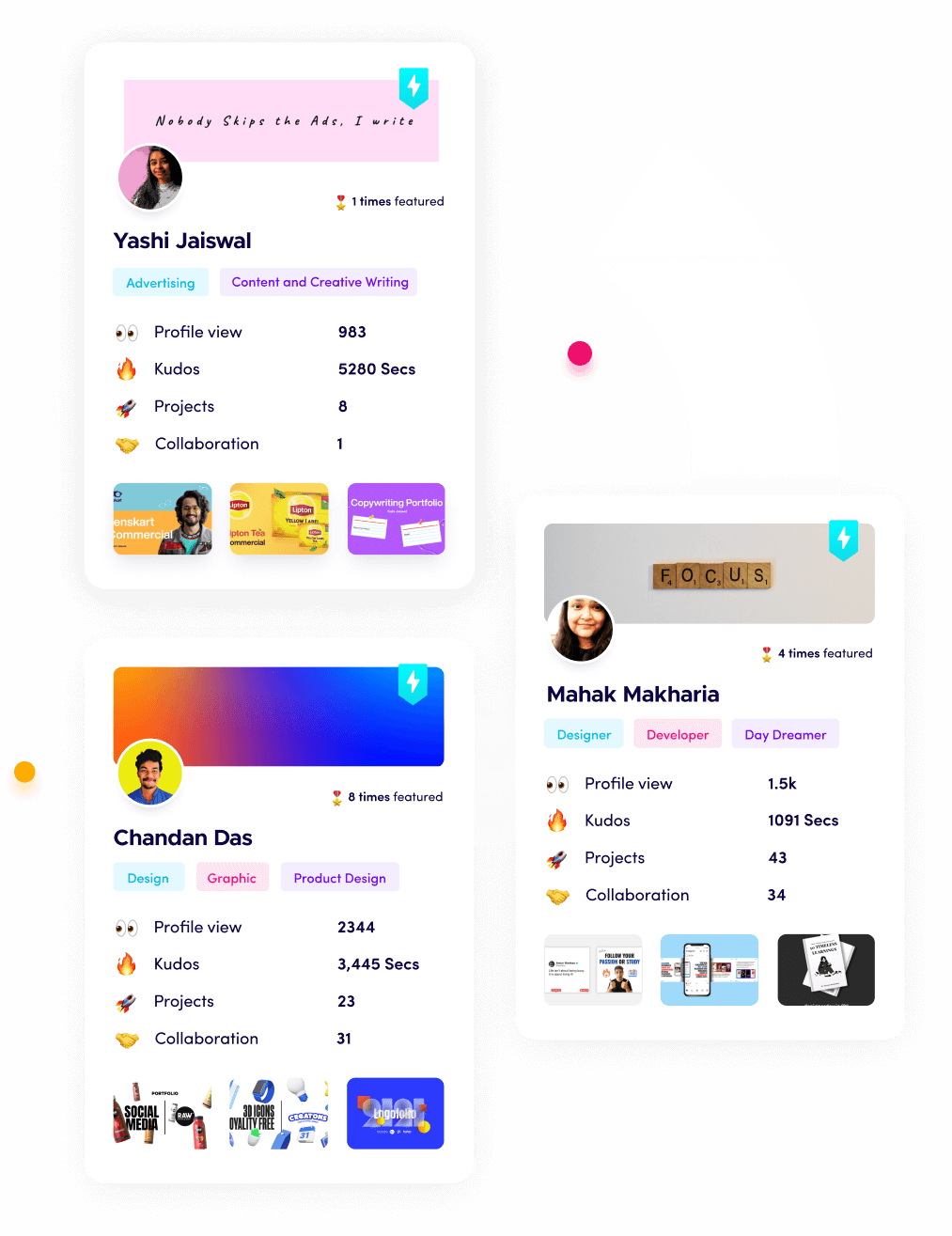
Fueler lets companies post real assignments and compare candidate submissions side by side. Candidates show their skills through work, and companies decide with clear evidence. Every submission can also become part of a candidate's proof of work portfolio.
To design tasks people enjoy, read how to run a take-home assignment candidates don't hate. For payment and scoring, use this guide on paid trial assignments: how much to pay, how long, and how to score. To check authenticity, use these interview questions to verify portfolio work. To spot AI-made work, read how to tell if a portfolio was made with AI. And for the full model, see hiring without resumes through assignment-based hiring.
How I researched this
I used public sources from 2025 and 2026: TestGorilla's State of Skills-Based Hiring 2025, Greenhouse's 2025 hiring research, Gartner's candidate survey and fake profile predictions, LinkedIn's Skills on the Rise research, long-standing research on structured interviews and assessments, and public information on AI hiring laws in New York City, Colorado, the EU and India. Fueler figures come from our own platform. Trends marked "developing" rely on early signals and practice. Forecasts are my own view and are labelled.
Frequently asked questions
What are the top candidate assessment trends for 2027?
The top trends are standard skills tests, real-job simulations, take-home tasks and paid trials, AI-allowed assessments, cheating detection, follow-up conversations, structured rubrics, measuring human skills, shorter candidate-friendly tasks, and audits for AI scoring tools.
What is the best way to assess candidates in 2027?
Use a short, role-relevant work task scored with a clear rubric, followed by a conversation about the work. This shows real skill, checks authenticity, and gives candidates a fair chance.
How do companies stop candidates cheating with AI?
They use proctoring, identity checks, and integrity tools, but the most reliable method is a follow-up conversation where candidates explain their work. Some companies also allow AI openly and judge how well it is used.
How long should a take-home assignment be?
Most unpaid tasks should take two to three hours at most. Longer tasks should be paid. Clear instructions, a time limit, and feedback make the process fair and respectful.
What are the best skill assessment tools for hiring?
The best tool depends on the role. Many companies use dedicated testing platforms for skills tests and assignment-based platforms like Fueler for real work tasks and portfolios. Look for role-relevant tasks, clear scoring, integrity checks and compliance support.
Why 150,000+ professionals use Fueler
Fueler helps professionals showcase proof of work through projects, assignments, case studies, and achievements.
Thousands of professionals use Fueler to create their digital portfolio
Thousands of projects are published on Fueler. Check here
Startups and Companies hire through proof of work on Fueler
Used by freelancers, creators, marketers, video editors, writers, designers, and product managers
Our mission is to help the next 100 million professionals build a verified professional identity through proof of work