
Research cutoff: November 2026. Coverage: global, with a focus on India, the US and the UK. Forecasts are marked clearly as forecasts.
Quick answer: Skills-based hiring means judging people by what they can do, not by their degree or job title. In 2027, it will move from a popular idea to a daily practice for many employers. Degree requirements are dropping, skills tests are mainstream, and AI fluency is becoming a basic skill. But there is a catch: many companies say they hire for skills and still filter by degrees, and AI has made cheating on online tests easier. The winners will be people who can show real work and explain how they did it.
Key skills-based hiring trends for 2027 at a glance
Trend | Expected impact | Evidence strength |
|---|---|---|
Degree requirements keep falling | High | Strong |
Skills tests become a standard step | High | Strong |
Hiring for learning speed, not fixed skills | High | Strong |
AI fluency becomes a baseline skill | High | Strong |
AI cheating pushes tests toward real projects | Medium to high | Developing |
Project-based hiring grows in India | Medium to high | Developing |
Internal mobility based on skills | Medium | Developing |
The gap between talk and practice | High | Strong |
Why I care about this topic
I am Riten, and skills-based hiring is the reason Fueler exists. When I started Fueler in 2021, I kept meeting brilliant people who could not get a single interview because they lacked the "right" college or the "right" title. Meanwhile, companies complained they could not find talent. The problem was not talent. The problem was how talent was being measured.
Today, companies on Fueler hire through assignments, which is skills-based hiring in its most direct form. So I have strong views here. But I will try to be fair and show you where the evidence is strong and where the hype is ahead of reality.
Where skills-based hiring stands going into 2027
Most employers say they use it. TestGorilla's 2025 survey of 1,084 US and UK employers found 85% use skills-based hiring, up from 81% in 2024. Resume use fell from 73% to 67%.
Degree filters are going. 53% of employers in the same survey had removed degree requirements, up from 30%.
But practice lags. A 2024 study by Harvard Business School and the Burning Glass Institute found that many companies announced they were dropping degree requirements, but real changes in who they hired were much smaller.
India's skill picture is improving. The India Skills Report 2026 put graduate employability at 56.35%, up from 54.81% the year before.
Note: TestGorilla sells skills tests, so its numbers may lean positive. I include them because they are recent and clearly sourced.
The 8 biggest skills-based hiring trends for 2027
1. Degree requirements keep falling
What is changing: Job posts are dropping "must have a bachelor's degree" lines, especially for creative, marketing, tech and operations roles.
Why: Employers need more candidates, and degrees are a weak signal for many modern skills.
Evidence: 53% of employers removed degree requirements in 2025 (TestGorilla). LinkedIn said job seekers without a four-year degree who used its AI job search were 10% more likely to get hired.
What to expect in 2027 (forecast): More job posts will be degree-optional. But a degree will still help in some fields, and many large companies will keep it as a hidden filter.
What you should do: Do not rely on your degree or worry too much about not having one. Rely on visible proof of skill.
Evidence assessment: Established.
2. Skills tests become a standard hiring step
What is changing: Tests and short tasks are moving from optional to expected.
Evidence: 76% of employers in TestGorilla's survey use skills tests, and two in three say tests reduced bad hires.
What to expect in 2027 (forecast): For most creative and marketing jobs, expect at least one task before the final round.
Evidence assessment: Established.
3. Employers hire for learning speed, not just current skills
What is changing: Skills are changing so fast that employers care about how quickly you learn.
Evidence: The World Economic Forum's Future of Jobs Report 2025 says 39% of key skills will change by 2030, based on a survey of more than 1,000 large employers. LinkedIn goes further and estimates that 70% of the skills used in most jobs will change by 2030. The two numbers differ because they measure different things, but both point the same way.
What to expect in 2027 (forecast): More interviews will ask "how did you learn this?" and "what did you build last month?"
What you should do: Keep a visible record of what you learn and build over time. A timeline of real projects shows learning speed better than any certificate.
Evidence assessment: Established.
4. AI fluency becomes a baseline skill
What is changing: Knowing how to use AI tools well is becoming as basic as knowing email.
Evidence: McKinsey found demand for AI fluency in US job postings grew nearly sevenfold in two years through mid-2025, faster than any other skill. Indeed's AI tracker hit 4.2% of US job postings at the end of 2025, 134% above February 2020 levels.
What to expect in 2027 (forecast): Employers will stop asking "do you use AI?" and start asking "show me how you used AI to do better work."
What you should do: Do not list "prompting" as a skill. Show the result. I explain this in why prompting is not a skill on your resume and what to show instead.
Evidence assessment: Established.
5. AI cheating pushes tests toward real projects and live checks
What is changing: Online tests are easier to game with AI, so employers are changing how they test.
Evidence: In TestGorilla's survey, 17% of job seekers admitted to cheating on skills tests, and 7 in 10 of those used AI. Gartner found 6% of candidates admitted to interview fraud.
What to expect in 2027 (forecast): More take-home projects followed by a live discussion of the work, and more questions about process, not just output.
What you should do: Be ready to walk through any project step by step. If you can explain your decisions, you will beat someone who just generated a polished answer.
Evidence assessment: Developing.
6. Project-based hiring grows in India
What is changing: Indian companies are hiring more people for specific projects and skills.
Evidence: The India Skills Report 2026 says project-based hiring rose 38% in the past year and projects India's gig and freelance workforce to reach 23.5 million by 2030 (Careers360). The 23.5 million figure was first projected by NITI Aayog in 2022.
What to expect in 2027 (forecast): More short contracts and trial projects for creative and digital roles, often as a path to full-time jobs.
Evidence assessment: Developing.
7. Skills-based internal mobility
What is changing: Companies are moving existing staff into new roles based on their skills.
Evidence: The WEF report found 77% of employers plan to upskill workers, and almost half expect to move staff from AI-exposed roles into other parts of the business.
What to expect in 2027 (forecast): Internal skill profiles and portfolios will matter for promotions, not just for outside job hunts.
Evidence assessment: Developing.
8. The talk-versus-practice gap stays the biggest risk
What is changing: Everyone says "skills-based." Fewer have changed how they actually decide.
Evidence: The Burning Glass Institute and Harvard study is the clearest warning. Removing a degree from a job post does not help if interviewers still favour familiar backgrounds.
What to expect in 2027 (forecast): The gap will slowly close where companies use structured tasks and scoring rubrics. It will stay wide where hiring is still based on gut feel.
Evidence assessment: Established.
How AI and automation are changing skills-based hiring
Area | How AI helps | Risk |
|---|---|---|
Skill extraction from profiles | Reads skills from projects and work history | Can miss skills that are not written in standard words |
Matching | Finds people with similar skills across job titles | Can copy old biases from past hiring data |
Testing | Creates and scores tests at scale | Candidates can use AI to cheat |
Feedback | Gives quick feedback to many candidates | Generic feedback can feel cold |
Skills employers will value in 2027
The WEF lists AI and big data, networks and cybersecurity, and technological literacy as the fastest-growing skills, along with creative thinking, resilience, curiosity and lifelong learning. Here is how to turn that into action:
Skill | Why it matters | How to show it |
|---|---|---|
AI fluency | Fastest-rising skill in job postings | A project where AI helped you do better or faster work, with before and after |
Creative thinking | AI makes average work cheap | An original campaign, design or edit with your reasoning |
Analytical thinking | Still a core skill in the WEF list | A short analysis with a clear recommendation |
Communication | Needed to explain your work in live checks | A written case study or short video walkthrough |
Learning agility | Skills change fast | A timeline of projects showing growth |
New roles linked to skills-based hiring
Skills architect or skills taxonomy specialist: defines the skills each role needs.
Assessment designer: builds fair tasks and rubrics.
Talent mobility lead: moves employees into new roles based on skills.
How to prove your skills with real projects
Here is my simple rule: one deep project beats many shallow ones. A good project shows the problem, your process, the result and what you would do differently.
Pick a real company problem and solve it in your field. For example, redesign a landing page, edit a reel, or write a content plan.
Show your process, including drafts and decisions.
Measure something, even if it is small. If you have no metrics, use proxy signals. I wrote a guide on showing impact without metrics.
Publish it and link it in every application.
If you have no experience, start with self-initiated work. My post on self-initiated projects that hiring managers treat as real work shows how.
How Fueler helps
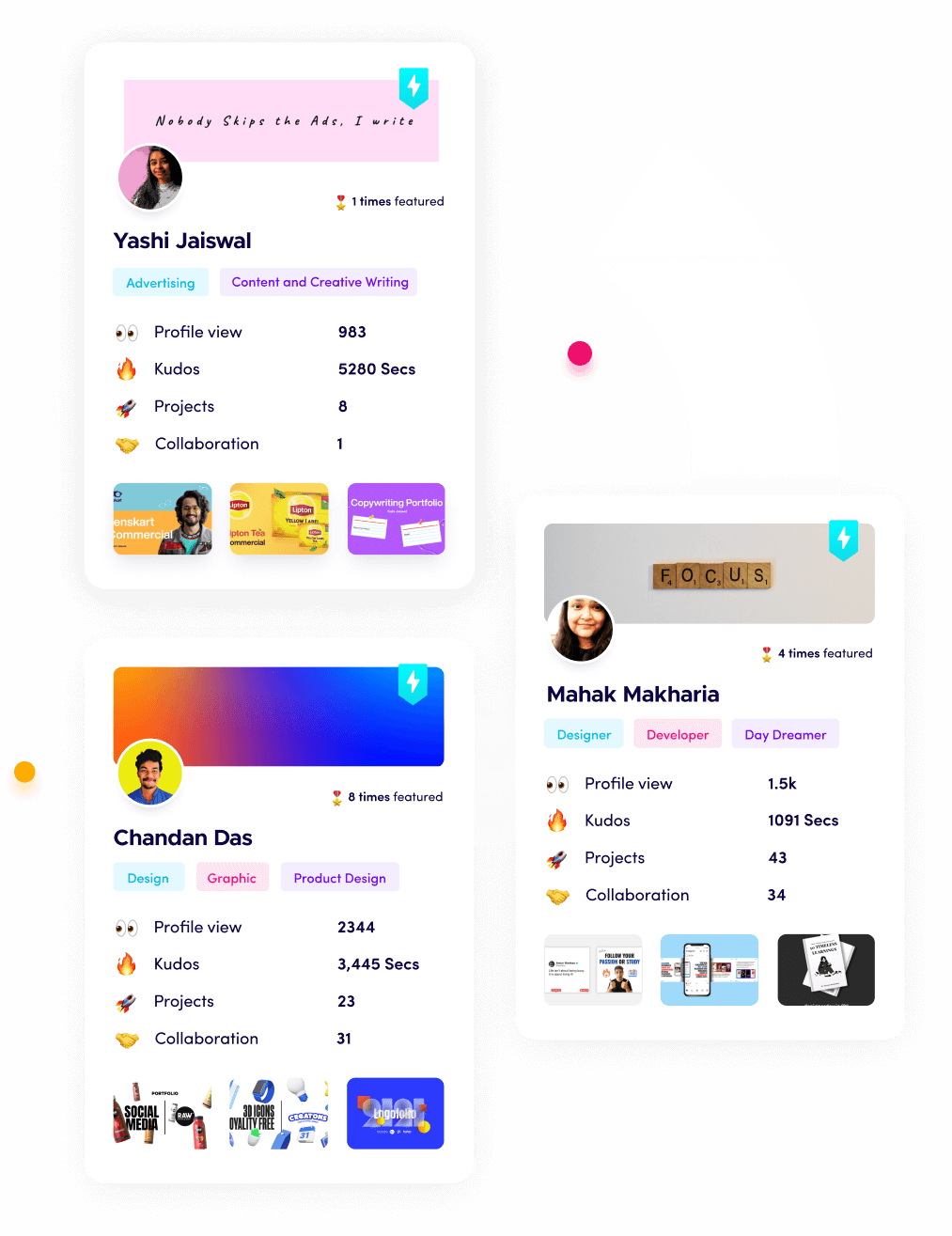
Fueler is built for skills-based hiring. You can add projects with context so your skills are visible, not just claimed. Companies on Fueler post assignments, so you get evaluated on the same task as everyone else. That is fairer for you and clearer for the employer.
Many people still collect certificates hoping they will open doors. Some do, but many don't. Read the certificates hiring managers ignore before you spend money on another one. And if you are new to the idea, my ultimate guide to proof of work in a career is the best place to start.
Three possible futures for skills-based hiring in 2027
Scenario | What it looks like |
|---|---|
Real shift | Most employers use tasks and rubrics. Degrees become optional for most non-regulated roles. |
Partial shift (most likely in my view) | Job posts change, tests spread, but many final decisions still lean on degrees and brand names. |
Stall | AI cheating and a weak job market push employers back to "safe" degree filters and referrals. |
Signals to watch: share of job posts without degree requirements, use of live project reviews, and data on who actually gets hired after degree requirements are removed.
How I researched this
I reviewed research published from 2024 to November 2026 by the World Economic Forum, LinkedIn, McKinsey, Indeed Hiring Lab, Gartner, TestGorilla, the Burning Glass Institute with Harvard Business School, and the India Skills Report 2026. I note where data comes from companies that sell testing tools, and where US, UK and India numbers should not be compared directly. Predictions for 2027 are my forecasts based on this evidence. I will update this article as 2027 data comes in.
Frequently asked questions
What is skills-based hiring in simple words?
Skills-based hiring means employers choose people based on what they can actually do, often checked through tests, tasks or portfolios, instead of judging mainly by degree, college or past job titles.
Is skills-based hiring really growing in 2027?
Yes, but slower in practice than in announcements. TestGorilla found 85% of US and UK employers say they use it and 53% removed degree requirements in 2025. Research from Harvard and the Burning Glass Institute shows many companies still hire mostly the same profiles.
Can I get a job without a degree in 2027?
In many creative, digital and tech roles, yes, if you can show strong proof of work. Build two or three deep projects that match the job, explain your process clearly, and apply to companies that use tasks or portfolios to hire.
What skills will employers look for most in 2027?
The WEF lists AI and big data, cybersecurity and tech literacy as the fastest growing, along with creative thinking, resilience and lifelong learning. McKinsey found AI fluency demand grew nearly sevenfold in two years in US job postings.
How do I prove my skills to employers?
Show real projects with the problem, your process, the result and your learnings. Link them in every application, and be ready to explain your decisions live. A portfolio of real work is more convincing than a list of skills or certificates.
Why 150,000+ professionals use Fueler
Fueler helps professionals showcase proof of work through projects, assignments, case studies, and achievements.
Thousands of professionals use Fueler to create their digital portfolio
Thousands of projects are published on Fueler. Check here
Startups and Companies hire through proof of work on Fueler
Used by freelancers, creators, marketers, video editors, writers, designers, and product managers
Our mission is to help the next 100 million professionals build a verified professional identity through proof of work