StopWatt Electricity Saving Box ~ "Don’t Miss Out Offer" Deep Price or Review?

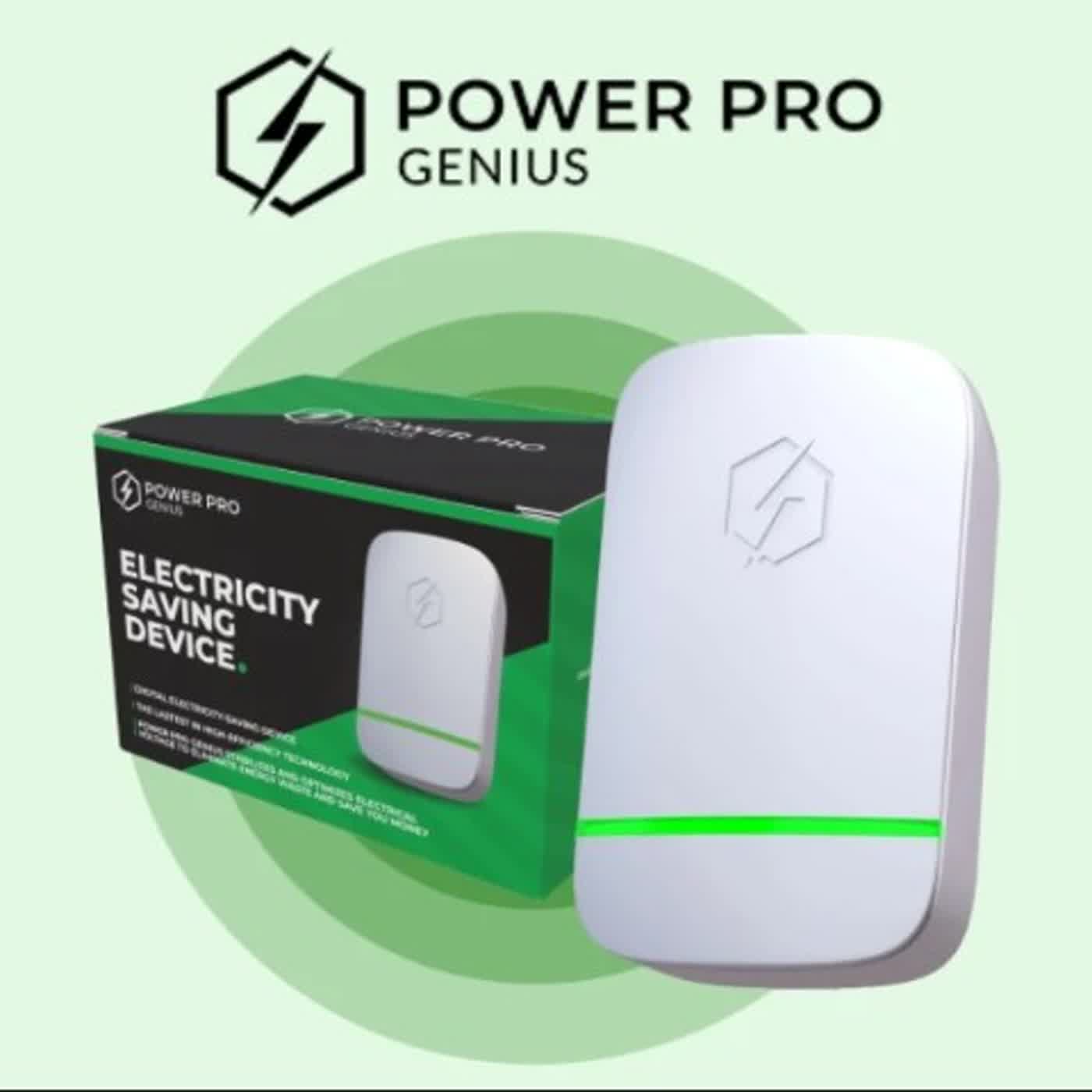
StopWatt Electricity Saving Box
StopWatt Electricity Saving Box Review
Electricity bills have become a major household expense, so it's understandable that people are interested in simple products that claim to reduce energy costs. One product that has attracted considerable attention online is the StopWatt Electricity Saving Box.
The concept sounds simple: plug a small device into a wall outlet and supposedly reduce electricity waste without replacing appliances or changing everyday habits.
✔Get Best Discount Offer on "StopWatt" Hurry Limited Time Offer!!

But does a small plug-in box really have the ability to make a significant difference to a household electricity bill?
In this StopWatt review, we'll take a closer look at what the product claims to do, how these claims relate to household electricity consumption, what customers are saying, and what consumers should consider before spending money on an electricity-saving device.
Important: This article is for consumer information only. StopWatt's marketing claims should not be treated as independently proven energy savings.
What Is StopWatt?
StopWatt is marketed as a small plug-in electricity-saving device. The product is promoted using terms such as power optimization, voltage stabilization, power-factor correction, and reduction of electrical waste.
The appeal is obvious. Instead of installing expensive equipment or replacing household appliances, the customer is told to simply plug the device into an electrical outlet.
However, there is an important distinction between improving certain aspects of electrical power quality and actually reducing the amount of electricity a household consumes.
For residential customers, electricity usage is generally measured in kilowatt-hours (kWh). If an appliance continues consuming the same amount of real energy to perform the same task, a small plug-in device cannot simply make that energy requirement disappear.
✔Get Best Discount Offer on "StopWatt" Hurry Limited Time Offer!!
How Is StopWatt Supposed to Work?
The marketing surrounding StopWatt suggests that the device can improve the way electricity is handled inside a home.
Some advertisements refer to concepts such as:
Voltage stabilization
Power-factor correction
Electrical noise
Current optimization
Energy waste
Appliance efficiency
These terms sound technical, but consumers should be careful not to assume that the presence of technical terminology proves the product will lower a residential electricity bill.
Power-factor correction can have legitimate applications in certain commercial and industrial electrical systems. However, that does not automatically mean that a small consumer plug-in device will produce substantial savings for a typical household.
Recent reviews and investigations have found no convincing independent evidence demonstrating that StopWatt produces the dramatic residential electricity savings promoted in its advertising.
Can StopWatt Really Reduce Your Electricity Bill?
This is the most important question.
There is currently no convincing independent evidence showing that StopWatt can dramatically reduce the electricity consumption of a typical household.
The product's marketing may suggest substantial savings, but those claims should be treated cautiously unless they are supported by controlled, independent testing.
A useful way to think about it is simple:
If your refrigerator, television, water heater, computer, lights, or air conditioner continue using the same amount of real energy, your electricity consumption does not automatically fall simply because another small device is plugged into an outlet.
This is why consumers should be skeptical of advertisements promising large reductions in electricity bills without providing independently verified measurements.
What Do Customer Reviews Say?
Customer feedback is another important part of evaluating StopWatt.
At the time of writing, public review platforms contain a significant amount of negative feedback. Trustpilot's StopWatt profile currently shows a very low overall rating, with many reviewers reporting that they did not notice meaningful reductions in their electricity bills.
The Better Business Bureau also displays a low customer-review rating for StopWatt, while its complaint section includes consumer disputes concerning the product and its advertising.
Customer reviews are not scientific testing, and individual experiences can vary. Nevertheless, a consistent pattern of complaints is worth considering before making a purchase.
StopWatt and Online Advertising
Another reason to be cautious is the way electricity-saving products are sometimes promoted online.
Some StopWatt advertisements and third-party promotional pages have reportedly used references to well-known brands, personalities, or television programs to make the product appear more established than it is.
Consumer investigations have specifically warned about fake or misleading claims involving Consumer Reports, Shark Tank, Elon Musk, and Tesla. There is no verified evidence that these entities officially endorsed StopWatt.
Consumers should therefore verify endorsements directly rather than trusting screenshots, social-media advertisements, or promotional videos.
✔Get Best Discount Offer on "StopWatt" Hurry Limited Time Offer!!
What About "Dirty Electricity"?
The term "dirty electricity" frequently appears in marketing for plug-in energy-saving products.
Electrical systems can certainly experience electrical noise and power-quality issues. However, the existence of electrical noise does not automatically mean that a household is wasting large amounts of billable electricity.
This is an important distinction.
A product may use legitimate electrical terminology in its advertising while making claims that go much further than what can actually be demonstrated.
For this reason, buyers should look for independent measurements showing actual changes in household kWh consumption rather than relying on technical-sounding descriptions.
StopWatt Pros and Cons
Potential Advantages
Simple plug-in design
No complicated installation advertised
Compact size
Easy to use
Relatively inexpensive compared with major electrical upgrades
Disadvantages
Significant electricity-saving claims are not independently established
Many negative customer reviews are available online
Marketing claims should be examined carefully
Technical terminology can make the product appear more effective than available evidence suggests
Customers have reported purchasing and refund-related problems
Not a substitute for genuine energy-efficiency improvements
Is StopWatt Safe?
Any electrical device should be treated carefully.
Before plugging an unfamiliar electrical product into your home, check whether it has appropriate electrical safety certification for your country and whether the seller provides clear manufacturer information.
Never use a damaged electrical device or one with exposed wires, overheating, unusual smells, or other signs of malfunction.
If you are unsure about the safety of an electrical product, consult a qualified electrician rather than relying on online advertising.
Better Ways to Reduce Your Electricity Bill
If your main goal is to lower your electricity costs, there are several practical methods that are easier to measure.
Use Energy-Efficient Lighting
Replacing older bulbs with efficient LED lighting can reduce lighting energy consumption.
Improve Heating and Cooling Efficiency
Heating and air conditioning can account for a significant portion of household electricity use. Using appropriate temperature settings and maintaining equipment can help.
Check Older Appliances
Older refrigerators, air conditioners, heaters, and other appliances may consume considerably more electricity than newer efficient models.
Avoid Unnecessary Usage
Turning off equipment that is not needed can help reduce unnecessary consumption.
Improve Insulation
Better insulation can reduce the amount of energy required to maintain comfortable indoor temperatures.
Monitor Your Electricity Usage
An energy monitor or smart meter can help identify which appliances are consuming the most electricity. This gives you measurable information instead of relying on a device's marketing claims.
Is StopWatt Worth Buying?
Based on the currently available information, consumers should approach StopWatt with considerable caution.
The main concern is not that the product is difficult to use. The concern is whether the promised electricity savings are actually supported by reliable independent evidence.
✔Get Best Discount Offer on "StopWatt" Hurry Limited Time Offer!!
Current public customer feedback is predominantly negative, and available investigations have not found convincing proof that the device can deliver the dramatic reductions in residential electricity consumption promoted in advertisements.
If your goal is genuinely to reduce your electricity bill, measurable changes to appliance usage, heating and cooling, lighting, insulation, and energy efficiency are more sensible places to start.
Frequently Asked Questions
What is the StopWatt Electricity Saving Box?
StopWatt is a small plug-in electrical device marketed as a way to reduce electricity waste and lower household power bills.
Does StopWatt really save electricity?
There is currently no convincing independent evidence demonstrating that StopWatt provides the large residential electricity savings claimed in its marketing.
Is StopWatt approved by Consumer Reports?
There is no verified evidence that Consumer Reports officially endorsed or reviewed StopWatt. Online investigations have specifically warned about misleading references to Consumer Reports.
Was StopWatt featured on Shark Tank?
Claims connecting StopWatt with Shark Tank should not be trusted without independent verification. Current investigations have found no verified evidence of an official Shark Tank endorsement.
Can a plug-in device reduce my home's kWh consumption?
A plug-in device does not automatically reduce the real energy required by household appliances. Any claim of substantial kWh savings should be supported by independent, controlled testing.
What is the best way to reduce electricity costs?
Start by identifying the biggest sources of electricity consumption in your home. Improving appliance efficiency, reducing unnecessary usage, managing heating and cooling, improving insulation, and monitoring energy consumption are practical approaches.
Final Verdict
The StopWatt Electricity Saving Box is marketed as an easy solution to expensive electricity bills, but the available evidence does not provide convincing support for the dramatic savings advertised online.
While concepts such as power factor and power quality are real electrical engineering topics, they should not be confused with proof that a small plug-in consumer device can significantly reduce a household's bill.
Public customer feedback is also a major reason for caution, with many customers reporting that the product did not deliver the expected savings.
✔Get Best Discount Offer on "StopWatt" Hurry Limited Time Offer!!
For anyone considering StopWatt, the safest approach is to verify the technical claims, check independent testing, review the seller's refund policy, and avoid relying on celebrity or television-show endorsements that cannot be independently confirmed.
For long-term electricity savings, measurable improvements to your home's appliances, lighting, heating, cooling, and energy habits remain a more reliable strategy.
01 Sep 2026 - 07 Oct 2027