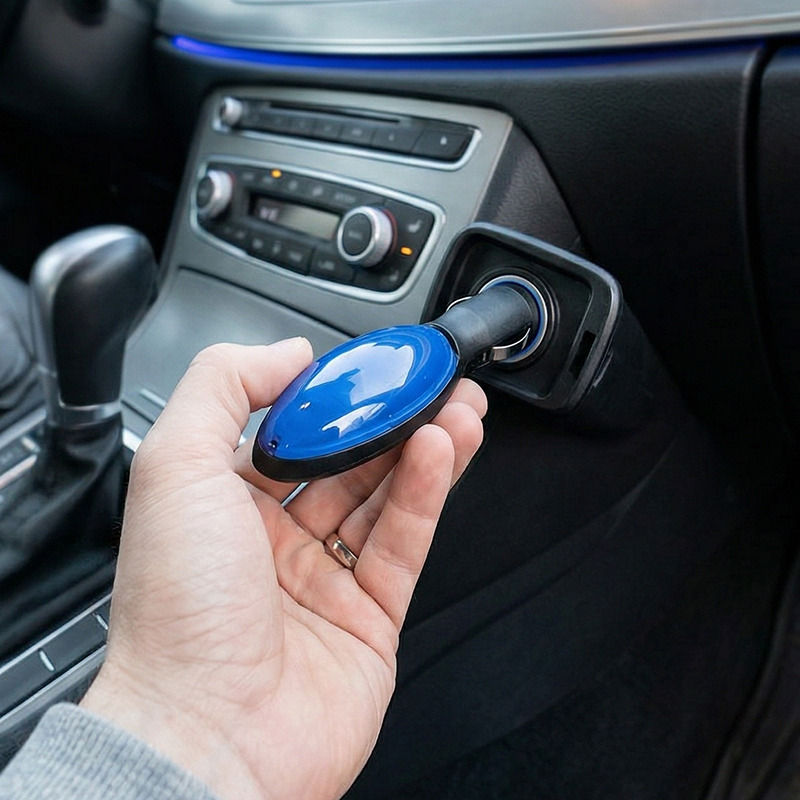
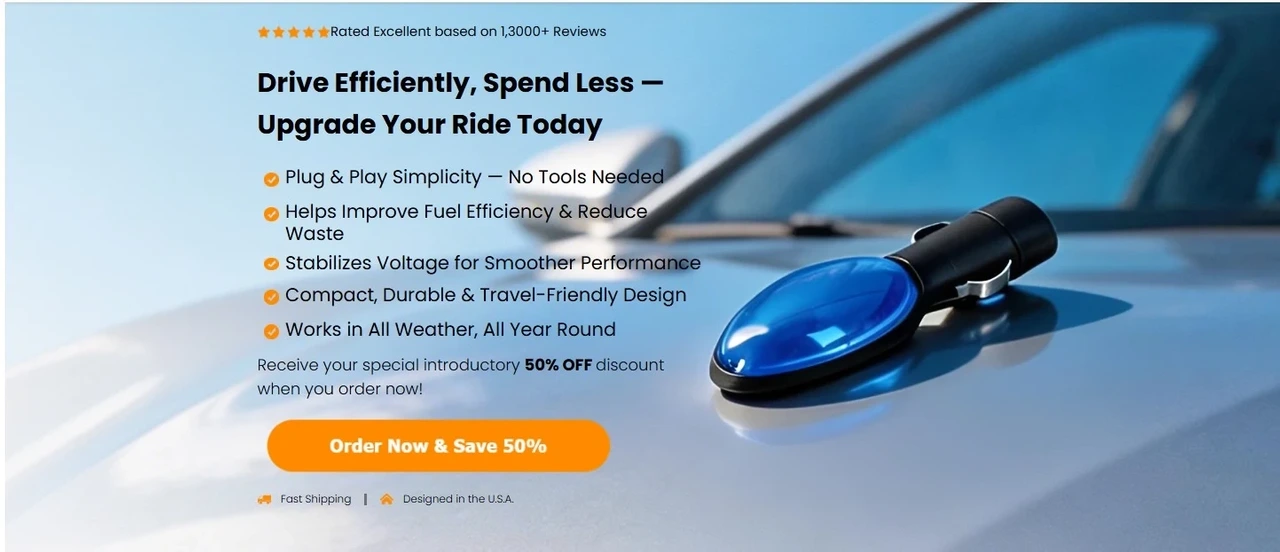
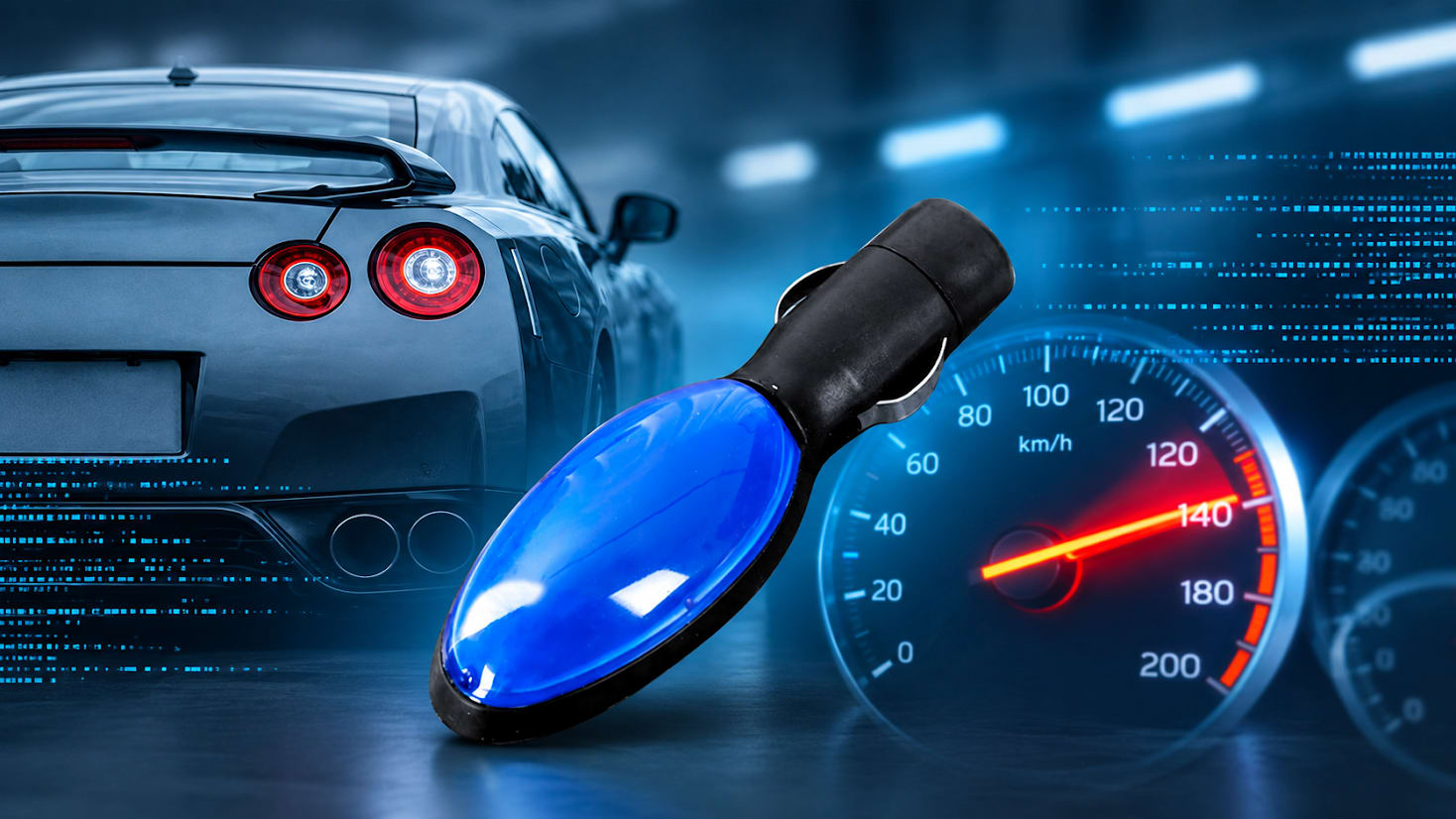
If you regularly spend money on petrol or diesel, you have probably wondered whether there is a practical way to reduce fuel consumption without changing your vehicle. That is where products such as the Cartekit FuelSync Optimizer come into the conversation.
The FuelSync Optimizer is marketed as a vehicle-related efficiency product designed to help drivers optimize fuel usage. The concept is attractive: instead of making major mechanical modifications or changing your driving routine completely, a compact device is presented as a potentially simple addition to your vehicle.
But before buying any fuel-saving gadget, it is important to understand what it actually claims to do, how it is supposed to work, what results can realistically be expected, and whether the cost makes sense for your particular vehicle.
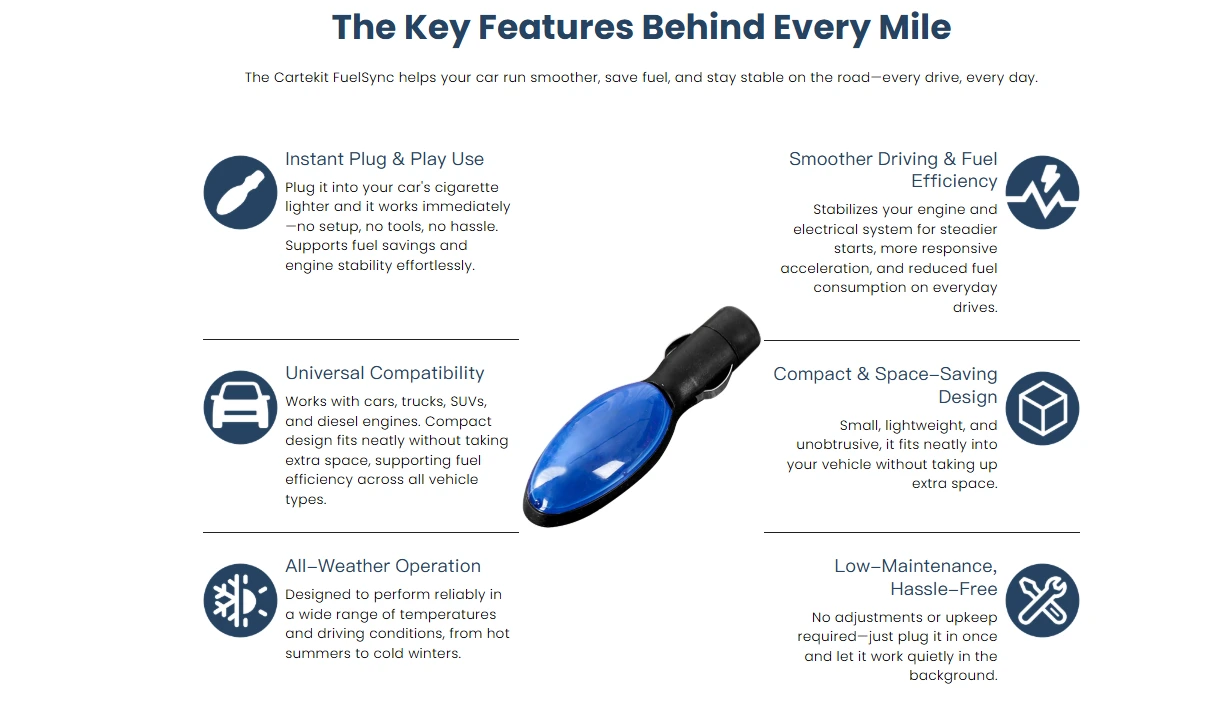
The Cartekit FuelSync Optimizer is presented as a vehicle efficiency accessory aimed at helping drivers get better fuel economy. The general idea behind products in this category is to optimize aspects of a vehicle's operation so that fuel is used more efficiently.
Fuel economy, however, is affected by many different factors. Engine condition, tire pressure, vehicle weight, traffic, acceleration habits, road conditions, air-conditioning use, fuel quality, and maintenance can all influence how many kilometers a vehicle travels per litre.
Therefore, a fuel-efficiency device should not be viewed as a replacement for regular vehicle maintenance or responsible driving.
For someone who drives frequently, even a modest improvement in fuel consumption can appear attractive over time. This is particularly relevant for commuters, delivery drivers, road-trip enthusiasts, and people with long daily journeys.
How Does FuelSync Optimizer Work?
One of the first things potential buyers usually want to know is how the product works.
Fuel-saving automotive products can use very different technologies and installation methods. Depending on the exact version of a product, the advertised mechanism may involve vehicle electronics, fuel-system optimization, sensor-related functions, or another approach.
That is why buyers should carefully read the current manufacturer specifications and installation instructions before purchasing rather than relying solely on advertising claims.
It is also important to distinguish between a device's intended function and independently verified performance. A product can be designed with the goal of improving efficiency without guaranteeing a particular percentage of fuel savings for every vehicle.
Your vehicle's existing engine-management system may already continuously adjust fuel delivery based on sensor information. Modern vehicles are considerably more sophisticated than older cars, so compatibility is an important consideration.
Why Are Drivers Interested in Fuel-Saving Devices?
Fuel costs are an ongoing expense for many motorists.
Suppose a driver travels thousands of kilometres every year. Even a small change in average fuel consumption can affect annual spending. This naturally creates demand for products that promise to make vehicles more economical.
A fuel-efficiency accessory can be appealing because it potentially offers:
A relatively simple approach to improving efficiency
No need to purchase another vehicle
Potentially lower fuel expenditure
An alternative to expensive mechanical modifications
Convenience for drivers who travel frequently
An opportunity to monitor and improve overall fuel consumption
However, expectations should remain realistic.
No small accessory can eliminate the fundamental fuel requirements of an internal-combustion engine. Drivers should also be cautious about products making extraordinary claims without supporting technical documentation or independent testing.
Potential Benefits of Cartekit FuelSync Optimizer
The main attraction of the FuelSync Optimizer is obviously the possibility of improving fuel economy.
1. Focus on Fuel Efficiency
The product is positioned around the idea of improving how efficiently a vehicle uses fuel. For drivers who are constantly watching fuel expenses, this is naturally an appealing objective.
2. Convenient Automotive Accessory
Many motorists prefer solutions that don't require major changes to their vehicles. A compact accessory can be more convenient than expensive mechanical modifications.
3. Potential Long-Term Savings
If a product genuinely improves fuel economy on a compatible vehicle, savings could accumulate over time.
The actual financial benefit depends on several factors, including:
Annual mileage
Fuel price
Existing fuel economy
Driving conditions
Vehicle type
Actual improvement achieved
4. Useful for High-Mileage Drivers
Someone driving 50 kilometres a month and someone driving 50 kilometres every day have very different fuel expenses.
For high-mileage drivers, even small changes in efficiency can have a more noticeable financial impact.
5. Encourages Attention to Vehicle Efficiency
Whether or not an accessory produces the advertised improvement, purchasing a fuel-efficiency product may encourage drivers to pay closer attention to their vehicle's fuel consumption, maintenance, and driving habits.
That can be beneficial because proper maintenance and efficient driving are among the most reliable ways to reduce unnecessary fuel consumption.
This is one of the most important parts of any FuelSync Optimizer review.
A vehicle's mileage isn't controlled by one component.
Tire Pressure
Underinflated tires can increase rolling resistance, forcing the engine to work harder.
Checking tire pressure regularly according to the manufacturer's recommended specification is a simple maintenance habit.
Aggressive Acceleration
Rapid acceleration and frequent high-speed driving generally consume more fuel than smooth driving.
Excessive Idling
Leaving an engine running while the vehicle is stationary wastes fuel without producing useful distance.
Vehicle Weight
Carrying unnecessary heavy items can increase the energy required to move the vehicle.
Air Conditioning
Air conditioning can increase engine load and therefore affect fuel consumption, particularly under certain driving conditions.
Traffic
Stop-and-go city traffic can produce significantly different fuel economy from steady highway driving.
Engine Maintenance
Dirty filters, worn spark plugs in applicable engines, incorrect oil specifications, malfunctioning sensors, or other mechanical issues can influence fuel economy.
This means a driver should not assume that a fuel-saving device will compensate for an engine that needs maintenance.
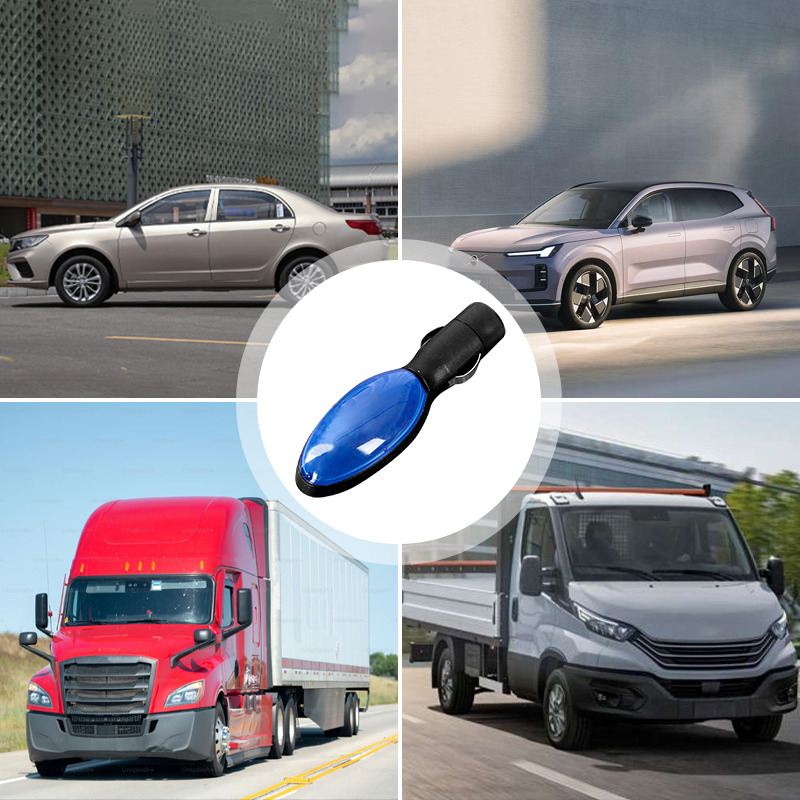
Is Cartekit FuelSync Optimizer Compatible With Every Vehicle?
This is an important question to investigate before ordering.
Vehicles differ considerably in their electrical systems, engine-management technology, fuel systems, and diagnostic architecture.
Older cars can operate very differently from modern fuel-injected vehicles. Hybrid vehicles and newer electronically controlled vehicles may also require special consideration.
Before buying, check the product's current compatibility information for:
Vehicle make
Vehicle model
Model year
Engine type
Fuel type
Electrical system
Installation requirements
If compatibility information is unclear, contacting the seller before purchasing is preferable to assuming the device will work.
The installation process depends on the actual version and design of the FuelSync Optimizer.
If the device requires connection to vehicle electronics, users should follow the supplied instructions carefully. Incorrect installation of electrical accessories can potentially cause problems.
If you are not comfortable working around automotive wiring, professional installation may be the safer option.
Before installation, buyers should also check whether using the product could affect an existing vehicle warranty. Warranty terms vary between manufacturers and countries, so the vehicle manufacturer or authorized service center is the appropriate source for warranty-specific information.
Does FuelSync Optimizer Guarantee Fuel Savings?
This is where consumers should be particularly careful.
Fuel economy varies from vehicle to vehicle and driver to driver. A manufacturer may advertise an expected improvement, but that does not necessarily mean every customer will experience the same result.
Actual results can depend on:
Vehicle condition: A well-maintained engine may behave differently from one with existing problems.
Driving style: Gentle acceleration and consistent speeds can significantly influence consumption.
Environment: Hills, traffic, temperature, and road conditions all matter.
Fuel: Different fuel formulations and fuel quality can influence operation.
Mileage: The financial value of an efficiency improvement depends heavily on how much you drive.
Therefore, avoid treating any advertised fuel-saving percentage as a guaranteed result unless it is supported by appropriate testing and clearly applies to your vehicle.
How to Measure Whether It Is Working
If you decide to test the FuelSync Optimizer, don't rely solely on your dashboard's instantaneous fuel-economy display.
A better approach is to establish a baseline.
For example:
Record your vehicle's current mileage.
Fill the tank consistently.
Record kilometres driven and fuel added.
Calculate average fuel economy over several tanks.
Install the device according to instructions.
Continue recording the same information.
Compare results under reasonably similar driving conditions.
Testing over only one short journey can be misleading.
Weather, traffic, tyre pressure, passenger load, and driving behavior can change from one trip to another.
A longer comparison gives you a better indication of whether there has been a meaningful change.
Prefer a potentially simple efficiency-focused solution
Are willing to verify compatibility before buying
However, people should avoid purchasing any fuel-saving accessory purely because of dramatic advertising language.
Who Should Be More Cautious?
Extra caution makes sense if:
The product's technical specifications are unclear.
Compatibility information is missing.
Savings claims aren't supported by credible testing.
Installation instructions are incomplete.
There is no clear refund or warranty policy.
The seller does not provide reliable customer support.
The device requires electrical modifications that you aren't comfortable making.
A transparent seller should be able to explain what the product does, which vehicles it supports, how it is installed, and what the applicable return terms are.
FuelSync Optimizer vs. Basic Fuel-Saving Habits
Before spending money on an accessory, drivers should also consider the basics.
Regular maintenance, correct tire pressure, smooth acceleration, avoiding unnecessary idling, reducing excessive vehicle load, and planning journeys efficiently can all contribute to better fuel economy.
These measures have one major advantage: they address well-established factors affecting fuel consumption.
A device such as FuelSync Optimizer should therefore be considered an additional automotive accessory, rather than a replacement for good maintenance and efficient driving.
Address: UNIT 04, 7/F, BRIGHT WAY TOWER, NO. 33 MONG KOK ROAD, KOWLOON, HK.
Frequently Asked Questions
What is Cartekit FuelSync Optimizer?
Cartekit FuelSync Optimizer is marketed as a vehicle fuel-efficiency accessory intended to help optimize fuel usage.
Can FuelSync Optimizer improve mileage?
The product is marketed for fuel-efficiency improvement, but actual results can vary significantly depending on the vehicle, driving conditions, and other factors. Buyers should not assume a guaranteed percentage improvement.
Is FuelSync Optimizer suitable for all cars?
Not necessarily. Vehicle compatibility should be checked against the manufacturer's latest specifications before purchasing.
Is professional installation necessary?
That depends on the product's installation method. If electrical connections are involved and you are unfamiliar with vehicle wiring, professional installation is advisable.
How should I test fuel savings?
Record your fuel consumption for several tanks before and after installation while keeping driving conditions as similar as possible.
Can it replace vehicle servicing?
No. Fuel-efficiency accessories should not replace routine servicing, correct tire pressure, engine maintenance, or repairs.
The Cartekit FuelSync Optimizer is aimed at a simple but important concern: reducing the amount drivers spend on fuel by improving vehicle efficiency.
The concept is certainly attractive, particularly for people who drive long distances or have substantial monthly fuel expenses. However, fuel economy is influenced by numerous variables, so buyers should approach fuel-saving claims realistically.
Before ordering, verify the current product specifications, vehicle compatibility, installation procedure, warranty implications, refund policy, and any independently supported performance information.
If you decide to try it, measuring your own fuel consumption before and after installation is one of the most useful ways to determine whether it provides a meaningful benefit for your vehicle.
Ultimately, the smartest approach to fuel economy is not to depend on a single product. Combine any accessory you purchase with proper maintenance, correct tire pressure, smooth driving, sensible speeds, and regular monitoring of your vehicle's actual fuel consumption.