Research cutoff: November 2026. Coverage: India and global. All numbers come from public reports named in the text.
Quick answer: Upskilling and reskilling in 2027 are driven by AI and the speed of skill change. The top trends are AI fluency training for everyone, a huge training gap, AI tutors making learning personal, short learning tied to real work, employers investing more in reskilling, project-based proof replacing certificates, India's GenAI learning boom, reskilling for jobs at risk, human skills training, and new public programs. The winners will be people who learn fast and can show what they learned through real work.
Top 10 upskilling and reskilling trends for 2027 at a glance
# | Trend | Impact | Evidence |
|---|---|---|---|
1 | AI fluency for everyone | High | Established |
2 | The training gap | High | Established |
3 | AI tutors personalise learning | High | Established |
4 | Short learning tied to work | Medium | Developing |
5 | Employers invest in reskilling | High | Established |
6 | Proof of skill over certificates | High | Developing |
7 | India's GenAI learning boom | Medium | Established |
8 | Reskilling for roles at risk | High | Established |
9 | Human skills training | Medium | Developing |
10 | Big public and industry programs | Medium | Established |
Why I am writing this
I am Riten, founder of Fueler, a portfolio platform where companies hire through real assignments. I believe learning is only half the job. The other half is proving what you learned. Many people finish courses but still struggle to get hired because they have nothing to show.
In 2027, upskilling is not optional. AI is changing almost every job. Here are the ten upskilling and reskilling trends I believe matter most, and how to make your learning count.
Where upskilling stands going into 2027
Most workers need training. The WEF Future of Jobs Report 2025 says 59 out of 100 workers will need training by 2030.
Many will miss out. 11 of those 59 are unlikely to get the training they need.
Employers plan to act. 77% of employers plan to upskill their workforce.
AI fluency demand has surged. McKinsey found demand for AI fluency grew about seven times in two years.
The 10 upskilling and reskilling trends to watch in 2027
1. AI fluency for everyone
LinkedIn named AI literacy the top skill on the rise. McKinsey found AI fluency demand grew about seven times. AI training is no longer only for engineers. Marketers, designers, HR teams, salespeople and teachers all need to know how to use AI tools well.
OpenAI has announced a goal to certify 10 million Americans in AI skills by 2030, with Walmart signing on as a partner.
What to expect in 2027 (forecast): AI fluency training will become part of onboarding at most companies.
2. The training gap
The WEF found 11 out of 100 workers who need training are unlikely to get it. Microsoft found 65% of workers fear falling behind on AI. Many companies talk about upskilling but do not give people time or resources.
This gap means individuals often need to take charge of their own learning.
What to expect in 2027 (forecast): The gap between people who upskill and those who do not will widen, affecting pay and job security.
3. AI tutors personalise learning
OpenAI launched ChatGPT study mode in July 2025, and Google launched Gemini Guided Learning in August 2025. These tools explain concepts step by step, quiz you, and adjust to your level.
AI tutors make high-quality learning available to anyone with a phone, which is a big deal for learners in India and other countries.
What to expect in 2027 (forecast): Most learners will use an AI tutor alongside courses, videos and practice.
4. Short learning tied to work
Long courses often go unfinished. Short, focused learning that is used right away sticks better. Learning a skill on Monday and using it on a project by Friday is more effective than a six-month program with no practice.
I mark this developing because the shift is visible but hard to measure precisely.
What to expect in 2027 (forecast) [developing]: Companies will favour short learning sprints linked to real projects.
5. Employers invest in reskilling
77% of employers in the WEF report plan to upskill workers, and 63% name skills gaps as the main barrier to change. Building skills inside is often cheaper than hiring new people for every new need.
But TCS cutting about 12,000 jobs, citing skill mismatch, shows what happens when reskilling does not keep pace.
What to expect in 2027 (forecast): More companies will link reskilling budgets to specific roles that are changing because of AI.
6. Proof of skill over certificates
Certificates show you finished a course. They do not always show you can do the work. TestGorilla found 76% of employers use skills tests and 85% use skills-based hiring. Employers want proof.
The best way to show new skills is through real projects. I mark this developing because many employers still value certificates in early screening.
What to expect in 2027 (forecast) [developing]: Learners will be expected to show projects alongside certificates.
7. India's GenAI learning boom
Coursera reported about 3.6 million GenAI course enrolments from India, among the highest in the world. The India Skills Report 2026 found more than 90% of employees surveyed use GenAI tools. SWAYAM, India's government learning platform, has about 4.8 crore enrolments.
Indian learners are among the most active AI learners globally. The challenge is turning learning into jobs.
What to expect in 2027 (forecast): India will remain one of the largest markets for AI courses, with more focus on applied projects.
8. Reskilling for roles at risk
The WEF lists roles like data entry clerks, cashiers and graphic designers among declining jobs. McKinsey estimates 57% of US work hours are technically automatable. People in roles with many routine tasks need to reskill into roles with more judgment and creativity.
Reskilling works best when it builds on existing skills. A graphic designer can move into UI design. A data entry worker can move into data operations or AI quality checking.
What to expect in 2027 (forecast): More reskilling programs will create clear paths from declining roles to growing ones.
9. Human skills training
LinkedIn's rising skills include conflict mitigation, adaptability and process optimisation. As AI handles routine tasks, human skills become what sets people apart. Companies are investing in training for communication, leadership and collaboration.
I mark this developing because human skills training is harder to measure than technical training.
What to expect in 2027 (forecast) [developing]: Human skills will become a bigger part of upskilling programs, especially for managers.
10. Big public and industry programs
Governments and companies are launching large skilling programs. India's PM Internship Scheme was revamped in March 2026 with a ₹9,000 monthly stipend. UGC introduced apprenticeship-embedded degree programs. OpenAI's certification goal and Coursera's merger with Udemy show how big the learning market has become.
These programs increase access, but quality and job outcomes vary.
What to expect in 2027 (forecast): More public-private skilling partnerships, with growing pressure to show real job outcomes.
Skills to focus on in 2027
Skill | Why it matters | How to show it |
|---|---|---|
AI fluency | Top rising skill | A project improved with AI tools |
Data skills | Decisions need data | A simple dashboard or analysis |
Digital creation | Video and design are in demand | A small creative portfolio |
Process improvement | Rising on LinkedIn | A before and after workflow |
Communication | Human skills stand out | A clear presentation or write-up |
Learning how to learn | Skills keep changing | A learning log with projects |
Projects to prove your new skills
Course to project: After every course, build one project using what you learned.
AI automation: Automate a repeat task in your work or study using AI tools.
Reskilling bridge project: Build a project that connects your old skill to a new field.
Public learning log: Share weekly updates on what you are learning and building.
Mini case study: Solve a real problem for a small business using your new skill.
How Fueler helps you upskill and prove it
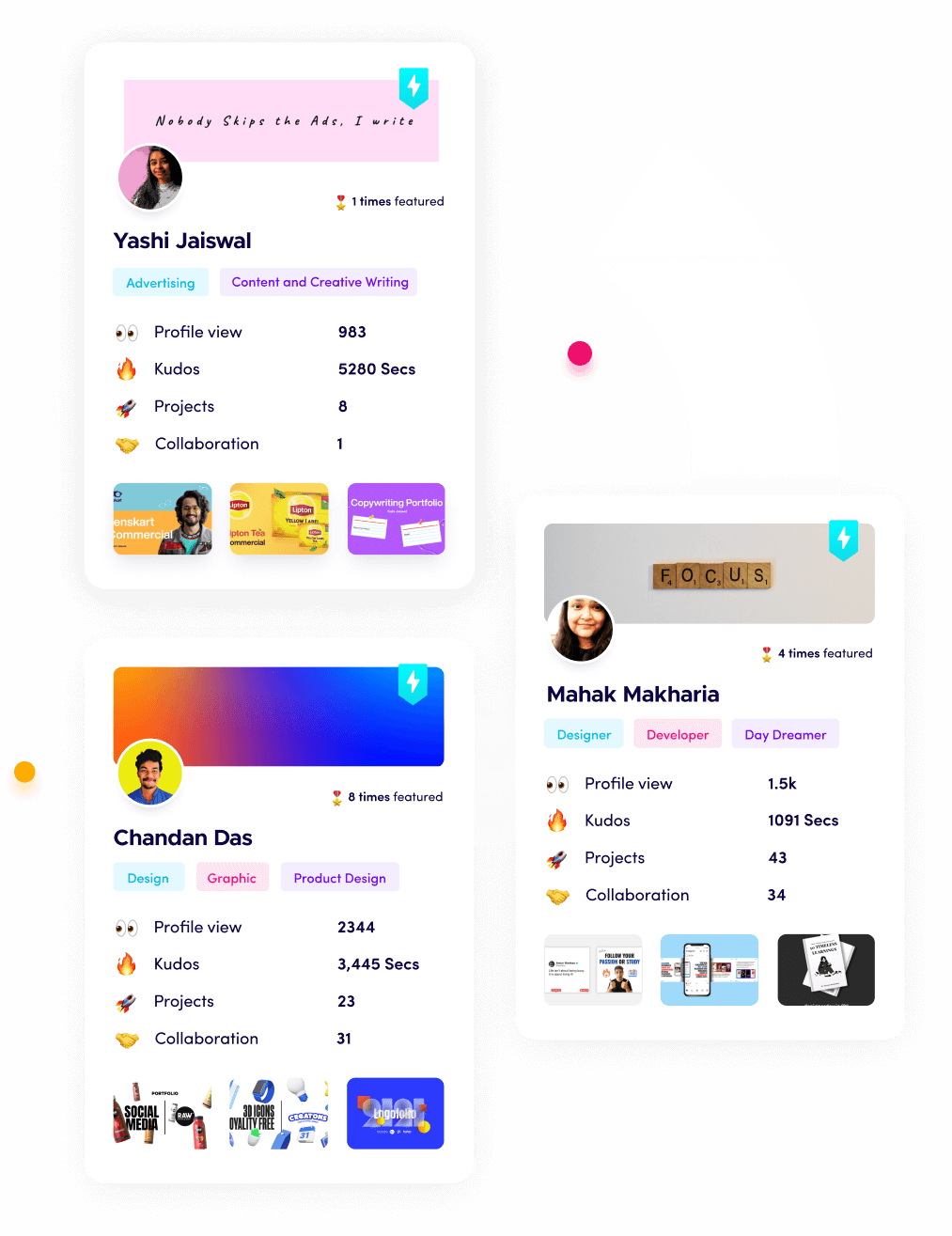
Fueler helps you turn learning into proof. Add your projects, show your process and apply to company assignments that test your new skills. Employers see what you can do, not just what you studied.
To know what to build after learning, read what to build after a course ends. To see which certificates matter less, read about certificates hiring managers ignore. For courses, explore these online courses to learn high-income skills. To focus on the right skills, read which skills became more valuable after AI. And for AI project ideas, see these AI automation portfolio projects you can build.
How I researched this
I used public sources from 2025 and 2026: the WEF Future of Jobs Report 2025, McKinsey Global Institute research on AI skills and automation, LinkedIn's Skills on the Rise research, Microsoft's Work Trend Index 2026, public announcements from OpenAI and Google on learning tools and certifications, Coursera's India data, the India Skills Report 2026, SWAYAM data, TestGorilla's State of Skills-Based Hiring 2025, coverage of TCS job cuts and public information on the PM Internship Scheme and UGC apprenticeship degrees. Trends marked "developing" rely on early signals. Forecasts are my own view and are labelled.
Frequently asked questions
What are the top upskilling and reskilling trends for 2027?
The top trends are AI fluency for everyone, the training gap, AI tutors, short learning tied to work, employer reskilling investment, proof of skill over certificates, India's GenAI learning boom, reskilling for roles at risk, human skills training and big public and industry programs.
What is the difference between upskilling and reskilling?
Upskilling means improving skills for your current role, like a marketer learning AI tools. Reskilling means learning new skills for a different role, like a data entry worker moving into data analysis.
What skills should I learn in 2027?
AI fluency is the most important. Data skills, digital creation, process improvement and communication are also valuable. Pick skills that fit your field and where it is heading.
Are online certificates worth it in 2027?
Certificates help show you have learned something, but employers increasingly want proof you can apply it. Pair every certificate with a real project to make it count.
How can I upskill for free?
Use free AI tutors like ChatGPT Study Mode or Gemini Guided Learning, government platforms like SWAYAM, free courses and YouTube tutorials. Then practise by building real projects and sharing them in a portfolio.
Why 150,000+ professionals use Fueler
Fueler helps professionals showcase proof of work through projects, assignments, case studies, and achievements.
Thousands of professionals use Fueler to create their digital portfolio
Thousands of projects are published on Fueler. Check here
Startups and Companies hire through proof of work on Fueler
Used by freelancers, creators, marketers, video editors, writers, designers, and product managers
Our mission is to help the next 100 million professionals build a verified professional identity through proof of work