Fueler vs Dribbble: Beyond Design Showcases

Riten Debnath
12 Jul, 2026
Last updated: July 2026
If you’ve spent any time on the creative side of the internet, you’ve probably spent hours drooling over pristine design mockups on Dribbble. They have perfect gradients, zero cluttered text, and absolutely no client feedback to ruin the vibe. It is gorgeous. It is inspiring.
It is also completely disconnected from how modern businesses actually hire.
The current professional landscape is facing a massive trust crisis. With advanced AI tools, pre-made design kits, and copy-pasted templates, looking competent online has never been easier. Anyone can post a beautiful 4:3 crop of a mobile application header and look like a design savior.
But when a company hires based purely on a snapshot, they often encounter a harsh reality. The stunning mockup can't actually be engineered; it completely ignores user friction, or it breaks the software's architecture.
I’m Riten, founder of Fueler, a skills-first portfolio platform that connects talented individuals with companies through assignments, portfolios, and projects, not just resumes/CVs. Think Dribbble/Behance for work samples + AngelList for hiring infrastructure.
Fueler is a skills-first portfolio platform designed to change that dynamic. Think of it like Dribbble or Behance for your actual work samples, combined with the backend hiring infrastructure of a platform like AngelList. We don't care about shiny, unvetted thumbnails; we care about proving your execution through active projects, case studies, and assignment-first discovery.
Dribbble: The Unmatched Visual Sandbox
To understand where the market is going, we have to look at where it started. Dribbble is the ultimate global town square for pure visual craft. If you need a heavy dose of UI trends, typography layouts, or gorgeous motion graphics, there is no better archive on Earth.
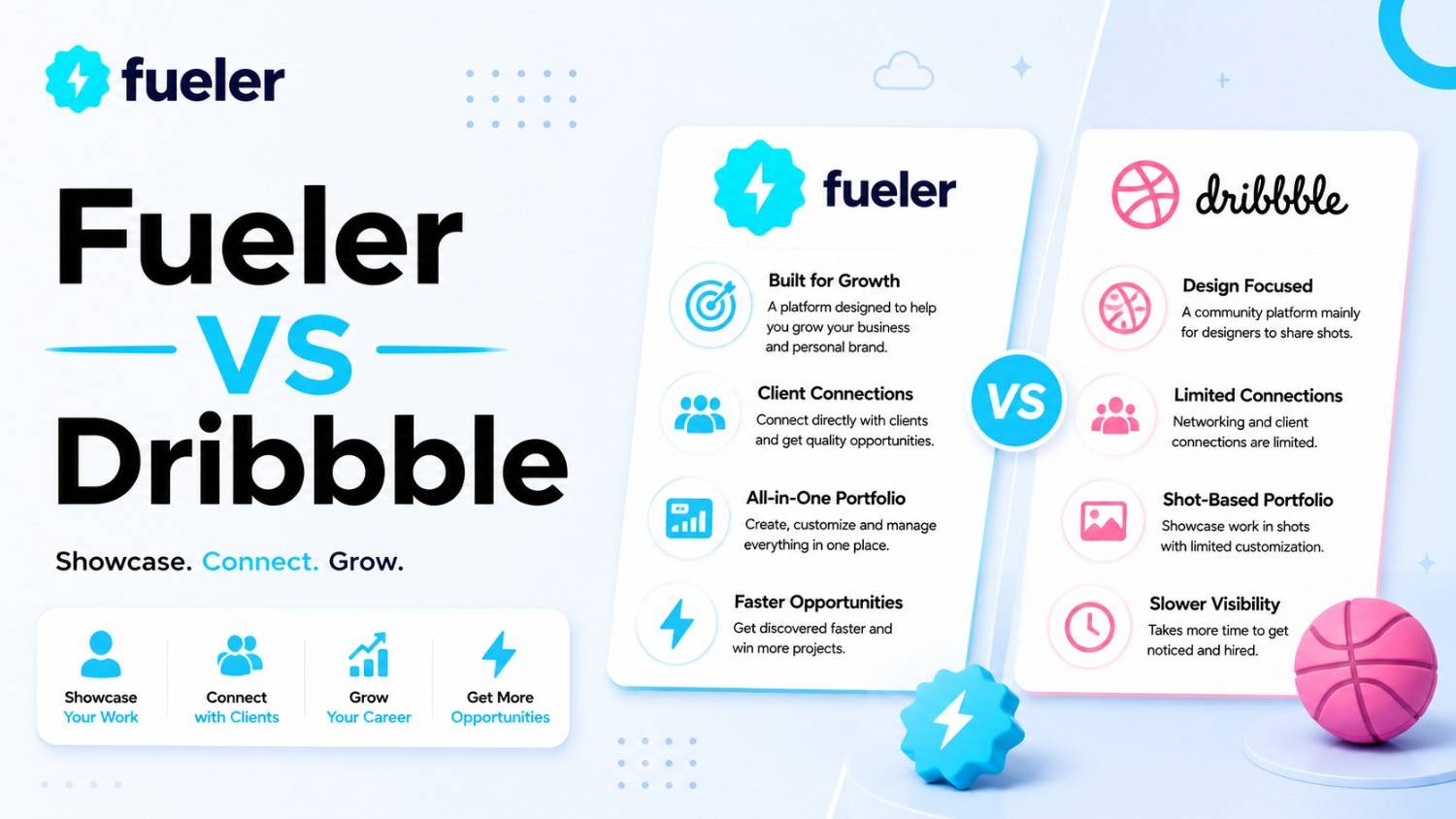
[Dribbble Interface] ---> Focused on: The "Shot" (Visual Polish)
[Fueler Interface] ---> Focused on: The "Proof" (Process + Impact)
Where Dribbble Dominates
- Aesthetic Trendsetting: It is the definitive archive for global style moods, interaction patterns, and cutting-edge visual treatments.
- High-Volume Creative Exposure: The platform's massive, built-in audience ensures your visual assets get immediate eyeballs from global creative directors.
- Peer-to-Peer Feedback Loops: Features like buckets, likes, and comments give designers a rapid way to test concepts among fellow industry peers.
The Limits of the Showroom
The issue isn't that Dribbble is bad; it's that it was built for a different era of the web. It assumes your work can be summed up in a single, high-fidelity picture.
If you are a backend engineer, an SEO specialist, a copywriter, or a product manager, how do you fit your work into a 4:3 image format? You can’t. Even for UI/UX designers, a static image doesn't show your user testing methodologies, your wireframe logic, or the metrics your design improved. When a portfolio only lets you show the glossy surface, you lose the ability to prove you can solve real business problems.
Fueler: The Proof-of-Work Engine
This brings us to why professionals are thinking beyond the showcase. Fueler isn't built to be an art gallery. It is built to be an immutable record of what you can actually get done. We focus on a career portfolio approach that treats your output as proof, not just promises.
What Fueler Brings to the Table
- Cross-Disciplinary Capabilities: Easily document and showcase non-visual work, from complex code repositories and content marketing spreadsheets to launch plans.
- Verified Project Endorsements: Features built-in vouches and project documentation to guarantee your contributions are real and validated by colleagues.
- Assignment-First Hiring Infrastructure: Connects your live portfolio directly to company hiring boards that evaluate you based on skill challenges, not resumes.
Instead of hiding the messy realities of a project, Fueler encourages you to break them down. When you display a project here, you show the goal, the tools, the actual hurdles you cleared, and the ultimate business outcome. It turns your portfolio from an aesthetic asset into a business asset.
Architectural Breakdown: Feature-by-Feature Deep Dive
To understand why these platforms serve completely different professional goals, we need to look past the user interfaces and analyze their core infrastructure.
Content Curation & Media Support
- Dribbble: Built strictly around the concept of the "Shot." Images must fit specific aspect ratios, and text descriptions are heavily truncated. It forces every project into a single visual hook, meaning documentation takes a back seat to raw aesthetic appeal.
- Fueler: Built around dynamic block elements. You can seamlessly combine rich-text explanations, live web links, embedded interactive applications, video files, and sheets. It functions as an open canvas where your actual workflow dictates the format.
Credibility Systems & Social Proof
- Dribbble: Relies heavily on public engagement metrics like views, likes, comments, and saves. While excellent for measuring design popularity, these metrics can be inflated or gamified by engagement pods and do not prove technical project ownership.
- Fueler: Utilizes an immutable "Vouch" engine. Clients, managers, or peer collaborators explicitly verify your specific role on a project. This mechanism protects your profile from plagiarism and gives recruiters immediate, trusted validation of your skills.
Recruiter Workflows & Discovery Engines
- Dribbble: Operates via traditional, inbound direct messaging pipelines. Recruiters filter through thousands of profiles based on location or basic tags, message candidates manually, and run them through typical multi-week interview processes.
- Fueler: Integrates live portfolios directly with an active, assignment-first job marketplace. Companies skip resume screening entirely, evaluating live candidates based on real-time task challenges linked straight to their active work profiles.
Feature Matrix: Objective Buying Guide
To help you decide where to invest your time and curation energy, let’s look at how these platforms stack up side-by-side across core professional vectors.
Real-World Personas: Who Should Choose What?
The right tool depends entirely on your specific role, your daily outputs, and how your target clients or employers make purchasing decisions.
Scenario A: The Brand & Motion Illustrator
If your core career value lies in creating high-end illustrations, experimental motion graphics, or bespoke brand typography systems, stay on Dribbble. Your clients buy with their eyes, and they want to see your stylistic flair immediately in a high-density visual stream.
Scenario B: The Cross-Functional Product Marketer
If you are managing user acquisition, you need a proof of work portfolio to survive. A single design asset won't explain your conversion rates. Fueler allows you to attach your live landing page links, your SEO keyword dashboards, and your campaign briefs in a single, scannable case study.
Scenario C: The Full-Stack Engineer
An engineer on Dribbble is a fish out of water. On Fueler, you can treat your profile like a live technical hub. You can link your GitHub repositories, embed live product features, and back up your engineering stack with real project documentation.
How to Organize and Build Your Portfolio on Fueler
Creating a portfolio that actually converts profile views into contract offers or full-time roles requires a strategic setup. You want to make sure your portfolio organization tells a cohesive narrative. Here is exactly how to get your profile live and optimized on Fueler.
The Implementation Roadmap
How to Create Your Portfolio on Fueler Step by Step
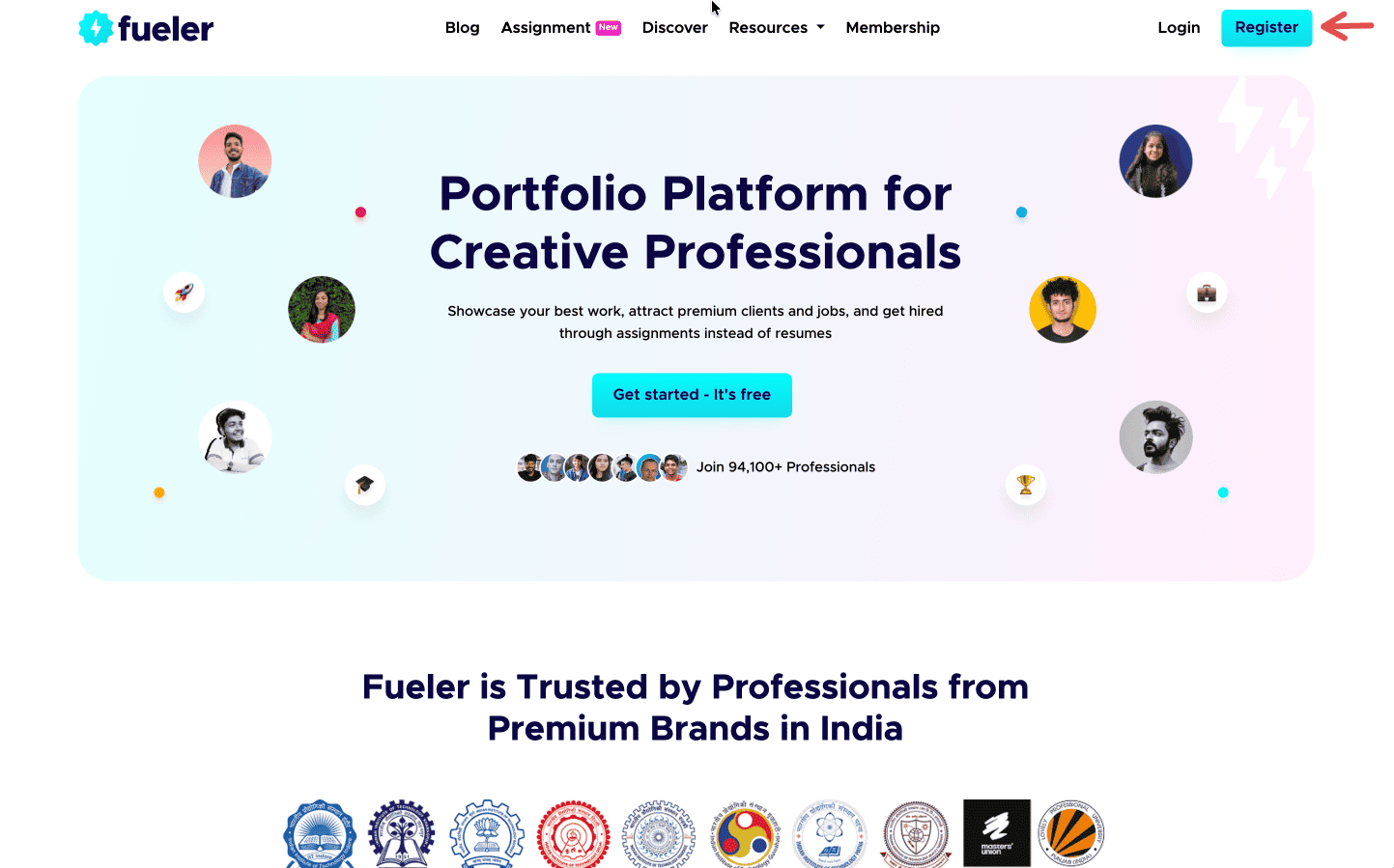
Step 1: Sign up on Fueler.
Head to Fueler.io and create your free account.
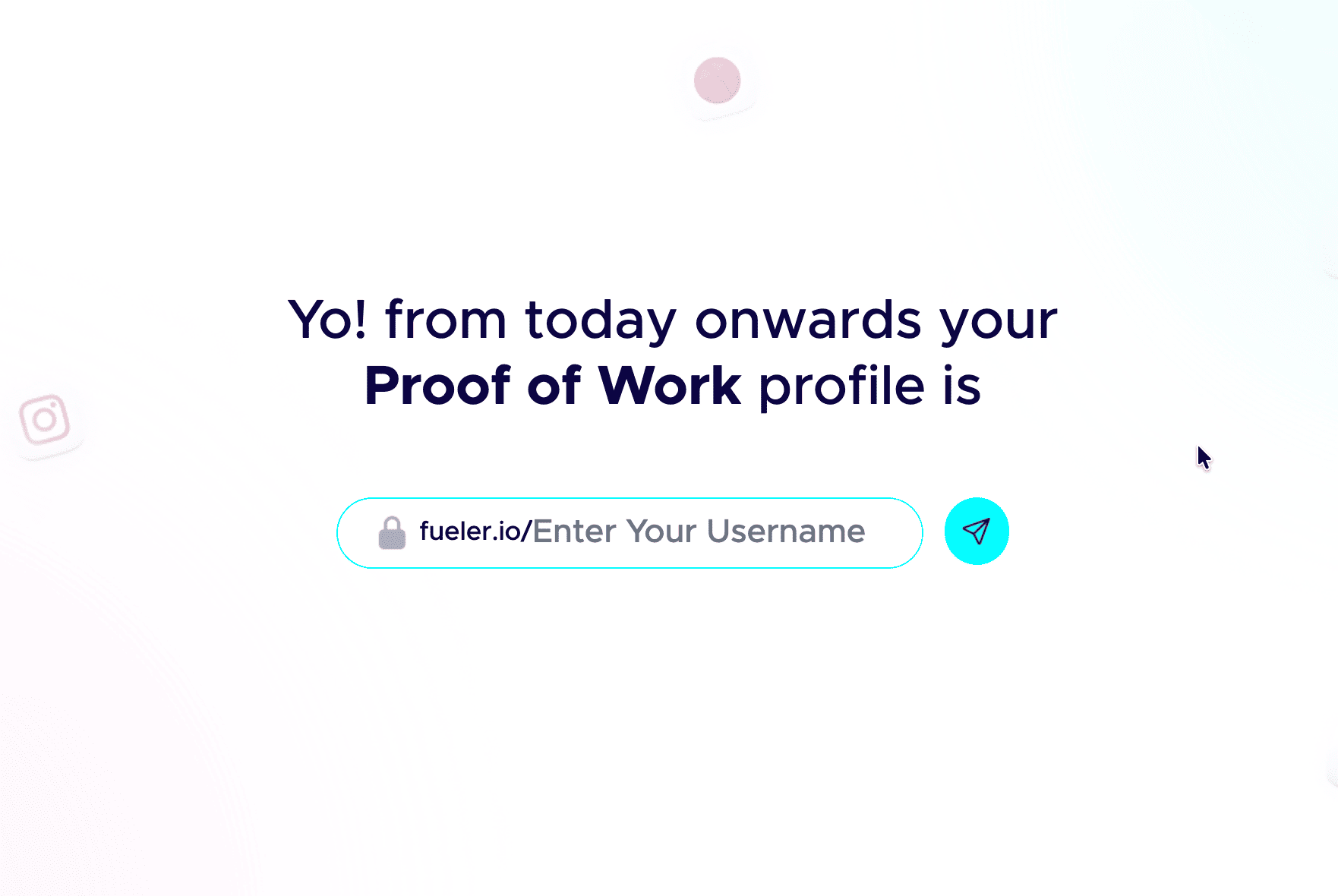
Step 2: Pick a professional handle.
Your handle shows up in your public link, so keep it clean and grown-up. Don’t add nicknames and random numbers. Your name or a simple version of it works best.
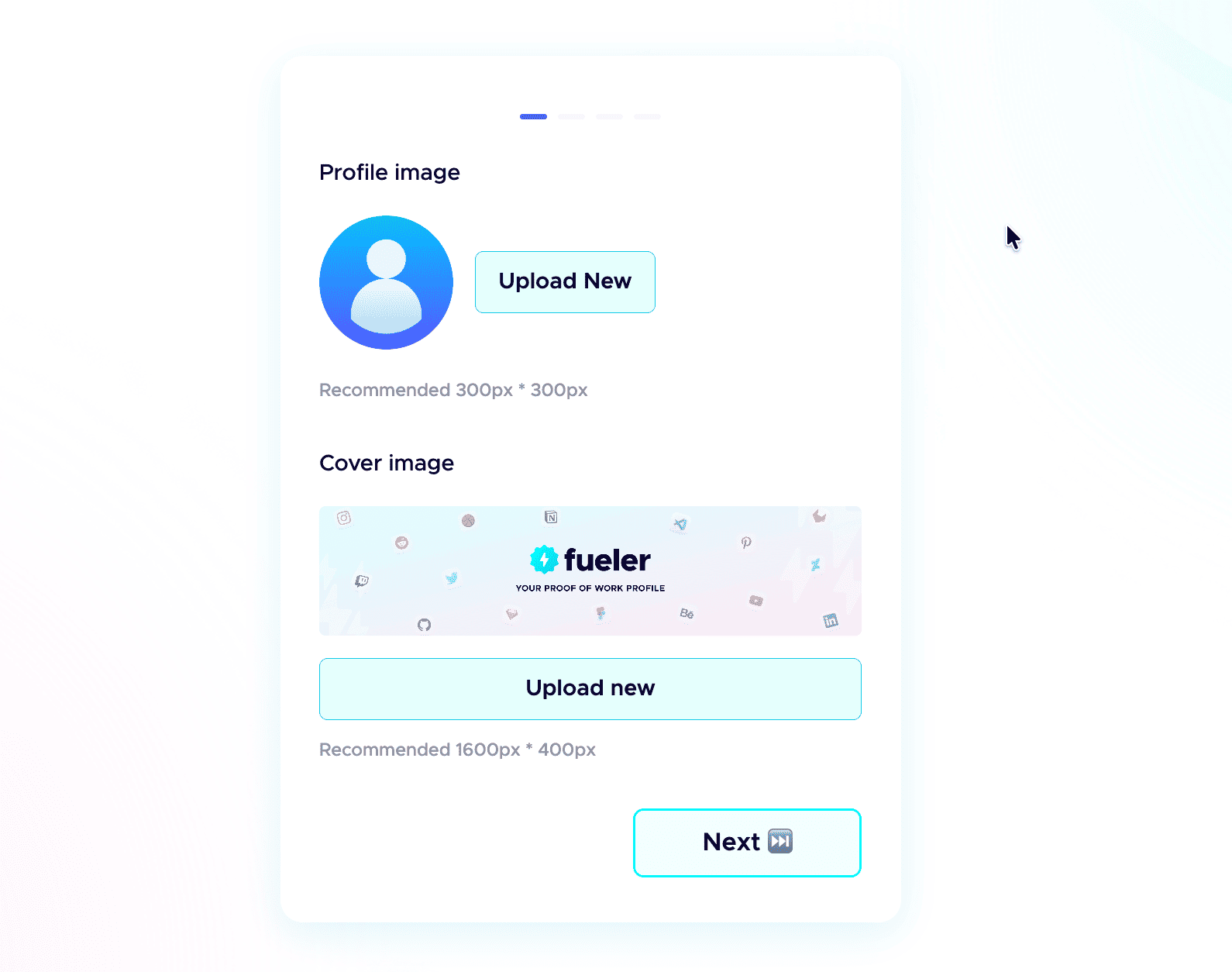
 Step 3: Add a professional profile picture.
Use the same kind of professional photo you would put on LinkedIn. Clear face, good lighting, and a simple background. People trust a real face more than an empty avatar.
Step 4: Write a strong header.
The header is the first thing anyone sees. In one or two short lines, say who you are, what you do, and the kind of work you have done. Make it specific, not vague.
Step 5: Add a short bio.
Tell people who you are and what you do in a few plain sentences. No buzzwords, just enough for a recruiter to get you in five seconds.
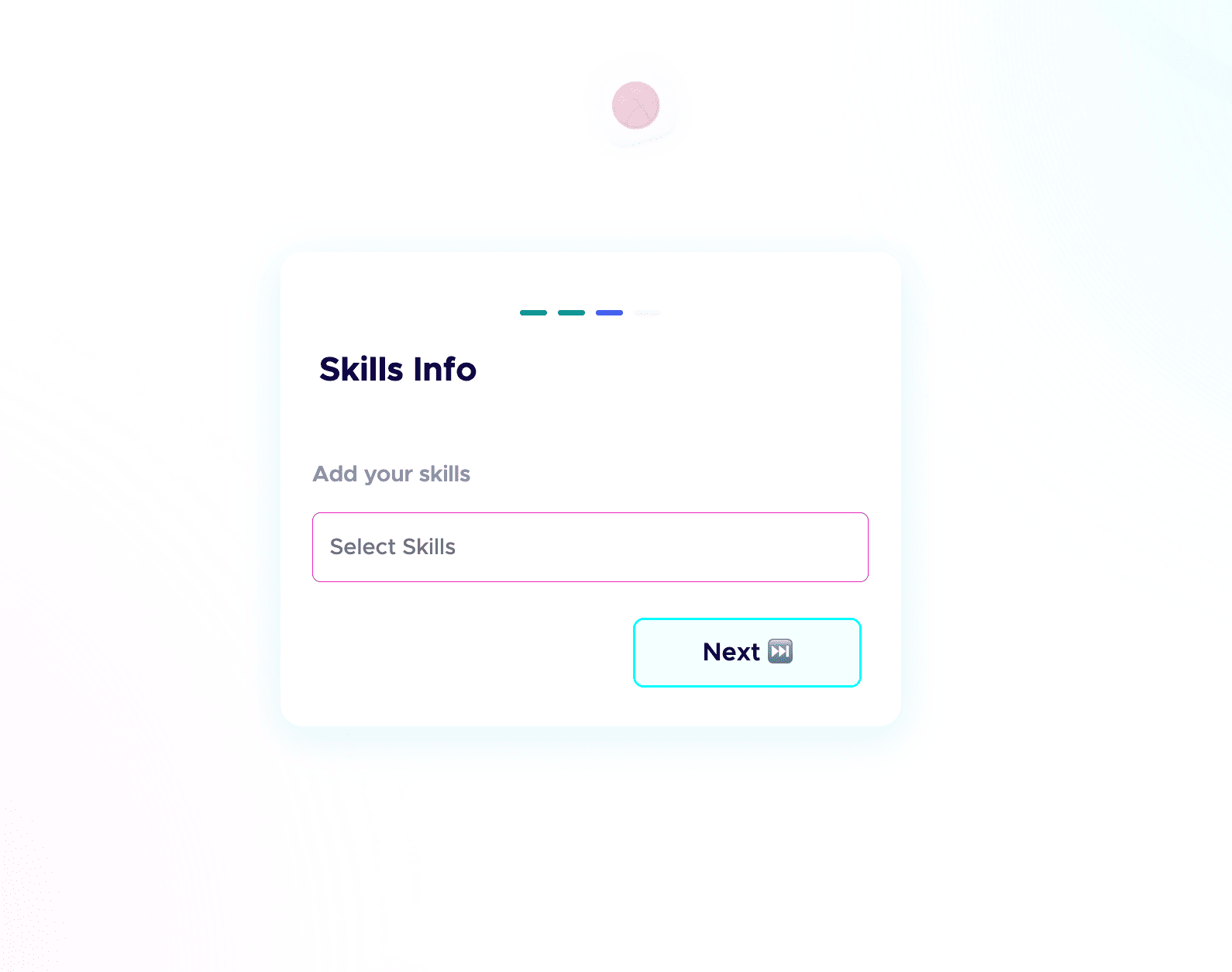
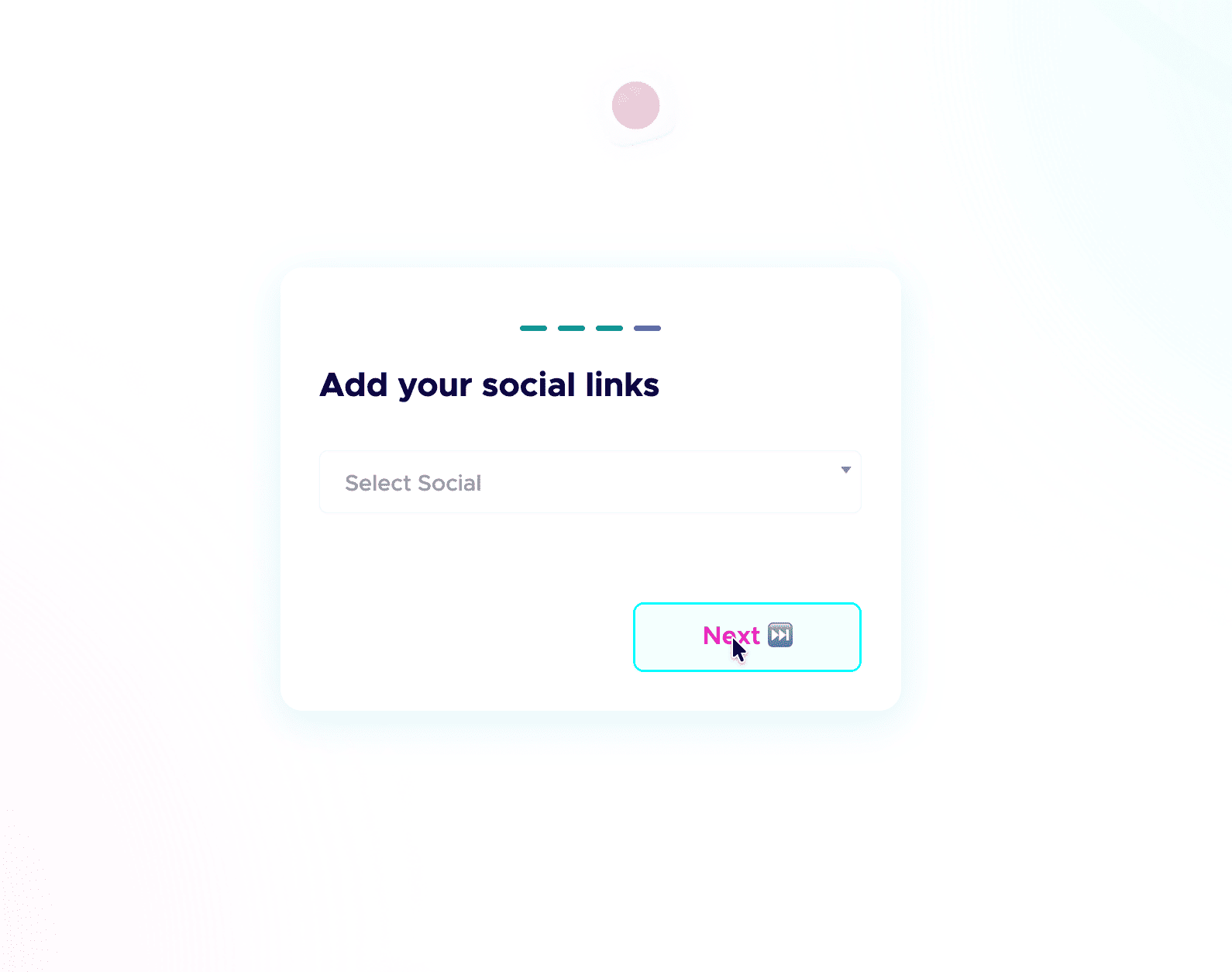
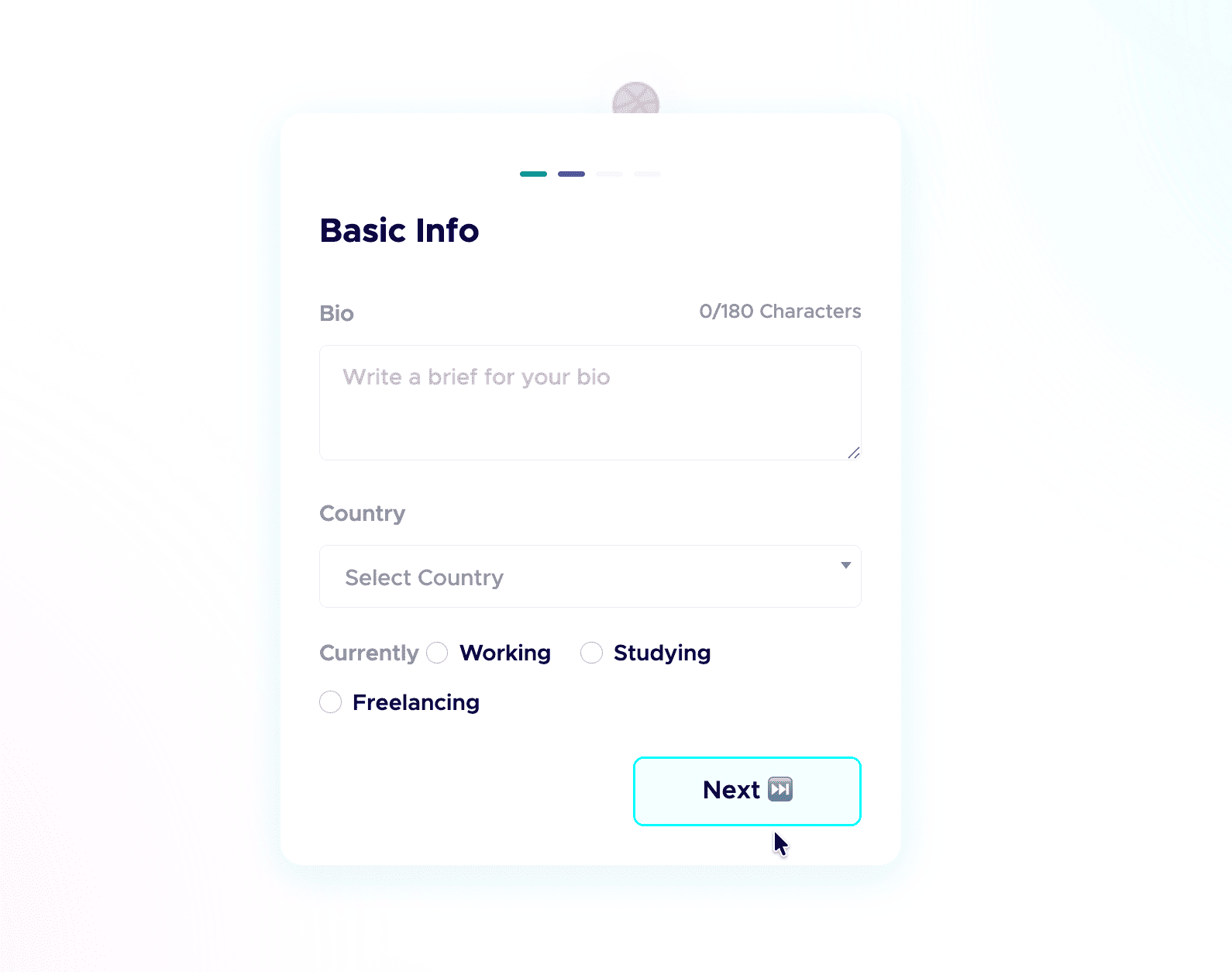 Step 6: Add your skills and social links.
List the skills you are good at and actually want to be hired for, and connect your socials. People do check your profiles, and active socials build credibility before the first call. Students starting from scratch can follow my student guide to their first portfolio.
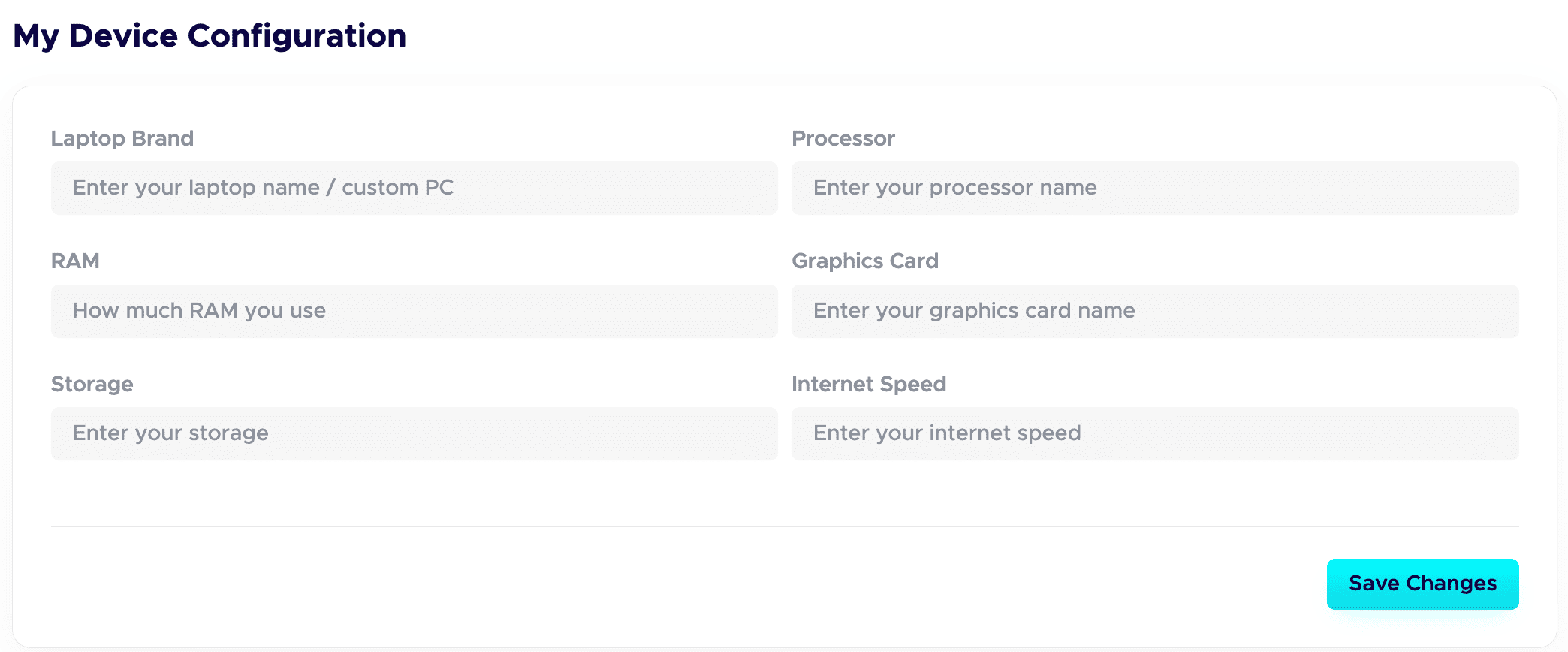
 Step 7: Fill in your Device Configuration.
In your dashboard, set up the Device Configuration section. Add the details about the device you are using. Remote-first companies want to know you have a solid setup to work from. A good setup quietly adds leverage and signals you are ready to deliver.
Step 8: Publish your projects with all the details.
This is a game-changer. Give each project a clear title and a detailed description. Walk through your process: your thinking, the tools you used, the choices you made, and the result. Companies care about how you work, not just the final image.
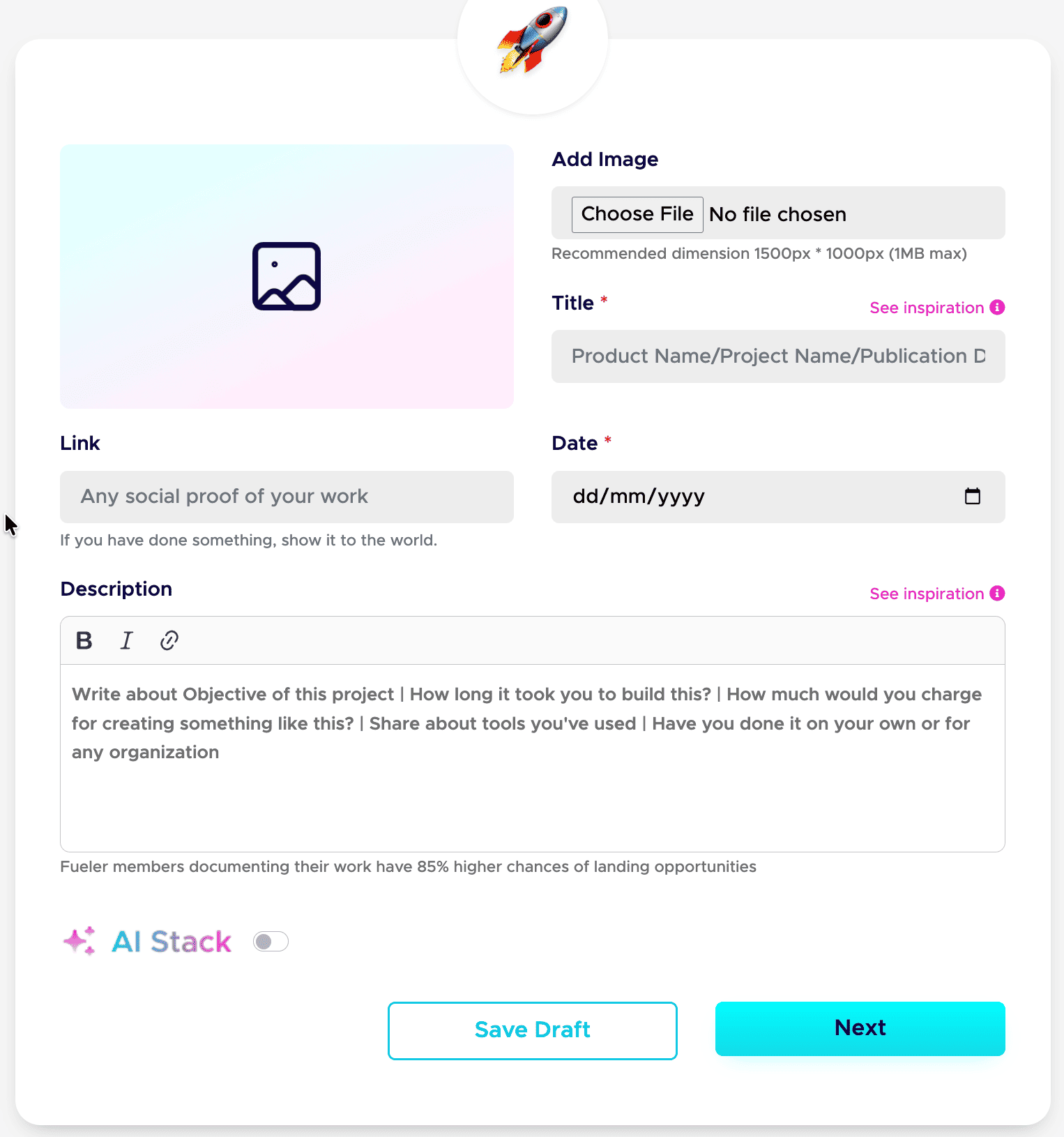
Step 9: Add your AI Stack to each project.
AI is part of real work now, so show it honestly. Use the AI Stack feature to explain how you used AI, which tools you used, and what you did manually. This builds trust instead of raising doubt. Here is the full guide: how to add AI Stack on Fueler.
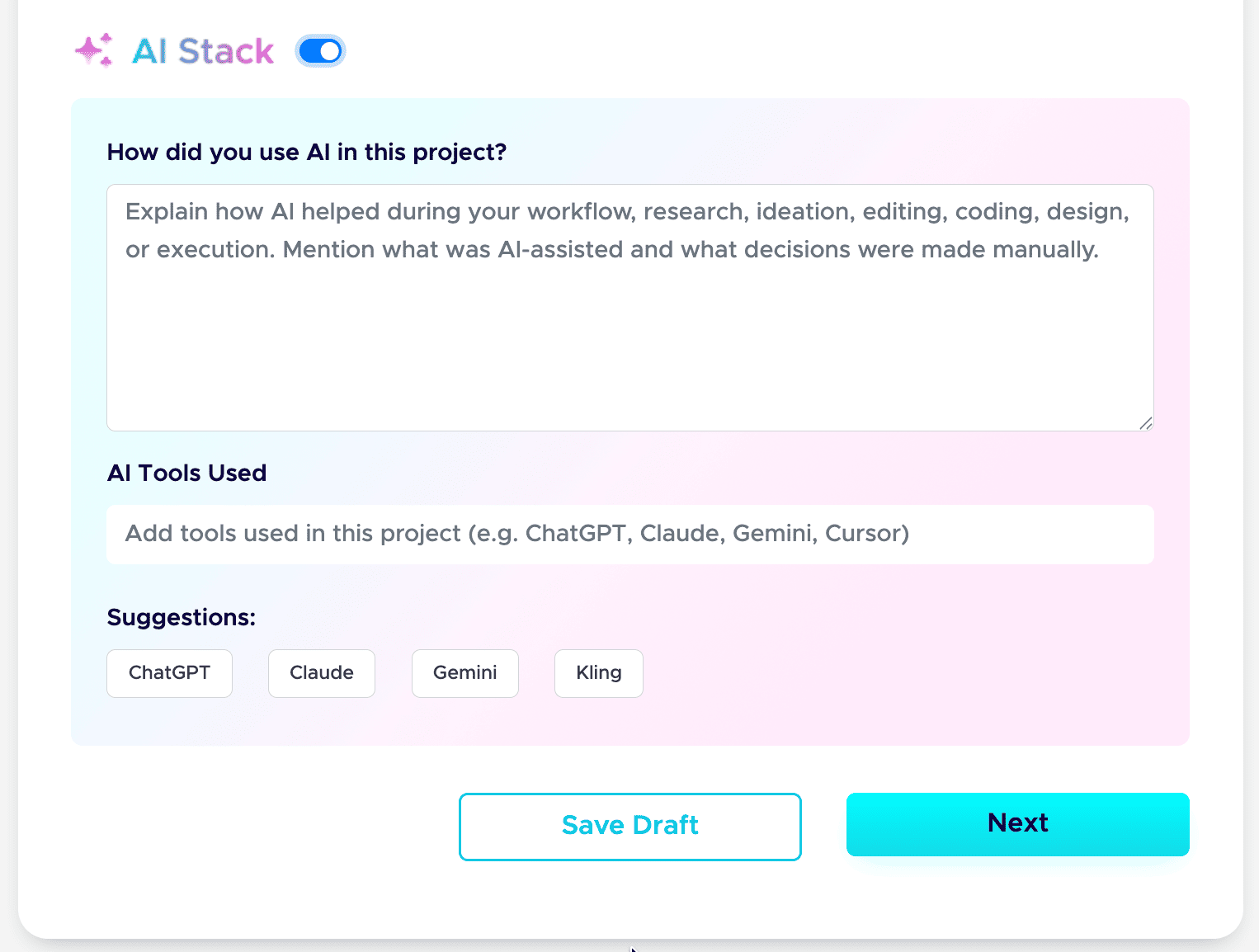
That is the whole setup. Do these nine steps well, and your profile stops being a static page and starts working as a hiring asset. If you want a tighter version to follow next time, save my 6-step formula for a Fueler portfolio and my breakdown of a career portfolio that actually gets jobs.
Do this once, and you have a link you can drop into your resume, your email signature, and every job application.
The Long-Term Play: Building Lasting Career Equity
The era of relying solely on a two-page text document or a collection of uncontextualized image links to get hired is drawing to a close. As companies look for faster ways to filter through talent pools, building a portfolio anchored in verifiable execution is the best way to future-proof your career.
By choosing a platform that matches your actual workflow, you stop trying to force your complex professional skills into a rigid visual box. Whether you are scaling an existing brand or designing a new career portfolio SaaS framework, your real-world outcomes are what set you apart. Show your process, verify your results, and let your genuine proof of work handle the heavy lifting for you.
Final Thoughts
Choosing between Dribbble and Fueler isn't a matter of which platform is fundamentally better; it's a matter of recognizing what you are trying to sell. If you are selling aesthetic artistry and pure visual polish, lean heavily into Dribbble's massive design showroom. If you are selling execution, problem-solving capabilities, and verifiable business impact across cross-functional teams, build your ecosystem on Fueler.
FAQ
Can I use Fueler if my work doesn't have any visual assets?
Yes. Fueler was explicitly designed to handle non-visual disciplines like writing, engineering, and marketing by using rich-text project breakdowns, external links, document attachments, and integrated project metrics.
How does assignment-based hiring actually work on Fueler?
Instead of reading through standard resumes, partner companies post specific skill-based assignments. Candidates submit targeted proof-of-work entries through their portfolios, allowing managers to evaluate real execution styles directly.
Do I need to pay to keep my public portfolio live?
No. Creating, managing, and sharing your core public proof-of-work portfolio, projects, and career milestones remains completely free for individual professionals looking to showcase their execution.
Can I import my existing design projects from other platforms?
Yes. The platform allows you to embed external links, live code repositories, and media directly into your project cards, making it simple to consolidate your scattered web footprint.
How does Fueler protect against fake or plagiarized portfolios?
Fueler uses a built-in "Vouch" and verification system. This allows clients, managers, and teammates to digitally confirm your exact role and contributions to a project, creating an immutable trail of professional trust.
Why 100,000+ professionals use Fueler
Fueler helps professionals showcase proof of work through projects, assignments, case studies, and achievements.
- Thousands of professionals use Fueler to create their digital portfolio
- Thousands of projects are published on Fueler. Check here
- Startups and Companies hire through proof of work on Fueler
- Used by freelancers, creators, marketers, video editors, writers, designers, and product managers
Our mission is to help the next 100 million professionals build a verified professional identity through proof of work

What should you do next?
You've read the article. Now turn your skills into proof of work and unlock more opportunities.
Build your proof of work portfolio
Create a clean portfolio with projects, assignments, resumes, and AI stack details that companies actually want to see.
Create your Fueler portfolio →Apply through assignments, not resumes
Stand out by solving real tasks from companies hiring on Fueler.
Explore assignments →Get discovered by companies
Make your work public and let recruiters discover your skills through actual projects instead of keywords.
Get discovered →
