Fueler: The Best Alternative to Substack Portfolio in 2026

Riten Debnath
25 Jun, 2026
Substack is excellent at one thing: turning a writer into a newsletter publisher with paid subscriptions. But it is built around email and monetization, not around proving you can do the job. As a portfolio, it has real gaps: weak SEO, a 10% cut on paid revenue, and no way for a recruiter to find you by skill or hire you.
I'm Riten, founder of Fueler, a portfolio platform that helps professionals get hired through assignments, proof of work, and projects instead of just resumes. I built Fueler after watching writers grow newsletters that paid a little but never turned into the roles and opportunities they actually wanted.
In this article, I'll explain where Substack falls short for portfolios in 2026, and why Fueler is a stronger alternative if your goal is getting hired, not just running a newsletter. I'll also walk you through how to set up your Fueler portfolio step by step.
By the end, you'll understand why a newsletter rarely moves a hiring decision, and how to present your work so a company can act on it.
What Substack Does Well in 2026
- Substack is a newsletter-first publishing platform. It is genuinely good at building a direct subscriber relationship and monetizing it.
- It has a few real strengths for newsletters.
- It makes launching a paid newsletter frictionless, with subscriptions handled for you.
- You own your subscriber list and reach readers directly in their inbox.
- It is free to start, with simple publishing and a growing recommendation feature.
Why It Matters
Substack is strong for newsletters and monetization. But a newsletter is not a portfolio. It is built for email and subscriptions, its SEO is weak, and it does nothing to present your work as proof or put you in front of recruiters who hire by skill.
Where Substack Falls Short for Portfolio
- Substack is a newsletter platform, not a hiring tool. It publishes to inboxes and stops there.
- It is newsletter-shaped, weak on discovery, and has no hiring path.
- It is built around email, not proof. The format is posts sent to subscribers, so nothing guides you to document the goal, your contribution, the tools, and the outcome that a hiring manager wants.
- SEO and discovery are weak. Substack is tuned for inbox delivery, not search, so recruiters are unlikely to find your work there by what you can do.
- It takes a cut of paid revenue. Substack charges 10% on paid subscriptions, so monetizing your writing there is not free.
- It is built for writers. Marketers, designers, developers, and product managers cannot present varied project work in the way a portfolio needs.
- Hiring is not part of it. You cannot apply through assignments or get discovered by skill, so a Substack cannot work as a direct job application.
Why It Matters
A newsletter shows you can write and build an audience, but it does not prove you can deliver outcomes or let a recruiter find you by skill. Hiring in 2026 rewards proof that a company can read and act on, on a platform built for it. A proof-of-work portfolio built step by step does what a newsletter cannot.
Why Fueler Is a Better Substack Alternative for Portfolio in 2026
- Fueler turns your work into proof and connects it to hiring, for free. Instead of an inbox newsletter, you build a portfolio recruiters search.
- The difference is intent. Substack grows a newsletter. Fueler gets your work hired.
- It is free, with no cut of anything. There is no revenue share, so you keep your focus on getting hired, not on a subscription business.
- Every project follows a proof-of-work format. You document the goal, your contribution, the tools, and the result, so a recruiter reads a real case study, not a newsletter post.
- Recruiters discover you through your proven skills. Skill tags make you findable for the roles you want, which an email-first platform cannot do.
- Companies hire through assignments. Your portfolio becomes your application, so you prove your skill directly. This is the heart of a career portfolio that actually gets jobs.
- It works for every role and is free. Writers, marketers, developers, designers, and analysts can all build a portfolio that gets them hired, not just send a newsletter. It mirrors how designers create their portfolio on Fueler, and it works the same for any role.
Why It Matters
A newsletter leaves you building an email list and explaining your value yourself, with weak search visibility. Fueler structures your work as proof and puts it where recruiters search, for free. If you want the full picture, compare the best digital portfolio platforms for 2026.
Substack vs Fueler: Side-by-Side Comparison
Here is a clear comparison for anyone whose real goal is getting hired in 2026.
In short, Substack runs a newsletter. Fueler gets your work hired.
How to Create Your Portfolio on Fueler Step by Step
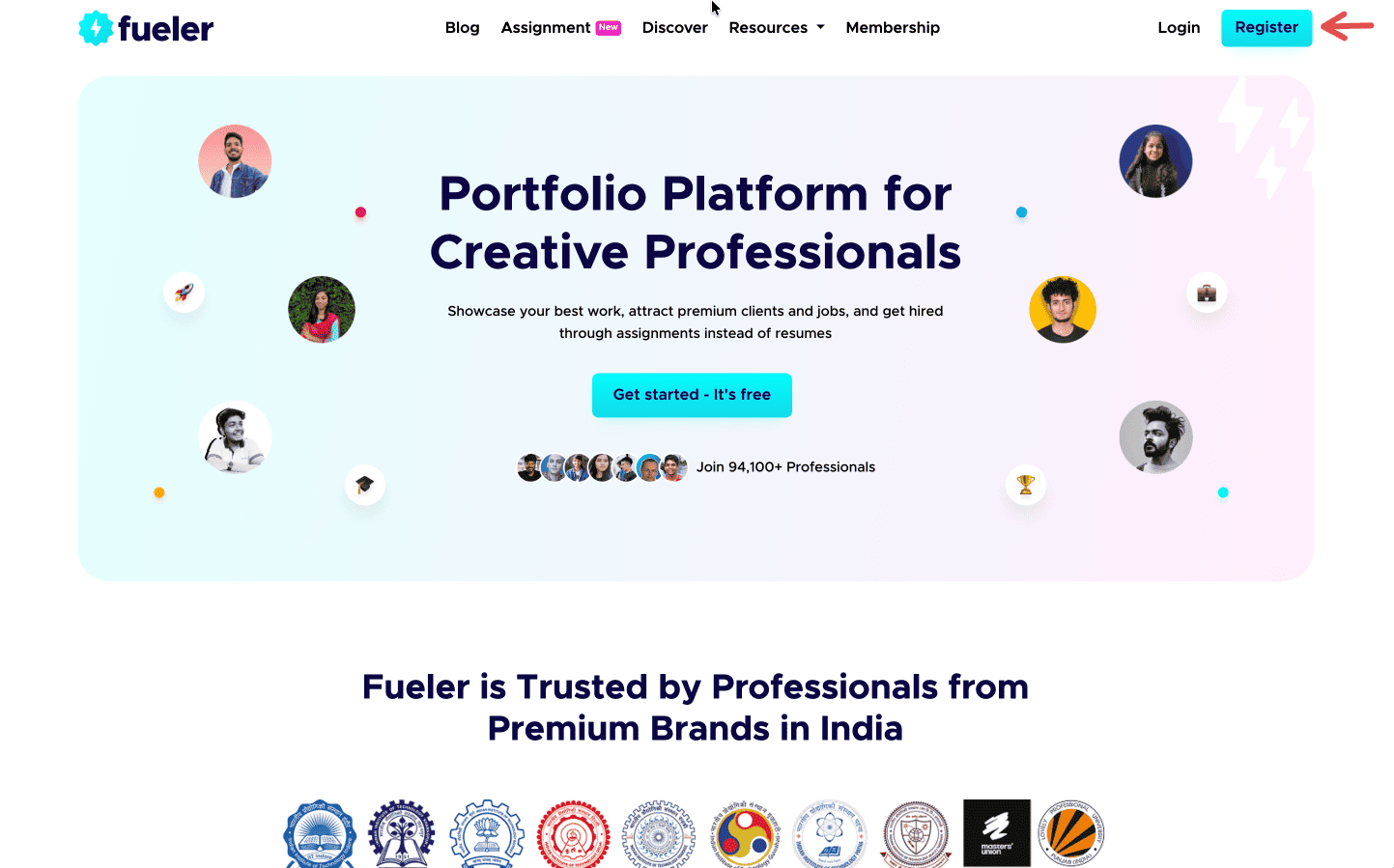
Step 1: Sign up on Fueler.
Head to Fueler.io and create your free account.
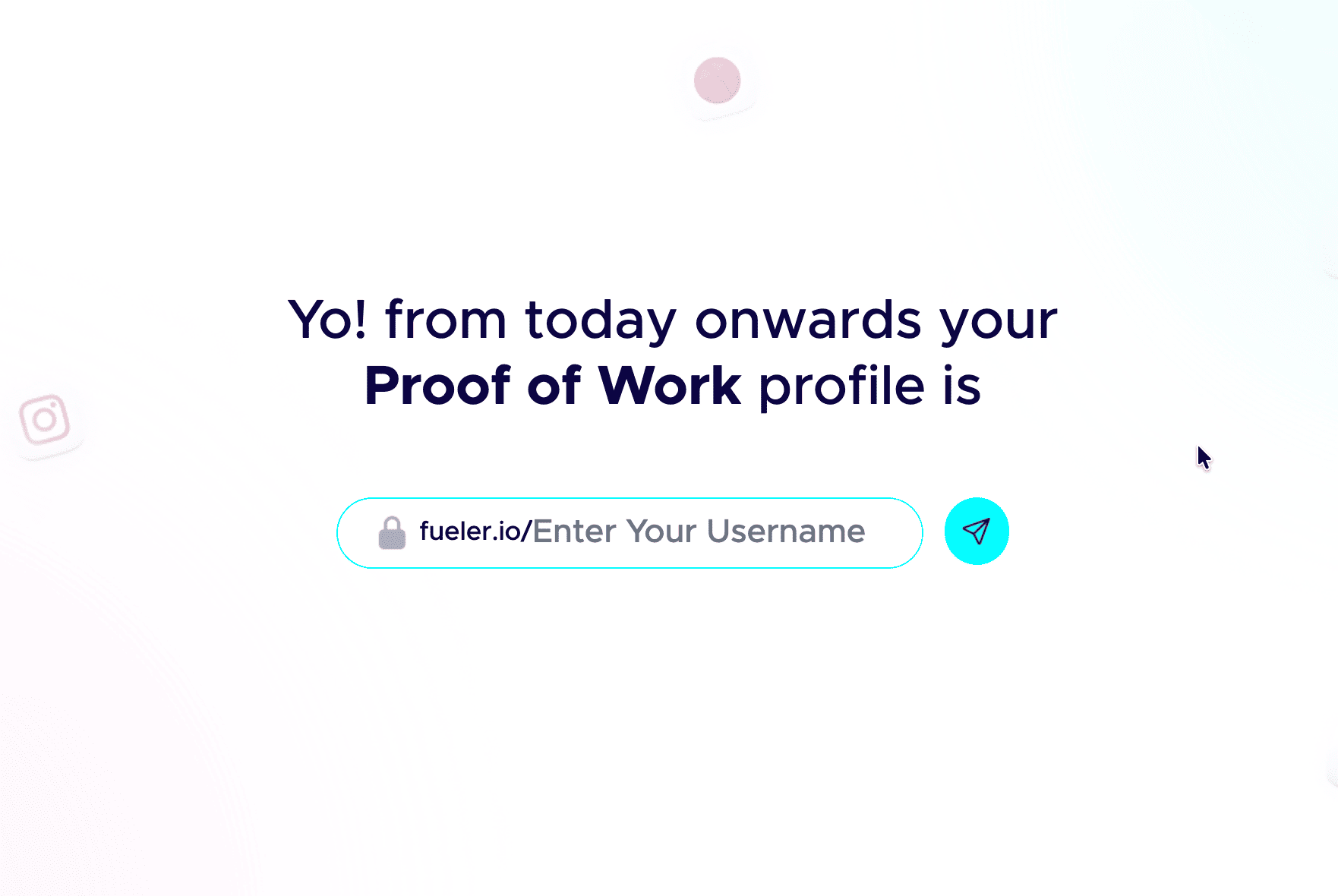
Step 2: Pick a professional handle.
Your handle shows up in your public link, so keep it clean and grown-up. Don’t add nicknames and random numbers. Your name or a simple version of it works best.
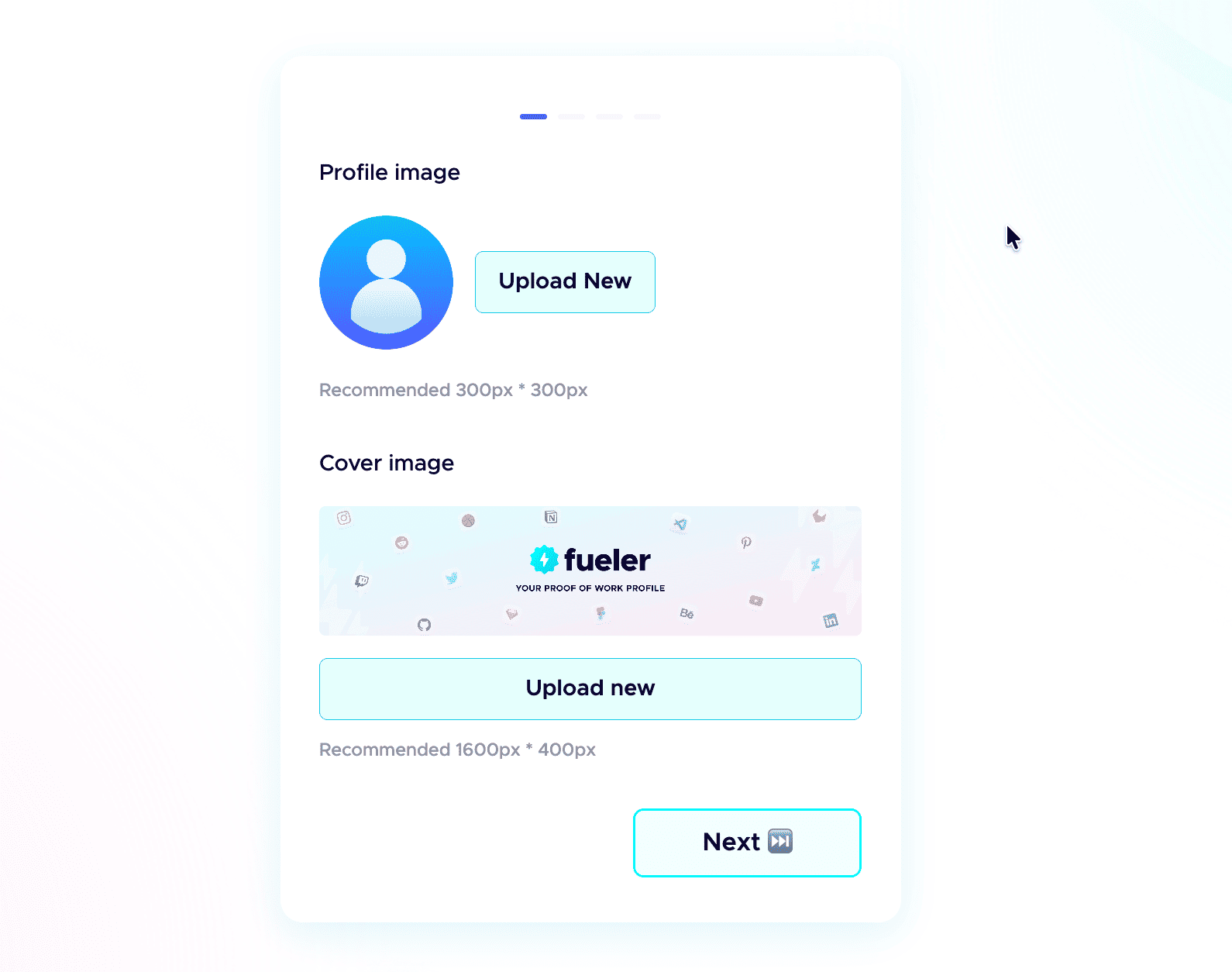
 Step 3: Add a professional profile picture.
Use the same kind of professional photo you would put on LinkedIn. Clear face, good lighting, and a simple background. People trust a real face more than an empty avatar.
Step 4: Write a strong header.
The header is the first thing anyone sees. In one or two short lines, say who you are, what you do, and the kind of work you have done. Make it specific, not vague.
Step 5: Add a short bio.
Tell people who you are and what you do in a few plain sentences. No buzzwords, just enough for a recruiter to get you in five seconds.
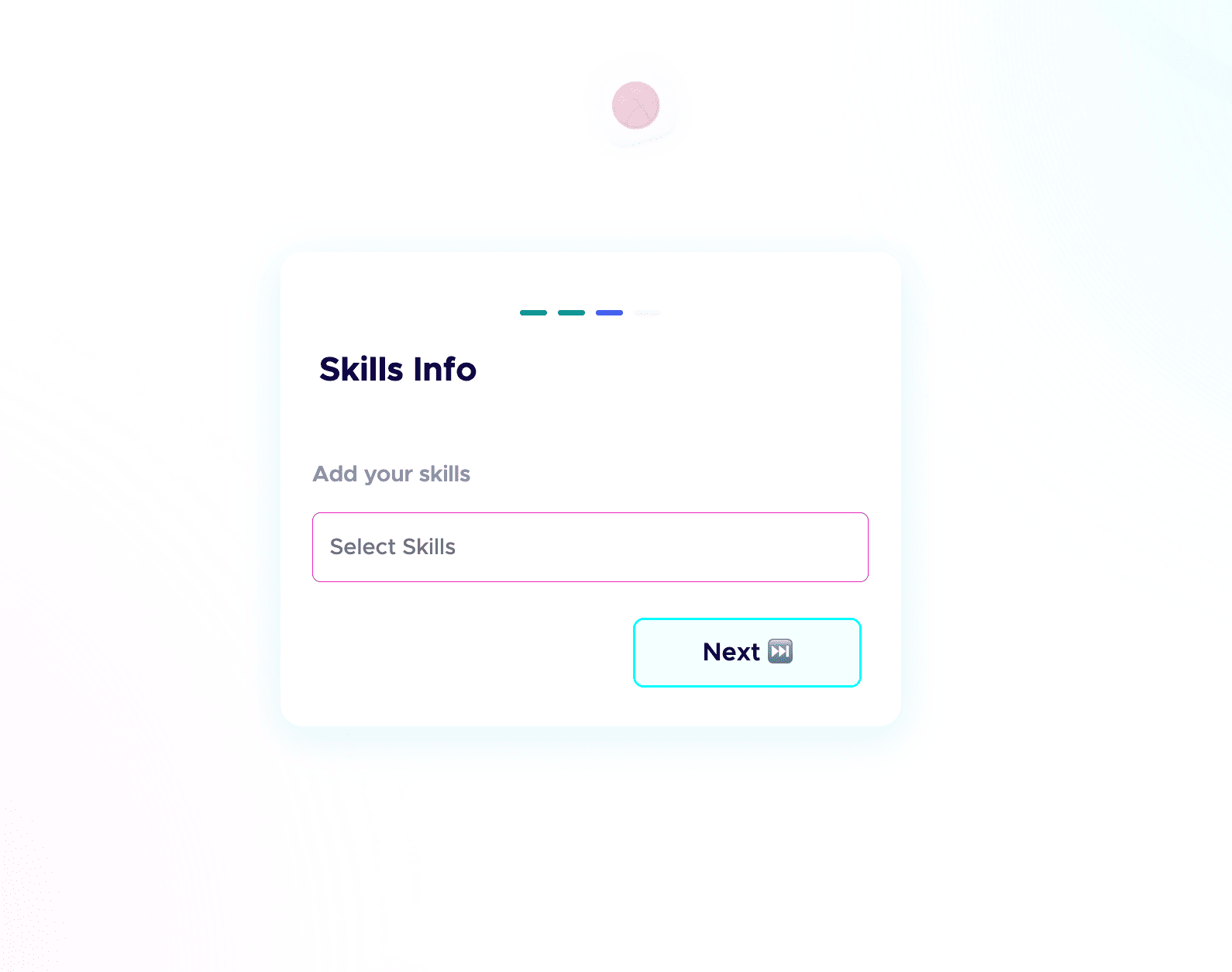
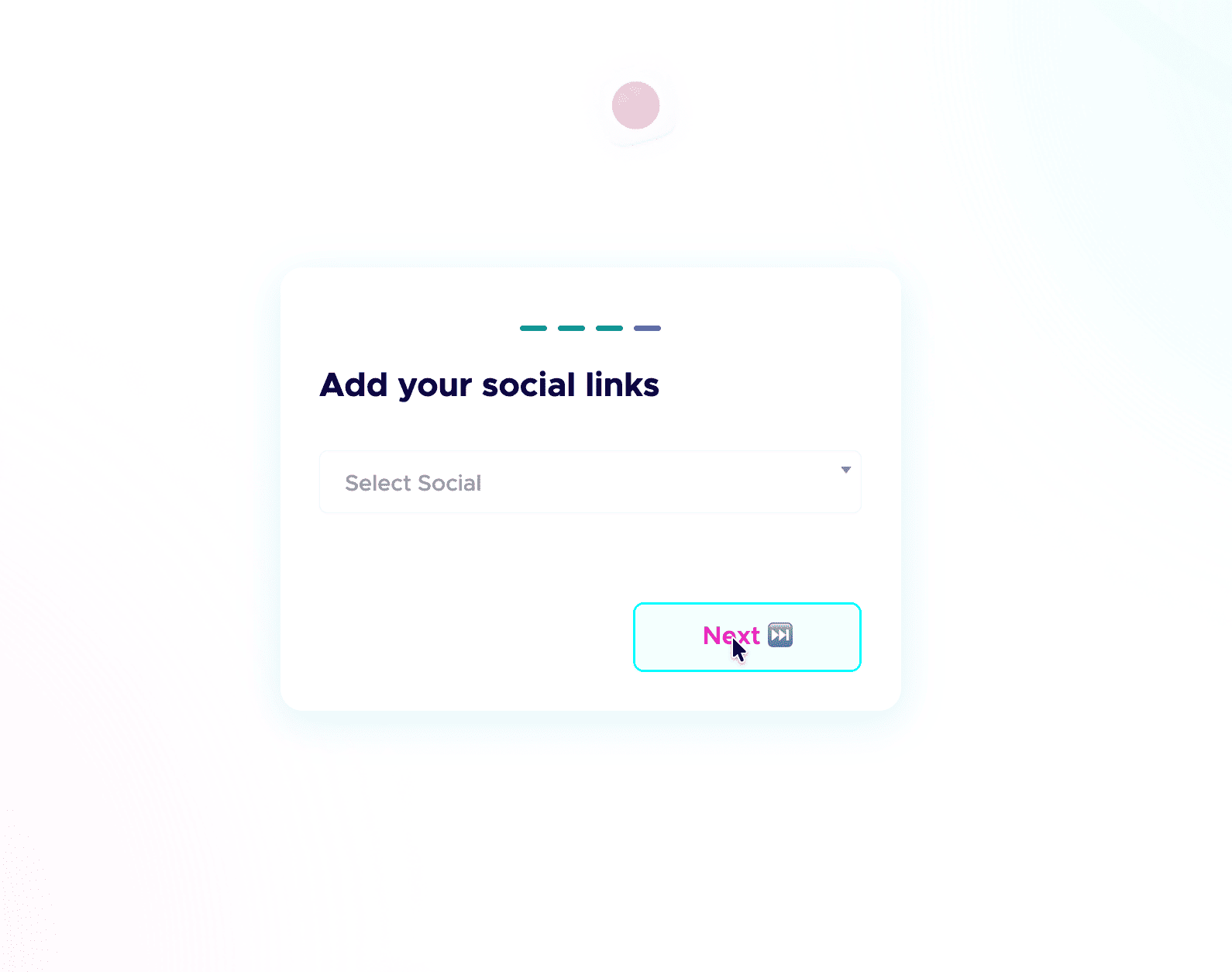
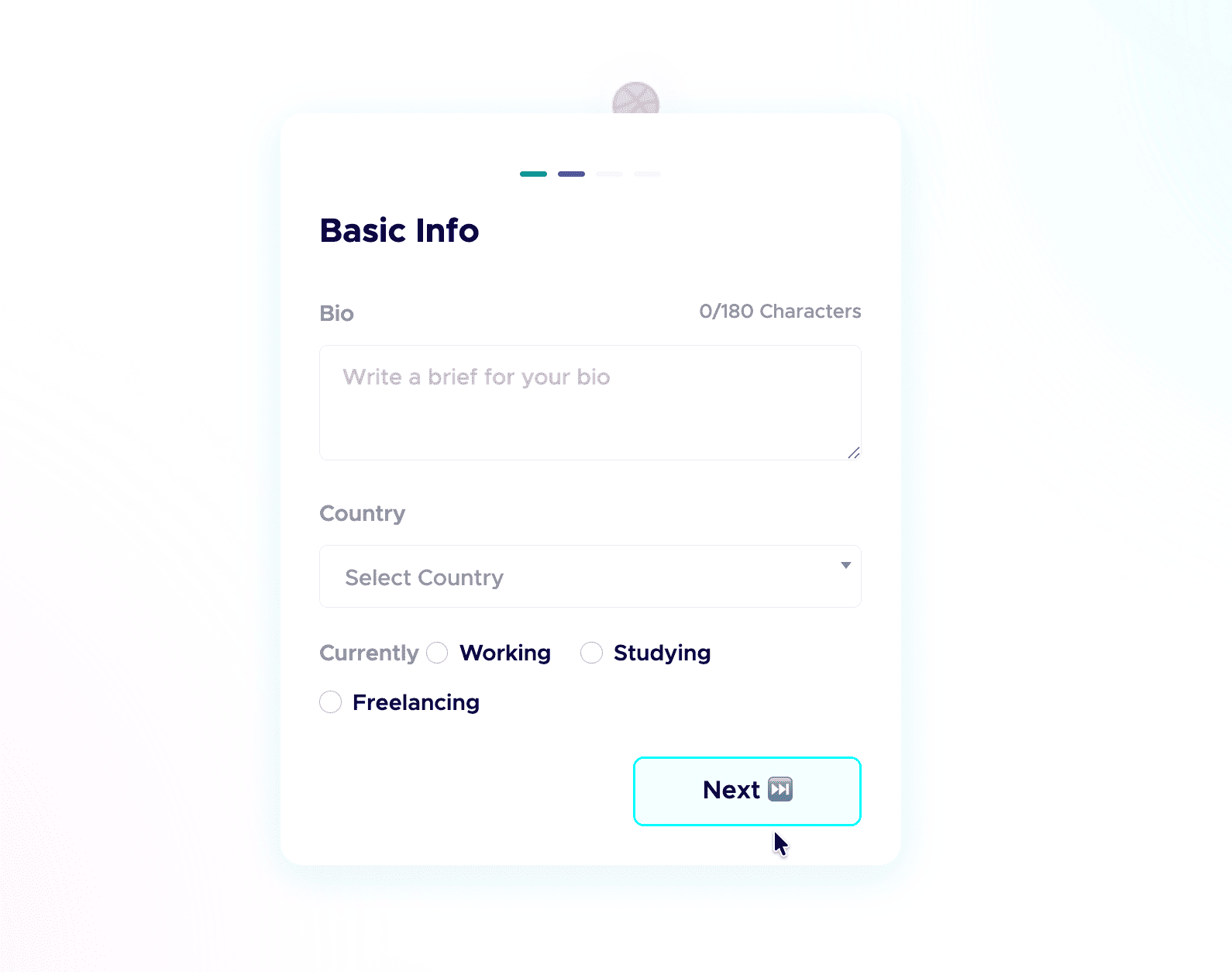 Step 6: Add your skills and social links.
List the skills you are good at and actually want to be hired for, and connect your socials. People do check your profiles, and active socials build credibility before the first call. Students starting from scratch can follow my student guide to their first portfolio.
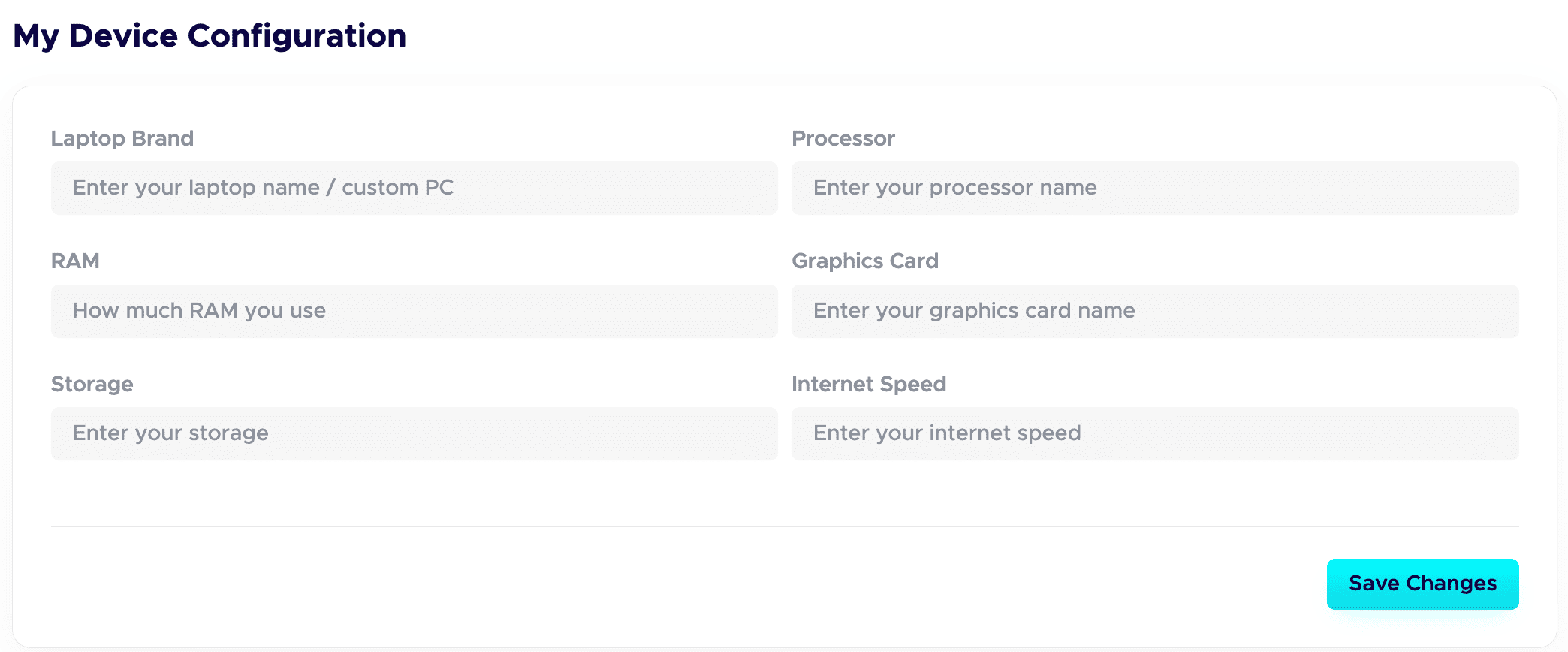
 Step 7: Fill in your Device Configuration.
In your dashboard, set up the Device Configuration section. Add the details about the device you are using. Remote-first companies want to know you have a solid setup to work from. A good setup quietly adds leverage and signals you are ready to deliver.
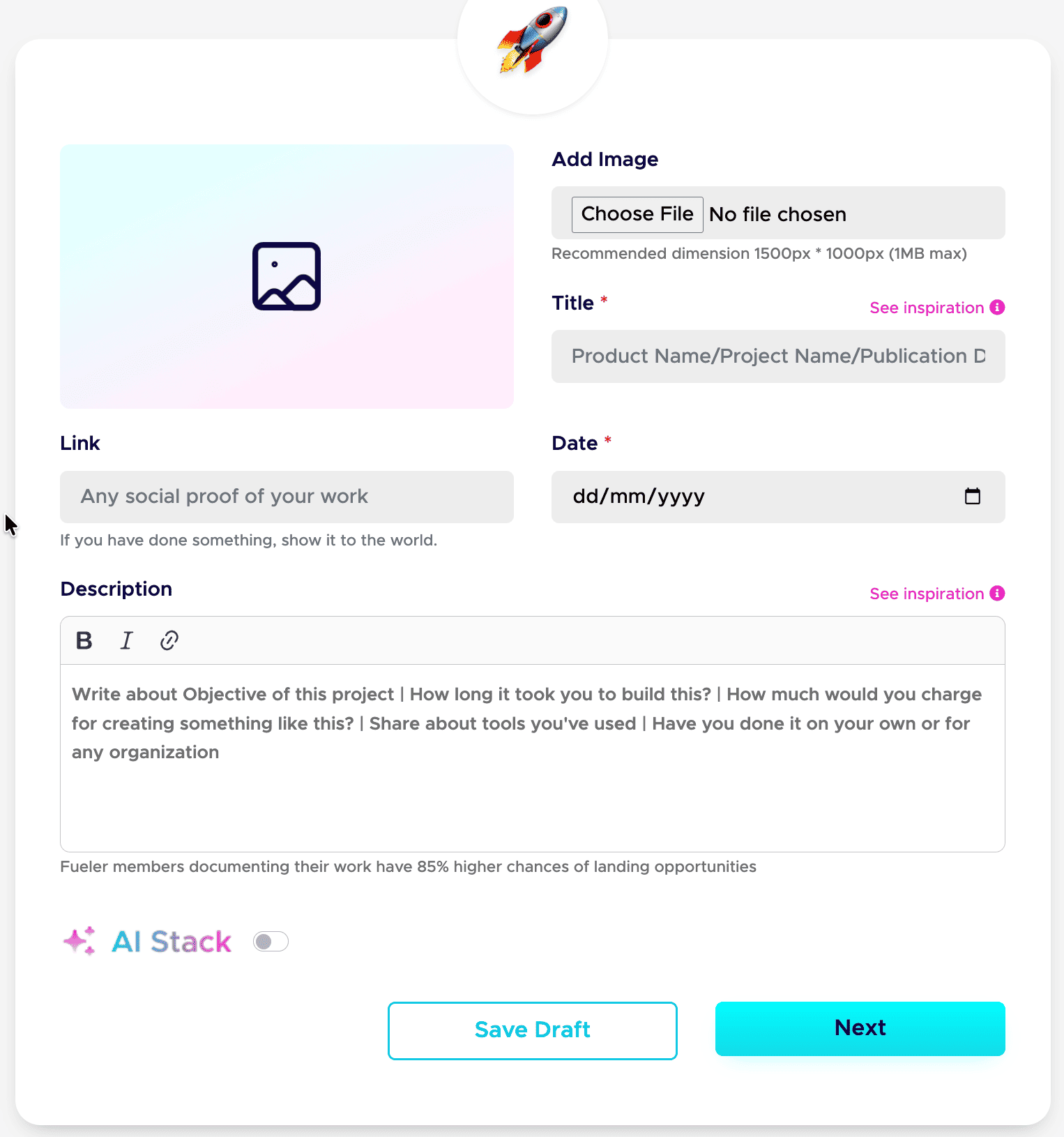
Step 8: Publish your projects with all the details.
This is a game-changer. Give each project a clear title and a detailed description. Walk through your process: your thinking, the tools you used, the choices you made, and the result. Companies care about how you work, not just the final image.
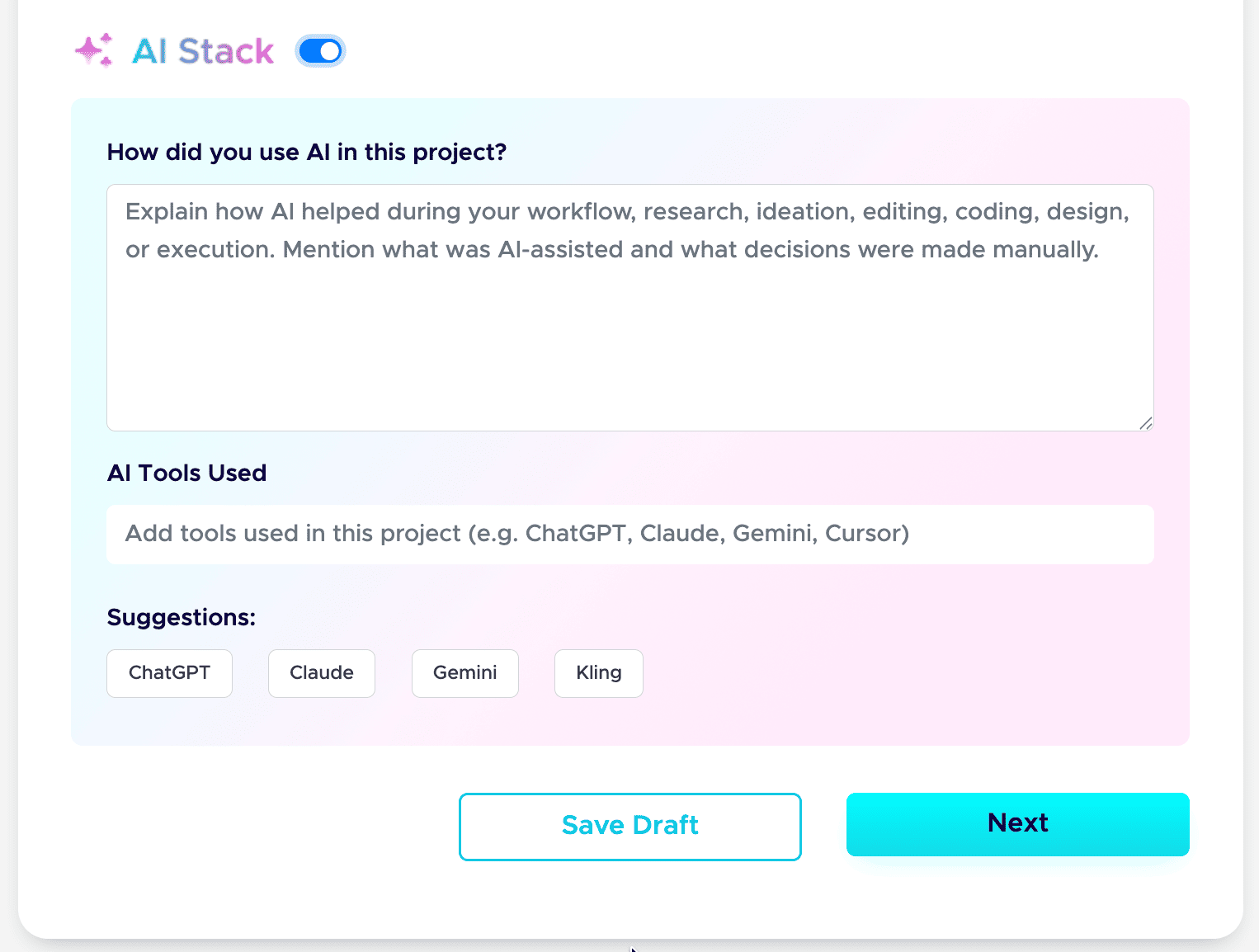
Step 9: Add your AI Stack to each project.
AI is part of real work now, so show it honestly. Use the AI Stack feature to explain how you used AI, which tools you used, and what you did manually. This builds trust instead of raising doubt. Here is the full guide: how to add AI Stack on Fueler.
That is the whole setup. Do these nine steps well, and your profile stops being a static page and starts working as a hiring asset. If you want a tighter version to follow next time, save my 6-step formula for a Fueler portfolio and my breakdown of a career portfolio that actually gets jobs.
Do this once, and you have a link you can drop into your resume, your email signature, and every job application.
Real Fueler Portfolio Examples
On Fueler, home to 100K+ users, you will find portfolios across every role, not just image galleries.
You will see designers who walk through a brief and the result, writers who break down a campaign and its numbers, developers who explain how they shipped a feature, and marketers who show a growth experiment. Each portfolio reads like a short case study.
The pattern is always the same. Strong title, clear context, real process, and a visible result. That structure is what makes a recruiter stop scrolling and start reading.
Here are some of the Fueler portfolio examples:
- Vikra Vardhan
- Chelsi Mehta
- Anshu Shandilya
- Sharvin Shitole
- Arya Kapoor
- Yuvraj Garg
- Rahaman Bin Ujit
- Ujjawal Kumar
- Harsh Mishra
How This Connects to Building a Strong Career or Portfolio
Hiring in 2026 rewards people who explain their work, not just display it. When you make your execution and its impact visible, you remove the guesswork for the person deciding whether to hire you.
Proof of work matters because outcomes are easier to trust than visuals alone. A documented project that shows your goal, your process, and your result tells a company you can repeat that win for them. A gallery shows what you made. Proof of work shows why it mattered.
The more clearly you document how you work, the stronger your credibility grows. Platforms like Fueler are built to make that proof both findable and convincing. The platforms recruiters actually check in 2026 reward exactly this.
Final Thoughts
Substack is a strong choice for running a newsletter and earning from subscribers, and writers should keep using it for that. But a newsletter is not a portfolio. In 2026, getting hired depends on proof that recruiters can find by skill and act on. Use Substack to grow an audience, and build proof where companies are already looking.
Frequently Asked Questions
1. Is Fueler a good alternative to a Substack portfolio in 2026?
Yes. Substack is built for newsletters and monetization, with weak SEO, a 10% cut on paid revenue, and no hiring. Fueler is free, structures your work as proof of work, and connects you to recruiters through skill-based discovery and assignment-based hiring. If your goal is getting hired and not just running a newsletter, Fueler is stronger.
2. Can I use both Substack and Fueler?
Yes. Use Substack to publish and grow a subscriber audience, then present your best work as proof-of-work projects on Fueler, where recruiters discover you by skill and companies hire through assignments. Substack builds your audience; Fueler turns your work into job opportunities.
3. Why is a Substack not enough to get hired?
A Substack is an email newsletter, optimized for inbox delivery, not for proving skills or being found by recruiters. It does not document project outcomes, support skill-based discovery, or work as a job application. Fueler structures each project as proof and connects it directly to hiring.
4. Is Fueler free compared to Substack?
Substack is free to start, but takes 10% of paid subscription revenue. Fueler is free, with no revenue share, and is built for hiring rather than monetization. You can build a complete proof-of-work portfolio and apply through assignments at no cost.
5. Who should use Fueler instead of just Substack?
Anyone whose goal is getting hired, not only building a newsletter. Fueler supports writers, marketers, developers, product managers, analysts, designers, and more. If you want a portfolio that documents real outcomes and connects to hiring, Fueler is the better home for your proof of work.
Why 100,000+ professionals use Fueler
Fueler helps professionals showcase proof of work through projects, assignments, case studies, and achievements.
- Thousands of professionals use Fueler to create their digital portfolio
- Thousands of projects published on Fueler. Check here
- Startups and Companies hire through proof of work on Fueler
- Used by freelancers, creators, marketers, video editors, writers, designers, and product managers
Our mission is to help the next 100 million professionals build a verified professional identity through proof of work

What should you do next?
You've read the article. Now turn your skills into proof of work and unlock more opportunities.
Build your proof of work portfolio
Create a clean portfolio with projects, assignments, resumes, and AI stack details that companies actually want to see.
Create your Fueler portfolio →Apply through assignments, not resumes
Stand out by solving real tasks from companies hiring on Fueler.
Explore assignments →Get discovered by companies
Make your work public and let recruiters discover your skills through actual projects instead of keywords.
Get discovered →
