Fueler: The Best Alternative to Dribbble Portfolio in 2026

Riten Debnath
23 Jun, 2026
A Dribbble shot can be gorgeous and still tell a recruiter almost nothing. A single frame shows the result, but it hides the thinking, the problem, and the outcome. And in 2026, that missing context is the difference between getting noticed and getting hired.
I'm Riten, founder of Fueler, a portfolio platform that helps professionals get hired through assignments, proof of work, and projects instead of just resumes. I built Fueler because I kept seeing talented people post beautiful work and still struggle to land roles. The work was never the problem. The way it was presented was.
In this article, I'll cover what Dribbble does well, where it limits your career in 2026, and why Fueler is a better alternative if your goal is real hiring and not just a pretty feed. I'll also walk you through setting up your Fueler portfolio step by step.
By the end, you'll understand why careers are built on outcomes, not just shots, and how to present your work so a company can actually act on it.
What Dribbble Does Well in 2026
Dribbble is one of the cleanest places to show visual design. It built its name on "shots," small, polished snapshots of work that look great in a grid and spread fast in the design community.
For inspiration and design culture, Dribbble still earns its place. Recruiters from large companies have used it for years to spot strong visual talent.
- Dribbble showcases visual design beautifully: The shot format makes single screens, logos, and UI frames look sharp, which is perfect for grabbing attention and building a recognizable design style.
- It carries a strong design reputation: Recruiters from major tech and product companies have long browsed Dribbble to find designers, so a standout profile can still open doors in the right circles.
- Dribbble Pro adds profile upgrades and access to more opportunities: For working designers, the paid tier can boost visibility and unlock job features that the free profile keeps locked.
Why It Matters
For visual inspiration and design community, Dribbble remains useful. But a shot is a teaser, not a story. It shows what you made, not why it worked or what changed because of it. In a market that increasingly rewards outcomes, a feed of teasers can quietly hold your career back.
Limitations of Dribbble for Your Career
Dribbble is built for visuals, and that focus comes with real trade-offs. The shot format that makes it beautiful is also what strips out context.
In 2026, the platform has also leaned more into a pay-to-play model, with paywalls affecting both designers and recruiters. That shifts some value away from the work itself.
- Dribbble is heavily visual, so the story behind the work usually goes missing. A recruiter sees the final pixels but not the brief, the constraints, your role, or the result that proves the design did its job.
- Context is hard to add. The format favours clean frames over detailed case studies, so explaining your decisions, your tools, and your impact often feels forced or simply does not fit.
- There is no real hiring workflow tied to your skill. Beyond job listings, you cannot prove a specific ability through an assignment and get hired directly off that proof, which is how modern teams increasingly screen talent.
- It offers no proof-of-work validation. Anyone can post a polished mockup, but Dribbble does not help you show genuine process, ownership, or measurable outcomes that separate real builders from clean re-creations.
- It mostly serves designers. Marketers, writers, product managers, and developers have little room on Dribbble, so non-visual professionals cannot build a meaningful career portfolio there at all.
Why It Matters
When the story disappears, the recruiter has to fill in the blanks, and most will not bother. Hiring in 2026 favors people who show the full picture: problem, process, and result. If your portfolio only shows the last frame, you are competing on looks alone in a market that wants proof. A proof-of-work portfolio built step by step fixes exactly this.
Why Fueler Is a Better Dribbble Alternative in 2026
Fueler flips the model. Instead of a single frame, you tell the full description of how you worked on a project, and instead of waiting to be noticed, you apply through assignments that prove your skill directly.
The shift is from showing to proving. Dribbble shows the result. Fueler proves you can deliver it again.
- Fueler supports complete project storytelling: You document the goal, how you worked on a project, the tools, your process, and the outcome, so a recruiter reads a short case study instead of guessing from one image.
- Portfolios are outcome-driven: The format pushes you to show what changed because of your work, which is far more convincing than a clean mockup with no result attached to it.
- Hiring is built in through assignments: Your portfolio becomes your application, and companies hire based on proven skill. This is the core of the 6-step formula that works for a Fueler portfolio.
- Recruiters discover you by your proven skills: Skill tags and proof of work make you findable for the exact roles you want, so opportunities come to you instead of you chasing every listing.
- Fueler supports all creative roles: Writers, marketers, developers, PMs, and analysts can all build a portfolio that gets them hired, which makes it useful across an entire team, not one function.
Why It Matters
A career is built on outcomes, and Fueler is structured to surface them. By turning each project into proof and connecting that proof to hiring, it removes the biggest weakness of a shot-based portfolio. You stop hoping a beautiful frame gets noticed and start showing exactly why a company should hire you. The platforms recruiters actually check in 2026 increasingly reward this kind of depth.
Dribbble vs Fueler: Side-by-Side Comparison
Here is how both platforms compare for someone who wants real hiring outcomes in 2026.
In short, Dribbble is the better mood board. Fueler is the better proof of work.
How to Create Your Portfolio on Fueler Step by Step
Step 1: Sign up on Fueler.
Head to Fueler.io and create your free account.
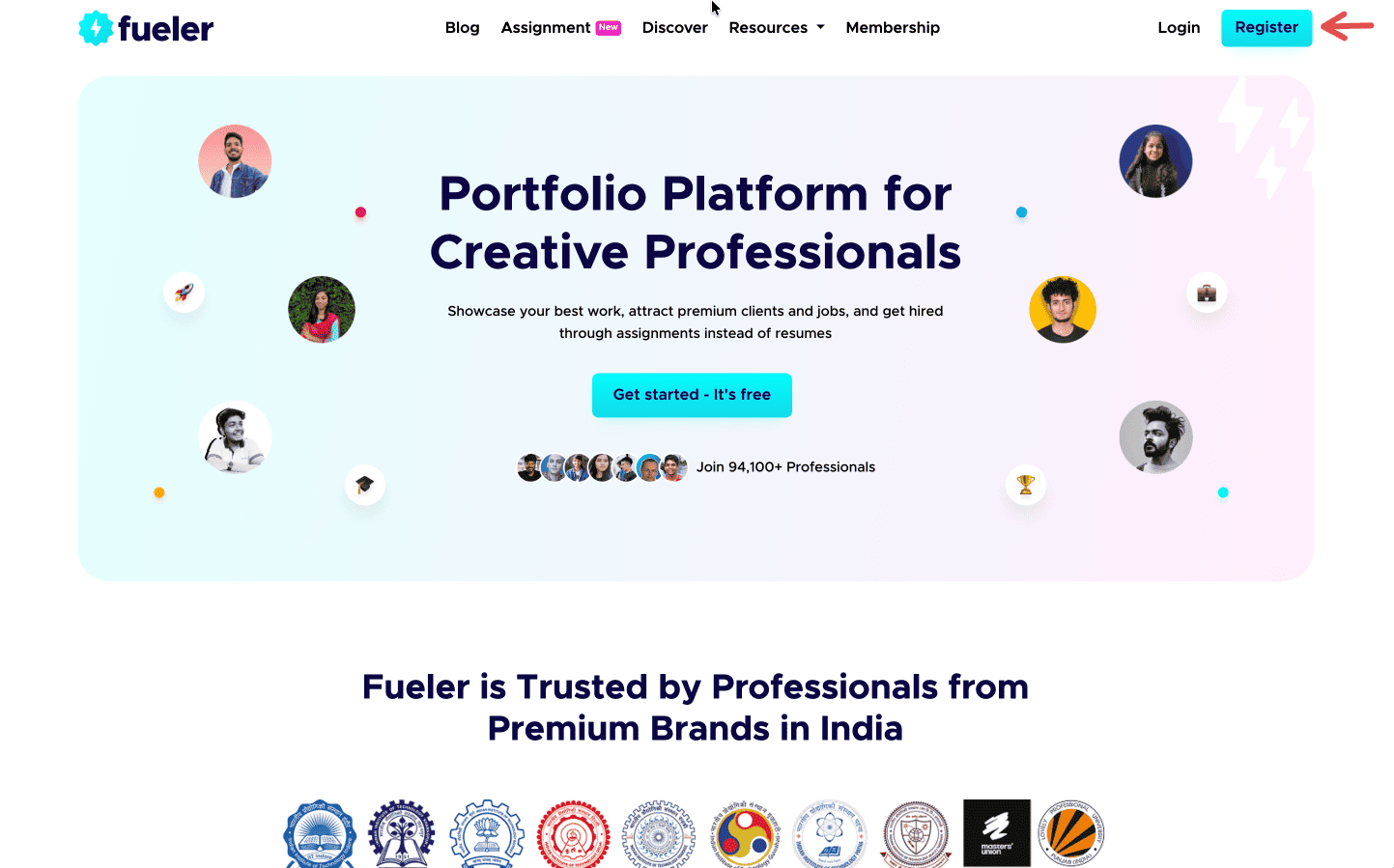
Sign up on Fueler
Step 2: Pick a professional handle.
Your handle shows up in your public link, so keep it clean and grown-up. Don’t add nicknames and random numbers. Your name or a simple version of it works best.
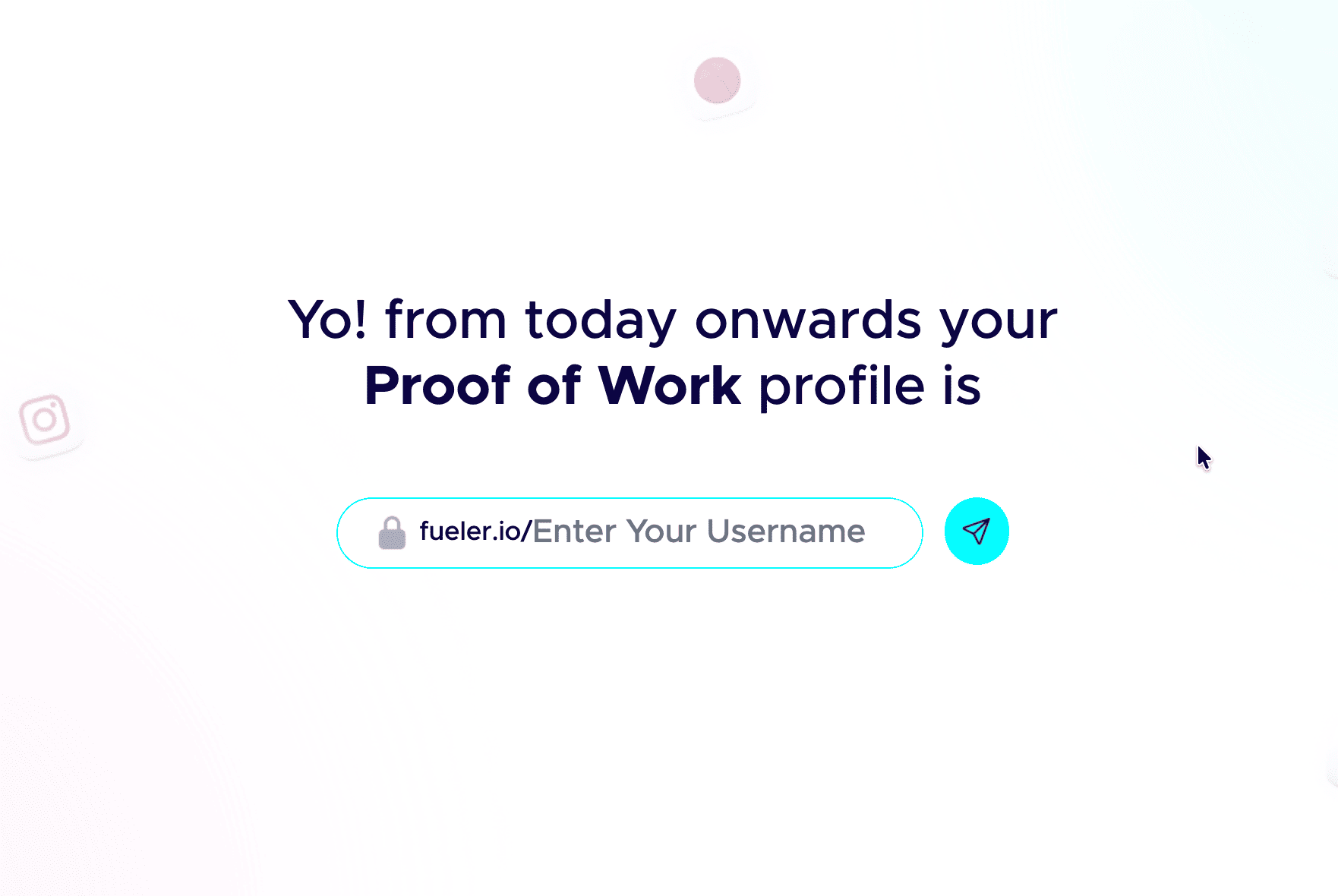
Pick a professional handle
Step 3: Add a professional profile picture.
Use the same kind of professional photo you would put on LinkedIn. Clear face, good lighting, and simple background. People trust a real face more than an empty avatar.
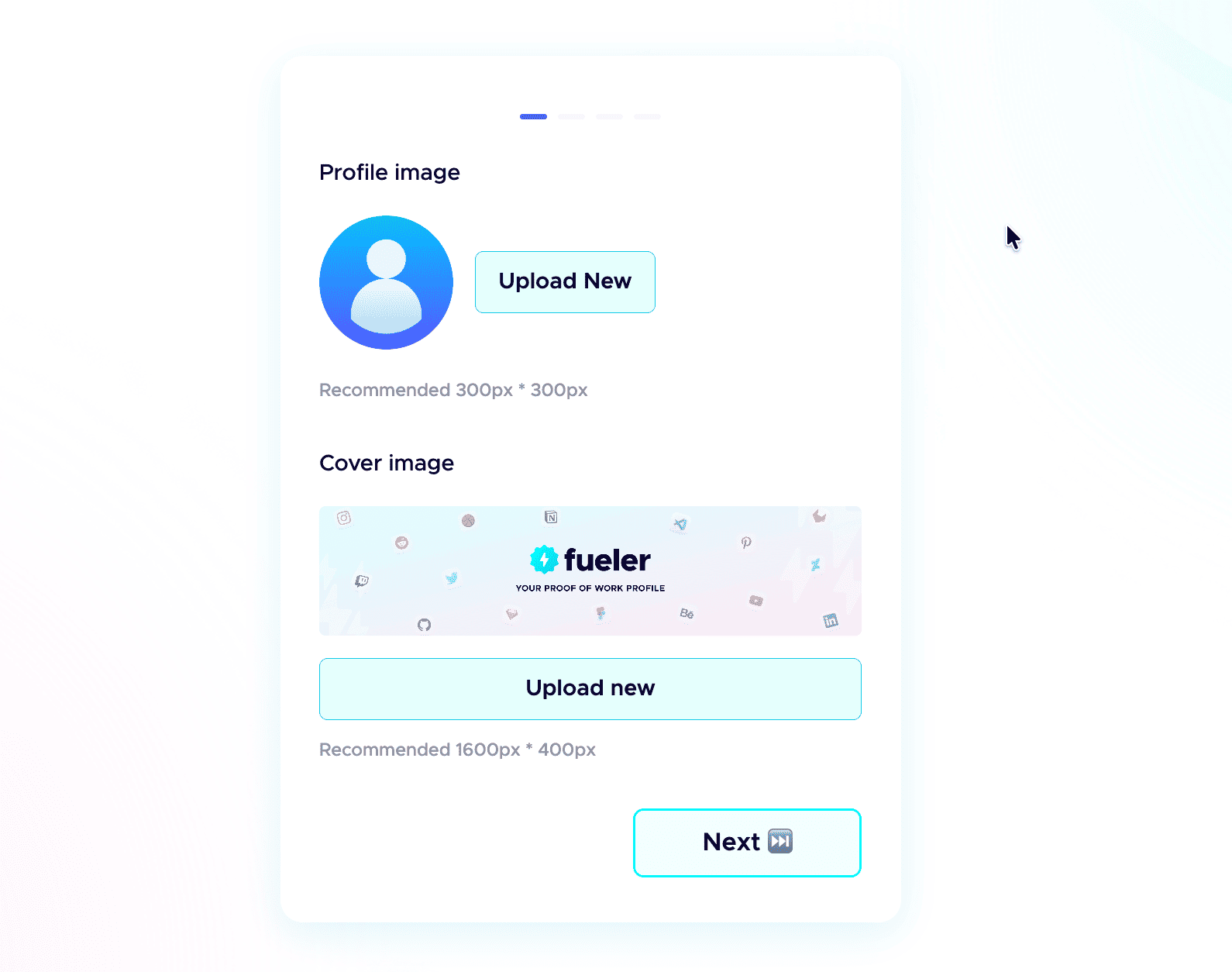
Add a professional profile picture
Step 4: Write a strong header.
The header is the first thing anyone sees. In one or two short lines, say who you are, what you do, and the kind of work you have done. Make it specific, not vague.
Step 5: Add a short bio.
Tell people who you are and what you do in a few plain sentences. No buzzwords, just enough for a recruiter to get you in five seconds.
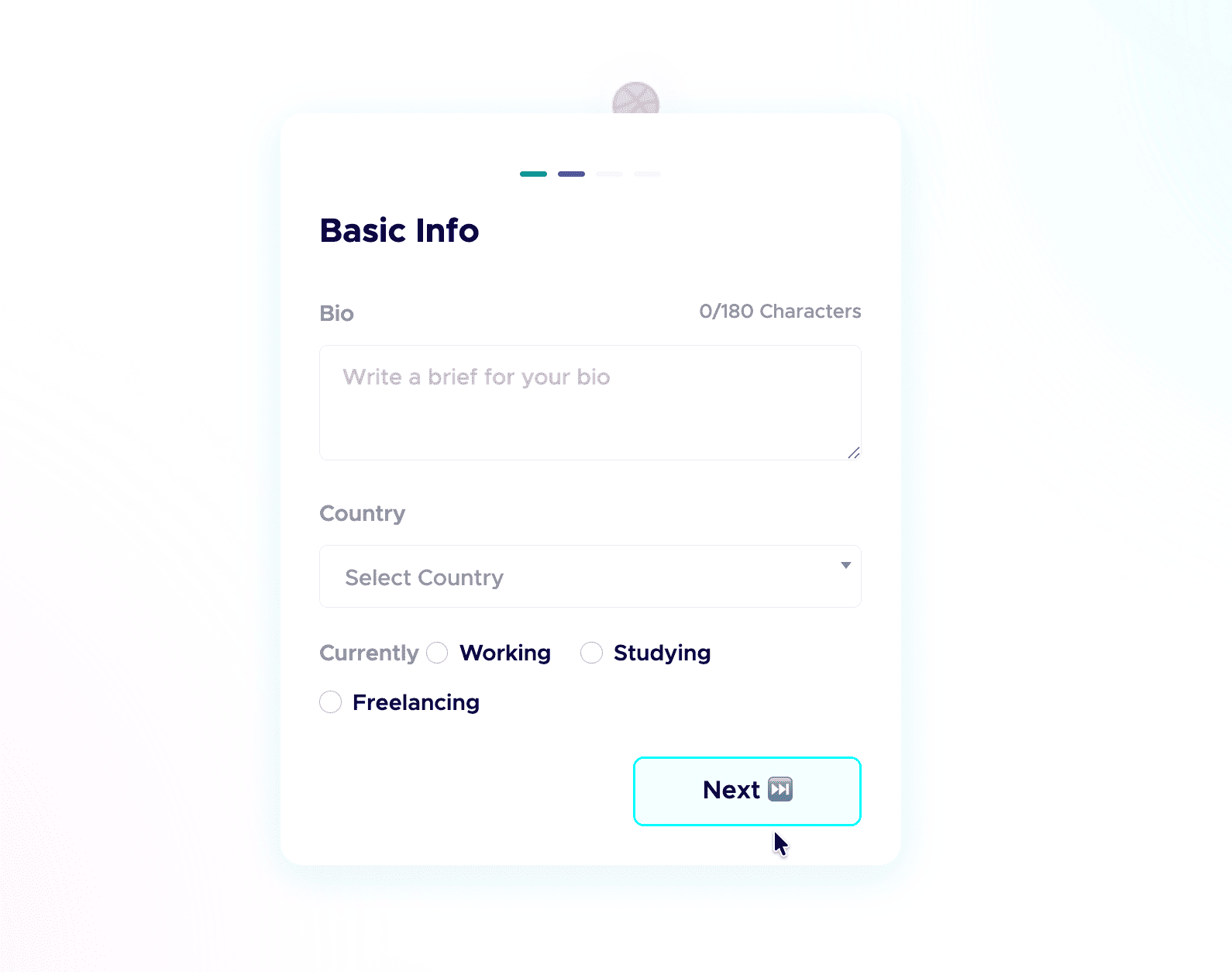
Add a short bio
Step 6: Add your skills and social links.
List the skills you are good at and actually want to be hired for, and connect your socials. People do check your profiles, and active socials build credibility before the first call. Students starting from scratch can follow my student guide to your first portfolio.
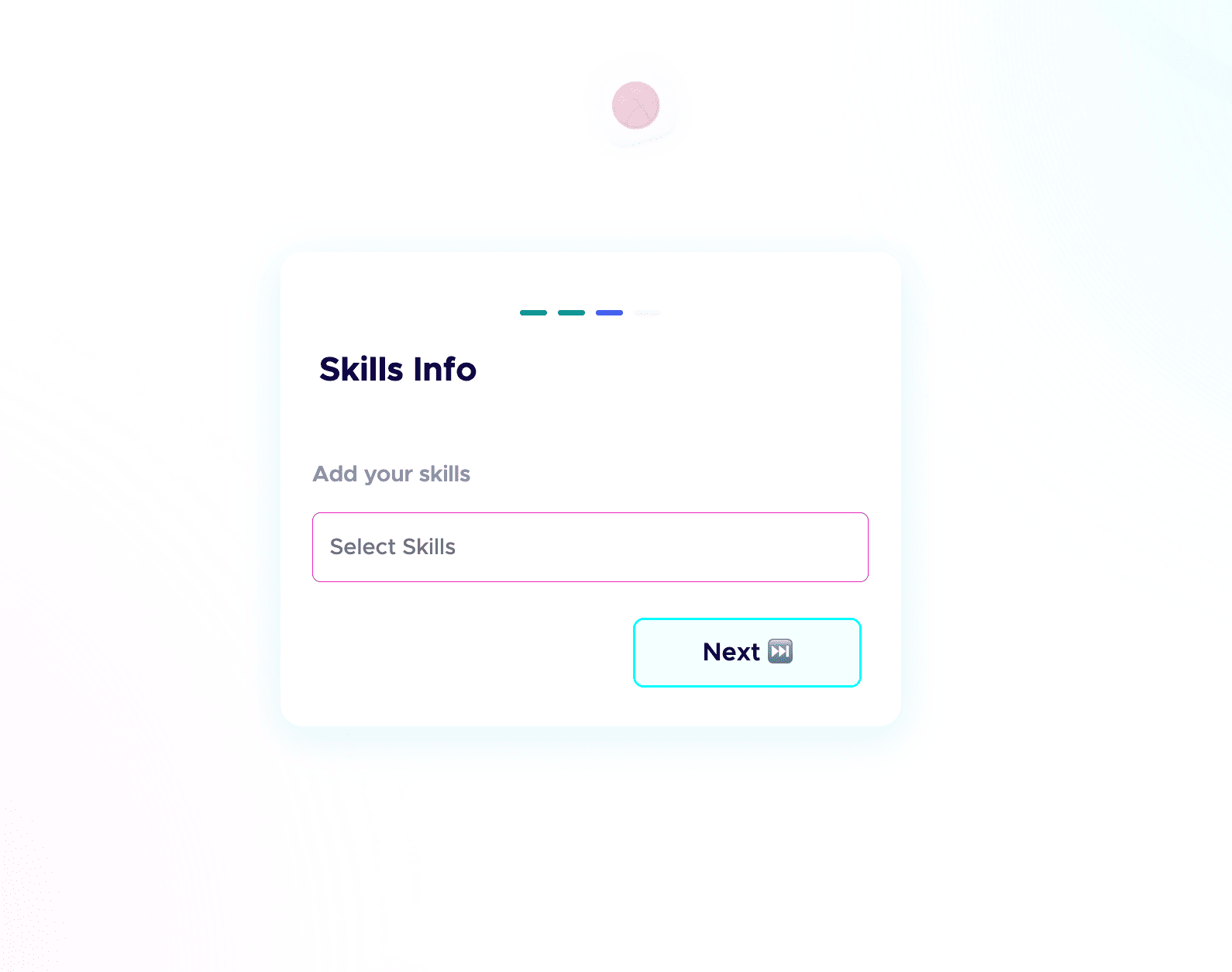
Add your skills
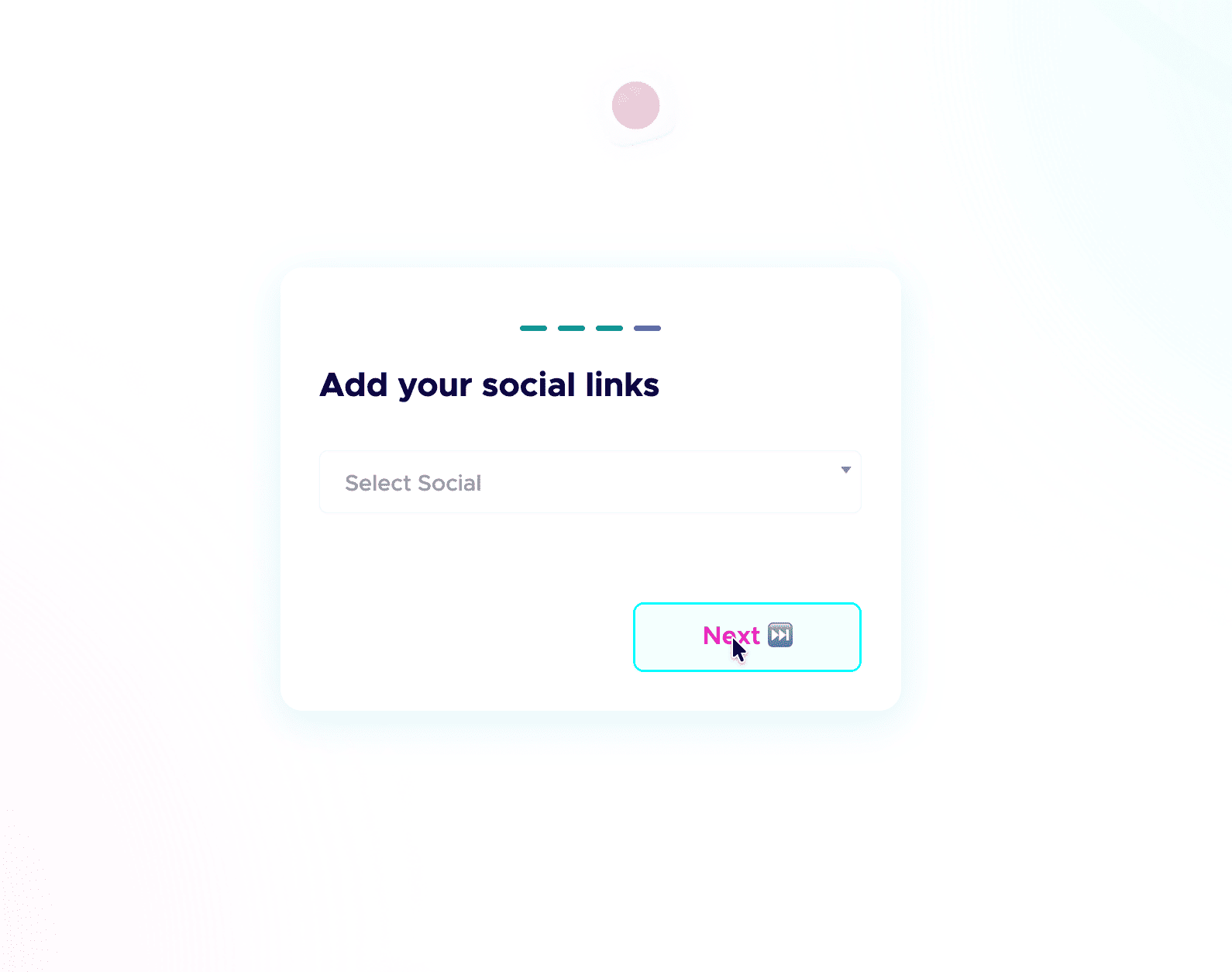
Add your social links
Step 7: Fill in your Device Configuration.
In your dashboard, set up the Device Configuration section. Add the details about the device you are using. Remote-first companies want to know you have a solid setup to work from. A good setup quietly adds leverage and signals you are ready to deliver.
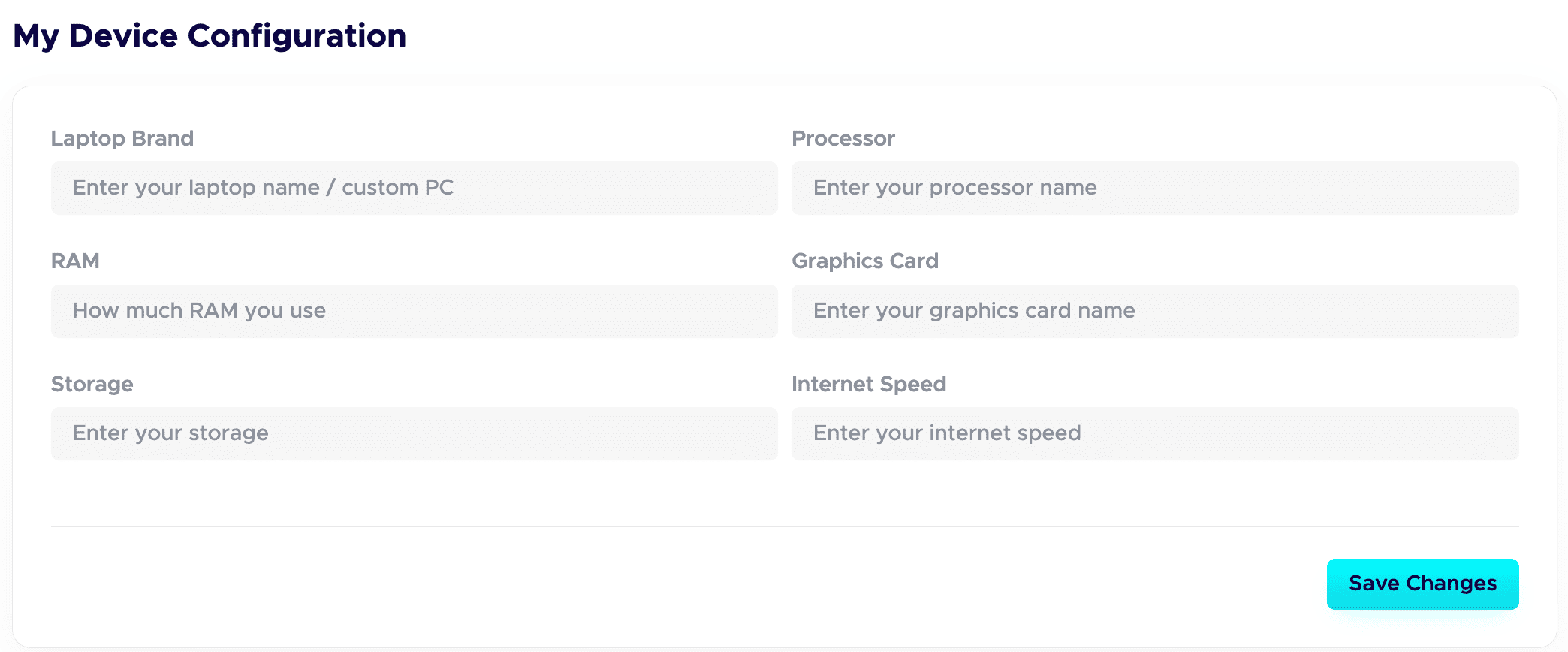
Fill in your Device Configuration
Step 8: Publish your projects with all the details.
This is a game-changer. Give each project a clear title and a detailed description. Walk through your process: your thinking, the tools you used, the choices you made, and the result. Companies care about how you work, not just the final image.
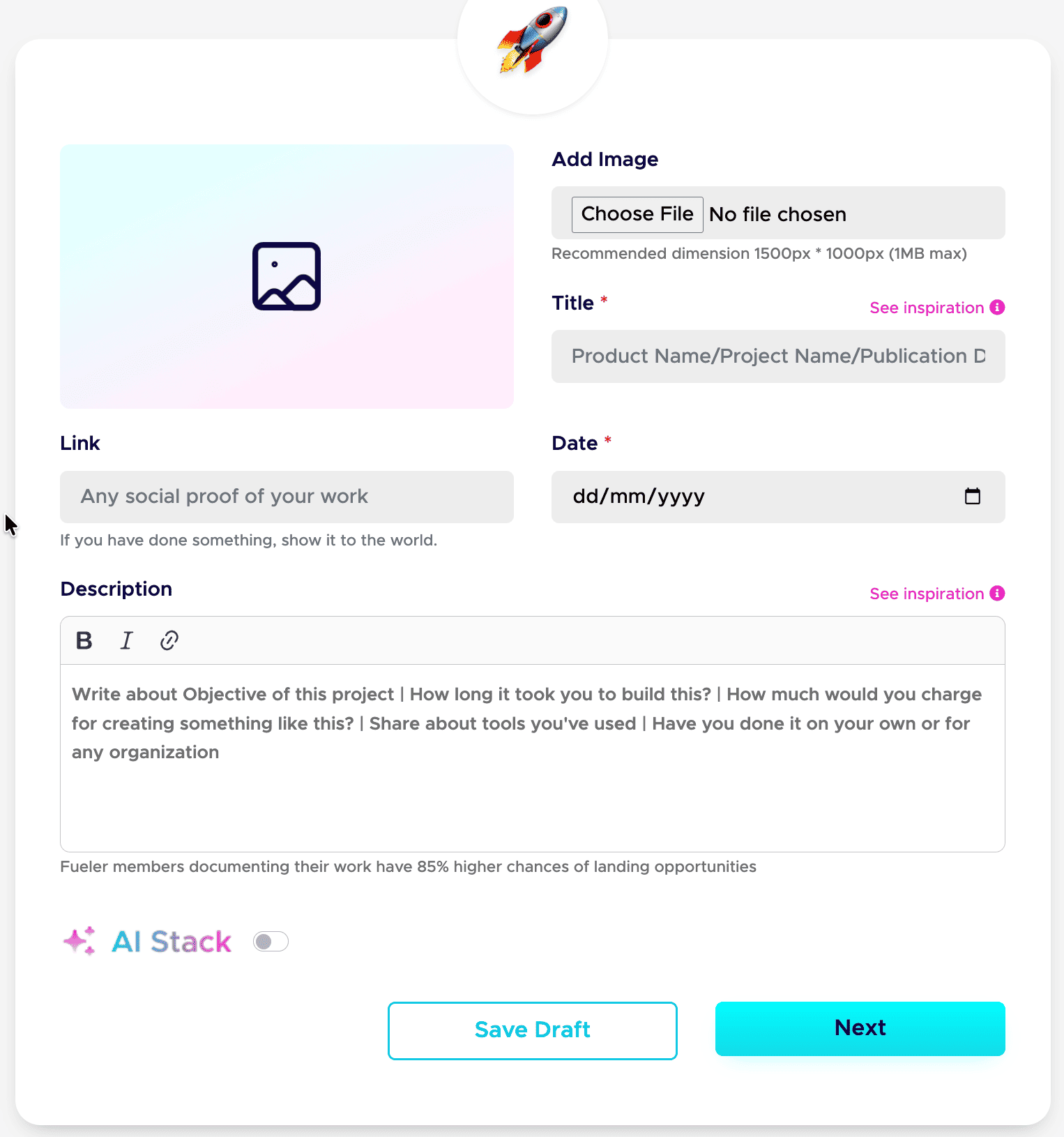
Publish your projects with all the details
Step 9: Add your AI Stack to each project.
AI is part of real work now, so show it honestly. Use the AI Stack feature to explain how you used AI, which tools you used, and what you did manually. This builds trust instead of raising doubt. Here is the full guide: how to add AI Stack on Fueler.
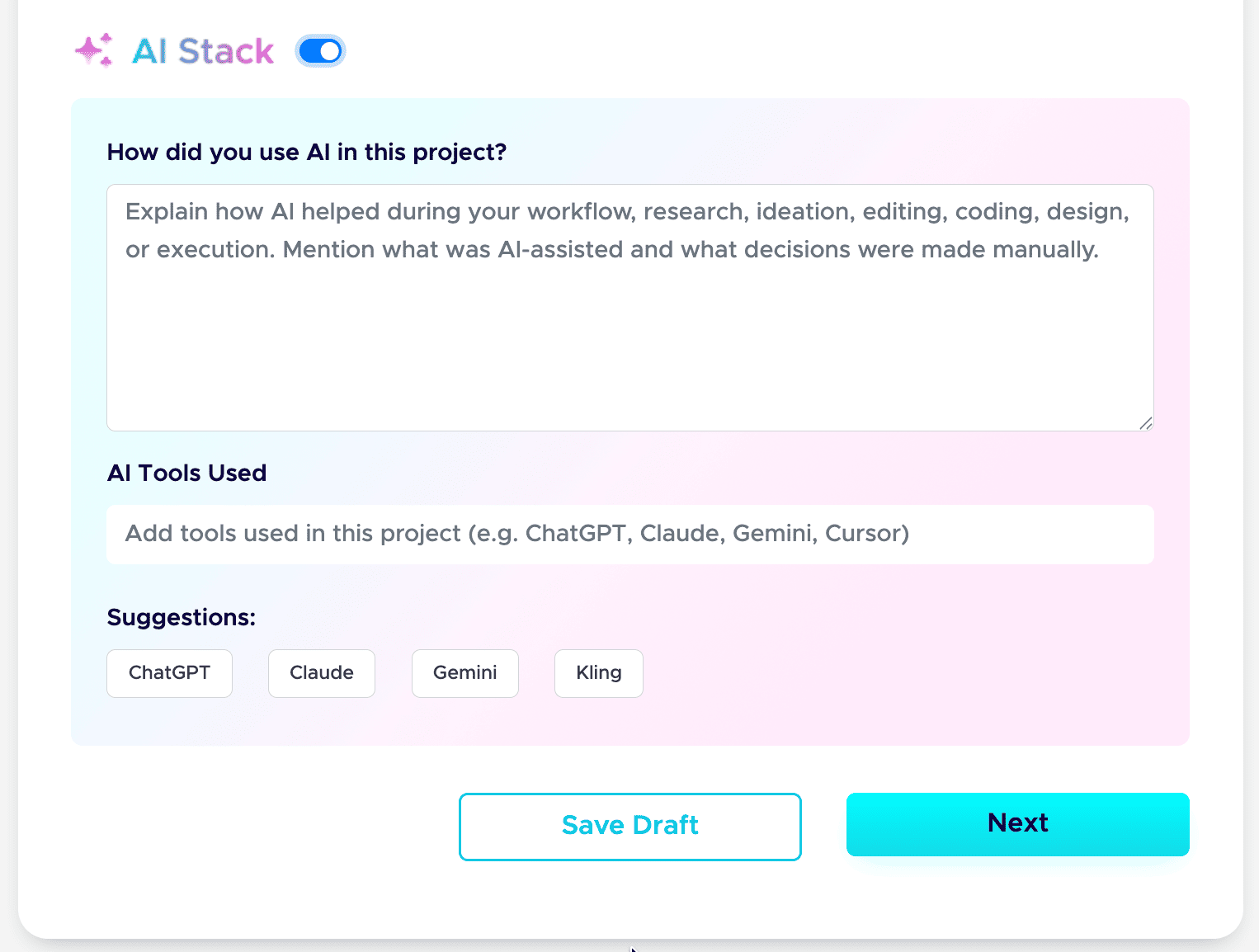
Add your AI Stack to each project
That is the whole setup. Do these nine steps well and your profile stops being a static page and starts working as a hiring asset. If you want a tighter version to follow next time, save my 6-step formula for a Fueler portfolio and my breakdown of a career portfolio that actually gets jobs.
Once it is live, you have a single link to share everywhere you apply.
Real Fueler Examples
Browse Fueler and you will not just find designers. You will find writers, developers, marketers, product folks, and editors, each presenting work as a short, honest case study.
A designer might show the brief, the early drafts, the final screens, and the result the design drove. A marketer might walk through a campaign and the numbers behind it. The format invites depth, so each portfolio reads like proof, not a gallery.
That depth is the whole advantage. It answers the recruiter's real question before they even ask it: can this person deliver for us?
Here are some of the Fueler Portfolios you can check out:
How This Connects to Building a Strong Career or Portfolio
The strongest portfolios in 2026 make your execution visible. They show how you think and what you ship, not just what the final screen looks like.
Proof of work matters because it replaces claims with evidence. When a company can see your process and your outcome, the decision to hire you gets easier and faster. That is why documenting your projects in full is one of the highest-leverage things you can do for your career.
Modern hiring values results over resumes. The more clearly you show outcomes, the more credible you become. Platforms like Fueler are built to make that proof easy to present and easy to trust. If you are starting out, the student guide to your first Fueler portfolio is a simple place to begin.
Final Thoughts
Dribbble will always be a great place to admire design and track trends. But admiration does not pay your bills, and a feed of shots leaves too much unsaid. In 2026, hiring rewards people who show the full story and connect their work to real outcomes. Build where your proof can be read and acted on. That is how a portfolio turns into a career, not just a collection.
Frequently Asked Questions
Is Fueler a better alternative to Dribbble in 2026?
For getting hired, yes. Dribbble is excellent for visual inspiration and design shots, but Fueler is built around proof of work and assignment-based hiring. If you want recruiters to understand your process and outcomes, not just admire a frame, Fueler gives your work the context that leads to real job opportunities.
Can I use Fueler if I am not a designer?
Yes. Fueler supports writers, marketers, developers, product managers, analysts, and many other roles. Unlike Dribbble, which centers on visual design, Fueler lets any professional document projects with goals, process, tools, and outcomes, making it a true career portfolio for all knowledge workers.
Does Fueler help me get hired or just showcase work?
Both, with a strong focus on hiring. Companies on Fueler hire through assignments, recruiters discover you by proven skills, and your portfolio acts as your application. This is different from Dribbble, where the main path to work is job listings rather than direct, skill-based hiring.
Is Fueler free compared to Dribbble Pro?
Fueler is free, and you can build a full proof-of-work portfolio without paying upfront. Dribbble keeps several useful features behind its Pro tier. With Fueler, you can set up your portfolio, add projects, and begin applying through assignments at no initial cost.
What should I include in a Fueler project to stand out?
Add a clear title, the goal of the project, your specific role, the tools you used, your process, and the outcome. Where possible, include numbers or results. Adding your AI Stack also helps, since it shows employers you work the modern way and understand current tools.
Why 100,000+ professionals use Fueler
Fueler helps professionals showcase proof of work through projects, assignments, case studies, and achievements.
- Thousands of professionals use Fueler to create their digital portfolio
- Thousands of projects published on Fueler. Check here
- Startups and Companies hire through proof of work on Fueler
- Used by freelancers, creators, marketers, video editors, writers, designers, and product managers
Our mission is to help the next 100 million professionals build a verified professional identity through proof of work

What should you do next?
You've read the article. Now turn your skills into proof of work and unlock more opportunities.
Build your proof of work portfolio
Create a clean portfolio with projects, assignments, resumes, and AI stack details that companies actually want to see.
Create your Fueler portfolio →Apply through assignments, not resumes
Stand out by solving real tasks from companies hiring on Fueler.
Explore assignments →Get discovered by companies
Make your work public and let recruiters discover your skills through actual projects instead of keywords.
Get discovered →
