The AR/VR industry is booming, transforming how we interact with technology through immersive experiences. With this rapid growth, demand for skilled AR/VR designers has surged worldwide. For professionals considering career paths or negotiating salaries, understanding the salary landscape both in India and abroad is essential. Salary figures explain market maturity, cost of living differences, and market demand nuances. Moreover, knowing compensation benchmarks helps AR/VR designers set goals, improve skills in high-demand areas, and make informed decisions about working locally or internationally. With newer remote work models becoming mainstream, the boundaries between local and global salaries are also blurring, making transparency more important than ever.
I’m Riten, founder of Fueler, a platform that helps freelancers and professionals get hired through their work samples. In this article, I’ll walk you through the most in-demand freelance skills for 2026. But beyond mastering skills, the key is presenting your work smartly. Your portfolio isn’t just a collection of projects, it’s your proof of skill, your credibility, and your shortcut to trust.
AR/VR Designer Salary Landscape in India for 2026
India’s AR/VR market is expanding rapidly with companies ranging from startups to multinational tech giants investing heavily in immersive technology. As a result, designer salaries have seen notable growth, although they remain below developed markets.
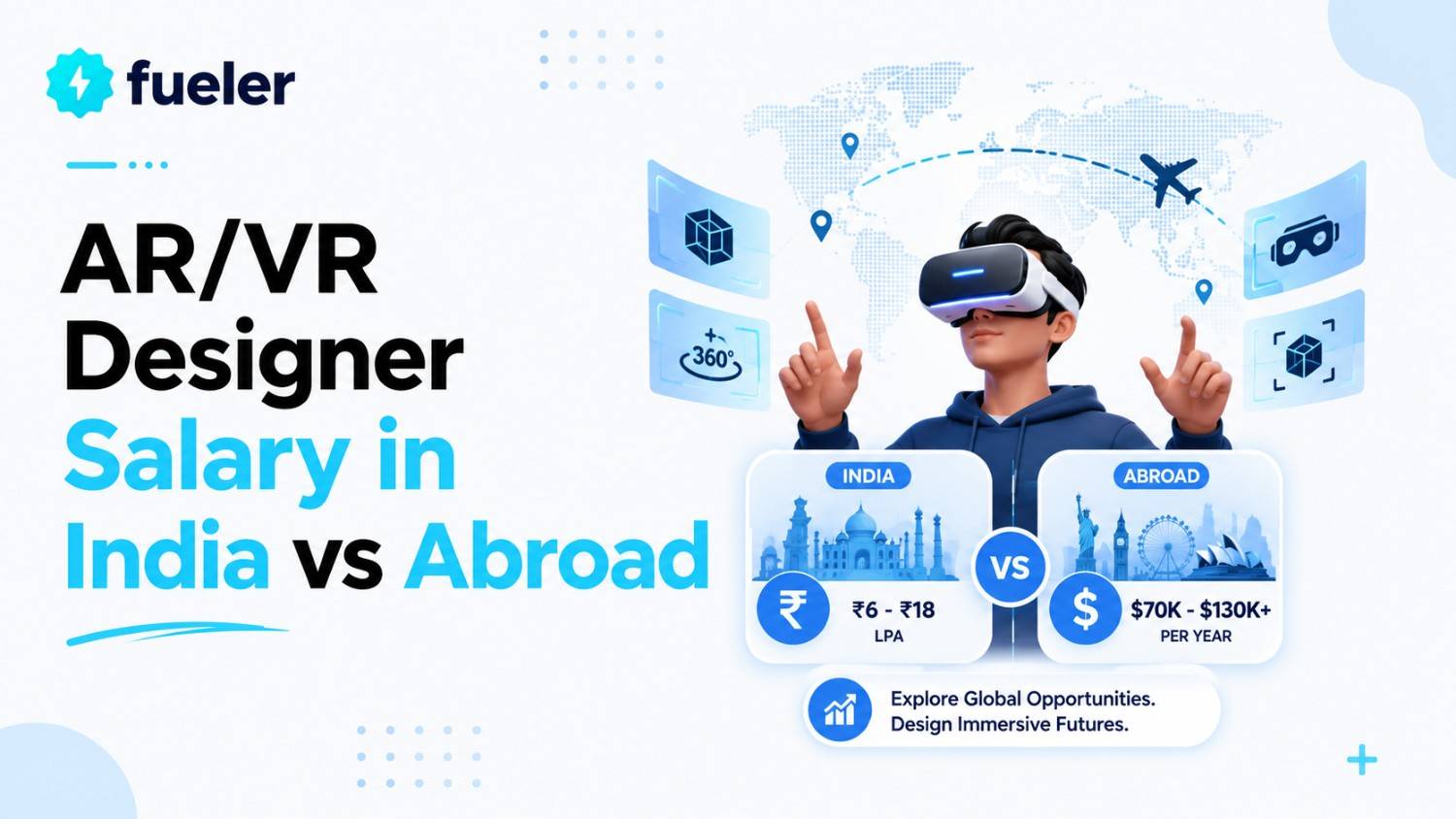
Average Salary: The average annual salary of an AR/VR designer in India is approximately ₹14,00,000, with entry-level positions starting from ₹6,50,000 and senior roles reaching ₹23,50,000 or more. This reflects a sharp rise compared to just a few years ago, showing opportunity for growth as expertise deepens.
Top Metro Pay: Cities like Bangalore, Mumbai, Pune, and Hyderabad offer higher salaries, typically 20-30% more than non-metro cities, driven by the concentration of tech companies and startups.
Role Variation: Junior AR/VR designers and 3D modelers often start at lower bands but can quickly grow by mastering tools like Unity, Unreal Engine, and Blender, essential skills highly valued across companies.
Freelance Rates: Experienced freelancers command ₹1,500 up to ₹5,000 or more hourly, depending on project complexity, client industry, and deliverables such as 3D animations, UI/UX design, or interactive prototypes.
Growing Demand: With sectors like gaming, retail, education, and healthcare integrating AR/VR, designers versed in both creative and technical skills find themselves in high demand with progressively improving salary offers.
Why it matters: Knowing the Indian salary scene helps designers understand what careers realistically pay locally and how to position themselves to maximize earnings in the country’s diverse ecosystem.
Global AR/VR Designer Salary Comparison in 2026
Salary differences abroad reflect the higher cost of living and advanced adoption of immersive tech across sectors.
United States: AR/VR designers in tech hubs like Silicon Valley and Seattle typically earn between $80,000 and $140,000 annually. Specialized roles with skills in AI integration, real-time rendering, and spatial computing command salaries on the higher end.
Europe: Compensation varies widely; Western Europe offers salaries between €50,000 and €90,000 annually, with countries like Germany, UK, France, and the Netherlands leading. Eastern Europe offers more affordable options but is growing rapidly.
Asia Pacific: Singapore, Australia, and Japan provide competitive pay scales of $60,000 to $110,000, correlated with strong investments in digital innovation and AR/VR applications.
Remote Work: Designers in India increasingly work for international clients, earning salaries benchmarked to these global averages, yet often adjusted for local economies.
Additional Perks: Companies abroad typically offer benefits like bonuses, stock options, enhanced health insurance, and professional development budgets alongside base pay.
Why it matters: Comparing salaries helps Indian designers evaluate relocation or remote work options and better align demands with international standards.
Key Factors Affecting AR/VR Designer Salaries
Several factors influence AR/VR designer salaries in both India and abroad, shaping earning potential beyond just geography:
Experience Level: Junior designers earn significantly less than seniors with over 5 years of experience, especially those with leadership capabilities.
Technical Skills: Mastery of Unity, Unreal Engine, 3D modeling software (Maya, Blender), and programming languages like C# or C++ enhances salary prospects.
Portfolio Quality: Designers with polished portfolios demonstrating diverse projects attract higher pay and better opportunities.
Industry Niche: Specialized sectors, such as medical AR applications or high-end gaming, tend to offer premium salaries.
Company Size & Funding: Startups offer equity and potentially rapid growth but less cash; large enterprises provide stable salaries with benefits.
Certification and Education: Advanced qualifications and certifications from recognized institutions boost credibility and employability.
Why it matters: Enhancing skills, carefully curating portfolios, and choosing industries strategically can dramatically improve salary outcomes.
Key Responsibilities Influencing AR/VR Designer Salaries
Salaries are not just about location; the complexity and impact of your role heavily influence compensation.
3D Asset Creation: AR/VR designers create immersive assets using modeling and animation software, crafting virtual environments, characters, and interactive objects essential to immersive experiences.
User Experience (UX) & Interaction Design: Designing intuitive, natural interfaces including gestures, spatial navigation, and haptic feedback that shape how users interact in virtual or augmented spaces.
Prototyping and Testing: Developing rapid prototypes to test usability and functionality ensures early identification of issues and smoother production scaling.
Collaboration: Designers work closely with developers, product managers, and stakeholders to align creative goals with technical feasibility, a critical skill for high-paying roles.
Continuous Research & Innovation: Successful designers stay updated on evolving AR/VR technologies, integrating AI, improving graphics fidelity, and enhancing user immersion to remain competitive.
Why it matters: Mastery across these responsibilities and technologies commands higher salaries due to the multifaceted nature of AR/VR design roles.
Essential Tools for AR/VR Designers in 2026
Mastering current tools is non-negotiable for designers wanting to earn top salaries and deliver cutting-edge experiences.
Unity3D: Leading real-time 3D development platform favored for its cross-platform capabilities and vibrant asset store.
Unreal Engine: Renowned for photorealistic rendering and advanced visual effects, powering high-fidelity VR experiences.
Blender: Open-source 3D modeling and animation tool robust enough for professional-grade asset creation.
Maya: Industry-standard for 3D animation, character rigging, and complex modeling, widely used in enterprise projects.
Adobe Substance 3D: Delivers sophisticated material creation and texturing tools, pivotal for realistic virtual object presentation.
Why it matters: Expertise in these tools ensures you meet industry expectations, streamline production, and diversify your project portfolio, boosting your earning power.
How Fueler Empowers AR/VR Designers to Shine
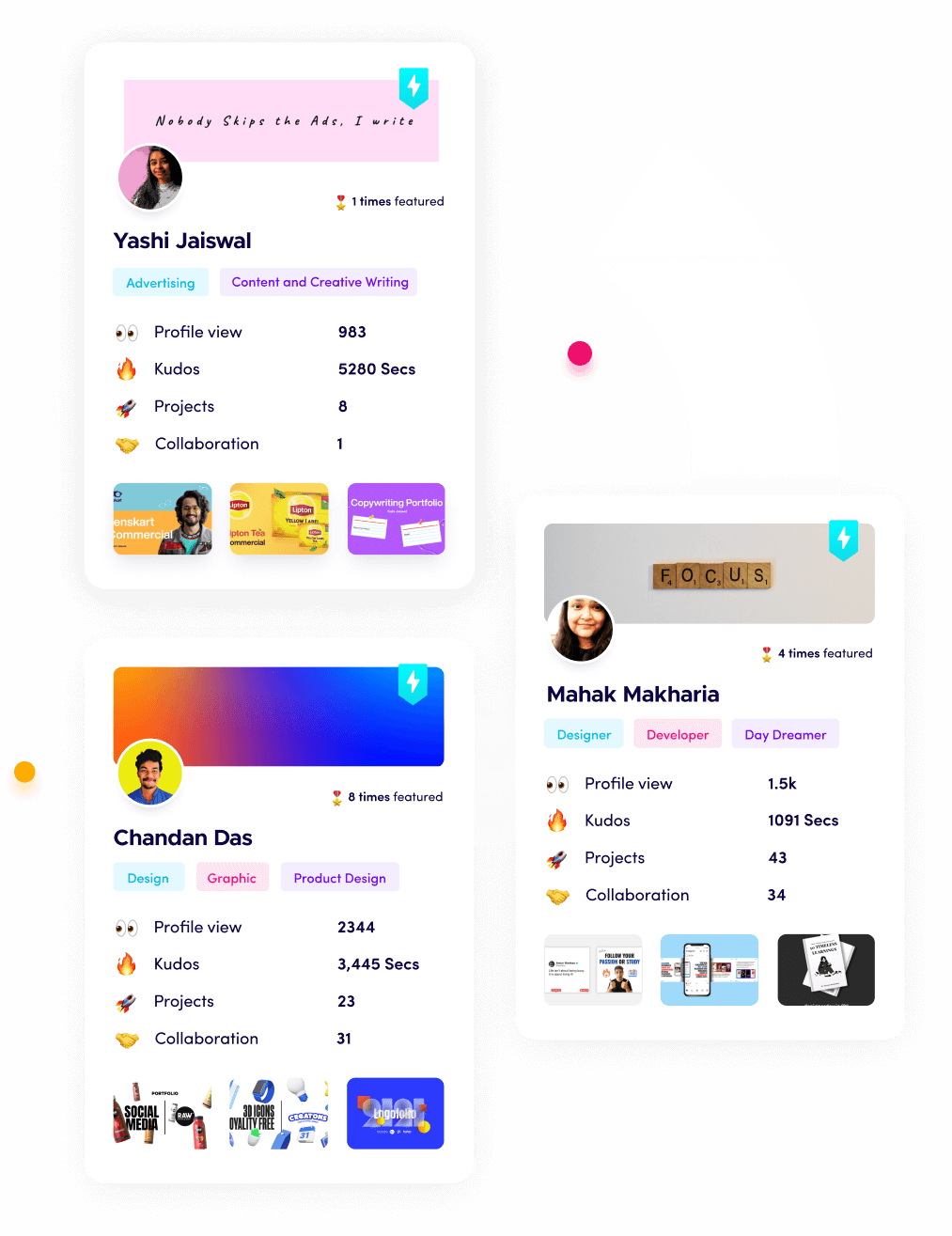
Fueler goes beyond traditional portfolios by letting AR/VR designers showcase their process, skills, and project success stories with rich media, detailed descriptions, and client testimonials. This transparency builds credibility and helps designers command premium rates. Fueler’s platform is tailored to present the depth and creativity of immersive design work attractively, accelerating hiring and freelancing opportunities worldwide.
Final Thoughts
As the AR/VR industry multiplies opportunities globally, staying informed about salary trends and role expectations empowers designers to make strategic career moves. Indian professionals, equipped with relevant skills, tools, and a compelling portfolio on platforms like Fueler, stand to excel both locally and internationally. Understanding salary nuances guides negotiation, career development, and long-term success in this cutting-edge field.
FAQs
1. What is the average salary of an AR/VR designer in India in 2026?
It ranges around ₹14,00,000 annually, with entry-level at ₹6,50,000 and senior roles potentially exceeding ₹23,50,000.
2. How much do AR/VR designers earn abroad compared to India?
Salaries abroad, especially in the US and Europe, typically range from $80,000 to $140,000, significantly higher than Indian averages.
3. Which skills most affect AR/VR designer salaries?
Proficiency in Unity, Unreal Engine, 3D modeling, user experience design, and spatial interaction dictates salary levels.
4. Are remote AR/VR design jobs paying compared to local jobs?
Yes, remote roles with international firms can offer salaries closer to global standards, potentially much higher than local roles.
5. How does Fueler help AR/VR designers get hired?
Fueler provides an elegant platform to showcase projects, storytelling, and client feedback that highlights your expertise and attracts premium clients.
Why 100,000+ professionals use Fueler
Fueler helps professionals showcase proof of work through projects, assignments, case studies, and achievements.
Thousands of professionals use Fueler to create their digital portfolio
Thousands of projects are published on Fueler. Check here
Startups and Companies hire through proof of work on Fueler
Used by freelancers, creators, marketers, video editors, writers, designers, and product managers
Our mission is to help the next 100 million professionals build a verified professional identity through proof of work