Why Fueler Is Better Than Wix for Professional Portfolios?

Riten Debnath
12 Jul, 2026
Last updated: July 2026
Spending weeks dragging design boxes across a screen just to build a personal landing page has become the ultimate form of professional procrastination. Millions of talented professionals waste their valuable evenings debugging mobile responsiveness, adjusting spacer blocks, and paying heavy monthly hosting fees for a website that essentially functions as a digital tombstone.
Hiring managers and high-ticket freelance clients in 2026 have completely stopped clicking through elaborate intro animations and multi-page menus. They operate in a hyper-fast market where they need to see undeniable evidence of your skills within five seconds, or they move to the next candidate.
I’m Riten, founder of Fueler, a skills-first portfolio platform that connects talented individuals with companies through assignments, portfolios, and projects, not just resumes/CVs. Think Dribbble/Behance for work samples + AngelList for hiring infrastructure.
If you are tired of playing the role of a part-time web developer just to showcase your daily professional wins, you are in the right place. In this deep dive, we will unpack why traditional drag-and-drop builders damage your conversion rates and how moving to a structured, outcome-first framework can fill your pipeline with premium inbound opportunities. Let's look at why your personal brand needs an upgrade that saves your sanity and your wallet.
1. Drag-and-Drop Editors Outsource Web Design Stress to You
Traditional website platforms trap you in an endless cycle of layout adjustments, element alignment, and font scaling across dozens of device breakpoints. You start the day intending to upload a simple case study and end up crying over a broken header container that looks fine on desktop but turns into an unreadable mess on iPhones.
The harsh reality of 2026 is that nobody is hiring you for your ability to configure a complex template grid unless you are literally a front-end layout engineer. When your primary asset is hidden behind layers of heavy design choices, your core message gets completely lost in the noise.
Using a pre-structured portfolio framework removes this massive technical burden entirely so you can focus on what actually moves the financial needle for your career.
- Fixing broken container layouts steals precious hours that you should be investing in executing actual client work, learning high-income industry skills, or actively networking with premium brand founders.
- Complex responsive design tools require specialized engineering knowledge to execute properly, leaving most self-built professional portfolios looking incredibly amateurish when opened on mobile web browsers.
- Bloated graphical themes slow down overall page load speeds significantly, causing impatient corporate recruiters to close your tab before your heavy homepage media assets even finish rendering.
- Endless customization options create massive decision fatigue that ultimately delays your publishing schedule, meaning your latest and greatest work samples sit gathering dust on your hard drive.
- Managing software security updates introduces unnecessary technical risks that can cause your entire personal site to crash unexpectedly right when a major prospect is reviewing your profile.
Why It Matters
Your online presence should function as a highly efficient conversion engine, not an unmaintained web design experiment. Eliminating layout infrastructure management ensures that your actual talent remains the absolute focal point of the page, dramatically accelerating the velocity of your hiring cycles.
2. Subscription Fees Eat Into Freelance and Professional Margins
Paying a recurring monthly tax just to keep a basic list of your past projects live on the internet is a massive financial leak. Traditional web platforms lock your professional data behind expensive premium tiers, forcing you to pay extra for essential features like custom domains, clean analytics, or basic form integrations.
When you calculate the multi-year cost of hosting a static portfolio site that only gets viewed a few times a month during active job hunts, the return on investment looks incredibly bleak. It feels less like owning a digital home and more like paying an aggressive landlord for features you rarely use.
Switching to a platform built for proof of work gives you premium, lightning-fast infrastructure without the bloated corporate pricing models holding your career hostage.
- Expensive monthly subscription bills pile up silently over time, turning your personal branding efforts into a continuous financial drain rather than a profitable inbound lead generation asset.
- Basic features like removing platform branding require premium upgrades, which subtly forces budget-conscious freelancers to look unprofessional with ugly banner advertisements plastered across their headers.
- Hidden hosting overage fees can trigger unexpected financial penalties if one of your project links suddenly goes viral on social media or gets picked up by a major industry newsletter.
- Renewing custom domain registrations through proprietary site builders usually comes with highly inflated price tags compared to standard, independent domain registrars available on the open market.
- Canceling your paid subscription instantly deletes your entire digital footprint, making it incredibly difficult to maintain a long-term, compounding archive of your career achievements across decades.
Why It Matters
Every dollar spent on bloated software infrastructure is a dollar taken directly out of your actual business profit margins. Standardizing your professional identity on an affordable, project-first platform ensures your personal brand remains highly sustainable during slow market cycles and career transitions.
3. Traditional Portfolios Lack a Built-In Discovery Ecosystem
Building an independent website is like opening a beautiful retail store in the middle of a completely deserted desert. You can have the most stunning visual layout in the world, but if nobody knows your domain exists, your inbound lead flow will remain at absolute zero.
To get any value out of a traditional site, you have to become a full-time marketing manager, spending hours studying search engine optimization, building backlinks, and shouting into the social media void. Modern talent networks solve this distribution problem by aggregating high-performing operators into a singular, searchable ecosystem that global companies already trust.
By placing your work inside an active professional network, you allow the platform's native traffic to do the heavy lifting for your discoverability.
- Independent domains require months of aggressive search optimization before they rank for competitive industry keywords, leaving early-stage professionals completely invisible to the broader corporate market.
- Traditional website platforms do not feature internal search directories, meaning corporate headhunters cannot discover your past work unless you manually send them your exact hyperlink first.
- Zero network network effects prevent your profile from gaining traction through organic peer recommendations, social sharing loops, or collaborative project tagging systems used by modern teams.
- Isolating your work on an independent island cuts you off from aggregated recruiter dashboards where talent acquisition managers actively filter candidates by highly specific operational metrics.
- Driving cold traffic through paid advertising channels is incredibly expensive, making manual audience acquisition completely unviable for individual freelancers, creators, and remote software engineers.
Why It Matters
Plugging into a platform with a built-in discovery layer changes your professional strategy from exhausting outbound chasing to highly predictable inbound attraction. Your past projects actively network on your behalf, matching your unique skill set with active corporate budgets.
4. The Market Swapped Aesthetic Layouts for Proof of Work
The global hiring ecosystem has undergone a massive cultural shift away from superficial design fluff toward verified, empirical evidence of execution. High-value clients are completely immune to fancy color palettes, smooth scrolling effects, and vague corporate buzzwords that sound like they were pulled from an old textbook.
They want to see the raw materials of your career: the actual code repositories you pushed, the marketing funnels you configured, and the copy decks that generated revenue. A proof-of-work framework prioritizes the clarity of your professional case studies over the complexity of your website's navigation menu.
When you lead with clear project data, you immediately eliminate the skepticism that prevents modern brands from hiring remote talent.
- Vague resume bullet points fail to communicate actual competence, forcing modern companies to run extensive, exhausting interview loops just to verify if a candidate can execute basic tasks.
- Over-designed visual templates often hide a distinct lack of substance, a pattern that experienced corporate hiring managers spot almost instantly during initial screening sessions.
- Documenting your exact problem-solving methodology builds immense trust by showing prospects the precise strategic frameworks you use to navigate complex, unpredictable business challenges.
- Displaying live, clickable links to published project assets completely eliminates any doubts regarding the authenticity, ownership, and real-world performance of your listed portfolio items.
- Separating your specific contributions from generalized team efforts establishes you as a transparent, high-integrity operator who respects project boundaries and takes clear accountability for outcomes.
Why It Matters
Aesthetics invite casual compliments, but verified proof of work invites high-paying contract offers. Aligning your professional presentation with the analytical expectations of modern decision-makers ensures your profile commands premium rates in a highly competitive global economy.
5. Peer-to-Peer Project Collaboration Multiplies Your Reach
Most website builders treat your career as an entirely solo journey, forcing you to manually upload every piece of content by yourself. This completely ignores the highly collaborative reality of modern professional environments, where projects are shipped by cross-functional remote teams.
Modern portfolio networks introduce the power of co-authoring, allowing you to instantly tag your teammates, strategists, and designers in shared project cards. When you publish a collaborative asset, it automatically populates across multiple profiles simultaneously, creating an organic web of mutual professional verification.
This interconnected structure allows you to piggyback on the professional circles of every single person you have ever worked with.
- Static web portfolios isolate your work from your professional peers, preventing you from naturally tapping into the audience networks and professional connections of your past co-workers.
- Manual credit distribution requires complex custom coding on traditional sites, making it highly impractical to properly highlight the diverse team dynamics behind your major corporate wins.
- Co-authoring features act as an automatic trust endorsement because when a peer accepts a project tag, they are publicly verifying your joint involvement in that specific campaign.
- Cross-linked profile networks allow corporate headhunters to seamlessly navigate through high-performing teams, discovering your specific profile while they are reviewing a past colleague's work history.
- Collaborative publishing loops multiply your digital touchpoints exponentially, ensuring that every collective project shipped acts as a permanent traffic driver back to your personal landing hub.
Why It Matters
In the modern economy, your professional network truly dictates your career trajectory. Leveraging collaborative portfolio features turns every team project into a shared marketing engine, drastically increasing your visibility within elite industry circles without extra effort.
6. AI-Ready Search Architecture Wins the Modern Discovery War
The way people search for professional talent has fundamentally transformed due to the widespread adoption of advanced retrieval engines. Recruiters are no longer just typing basic keywords into legacy search boxes; they are asking AI platforms to find specific operators who have solved highly precise business problems.
If your personal portfolio consists of flat images, unindexed PDF downloads, or chaotic custom text layouts, semantic search models will completely ignore your profile. Structured portfolio platforms build clean, highly optimized data schemas directly into the back-end architecture of your profile automatically.
This ensures your career history is fully prepared to be scraped, cited, and recommended by modern contextual discovery engines.
- Legacy website layout structures confuse modern semantic web scrapers, causing your carefully written case studies to be skipped during deep data indexing routines.
- Structured metadata fields match high-intent programmatic search queries perfectly, positioning your specific project summaries as the ideal answer for complex, conversational talent sourcing prompts.
- Unindexed file formats like graphical screenshots hide your actual insights, preventing search algorithms from reading the textual proof, metrics, and strategic thinking behind your work.
- Clean platform architecture optimizes your content for AI overview features, significantly increasing the probability of your profile being directly cited as a top-tier industry expert.
- Systemic keyword categorization helps programmatic discovery engines map your skills accurately, ensuring you appear in hyper-targeted talent shortlists generated by automated corporate sourcing tools.
Why It Matters
If your portfolio is not fully optimized for modern AI retrieval systems, you are functionally invisible to the most advanced hiring workflows in the world. Embracing a highly structured, entity-based profile system future-proofes your digital discoverability for the next decade of internet search evolution.
7. Streamlined Sixty-Second Uploads Stop Portfolio Procrastination
The greatest enemy of an effective personal brand is a high technical barrier to entry that prevents regular content updates. When adding a new piece of work requires you to log into a complex dashboard, adjust margins, and test layout grids, you will inevitably push the task to next week.
A modern utility-first portfolio interface completely gamifies the publishing process by reducing the entire workflow down to a clean, text-based input form. You can document an entire project archive, attach your media links, and push it live to the global directory in under a minute.
This friction-free publishing loop transforms your portfolio from a stressful quarterly project into a seamless, highly consistent habit.
- Complex web editing interfaces encourage chronic professional procrastination because the sheer mental friction of navigating a heavy layout editor ruins your creative momentum.
- A simple, form-based input system eliminates technical anxiety entirely, allowing you to smoothly transition from a completed client assignment to a live public case study instantly.
- Standardized formatting rules keep your entire profile perfectly uniform, ensuring that every single project card looks incredibly clean and polished without requiring manual design adjustments.
- Instant cross-platform sharing options let you distribute your new work to major professional networks immediately after hitting publish, maximizing your initial traffic velocity.
- Frictionless editing allows you to update live project metrics on the fly, ensuring that your active portfolio always reflects the most current revenue data and performance milestones.
Why It Matters
Consistency is the ultimate differentiator when building an authoritative online presence. By stripping away the operational friction of web design, you increase your publishing volume, building a massive, undeniable digital archive that proves your continuous market value.
8. Total Freedom From the Nightmare of Server Management
Operating an independent domain name comes wrapped in a mountain of invisible technical debt that most professionals are completely unprepared to manage. Between renewing security certificates, tracking domain hosting configurations, optimizing asset compression, and resolving sudden server downtime, you waste immense mental energy playing system administrator.
When your personal site randomly goes down during a critical job application window, it creates an immediate impression of operational sloppiness. Moving your career assets to an enterprise-grade cloud architecture gives you complete peace of mind.
You get to enjoy the benefits of elite, globally distributed infrastructure while focusing one hundred percent of your energy on your core craft.
- Automated global CDN distribution guarantees blazing-fast load speeds, ensuring your international clients experience zero latency when opening your project files from anywhere across the globe.
- Managed SSL encryption protocols handle security configurations automatically, completely preventing humiliating browser warnings that scare corporate security teams away from accessing your links.
- Enterprise-grade server monitoring eliminates the stress of unexpected site crashes, keeping your professional profile online twenty-four hours a day, three hundred and sixty-five days a year.
- Zero custom plugin dependencies prevent broken site architecture, saving you from the classic WordPress and Wix trap where a single outdated extension takes down your entire layout.
- Built-in asset optimization compresses your heavy images and design files, delivering a flawless user experience to busy recruiters reviewing your work on restricted mobile data networks.
Why It Matters
Your mental bandwidth is a highly finite resource that should be fiercely protected for creative, revenue-generating activities. Outsourcing your infrastructure security to an enterprise-grade ecosystem allows you to scale your online reputation with absolute confidence and zero technical anxiety.
How to Create Your Portfolio on Fueler Step by Step
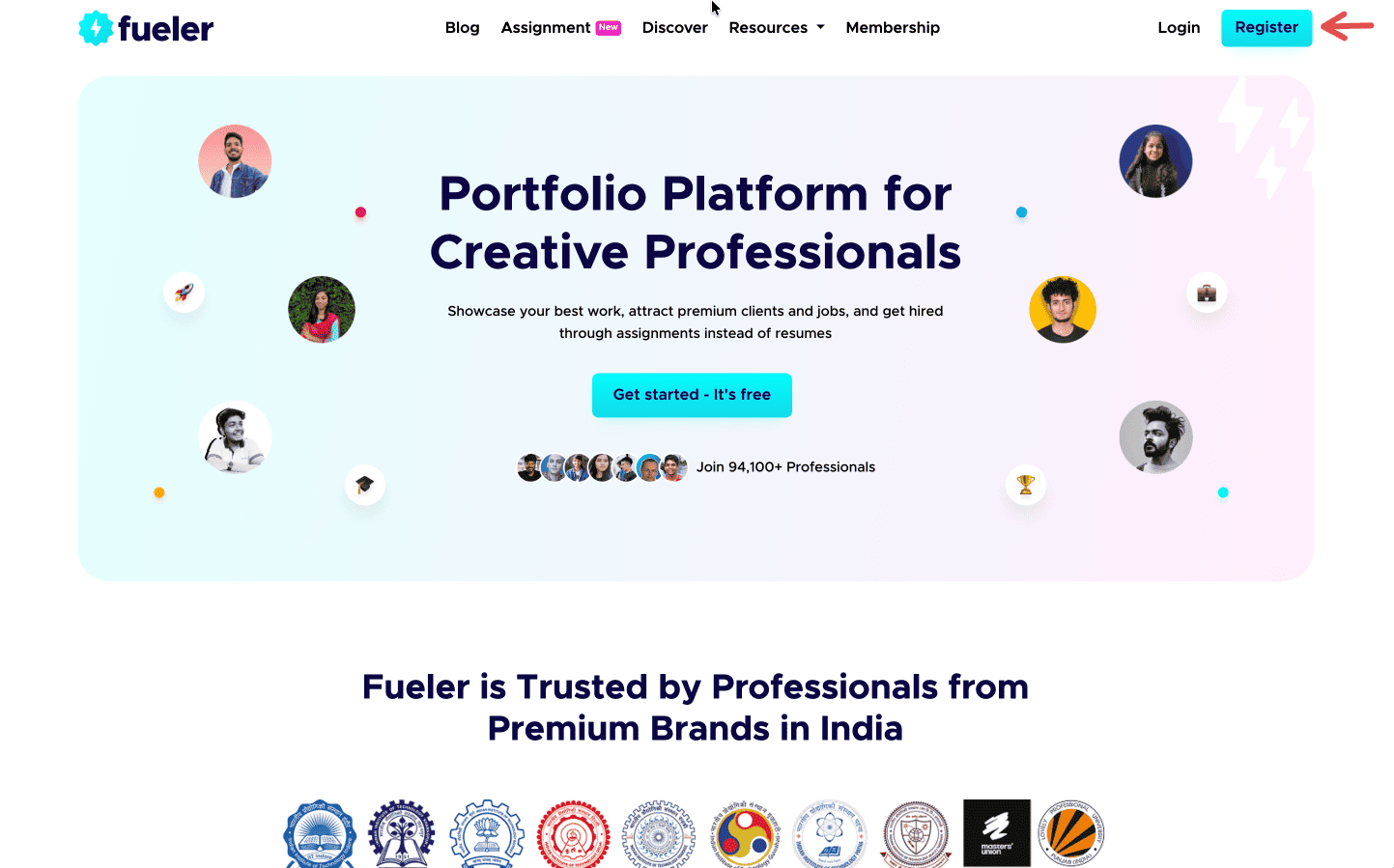
Step 1: Sign up on Fueler.
Head to Fueler.io and create your free account.
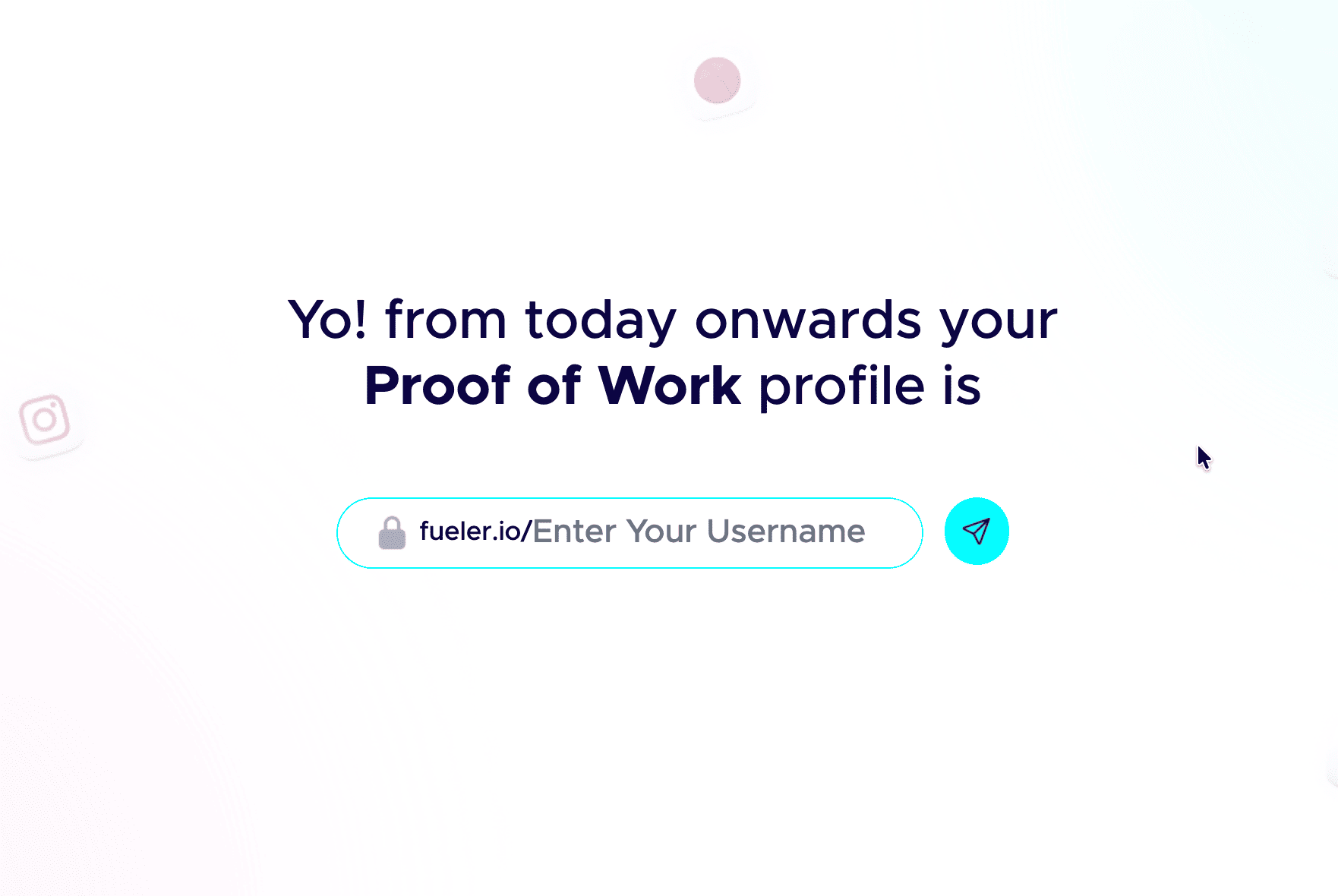
Step 2: Pick a professional handle.
Your handle shows up in your public link, so keep it clean and grown-up. Don’t add nicknames and random numbers. Your name or a simple version of it works best.
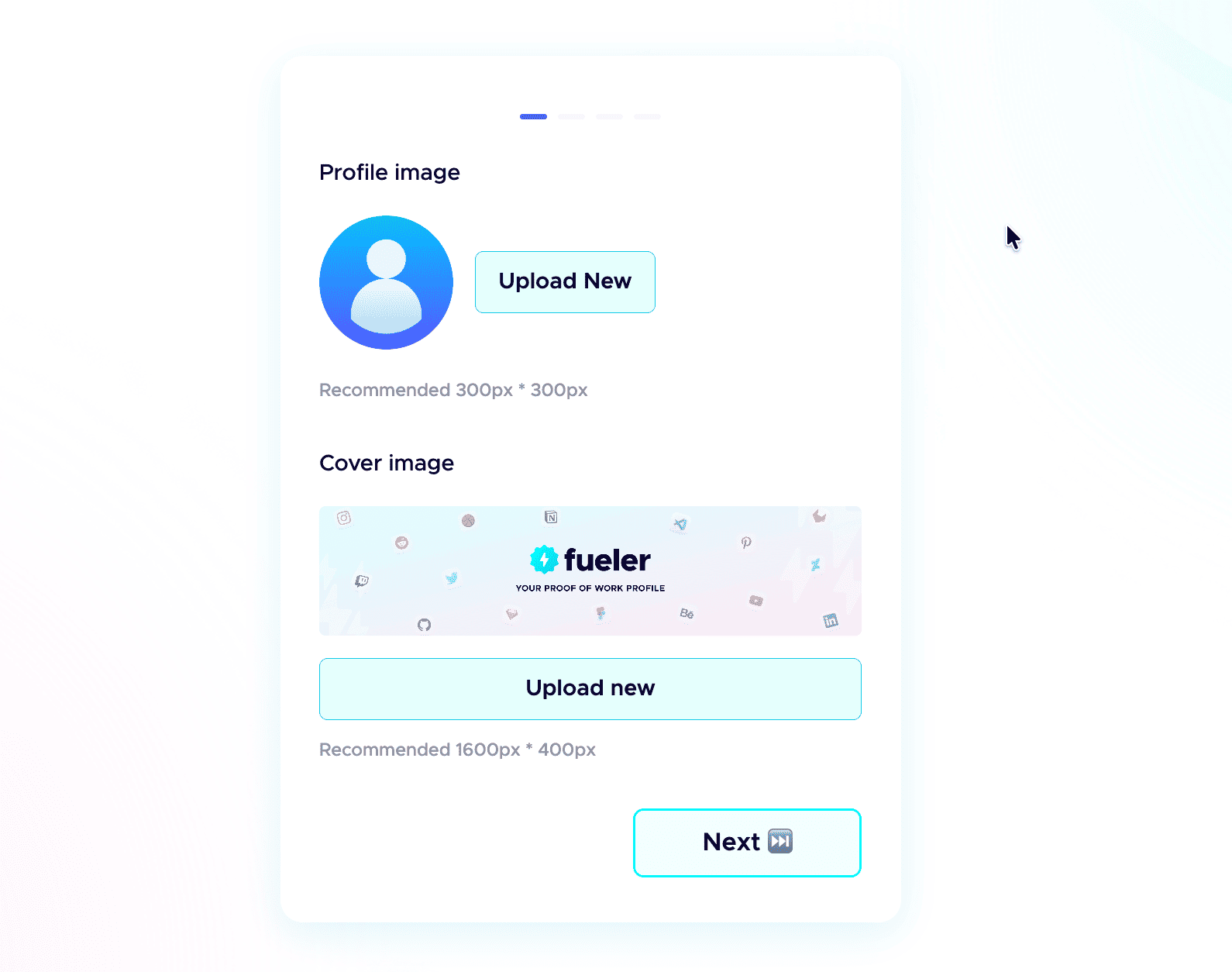
 Step 3: Add a professional profile picture.
Use the same kind of professional photo you would put on LinkedIn. Clear face, good lighting, and a simple background. People trust a real face more than an empty avatar.
Step 4: Write a strong header.
The header is the first thing anyone sees. In one or two short lines, say who you are, what you do, and the kind of work you have done. Make it specific, not vague.
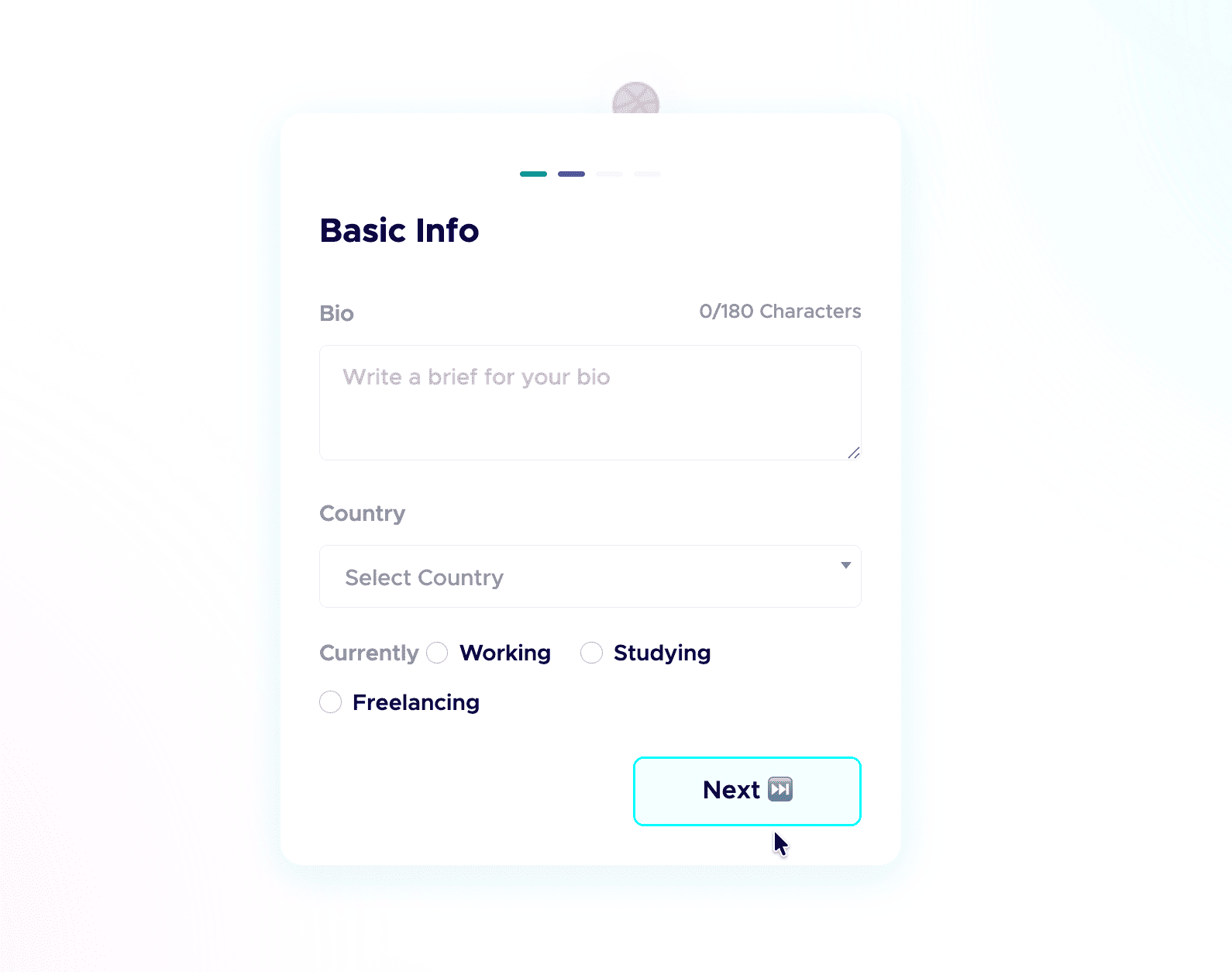
Step 5: Add a short bio.
Tell people who you are and what you do in a few plain sentences. No buzzwords, just enough for a recruiter to get you in five seconds.
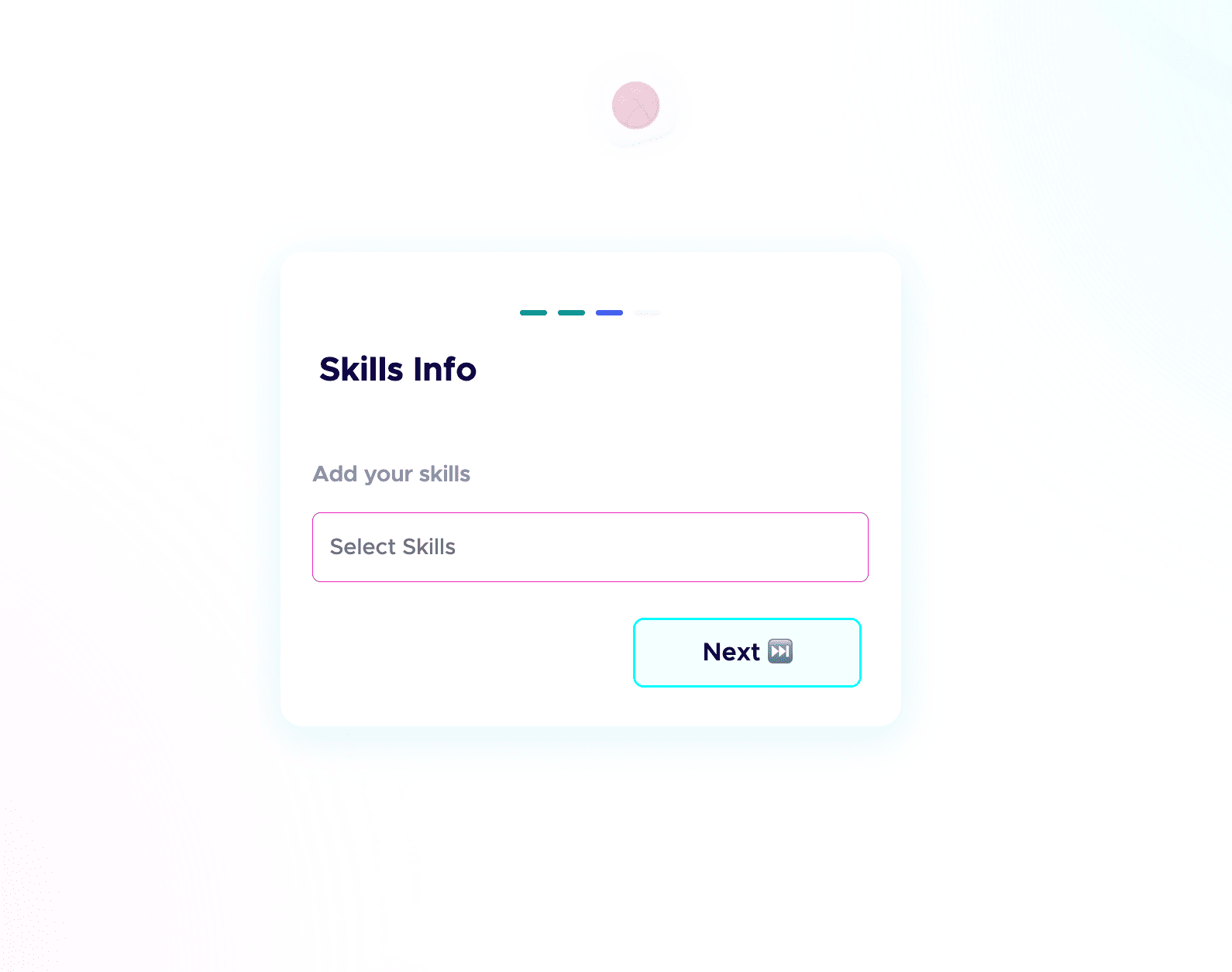
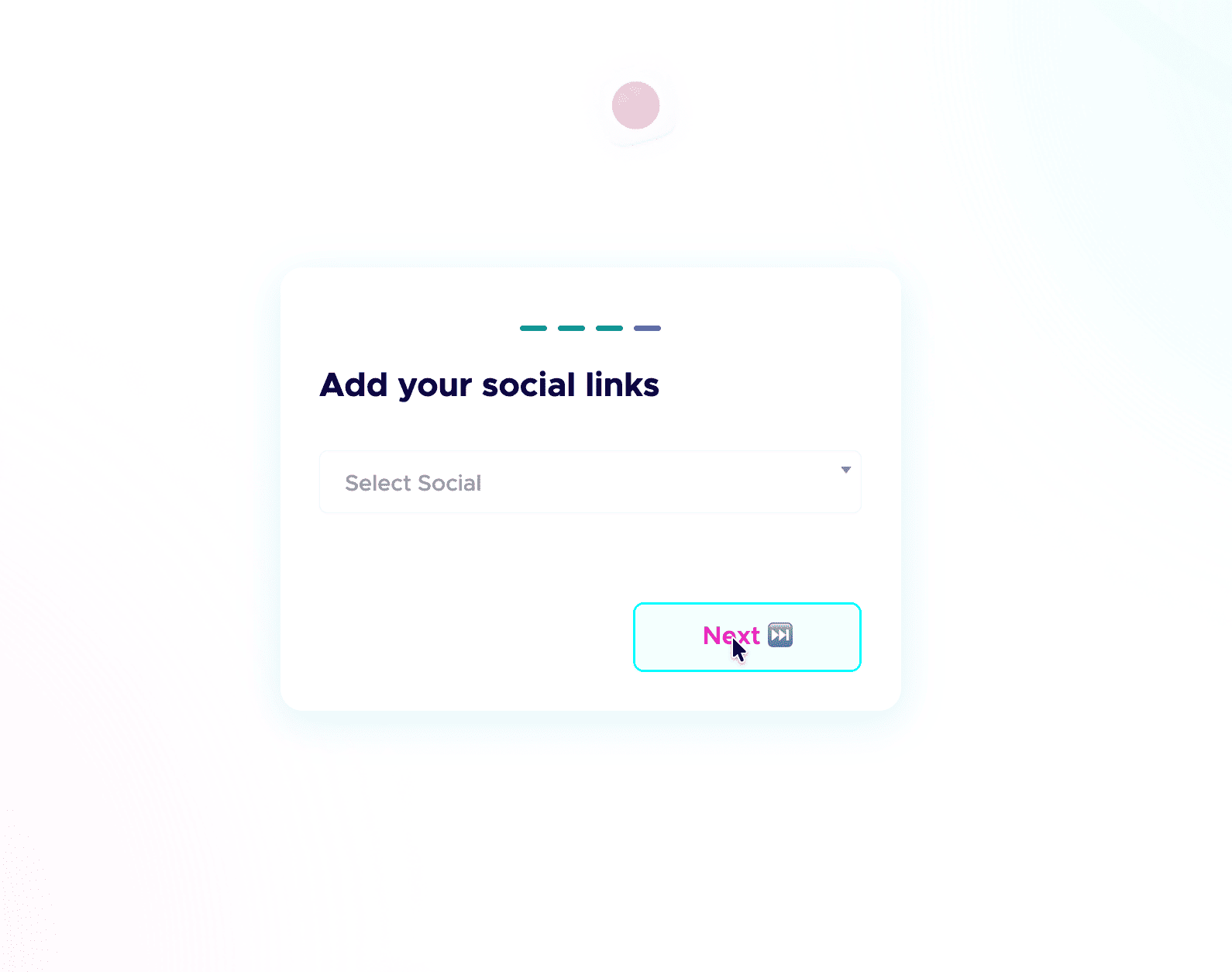
 Step 6: Add your skills and social links.
List the skills you are good at and actually want to be hired for, and connect your socials. People do check your profiles, and active socials build credibility before the first call. Students starting from scratch can follow my student guide to their first portfolio.
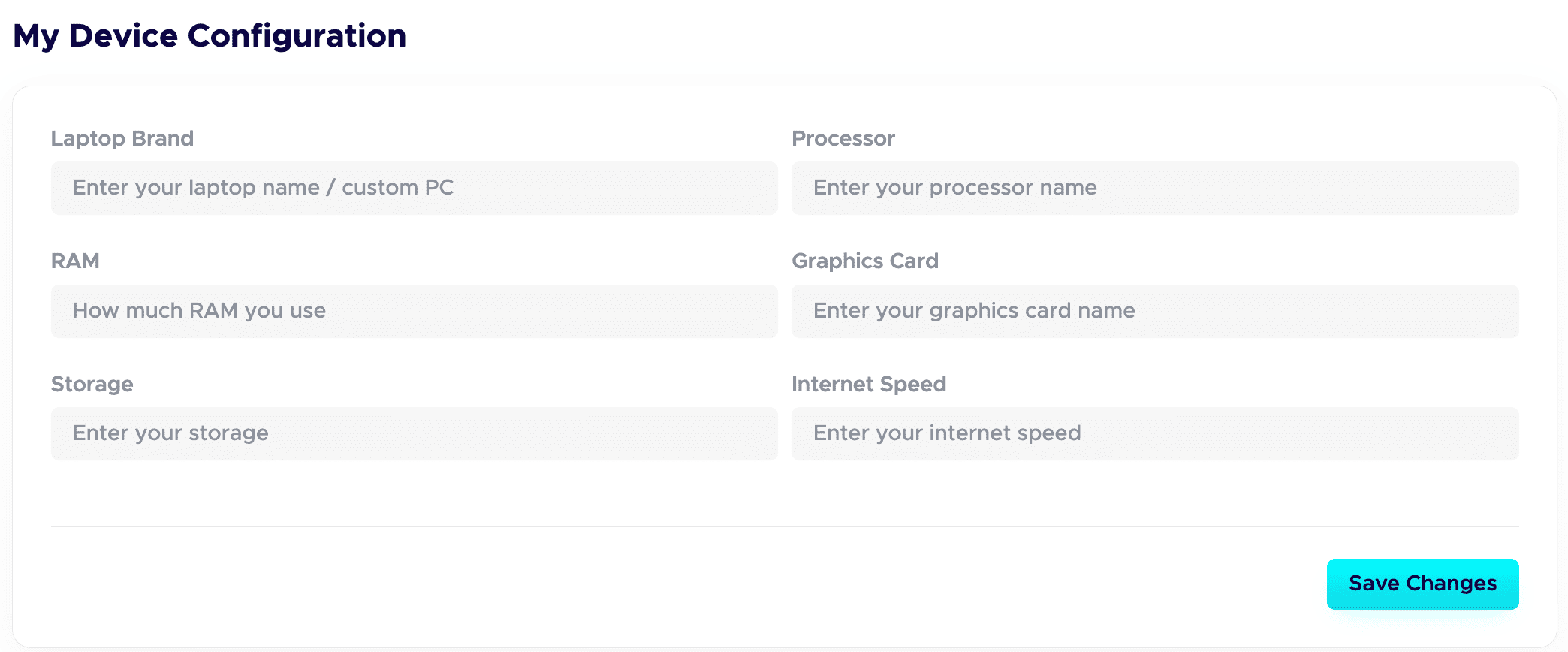
 Step 7: Fill in your Device Configuration.
In your dashboard, set up the Device Configuration section. Add the details about the device you are using. Remote-first companies want to know you have a solid setup to work from. A good setup quietly adds leverage and signals you are ready to deliver.
Step 8: Publish your projects with all the details.
This is a game-changer. Give each project a clear title and a detailed description. Walk through your process: your thinking, the tools you used, the choices you made, and the result. Companies care about how you work, not just the final image.
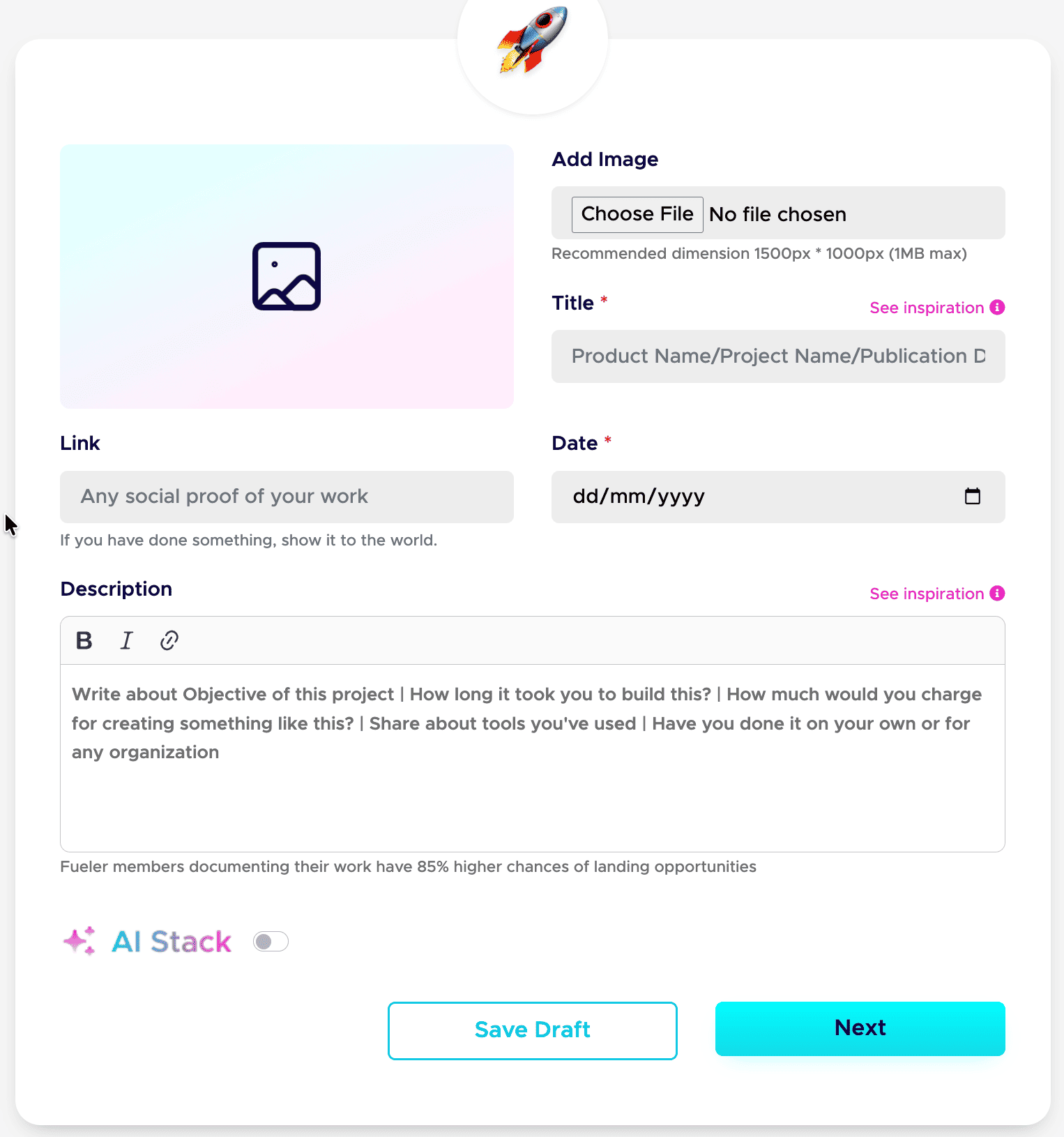
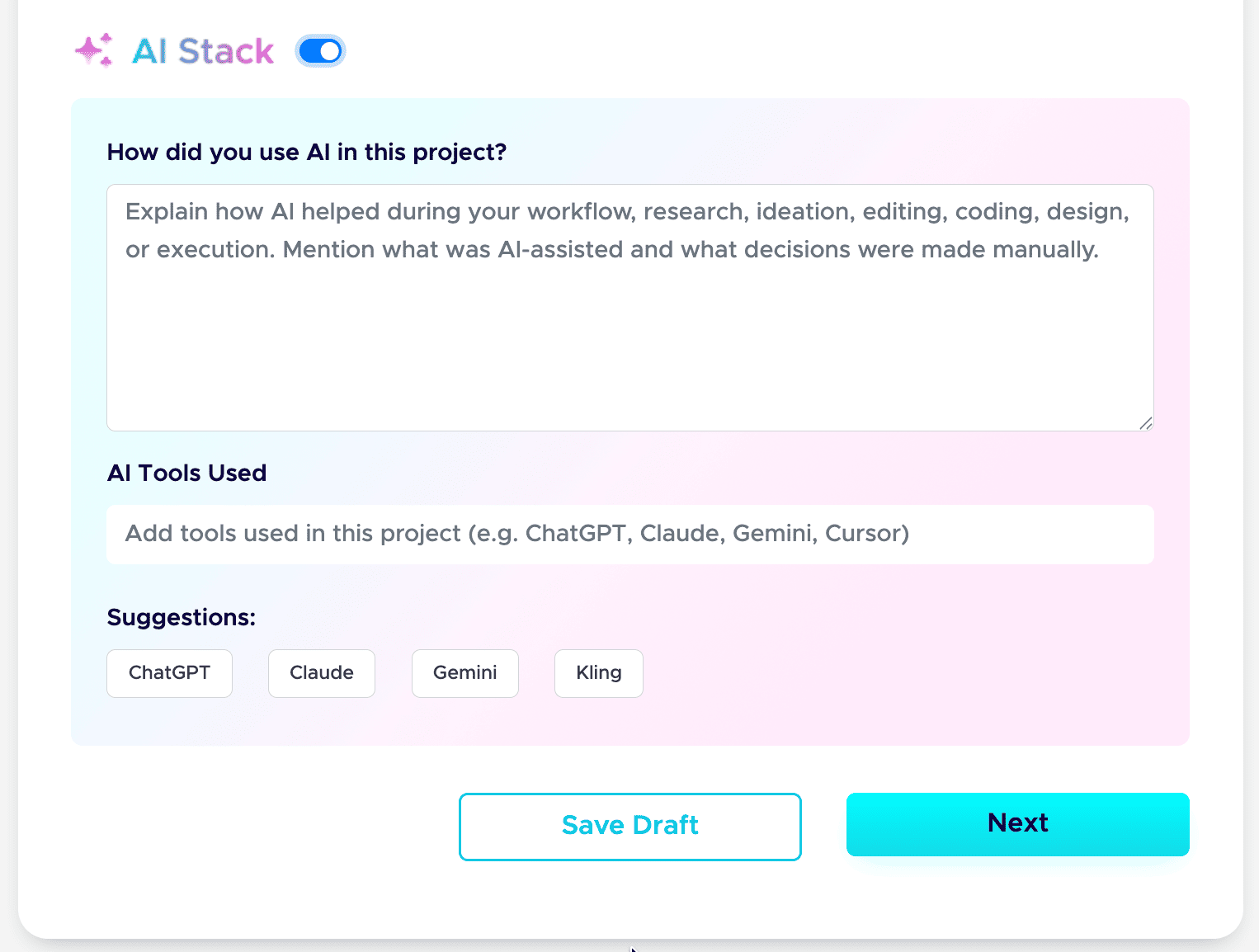
Step 9: Add your AI Stack to each project.
AI is part of real work now, so show it honestly. Use the AI Stack feature to explain how you used AI, which tools you used, and what you did manually. This builds trust instead of raising doubt. Here is the full guide: how to add AI Stack on Fueler.
That is the whole setup. Do these nine steps well, and your profile stops being a static page and starts working as a hiring asset. If you want a tighter version to follow next time, save my 6-step formula for a Fueler portfolio and my breakdown of a career portfolio that actually gets jobs.
Do this once, and you have a link you can drop into your resume, your email signature, and every job application.
How Does This Connect to Building a Strong Career or Portfolio?
Your career velocity is directly throttled by how long it takes a stranger to trust your skills. Relying on an over-engineered website builder creates a massive layer of design noise that distracts recruiters from analyzing your actual execution capabilities. Modern hiring teams use data-driven sorting tools to find professionals who consistently ship real results. Documenting your projects, client campaigns, and operational workflows inside a clean, structured environment establishes immediate institutional credibility. Fueler optimizes this entire loop by turning your daily output into an uncopyable, highly discoverable trail of proof, ensuring your talent gets recognized without the layout headaches.
Final Thoughts
The era of evaluating human talent based on flashy website layouts or static text resumes is officially coming to a close. In a professional landscape that heavily rewards execution velocity and absolute transparency, your proof of work is your only real career insurance policy. The modern winners are not the individuals with the most complicated design configurations, but the ones who can display their project outcomes with the absolute highest clarity. Stop wasting your weekends acting like a junior web developer on legacy builders. Standardize your professional output, build an undeniable trail of execution, and let your real-world results do the talking.
FAQ
Why is a structured proof-of-work profile better than a custom layout in 2026?
Custom layouts prioritize visual fluff over clear, actionable information. A structured profile ensures that hiring managers can find your specific project metrics, team contributions, and methodology immediately without getting lost in confusing website menus or heavy graphic animations.
How much technical experience do I need to move away from legacy builders?
Absolutely zero. The transition requires no coding, template configuration, or design experience because the entire system runs on a streamlined input form, letting you launch an authoritative professional profile within sixty seconds.
Can I connect my own custom domain to a modern portfolio network profile?
Yes, modern platforms allow you to map your personal custom domain directly to your structured profile, giving you the elite branding benefits of an independent URL combined with zero-maintenance infrastructure.
How do modern semantic search engines interact with structured project data?
They index it with incredible efficiency because the underlying code uses standardized schemas, making your project summaries highly readable for AI-driven recruiting algorithms, voice search profiles, and contextual search engines globally.
Is a project-first portfolio effective for non-technical fields like marketing or writing?
It is actually more effective because it forces you to present your work as clear business outcomes, proving to prospective clients that you understand revenue, strategy, and execution rather than just visual aesthetics.
Why 100,000+ professionals use Fueler
Fueler helps professionals showcase proof of work through projects, assignments, case studies, and achievements.
- Thousands of professionals use Fueler to create their digital portfolio
- Thousands of projects are published on Fueler. Check here
- Startups and Companies hire through proof of work on Fueler
- Used by freelancers, creators, marketers, video editors, writers, designers, and product managers
Our mission is to help the next 100 million professionals build a verified professional identity through proof of work

What should you do next?
You've read the article. Now turn your skills into proof of work and unlock more opportunities.
Build your proof of work portfolio
Create a clean portfolio with projects, assignments, resumes, and AI stack details that companies actually want to see.
Create your Fueler portfolio →Apply through assignments, not resumes
Stand out by solving real tasks from companies hiring on Fueler.
Explore assignments →Get discovered by companies
Make your work public and let recruiters discover your skills through actual projects instead of keywords.
Get discovered →
