The Best Framer Portfolio Alternative for Career Growth

Riten Debnath
11 Jul, 2026
Last updated: July 2026
When no-code website builders first arrived, they felt like a superpower for creative professionals. For the first time, you could design complex layout systems and interactive scroll animations without writing a single line of code. But as the job market tightens, a beautiful website is no longer enough to close high-ticket deals or land full-time roles. The internet has hit a wall of aesthetic fatigue.
I’m Riten, founder of Fueler, a skills-first portfolio platform that connects talented individuals with companies through assignments, portfolios, and projects, not just resumes/CVs. Think Dribbble/Behance for work samples + AngelList for hiring infrastructure.
In 2026, companies are moving at lightning speed, and hiring managers simply do not have the time to navigate over-engineered personal landing pages. They want to see what you have shipped, how you collaborate, and the tangible metrics behind your projects.
In this blog, we will analyze why traditional design-heavy sites are slowing down your career momentum and look at the ultimate proof-of-work alternative. You will learn how shifting from a visual canvas to a structured evidence stream protects your time, automates your professional distribution, and gets your work directly in front of fast-growing teams.
1. The Friction of Traditional Web Canvas Builders
Traditional design tools treat your portfolio like an empty print magazine page where you have to micromanage every font size and box alignment. While this gives you total design control, it introduces immense technical friction when all you want to do is show your latest project. Every new upload turns into an afternoon of debugging responsive mobile layouts.
When your portfolio tool requires deep layout optimization, you spend more time acting as a web designer than focusing on your core profession.
- Micromanaging responsive breakpoints across mobile, desktop, and tablet views takes hours of unpaid layout troubleshooting for every single case study you add, leaving you staring blankly at a screen wondering why a single text box broke your entire mobile presentation view.
- Slow page loading speeds caused by heavy custom animations, unoptimized scripts, and complex canvas rendering can cause impatient clients to click away before they even get a chance to see your work, completely defeating the purpose of your fancy layout.
- Complex canvas layouts frequently glitch across different web browsers, creating a broken visual experience that accidentally harms your professional credibility when a high-paying client opens your link on a browser you forgot to double-check.
- Setting up custom domain routing, SSL certificates, and metadata configurations forces you to handle deep infrastructure tasks instead of creating high-quality work, effectively turning your evenings into a tech-support session for a website that should just be working.
- Navigating an over-engineered workspace introduces a massive learning curve that delays your ability to push time-sensitive work updates out to the market quickly, meaning your best projects sit hidden on your hard drive while you fight the user interface.
Why It Matters
Your portfolio shouldn't be a secondary software project that you constantly have to fix. Removing layout friction ensures your energy goes entirely into polishing your actual work, allowing you to showcase new milestones the minute they happen.
2. Why Modern Hiring Teams Bypass Resumes for Proof of Work
The resume is flat, static, and easily inflated, leading to massive hiring fatigue among modern founders and talent teams. In contrast, an evidence-based timeline shows the actual process, files, and live links of what you have built. Organizations are actively looking for clear proof of execution over paragraphs of self-proclaimed skills.
Decision-makers today want to see the dirty middle of your projects, the drafts, the iterations, and the concrete outcomes of your efforts.
- True project timelines show the exact step-by-step progress of your work, making your professional capabilities completely transparent to outside observers who want to verify that you actually built the things you claim instead of just taking credit for them.
- Including live links, repository URLs, and original documentation builds instant trust that cannot be replicated by a simple bulleted resume list, allowing prospective employers to test your deliverables in real-time rather than simply taking your word for it.
- Showcasing your work chronologically proves consistent professional growth and execution over months and years rather than a single static snapshot, creating a compelling narrative of continuous learning that makes you stand out from candidates who only update things yearly.
- Contextual descriptions explain the exact business problems you solved, demonstrating your strategic thinking alongside your practical execution skills, which proves to founders that you actually understand the commercial goals behind the tasks you are assigned to complete.
- Publicly visible proof of work acts as an automated vetting mechanism, dramatically reducing the number of boring screening rounds and generic take-home assignments you have to endure during competitive interview loops because your skills are already fully proven online.
Why It Matters
When you lead with verified proof, you shift the hiring conversation from "What can you do?" to "Look at what I have already shipped." This subtle change positions you as a low-risk, high-return asset for any team.
3. Shifting From Complex Layout Tweaking to Rapid Publishing
If publishing your latest contract project takes more than two minutes, your portfolio system is actively holding your career back. A healthy professional workflow requires a frictionless publishing stream where you can document outcomes instantly. The faster you can ship updates, the more visible your professional momentum becomes to the market.
Streamlined publishing engines remove the intimidation of the blank canvas, turning portfolio updates into a simple, routine habit.
- Input-driven publishing dashboards let you paste your project links and descriptions without opening a complex visual layout editor, saving you from the paralyzing anxiety of deciding where to drag a button just to show off a new client project.
- Standardized, pristine content blocks ensure your case studies look perfectly balanced and highly readable on every modern device automatically, removing the need to test your work on multiple smartphones just to make sure the text is fully readable.
- Instant update distribution allows you to share fresh freelance contributions or side projects with potential leads while interest is high, striking while the iron is hot instead of waiting until you have the energy to redesign a website page.
- Clean, minimalist presentation structures force you to focus entirely on writing high-impact copy that explains your specific project value, ensuring that your actual achievements shine through clearly without getting buried under a mountain of flash animations.
- Eliminating visual design blocks helps you maintain a highly uniform, scannable, and polished digital presence with absolutely zero effort, giving you a world-class professional profile that looks completely cohesive without requiring a dedicated design degree.
Why It Matters
Frictionless updates mean you will actually keep your profile current. A living, breathing feed of your recent work generates significantly more inbound interest than an abandoned, heavily styled website from two years ago.
4. How to Create an Impactful Portfolio on Fueler
Building a high-converting profile on Fueler requires no complex design background or long development timelines. The system is engineered to take your scattered project links, documents, and screenshots and organize them into an authoritative proof-of-work engine. Follow this simple setup guide to get your digital profile live and discoverable today.
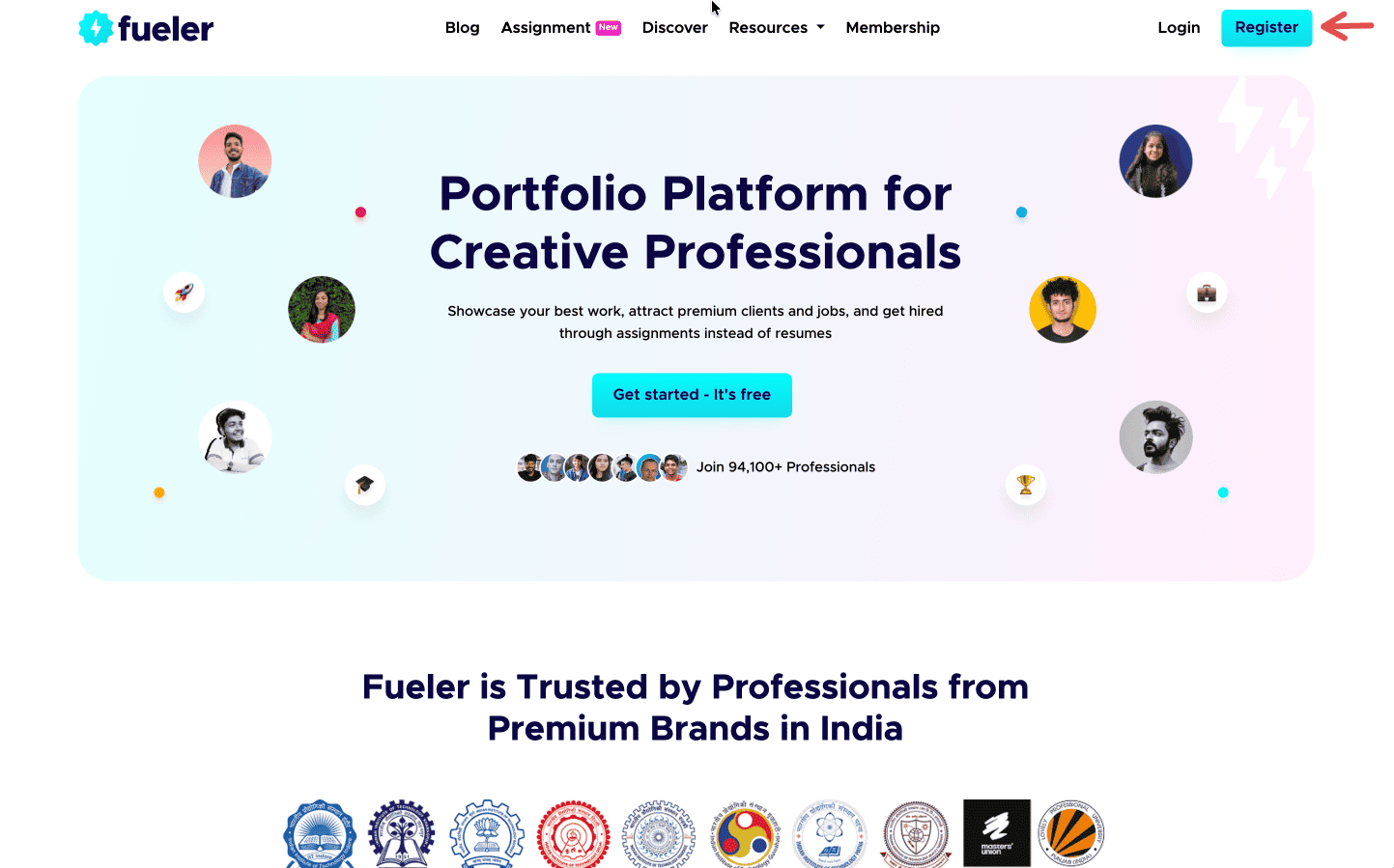
Step 1: Sign up on Fueler.
Head to Fueler.io and create your free account.
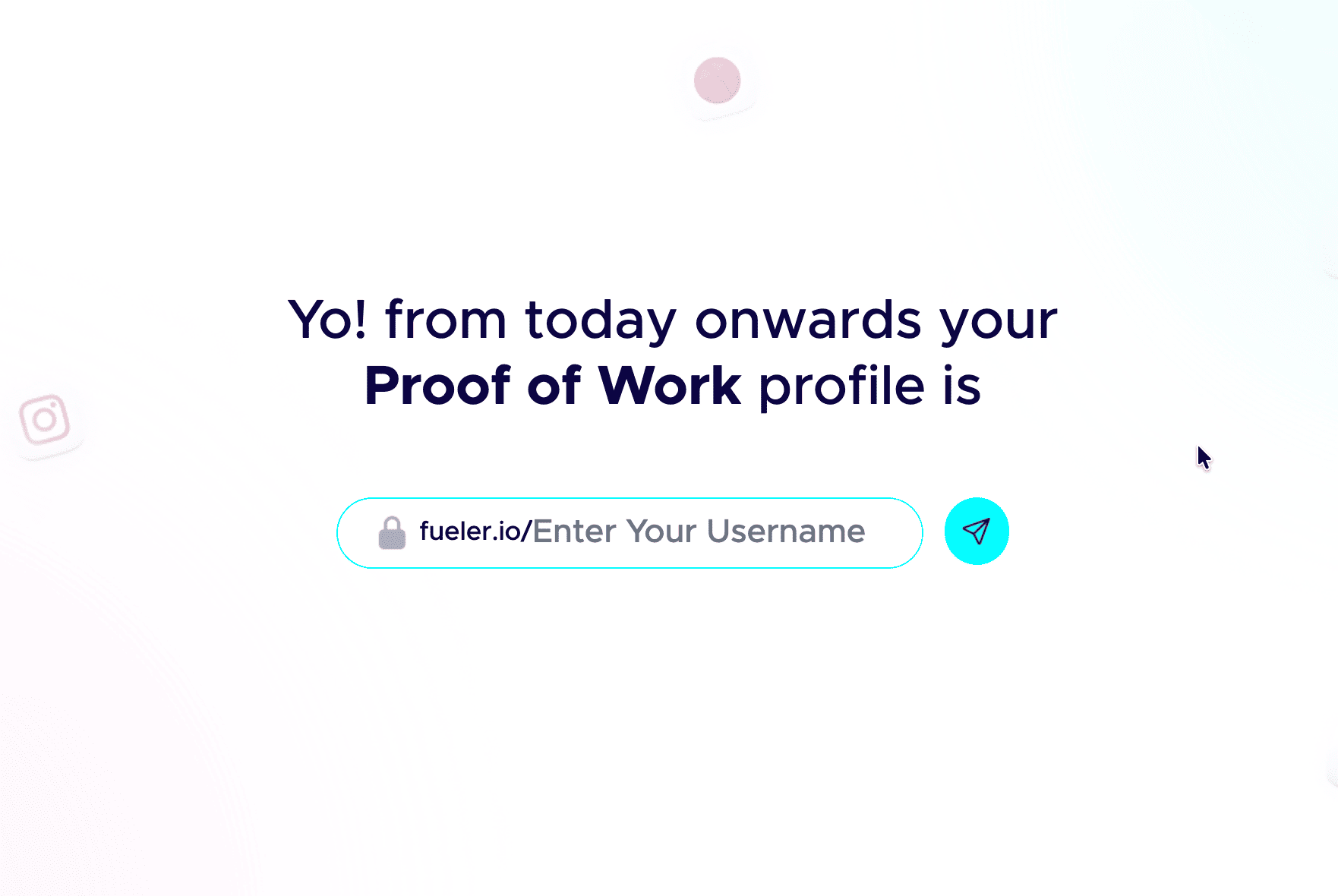
Step 2: Pick a professional handle.
Your handle shows up in your public link, so keep it clean and grown-up. Don’t add nicknames and random numbers. Your name or a simple version of it works best.
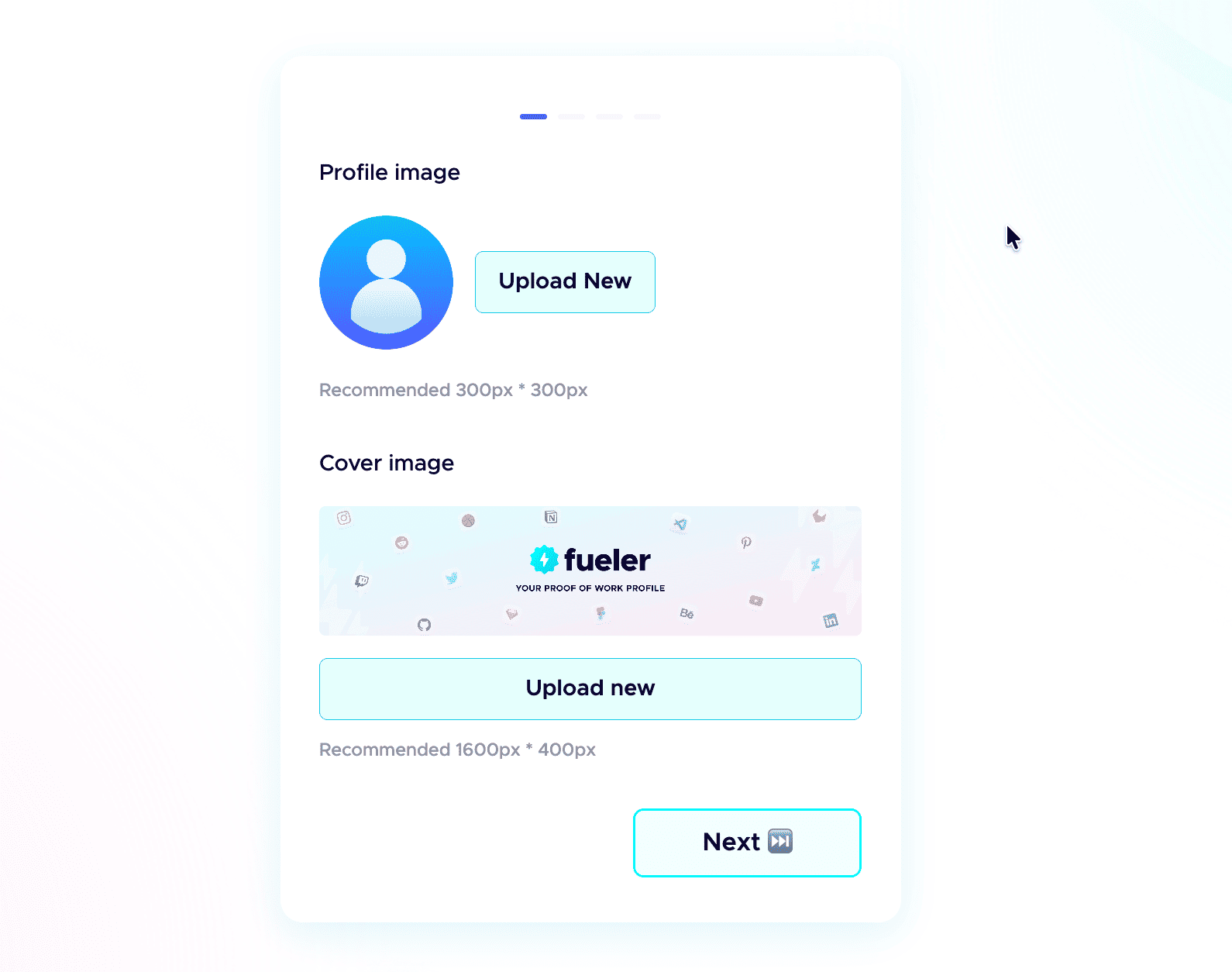
 Step 3: Add a professional profile picture.
Use the same kind of professional photo you would put on LinkedIn. Clear face, good lighting, and a simple background. People trust a real face more than an empty avatar.
Step 4: Write a strong header.
The header is the first thing anyone sees. In one or two short lines, say who you are, what you do, and the kind of work you have done. Make it specific, not vague.
Step 5: Add a short bio.
Tell people who you are and what you do in a few plain sentences. No buzzwords, just enough for a recruiter to get you in five seconds.
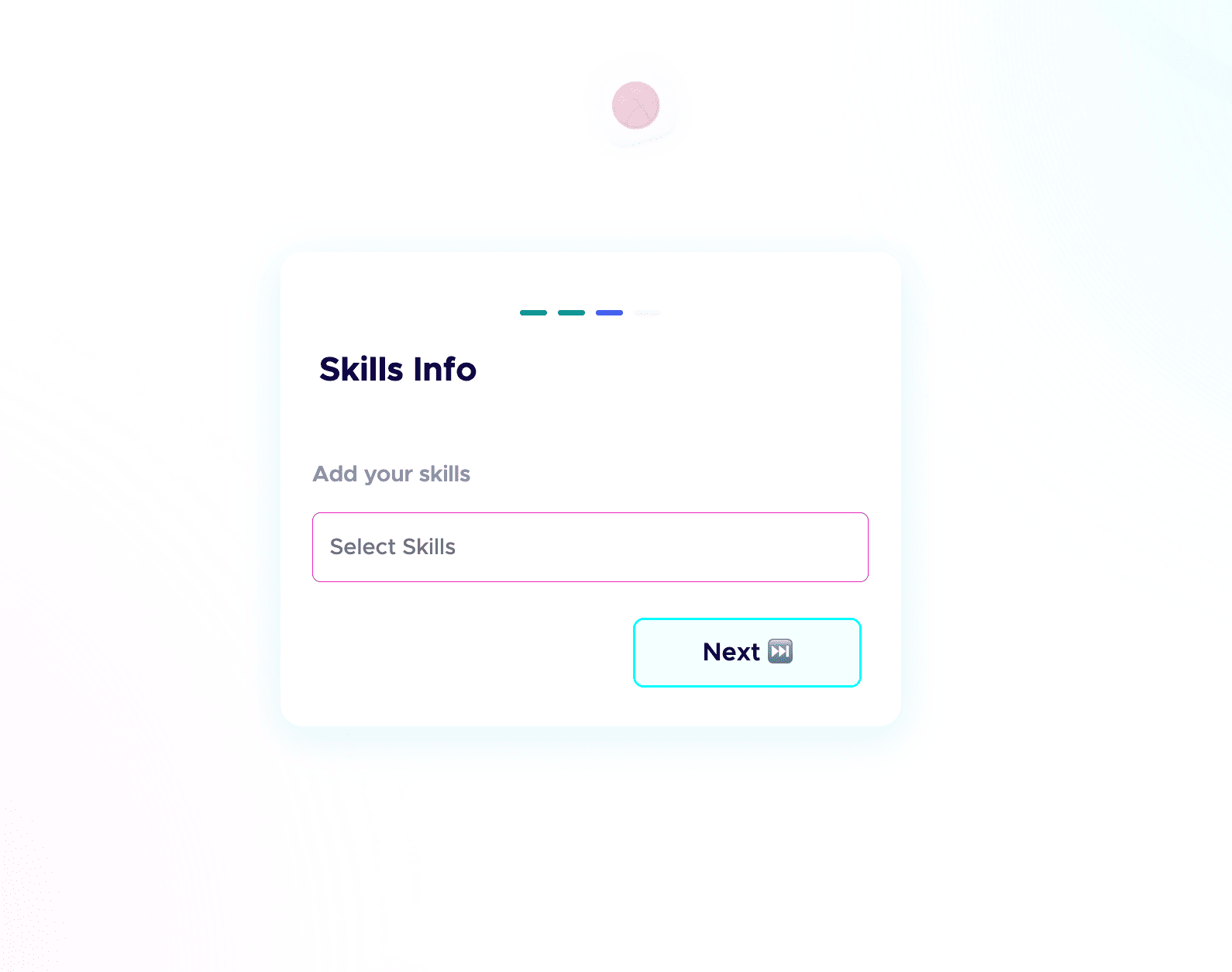
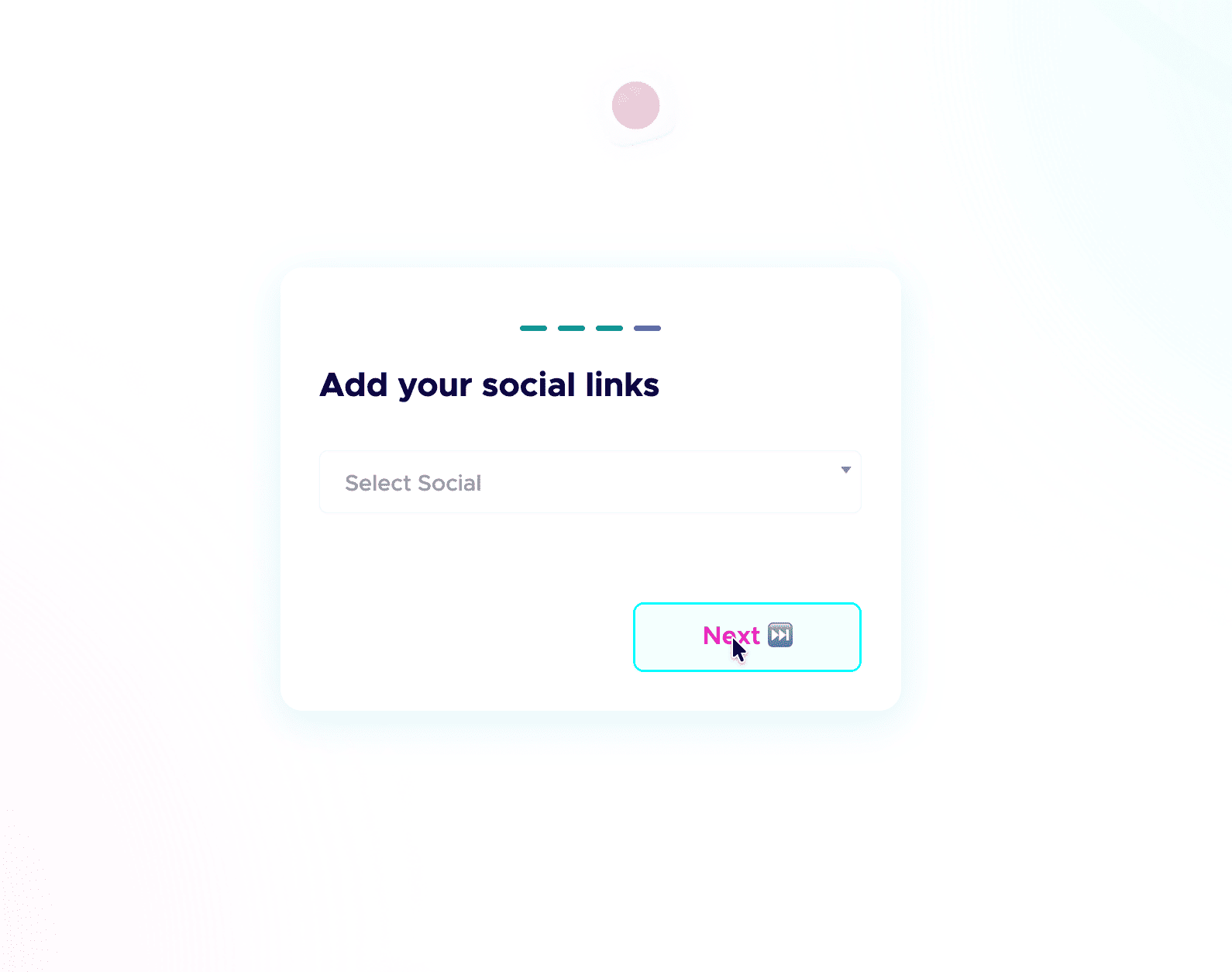
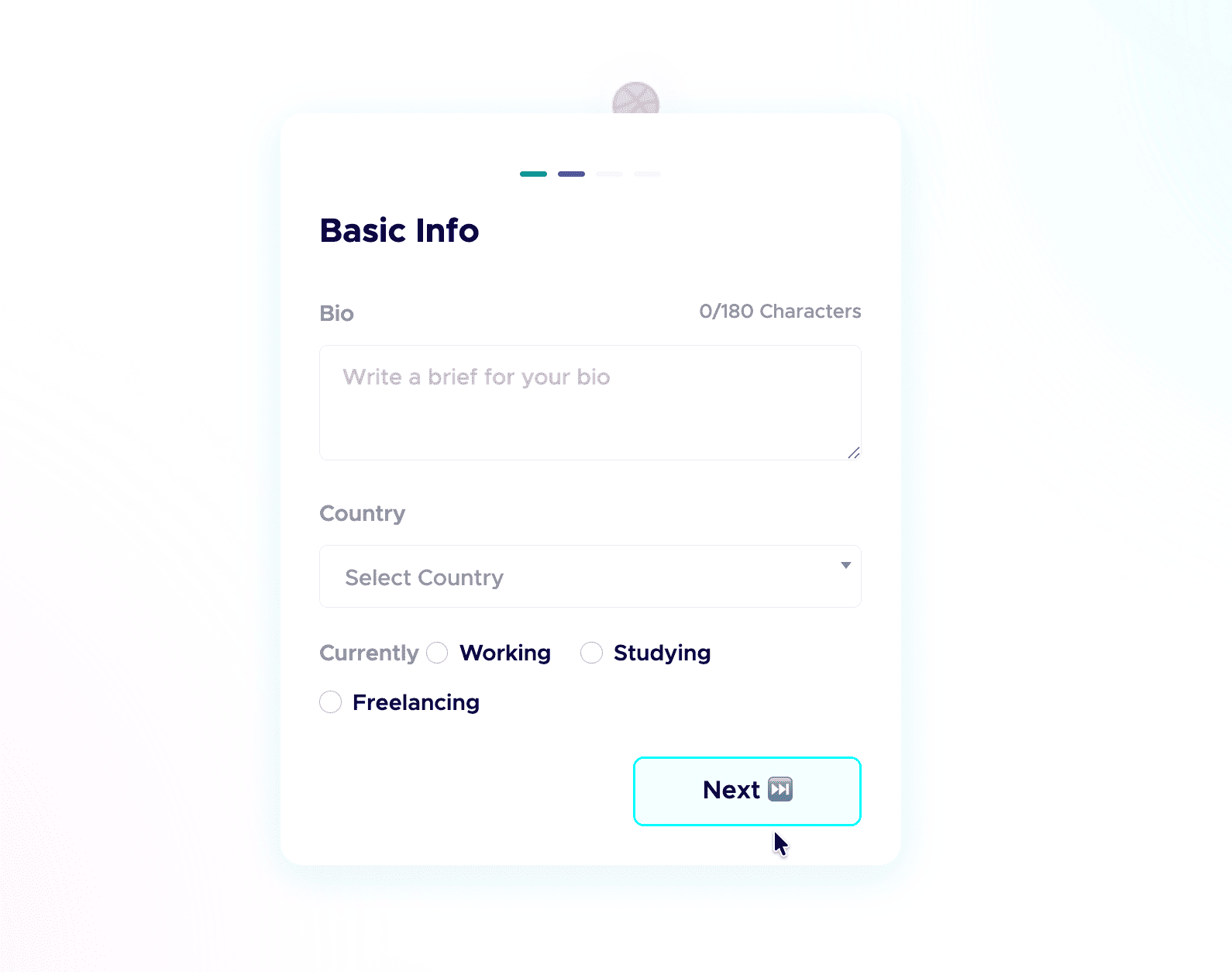 Step 6: Add your skills and social links.
List the skills you are good at and actually want to be hired for, and connect your socials. People do check your profiles, and active socials build credibility before the first call. Students starting from scratch can follow my student guide to their first portfolio.
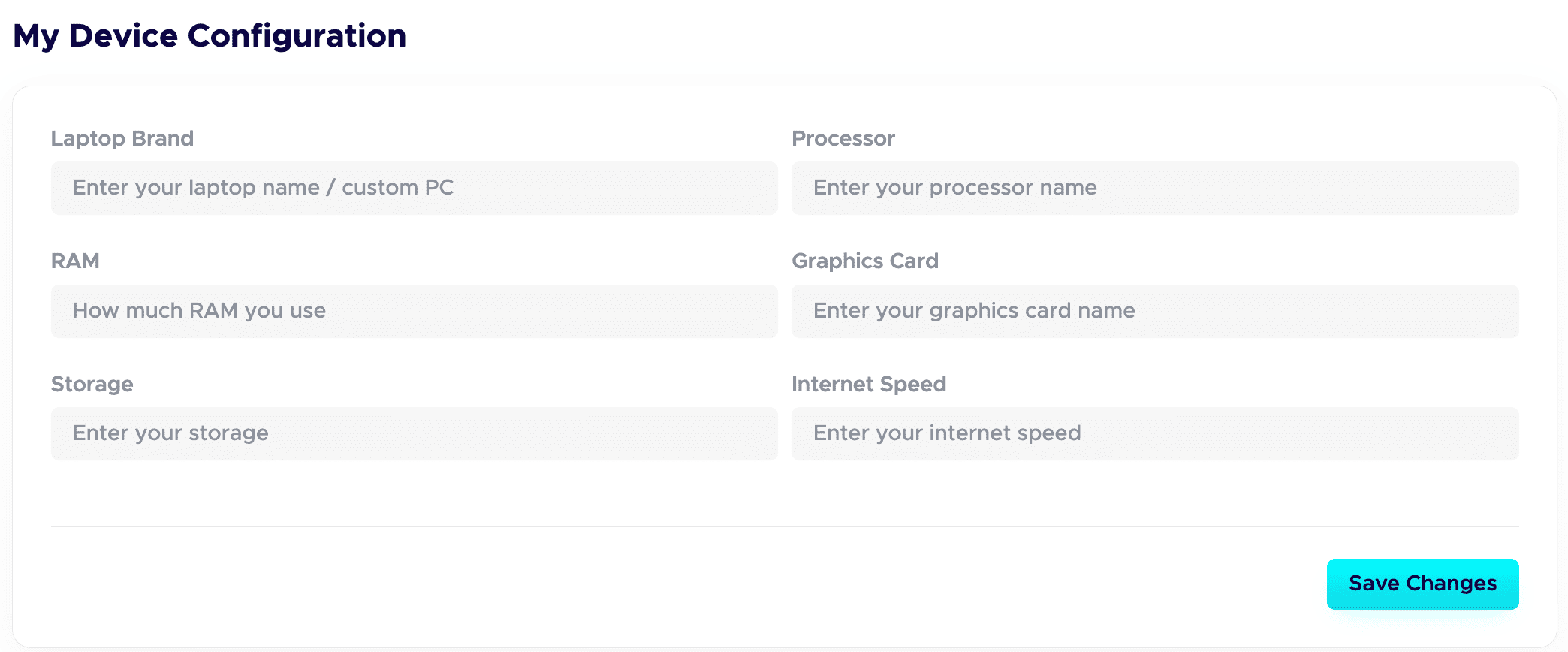
 Step 7: Fill in your Device Configuration.
In your dashboard, set up the Device Configuration section. Add the details about the device you are using. Remote-first companies want to know you have a solid setup to work from. A good setup quietly adds leverage and signals you are ready to deliver.
Step 8: Publish your projects with all the details.
This is a game-changer. Give each project a clear title and a detailed description. Walk through your process: your thinking, the tools you used, the choices you made, and the result. Companies care about how you work, not just the final image.
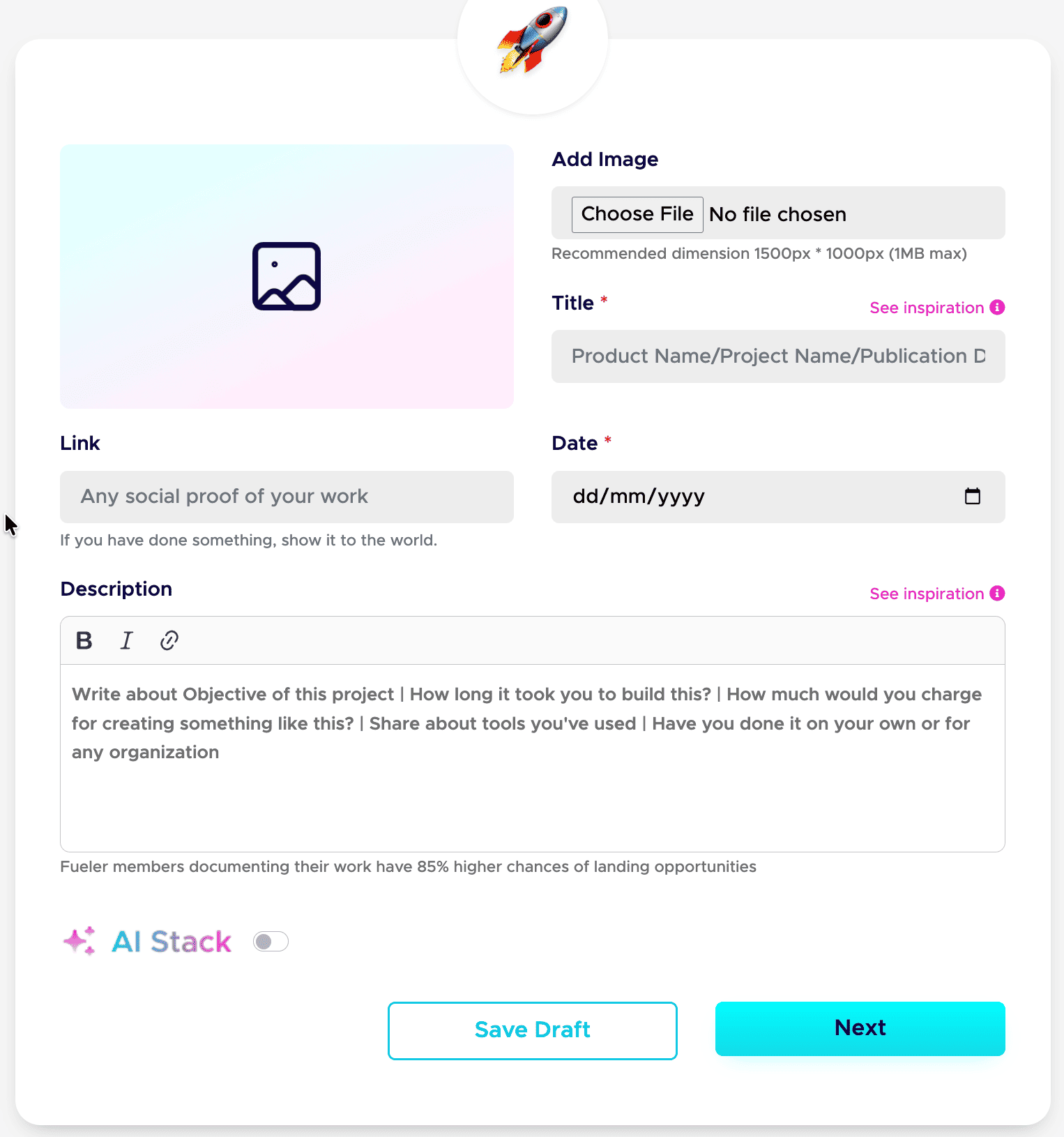
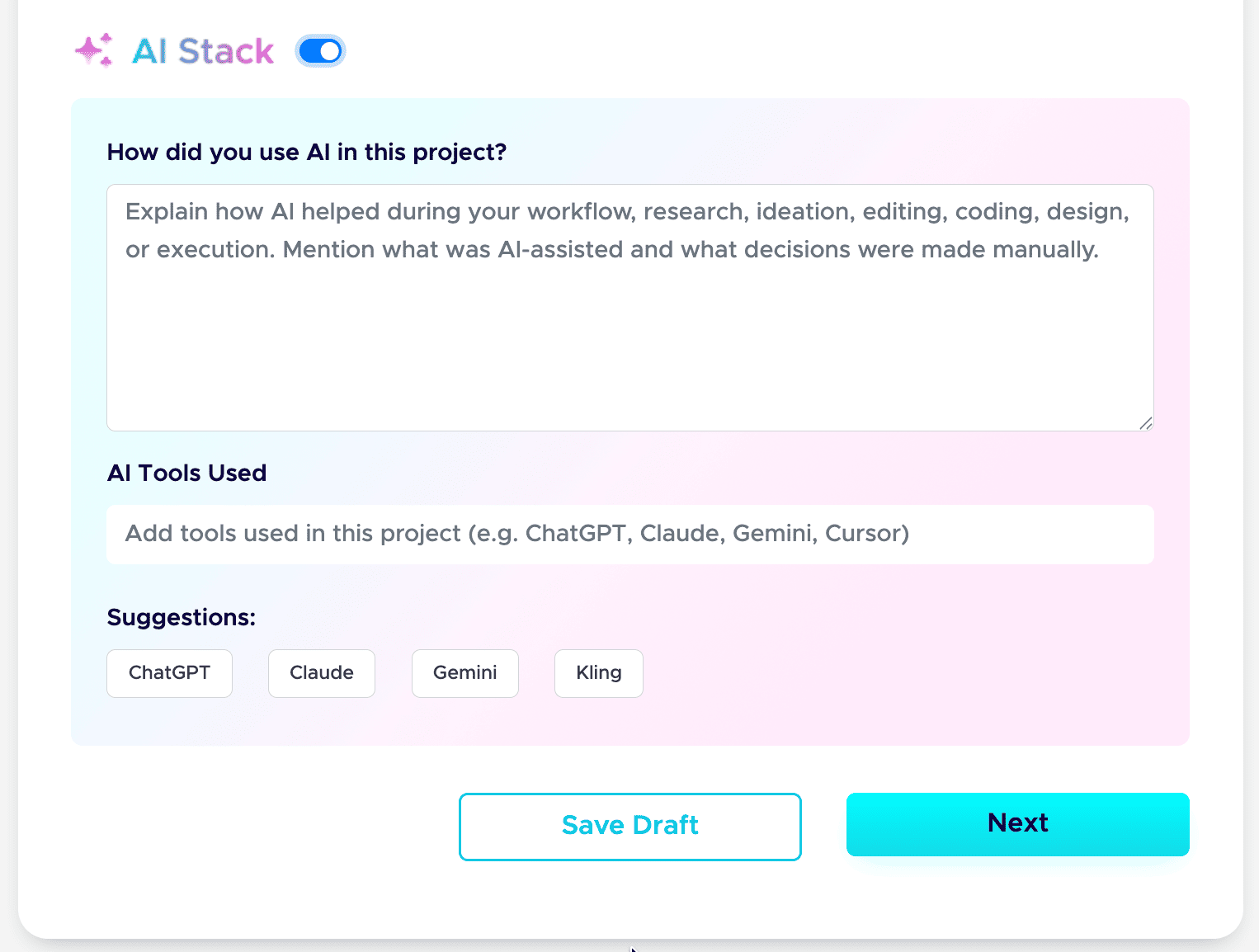
Step 9: Add your AI Stack to each project.
AI is part of real work now, so show it honestly. Use the AI Stack feature to explain how you used AI, which tools you used, and what you did manually. This builds trust instead of raising doubt. Here is the full guide: how to add AI Stack on Fueler.
That is the whole setup. Do these nine steps well, and your profile stops being a static page and starts working as a hiring asset. If you want a tighter version to follow next time, save my 6-step formula for a Fueler portfolio and my breakdown of a career portfolio that actually gets jobs.
Do this once, and you have a link you can drop into your resume, your email signature, and every job application.
5. Built-In Discovery vs. Building in an Empty Desert
When you host a personal portfolio on an isolated custom domain, you are building on a deserted island. You are entirely responsible for handling your own SEO, social media distribution, and traffic generation just to get eyes on your work. Transitioning to a centralized professional ecosystem gives your projects immediate access to an active talent marketplace.
Being part of a searchable, unified talent network fundamentally changes how your work is discovered by modern hiring managers.
- Native platform search directories allow corporate talent scouts to filter profiles by highly specific project categories and skill tags, bypassing traditional job boards entirely to find active practitioners who are actively shipping high-quality work out in the open.
- Centralized community feeds showcase recently published proof of work, driving organic views to your projects without manual self-promotion, meaning you can pull traffic and profile views while you sleep without having to beg for shares on social media.
- Algorithmic work curation helps your high-quality case studies bubble up to the surface naturally based on depth, not marketing spend, ensuring that genuine talent wins over companies with massive advertising budgets who try to buy their way to attention.
- Shared profile networks allow founders to effortlessly browse connected creators and save profiles for upcoming contract assignments or full-time roles, building an ongoing digital Rolodex of reliable operators they can reach out to the moment a project scales up.
- System-wide metadata structure ensures your individual project pages are easily scraped and highly readable by modern search engines, turning your past work into a passive organic discovery funnel that brings prospective clients straight to your digital doorstep.
Why It Matters
You should spend your time practicing your craft, not fighting distribution algorithms. Built-in discovery networks ensure that your documented execution finds its way into the hands of the right decision-makers automatically.
6. Transparent Collaboration Through Multi-Author Tagging
Most modern professional achievements are the result of cross-functional team collaboration, yet traditional web builders force you to take isolated credit. When you cannot properly acknowledge your team members, your portfolio fails to reflect how you actually operate inside a real company. True proof of work actively embraces collaborative transparency.
Integrated collaboration networks allow multiple professionals to link their profiles directly to a singular, shared project node.
- Multi-author tagging lets you instantly credit your developers, designers, and copywriters on a single project card for clear, honest attribution, showing the world that you are a secure operator who values teamwork over hoarding all the professional glory.
- Appearing on your teammates’ live profiles expands your organic reach, putting your work in front of their clients and professional connections automatically, which acts as a massive referral engine that operates completely in the background of your career.
- Documenting team projects mimics genuine workplace environments, showing prospective managers that you understand collaborative workflows and toolsets, proving you can step into an active corporate environment on day one without creating operational friction or communication issues.
- Transparent attribution prevents industry plagiarism and builds massive professional integrity, as your peers actively validate your involvement in the work, creating an unbreakable chain of trust that makes it impossible for bad actors to fake your skill level.
- Shared project links let employers smoothly jump between different team members to analyze who handled each phase of the execution, offering hiring managers a comprehensive, clear view of how a high-performing squad coordinates to bring an asset to market.
Why It Matters
Hiring is entirely a trust game. Utilizing shared project tagging provides automatic social validation from your peers while dramatically expanding your discovery footprint across multiple personal networks.
7. Zero Infrastructure Maintenance and Predictable Economics
Worrying about breaking theme updates, plugin vulnerabilities, and constantly climbing software subscription tiers is an expensive distraction. The moment your custom portfolio site breaks due to a faulty code snippet or an expired widget, you lose active client opportunities. Your professional hub needs to remain completely stable and lightweight without constant technical maintenance.
Hosted profile frameworks provide a permanent, resilient infrastructure that manages speed, hosting, and security without hidden monthly costs.
- Managed profile systems eliminate the risk of unexpected site crashes caused by code conflicts during critical client evaluation windows, keeping your profile operational when an enterprise stakeholder is reviewing your case studies for a high-value contract consideration.
- Highly predictable pricing models keep your portfolio online permanently without forcing you into expensive, complex web development tiers, ensuring you do not get slapped with a massive bill just because your personal landing page experienced a temporary traffic spike.
- Zero-configuration deployment means you never have to waste your weekends managing SSL certificates, database hosting, or content delivery networks, freeing you up to spend your free time actually resting or working on your actual paid client assignments.
- Continuous background platform updates keep your profile fast, modern, and highly secure without requiring manual data migrations, meaning your digital footprint evolves along with modern web standards without forcing you to rewrite a single line of layout settings.
- Optimized page architectures ensure exceptionally fast global loading speeds, preventing potential clients from bouncing due to slow rendering, which is especially vital when busy startup founders are reviewing your work while traveling on weak mobile connections.
Why It Matters
Your digital portfolio is your core career infrastructure. Eliminating technical maintenance and financial unpredictability ensures that your proof of work stays accessible to the market without becoming a time-consuming chore.
8. Structuring Data for Modern AI Search and LLM Retrieval
In 2026, tech founders and recruiters aren't just searching through static lists; they are using AI search engines to locate specialized talent. If your portfolio is buried inside unoptimized image blocks and chaotic website layouts, AI scrapers cannot understand your skills. Your work must be organized into clear data blocks so LLMs can easily read and recommend you.
Structuring your projects with clear metadata and plain-text descriptions makes your profile highly discoverable to algorithmic talent sourcing tools.
- Text-first project architectures allow conversational AI models to effortlessly scan your technical skills, workflows, and past industry experience, making sure you show up as a top candidate when an automated agent runs a search for your specific niche expertise.
- Semantic project headlines make it simple for modern search bots to pull your specific profile as a direct citation, turning your past project history into an active informational asset that large language models confidently present to executives seeking specialized help.
- Standardized data layouts help artificial intelligence systems rapidly summarize your career trajectory for matching inbound corporate requests, ensuring that your core capabilities are never misclassified or looked over due to an unreadable, non-standard custom website theme.
- Strategic keyword integration within structured project blocks naturally elevates your visibility inside automated enterprise hiring pipelines, helping you effortlessly clear the first machine-driven vetting loops that modern companies use to screen through massive amounts of incoming applicants.
- Clean, machine-readable case studies ensure your profile ranks beautifully when clients use natural language prompts to source niche freelance operators, placing your verified proof of work directly into the conversational summaries that modern decision-makers use to build talent shortlists.
Why It Matters
The way the world discovers information has permanently shifted. Optimizing your professional proof of work for machine retrieval ensures you land on internal shortlists generated by automated talent search engines.
How Does This Connect to Building a Strong Career or Portfolio?
Your long-term career growth is dictated entirely by your public proof of work. Modern hiring pipelines are completely bypassing traditional resumes in favor of clear, verifiable execution metrics. By cleanly documenting your project milestones on Fueler, you build an unassailable ledger of capability that establishes immediate trust with founders and automates your inbound career opportunities.
Final Thoughts
The professionals who win the best roles are those who realize that clarity and proof always outperform complex visual layouts. As website builders become increasingly complicated and heavy, moving to a structured proof-of-work framework is the ultimate career optimization. Focus your energy on solving real problems, document your outcomes cleanly, and let your shipped projects do the talking. In 2026, speed, clarity, and verified evidence are your ultimate career assets.
FAQs
Why are professionals switching from visual web builders to Fueler?
Professionals are switching because visual builders require too much time spent fixing mobile layouts, alignments, and custom animations. They prefer a streamlined system that allows them to publish verified proof of work in seconds without design hassle.
Can I build an authoritative portfolio if I don't have design skills?
Yes. Modern proof-of-work platforms use standardized, highly polished layouts that present your case studies beautifully. This keeps the viewer's focus directly on your actual project metrics, results, and skills rather than distracting website graphics.
How do AI search engines find my portfolio profile?
AI engines scan plain-text data structures, metadata tags, and semantic project descriptions. Clean, text-first structures make it incredibly easy for LLMs to read your professional experience and list your profile in natural-language talent searches.
What are the career benefits of multi-author project tagging?
Multi-author tagging provides automatic social proof by confirming your role on team projects. It shows employers you can collaborate effectively in a real workplace environment while organically expanding your visibility across your co-workers' networks.
How frequently should I update my proof of work feed?
You should update your feed immediately after finishing any significant project, client assignment, or open-source contribution. Frictionless publishing systems make updates effortless, ensuring your profile stays current and continuously attracts inbound business opportunities.
Why 100,000+ professionals use Fueler
Fueler helps professionals showcase proof of work through projects, assignments, case studies, and achievements.
- Thousands of professionals use Fueler to create their digital portfolio
- Thousands of projects are published on Fueler. Check here
- Startups and Companies hire through proof of work on Fueler
- Used by freelancers, creators, marketers, video editors, writers, designers, and product managers
Our mission is to help the next 100 million professionals build a verified professional identity through proof of work

What should you do next?
You've read the article. Now turn your skills into proof of work and unlock more opportunities.
Build your proof of work portfolio
Create a clean portfolio with projects, assignments, resumes, and AI stack details that companies actually want to see.
Create your Fueler portfolio →Apply through assignments, not resumes
Stand out by solving real tasks from companies hiring on Fueler.
Explore assignments →Get discovered by companies
Make your work public and let recruiters discover your skills through actual projects instead of keywords.
Get discovered →
