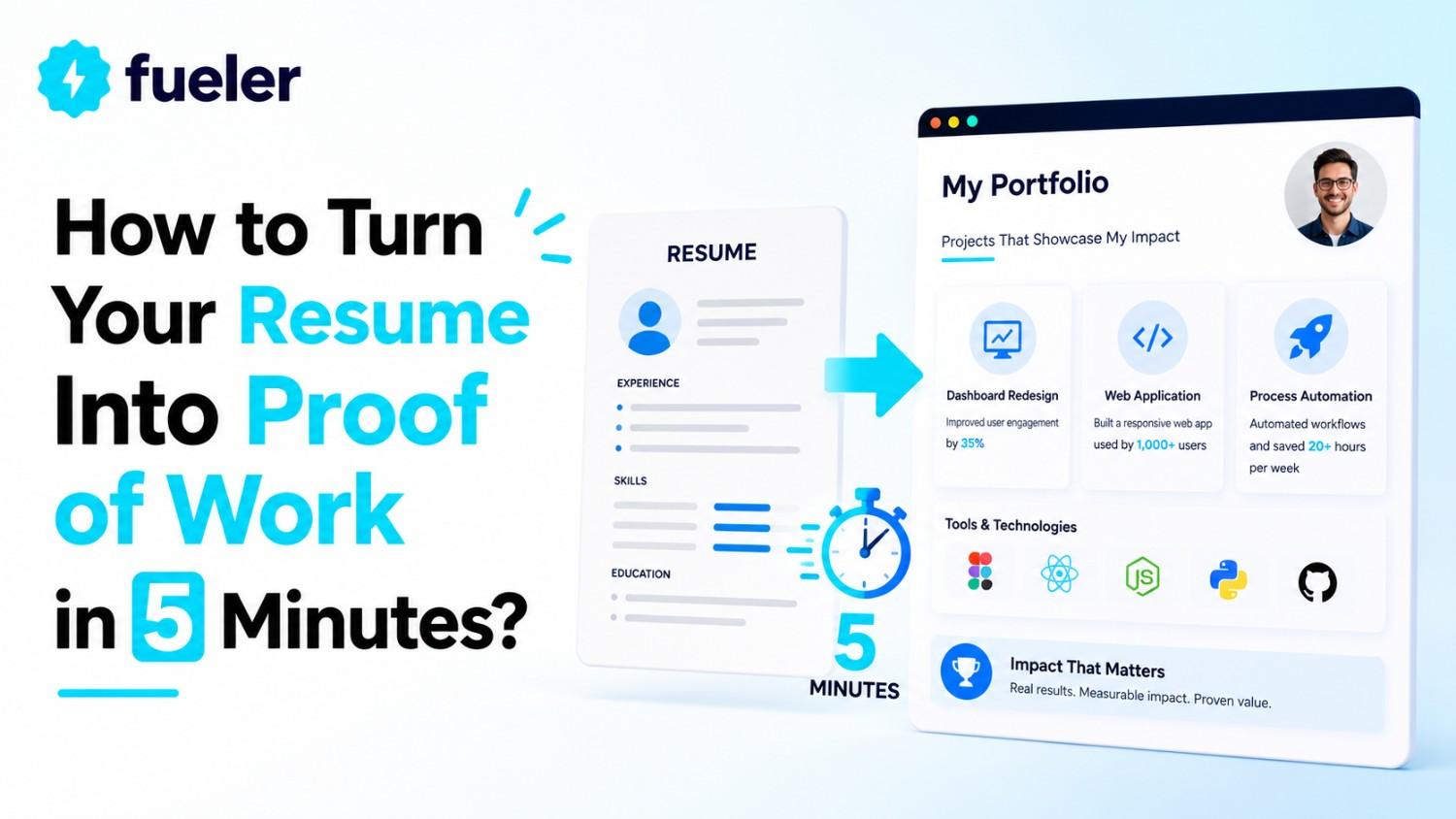
How to Turn Your Resume Into Proof of Work in 5 Minutes?

Riten Debnath
20 Jul, 2026
Last updated: July 2026
A resume is still an important part of getting hired, but by itself, it often isn't enough to help you stand out. Most resumes contain similar job titles, skills, and responsibilities, making it difficult for recruiters to understand what you can actually do. That's why more companies are looking beyond resumes and paying closer attention to real work.
I’m Riten, founder of Fueler, a skills-first portfolio platform building the career infrastructure for 100 million creative professionals. Fueler connects talented individuals with companies through assignments, portfolios, and projects, not just resumes or CVs. Think of it as Dribbble/Behance for work samples combined with AngelList for hiring infrastructure.
To make building proof of work easier, we created the Resume to Proof of Work Ideas Generator. Simply upload your resume, and the tool analyzes your skills and experience to suggest personalized project ideas. Instead of spending hours wondering what to build, you get practical ideas that match your background and can be turned into portfolio projects.
Once you complete those projects, you can publish them on your Fueler portfolio and give recruiters something far more valuable than a list of claimed real examples of your work. In this guide, you'll learn how the Resume to Proof of Work Ideas Generator works, why it helps overcome the biggest challenge in portfolio building, and how it can turn your existing resume into a clear roadmap for building proof of work.
What Is Fueler's Resume to Proof of Work Ideas Generator?
The Resume to Proof of Work Ideas Generator is a free tool from Fueler that helps you turn your resume into real project ideas. Instead of spending hours wondering what to build, you get personalized suggestions based on your own skills and experience.
The tool reads your resume to understand your previous roles, skills, and work history. It then recommends projects that match your background, giving you practical ideas you can actually build.
A resume tells recruiters what you've done. Proof of work shows them what you can do. This generator helps you bridge that gap.
- Every project idea is based on the skills and experience already mentioned in your resume, making each suggestion relevant to your career.
- It removes the stress of brainstorming by giving you personalized ideas within seconds instead of leaving you with a blank page.
- You can upload your existing resume in PDF or DOCX format up to 5MB, so there's no need to create anything new before getting started.
- The suggested ideas are practical projects that you can complete and publish as proof of work, not just random inspiration.
- Once your projects are finished, they can be added to your Fueler portfolio to help recruiters understand your skills through real work.
Why It Matters: Many people know they should build a portfolio but never begin because they don't know what project to create first. This generator gives you a clear starting point, making it easier to turn your resume into visible proof of your skills.
Why the Traditional Resume Fails in the Modern Market
Your resume already contains valuable information about your career. It lists your skills, work experience, projects, education, and the tools you've used over time. The challenge isn't creating a new story; it's turning the experience already written on your resume into work that recruiters can actually see.
This is where Fueler's Resume to Proof of Work Ideas Generator helps. Instead of asking you to brainstorm projects from scratch, it reads your resume and suggests personalized proof-of-work ideas based on your background. Whether you're a software developer, marketer, designer, writer, or student, the generator recommends projects that naturally match your skills and experience.
That means you spend less time wondering what to build and more time creating projects that strengthen your portfolio. Instead of treating your resume as the final product, you use it as the starting point for building proof of work that showcases your abilities in a practical and measurable way.
Why It Matters
The speed of modern business requires immediate evidence of capability. Companies can no longer afford to spend months interviewing candidates only to realize they lack practical execution skills. If your application materials require an employer to trust your word without seeing your output, you will lose opportunities to candidates who make their work visible. Transitioning to a proof-of-work model protects your career from automated screening filters and establishes instant credibility.
Step-by-Step Guide to Turning Your Resume Into Proof of Work
Converting your text-based resume into a dynamic, proof-of-work asset does not require days of manual design or technical setup. You can extract the hidden value from your past roles and organize it into a compelling format within minutes. Follow this systematic process to build a profile that validates your expertise.
The tool is built to be fast. Here is the exact process from start to finish. Follow it once, and you will understand the full loop. Check out the link here: https://fueler.io/resume-to-proof-of-work
Step 1: Head to the Resume to Proof of Work Ideas Generator on Fueler and get to the upload screen.
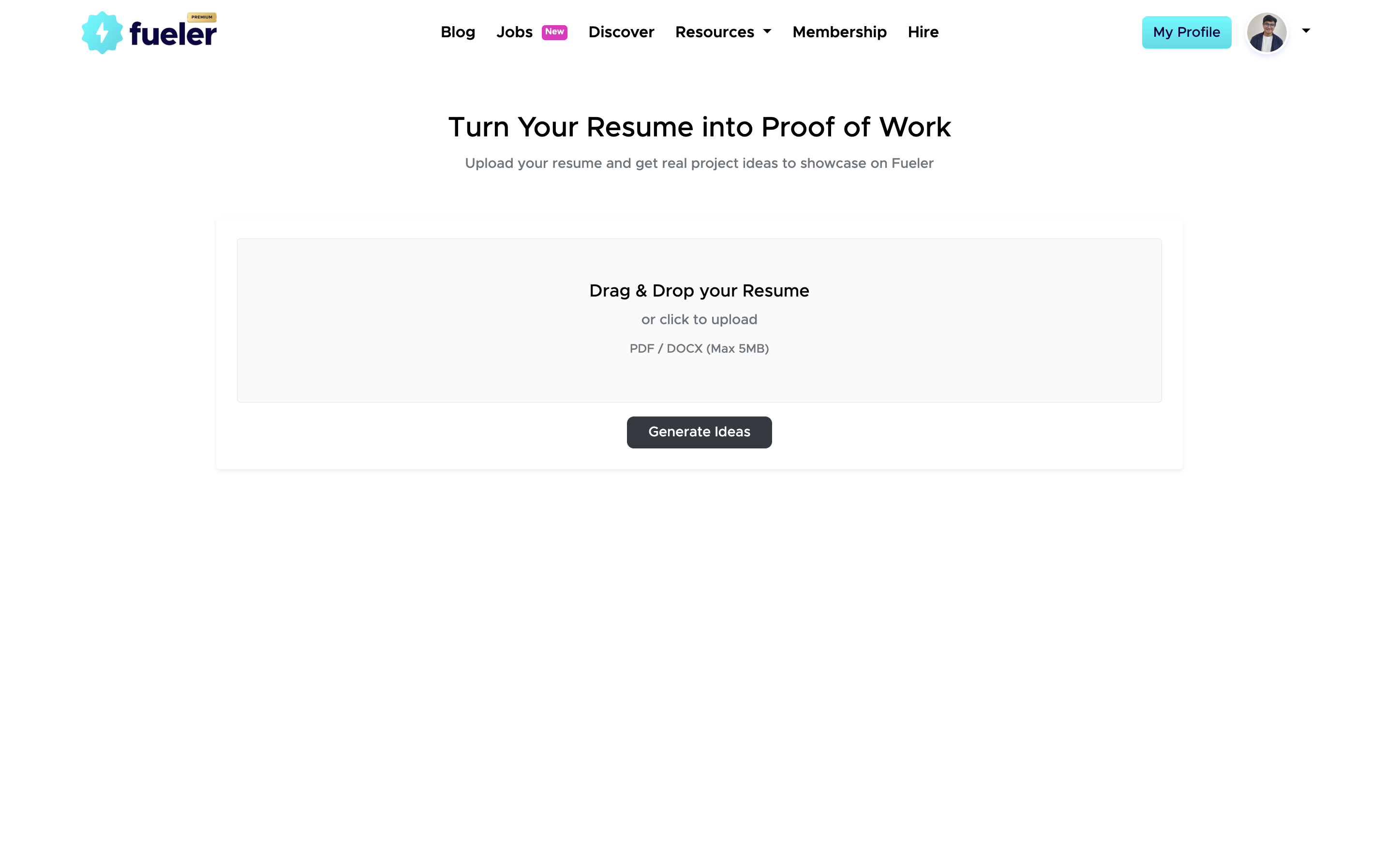
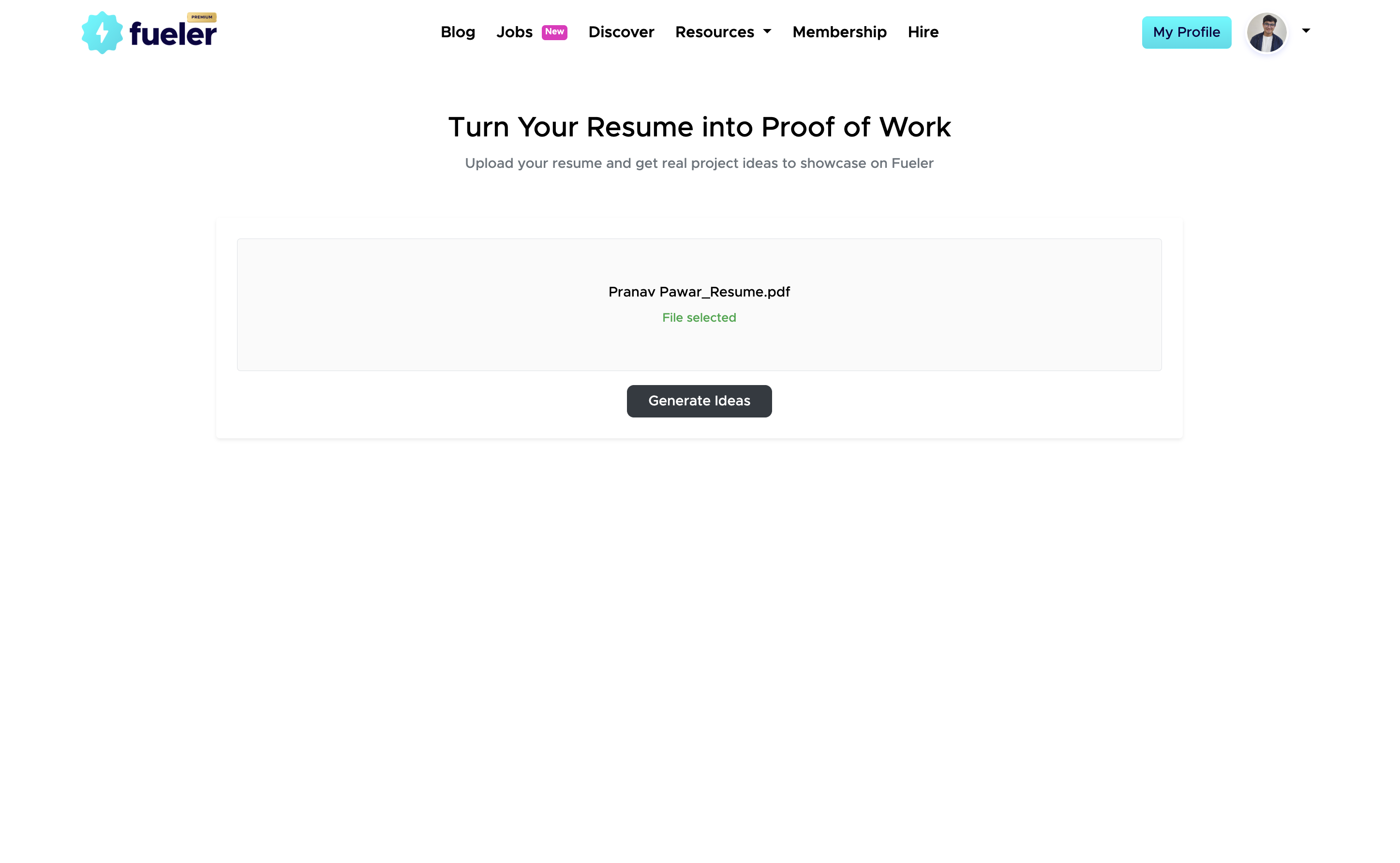
Step 2: Drag or upload your resume. Drop your file into the box, or click to upload. Then hit Generate Ideas.
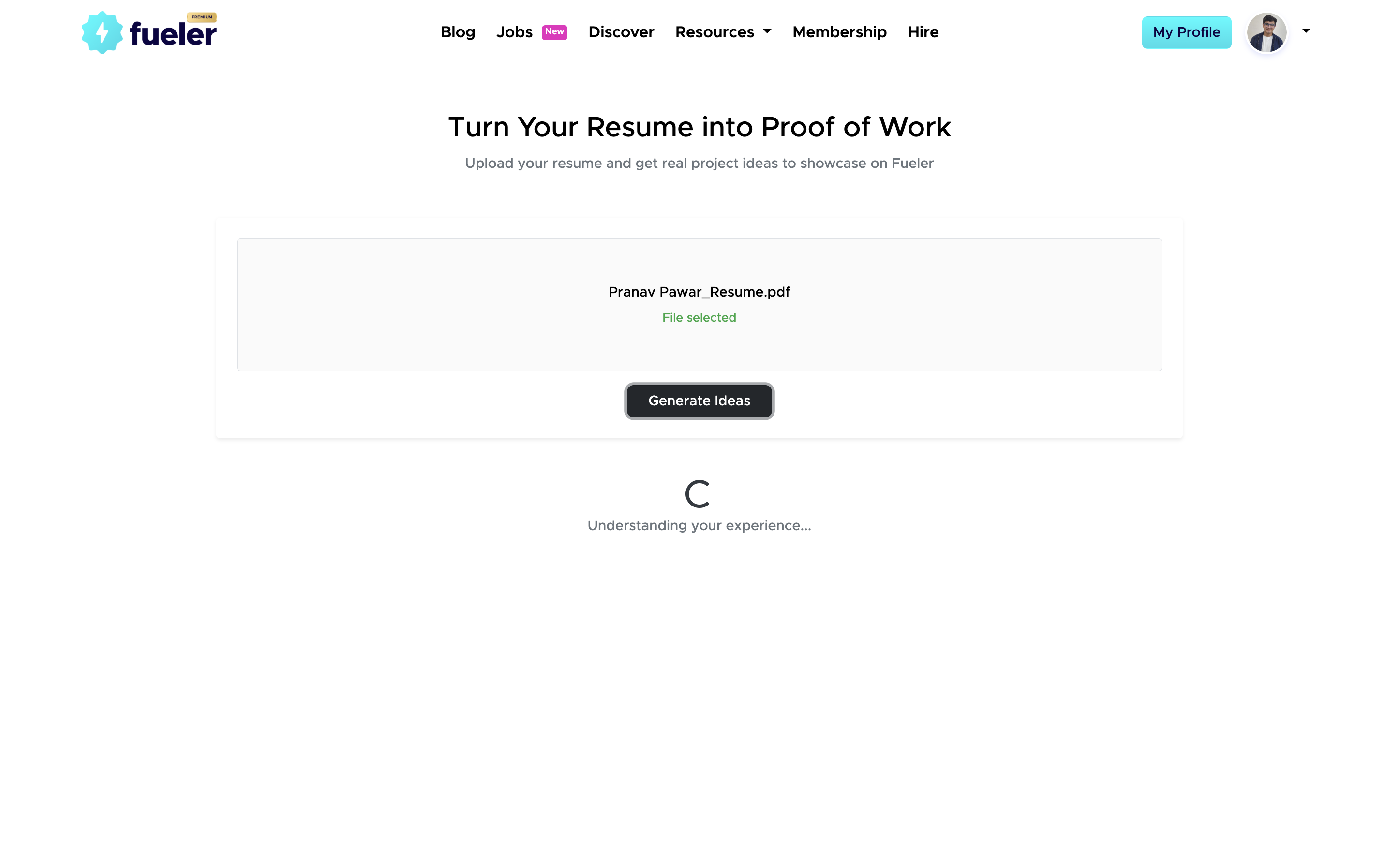
Step 3: Take the ideas and create proof of work. Read through the project ideas it gives you. Pick the ones that match the roles you want, then start building. This is where a suggestion becomes a real, finished piece of work.
- Uploading is friction-free, since you use the exact resume file you already have, which means you can go from opening the tool to holding a list of project ideas in under two minutes without any manual setup.
- The generated ideas are shaped by your actual skills, so a marketer gets marketing projects and a developer gets build ideas, keeping every suggestion relevant to the career path you are trying to grow into.
- You stay in control of what to build, choosing the ideas that map to your target roles rather than being forced down a fixed path, which keeps your portfolio focused on the jobs you actually want.
- Each idea is a starting point you can expand, so a simple suggestion like an audit or a redesign can grow into a full case study with your process, tools, and results documented for hiring managers to read.
- The output is portfolio-ready by design, meaning every project you finish is meant to be published and discovered, not saved in a folder where no company will ever find it.
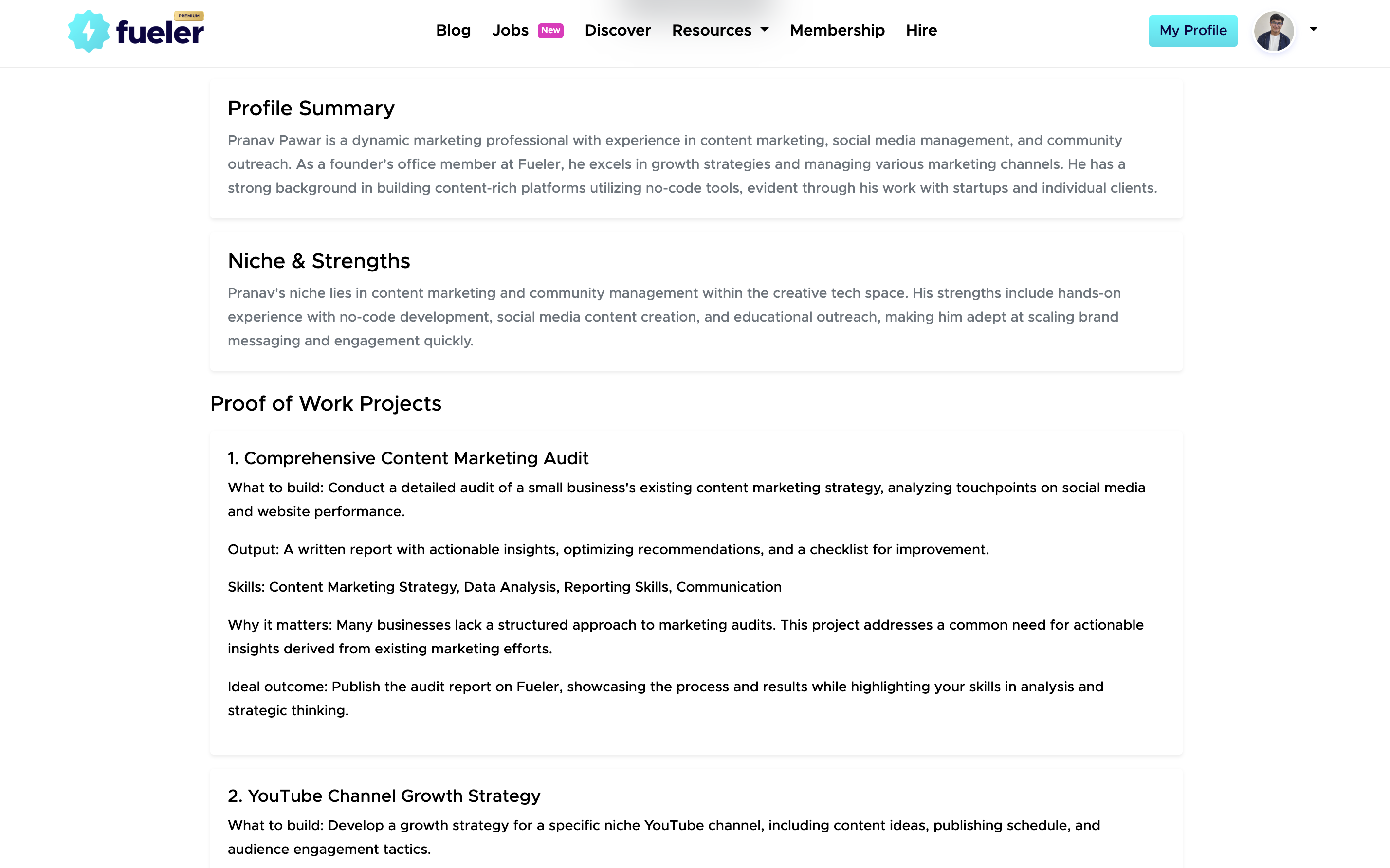
Why It Matters: The biggest reason people never build proof of work is that starting feels heavy. This tool makes starting light. Three steps take you from a static resume to a clear build list, which removes the excuse of not knowing where to begin. Momentum matters more than perfection, and this is the fastest way to create it.
Implementation Strategies for Maximum Impact
- Keep Descriptions Outcome-Focused: When documenting projects, use the Situation-Task-Action-Result format. Explain the business context briefly so viewers understand the difficulty of what you accomplished. This gives your technical skills practical context.
- Use Visual Proof Points: Always include high-quality screenshots, dashboard views, or final designs. Visual evidence catches the eye far faster than blocks of text and encourages deep exploration of your profile. Ensure all sensitive or proprietary data is blurred out before uploading.
- Organize Projects by Relevancy: Place your most impressive, high-impact work at the top of your profile page. You want a visiting hiring manager or potential client to see your absolute best execution within the first three seconds of landing on your page.
- Link Directly to Live Assets: Whenever possible, provide direct access to the live website, published article, public repository, or interactive prototype. Live assets completely remove any doubt regarding the authenticity of your work history.
- Update Your Profile Continuously: Get into the habit of logging new projects the week you finish them. Waiting until you are actively looking for a job makes it difficult to collect files, gather metrics, and recall project details accurately.
Why It Matters
Building a proof-of-work portfolio changes your relationship with the job market from reactive to proactive. Instead of rushing to build a resume when you need a new role, you maintain a continuous record of professional success. This systematic documentation makes you highly discoverable to recruiters who search platforms specifically for proven execution rather than keyword-stuffed application profiles.
Optimizing Your Projects for Maximum Credibility
A great project entry is more than just a link dropped onto a page. To truly convince a hiring manager, your project must tell a complete story of problem-solving and execution. Many professionals make the mistake of showing a final product without explaining the intelligence, strategy, and effort required to get there.
Your project documentation should clearly outline your personal contribution, especially if the project was a massive team effort. Explain why you made specific technical or creative decisions. Showing your rationale proves that you possess strategic thinking skills, not just the ability to follow instructions blindly.
Why It Matters
Anyone can claim they know how to execute a strategy, but very few people can explain the deep operational choices behind a successful outcome. Documenting your projects thoroughly proves that your past successes were not accidents. It demonstrates a repeatable, reliable methodology that you can easily bring into your next company to solve their specific challenges.
How to Publish Your Proof of Work on a Fueler Portfolio
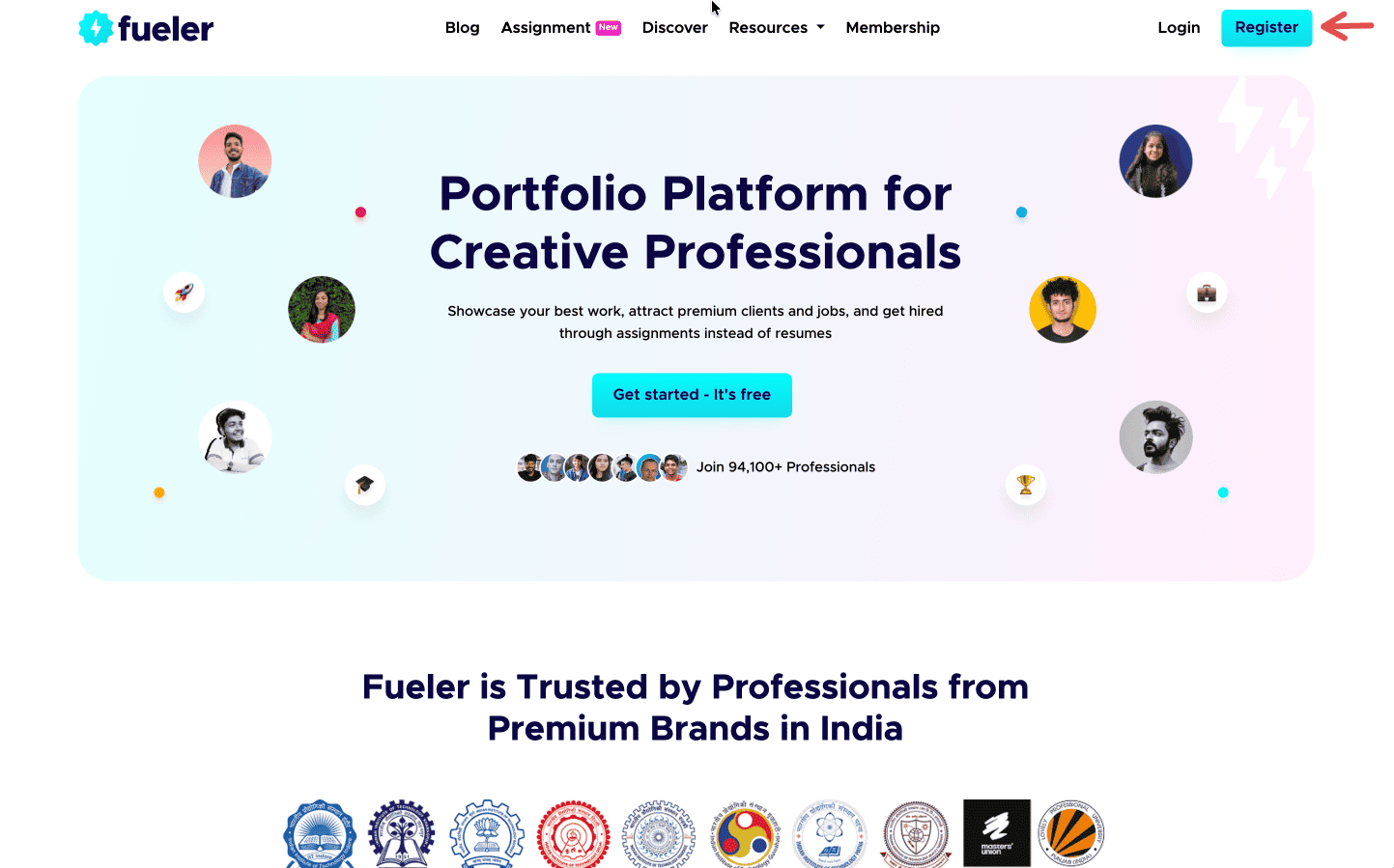
Step 1: Sign up on Fueler.
Head to Fueler.io and create your free account.
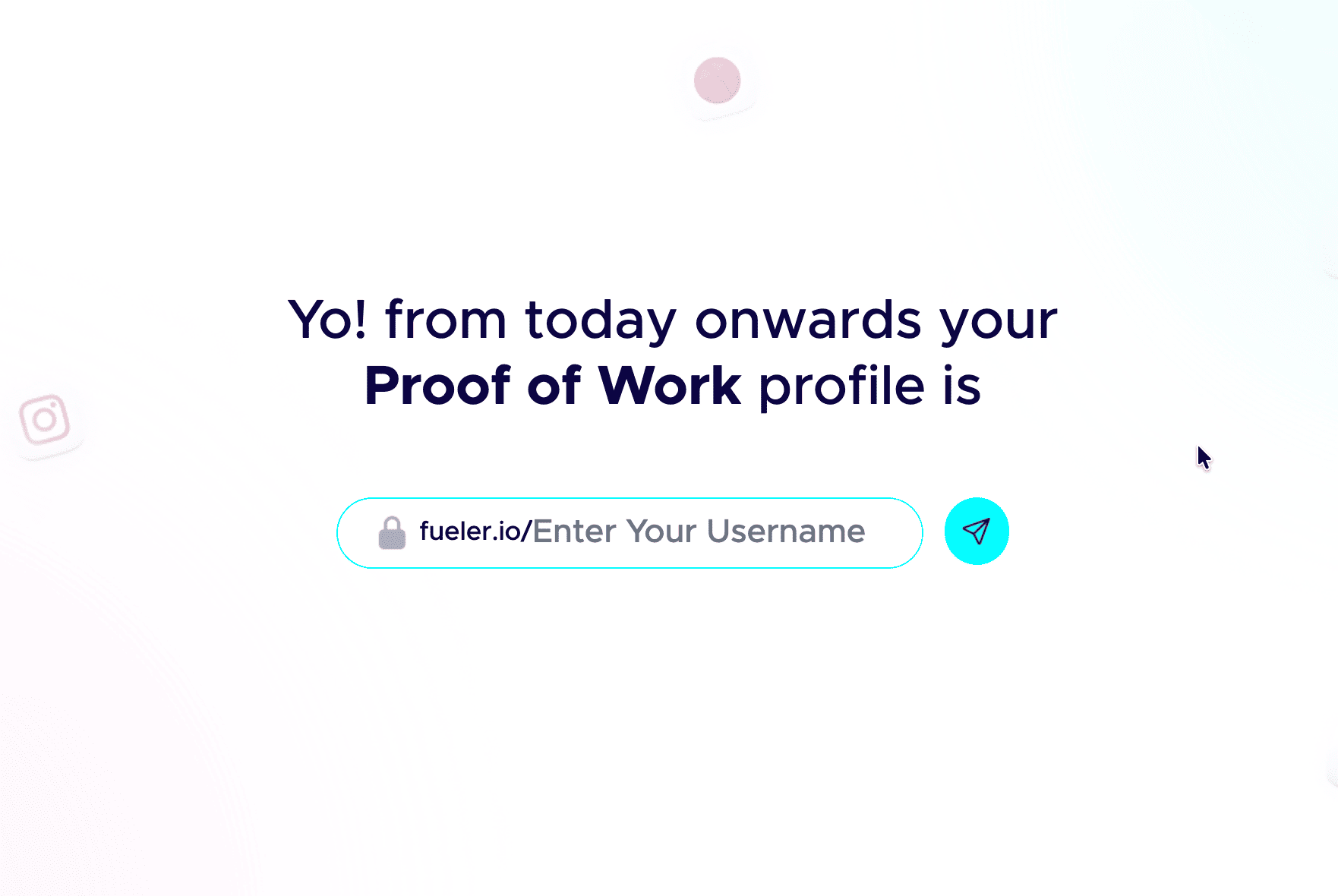
Step 2: Pick a professional handle.
Your handle shows up in your public link, so keep it clean and grown-up. Don’t add nicknames and random numbers. Your name or a simple version of it works best.
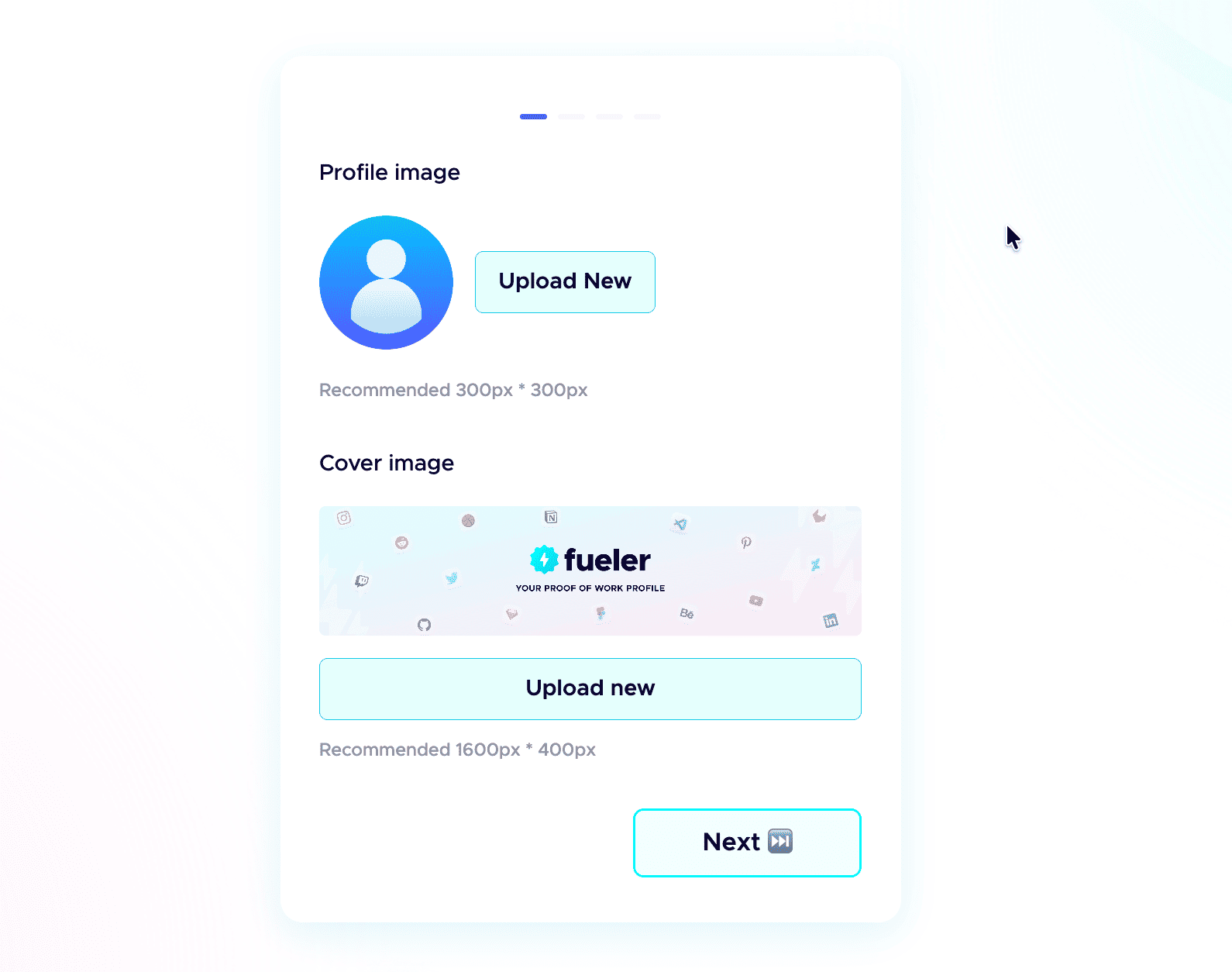
 Step 3: Add a professional profile picture.
Use the same kind of professional photo you would put on LinkedIn. Clear face, good lighting, and a simple background. People trust a real face more than an empty avatar.
Step 4: Write a strong header.
The header is the first thing anyone sees. In one or two short lines, say who you are, what you do, and the kind of work you have done. Make it specific, not vague.
Step 5: Add a short bio.
Tell people who you are and what you do in a few plain sentences. No buzzwords, just enough for a recruiter to get you in five seconds.
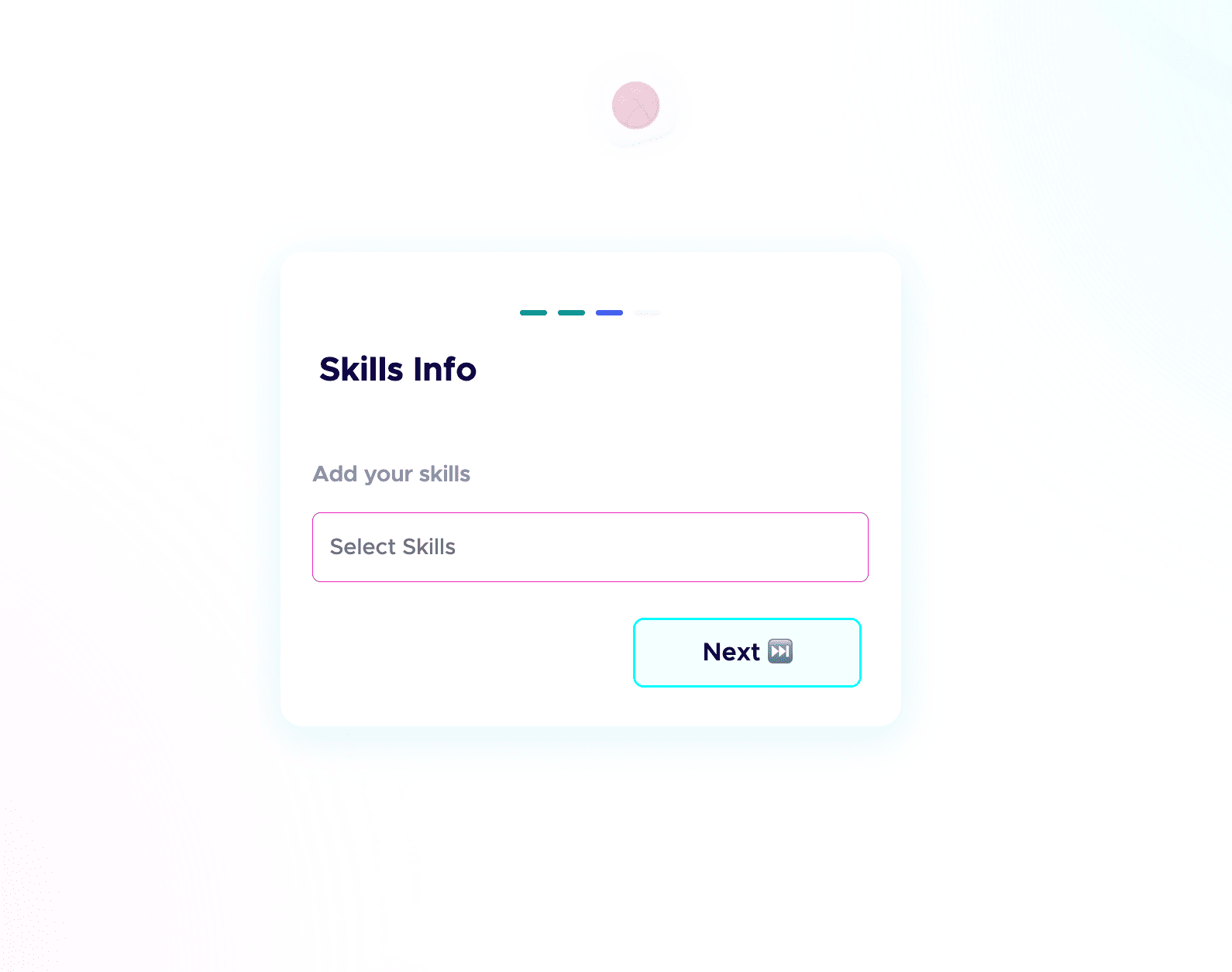
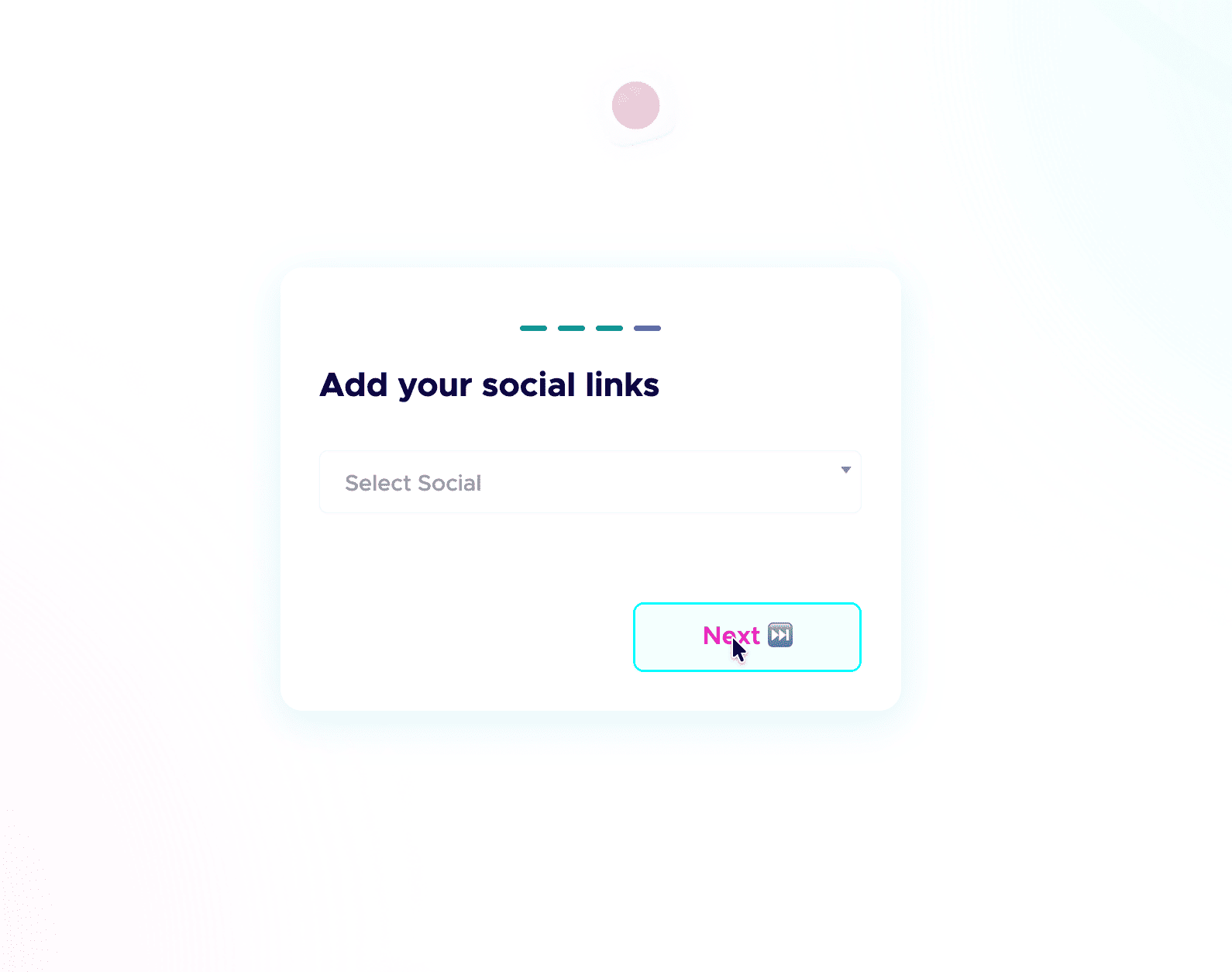
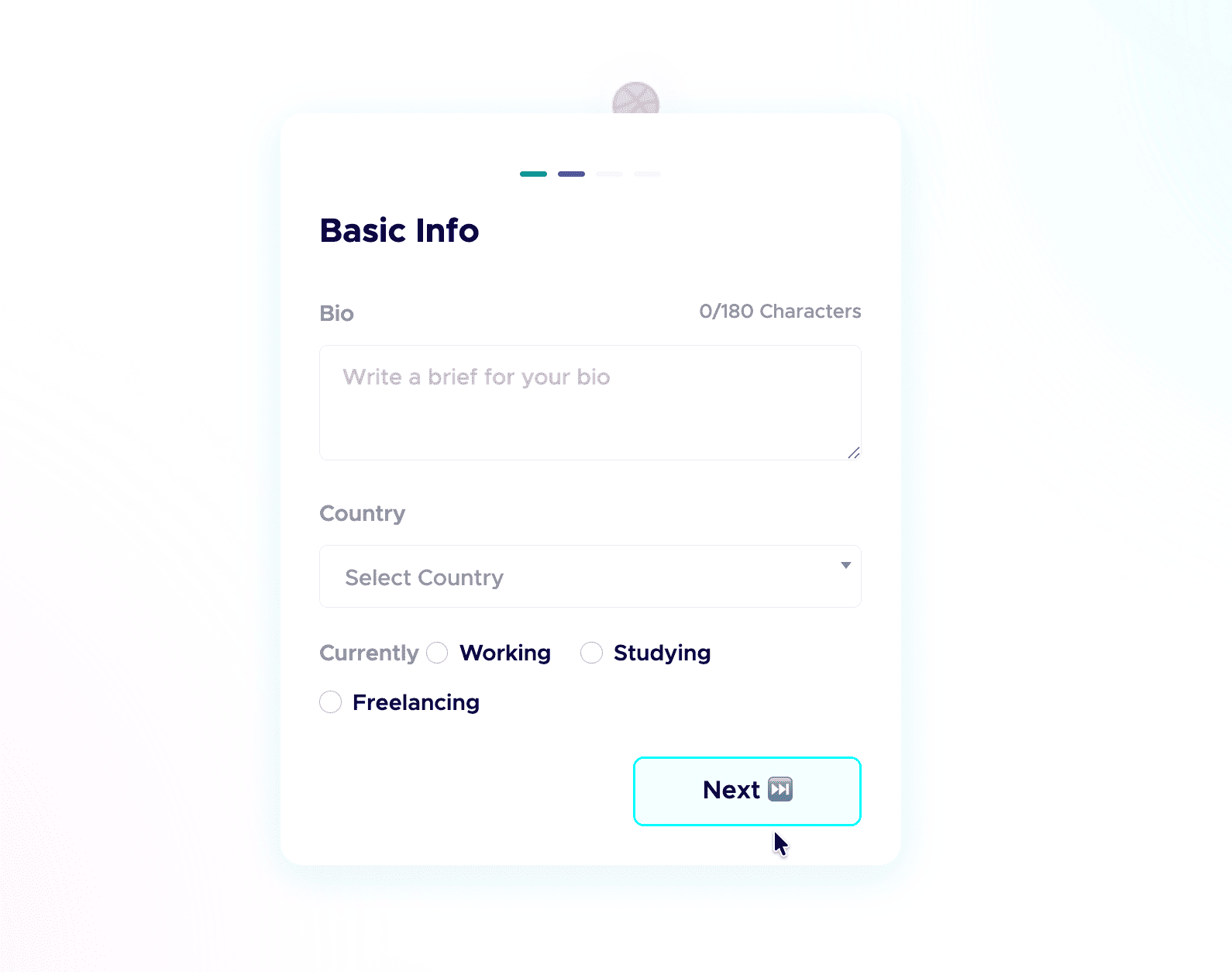 Step 6: Add your skills and social links.
List the skills you are good at and actually want to be hired for, and connect your socials. People do check your profiles, and active socials build credibility before the first call. Students starting from scratch can follow my student guide to their first portfolio.
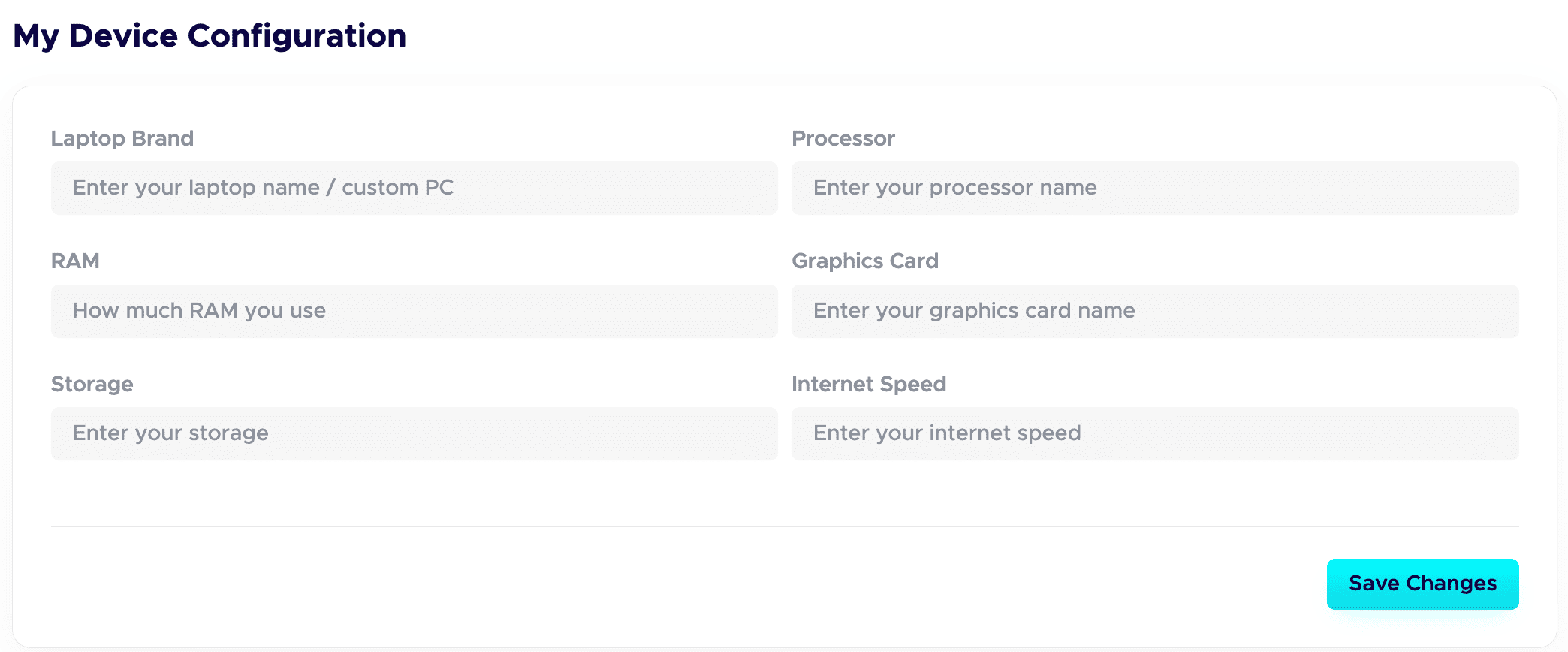
 Step 7: Fill in your Device Configuration.
In your dashboard, set up the Device Configuration section. Add the details about the device you are using. Remote-first companies want to know you have a solid setup to work from. A good setup quietly adds leverage and signals you are ready to deliver.
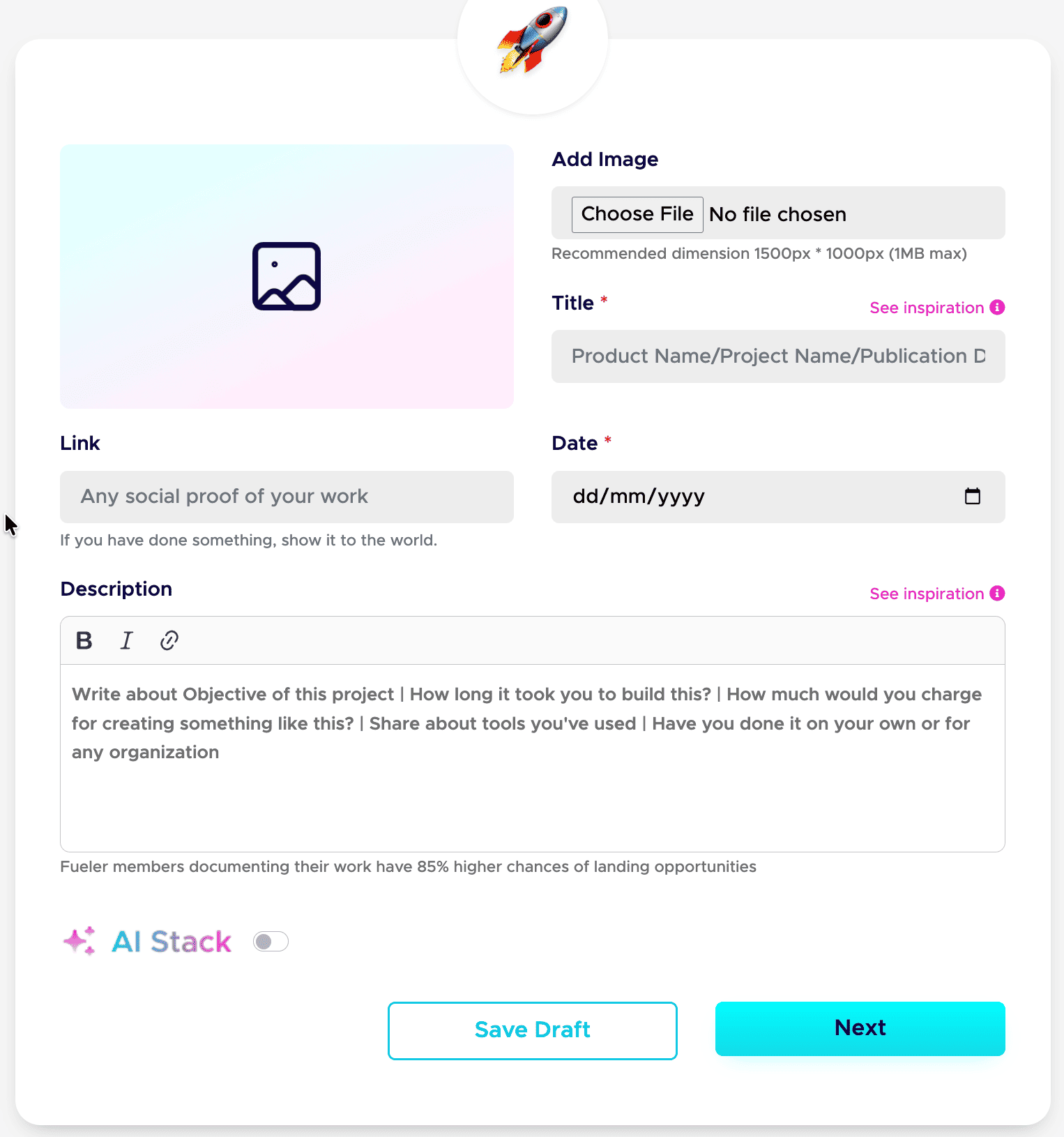
Step 8: Publish your projects with all the details.
This is a game-changer. Give each project a clear title and a detailed description. Walk through your process: your thinking, the tools you used, the choices you made, and the result. Companies care about how you work, not just the final image.
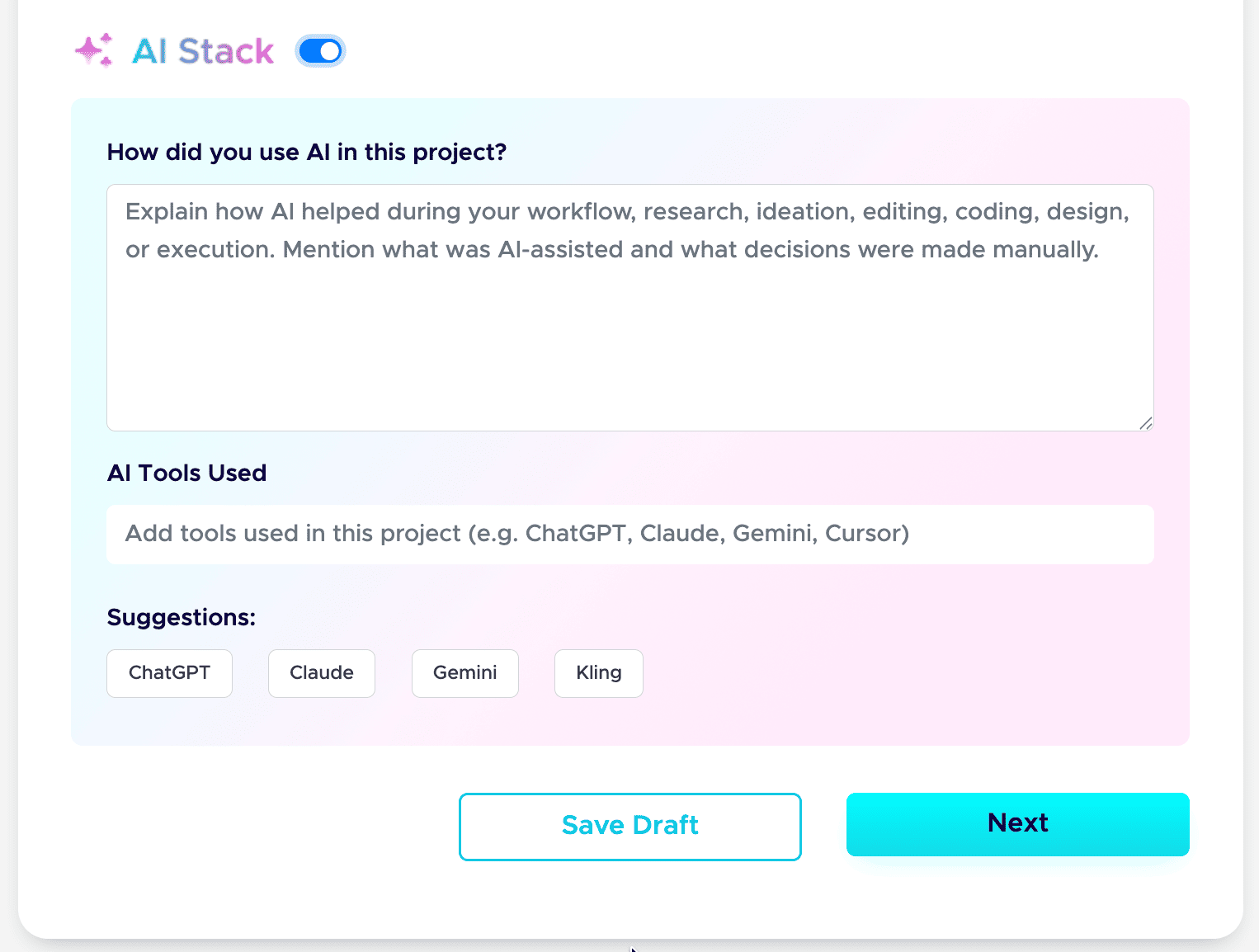
Step 9: Add your AI Stack to each project.
AI is part of real work now, so show it honestly. Use the AI Stack feature to explain how you used AI, which tools you used, and what you did manually. This builds trust instead of raising doubt. Here is the full guide: how to add AI Stack on Fueler.
That is the whole setup. Do these nine steps well, and your profile stops being a static page and starts working as a hiring asset. If you want a tighter version to follow next time, save my 6-step formula for a Fueler portfolio and my breakdown of a career portfolio that actually gets jobs.
Why It Matters: Building proof of work without publishing it is like writing a great pitch and never sending it. A portfolio is the delivery system. When your projects live on a Fueler link with full context, they stop being personal experiments and become public proof. That is the difference between hoping to get noticed and being discoverable to companies that hire on proof of work.
Real-World Examples of Proof of Work in Action
The easiest way to understand proof of work is to look at professionals who already document their work publicly. Instead of telling recruiters what they can do, they show it through real projects, case studies, and measurable outcomes. Here are a few examples from Fueler that demonstrate what a high-quality proof-of-work portfolio looks like.
1. Graphic Design: Chandan Das
Portfolio: https://fueler.io/chandandas
Chandan's portfolio doesn't rely on a resume with design software or creative skills. Instead, every project showcases the actual illustrations, branding work, and design process. A recruiter can immediately evaluate visual style, consistency, and execution without scheduling a screening call.
What you can learn:
- Upload complete design projects instead of only final images.
- Explain the objective behind each project.
- Show your creative process alongside the finished work.
2. Graphic Design: Harsh Mishra
Portfolio: https://fueler.io/heyaharshu
Harsh demonstrates how niche work can become a competitive advantage. His portfolio focuses on thumbnail design and visual content, making it immediately clear what problem he solves and who should hire him. Instead of saying he's a designer, the portfolio proves it through real client work.
What you can learn:
- Focus your portfolio around one clear specialization.
- Use high-quality project thumbnails.
- Make it obvious what services or skills you're strongest at.
3. Content Writing: Anuj S.
Portfolio: https://fueler.io/nudgebyanuj
Instead of listing "Content Writer" on a resume, Anuj publishes actual writing samples. Recruiters can judge writing quality, structure, research depth, and communication style by reading the work directly, removing much of the uncertainty from the hiring process.
What you can learn:
- Publish complete writing samples instead of PDFs hidden on Google Drive.
- Organize projects by niche or writing type.
- Let your work demonstrate your expertise.
Why These Portfolios Work
All three creators follow the same principle: they replace claims with evidence.
A traditional resume might say, "Experienced graphic designer" or "Content writer with SEO knowledge." A proof-of-work portfolio answers the hiring manager's next question before they even ask it: "Can you show me?"
That's exactly what makes proof of work so effective. Recruiters don't have to imagine your skills because they can verify them through real projects, real deliverables, and real outcomes. Fueler is built around this philosophy, helping professionals showcase what they've actually built instead of relying solely on bullet points and job titles.
Final Thoughts
The shifting dynamics of the modern job market clearly reward professionals who make their skills visible, verifiable, and undeniable. Relying entirely on text-based resumes leaves your career advancement to chance and forces you into intense competition with hundreds of lookalike applications. By transforming your career history into a dedicated proof-of-work portfolio, you take full control of your professional narrative.
Your next step is to choose your three best career achievements from the past year. Log into Fueler, document the problems you solved, link the live assets, and publish your proof of work. Stop asking companies to believe your claims, and start showing them exactly what you can build.
FAQs
What should I do if I am an absolute beginner with no professional work history?
Build self-initiated projects that solve real-world problems for brands you love. Create mock marketing campaigns, write strategic teardowns, or code functional feature clones. Publish these on Fueler as personal case studies to prove your skills.
How many projects do I need to include before sharing my portfolio?
Focus on quality over volume by publishing with three to five exceptional, highly detailed projects. Ensure each entry demonstrates a distinct, high-demand skill that directly aligns with the core requirements of your target roles.
Can a proof-of-work portfolio completely replace my traditional resume?
Treat your portfolio as a high-conversion upgrade. Keep a minimal text resume for legacy application systems, but embed your Fueler link at the top and hyperlink individual project entries directly within your job history bullets.
How does the Resume to Proof of Work Ideas Generator work?
Simply upload your resume in PDF or DOCX format, and the generator analyzes your skills, experience, and previous roles to suggest personalized proof-of-work projects. Instead of giving generic ideas, it recommends projects that naturally extend your existing background, making it easier to build a portfolio that feels authentic and relevant to the jobs you want.
Can I add private projects to Fueler without making them public?
Yes. Fueler allows you to host private proof of work, so you can document confidential projects without exposing them publicly. This is useful for client work, internal company projects, or assignments that cannot be shared openly while still keeping your portfolio organized.
Why 100,000+ professionals use Fueler
Fueler helps professionals showcase proof of work through projects, assignments, case studies, and achievements.
- Thousands of professionals use Fueler to create their digital portfolio
- Thousands of projects are published on Fueler. Check here
- Startups and Companies hire through proof of work on Fueler
- Used by freelancers, creators, marketers, video editors, writers, designers, and product managers
Our mission is to help the next 100 million professionals build a verified professional identity through proof of work

What should you do next?
You've read the article. Now turn your skills into proof of work and unlock more opportunities.
Build your proof of work portfolio
Create a clean portfolio with projects, assignments, resumes, and AI stack details that companies actually want to see.
Create your Fueler portfolio →Apply through assignments, not resumes
Stand out by solving real tasks from companies hiring on Fueler.
Explore assignments →Get discovered by companies
Make your work public and let recruiters discover your skills through actual projects instead of keywords.
Get discovered →
