Fueler vs Behance: The Better Portfolio Platform for Career Growth

Riten Debnath
11 Jul, 2026
Last updated: July 2026
Applying for jobs in 2026 is a bloodbath. If you are still relying on a boring text resume or an over-engineered personal website that takes three weeks to code, you are essentially ghosting your own career. Recruiters are drowning in thousands of AI-generated templates. They don’t want your promises anymore; they want cold, hard evidence.
But where do you put that evidence? If you are a pure visual creative, your brain immediately screams Behance. It’s beautiful, it’s shiny, and it’s the place where gorgeous mockups live. But what if you aren't just selling pixels? What if you write copy, build APIs, run ad campaigns, or manage product launches?
I’m Riten, founder of Fueler, a skills-first portfolio platform that connects talented individuals with companies through assignments, portfolios, and projects, not just resumes/CVs. Think Dribbble/Behance for work samples + AngelList for hiring infrastructure.
Let's look at how Behance and Fueler actually stack up when it comes to getting you paid and noticed.
The Creative Powerhouse: Where Behance Excels
Behance is an incredible, world-class monster of a platform if you are a visual artist. Launched decades ago and supercharged by Adobe, it’s the digital equivalent of a high-end art gallery. If your job involves making people stare in awe at a screen, this is your home turf.
The Good Stuff on Behance
- A Massive Creative Community: Millions of designers, photographers, and art directors browse Behance daily to share feedback, like projects, and leave comments.
- Pixel-Perfect Visual Layouts: The platform is built to handle massive high-resolution files, video embeds, and infinite-scroll case studies that make visual designs pop.
- Inbound Creative Discovery: Design agencies and brand managers use Behance’s native search filters specifically to hunt down unique aesthetic talent.
- Adobe Ecosystem Integration: If you use Creative Cloud, publishing your work straight from Photoshop or Illustrator directly to your profile is seamless.
The Design Reality: Behance was explicitly built for the creative industry. It thrives on aesthetics, layout presentation, and visual trendsetting.
The Core Limitation: The "Pretty Portfolio" Problem
Here is the catch: what happens if your work isn't pretty? If you are an SEO specialist, a brilliant backend developer, or a content writer, putting your work on Behance feels like bringing a spreadsheet to a fashion show. It just doesn't fit the vibe.
Where Behance Hits a Wall
- Biased Toward Visual Fluff: Projects on Behance live or die by their cover images. A mediocre design with an amazing mockup often gets more love than a highly profitable, ugly marketing campaign.
- Zero Infrastructure for Non-Designers: Try uploading a Python script, a technical whitepaper, or a complex spreadsheet framework to Behance. It turns into an awkward wall of text or an unclickable screenshot.
- Lack of Real-World Verification: Anyone can download a template, tweak a color, upload it to Behance, and claim they built it. There is no built-in mechanism to prove you actually did the work.
Enter Fueler: Built for the Multi-Disciplinary Builder
Fueler doesn't care about your aesthetic mood boards; it cares about your execution. It’s a dedicated platform designed to manage your entire career portfolio by tracking real proof of work. Whether you write clean code, orchestrate product launches, or optimize search rankings, Fueler gives you a sleek, no-code space to prove your value.
Why Builders Are Utilizing Fueler
- Multi-Disciplinary DNA: Built natively for writers, growth marketers, developers, product managers, and freelancers who deal in outcomes rather than just visuals.
- Verified Proof of Work Ecosystem: You don't just state your skills; you back them up with deep, actionable proof of work entries that recruiters can trust instantly.
- Assignment-Based Hiring Infrastructure: Companies on Fueler don't just judge you on a static page; they can discover you through real-world assignments and direct skill validation.
- Clean, Fast, No-Code Profiles: You don't need to spend weeks fighting responsive CSS. Your dashboard lets you organize and publish live links, documents, and rich case studies in under ten minutes.
Side-by-Side Comparison Matrix
To make your choice easier, let's look at how these platforms handle the actual business of managing your professional reputation.
Step-by-Step: How to Create Your Portfolio on Fueler
Ready to build a profile that actually closes deals? Setting up your proof on Fueler takes less time than making a cup of coffee. Here is exactly how to do it.
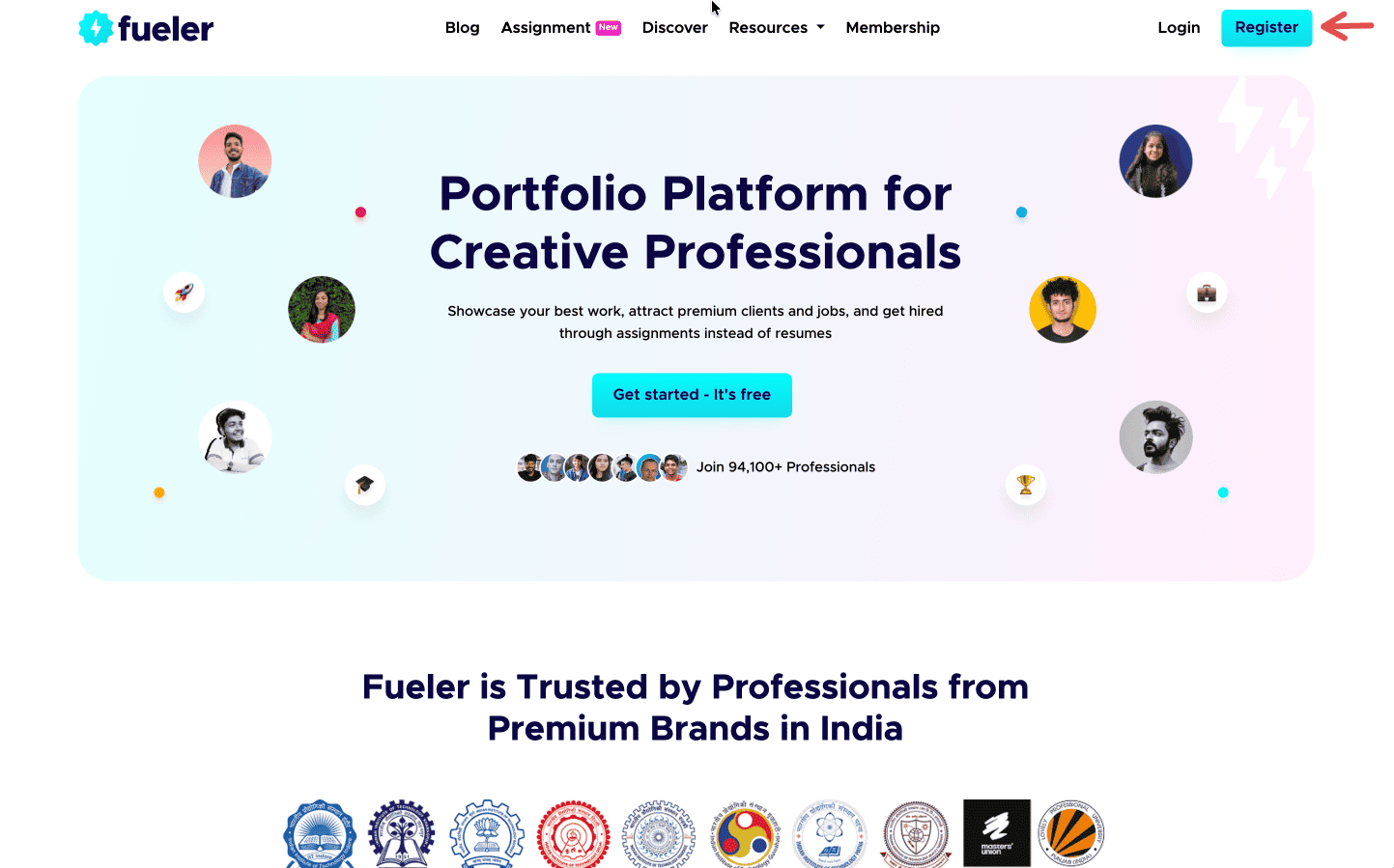
Step 1: Sign up on Fueler.
Head to Fueler.io and create your free account.
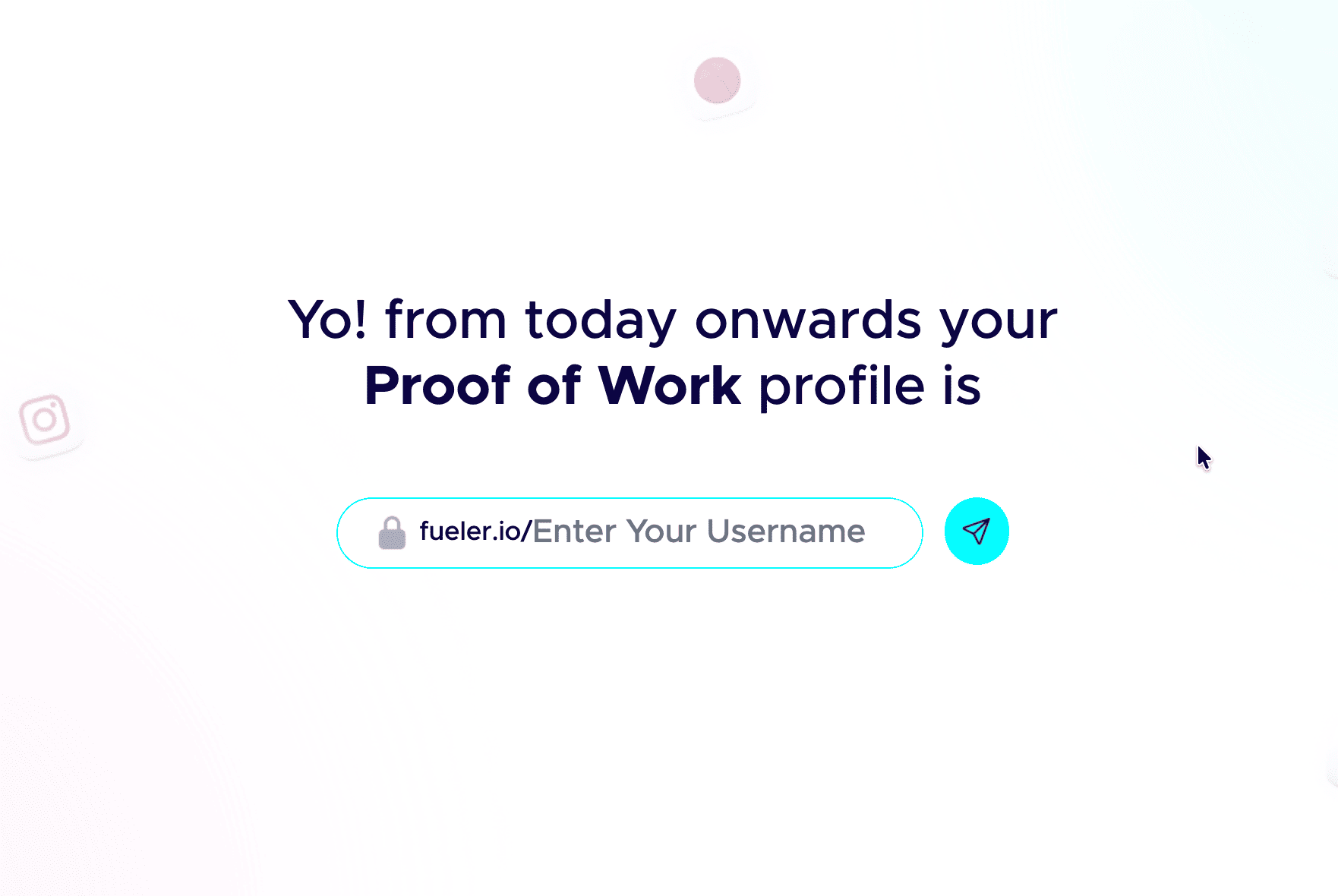
Step 2: Pick a professional handle.
Your handle shows up in your public link, so keep it clean and grown-up. Don’t add nicknames and random numbers. Your name or a simple version of it works best.
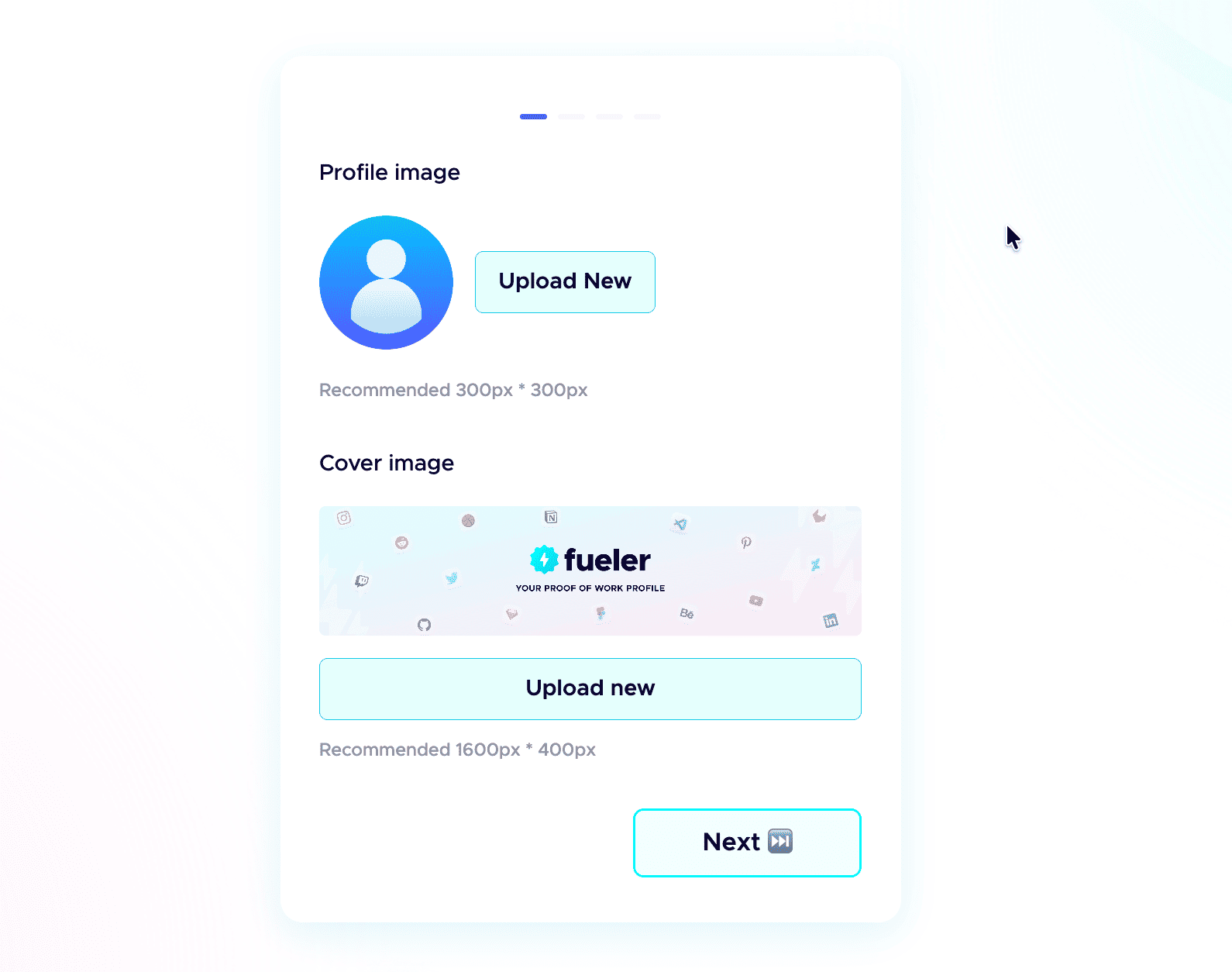
 Step 3: Add a professional profile picture.
Use the same kind of professional photo you would put on LinkedIn. Clear face, good lighting, and a simple background. People trust a real face more than an empty avatar.
Step 4: Write a strong header.
The header is the first thing anyone sees. In one or two short lines, say who you are, what you do, and the kind of work you have done. Make it specific, not vague.
Step 5: Add a short bio.
Tell people who you are and what you do in a few plain sentences. No buzzwords, just enough for a recruiter to get you in five seconds.
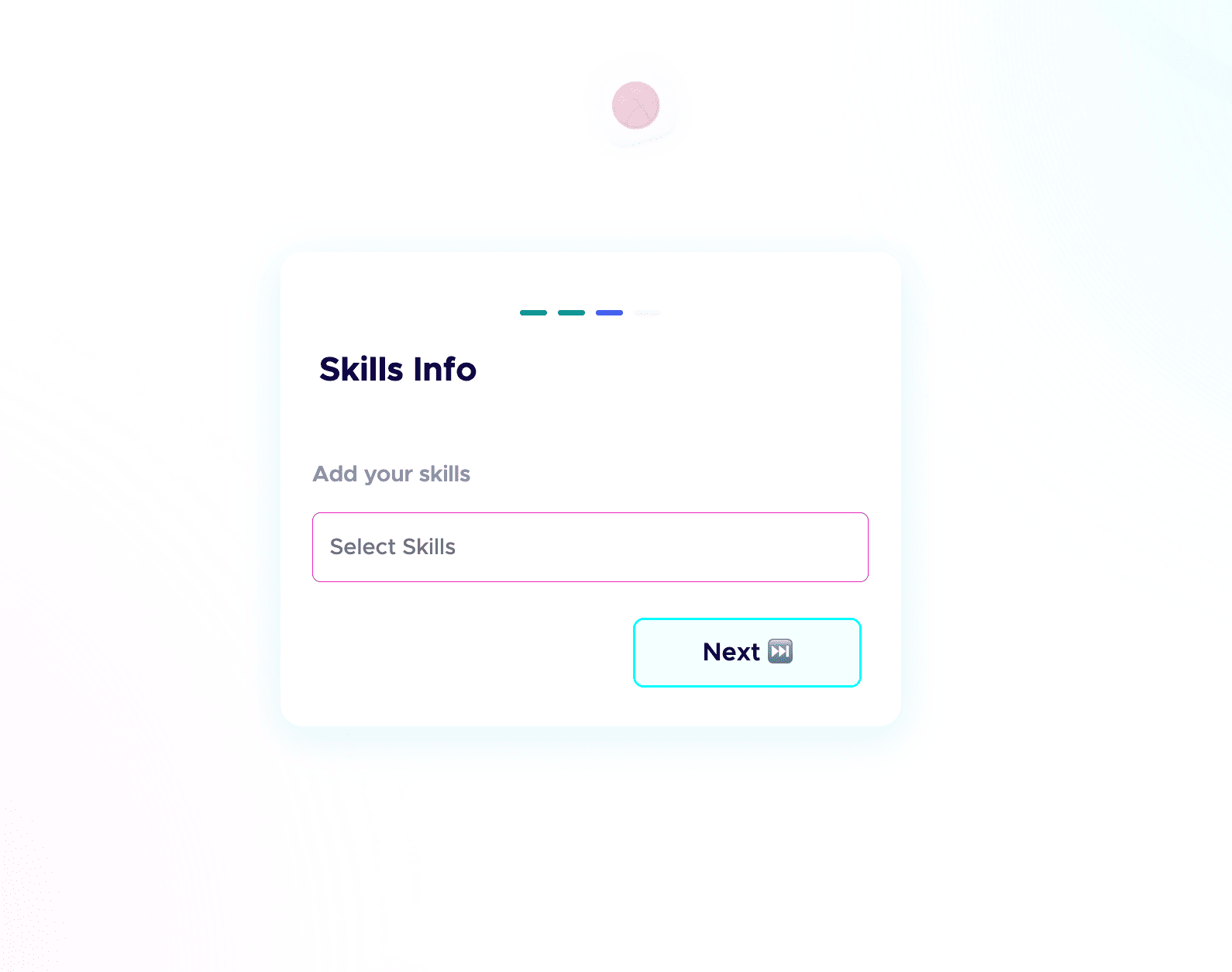
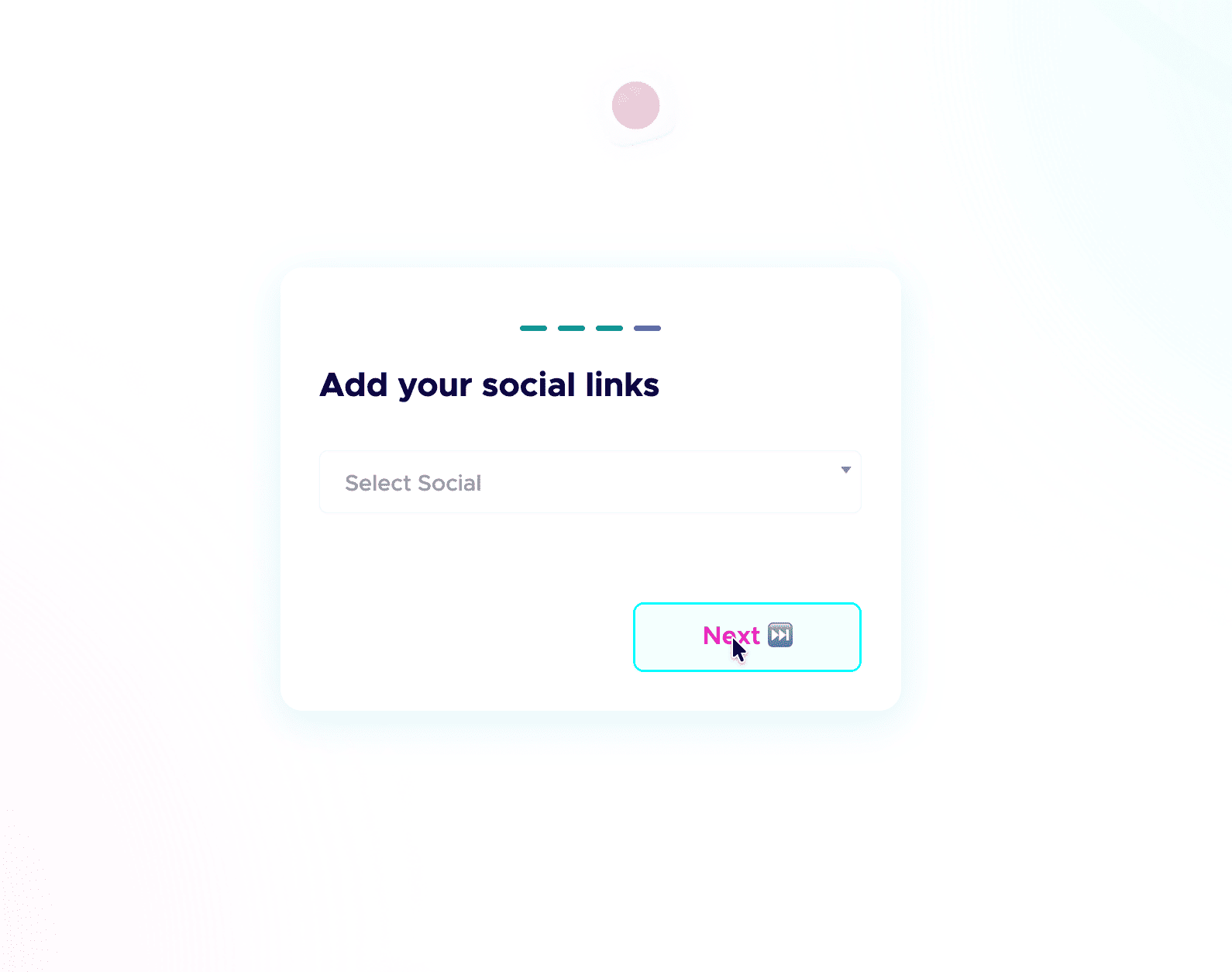
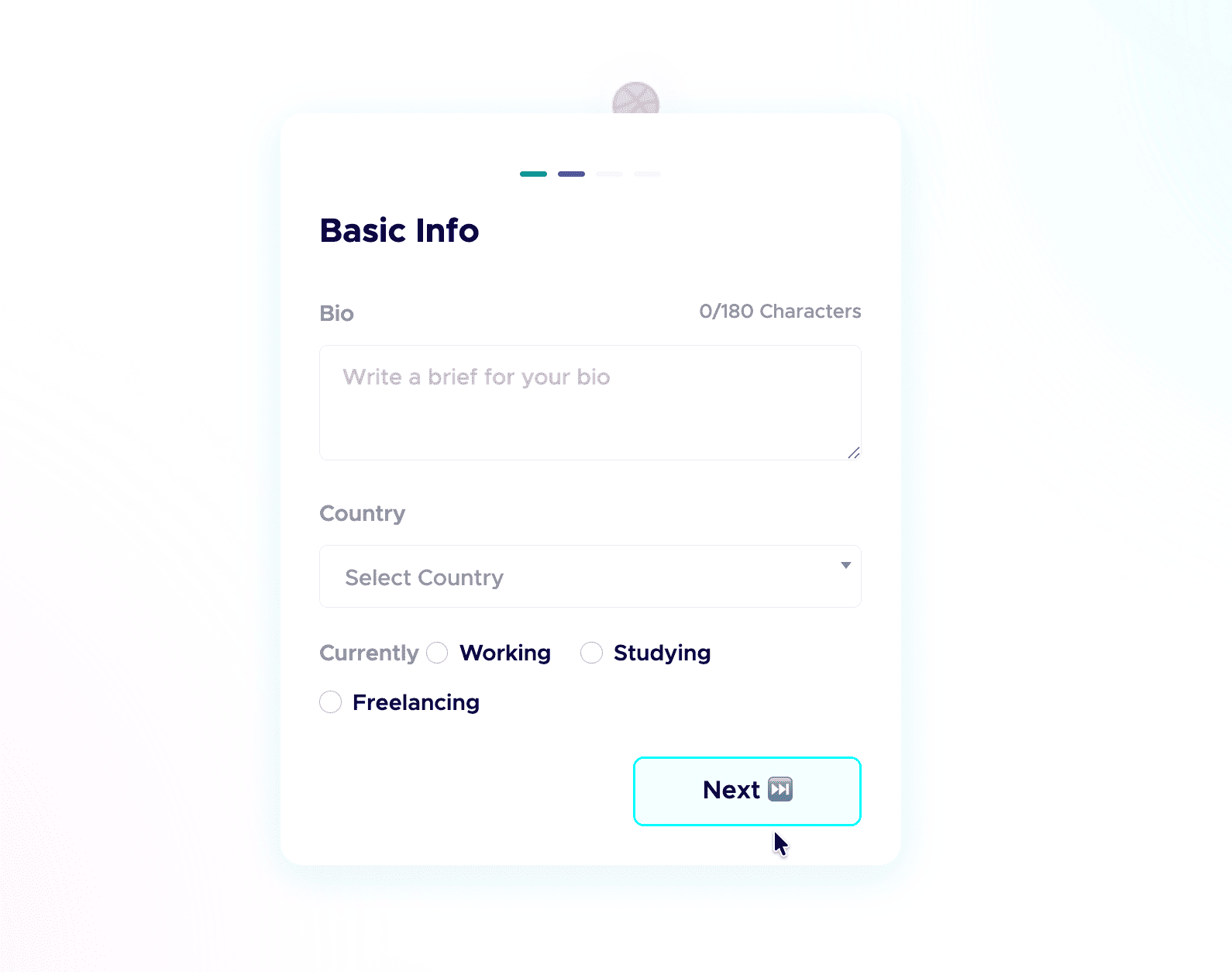 Step 6: Add your skills and social links.
List the skills you are good at and actually want to be hired for, and connect your socials. People do check your profiles, and active socials build credibility before the first call. Students starting from scratch can follow my student guide to their first portfolio.
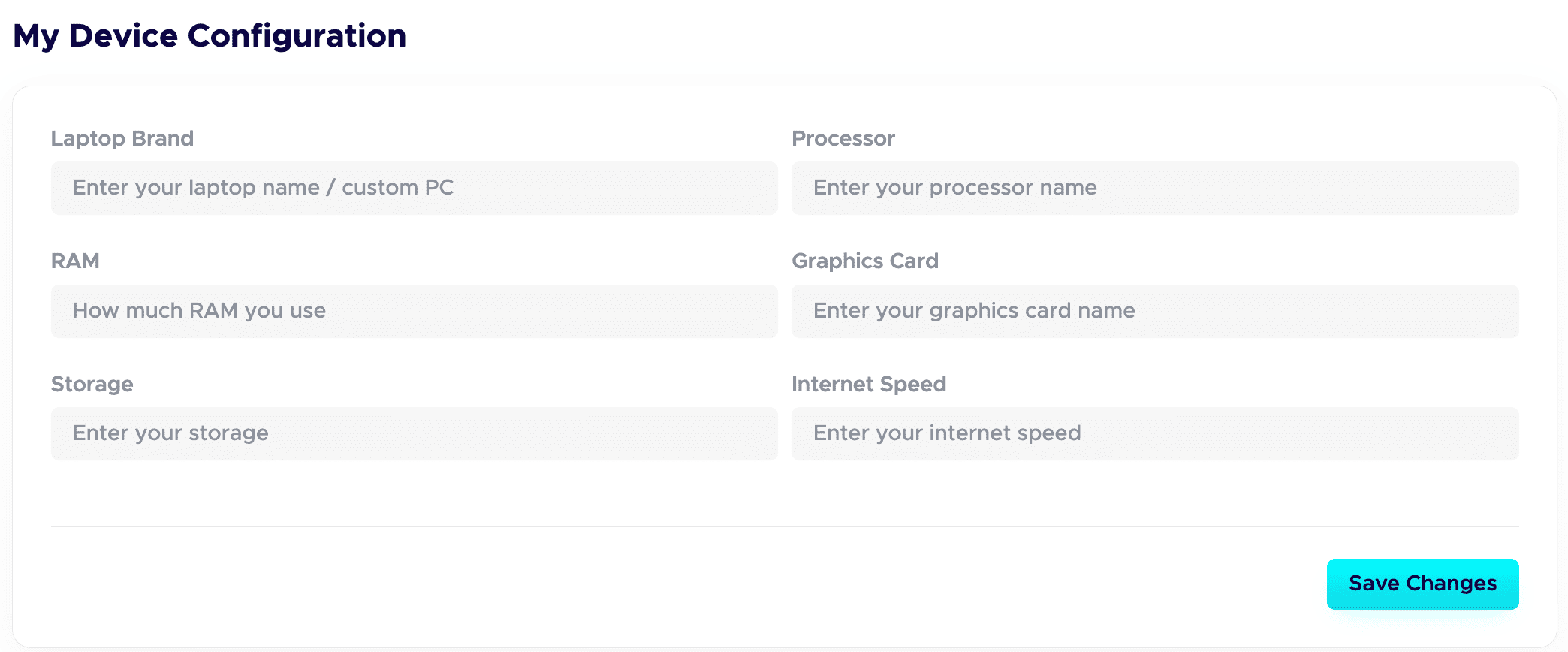
 Step 7: Fill in your Device Configuration.
In your dashboard, set up the Device Configuration section. Add the details about the device you are using. Remote-first companies want to know you have a solid setup to work from. A good setup quietly adds leverage and signals you are ready to deliver.
Step 8: Publish your projects with all the details.
This is a game-changer. Give each project a clear title and a detailed description. Walk through your process: your thinking, the tools you used, the choices you made, and the result. Companies care about how you work, not just the final image.
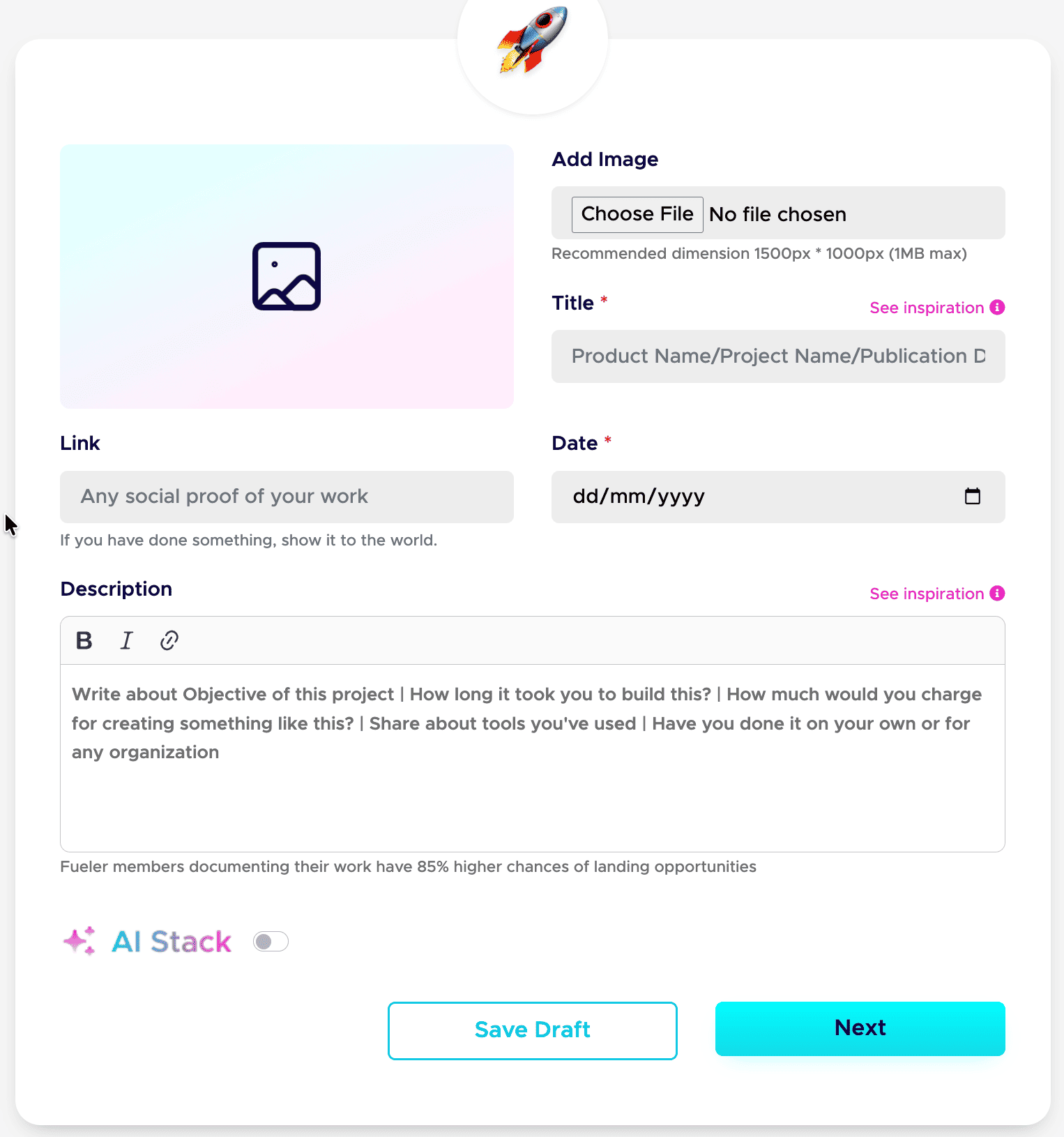
Step 9: Add your AI Stack to each project.
AI is part of real work now, so show it honestly. Use the AI Stack feature to explain how you used AI, which tools you used, and what you did manually. This builds trust instead of raising doubt. Here is the full guide: how to add AI Stack on Fueler.
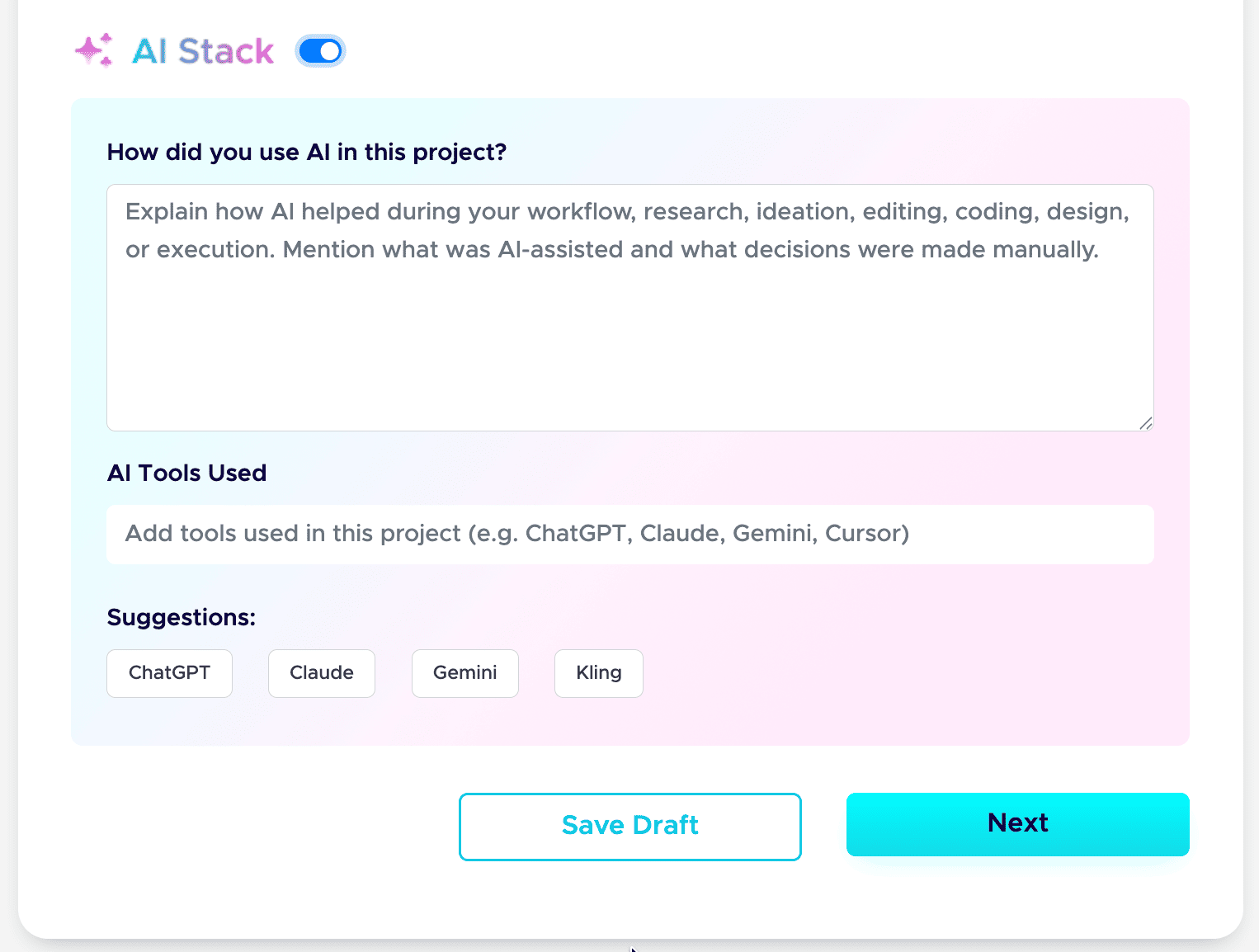
That is the whole setup. Do these nine steps well, and your profile stops being a static page and starts working as a hiring asset. If you want a tighter version to follow next time, save my 6-step formula for a Fueler portfolio and my breakdown of a career portfolio that actually gets jobs.
Do this once, and you have a link you can drop into your resume, your email signature, and every job application.
Real-World Use Cases: Who Wins Where?
Let's look at how this plays out in the wild. The right platform depends entirely on how you earn your living.
Scenario A: The Brand & Motion Designer
If you spend your days inside After Effects or Figma creating gorgeous visual design languages, stick to Behance. Your audience expects a highly visual, immersive layout, and they want to see your stylistic flair before they ever look at your metrics. Knowing how to organize projects in your portfolio on a visual platform is your ticket to landing high-end agency gigs.
Scenario B: The Full-Stack Content Marketer
If you write high-converting copy, manage email funnels, and write technical blogs, Behance will actively hurt your distribution. You need Fueler. A potential client wants to click your live links, see your traffic growth data, and read your structured case studies. They don't care about a pretty thumbnail; they care that your words actually generate revenue.
The Future of Hiring: From Resumes to Results
The world is moving fast toward a skills-first economy. Degrees are losing their monopoly, and corporate job titles don't mean what they used to. When a startup or an agency is looking to scale, they don't want to play guessing games with your resume. They want to see the trail of successful projects you've left behind.
Behance will always own the visual design ecosystem, and it deserves to. But for the rest of the builders, creators, and execution specialists out there, you need an infrastructure that treats your work like data, not just decoration.
FAQs
Is Fueler free to use for freelancers?
Yes. You can sign up, build your no-code profile, log your projects, and share your live proof of work links with clients completely free of charge.
Can I link my Behance projects inside Fueler?
Absolutely. Many visual developers use Fueler as their master control center, embedding their Behance links right alongside their live code repositories and client management documents.
How do recruiters find me on Fueler?
Recruiters use specialized search filters to discover talent based on specific project types, skills, and verified assignments rather than just filtering by generic keywords.
Do I need a custom personal website if I have a portfolio platform?
For most professionals, no. Managing hosting, broken mobile responsiveness, and design updates takes away from your actual work. A clean, optimized profile lets you update your wins instantly.
Why 100,000+ professionals use Fueler
Fueler helps professionals showcase proof of work through projects, assignments, case studies, and achievements.
- Thousands of professionals use Fueler to create their digital portfolio
- Thousands of projects are published on Fueler. Check here
- Startups and Companies hire through proof of work on Fueler
- Used by freelancers, creators, marketers, video editors, writers, designers, and product managers
Our mission is to help the next 100 million professionals build a verified professional identity through proof of work

What should you do next?
You've read the article. Now turn your skills into proof of work and unlock more opportunities.
Build your proof of work portfolio
Create a clean portfolio with projects, assignments, resumes, and AI stack details that companies actually want to see.
Create your Fueler portfolio →Apply through assignments, not resumes
Stand out by solving real tasks from companies hiring on Fueler.
Explore assignments →Get discovered by companies
Make your work public and let recruiters discover your skills through actual projects instead of keywords.
Get discovered →
