Fueler: The Best Alternative to Notion Portfolio in 2026

Riten Debnath
20 Jun, 2026
Open any group of freelancers or job seekers today and you will hear the same story. Someone spent a whole weekend turning their Notion workspace into a portfolio. They picked a clean template, added their projects, and shared the link. A week later, nothing happened. No views. No replies. No interviews.
That is the quiet problem with using Notion as a portfolio. It looks fine, but it does not get you found, and it does not connect you to anyone who is actually hiring.
I am Riten, founder of Fueler, a portfolio platform that helps professionals get hired through assignments, proof of work, and projects instead of just resumes. I have watched thousands of people build portfolios, and I have seen what gets results and what gets ignored.
In this article, I will be honest about what Notion does well, where it falls short as a portfolio, and why a proof-of-work platform is a stronger choice. You will also get a clear, step-by-step guide to set up your own portfolio, plus a side-by-side comparison so you can decide for yourself. By the end, you will know how to turn your work into something that brings opportunities to you.
What Notion Does Well
Notion is a great tool, and I want to be fair about it. Many people reach for it because it is familiar, free, and quick to start. If you already use it every day, building a basic page feels natural.
Its real strength is flexibility. You can shape a page however you like and update it whenever you want, without writing any code.
Here is where Notion genuinely does good:
- Content organisation is simple. Notion is built on databases and pages, so you can group projects, tag them, and create clean galleries. If your goal is to keep your work tidy in one place, it handles that part well.
- The learning curve is low. Most people already know how to use Notion for notes or tasks. Turning that knowledge into a basic portfolio page takes very little extra effort, which is why so many beginners start here.
- Publishing is fast. You can write something, hit publish to web, and share a link in minutes. For a rough first draft of your work, that speed is useful.
- It is free to begin. You do not need to pay anything to make a simple page, which lowers the barrier for students and early-career people who are just getting started.
- It works as a living document. You can edit it anytime as your career grows, so it never feels frozen the way a printed resume does.
Why it matters: Notion solves the "where do I put my work" problem. But putting your work somewhere and getting hired from it are two very different things. That is why a Notion portfolio can be a perfectly good place to start, but it may not be enough once your goal shifts from simply showing your work to getting that work in front of the right people. The first is storage. The second is distribution. That gap is exactly where most Notion portfolios quietly stall.
The Real Limits of a Notion
Notion was built for notes, docs, and databases. A portfolio is not its main job, and that shows once you try to use it to get hired. I have seen talented people lose opportunities, not because of weak skills, but because of where their work lived.
The biggest issue is simple. Notion stores your work, but no one is looking inside it for you.
- Most pages look the same: Because everyone uses similar free templates, Notion portfolios start to blend together. When a hiring manager opens twenty look-alike pages in a day, nothing stands out, and "forgettable" is the worst thing a portfolio can be.
- There is no built-in discovery: Notion will not show your work to companies. You have to drive every single visitor yourself through LinkedIn, email, or DMs. If you stop promoting, your portfolio simply goes silent.
- It has no hiring ecosystem: Notion is not connected to any company that is searching for talent. Your page is an island. A proof-of-work platform, by contrast, is where companies actually come to look, which is the whole point of having a portfolio.
- There are no assignments or real tasks: Modern hiring is moving toward paid tasks and assignments where you prove skill by doing the work. Notion has no way to plug you into that. You can show old work, but you cannot easily earn new proof.
- SEO and speed have real limits: Notion pages are slow to fully customize for search, and heavy embeds or large images can make them load slowly. A slow, hard-to-find page hurts you with both Google and busy recruiters.
Why it matters: In 2026, hiring has shifted from "who you are on paper" to "what you have actually shipped." A portfolio that only stores work, without discovery or hiring connections, leaves the hardest part of the job, getting seen, entirely on your shoulders. That is a heavy, lonely way to find work.
Why Fueler Is a Better Notion Portfolio Alternative
We did not build Fueler to compete with note apps. I built it because the best person for a job should get it, not the best resume writer or the best self-promoter. That belief shaped everything about how the platform works.
Fueler is a portfolio-first platform. Showcasing proof of work is not a side feature here. It is the entire reason the platform exists.
- It is designed for professionals across every field: Whether you are a designer, developer, marketer, writer, or student, Fueler gives you a structure to show context, your role, and the real result of each project, not just a pretty image.
- Companies discover you here: Fueler is trusted by 100K+ members, and recruiters search the platform for talent based on skills and proven work. That means opportunities can come to you instead of you chasing every single one.
- It connects to assignment-based hiring: Companies on Fueler can hire through assignments, so your portfolio and your completed tasks become your real job application. This is the closest thing to letting your work speak before you ever sit in an interview.
- Project presentation is built for proof: Instead of a flat list, you explain the goal, your thinking, the tools you used, and the outcome. This is the kind of detail that makes a hiring manager trust you, and you can study a real designer portfolio to see it in action.
- It is free and fast to start: You can build a clean, professional portfolio in under 30 minutes without any design skills. There is no weekend-long setup and no need to glue extra tools together to make it look right.
Why it matters: A portfolio should do two jobs. It should present your work clearly, and it should help that work get discovered by people who can hire you. Fueler is built to do both at once, which is the part a general note tool was never designed to handle.
Notion Portfolio vs Fueler: A Clear Comparison
Sometimes the easiest way to decide is to see things side by side. Here is an honest comparison based on what each platform is built to do in 2026.
The pattern is clear. Notion is a flexible workspace that can hold a portfolio. Fueler is a portfolio platform built to get you hired. If your only goal is to store work, either can do it. If your goal is to actually land work, the difference is large. You can see the full method in this guide to building a proof of work portfolio.
How to Create Your Portfolio on Fueler Step by Step
A great portfolio is not about doing more. It is about doing the right things in the right order. Here is the exact process I would walk a friend through if they were starting today.
Step 1: Sign up on Fueler.
Head to Fueler.io and create your free account.
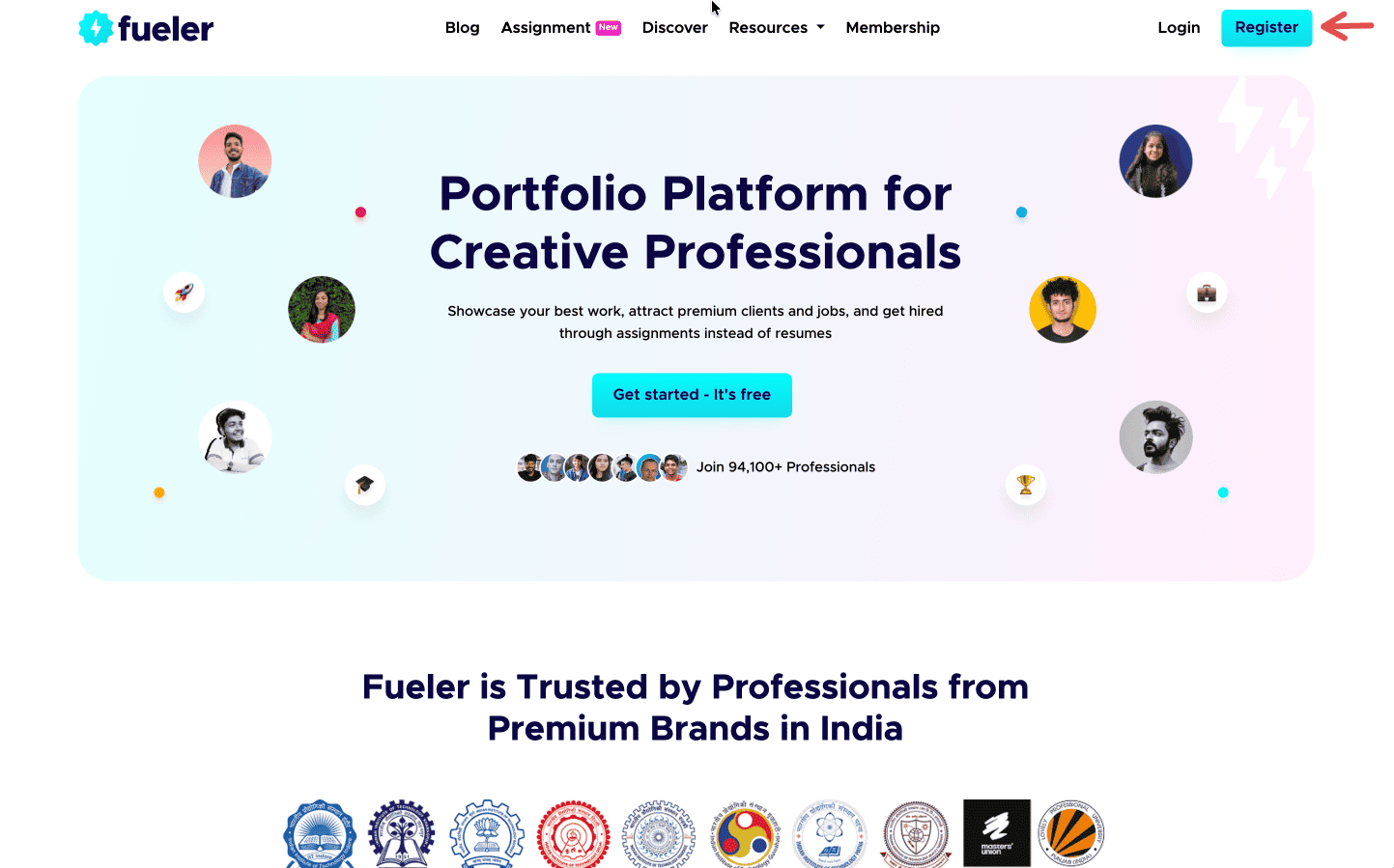
Sign up on Fueler
Step 2: Pick a professional handle.
Your handle shows up in your public link, so keep it clean and grown-up. Don’t add nicknames and random numbers. Your name or a simple version of it works best.
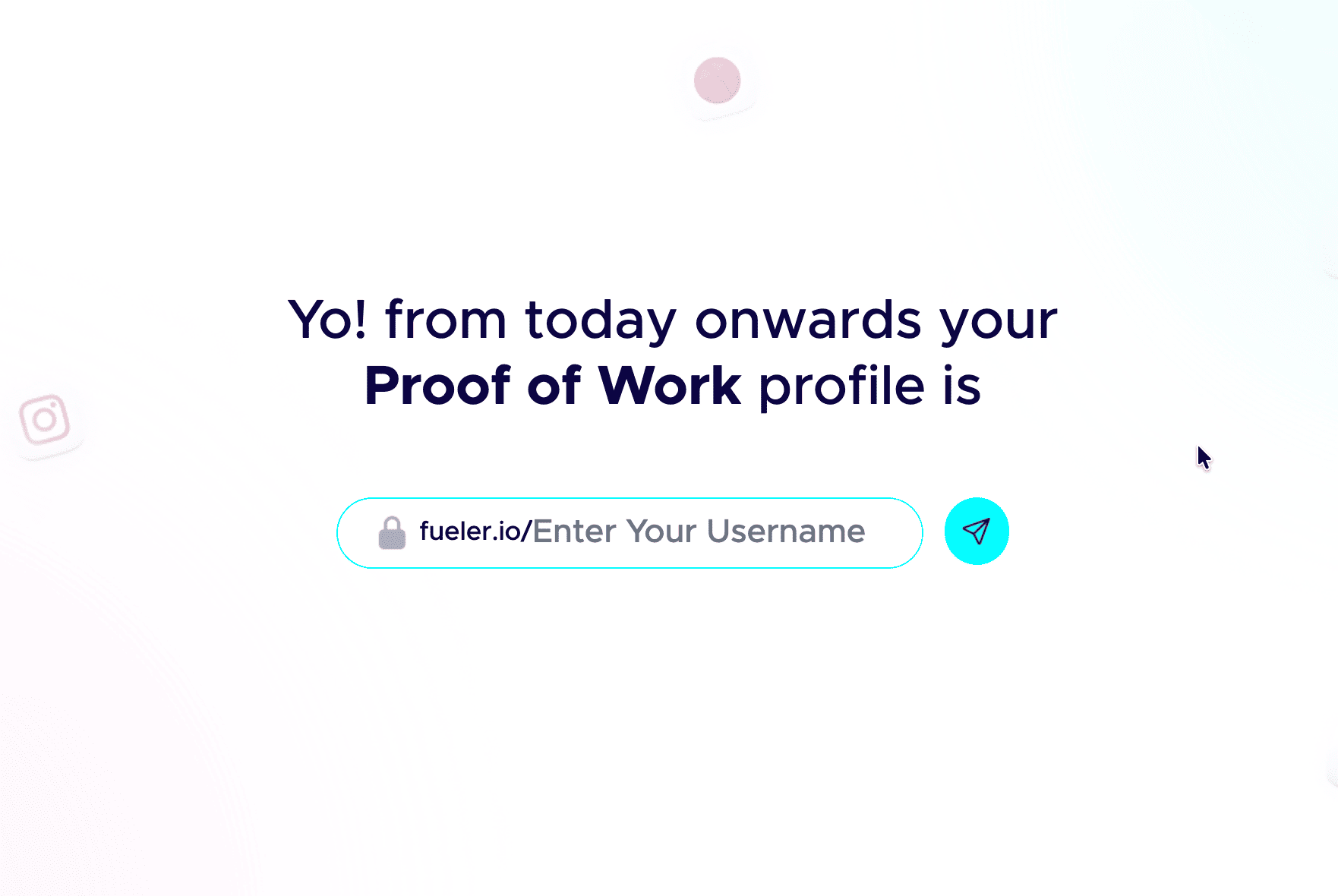
Pick a professional handle
Step 3: Add a professional profile picture.
Use the same kind of professional photo you would put on LinkedIn. Clear face, good lighting, and a simple background. People trust a real face more than an empty avatar.
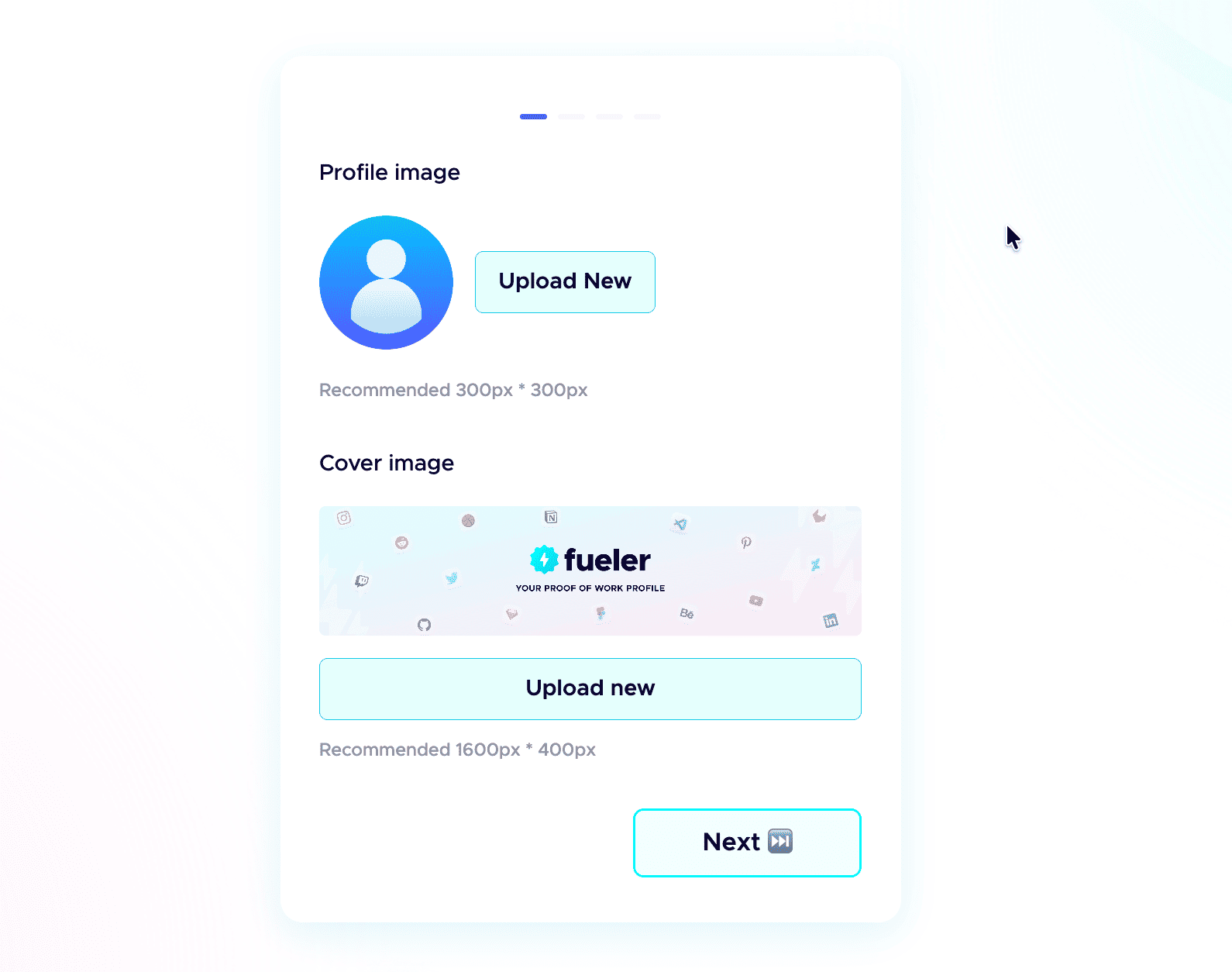
Add a professional profile picture
Step 4: Write a strong header.
The header is the first thing anyone sees. In one or two short lines, say who you are, what you do, and the kind of work you have done. Make it specific, not vague.
Step 5: Add a short bio.
Tell people who you are and what you do in a few plain sentences. No buzzwords, just enough for a recruiter to get you in five seconds.
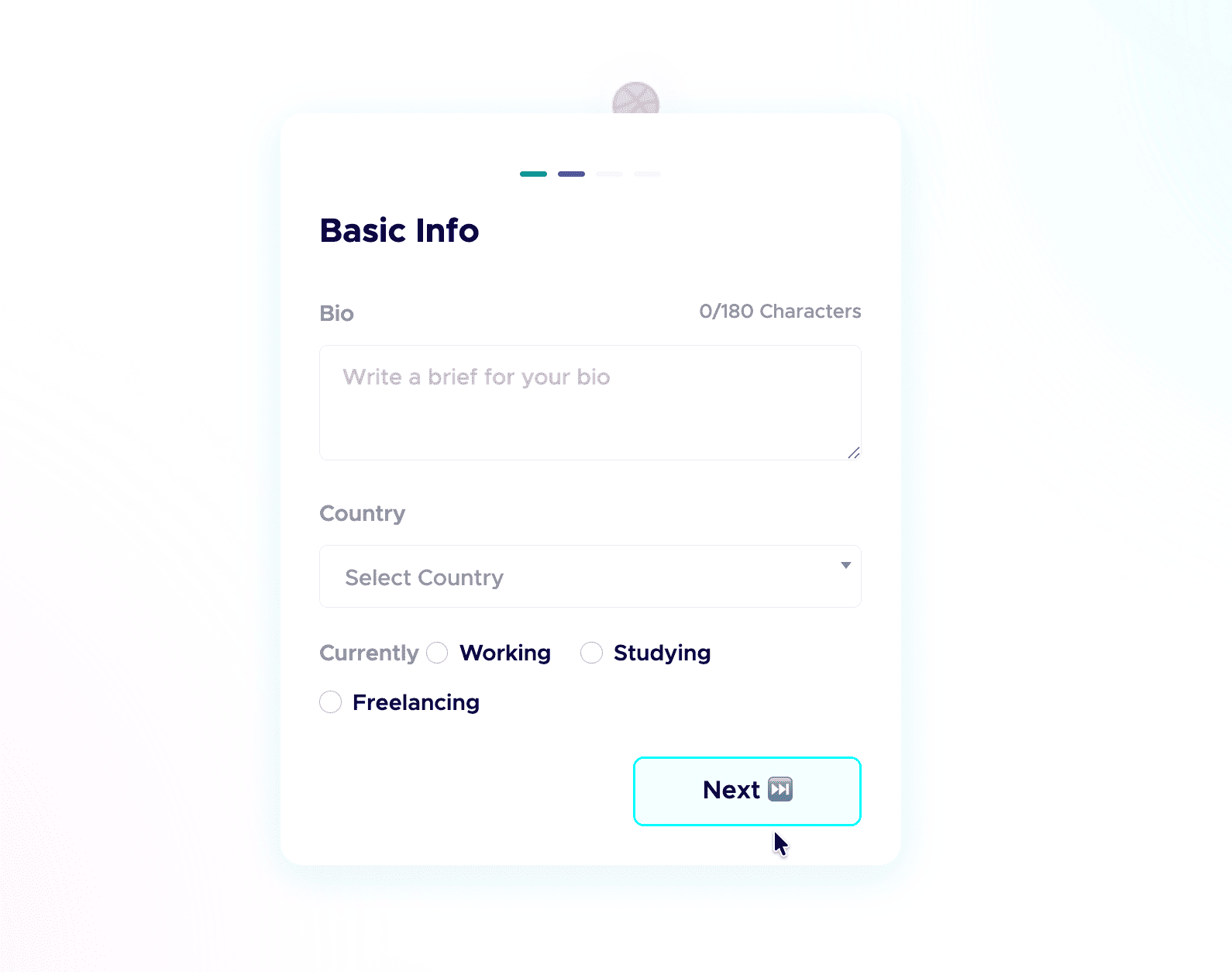
Add a short bio
Step 6: Add your skills and social links.
List the skills you are good at and actually want to be hired for, and connect your socials. People do check your profiles, and active socials build credibility before the first call. Students starting from scratch can follow my student guide to your first portfolio.
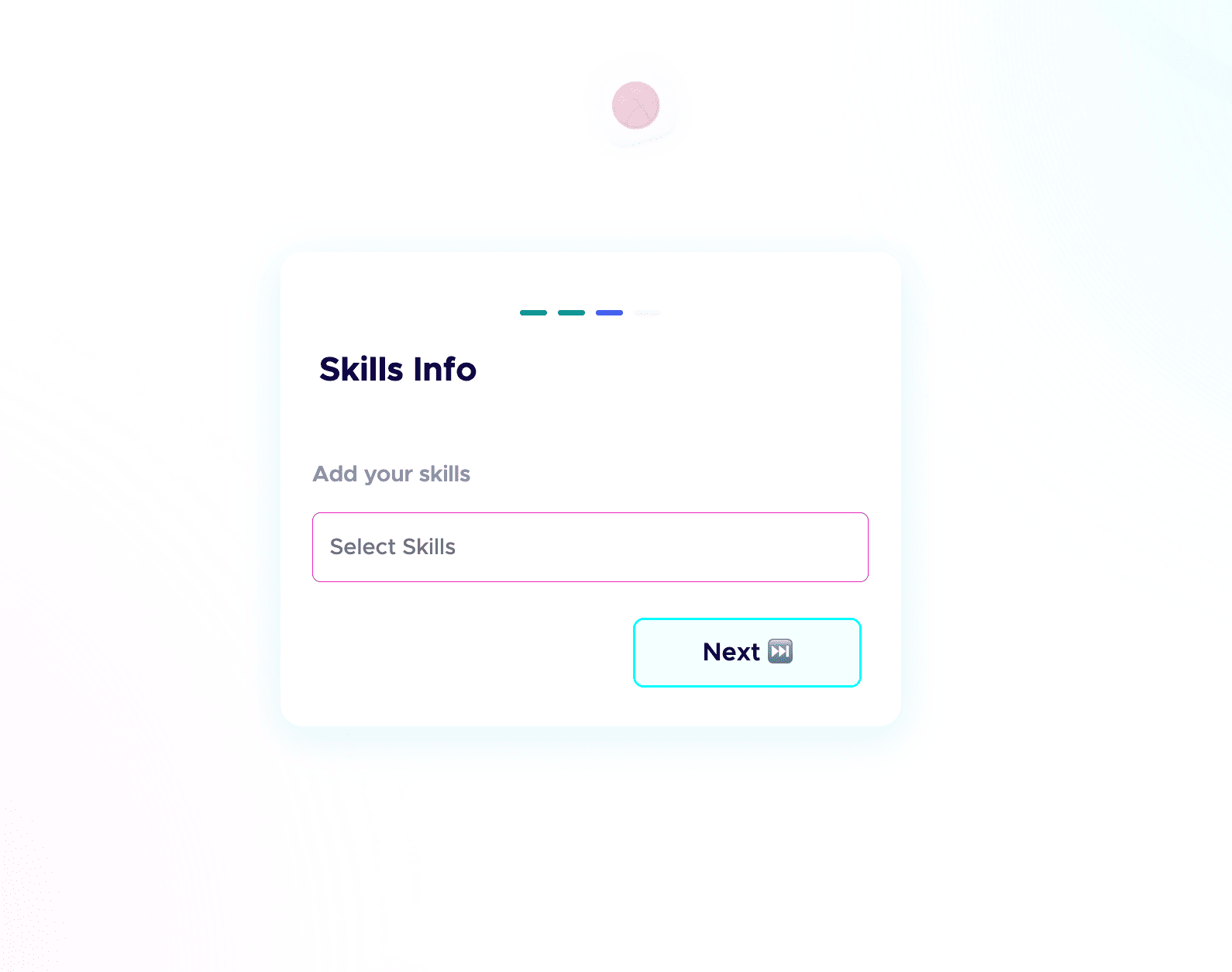
Add your skills
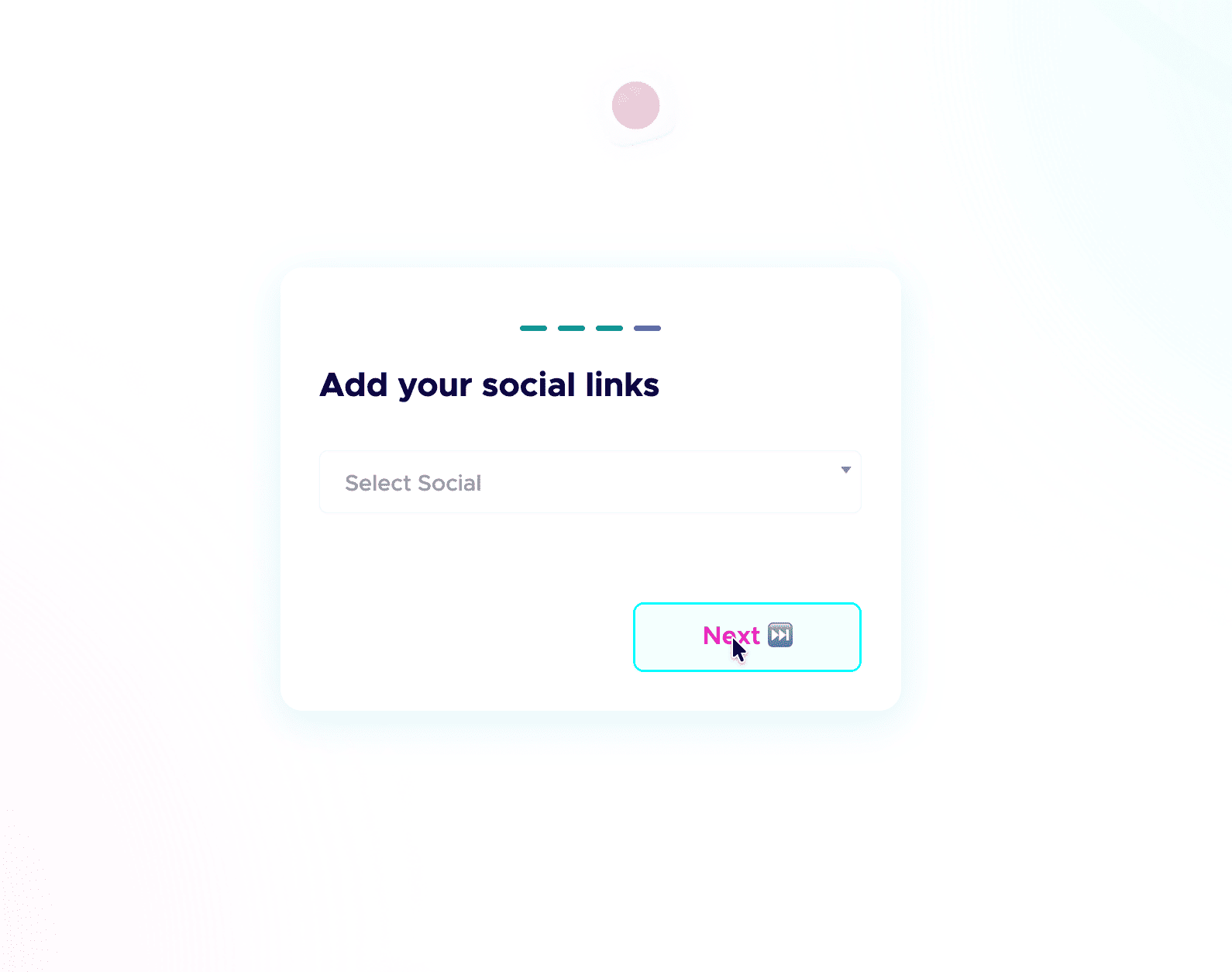
Add your social links
Step 7: Fill in your Device Configuration.
In your dashboard, set up the Device Configuration section. Add the details about the device you are using. Remote-first companies want to know you have a solid setup to work from. A good setup quietly adds leverage and signals you are ready to deliver.
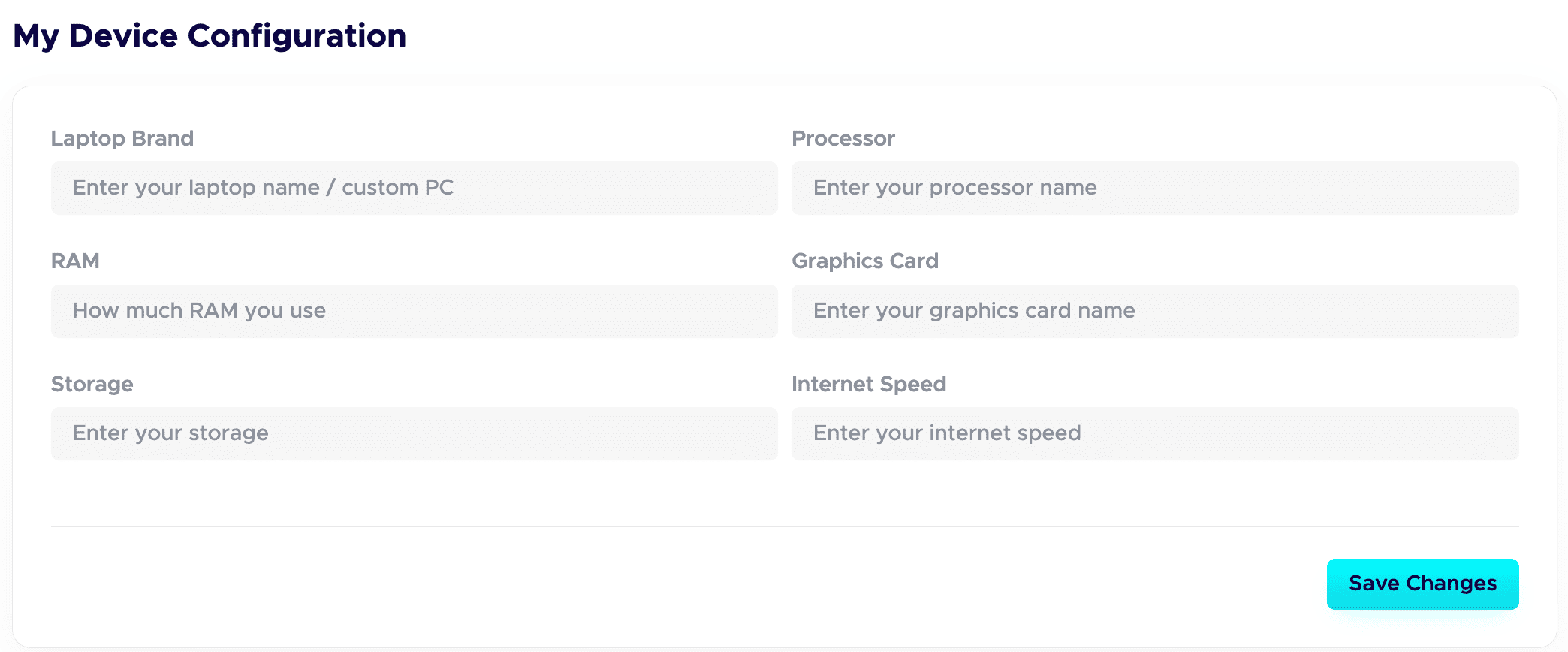
Fill in your Device Configuration
Step 8: Publish your projects with all the details.
This is a game-changer. Give each project a clear title and a detailed description. Walk through your process: your thinking, the tools you used, the choices you made, and the result. Companies care about how you work, not just the final image.
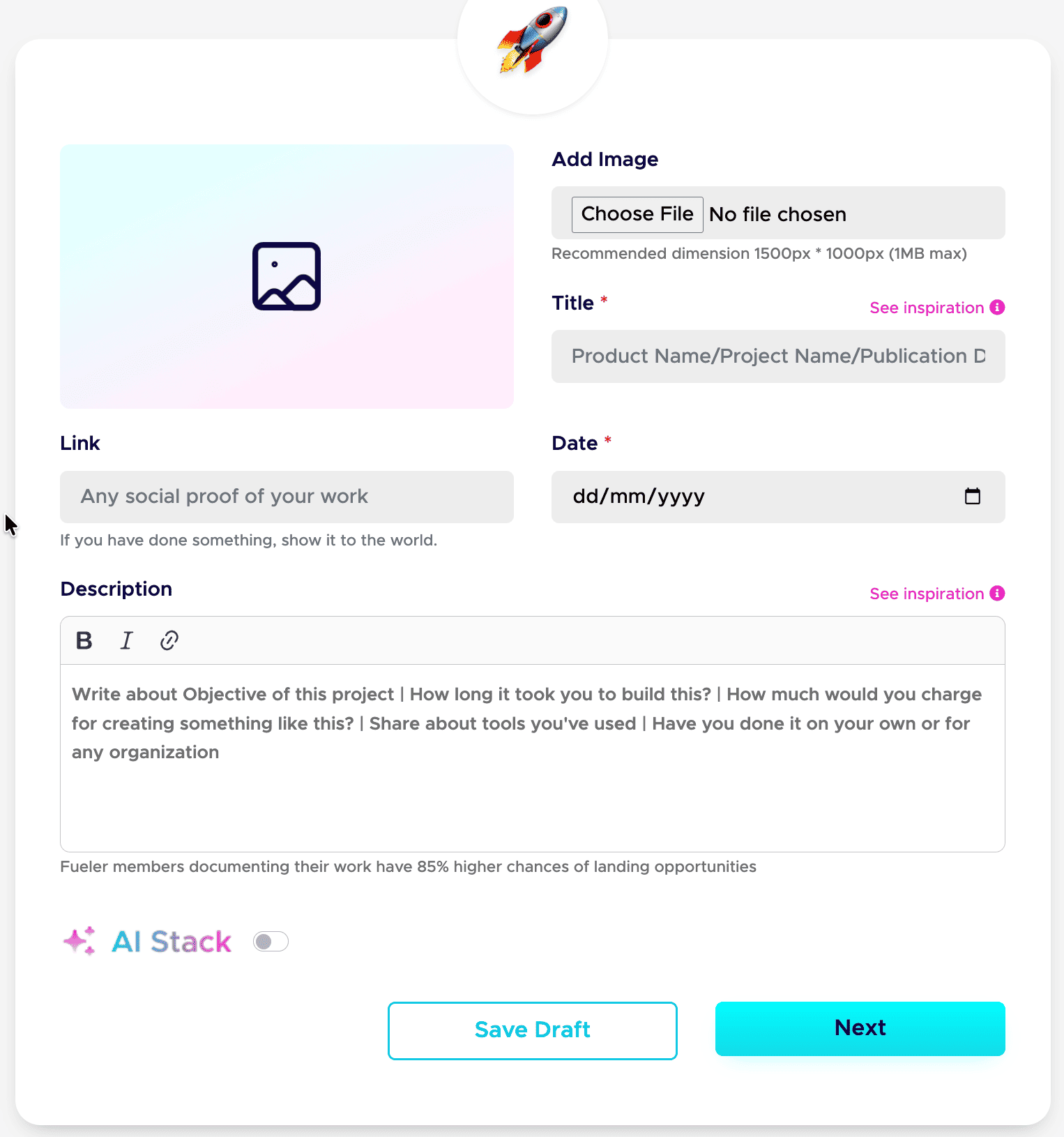
Publish your projects with all the details
Step 9: Add your AI Stack to each project.
AI is part of real work now, so show it honestly. Use the AI Stack feature to explain how you used AI, which tools you used, and what you did manually. This builds trust instead of raising doubt. Here is the full guide: how to add AI Stack on Fueler.
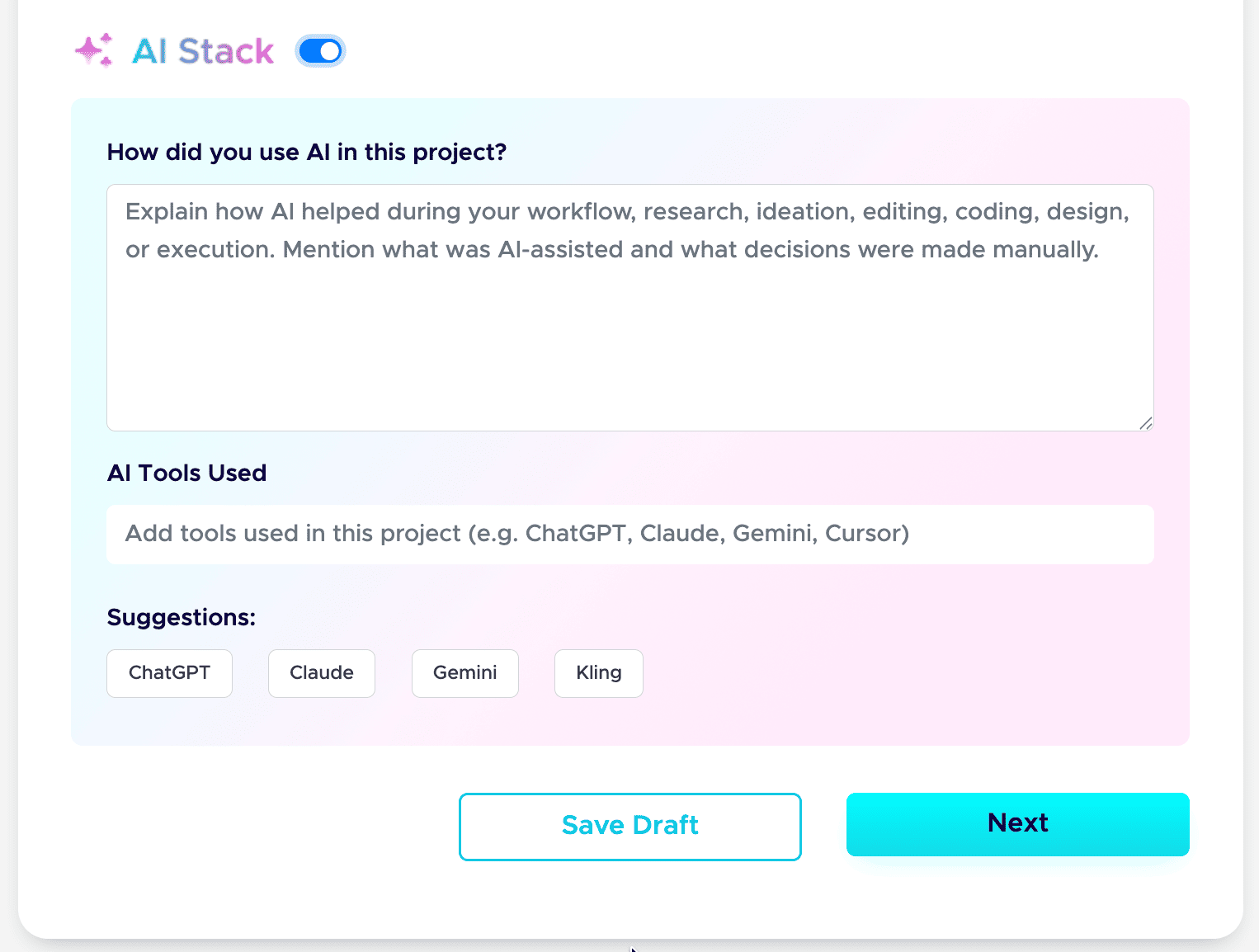
Add your AI Stack to each project
That is the whole setup. Do these nine steps well and your profile stops being a static page and starts working as a hiring asset. If you want a tighter version to follow next time, save my 6-step formula for a Fueler portfolio and my breakdown of a career portfolio that actually gets jobs.
Real Examples of Proof-of-Work Portfolios That Get Noticed
You do not need to be famous or have years of experience to build a portfolio that works. You just need to show your work clearly and prove the result. The people who get hired fastest tend to follow a simple pattern.
The difference is always in the detail. A weak entry lists a task. A strong entry tells a small story with a clear outcome.
- A designer who shows process, not just pixels. Instead of posting one final logo, the strongest designers explain the brief, the options they tried, and why they chose the final direction. This shows judgment, which is what clients actually pay for.
- A marketer who shares numbers. A line like "ran a campaign" means little. "Grew newsletter signups by tracking three channels and doubling down on the best one" means a lot. Real numbers turn a claim into proof.
- A developer who explains decisions. Posting code is fine, but explaining why you chose a certain approach and what problem it solved is far more convincing. It shows you can think, not just type.
- A writer who frames the goal. Strong writing portfolios add one line of context to each piece: who it was for and what it achieved, so a reader instantly understands the value.
- A student who treats projects seriously. Even class assignments become proof when you document your process and outcome honestly. Many people land their first role this way.
Why it matters: Hiring managers are not looking for the loudest portfolio. They are looking for the clearest one. A simple, well-documented project with a real result will beat a flashy page with no substance almost every time. Proof always travels further than polish.
Examples of portfolios on Fueler
How This Connects to Building a Strong Career or Portfolio
Here is the bigger truth behind all of this. The job market has changed, and it is not changing back. Resumes describe you. Proof of work shows you. In 2026, show wins.
When your work is visible and well documented, you become easier to trust and faster to hire. People can verify your skill without a long interview process, because the evidence is right there. That lowers their risk and raises your value at the same time.
Documenting your projects also compounds over time. Each new entry adds to your credibility, and a year of honest documentation becomes a body of proof that is genuinely hard to compete with. This is why modern hiring rewards outcomes over titles, and why the people who win are usually the ones who simply showed their work consistently. If you want a tested structure to follow, this portfolio formula is a good starting point, and a platform like Fueler exists to make that process simple.
Final Thoughts
Notion is a brilliant tool, and you should keep using it for notes, docs, and planning. But a portfolio has a different job. It needs to be found, trusted, and connected to real hiring. In 2026, the professionals who win are not the ones with the prettiest pages. They are the ones whose work is visible and easy to verify. Pick the tool that does that job, document your best work honestly, and keep it updated. The opportunities follow the proof.
Frequently Asked Questions
1. Is Notion good for a portfolio in 2026?
Notion is good for organizing and storing your work, and it is free and flexible. But it was built for notes and databases, not hiring. It has no built-in discovery and no connection to companies that are looking for talent, so you have to drive every visitor yourself. For a personal archive it works. For getting hired, a portfolio-first platform is the stronger choice.
2. What is the best alternative to a Notion portfolio?
A proof-of-work platform built for hiring is the best alternative. Fueler is designed exactly for this. It presents your projects with full context and results, lets companies discover you based on your skills, and connects you to assignment-based hiring. Unlike a note tool, it does the hard part for you, which is helping your work get seen by people who can actually hire you.
3. Is Fueler free to use?
Yes. Fueler is free to start. You can build a complete, professional portfolio and share your public link without paying anything upfront. It takes less than 30 minutes to set up, even if you have no design skills. You can learn how to build a career portfolio and apply it the same day.
4. How long does it take to build a portfolio on Fueler?
Most people build a clean, professional portfolio in under 30 minutes. You sign up, add a profile picture and bio, list your skills, and add a few projects with a clear description of your process and results. You do not need to design anything from scratch or stitch extra tools together, which is what usually makes Notion portfolios take a full weekend.
5. Can companies find me on Fueler?
Yes, and this is the main difference from a Notion page. Fueler is trusted by 100K plus members, and companies search the platform to discover talent based on skills and proven work. Some hire through assignments, so your portfolio becomes your real application. The better and clearer your documented work, the easier it is for the right opportunities to reach you.
What is Fueler Portfolio?
Fueler is a career portfolio platform that helps companies find the best talent for their organization based on their proof of work. You can create your portfolio on Fueler. Thousands of freelancers around the world use Fueler to create their professional-looking portfolios and become financially independent. Discover inspiration for your portfolio
Sign up for free on Fueler or get in touch to learn more.

What should you do next?
You've read the article. Now turn your skills into proof of work and unlock more opportunities.
Build your proof of work portfolio
Create a clean portfolio with projects, assignments, resumes, and AI stack details that companies actually want to see.
Create your Fueler portfolio →Apply through assignments, not resumes
Stand out by solving real tasks from companies hiring on Fueler.
Explore assignments →Get discovered by companies
Make your work public and let recruiters discover your skills through actual projects instead of keywords.
Get discovered →
