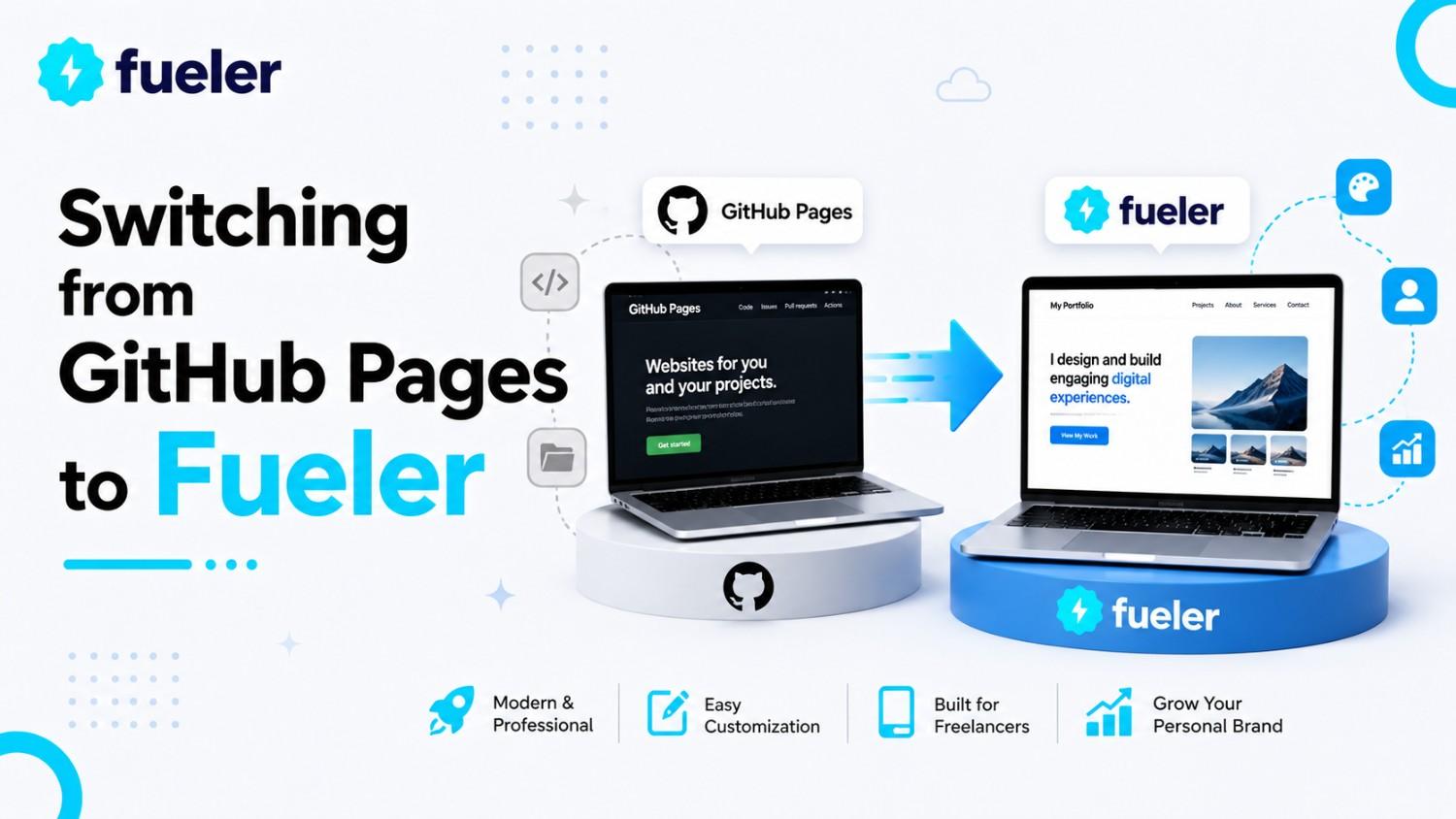
Why Professionals Are Switching from GitHub Pages to Fueler?

Riten Debnath
13 Jul, 2026
Last updated: July 2026
Resumes and static profile links are no longer enough to close high-ticket deals or land top-tier roles. Modern companies want to see exactly how you think, execute, and deliver results under pressure. While GitHub Pages served as a default home for technical talent for years, it completely fails to show the business impact behind the code.
I’m Riten, founder of Fueler, a skills-first portfolio platform that connects talented individuals with companies through assignments, portfolios, and projects, not just resumes/CVs. Think Dribbble/Behance for work samples + AngelList for hiring infrastructure.
If you are still managing raw markdown files, tweaking custom themes, and wrestling with liquid templates just to show off your latest project, you are losing opportunities to faster peers.
This guide breaks down exactly why leading technical and creative professionals are migrating their proof of work to modern discovery platforms. You will learn how to optimize your visible output to attract premium brands and engineering managers without writing custom CSS.
Why Code Repositories Fail the Recruiter Usability Test
Recruiters spend less than ten seconds scanning your link during their first review. If your work hides behind deep folder structures or README files full of dense code snippets, non-technical managers will close the tab. Standard code repositories completely lack the visual context needed to explain business problems, project management choices, or real outcomes.
Using a system that isolates your files makes it difficult to show your true value. Non-technical clients require immediate clarity rather than raw files.
- Immediate Proof Visibility: Displaying live links, core metrics, and project goals directly on your primary page eliminates confusion for non-technical clients. This approach secures interest faster by showing immediate value.
- Zero Technical Friction: Non-technical hiring managers can audit your contributions without cloning repositories or navigating terminal environments. This helps you stand out to busy talent acquisition teams.
- Context Over Code: Merging your live assets with descriptive project write-ups shows people exactly how you solve real problems. It changes your public image from a basic builder to a strategic asset.
- Readable Layout Design: Clean, direct project displays ensure your work looks highly professional on all screen sizes. This eliminates layout bugs that damage your credibility.
- Faster Assessment Times: Presenting your projects in a clear overview structure helps busy team leaders review your work history in seconds. This speed increases your response rates.
Why It Matters
Technical skills lose value if the person hiring cannot understand your actual execution. Moving beyond simple text registries ensures your work is clear to every stakeholder in a company. This clarity directly turns brief profile visits into real interviews and paid project offers.
The True Cost of Building and Maintaining Static Web Sites
Managing a custom site requires constant updates to dependencies, build tools, and responsive layouts. Every hour you spend fixing a broken template is time taken away from building projects. Static hosting services also isolate your profile from active talent networks where companies hunt for talent.
When you manage your own code for a simple portfolio, you are taking on unnecessary technical debt. This maintenance takes your focus off your primary professional output.
- No Maintenance Interruptions: Choosing an entry-based publishing system completely removes the need to fix broken site packages or continuous deployment setups. Your profile remains active without manual coding work.
- Rapid Project Publishing: Launching complete, detailed case studies takes under two minutes through simple data forms. This keeps your profile fresh and updated without weekend coding sessions.
- Mobile Layout Stability: Natively responsive layouts automatically scale your live media assets for smartphones without requiring custom CSS rules. This guarantees a perfect look for every visitor.
- Optimized Core Web Vitals: Lightweight platform performance keeps your page loading speeds high across unstable cellular networks. This prevents impatient clients from leaving your site early.
- Zero Design Fatigue: Structured layouts let you skip complex visual grid adjustments entirely. You can focus your energy on writing clear project documentation that matters.
Why It Matters
Your public profile should act as an active business asset, not a secondary software project that requires constant bug fixes. Eliminating design maintenance allows you to consistently update your proof of work. This fast consistency keeps you relevant to founders who need active operators today.
8 Actual Reasons Professionals Are Switching to Fueler
The shift away from legacy code-hosting platforms is driven by practical execution bottlenecks. While static pages store text, modern professional environments demand proof that translates across cross-functional teams.
1. Proof of Work Over Code Repositories
Non-technical founders, product managers, and marketing directors cannot read complex back-end architectures or nested file directories. They need to see the tangible outcome of your labor, not just lines of syntax.
- Readable Project Layouts: Transforms abstract codebases into clean visual summaries that any executive can grasp instantly.
- Immediate Value Communication: Highlights the actual problem you solved right at the top of the project block.
- Multi-Media Asset Support: Allows you to embed live dashboards, videos, images, and design links right alongside your text.
- Cross-Functional Appeal: Bridges the gap between your technical capabilities and the business goals non-technical stakeholders care about.
- Higher Engagement Rates: Keeps visitors on your page longer because they can view live work without leaving the tab.
2. Zero Technical Debt and Maintenance Cost
Building a site on static pages means you are now the full-time developer, designer, and system administrator of your personal portfolio. Every major software update risks breaking your custom layout or continuous integration pipeline.
- No Broken Packages: Eliminates time spent fixing static site generators, node modules, or theme compatibility bugs.
- Instant Deployment Forms: Uses simple data input fields to launch a new case study in under sixty seconds.
- Automatic Core Optimizations: Handles all caching, media compression, and server-side performance improvements on your behalf globally.
- Focus on Real Output: Frees up your weekends so you can build real projects instead of debugging portfolio CSS.
- Reliable Global Uptime: Keeps your proof of work live and fast around the world without manual infrastructure monitoring.
3. Built-In Multi-Disciplinary Flexibility
Modern professionals rarely do just one thing; an engineer might write technical essays, design user interfaces, or manage growth campaigns. Static code pages force you to structure everything like a software project, alienating your non-technical skills.
- Flexible Project Tagging: Organizes development work, copywriting samples, and marketing metrics under a single unified profile page.
- Custom Category Filtering: Lets profile visitors filter your work by domain with a single click on the sidebar.
- Unified Personal Brand: Displays your diverse skill sets side-by-side without making your page look cluttered or unfocused.
- Adaptable Work Showcasing: Formats text, external links, and embedded applications gracefully based on the specific asset type.
- Broader Market Reach: Attracts traditional software firms alongside creative agencies looking for versatile hybrid talent.
4. Native Collaboration and Project Co-Authoring
Software development is inherently collaborative, yet static hosting platforms make it incredibly clunky to share portfolio credit with teammates. You are often forced to write messy text callouts that nobody verifies.
- Direct Teammate Tagging: Links co-authors directly to a shared project card using their unique platform handles.
- Verified Social Proof: Validates your ability to work inside real team environments by displaying mutual project credits.
- Shared Network Traffic: Surfaces your profile to new companies when a tagged teammate shares the project link.
- Transparent Contribution Breakdown: Lets you explicitly state your specific role within a massive multi-person team initiative.
- Automated Sync Updates: Reflects the collaborative project instantly across all contributor profiles without double data entry.
5. Transitioning From an Isolated Link to an Active Network
A custom domain on a static host is a digital island; nobody will ever visit it unless you manually share the link on social media. Moving to a dedicated professional ecosystem plugs your profile into an existing stream of talent seekers.
- Inbound Recruiter Discovery: Exposes your previous deliverables to company talent acquisition teams browsing specific category tags.
- Algorithmic Project Surfacing: Pushes high-quality proof of work to the platform landing pages where founders look for operators.
- Continuous Organic Reach: Generates profile views from target organizations even when you are not actively sending applications.
- Niche Community Exposure: Connects your profile with other top-tier builders for peer reviews and co-founder matching.
- Reduced Outbound Grind: Shifts your career acquisition strategy from cold messaging to managing incoming project inquiries.
6. The Native Assignments Hub
Applying for jobs with generic text documents is a low-conversion game. Accessing a live ecosystem gives you access to real, company-issued challenges that prove your competence.
- Direct Proof Submission: Bypasses traditional HR screenings by submitting working solutions directly to interested decision-makers.
- Real-World Vetting: Lets you work on real problems defined by active startups looking to hire immediately.
- Guaranteed Portfolio Growth: Expands your profile with high-intent corporate assignments even if you lack corporate experience.
- Clear Performance Benchmarks: Shows you exactly how your output stacks up against other active professionals in real-time.
- Fast-Tracked Interviews: Moves your application straight to final technical rounds based entirely on assignment quality.
7. Programmatic SEO and Search Discoverability
Optimizing an isolated static site for search engines requires extensive meta-tag management, sitemap generation, and backlink building. A dedicated platform handles the technical search engine optimization under the hood automatically.
- Automated Keyword Indexing: Structures your project titles and descriptions so they index cleanly on Google Search.
- AI Overview Readiness: Formats your proof of work data to be easily fetched by modern AI search models.
- High Domain Authority: Benefits from the platform's overarching search ranking strength, pushing your profile higher in search results.
- Clean Structured Schema: Employs precise machine-readable data structures to help web crawlers understand your exact expertise.
- Inbound Discovery Leads: Attracts specific industry traffic directly to your case studies based on highly targeted search terms.
8. Frictionless Analytics and Client Insights
Knowing who is looking at your work is critical for refining your career positioning. Traditional static configurations require third-party tracking scripts that slow down page loads and complicate privacy compliance.
- Integrated View Tracking: Shows you exactly how many times your individual projects are being opened and reviewed.
- Audience Interest Metrics: Identifies which specific case studies are resonating most with the market right now.
- Data-Driven Portfolio Optimization: Helps you decide which skills to highlight based on real viewer behavioral metrics.
- Zero Script Bloat: Delivers precise analytical data without adding heavy tracking pixels that hurt user experience.
- Clear Conversion Funnels: Lets you see how effectively your public link turns casual visitors into engaged readers.
Why It Matters
Switching from a file host to an active, proof-first ecosystem transforms your digital footprint from a passive archive into an active client acquisition engine. It removes the invisible walls between your technical execution and the business leaders who control hiring budgets. This structural shift ensures that every project you finish actively works to land your next major career jump.
How to Build a High-Converting Portfolio on Fueler
Setting up an authoritative profile requires zero development experience or layout design work. The entire system is built to turn your past assignments and live projects into a clear grid. This approach keeps visitors focused entirely on your practical skills and previous results.
Follow these direct steps to move your work to a dedicated proof of work layout.
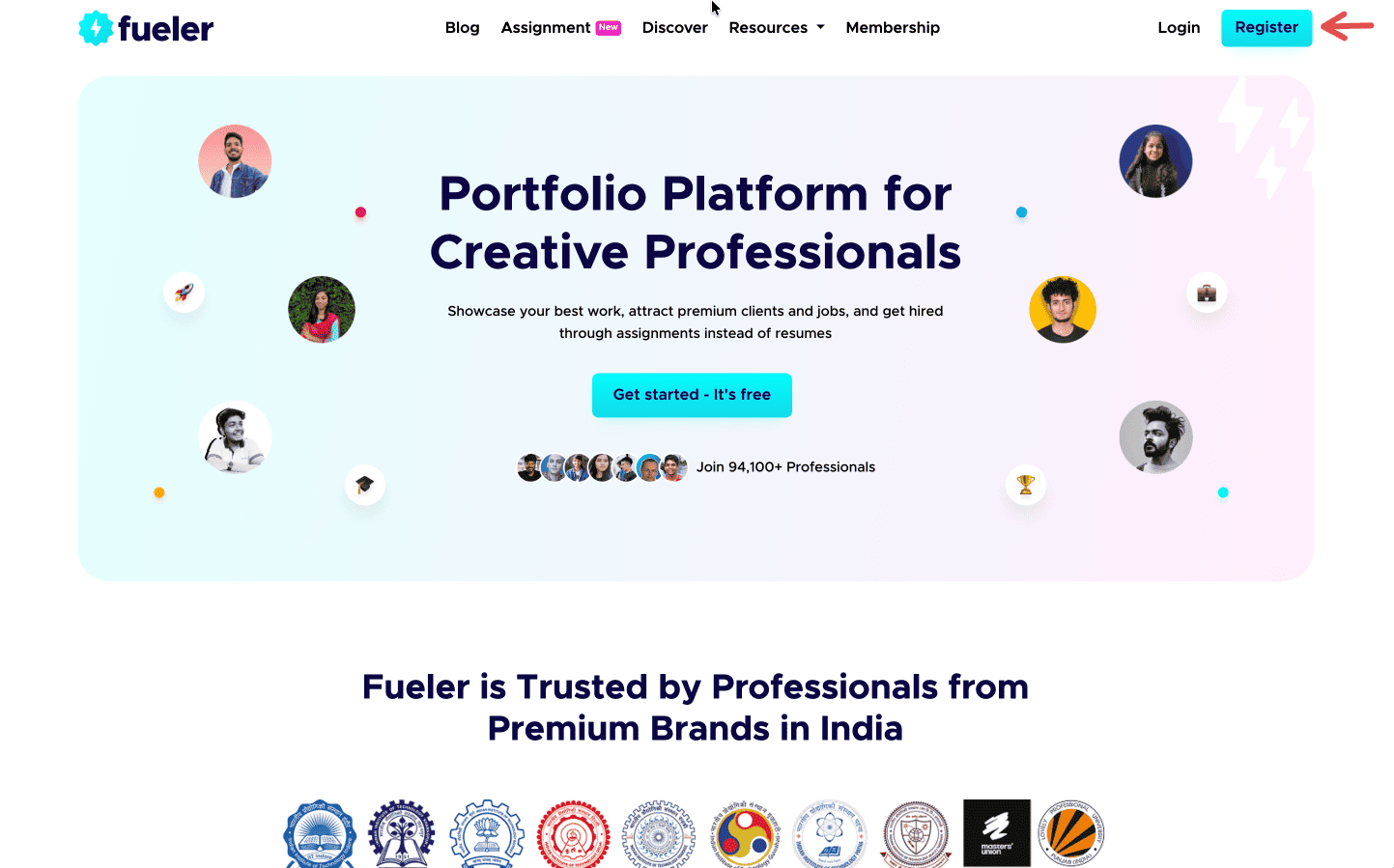
Step 1: Sign up on Fueler.
Head to Fueler.io and create your free account.
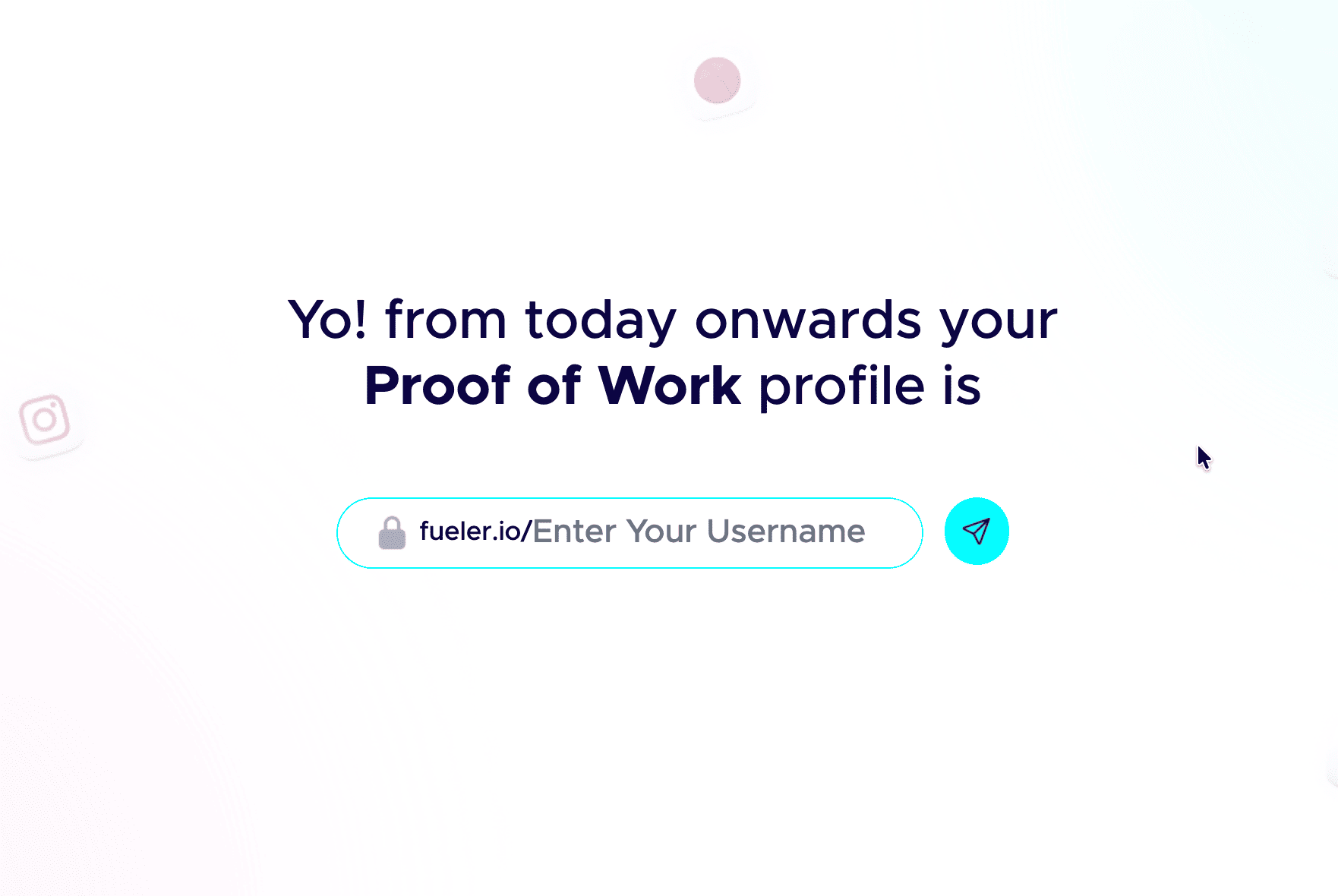
Step 2: Pick a professional handle.
Your handle shows up in your public link, so keep it clean and grown-up. Don’t add nicknames and random numbers. Your name or a simple version of it works best.
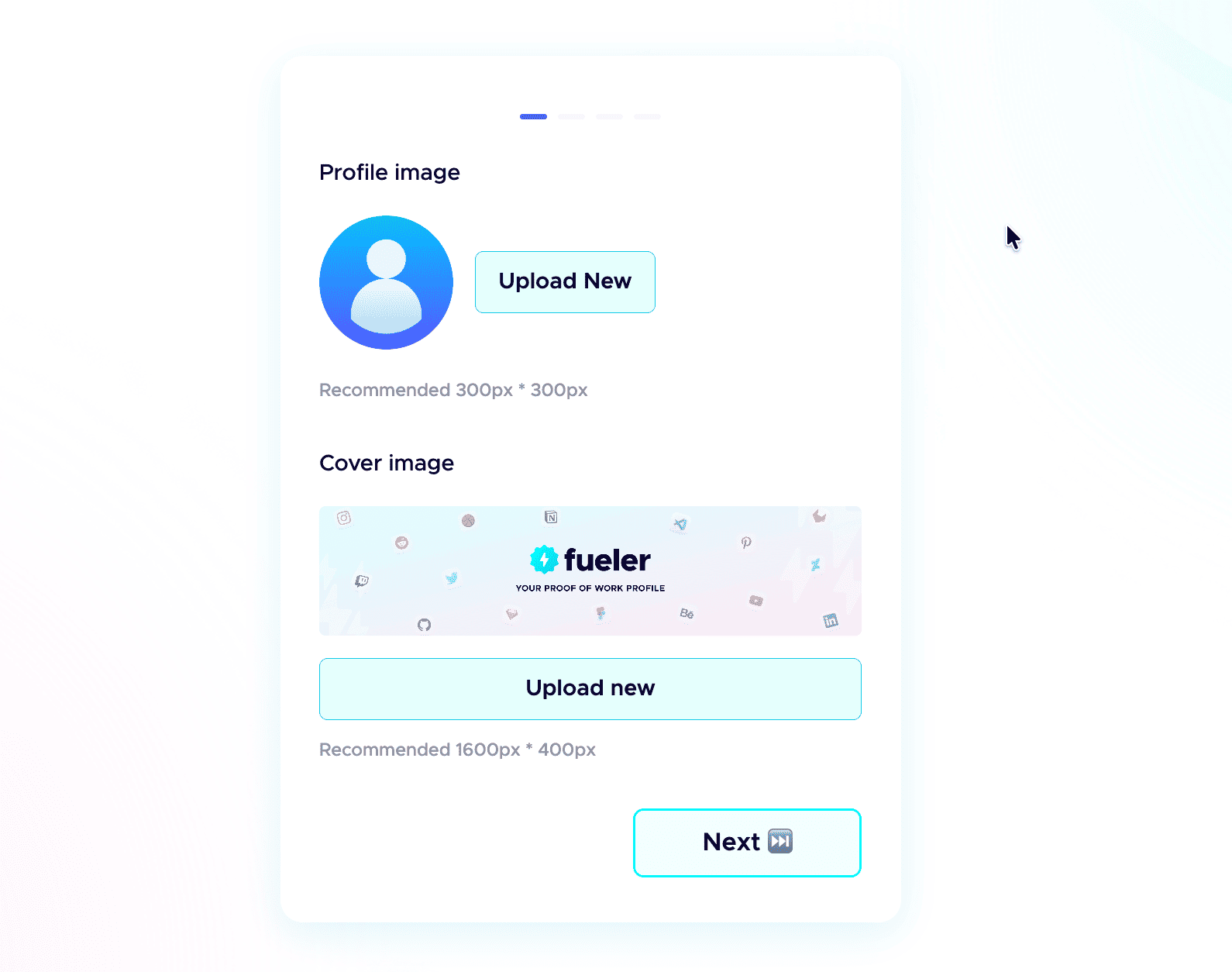
 Step 3: Add a professional profile picture.
Use the same kind of professional photo you would put on LinkedIn. Clear face, good lighting, and a simple background. People trust a real face more than an empty avatar.
Step 4: Write a strong header.
The header is the first thing anyone sees. In one or two short lines, say who you are, what you do, and the kind of work you have done. Make it specific, not vague.
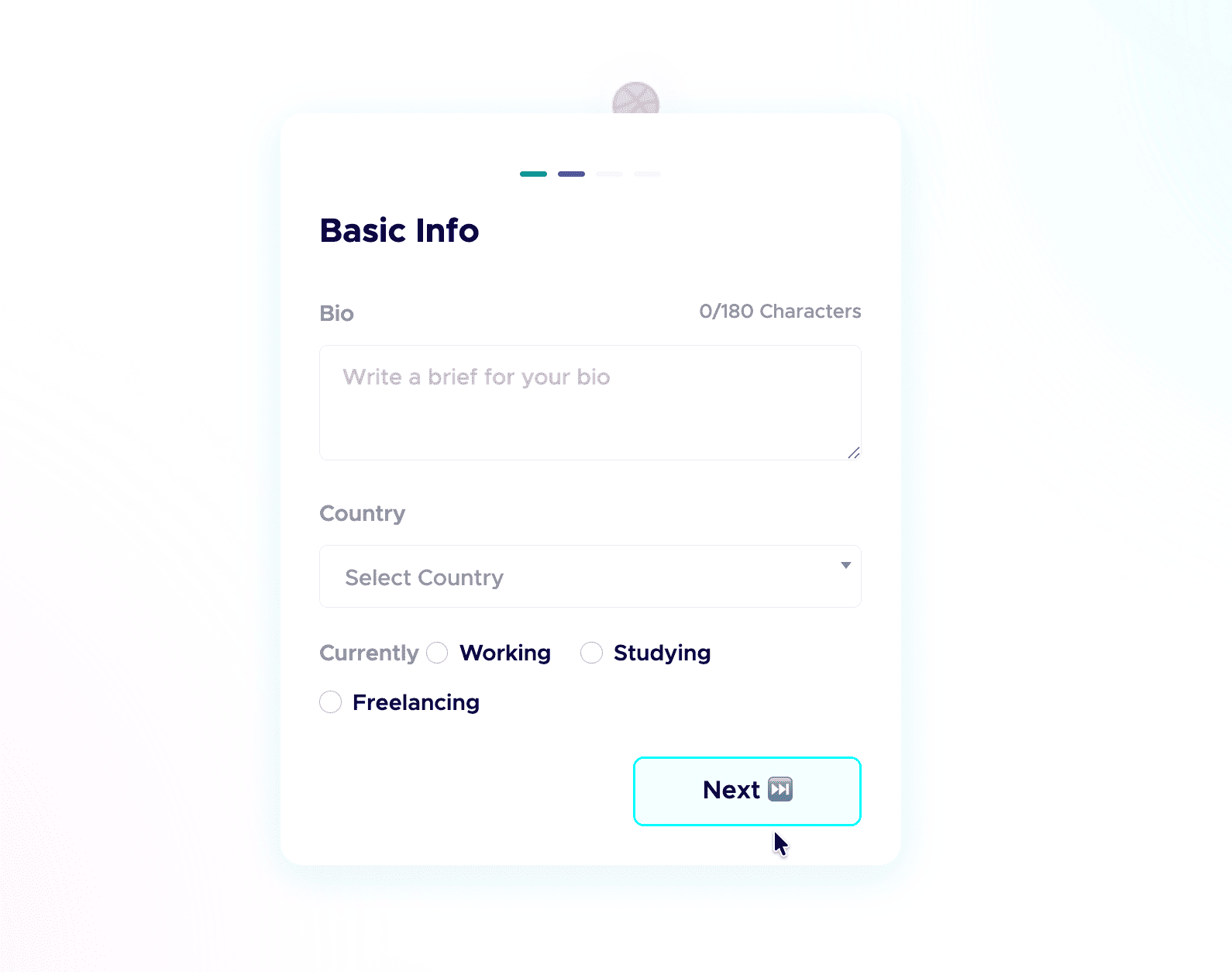
Step 5: Add a short bio.
Tell people who you are and what you do in a few plain sentences. No buzzwords, just enough for a recruiter to get you in five seconds.
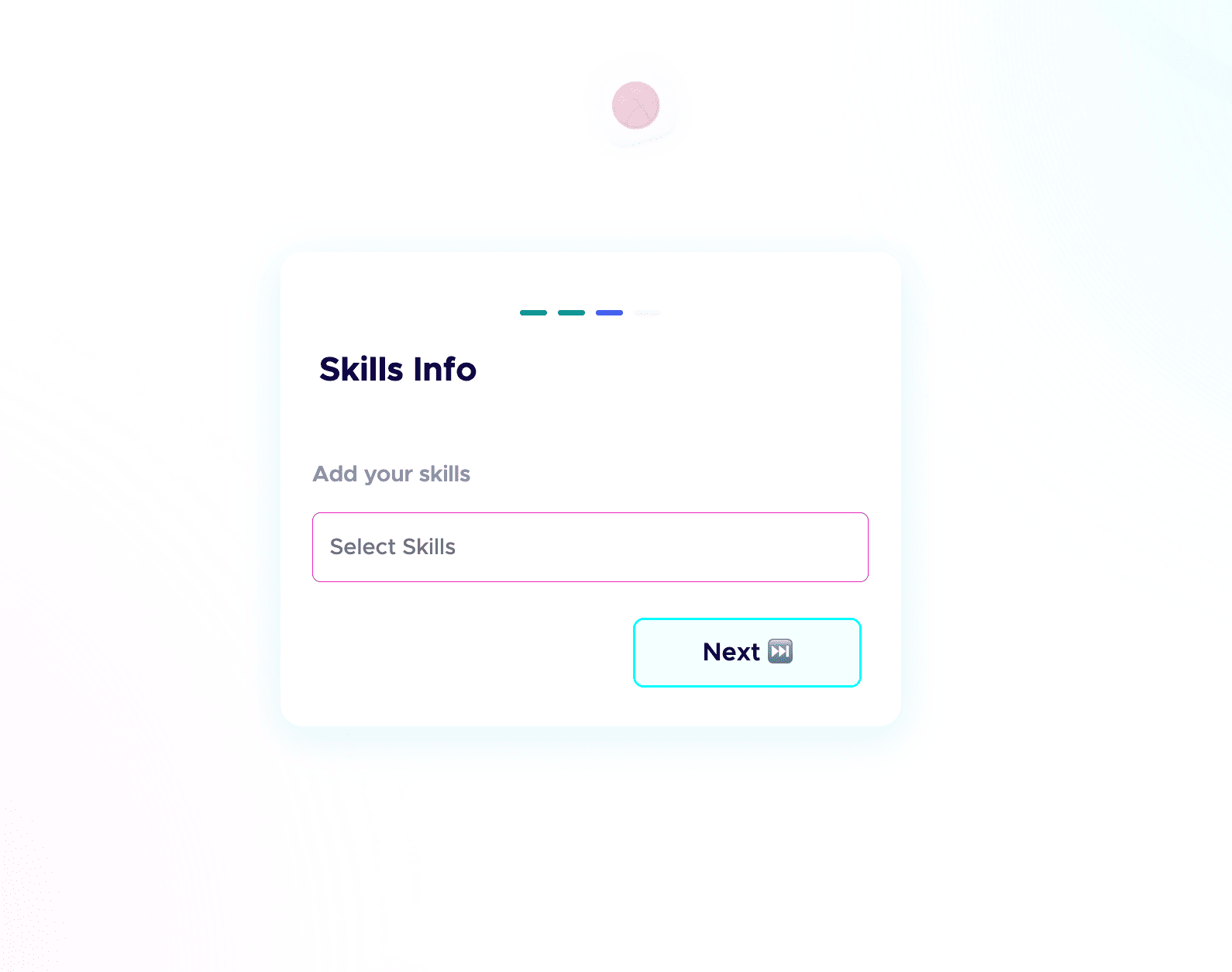
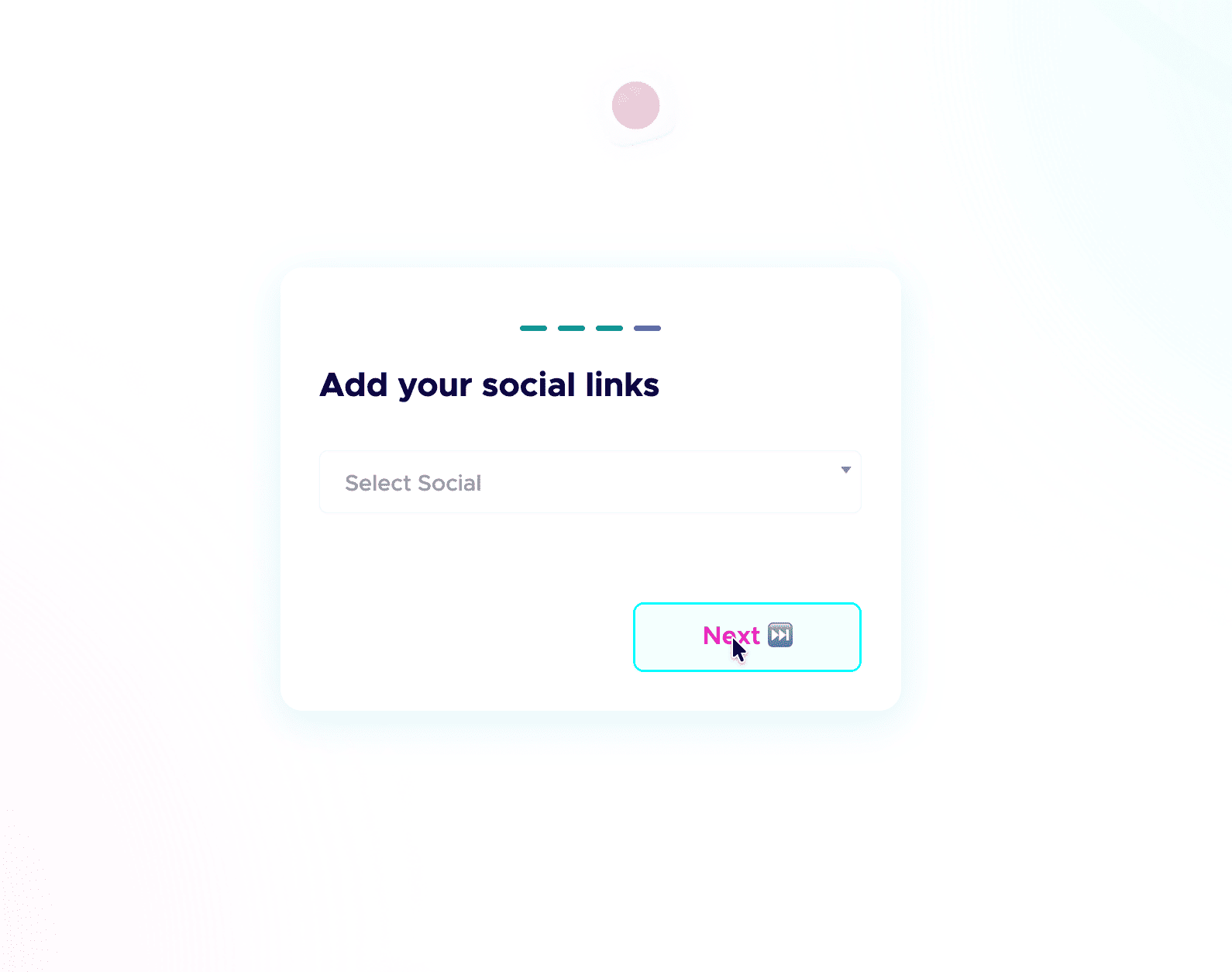
 Step 6: Add your skills and social links.
List the skills you are good at and actually want to be hired for, and connect your socials. People do check your profiles, and active socials build credibility before the first call. Students starting from scratch can follow my student guide to their first portfolio.
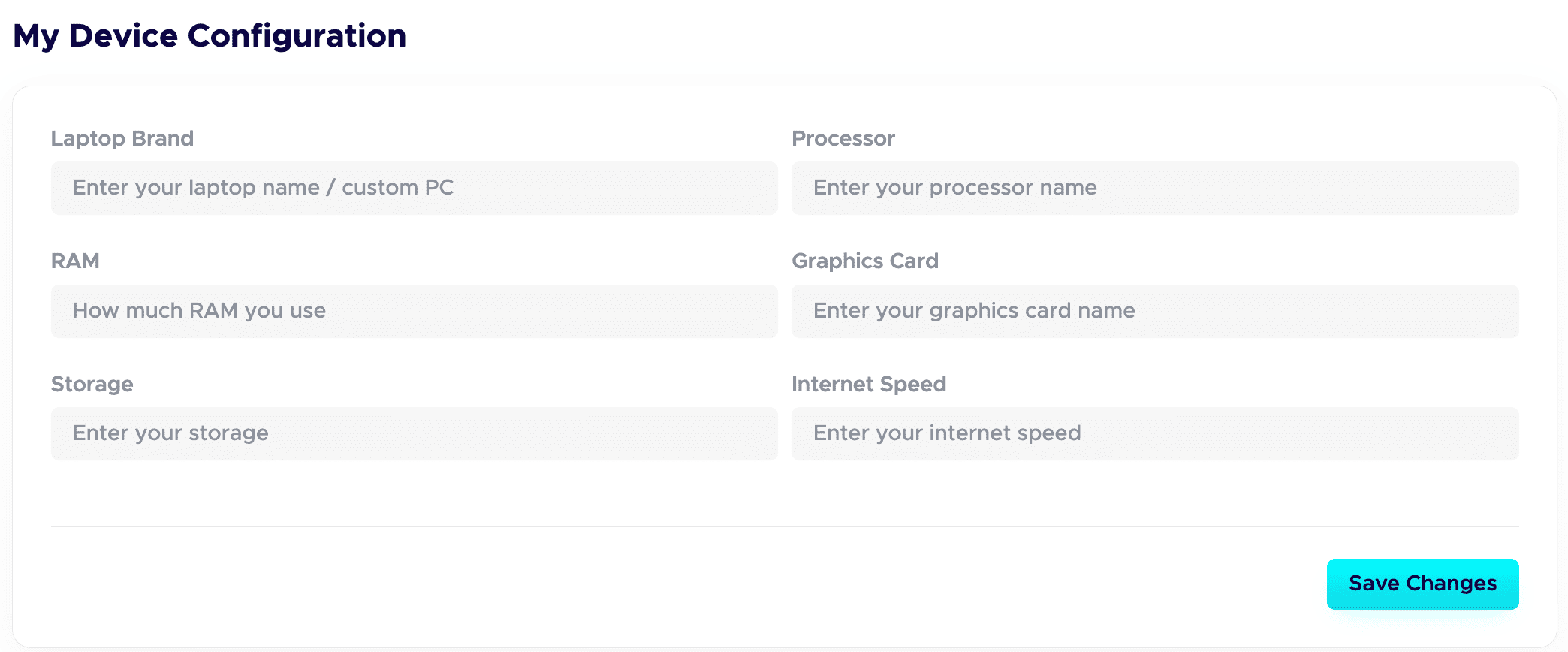
 Step 7: Fill in your Device Configuration.
In your dashboard, set up the Device Configuration section. Add the details about the device you are using. Remote-first companies want to know you have a solid setup to work from. A good setup quietly adds leverage and signals you are ready to deliver.
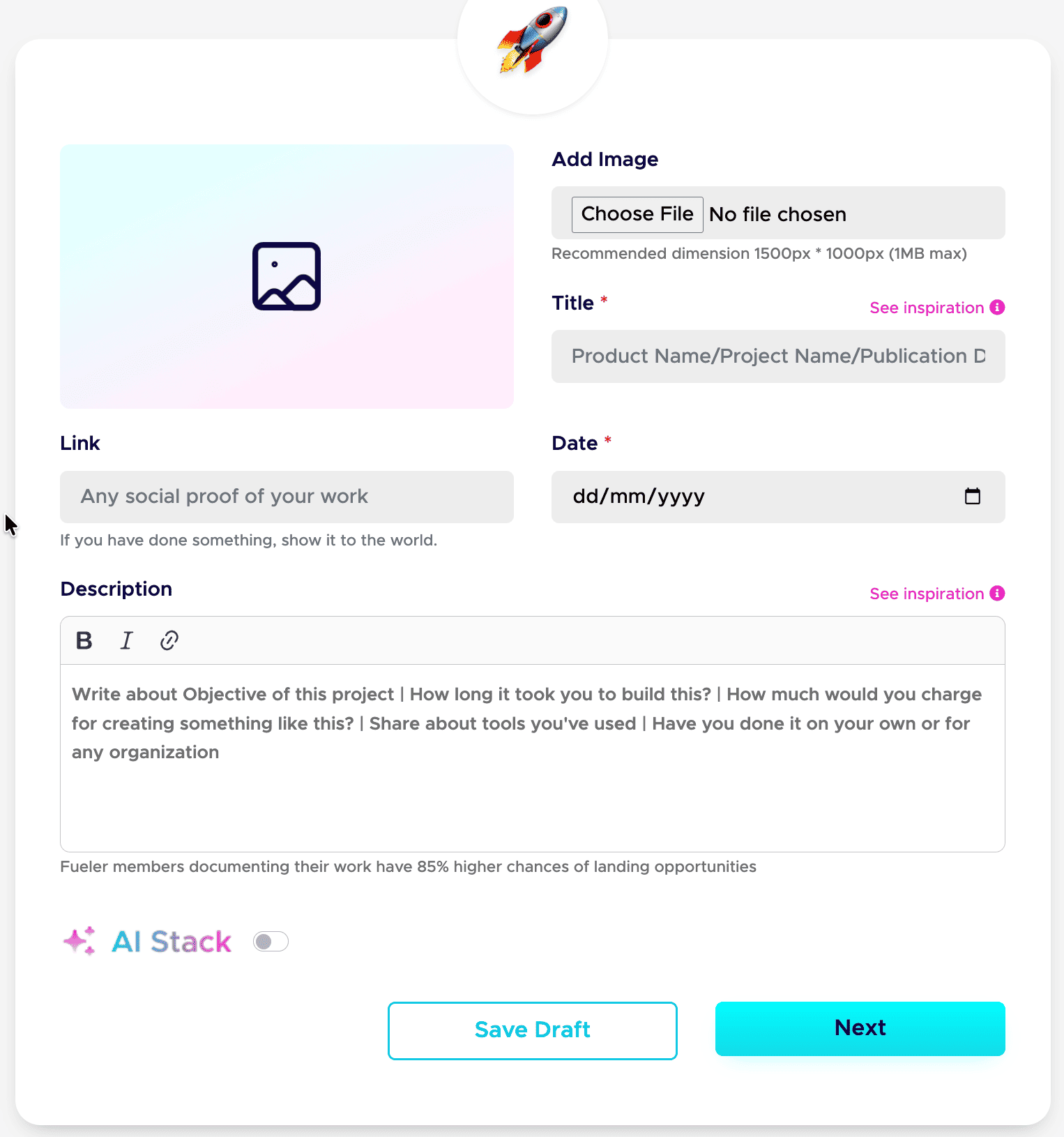
Step 8: Publish your projects with all the details.
This is a game-changer. Give each project a clear title and a detailed description. Walk through your process: your thinking, the tools you used, the choices you made, and the result. Companies care about how you work, not just the final image.
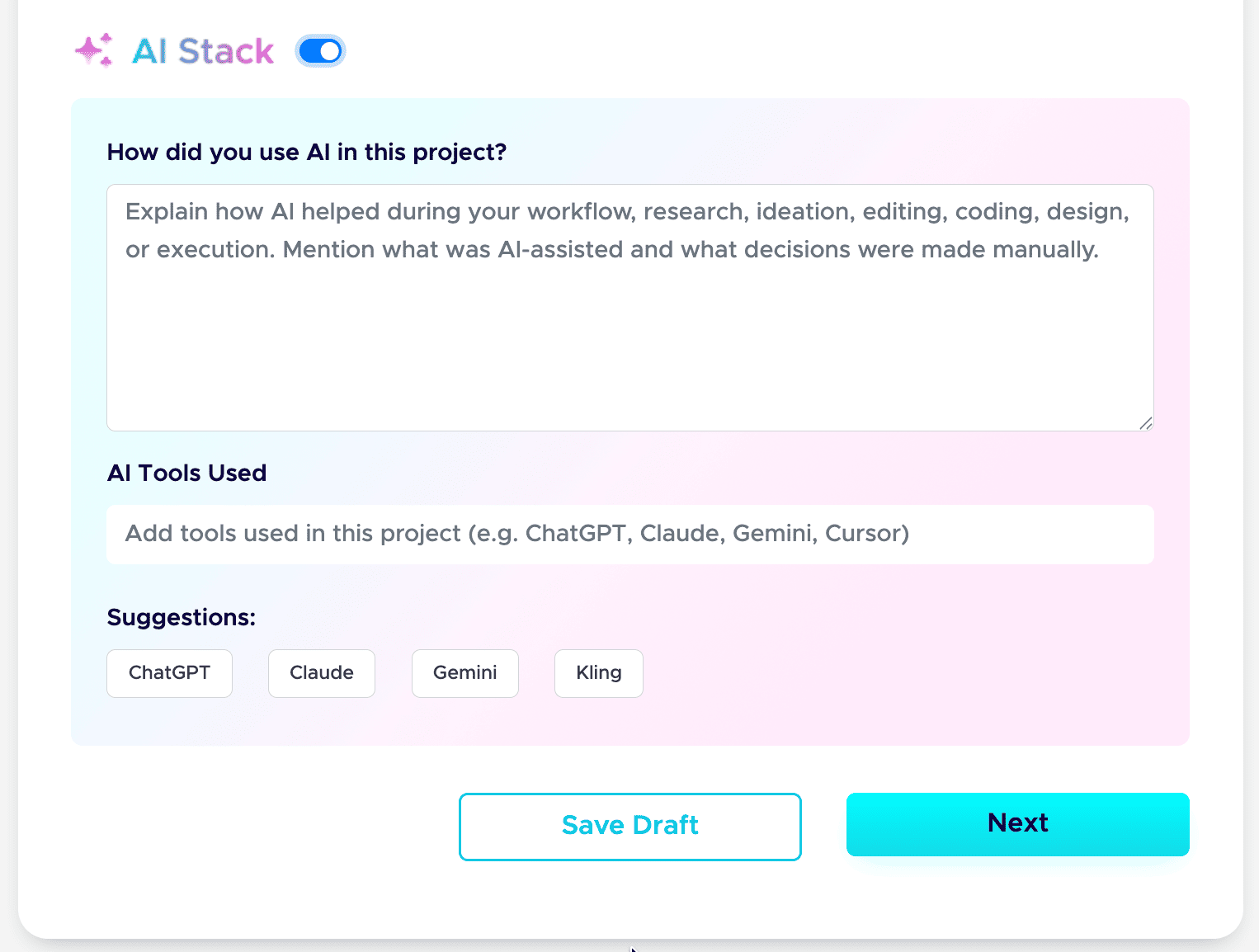
Step 9: Add your AI Stack to each project.
AI is part of real work now, so show it honestly. Use the AI Stack feature to explain how you used AI, which tools you used, and what you did manually. This builds trust instead of raising doubt. Here is the full guide: how to add AI Stack on Fueler.
That is the whole setup. Do these nine steps well, and your profile stops being a static page and starts working as a hiring asset. If you want a tighter version to follow next time, save my 6-step formula for a Fueler portfolio and my breakdown of a career portfolio that actually gets jobs.
Do this once, and you have a link you can drop into your resume, your email signature, and every job application.
How Does This Connect to Building a Strong Career or Portfolio?
Modern hiring prioritizes transparent project outcomes over traditional background credentials. Documenting your daily execution details builds real trust before you ever jump on an introductory call. When you display your assignments and projects on Fueler, you present undeniable evidence of your skills. This visibility allows technical founders and creative directors to quickly verify your capabilities. Showing your work clearly bypasses resume filters and positions you as a high-value professional.
Final Thoughts
The shift toward skills-first hiring means your proof of work is your actual resume. Relying on legacy text repositories or high-maintenance websites creates unnecessary friction for modern clients. Moving your career assets to a dedicated platform ensures your technical value is clear to every decision-maker. Invest your time into executing great projects, and let structured systems manage your digital discovery.
FAQ
What are the best portfolio systems for developers in 2026?
Modern developers use proof-focused platforms like Fueler alongside their source code repositories. This method combines deep engineering data with clear business summaries, making your work readable for non-technical team leaders.
How do recruiters find talent through proof of work?
Recruiters search project networks using specific skill tags, live assignment outputs, and verified collaboration metrics. This search process lets teams validate skills before starting interviews.
Can a visual portfolio platform replace a custom resume?
Yes, clear project grids offer dynamic proof that static documents cannot match. Linking directly to live assets and process breakdowns gives companies immediate confidence in your execution.
Is Fueler completely free for professionals to showcase work?
Yes, creating your public profile, uploading detailed projects, and tracking views is completely free. The platform focuses on helping professionals share proof of work without hosting bills.
Why are professionals leaving static sites for talent networks?
Static websites require constant layout fixes and lack built-in discovery paths. Modern talent networks remove maintenance tasks and surface your projects to companies looking to hire immediately.
Why 100,000+ professionals use Fueler
Fueler helps professionals showcase proof of work through projects, assignments, case studies, and achievements.
- Thousands of professionals use Fueler to create their digital portfolio
- Thousands of projects are published on Fueler. Check here
- Startups and Companies hire through proof of work on Fueler
- Used by freelancers, creators, marketers, video editors, writers, designers, and product managers
Our mission is to help the next 100 million professionals build a verified professional identity through proof of work

What should you do next?
You've read the article. Now turn your skills into proof of work and unlock more opportunities.
Build your proof of work portfolio
Create a clean portfolio with projects, assignments, resumes, and AI stack details that companies actually want to see.
Create your Fueler portfolio →Apply through assignments, not resumes
Stand out by solving real tasks from companies hiring on Fueler.
Explore assignments →Get discovered by companies
Make your work public and let recruiters discover your skills through actual projects instead of keywords.
Get discovered →
