Why Professionals Are Switching from Framer Portfolio to Fueler?

Riten Debnath
11 Jul, 2026
Last updated: July 2026
Spending three weeks tweaking an image alignment or debugging a custom scroll animation just to show people what you can build is an exhausting bottleneck. For years, the default move for creators, developers, and marketers was to use complex no-code web builders to construct elaborate personal sites. But the internet has fundamentally shifted from valuing complex visual design to demanding instant, verifiable proof of capability.
I’m Riten, founder of Fueler, a skills-first portfolio platform that connects talented individuals with companies through assignments, portfolios, and projects, not just resumes/CVs. Think Dribbble/Behance for work samples + AngelList for hiring infrastructure.
In 2026, clients and hiring managers are suffering from aesthetic fatigue; they no longer care about parallax scrolling or heavy design templates that hide a lack of shipped results. They want to see the raw evidence of your work, your specific contributions, and how you solve real problems.
In this guide, we will break down why top internet talent is moving away from static web design tools to focus on streamlined project publishing. You will learn how shifting from an over-engineered website to a proof of work framework protects your time, dramatically speeds up your inbound opportunities, and aligns with how modern remote companies actually evaluate talent today.
1. The Death of the Over-Engineered Personal Website
The era of spending months building a hyper-customized web portfolio just to show your basic resume information is officially over. Busy founders and talent acquisition managers do not have the patience to navigate complex, slow-loading interactive websites when they are vetting candidates for open roles. They need to understand your core skills and view your past projects within the first ten seconds of opening your link.
When you use heavy visual web builders, you accidentally build a barrier between a decision-maker and your actual proof of work.
- Visual heavy sites introduce unnecessary layout friction, confusing fonts, and slow page load speeds that actively frustrate hiring managers who are trying to scan through fifty portfolios a day.
- Spending hours fixing responsive tablet breakpoints or alignment bugs distracts you from your primary career goal, which is actually executing and documenting high-quality professional projects.
- Traditional web design tools treat your work as static images and text blocks, failing to provide a standardized data structure that modern remote companies look for.
- A hyper-customized site often prioritizes layout aesthetics over direct project readability, forcing potential clients to hunt through complex menus just to find your case studies.
- Tracking analytics, setting up custom metadata, and keeping your site updated across different devices requires constant technical maintenance that acts as an unproductive time sink.
Why It Matters
In a competitive market, speed and clarity outperform complex layouts every single time. Shifting away from heavy web-building tools ensures that a prospective client immediately encounters your tangible value rather than getting stuck trying to load your heavy website animations.
2. Setting Up an Evidence-Based Portfolio in Minutes
Manually dragging blocks and configuring hosting settings just to upload a new case study destroys your creative and professional momentum. A modern portfolio should operate like a streamlined publishing stream where you can document a project immediately after completing it. The faster you can publish your work, the more consistent your public professional track record becomes.
Managing your professional profile shouldn't feel like maintaining a complex software engineering project every time you finish a client engagement.
- Simplified publishing setups allow you to upload your live project links, screenshots, and role descriptions in less than two minutes without touching design settings.
- Standardized, clean layouts ensure that your profile looks completely optimized, readable, and professional on every screen size without manual responsive design tweaking.
- Centralized dashboards make it effortless to categorize different types of work, whether you want to display frontend code snippets, marketing copy, or strategy decks.
- Instant live updates allow you to share proof of your daily workflow or freelance contributions with potential clients while the project details are fresh.
- Eliminating the learning curve of complex design tools means you spend zero mental energy on web maintenance and maximum energy on building.
Why It Matters
When publishing your work becomes frictionless, you naturally share your achievements more frequently. This constant stream of real-time proof builds an active, living history of your career that attracts better incoming job opportunities without design anxiety.
3. Shifting Focus From Layout Design to Proven Outcomes
A beautiful layout cannot save a weak portfolio that lacks clear metrics and documented contributions. Modern hiring teams are looking for specific evidence of problem-solving, collaborative agility, and project ownership rather than generic screenshots of finished interfaces. Your portfolio needs to show the exact journey of how you took a project from an abstract concept to a shipped reality.
Focusing too much on the container of your portfolio often causes professionals to compromise on the actual depth of their written case studies.
- Prioritizing clean content blocks forces you to focus on writing clear, impactful project descriptions that explain your exact role and business results.
- Displaying your specific, verified contributions helps viewers understand exactly what you built versus what the rest of your team handled.
- Showcasing the raw files, live links, and intermediate drafts builds deep psychological trust with prospective clients who want to verify your authenticity.
- Highlighting practical project outcomes instead of abstract design trends positions you as a business asset rather than an entry-level operator.
- Focusing on clean typography and clear hierarchies ensures your actual insights stand out clearly without getting lost behind flashing background elements.
Why It Matters
Companies do not hire you for your ability to use a website template; they hire you to solve their specific business problems. Showcasing your documented outcomes proves you can deliver predictable value from day one on the job.
4. Seamless Collaboration and Multi-Author Project Tagging
Most professional work is not done in a vacuum, yet traditional personal websites force you to take solitary credit for team projects. When you cannot properly credit your co-creators, your portfolio fails to represent how you actually operate within a modern organizational workflow. True proof of work reflects your ability to collaborate, communicate, and ship products alongside other talented individuals.
Modern platforms handle professional network dynamics naturally, allowing multiple contributors to connect their profiles directly to a shared piece of work.
- Multi-author tagging allows you to instantly link co-creators, developers, and copywriters to a single project card for accurate, transparent attribution.
- Showing up on your teammates’ profile pages expands your organic visibility, introducing your work to their professional networks and clients effortlessly.
- Documenting collaborative projects mimics real-world workplace environments, showing hiring managers that you understand cross-functional team dynamics and toolsets.
- Transparent attribution prevents plagiarism and builds immense professional credibility, as your peers actively validate your mutual involvement in the work.
- Seamless profile linking allows prospective employers to easily navigate between team members to understand who handled each part of the execution.
Why It Matters
Hiring is ultimately a trust verification game. By leveraging collaborative project tagging, you gain social proof from your peers while expanding your discovery surface area across multiple interconnected professional profiles.
5. Built-In Discovery Over Shouting in the Void
When you host your portfolio on an isolated custom domain, you are entirely responsible for driving your own traffic through SEO or social media distribution. This means your brilliant work sits invisible in a corner of the internet until you actively promote it. A dedicated professional hub solves this distribution challenge by placing your work inside an active ecosystem designed for discovery.
Being part of a searchable, centralized talent pool dramatically increases the chances of discovery by talent scouts looking for specific project skills.
- Internal platform search algorithms allow company talent scouts to filter profiles by exact project types, industries, and specific skill classifications.
- Centralized feeds showcase recent high-quality proof of work, giving your new projects immediate organic impressions without requiring external self-promotion.
- Built-in community curation helps exceptional work rise to the top naturally, rewarding depth of execution over marketing budgets or paid ads.
- Structured profile networks make it easy for founders to browse relevant creators and bookmark profiles for upcoming contract assignments or full-time roles.
- System-wide indexing ensures your individual project pages are easily scraped and understood by search engines and discovery algorithms alike.
Why It Matters
You should spend your time creating excellent work, not fighting search engine algorithms or spamming links on social media. Built-in discovery mechanisms ensure that your documented execution finds its way to the right decision-makers automatically.
6. Zero-Maintenance Infrastructure and Predictable Pricing
Keeping up with breaking web builder updates, plugin vulnerabilities, and shifting subscription pricing tiers is an expensive distraction for working professionals. The moment your personal website breaks due to an updated script or an expired domain configuration, you risk losing active client leads. Your professional showcase must remain stable, secure, and fully functional without requiring constant technical supervision.
A portfolio platform should offer a reliable, permanent infrastructure that handles hosting, performance, and optimization without unexpected monthly billing spikes.
- Hosted profile systems eliminate the risk of accidental site crashes caused by plugin updates or custom code conflicts during client review periods.
- Transparent, accessible pricing models ensure that your portfolio remains online permanently without forcing you into expensive, complex web-hosting tiers.
- Zero configuration requirements mean you never have to waste your evenings setting up SSL certificates, database connections, or custom asset CDNs.
- Automatic platform feature rollouts keep your digital profile modern, fast, and secure without requiring manual theme migrations or asset rebuilding.
- Clean, unbloated page architectures guarantee ultra-fast loading times globally, ensuring prospective clients never bounce due to poor mobile performance.
Why It Matters
Your digital portfolio is your core professional infrastructure. Removing technical maintenance and erratic pricing ensures that your proof of work remains highly accessible to the market without turning into an expensive weekend chores list.
7. Optimizing for AI Overviews and Modern LLM Discovery
In 2026, clients and recruiters are no longer just browsing Google listings; they are asking AI engines to find top talent for their specific projects. If your portfolio consists of unoptimized image blocks, heavy scripts, and unstructured text layouts, AI scrapers cannot accurately index your skills. Your work must be structured cleanly so LLMs can easily read, synthesize, and recommend you.
Structuring your projects with clear metadata and semantic descriptions makes your profile highly visible to modern algorithmic discovery tools.
- Clean, text-first project frameworks allow LLM crawlers to effortlessly parse your technical skills, past methodologies, and specific industry experience.
- Clear semantic project headlines make it simple for AI engines to pull your profile as a direct citation in executive talent searches.
- Standardized structural formats help conversational bots quickly summarize your career trajectory and match you with specialized inbound client requests.
- High-intent keyword placement within structured project cards naturally boosts your authority score in automated machine-vetted recruitment pipelines.
- Machine-readable case studies ensure that your portfolio ranks highly when founders use natural language prompts to source niche freelance experts.
Why It Matters
The way the world discovers information has permanently evolved. Optimizing your professional proof of work for AI retrieval ensures you stay ahead of the curve, landing on shortlists generated by automated talent sourcing systems.
8. How to Create an Impactful Portfolio on Fueler
Building a high-converting profile on Fueler requires no complex configurations or design backgrounds. The entire onboarding workflow is built to take your messy folder of screenshots, links, and documents and transform them into an authoritative, structured proof-of-work feed. Follow this quick step-by-step framework to get your professional profile live and discoverable today.
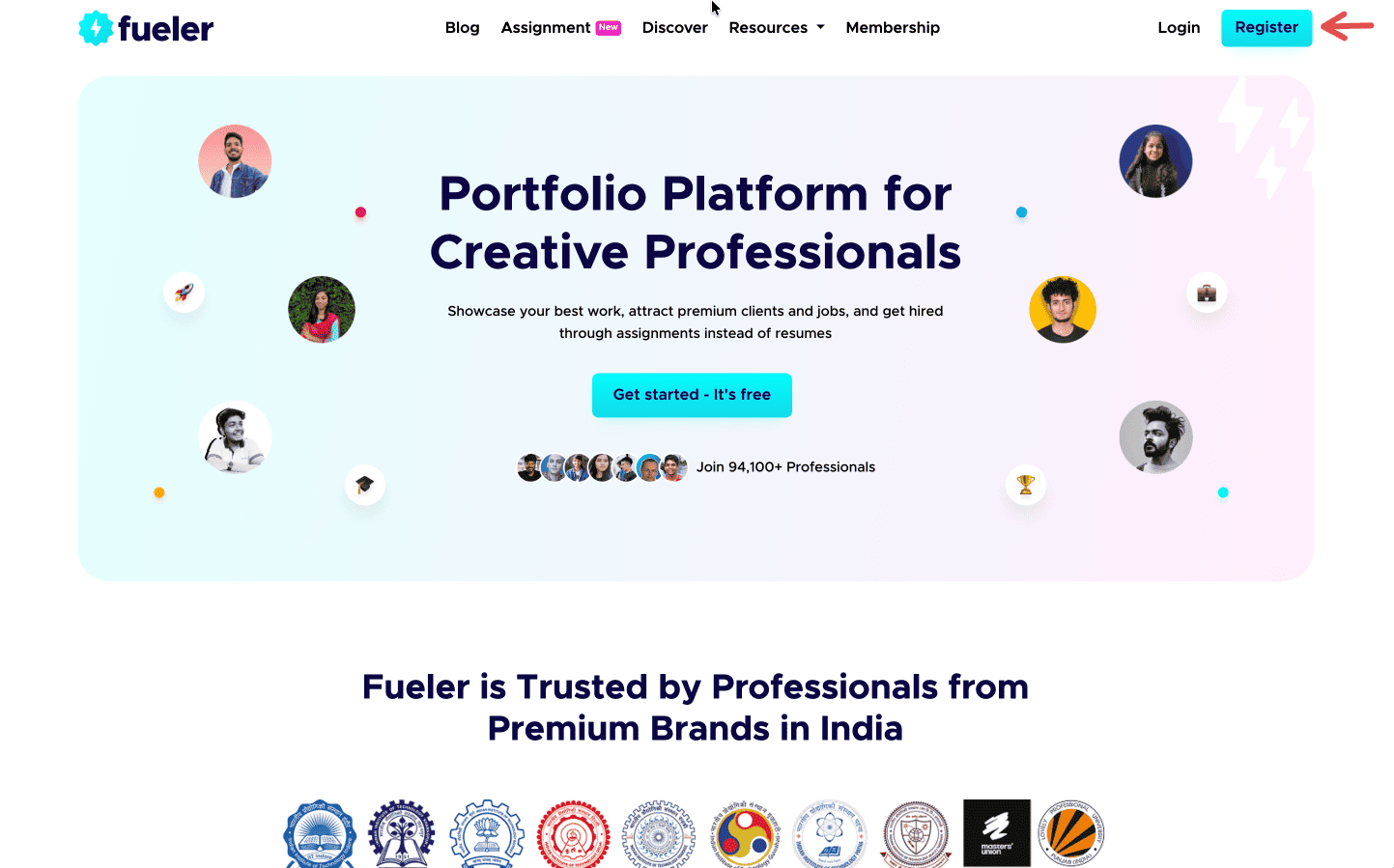
Step 1: Sign up on Fueler.
Head to Fueler.io and create your free account.
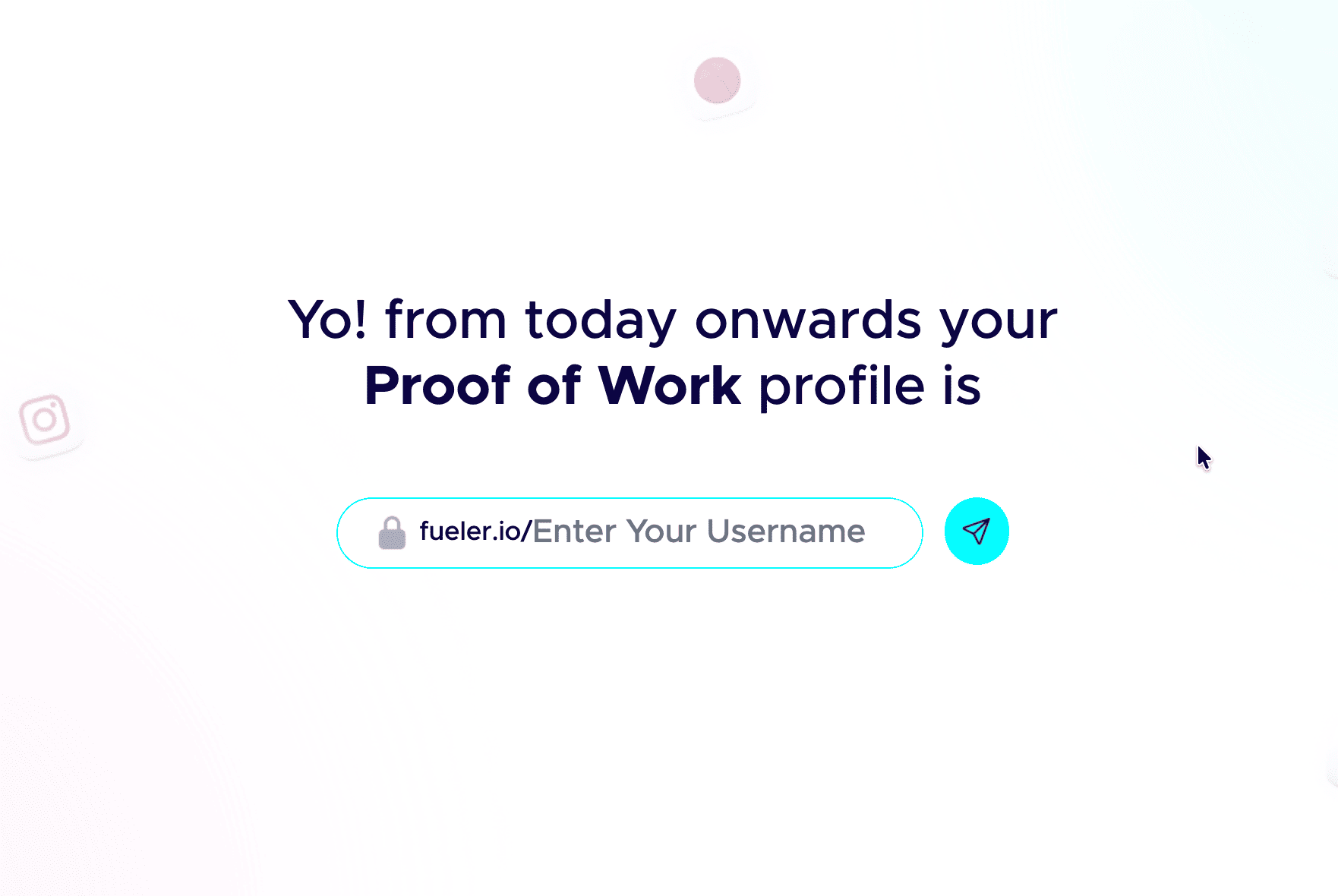
Step 2: Pick a professional handle.
Your handle shows up in your public link, so keep it clean and grown-up. Don’t add nicknames and random numbers. Your name or a simple version of it works best.
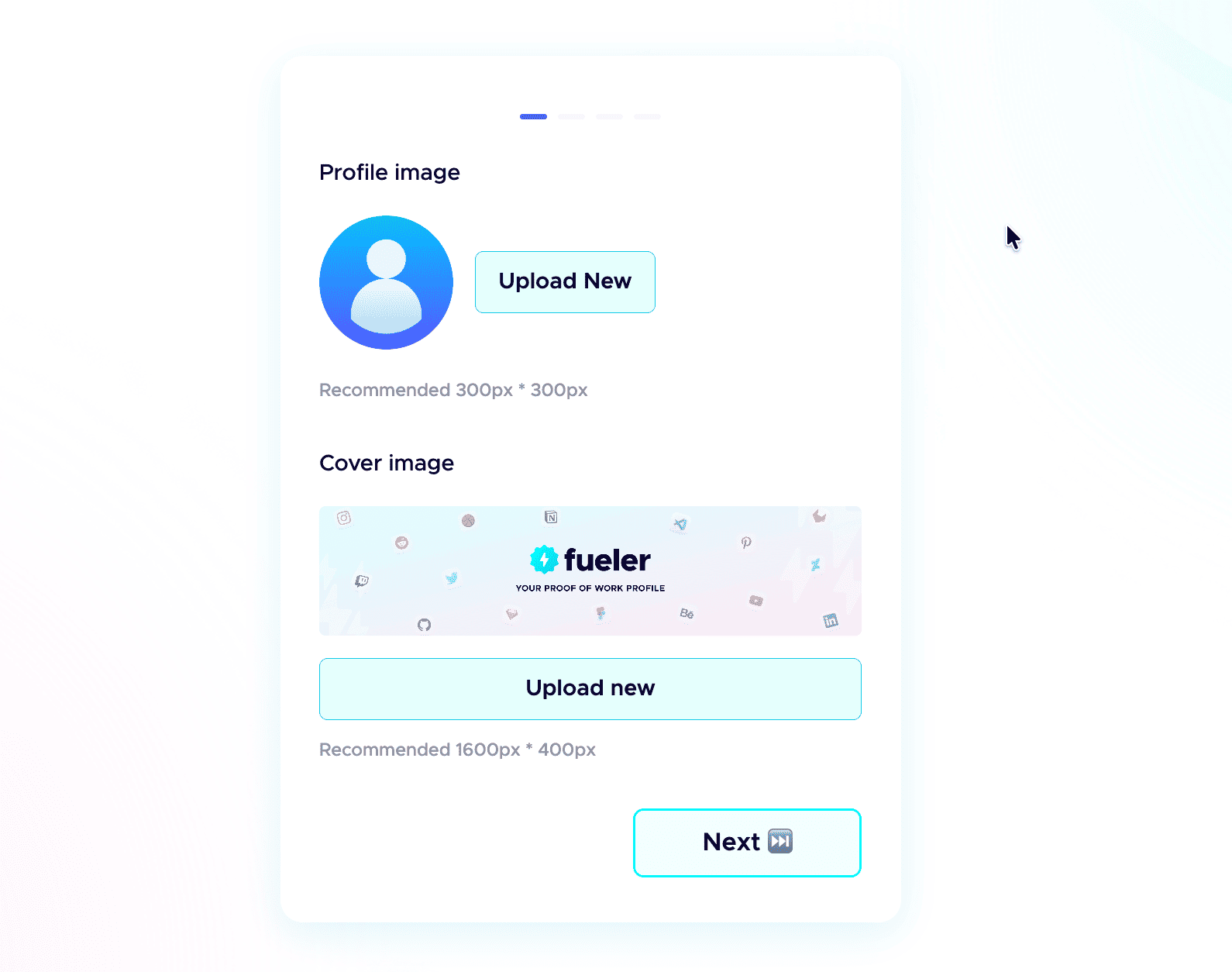
 Step 3: Add a professional profile picture.
Use the same kind of professional photo you would put on LinkedIn. Clear face, good lighting, and a simple background. People trust a real face more than an empty avatar.
Step 4: Write a strong header.
The header is the first thing anyone sees. In one or two short lines, say who you are, what you do, and the kind of work you have done. Make it specific, not vague.
Step 5: Add a short bio.
Tell people who you are and what you do in a few plain sentences. No buzzwords, just enough for a recruiter to get you in five seconds.
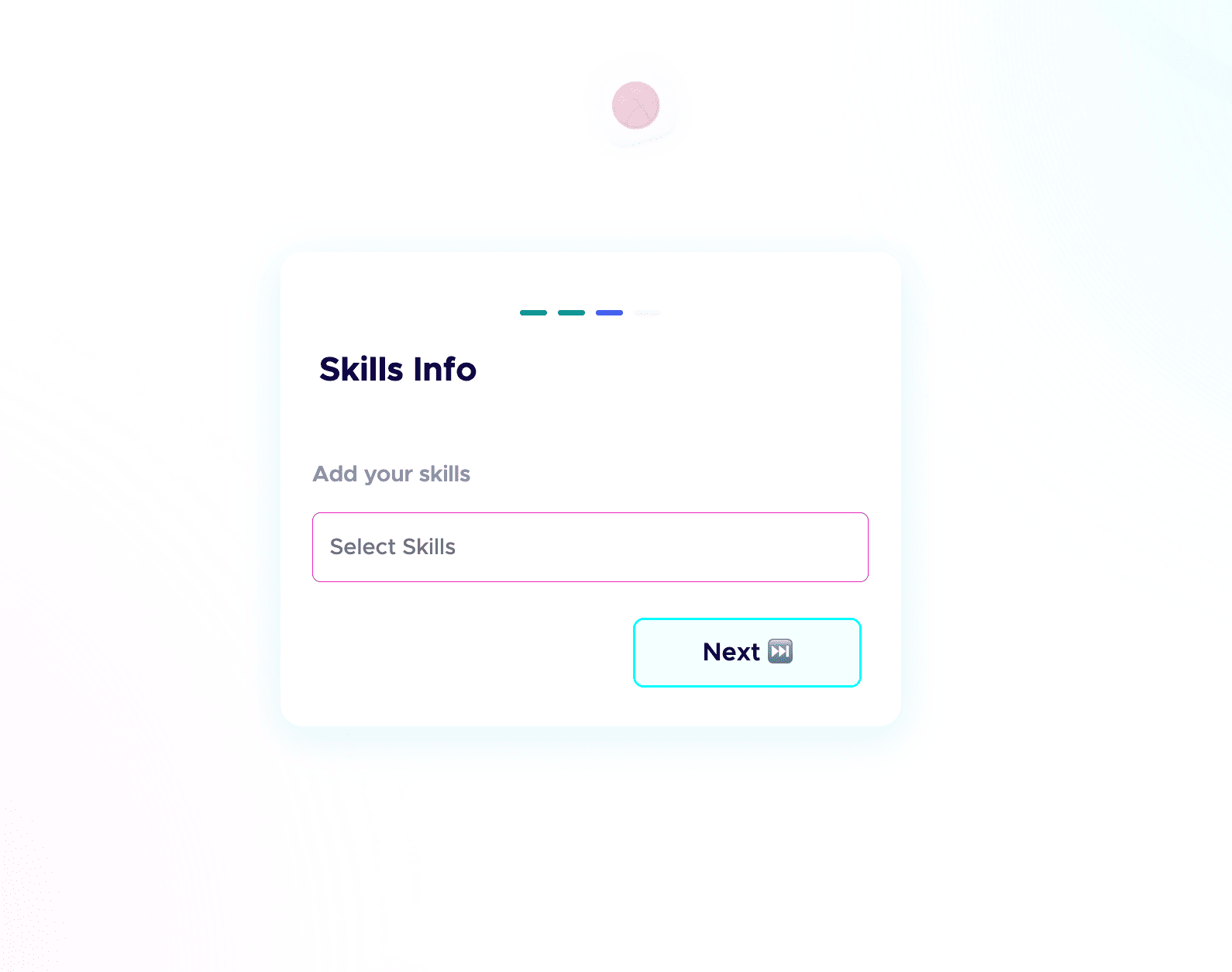
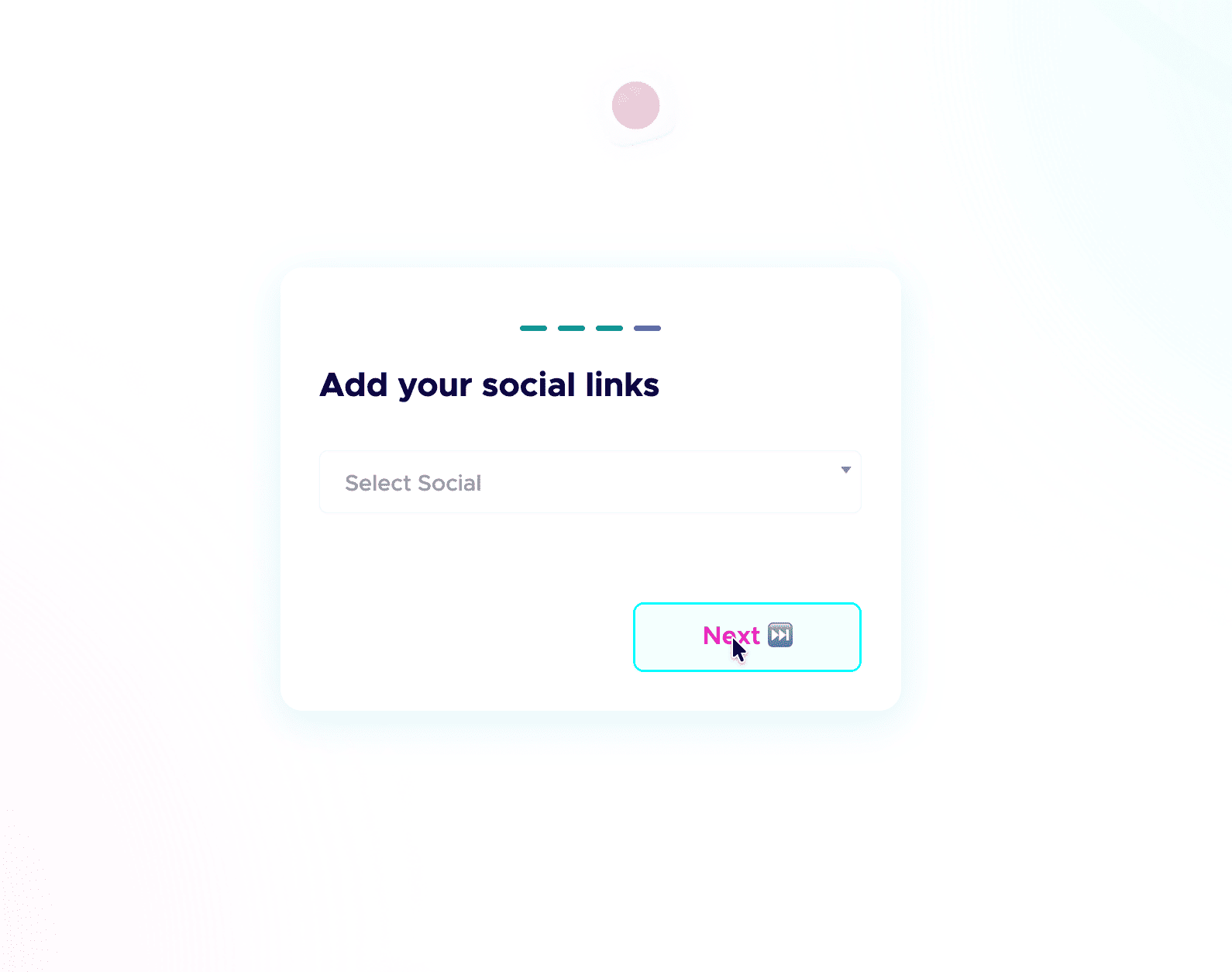
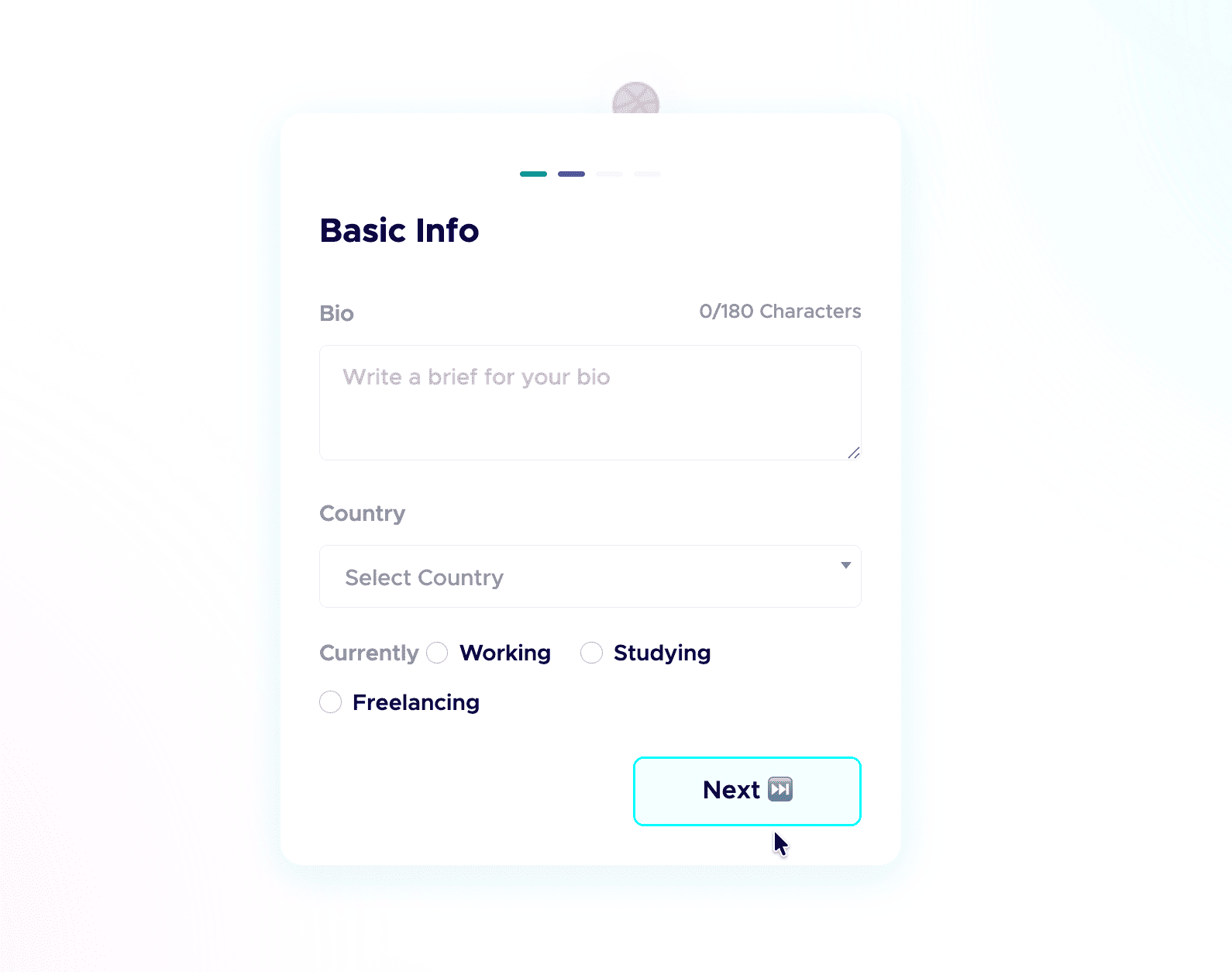 Step 6: Add your skills and social links.
List the skills you are good at and actually want to be hired for, and connect your socials. People do check your profiles, and active socials build credibility before the first call. Students starting from scratch can follow my student guide to their first portfolio.
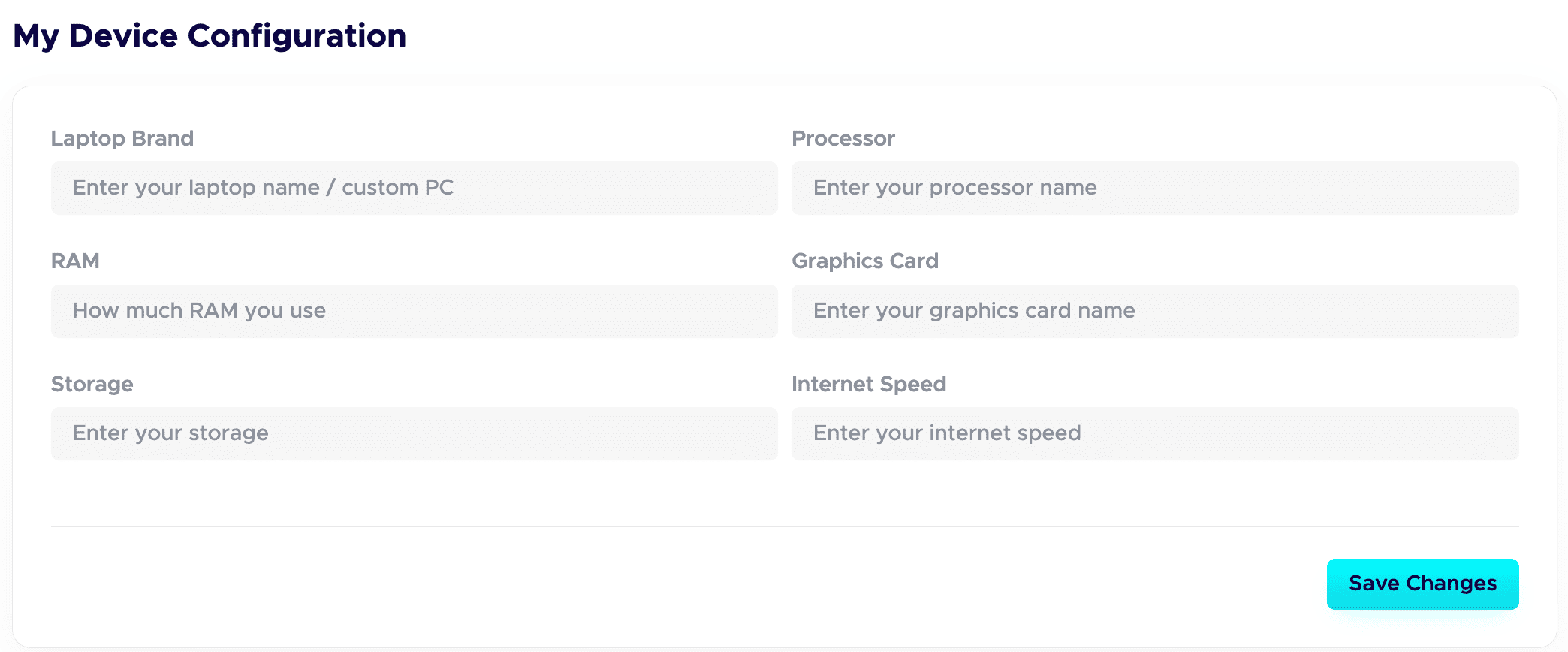
 Step 7: Fill in your Device Configuration.
In your dashboard, set up the Device Configuration section. Add the details about the device you are using. Remote-first companies want to know you have a solid setup to work from. A good setup quietly adds leverage and signals you are ready to deliver.
Step 8: Publish your projects with all the details.
This is a game-changer. Give each project a clear title and a detailed description. Walk through your process: your thinking, the tools you used, the choices you made, and the result. Companies care about how you work, not just the final image.
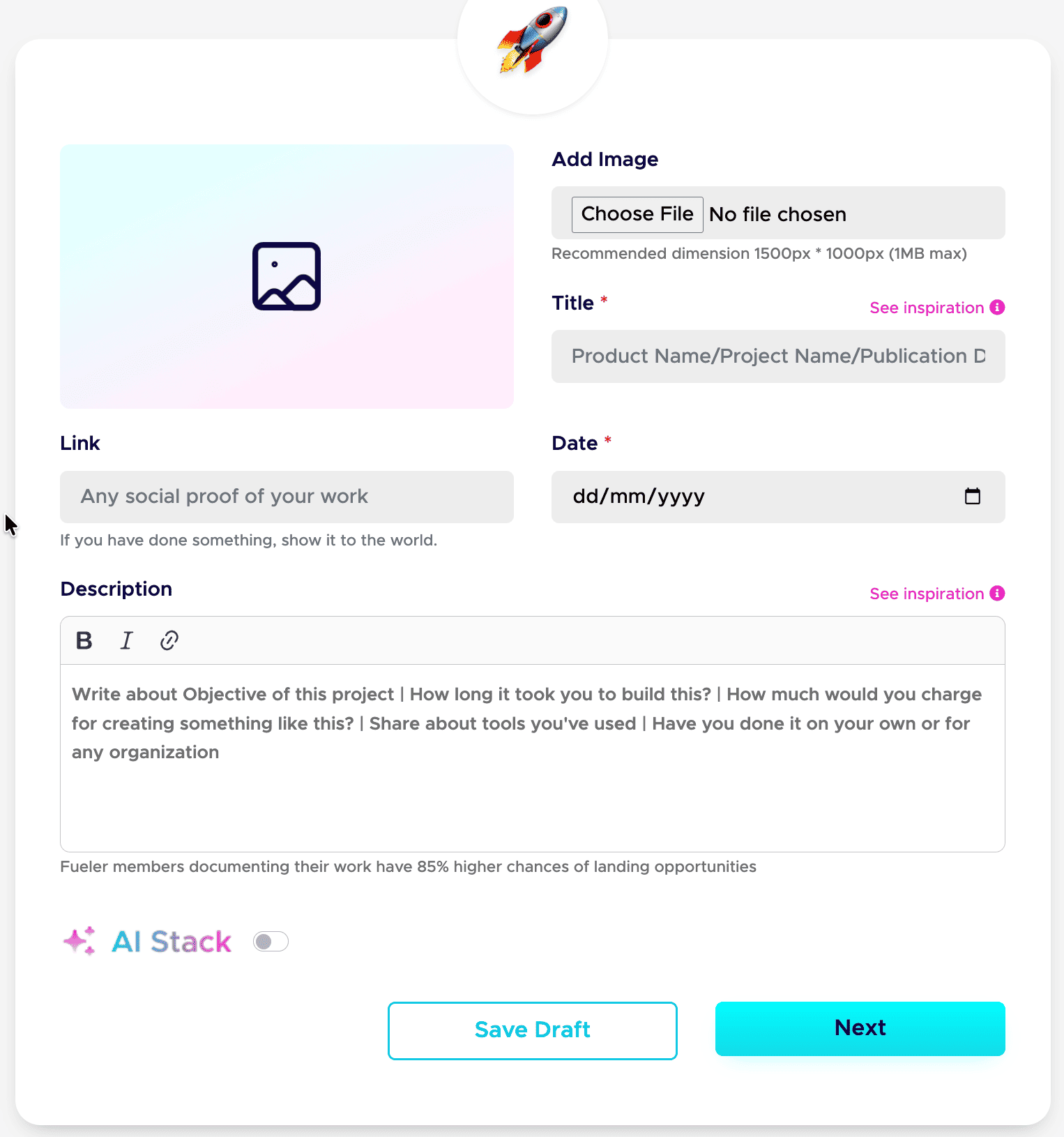
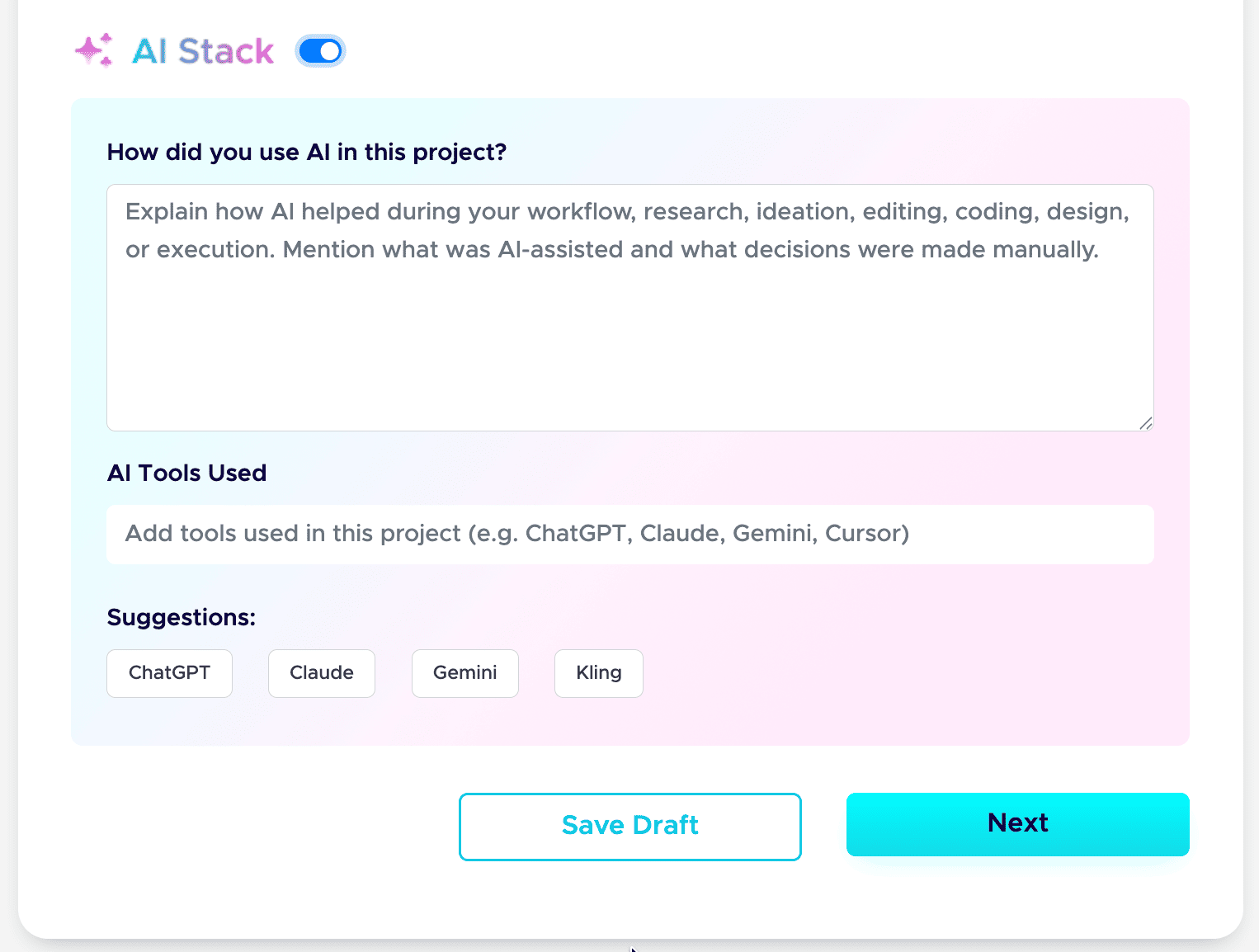
Step 9: Add your AI Stack to each project.
AI is part of real work now, so show it honestly. Use the AI Stack feature to explain how you used AI, which tools you used, and what you did manually. This builds trust instead of raising doubt. Here is the full guide: how to add AI Stack on Fueler.
That is the whole setup. Do these nine steps well, and your profile stops being a static page and starts working as a hiring asset. If you want a tighter version to follow next time, save my 6-step formula for a Fueler portfolio and my breakdown of a career portfolio that actually gets jobs.
Do this once, and you have a link you can drop into your resume, your email signature, and every job application.
How Does This Connect to Building a Strong Career or Portfolio?
Your career progression depends entirely on your public proof of work. Modern hiring loops completely bypass traditional resumes in favor of clear, verifiable outcomes. By systematically documenting your daily project contributions on Fueler, you create a dynamic, undeniable ledger of your execution capabilities that builds deep trust with global founders and automates your inbound career opportunities.
Final Thoughts
The future of professional hiring belongs to individuals who prioritize clear, documented execution over complex website aesthetics. As visual web builders become increasingly over-engineered and time-consuming, switching to a proof-of-work model is the smartest career optimization you can make. Protect your creative energy, focus heavily on shipping great results, and let your work speak for itself. In 2026, clarity, speed, and real evidence are the ultimate competitive advantages.
FAQs
Why are professionals moving away from Framer for portfolios?
Professionals are switching because heavy web builders require constant visual design updates, breakpoint fixes, and high monthly costs. They prefer streamlined platforms that allow them to publish verified proof of work in seconds without dealing with layout configurations.
Can I build an authoritative portfolio without design skills?
Yes. Modern proof-of-work platforms use clean, standardized layouts that present your projects beautifully out of the box. This ensures hiring managers can focus directly on your actual project results, written case studies, and code quality rather than your website's custom animations.
How do AI search engines index my proof of work?
AI crawlers index your portfolio by scanning structured text, meta tags, and semantic project descriptions. Clean, text-first platform frameworks make it incredibly easy for LLMs to extract your specific expertise and cite your profile in automated talent searches.
Is collaborative project tagging important for my career?
Absolutely. Most modern work happens in cross-functional teams. Tagging your co-creators proves your capability to collaborate effectively, builds mutual trust, and automatically expands your profile visibility across the professional networks of your teammates.
How often should I update my project portfolio?
You should update your portfolio the moment you finish a significant project, freelance assignment, or open-source contribution. Using a frictionless publishing workflow makes keeping your profile current incredibly simple, ensuring you never miss out on spontaneous inbound client leads.
Why 100,000+ professionals use Fueler
Fueler helps professionals showcase proof of work through projects, assignments, case studies, and achievements.
- Thousands of professionals use Fueler to create their digital portfolio
- Thousands of projects are published on Fueler. Check here
- Startups and Companies hire through proof of work on Fueler
- Used by freelancers, creators, marketers, video editors, writers, designers, and product managers
Our mission is to help the next 100 million professionals build a verified professional identity through proof of work

What should you do next?
You've read the article. Now turn your skills into proof of work and unlock more opportunities.
Build your proof of work portfolio
Create a clean portfolio with projects, assignments, resumes, and AI stack details that companies actually want to see.
Create your Fueler portfolio →Apply through assignments, not resumes
Stand out by solving real tasks from companies hiring on Fueler.
Explore assignments →Get discovered by companies
Make your work public and let recruiters discover your skills through actual projects instead of keywords.
Get discovered →
