Why Is Fueler Better Than Google Sites for Professional Portfolios?

Riten Debnath
13 Jul, 2026
Last updated: July 2026
Sending a dry, dusty link to a generic website builder is the quickest way to have a hiring manager close your tab. Sending a link that looks like a high school group project built over a weekend will not land you six-figure client retainers. The internet is flooded with people who claim they can do the work, but decision-makers are exhausted by matching fancy resumes with mediocre execution. They want evidence, they want it fast, and they want it organized without clicking through a maze of broken text boxes.
I’m Riten, founder of Fueler, a skills-first portfolio platform that connects talented individuals with companies through assignments, portfolios, and projects, not just resumes/CVs. Think Dribbble/Behance for work samples + AngelList for hiring infrastructure.
If you are stuck choosing between a general-purpose tool like Google Sites and a dedicated framework designed purely for proof of work, you are looking at two entirely different philosophies. One treats your career like a basic text document, while the other builds it into an active, discoverable lead generator.
Let's break down why treating your professional history like a static web page is quietly stalling your income, and how shifting to a proof-of-work-first framework transforms your career discoverability in 2026.
1. Static Web Frameworks vs Dynamic Work Repositories
Using a generic page builder turns your portfolio creation into a tedious design chore instead of an authoritative career showcase. Starting with an empty, unguided canvas forces you to spend hours adjusting margins rather than documenting your real-world achievements. It treats your hard-earned professional history like a low-tier marketing landing page.
A dedicated repository organizes your technical output automatically, framing every project as a verifiable, independent asset for hiring teams.
- Clunky, general-purpose block editors require endless manual alignment and custom spacing tweaks just to present a basic, clear project headline and a clean summary paragraph, wasting hours of valuable time that you should be spending on actual client work.
- A structured portfolio engine natively indexes your operational data and project tags, which makes your core domain expertise immediately discoverable to algorithmic search bots, modern AI discovery platforms, and human recruiters hunting for niche technical talent.
- General website templates completely lack dedicated, structured database fields, a limitation that inadvertently buries your revenue metrics and key performance indicators under layers of generic text blocks, confusing shapes, and unoptimized page columns.
- Specialized proof of work platforms completely separate your content inputs from the visual frontend styling, allowing you to publish complex new case studies and project breakdowns in less than a minute without ever breaking your profile's layout.
- Clean, non-distracting layouts prevent profile visitors from getting frustrated by clumsy navigation choices, dead internal hyperlinks, or broken web links, keeping their eyes locked entirely on the actual quality of your execution and previous professional results.
Why It Matters: Bad information architecture dilutes your expert authority and annoys recruiters within the first three seconds of landing. Forcing your professional data into a layout meant for simple text makes your execution look messy, costing you premium client opportunities.
2. The Constant Struggle with Manual Mobile Responsiveness
Building a custom showcase on a basic page builder might look clean on your desktop monitor during setup. The true horror begins when a busy operator opens that exact link on their smartphone while riding the subway. Your images warp, your text overlaps, and your navigation menu completely breaks.
A built-in responsive infrastructure handles layout scaling automatically, ensuring your code snippets, graphics, and data sets load flawlessly across every modern mobile screen.
- Unoptimized design columns frequently stack poorly on smaller mobile viewports, rendering your important text unreadable to mobile hiring managers who are trying to scan your background quickly during their brief morning commutes or between internal meetings.
- Natively responsive mobile architectures auto-scale your embedded media assets and high-resolution images, completely removing the need for tedious manual viewport testing, layout media queries, or custom mobile-specific page overrides inside your workspace editor.
- Broken responsive layouts signal a lack of professional polish and attention to detail, prompting premium clients to close your profile tab immediately and move on to the next candidate who has a functional, readable digital presence.
- Mobile-optimized profiles load significantly faster over slow or spotty cellular connections, keeping impatient prospects thoroughly engaged during their brief review loops instead of forcing them to stare at a blank, slow-loading page container.
- Automatic interface adjustments protect your primary call-to-action buttons and contact links, making it incredibly simple for visiting stakeholders to drop an inquiry, send an email, or initiate an interview process directly from their mobile devices.
Why It Matters: Over half of all professional profile views occur on mobile devices during quick daily breaks. If your site breaks on iOS or Android, you are effectively turning away half of your inbound business leads without even realizing it.
3. SEO Optimization Deficit in General Website Toolkits
Most standard page builders require you to manually install heavy plugins or write custom metadata tags just to rank for basic search terms. If your profile isn't engineered for search algorithms, your work remains completely invisible to the world. You end up relying entirely on cold pitches to get noticed.
A platform built specifically for professionals builds structured schema markup directly into the framework, ensuring your projects are immediately indexable by modern AI engines.
- Basic website toolkits do not generate clean, semantic HTML tags automatically, forcing search engines to crawl through bloated, nested code structures just to figure out what industries, skills, or specific operational frameworks you actually specialize in.
- Dedicated career platforms utilize pre-configured programmatic SEO frameworks that automatically surface your project pages for long-tail search phrases, bringing highly qualified startup founders and recruiters directly to your profile via organic web traffic.
- General templates lack individual page optimization fields for distinct sub-projects, meaning you cannot easily target specific, high-intent keywords for every standalone freelance assignment or consulting project you complete over your career.
- Modern AI discovery engines depend heavily on clean data extractions to populate their chat answers, and general-purpose sites confuse these scrapers, causing them to completely skip over your profile during candidate sourcing routines.
- Without automated sitemap generation and rapid indexing APIs, your new project updates can sit unnoticed by major search engines for weeks, severely lagging behind the rapid pace of the modern contract hiring market.
Why It Matters: Appearing in search results and AI-driven recommendations gives you an unfair advantage. If a founder searches for a specific skill and your proof of work pops up instantly, you bypass the traditional application line entirely.
4. The Illusion of Unlimited Customization and Blank Page Fatigue
Having complete design freedom sounds amazing until you spend three consecutive nights choosing between twenty shades of blue instead of writing your case studies. Too many design options lead to over-complicated layouts that distract visitors from your actual capabilities. Simplicity always beats complex decoration.
A standardized, highly polished layout format eliminates choice paralysis entirely, keeping your workflow focused on what truly moves the needle: your proof of work.
- Unlimited design options lead to messy typography choices and inconsistent branding, which makes your professional presence look highly amateurish to corporate clients who expect a clean, uniform, and corporate-ready presentation style.
- Blank-canvas editors offer zero structural guidance on how to sequence your career wins, leaving you completely stranded trying to figure out how to organize your text, images, and data metrics logically.
- Overly customized web designs usually include heavy visual elements, animations, and non-standard scrolls that slow down browser performance, testing the patience of busy hiring managers who value speed over aesthetic gimmicks.
- Standardized profile architectures establish an immediate sense of familiar usability, enabling visiting recruiters to locate your past clients, tool stacks, and core metrics within seconds of loading your link.
- Shifting your energy away from web design tweaking and moving it toward detailed project documentation allows you to build a comprehensive, high-converting digital footprint in a fraction of the traditional setup time.
Why It Matters: Your portfolio is a conversion funnel, not an art project. The faster a prospective client can read your data and verify your past results, the faster they will book a discovery call with you.
5. Friction in Documenting Ongoing Proof of Work
If updating your website feels like a massive, multi-step production, you simply will not do it. Standard web systems force you to create new pages, edit menus, link buttons, and fix layouts every single time you finish a project. This friction causes portfolios to quickly become outdated.
A streamlined submission flow turns updates into a effortless habit, ensuring your public profile always reflects your absolute best and most current professional capabilities.
- Complex dashboard interfaces require you to navigate multiple settings menus just to upload a single PDF case study or embed a recent video presentation, discouraging you from keeping your profile updated.
- A frictionless, input-based publishing system allows you to log new assignments in real-time, building an extensive, compounding library of your professional capabilities without turning the process into a dreaded weekend chore.
- Outdated portfolios create a massive trust gap, making prospective employers wonder if your technical skills have stagnated or if you have stepped away from the active market entirely.
- Structured asset logging allows you to quickly categorize your work by specific niches, giving you the flexibility to send tailored, highly relevant project links to different types of clients.
- Reducing the operational friction of updating your background ensures that you are always ready to capitalize on unexpected, fast-moving career opportunities the exact moment they pop up in your network.
Why It Matters: Consistency builds an undeniable competitive advantage over time. An active, frequently updated repository of your daily execution proves to the market that you are a highly active, reliable practitioner who is consistently delivering real value.
6. How to Build a High-Converting Portfolio on Fueler
How to Create Your Portfolio on Fueler Step by Step
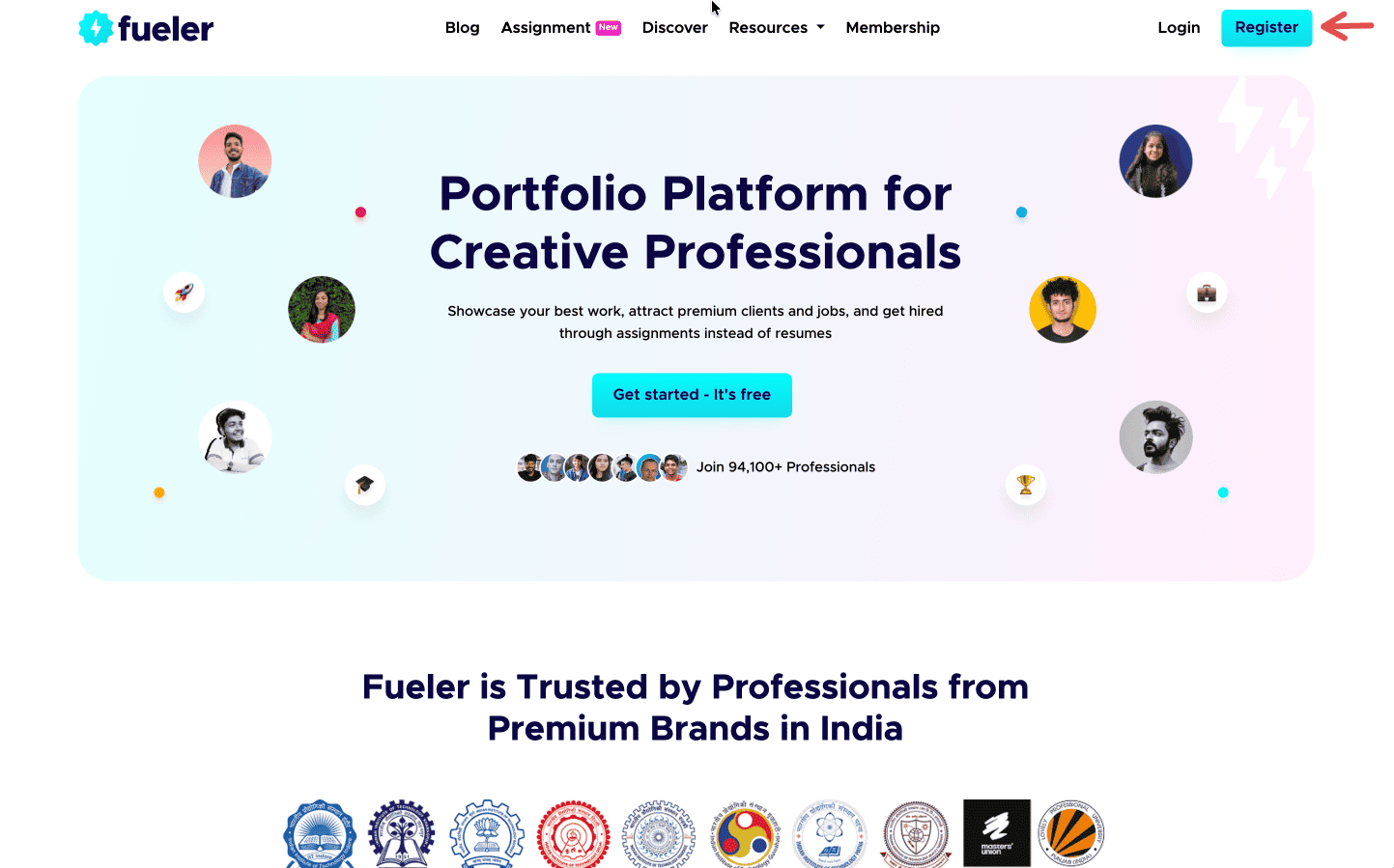
Step 1: Sign up on Fueler.
Head to Fueler.io and create your free account.
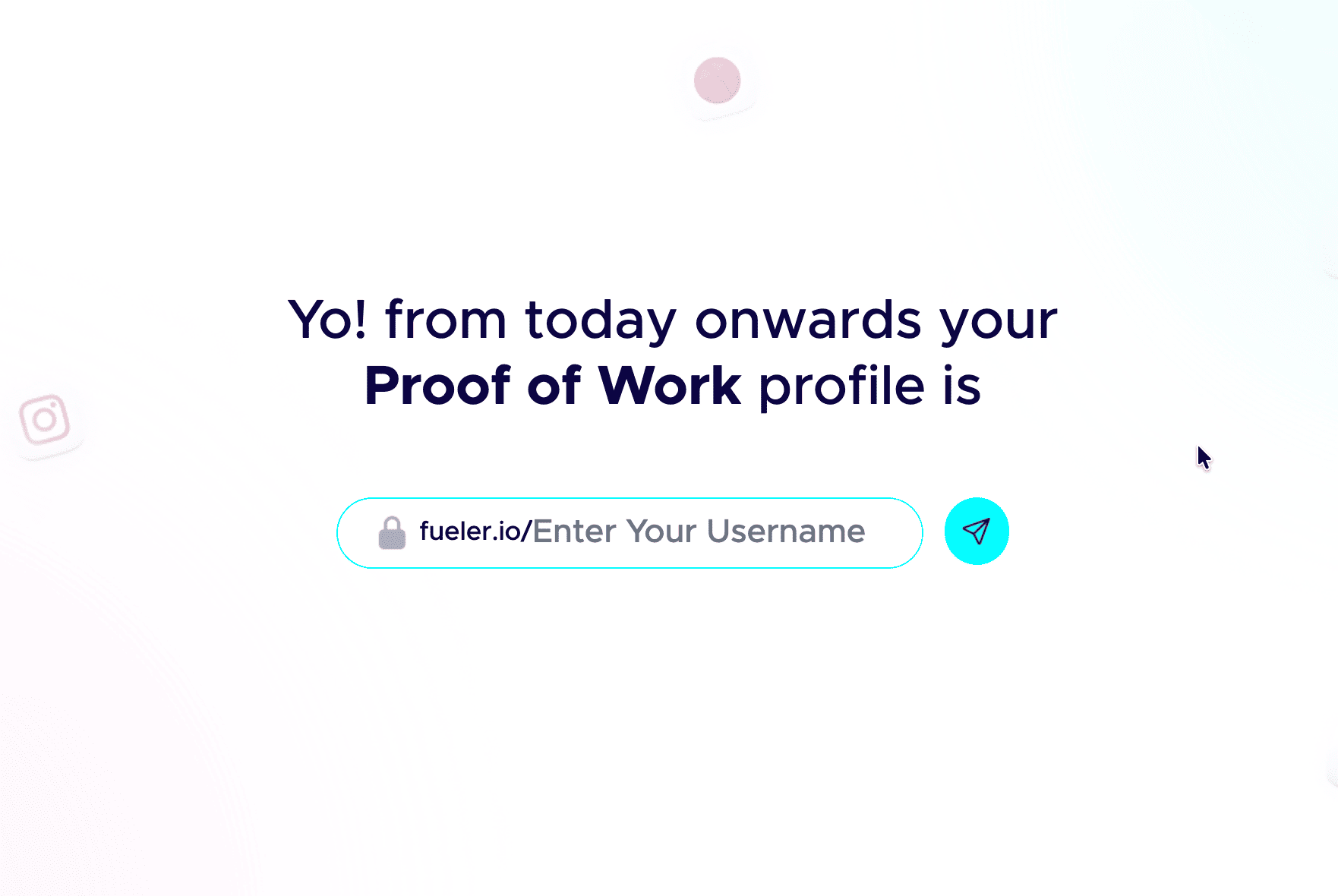
Step 2: Pick a professional handle.
Your handle shows up in your public link, so keep it clean and grown-up. Don’t add nicknames and random numbers. Your name or a simple version of it works best.
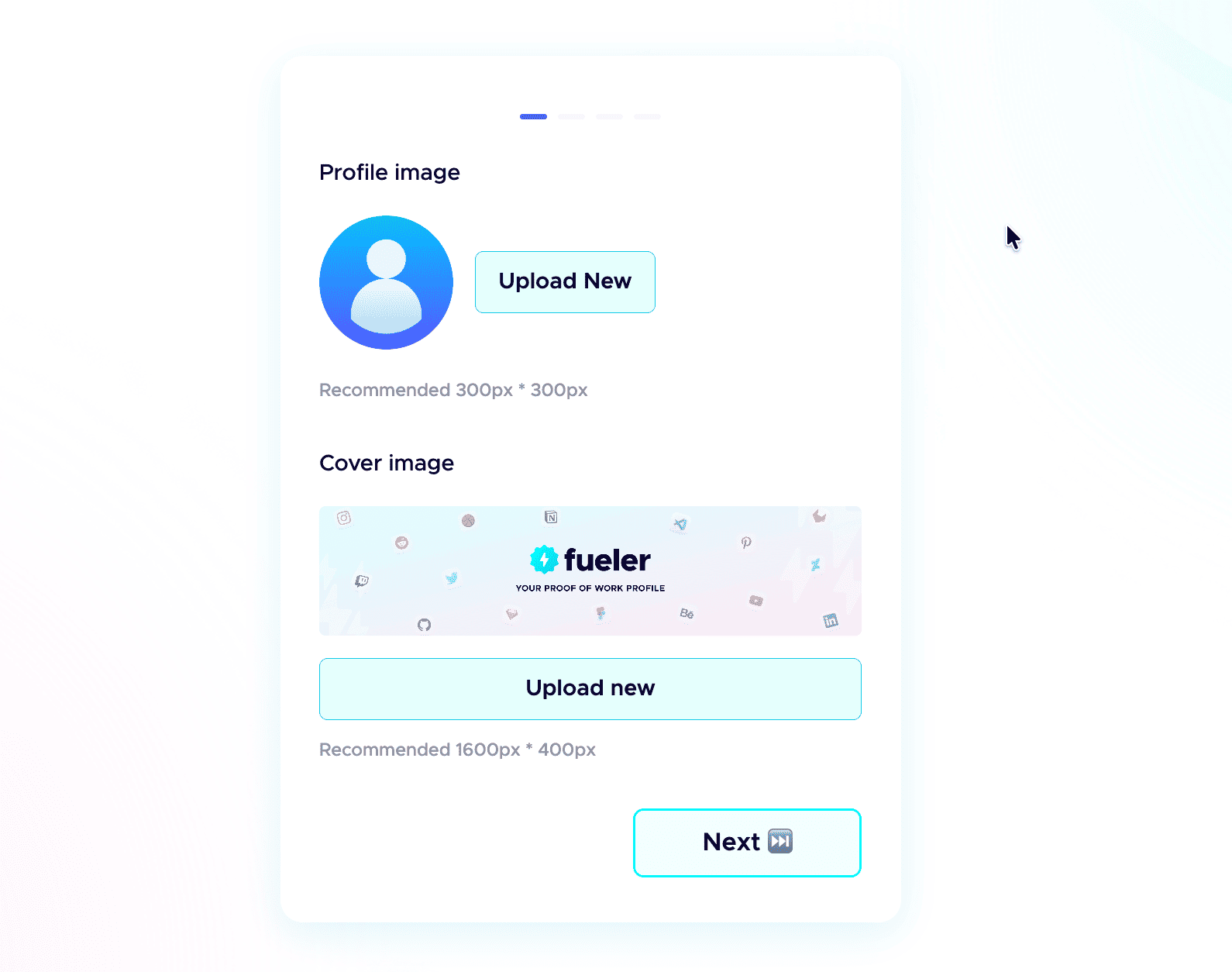
 Step 3: Add a professional profile picture.
Use the same kind of professional photo you would put on LinkedIn. Clear face, good lighting, and a simple background. People trust a real face more than an empty avatar.
Step 4: Write a strong header.
The header is the first thing anyone sees. In one or two short lines, say who you are, what you do, and the kind of work you have done. Make it specific, not vague.
Step 5: Add a short bio.
Tell people who you are and what you do in a few plain sentences. No buzzwords, just enough for a recruiter to get you in five seconds.
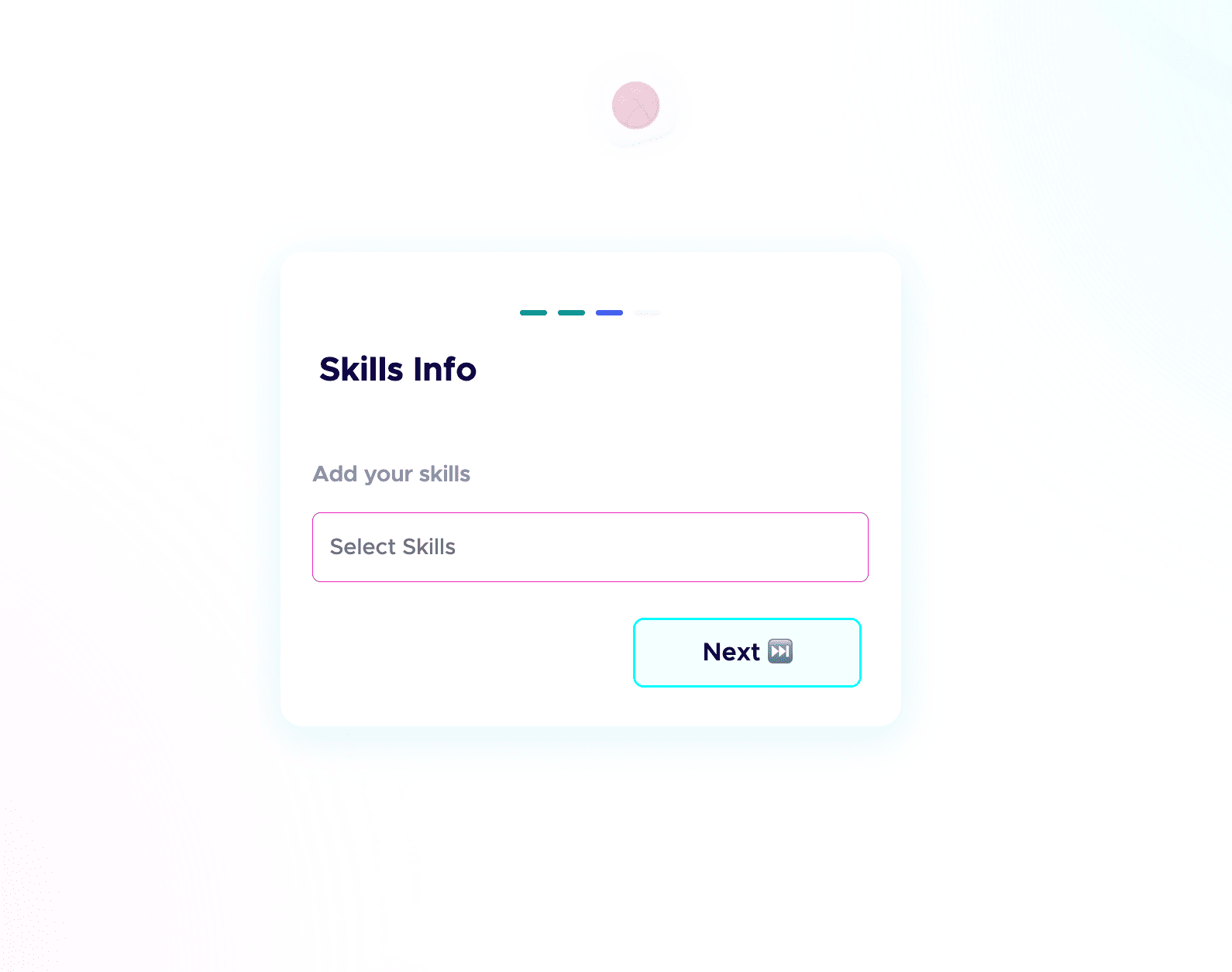
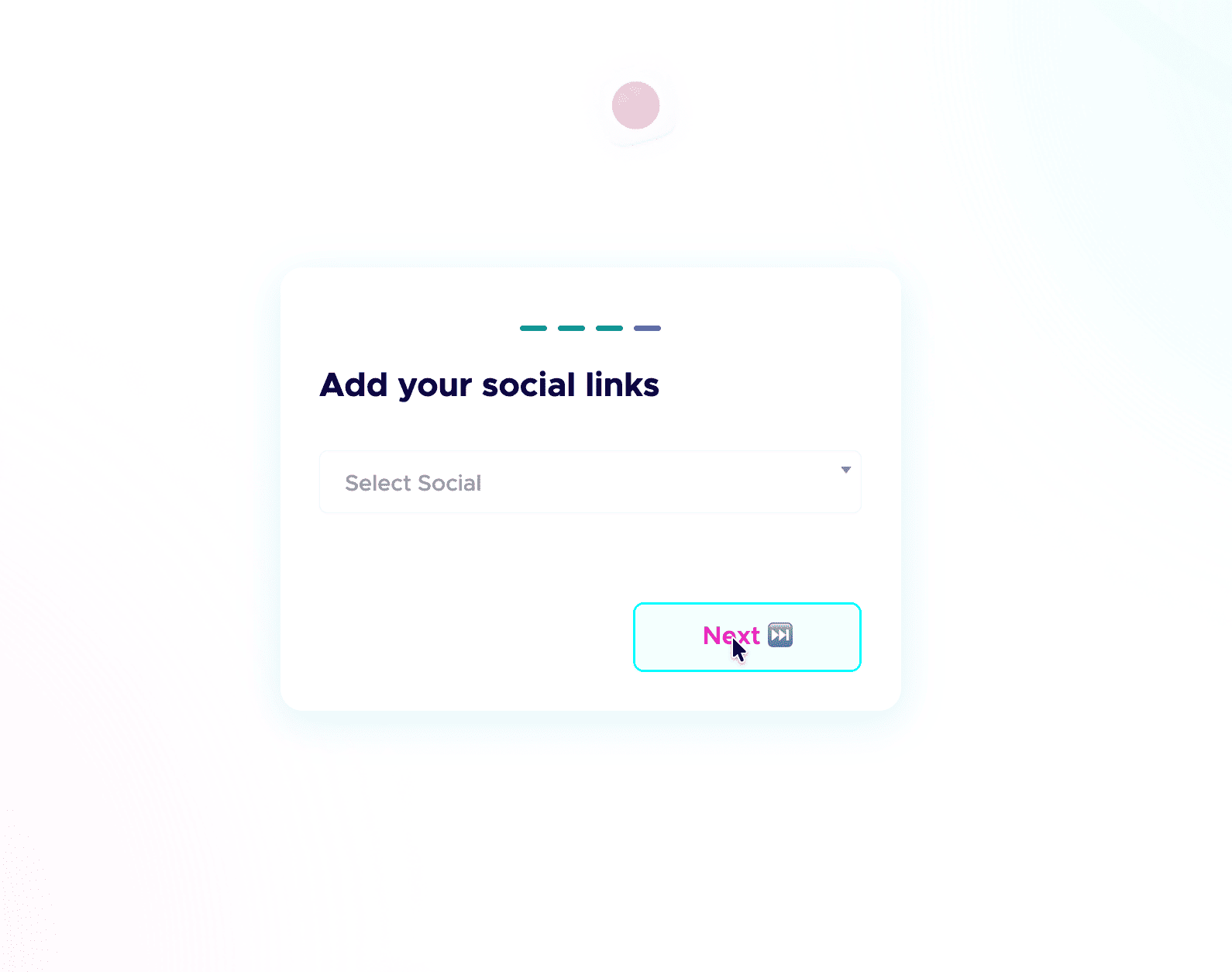
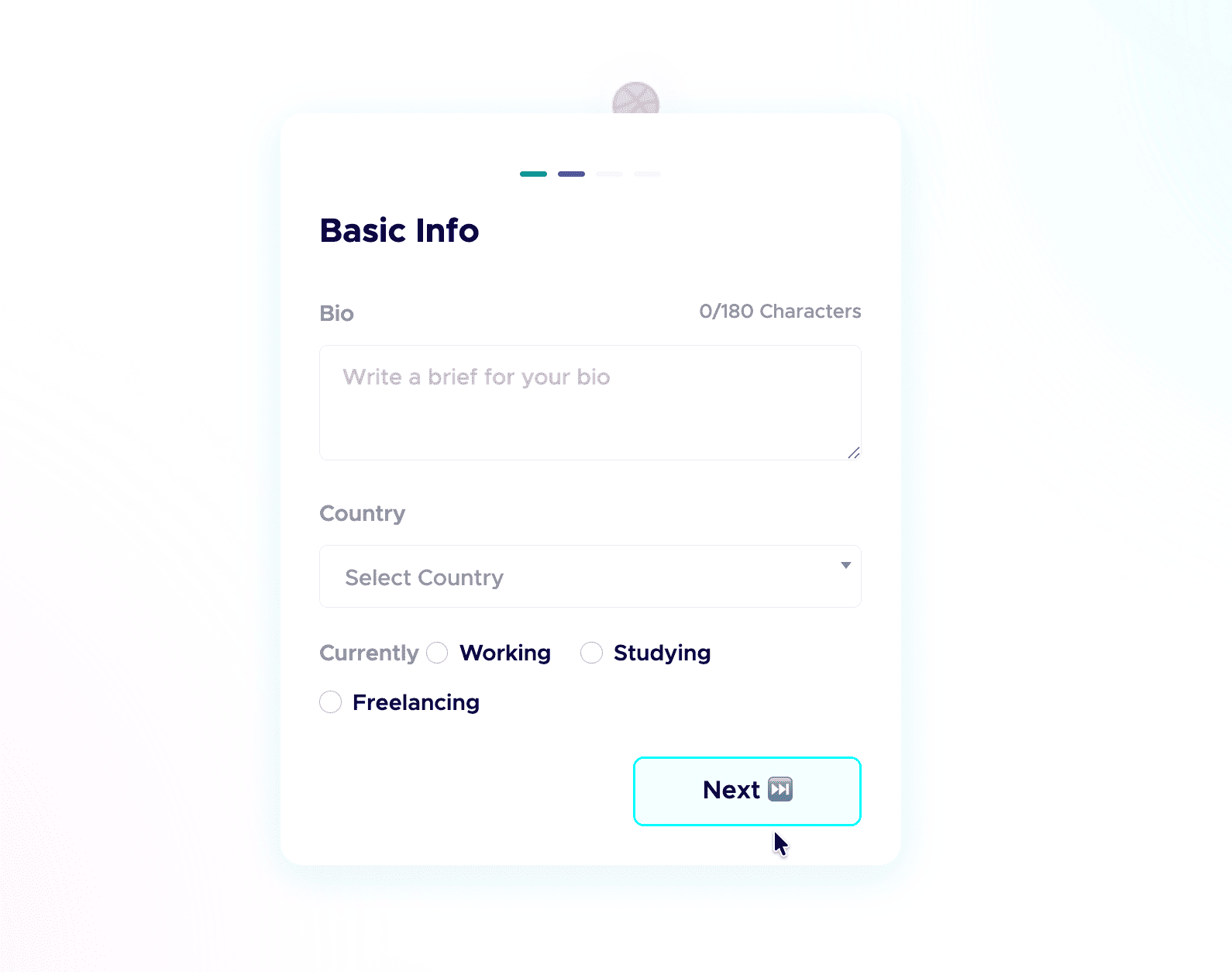 Step 6: Add your skills and social links.
List the skills you are good at and actually want to be hired for, and connect your socials. People do check your profiles, and active socials build credibility before the first call. Students starting from scratch can follow my student guide to their first portfolio.
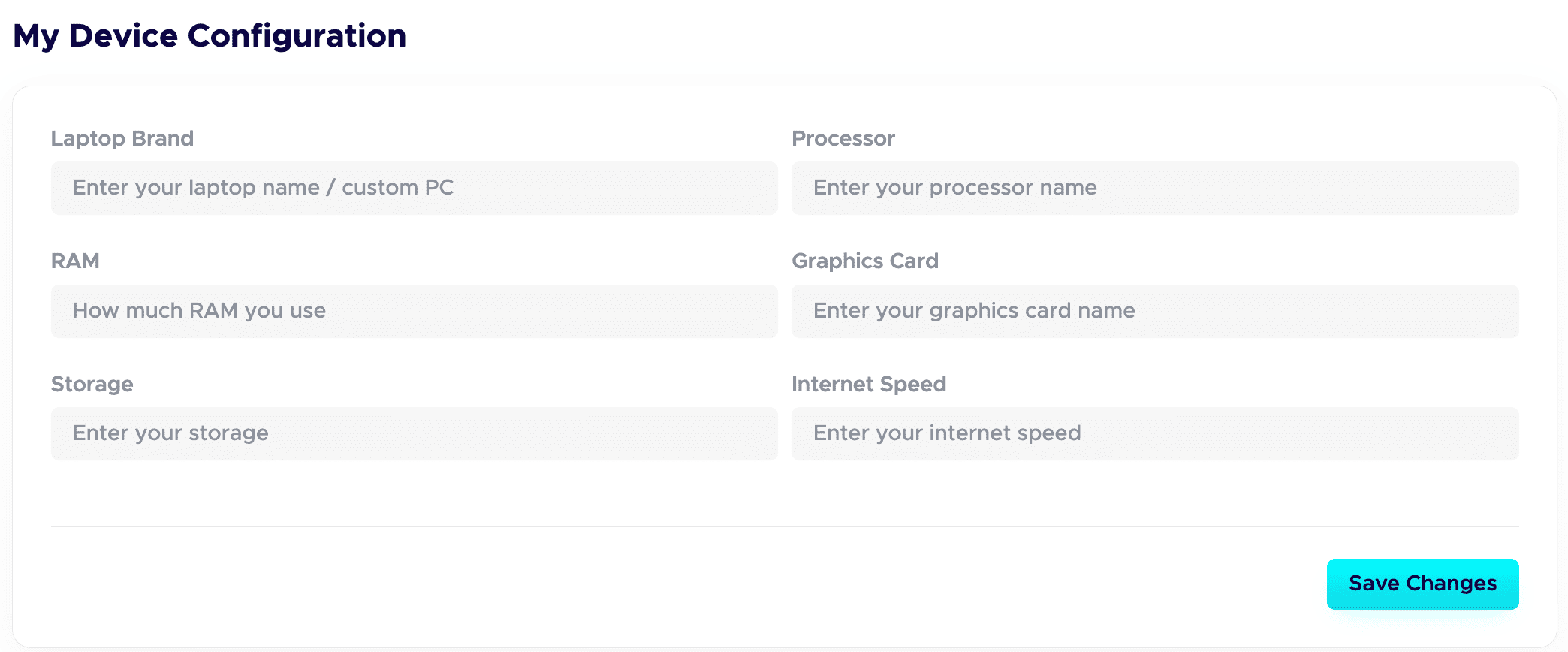
 Step 7: Fill in your Device Configuration.
In your dashboard, set up the Device Configuration section. Add the details about the device you are using. Remote-first companies want to know you have a solid setup to work from. A good setup quietly adds leverage and signals you are ready to deliver.
Step 8: Publish your projects with all the details.
This is a game-changer. Give each project a clear title and a detailed description. Walk through your process: your thinking, the tools you used, the choices you made, and the result. Companies care about how you work, not just the final image.
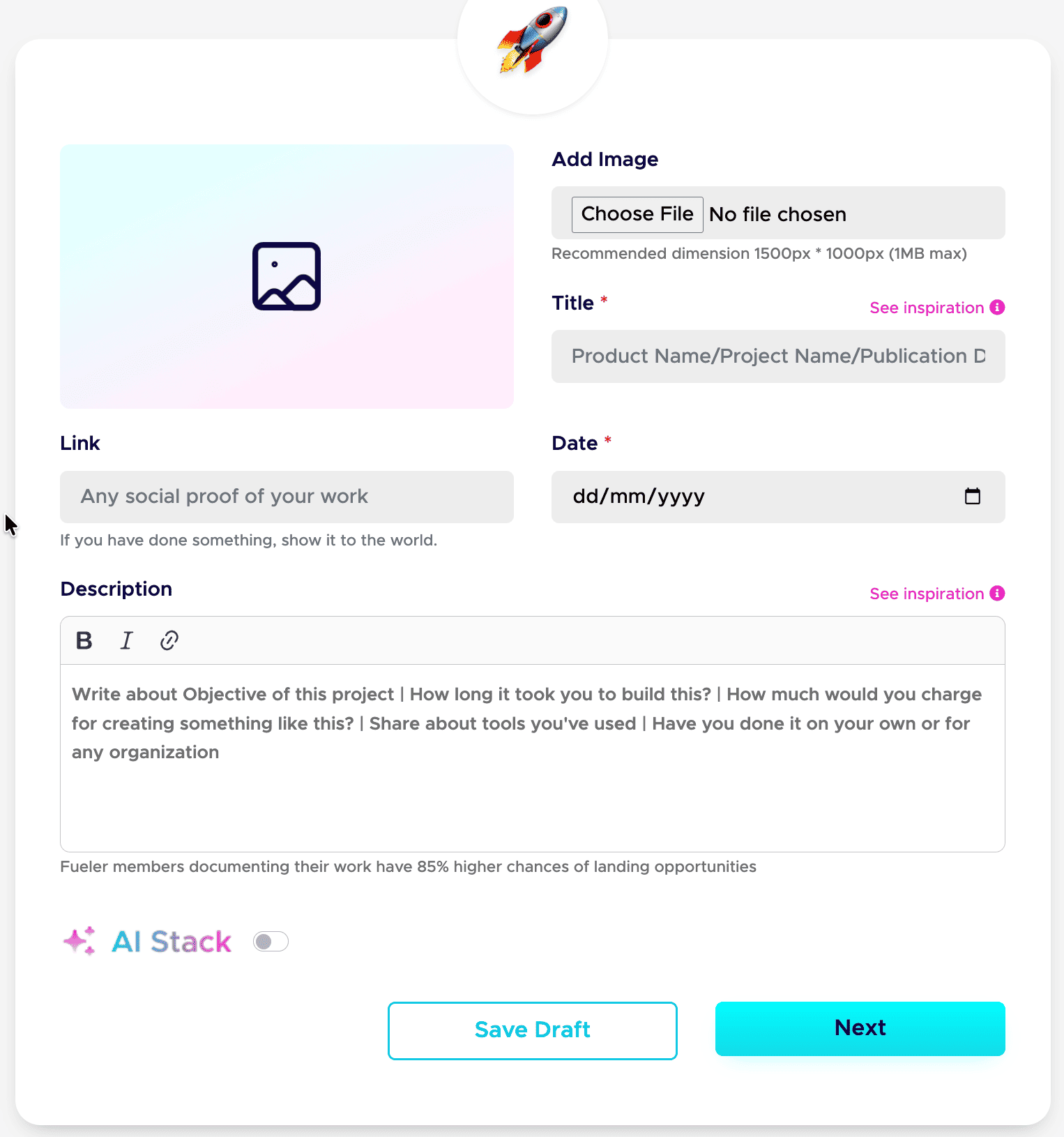
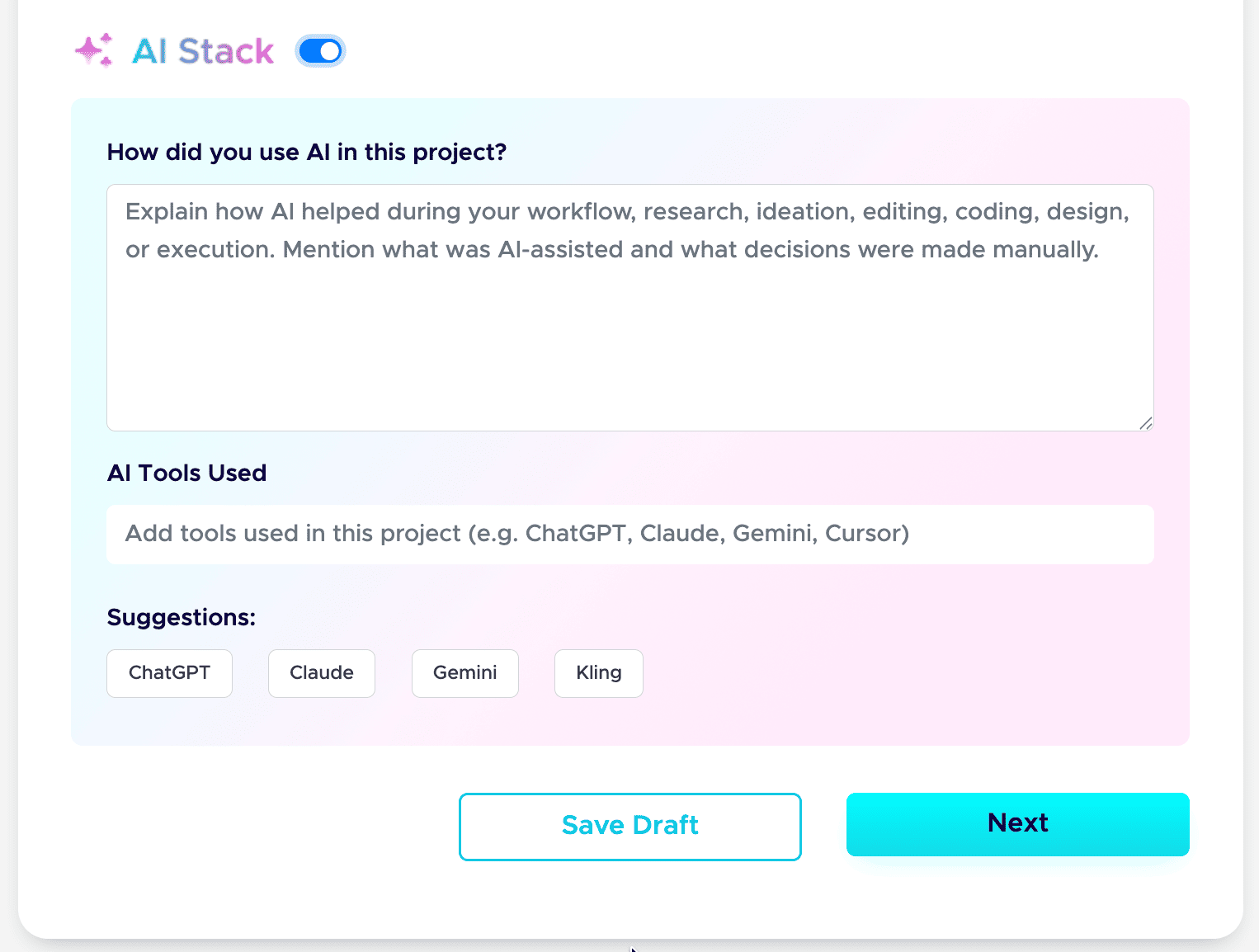
Step 9: Add your AI Stack to each project.
AI is part of real work now, so show it honestly. Use the AI Stack feature to explain how you used AI, which tools you used, and what you did manually. This builds trust instead of raising doubt. Here is the full guide: how to add AI Stack on Fueler.
That is the whole setup. Do these nine steps well, and your profile stops being a static page and starts working as a hiring asset. If you want a tighter version to follow next time, save my 6-step formula for a Fueler portfolio and my breakdown of a career portfolio that actually gets jobs.
Do this once, and you have a link you can drop into your resume, your email signature, and every job application.
7. The Total Cost of Ownership and Maintenance Overhead
Many people choose general web platforms because they appear to be completely free or highly cost-effective at first glance. However, the hidden costs of premium themes, hosting upgrades, security certificates, and custom domain mapping quickly stack up over time.
A dedicated professional platform consolidates your hosting, security, layout updates, and feature expansions into a single, fully managed infrastructure, completely eliminating surprise billing or maintenance chores.
- Managing a standalone website forces you to regularly audit your pages for broken images, expiring SSL security certificates, and outdated plugins that leave your platform vulnerable to malicious cyber attacks.
- Free website tiers almost always force ugly, low-quality third-party advertisements onto your profile, which severely damages your professional credibility and distracts visiting high-paying clients from your work.
- Consolidated career infrastructure provides you with unlimited hosting for your heavy media assets, videos, and project files without ever threatening to throttle your bandwidth or hit you with unexpected storage fees.
- Relying on a fully managed backend engineering team ensures that your portfolio stays online 100% of the time, even if a piece of your content suddenly goes viral across professional networks.
- Saving money on hidden tech stack costs allows you to reinvest your hard-earned capital directly into learning new skills, upgrading your hardware, or scaling your freelance marketing campaigns.
Why It Matters: Your digital presence should be an asset that generates revenue, not a constant technical liability that drains your focus. Outsourcing your backend upkeep allows you to focus 100% of your energy on execution.
8. Network Dynamics and Collective Discovery Ecosystems
When you publish a portfolio on a standard website builder, your page exists on an isolated island in the middle of the deep internet. You are completely responsible for driving every single visitor to that URL through aggressive self-promotion or expensive ad campaigns.
An interconnected professional ecosystem places your profile inside an active marketplace, exposing your proof of work to an aggregated audience of founders who are actively looking to hire verified talent.
- Isolated web setups offer zero organic internal traffic, meaning your profile will receive absolutely zero views unless you are constantly pasting your link across social media feeds and cold outreach emails.
- Built-in discovery ecosystems allow your high-scoring projects to be featured on curated community feeds, putting your work directly in front of active hiring managers without any extra marketing effort on your part.
- Collaborative tagging features enable you to link profiles with team members on shared projects, tapping into their networks and automatically driving fresh, highly relevant referral traffic back to your personal showcase.
- Grouping your portfolio within a trusted, verified network of execution-focused professionals immediately elevates your personal brand equity through positive association with other high-performing builders.
- Algorithmic talent matching systems running inside professional networks can automatically suggest your specific profile to companies looking for the exact skill tags and proof assets you have logged.
Why It Matters: Inbound leads are infinitely better than cold pitching. Placing your career assets inside an active, searchable network allows you to generate passive career opportunities while you sleep, completely shifting the power dynamic in your favor.
How Does This Connect to Building a Strong Career or Portfolio?
In 2026, the global job market rewards verified outcomes, not polished bullet points on a static document. Showcasing your execution visibility through clean project blocks establishes immediate trust with prospective clients. Documenting your real-world workflows on Fueler transforms your digital footprint into an authoritative, searchable asset, ensuring your proof of work does the heavy lifting long before an interview begins.
Final Thoughts
The modern professional landscape has completely outgrown the limitations of static, general-purpose web layouts. Relying on a platform that treats your career history like a simple digital text document leaves your best work completely invisible to modern discovery engines. Moving forward, the individuals who dominate their respective niches will be the ones who treat their proof of work as a dynamic, compounding asset class. Focus on lowering the friction between your execution and a recruiter's ability to verify your results. The market is moving toward absolute transparency, and your choice of professional infrastructure will ultimately determine how fast you can scale your career.
FAQs
What are the main benefits of a proof of work platform over Google Sites?
A proof of work platform structures your projects into searchable, indexable assets automatically. It eliminates manual design tasks, ensures perfect mobile responsiveness, and places your profile directly inside an active hiring ecosystem where founders look for verified talent.
Can a generic website builder rank well for my specific professional skills?
Generic builders often lack the automated schema markup and clean semantic HTML required for advanced SEO. A dedicated professional platform indexes your project tags programmatically, making your background much more discoverable to Google Search and AI discovery tools.
How long does it take to migrate my current work portfolio over to Fueler?
Migrating your background takes less than ten minutes because the interface uses structured input forms. You simply input your project summaries, upload your media assets, tag your technical tool stack, and your professional showcase is immediately ready for distribution.
Do I need web design experience to make my portfolio look professional?
You need zero design or coding experience because the layout is fully managed by a standardized framework. This architectural setup prevents common design mistakes, keeps your profile looking consistently polished, and ensures your actual work remains the primary focus.
How do modern hiring managers view traditional resumes versus live project links?
Modern operators are highly skeptical of text-based resumes that can be easily exaggerated. They heavily favor live, verifiable project links and documented proof of work because it allows them to evaluate your practical execution capabilities in a matter of seconds.
Why 100,000+ professionals use Fueler
Fueler helps professionals showcase proof of work through projects, assignments, case studies, and achievements.
- Thousands of professionals use Fueler to create their digital portfolio
- Thousands of projects are published on Fueler. Check here
- Startups and Companies hire through proof of work on Fueler
- Used by freelancers, creators, marketers, video editors, writers, designers, and product managers
Our mission is to help the next 100 million professionals build a verified professional identity through proof of work

What should you do next?
You've read the article. Now turn your skills into proof of work and unlock more opportunities.
Build your proof of work portfolio
Create a clean portfolio with projects, assignments, resumes, and AI stack details that companies actually want to see.
Create your Fueler portfolio →Apply through assignments, not resumes
Stand out by solving real tasks from companies hiring on Fueler.
Explore assignments →Get discovered by companies
Make your work public and let recruiters discover your skills through actual projects instead of keywords.
Get discovered →
