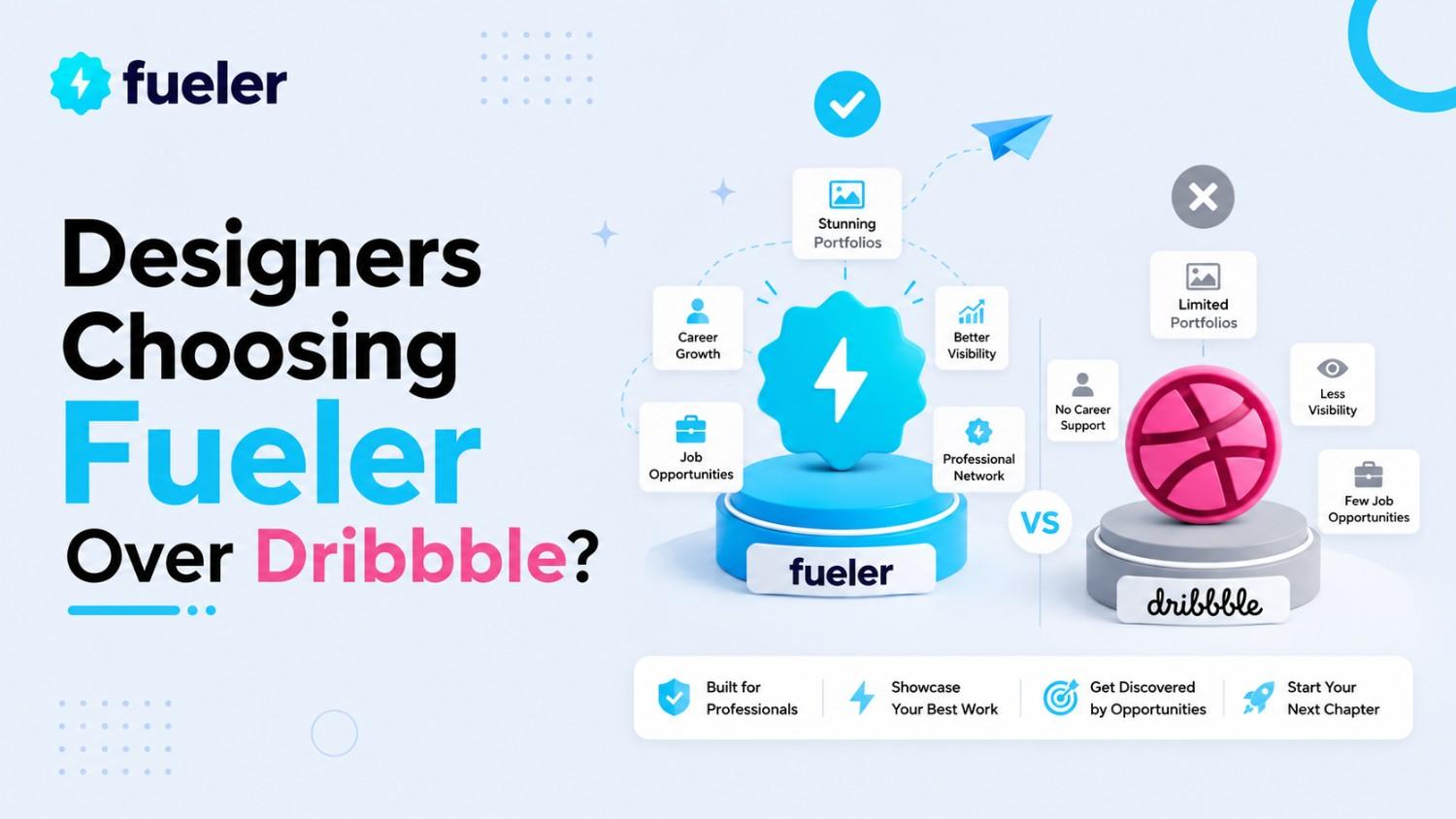
Why Are Designers Choosing Fueler Over Dribbble?

Riten Debnath
11 Jul, 2026
Last updated: July 2026
Designers are hitting an invisible wall online this year. Uploading a slick mobile interface thumbnail no longer guarantees high-paying client contracts, as traditional networks have devolved into chaotic visual echo chambers packed with unbuildable concepts. Hiring managers are completely exhausted by platforms that reward empty aesthetic trends instead of genuine software engineering empathy.
I’m Riten, founder of Fueler, a skills-first portfolio platform that connects talented individuals with companies through assignments, portfolios, and projects, not just resumes/CVs. Think Dribbble/Behance for work samples + AngelList for hiring infrastructure.
If you want your design career to survive the brutal market correction of 2026, relying on superficial likes is a strategy for unemployment. Modern product teams are actively dumping invite-only design grids because they hide a candidate's true execution capabilities.
In this deep architectural breakdown, you will learn the eight fundamental reasons why elite creators are moving to proof-of-work systems, how to structure your projects for modern AI-driven recruitment platforms, and how to build an undeniable personal distribution hub that converts profile visitors into high-paying client contracts.
1. The Total Collapse of the 400x300 Thumbnail Grid
This section breaks down how restrictive visual containers actively damage a designer's professional credibility. You will discover why shrinking multi-week product design lifecycles into a tiny preview image alienates premium startup founders who value structural product execution over superficial aesthetic trends.
Traditional creative networks force complex user experiences into restricted image feeds that reward quick dopamine loops rather than deep technical evaluation. This framework makes it impossible to show responsive layout engineering, complex data states, or deep user-testing frameworks. Consequently, elite builders are moving toward systems that treat design as a core functional business driver.
- The old layout system forces creators to optimize for quick community clicks rather than clear client utility, directly encouraging the development of beautiful but completely unbuildable mockups that break during front-end engineering production handoffs.
- Static preview windows completely hide the messy realities of product development, making it incredibly difficult for scaling software companies to analyze your true cross-functional communication skills, product thinking, and technical constraint management.
- High peer engagement metrics on purely theoretical interfaces create massive false indicators of actual operational talent, which consistently misleads modern product acquisition teams looking for stable, production-ready product design execution.
- Old-school visual networks lack native mechanisms to link live code repositories or functional interactive staging environments, leaving your comprehensive software engineering and system architecture capabilities completely invisible to technical hiring managers.
- The heavy systemic pressure to maintain a perfectly coordinated visual grid discourages experienced operators from publishing their rough iterations, user research documentation, and real-world post-launch challenges that prove senior-level expertise.
Why It Matters: Relying on a thumbnail grid means you are competing on pure visual flair rather than deep operational execution. Modern product design operations demand full workflow transparency, and presenting deep proof of work is the only way to retain hiring leverage.
2. Escaping the Exhausting Loop of Algorithmic Engagement
This section uncovers the toxic reality of chasing peer validation on social design feeds. We will explore how algorithm-driven networks prioritize non-paying engagement over true project delivery, and why modern professionals are opting for clean portfolios that speak directly to high-paying buyers.
The endless race for peer applause has turned legacy design platforms into highly unproductive echo chambers. Creators spend hours swapping superficial compliments just to trick visibility engines into boosting their latest uploads. This destructive pattern completely commoditizes unique talent, as designers unconsciously replicate trending global aesthetic styles instead of solving real business bottlenecks.
- Algorithmic distribution frameworks force you into a perpetual loop of continuous content generation, which actively pulls your valuable attention away from executing high-impact client assets or mastering advanced product engineering protocols.
- Heavy reliance on casual community feedback loops means your portfolio's reach is ultimately decided by non-paying users rather than high-intent corporate recruiters who possess immediate budgets to hire senior operators.
- Network gamification systematically rewards dramatic engagement-bait headlines and flashy design trends, which aggressively suppresses deep, text-heavy case studies that detail authentic revenue growth or user experience optimization metrics.
- Chasing temporary platform trends severely dilutes your personal brand positioning, forcing you to look exactly like every other creator on the global feed instead of standing out as an autonomous problem solver.
- Organic discoverability is increasingly locked behind expensive platform subscription fees, forcing premium creators to pay recurring premiums just to keep their existing work from being buried by the network's engine.
Why It Matters: When your professional visibility depends on an engagement algorithm, you lose control over your career distribution. Swapping social loops for an outcome-focused layout ensures your technical profile lands directly in front of real buyers.
3. Meeting the Enterprise Demand for Comprehensive Project Context
This section analyzes the shifting mindset of corporate design buyers and tech founders. You will learn why companies are rejecting static mockups and why they actively seek out candidates who document their strategic framework choices, system constraints, and functional metrics.
Tech companies are facing tighter budgets and cannot afford to hire designers who only know how to make things look pretty. Founders need to see how you handle unexpected engineering constraints, use analytics, and adapt layouts to complex data states. A standalone image file tells a recruiter absolutely nothing about your technical maturity.
- Enterprise technology companies are aggressively prioritizing documented product performance over simple artistic layouts, making comprehensive case studies far more valuable than basic layout images during high-stakes hiring review rounds.
- Functional portfolio formats allow you to explicitly outline conversion gains, giving non-technical managers a perfectly transparent view of your strategic business value and long-term user retention planning capabilities.
- Showcasing fluid responsive variations and verified accessibility structures proves your advanced understanding of web design standards, completely preventing expensive layout rework cycles during critical product front-end development phases.
- Explicitly documenting your specific project limitations demonstrates mature product thinking, instantly establishing you as a dependable operator who balances visual brand goals with tough real-world backend engineering parameters.
- Modern product development cycles demand that contemporary designers understand core component reusability, a high-value operational skill that is easily proven when your project logs link directly to codebases.
Why It Matters: The global market is overflowing with visual assets, but it severely lacks builders who understand product strategy. Adding deep operational context to your projects immediately upgrades your positioning from an aesthetic pixel-pusher to a strategic product leader.
4. Complete Freedom From Distracting Platform Ads and Competitor Links
This section addresses how messy network interfaces actively steal your potential clients. We will look at the conversion damage caused by running third-party ads right next to your work, and how a clean canvas protects buyer attention.
The moment a busy hiring manager lands on a traditional design feed, they are immediately assaulted by sticky sidebars, job advertisements, and trending recommendations. This chaotic interface design fragments the recruiter's attention, pulling them away from your work within seconds. Your hard-earned case studies should never compete against distracting global notifications.
- Intrusive third-party advertising frameworks severely degrade the premium nature of your personal brand, rendering your carefully constructed product design summaries indistinguishable from low-tier ad-supported content websites.
- Algorithmic recommendation modules positioned directly beneath your project files actively divert busy corporate recruiters away from your profile page and straight toward competing talent portfolios across the network.
- Overly cluttered template structures drastically decrease the scannability of your technical breakdowns, leading to high bounce rates among mobile-using project managers reviewing your files under tight schedules.
- Unnecessary platform network scripts load heavy tracking cookies that slow down your overall portfolio presentation layer, creating immense user friction during time-sensitive engineering team talent acquisition reviews.
- Forcing external users to create an account just to view your full-resolution project assets creates deep pipeline friction, driving away high-value, non-technical executive decision-makers who lack time.
Why It Matters: Your portfolio functions as your primary digital sales funnel, and letting a platform run ads inside your funnel destroys your conversion. A clean presentation layout respects the recruiter's limited time and keeps focus on your work.
5. Seamless Onboarding to Build Your Proof of Work Hub Fast
This section serves as a direct setup guide to getting your work online without layout headaches. You will discover how to transition your offline design files into a fully indexed, discoverable personal repository using a streamlined three-step publishing workflow.
Building a high-converting profile shouldn't feel like configuring a complex cloud database or spending weeks writing custom CSS components. The specialized onboarding engine is explicitly optimized to get your absolute best work live and searchable in under ten minutes by removing unnecessary layout choices and distracting social vanity settings.
- Secure your unique personal hub by claiming your custom username string, which instantly establishes a clean and permanent link architecture for distribution across all your professional networking channels.
- Populate your clean system repository by uploading multimedia project files, making sure you include comprehensive background write-ups, live staging environment links, and functional product design assets.
- Integrate highly relevant operational tags and technical descriptors into each block, allowing the background semantic indexing engine to accurately categorize your design assets for high-intent client queries.
- Systematically arrange your published blocks into distinct operational categories, making it exceptionally straightforward for incoming talent scouts to filter your profile based on their immediate project execution needs.
- Distribute your newly optimized system profile link across modern professional communication channels, providing potential business partners with an uncluttered, direct gateway to review your verified project delivery history.
Why It Matters: A complex portfolio setup causes deep friction, which frequently leads to outdated case studies and forgotten projects. A streamlined publishing workflow ensures your active proof of work stays current with your latest professional wins.
6. Built-In Search Optimization for Modern AI Retrieval Engines
This section highlights how machine-driven recruitment has changed discoverability. We examine why old-school, image-only portfolios are completely invisible to automated corporate scrapers, and how structuring your text assets places your profile inside automated shortlists.
Traditional keyword stuffing is completely ineffective inside modern semantic search algorithms and AI-driven retrieval models. Modern search networks and conversational engines analyze your contextual depth, looking for specific technical entities, project relationships, and true industry vocabulary. When your proof of work is formatted clearly, it becomes highly discoverable.
- Natural entity optimization structures your project descriptions to match advanced semantic intent patterns, placing your work directly inside highly specific talent sourcing queries executed by technical platform recruiters.
- Including detailed technology stacks inside your project blocks allows automated scrapers to instantly verify your comfort level with modern product design systems and collaborative front-end development environments.
- Answering common operational challenges directly within your case study text positions your portfolio to be extracted as an authoritative citation inside conversational search engine summaries used by founders.
- Clean markdown text formatting allows search bots to seamlessly crawl your project context without hitting heavy script blockages, drastically boosting your organic search footprint across major discovery networks.
- Documenting real-world project results creates a rich semantic data trail that naturally positions your profile as a trustworthy industry resource within your chosen software design specialization niche.
Why It Matters: Recruitment is quickly shifting toward automated talent sourcing and AI-driven discovery engines. Structuring your portfolio for machine readability ensures your proof of work gets surfaced before a human recruiter even opens a traditional job board.
7. Direct Linking to Functional Code and Production Assets
This section focuses on proving the real-world buildability of your layouts. We will discuss why linking design assets to live engineering endpoints destroys any doubt about your capabilities, and how it eliminates friction with development teams.
An isolated design frame without explicit context is just pretty digital wallpaper that fails to demonstrate real professional capability. True operational credibility is established when you clearly explain the specific problem, your technical methodology, and the final results. When you connect layouts to real codebases, you demonstrate true product leadership.
- Linking your final interface designs directly to live production web endpoints provides undeniable validation of your practical skills, proving your component structures function flawlessly under real user load.
- Showcasing direct connections to active code repositories demonstrates an advanced structural understanding of modern layout frameworks, earning immediate professional respect from engineering leads managing the technical hiring process.
- Documenting your explicit design token architectures highlights a sophisticated grasp of product scalability, proving you can comfortably build systematic asset structures that accelerate development velocity for scaling engineering teams.
- Sharing live interactive prototypes within your project blocks allows non-technical product managers to experience your user flow logic firsthand, removing all guesswork from their talent evaluation pipeline.
- Providing direct access to complete system documentation sets you apart as a meticulous operator who understands that high-quality design requires clear, accessible reference materials for engineering implementation.
Why It Matters: Aesthetic talent is highly subjective, but working code and shipped production files are impossible to argue against. Connecting your design assets directly to live engineering outcomes transforms your portfolio from an art gallery into an undeniable proof of work engine.
8. Higher Contract Conversion Rates for Premium Freelance Operators
This section explores how optimized profile layouts speed up contract acquisition. We look at the mechanics of closing high-ticket business agreements by providing corporate clients with immediate, frictionless access to your complete operational history.
The modern freelance market demands immediate, friction-free verification of your technical delivery capabilities before a contract is ever issued. Premium clients no longer have the patience to read through bloated PDF resumes or navigate slow, password-protected corporate web portals. They want a fast, secure, and clear view of your past project executions.
- Providing a direct, un-gated project hub completely removes early pipeline friction, significantly increasing your inbound contract conversation rates and keeping prospective corporate clients highly engaged with your work.
- Categorizing your previous projects by explicit industry vertical allows target enterprise buyers to instantly locate relevant operational case studies that perfectly align with their current market challenges.
- Highlighting verified client testimonials and measurable product outcomes directly alongside your project blocks dramatically shortens your overall freelance sales cycle, bypassing the need for extensive introductory screening calls.
- Maintaining a live, easily shareable repository of your shipped assignments allows you to respond to sudden high-value contract opportunities much faster than operators relying on slow custom websites.
- Utilizing a single, unified digital system link keeps your professional outreach completely organized, giving you an elite, repeatable framework for both inbound marketing and outbound client acquisition efforts.
Why It Matters: In the fast-moving freelance landscape, speed of trust is your most critical metric. A highly scannable portfolio layout allows prospective clients to qualify your engineering skills in seconds, giving you an immediate competitive edge.
How to Create Your Portfolio on Fueler Step by Step
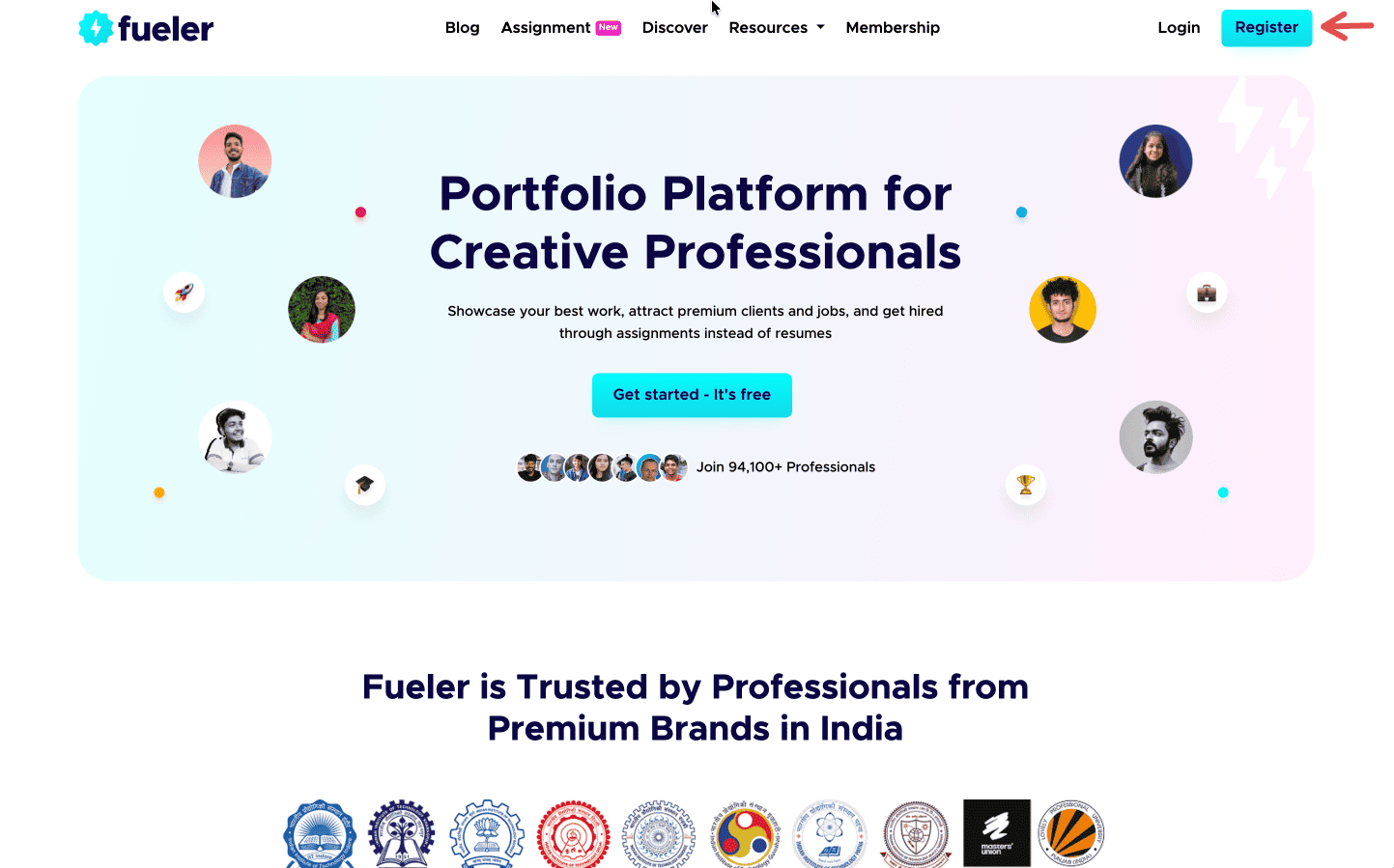
Step 1: Sign up on Fueler.
Head to Fueler.io and create your free account.
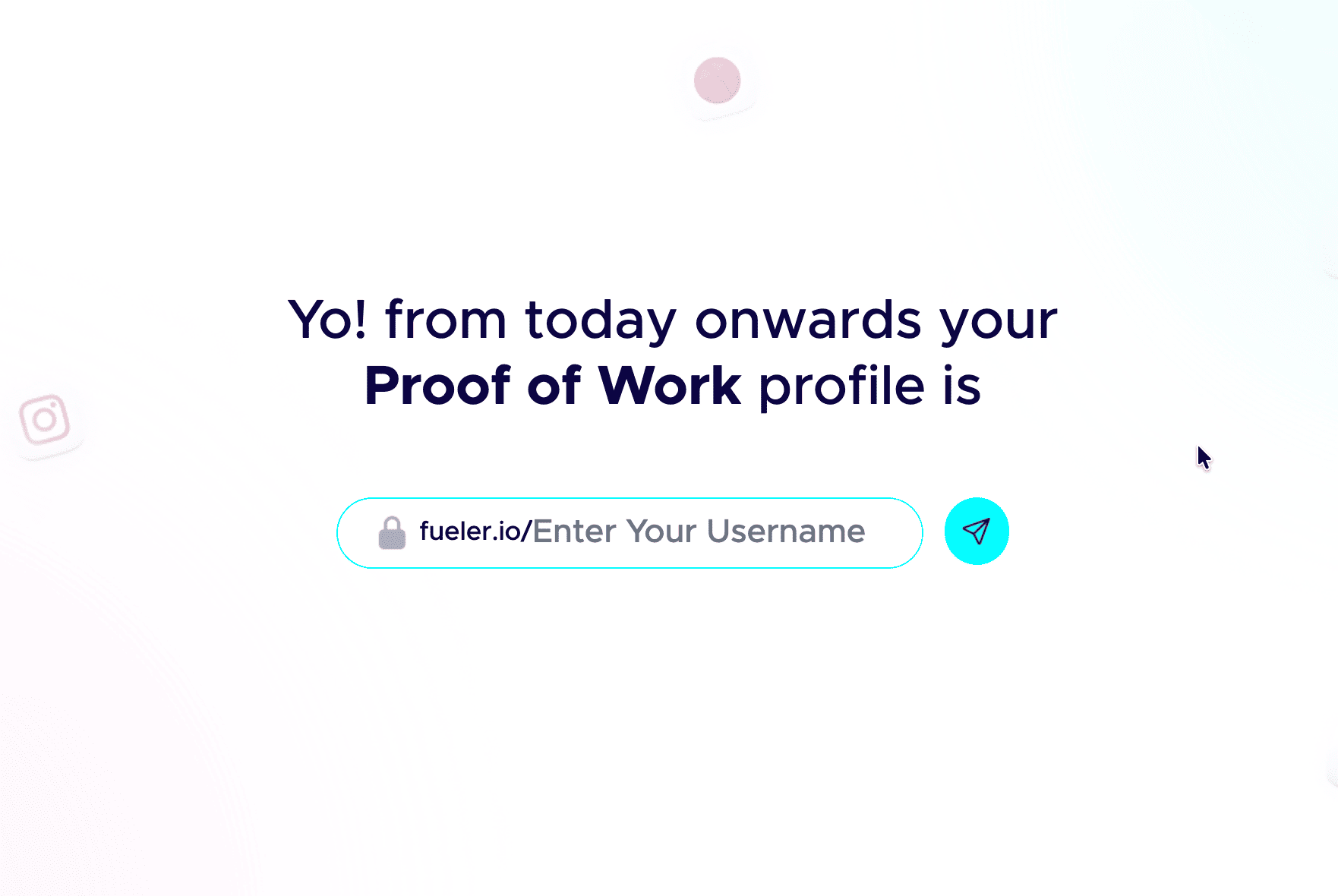
Step 2: Pick a professional handle.
Your handle shows up in your public link, so keep it clean and grown-up. Don’t add nicknames and random numbers. Your name or a simple version of it works best.
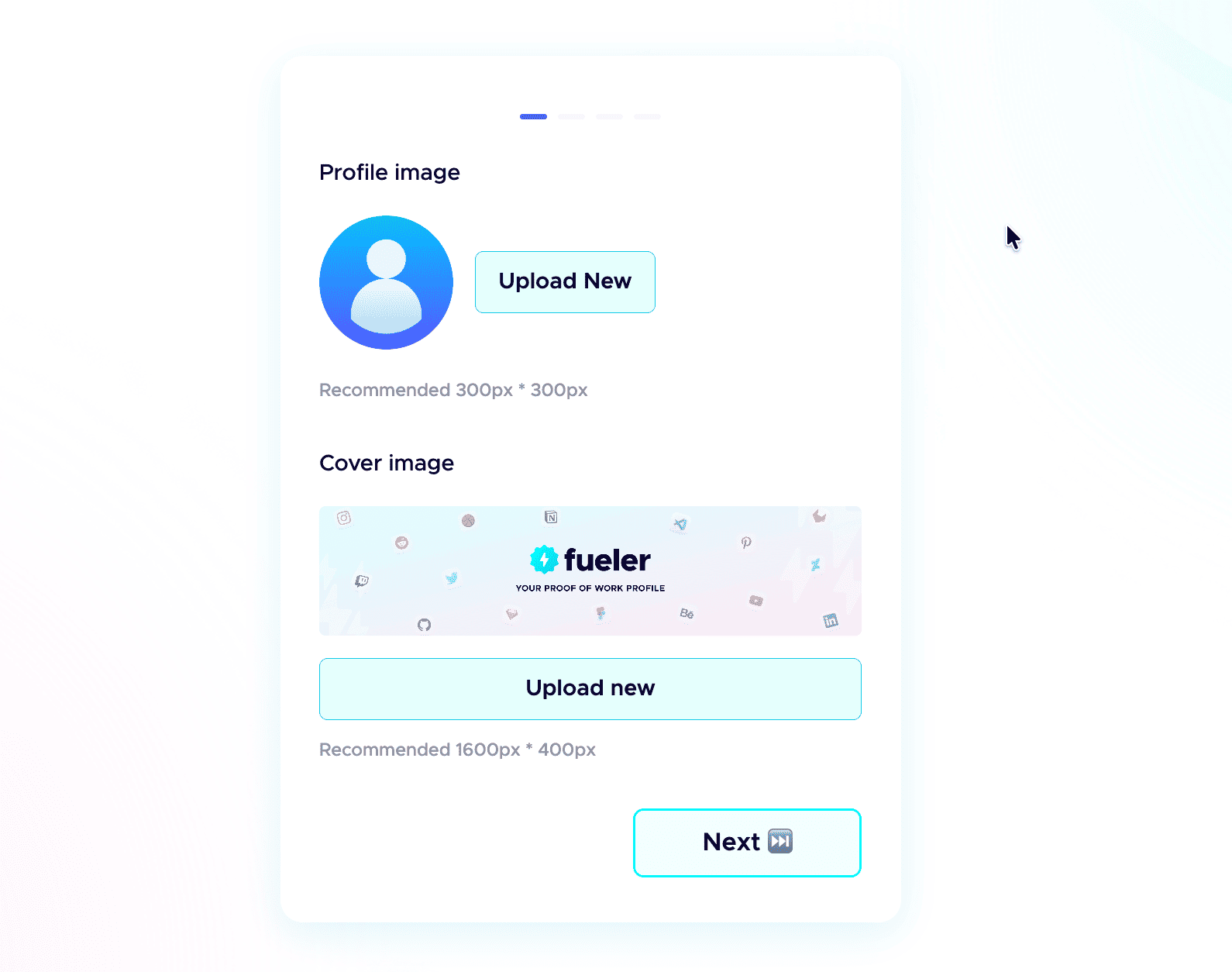
 Step 3: Add a professional profile picture.
Use the same kind of professional photo you would put on LinkedIn. Clear face, good lighting, and a simple background. People trust a real face more than an empty avatar.
Step 4: Write a strong header.
The header is the first thing anyone sees. In one or two short lines, say who you are, what you do, and the kind of work you have done. Make it specific, not vague.
Step 5: Add a short bio.
Tell people who you are and what you do in a few plain sentences. No buzzwords, just enough for a recruiter to get you in five seconds.
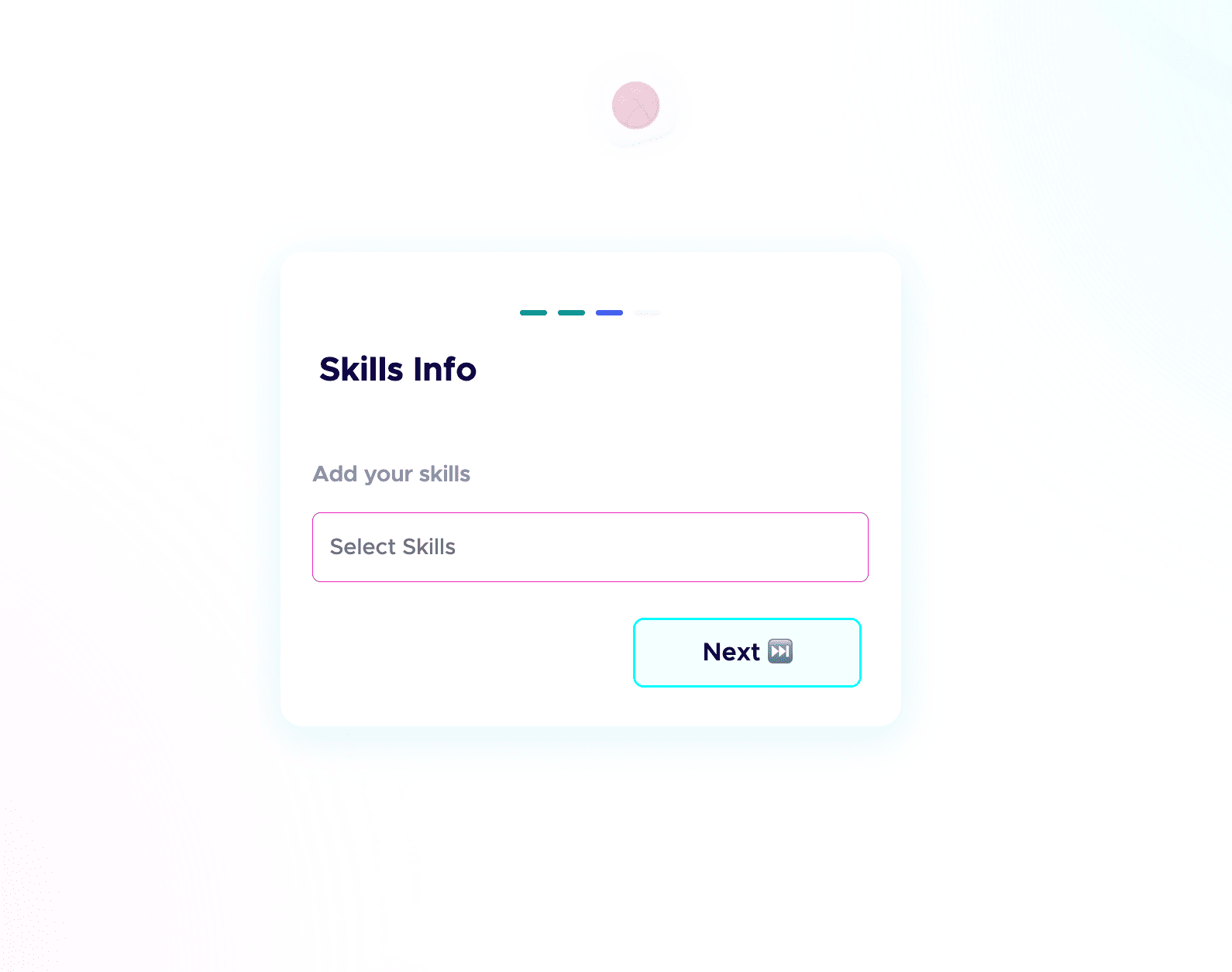
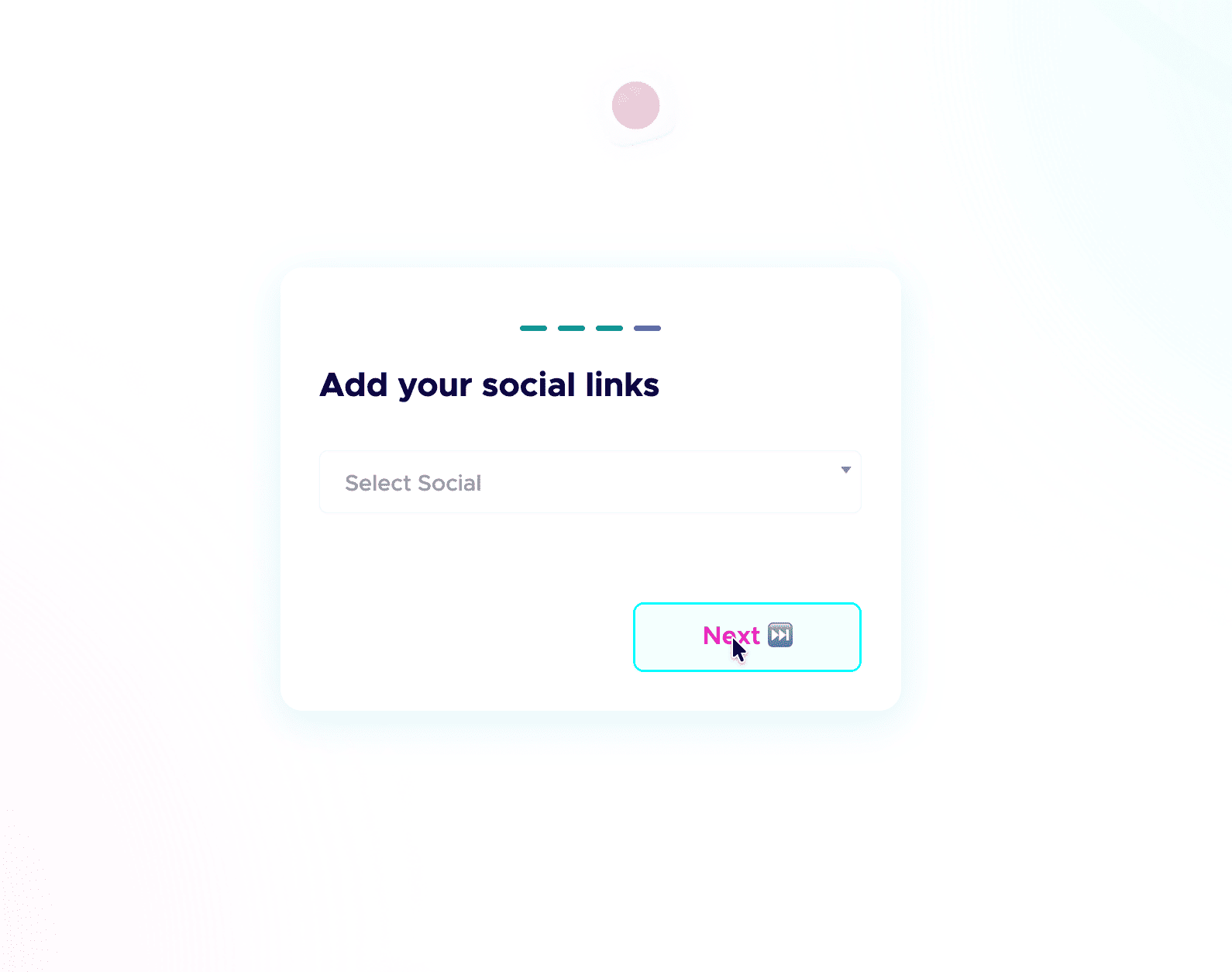
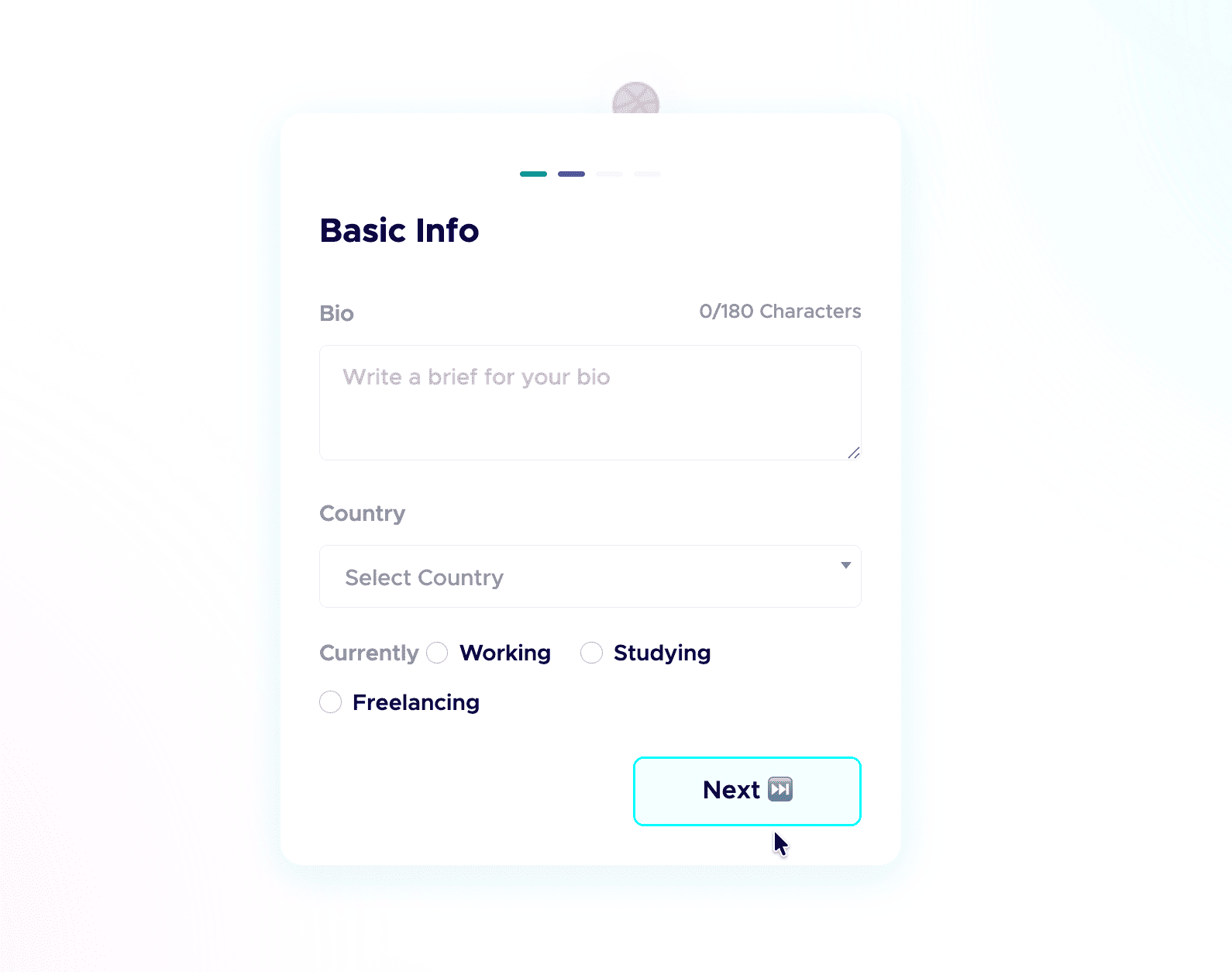 Step 6: Add your skills and social links.
List the skills you are good at and actually want to be hired for, and connect your socials. People do check your profiles, and active socials build credibility before the first call. Students starting from scratch can follow my student guide to their first portfolio.
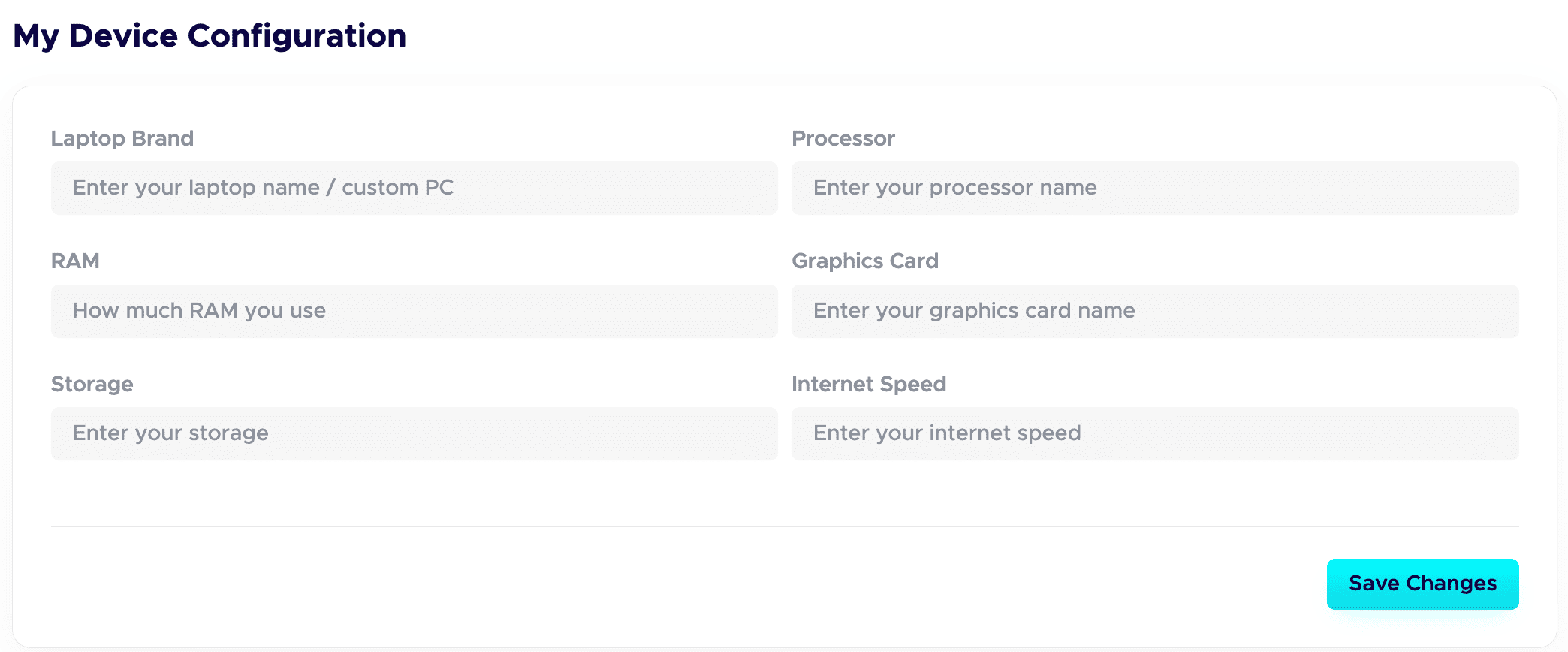
 Step 7: Fill in your Device Configuration.
In your dashboard, set up the Device Configuration section. Add the details about the device you are using. Remote-first companies want to know you have a solid setup to work from. A good setup quietly adds leverage and signals you are ready to deliver.
Step 8: Publish your projects with all the details.
This is a game-changer. Give each project a clear title and a detailed description. Walk through your process: your thinking, the tools you used, the choices you made, and the result. Companies care about how you work, not just the final image.
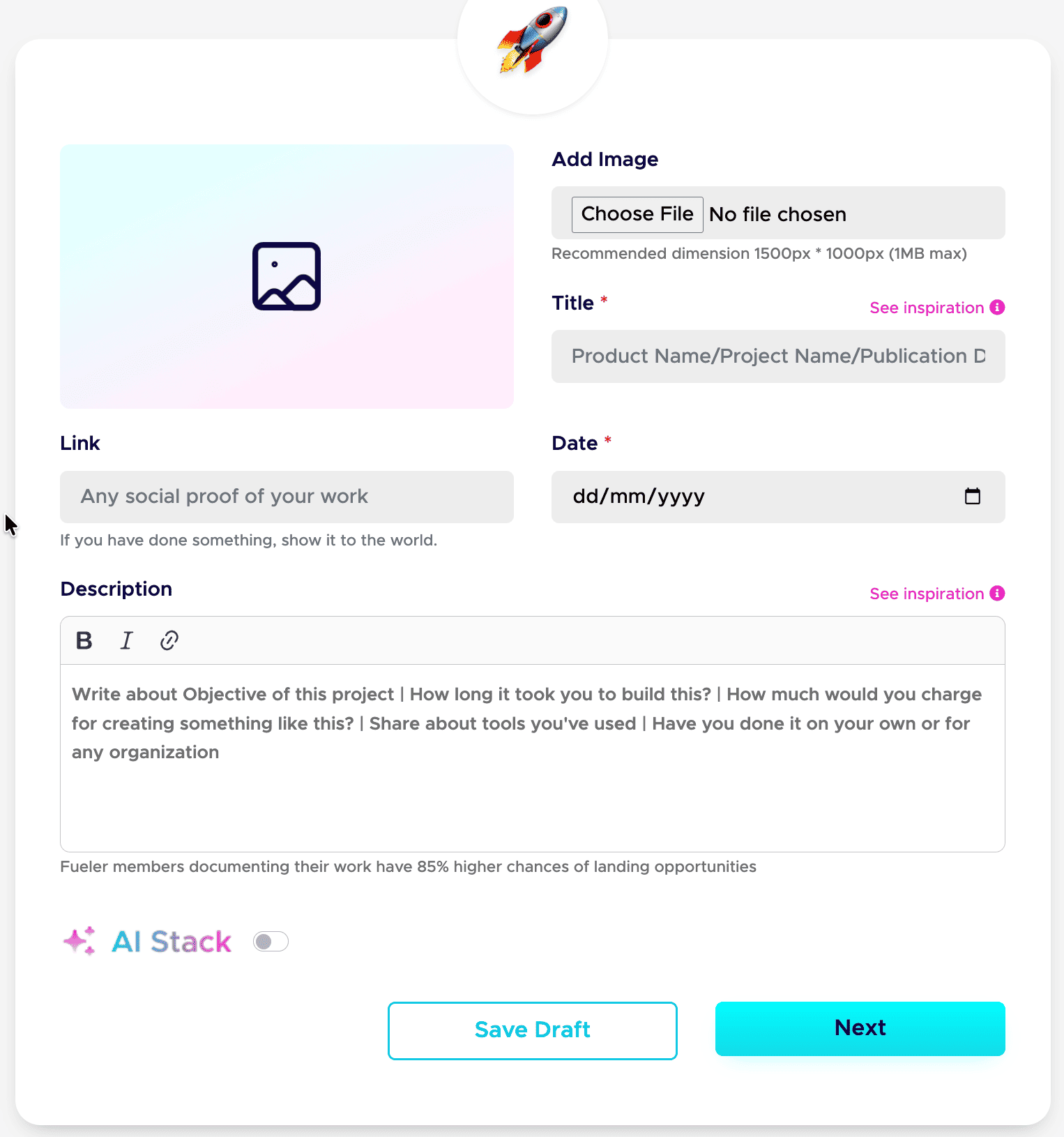
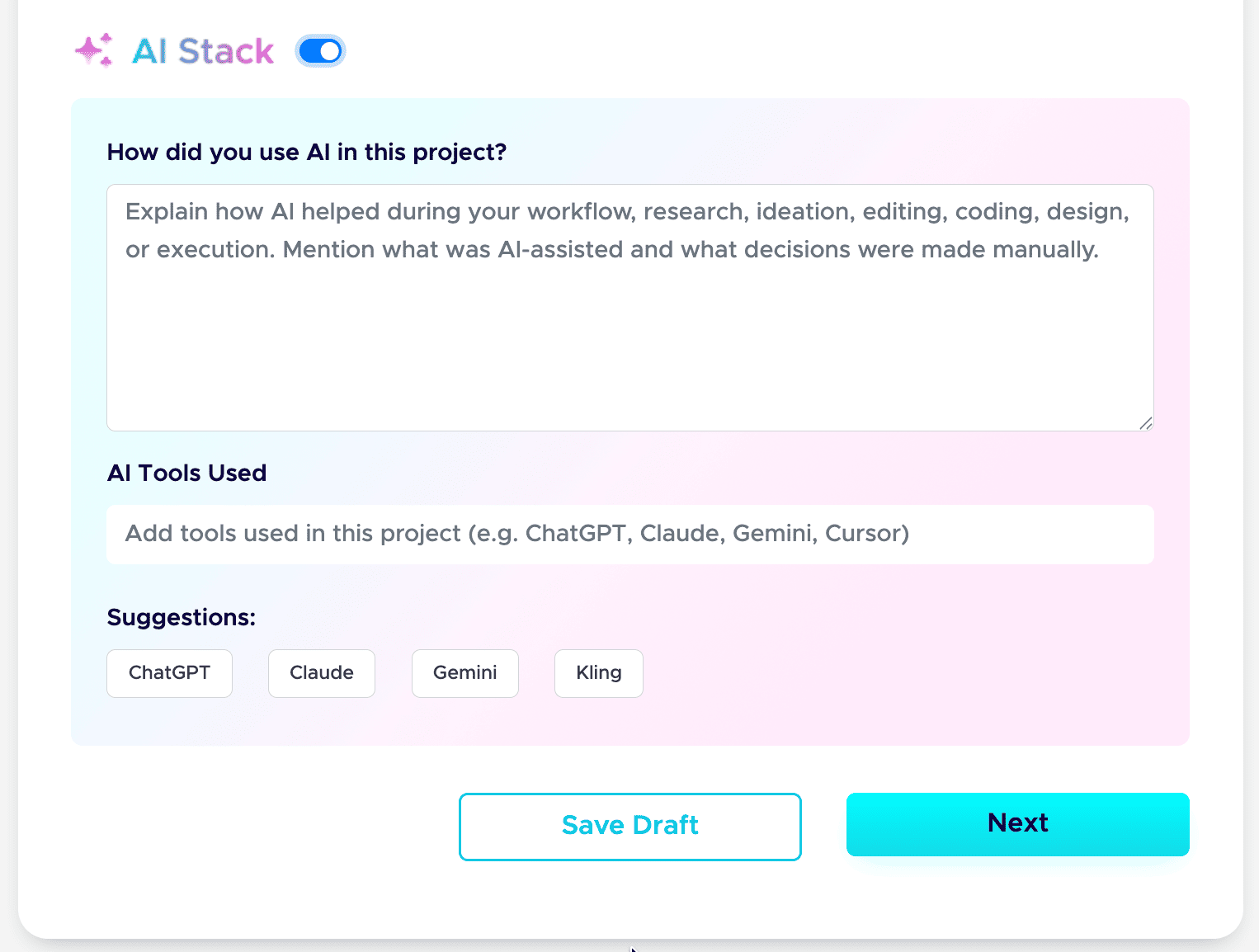
Step 9: Add your AI Stack to each project.
AI is part of real work now, so show it honestly. Use the AI Stack feature to explain how you used AI, which tools you used, and what you did manually. This builds trust instead of raising doubt. Here is the full guide: how to add AI Stack on Fueler.
That is the whole setup. Do these nine steps well, and your profile stops being a static page and starts working as a hiring asset. If you want a tighter version to follow next time, save my 6-step formula for a Fueler portfolio and my breakdown of a career portfolio that actually gets jobs.
Do this once, and you have a link you can drop into your resume, your email signature, and every job application.
How Does This Connect to Building a Strong Career or Portfolio?
Your modern career capital depends entirely on documented execution rather than static credentials. Fueler provides the precise infrastructure needed to publish your proof of work clearly, turning your past projects into an active search engine for founders. When you make your shipping history fully scannable, you stop chasing low-tier job boards and start attracting high-intent opportunities naturally.
Final Thoughts
The era of landing premium design roles through surface-level aesthetic feeds is officially over. As automation and AI engineering systems standardize basic visual production, your ultimate professional leverage lies within your deep strategic thinking, engineering workflows, and shipped outcomes. Shifting your focus toward an undeniable repository of proof of work is how you stay competitive, maintain pricing leverage, and protect your long-term creative career.
FAQ
Why are modern designers moving away from legacy thumbnail networks?
Legacy platforms prioritize quick visual trends and superficial social engagement loops over actual project context. Designers are switching to proof-of-work repositories to demonstrate their strategic thinking, engineering compatibility, and real-world business results to serious founders.
How does Fueler improve a designer's hiring conversion rate?
By eliminating distracting platform advertisements, competitor recommendations, and messy algorithmic feeds, it keeps corporate recruiters entirely focused on your project execution. The clean, context-driven layout turns your profile into a high-converting sales funnel.
Can an image-only portfolio rank well on modern AI engines?
No, AI retrieval models and semantic search engines require crawlable textual data, clear entity relationships, and operational context to index profiles. Portfolios that rely entirely on un-optimized images remain completely invisible to modern automated recruitment tools.
What is the fastest way to structure a proof of work project?
The most efficient method is defining the core business problem, outlining your specific engineering or design constraints, linking directly to live production environments, and listing the measurable conversion or growth metrics driven by your design choices.
Is a custom portfolio website still necessary in 2026?
Custom sites frequently require intensive maintenance, complex coding adjustments, and heavy search optimization setups. Utilizing a streamlined project hub allows operators to publish new case studies instantly while maintaining clean, machine-readable code optimized for search discovery.
Why 100,000+ professionals use Fueler
Fueler helps professionals showcase proof of work through projects, assignments, case studies, and achievements.
- Thousands of professionals use Fueler to create their digital portfolio
- Thousands of projects are published on Fueler. Check here
- Startups and Companies hire through proof of work on Fueler
- Used by freelancers, creators, marketers, video editors, writers, designers, and product managers
Our mission is to help the next 100 million professionals build a verified professional identity through proof of work

What should you do next?
You've read the article. Now turn your skills into proof of work and unlock more opportunities.
Build your proof of work portfolio
Create a clean portfolio with projects, assignments, resumes, and AI stack details that companies actually want to see.
Create your Fueler portfolio →Apply through assignments, not resumes
Stand out by solving real tasks from companies hiring on Fueler.
Explore assignments →Get discovered by companies
Make your work public and let recruiters discover your skills through actual projects instead of keywords.
Get discovered →
