Webflow Portfolio vs Fueler: Which Platform Is Better?

Riten Debnath
13 Jul, 2026
Last updated: July 2026
The personal website is facing a midlife crisis.
For years, the gold standard for any self-respecting designer, writer, or developer was a meticulously crafted custom site. We spent countless weekends tweaking CSS margins, debugging responsive mobile layouts, and paying hefty monthly fees just to host a couple of case studies.
But a quiet crisis has emerged in the hiring world. Recruiters are completely drowning in gorgeous, template-cloned websites that look beautiful but say absolutely nothing about whether the person can ship real work under a tight deadline. Visual polish has become a commodity.
I’m Riten, founder of Fueler, a skills-first portfolio platform that connects talented individuals with companies through assignments, portfolios, and projects, not just resumes/CVs. Think Dribbble/Behance for work samples + AngelList for hiring infrastructure.
The hiring landscape has fundamentally changed. Teams are moving away from traditional resumes and static links toward a strict, skills-first evaluation system.
If you are trying to decide where to anchor your professional identity, you are likely looking at two wildly different philosophies: building a custom visual machine from scratch on Webflow, or setting up an active opportunity engine on Fueler.
Let’s break down exactly how these two approaches stack up, where each one shines, and how to choose the right one for your career goals.
The Core Philosophy: Visual Control vs. Proof of Work
To understand which platform fits your workflow, you have to look at what they were originally built to achieve.
Webflow: The Visual Development Powerhouse
Webflow is an enterprise-grade visual website builder. It translates complex HTML, CSS, and JavaScript into a visual canvas. It was designed to give front-end developers and web designers absolute, pixel-perfect control over every single element on a webpage.
When you build a portfolio on Webflow, you are building a custom website. You have to design the navigation, construct the database collections using their Content Management System (CMS), map out the responsiveness for every screen size, and configure the hosting panels. It is a brilliant tool if your core deliverable is the website structure itself.
Fueler: The Proof-of-Work Ecosystem
Fueler is a dedicated proof-of-work portfolio platform designed to fast-track trust between talented individuals and companies. It is completely focused on the hiring-first approach.
Webflow Focus:
[Custom Layout] ──> [Animations] ──> [Hosting Config] ──> [Static Gallery]
Fueler Focus:
[Verified Project] ──> [Client Vouches] ──> [Skill Tags] ──> [Direct Hiring Pipe]
Where Webflow Excels (And Where It Hits a Wall)
Webflow is the undisputed champion of design flexibility. If you can dream up an animation, you can build it in Webflow.
The Big Strengths
- Complete Design Freedom: You aren't confined to a grid. You can position assets anywhere, create complex scroll-based interactions, and build a highly bespoke digital brand.
- Robust CMS Architecture: The native database engine allows you to structure custom fields for your case studies, making it easy to filter projects by industry or medium.
- Deep SEO Controls: You can manually tweak meta tags, structure clean URL paths, auto-generate sitemaps, and add schema markups directly to individual pages.
The Hidden Bottlenecks for Job Seekers
The very thing that makes Webflow powerful is what introduces massive friction for busy professionals.
- The Brutal Learning Curve: Webflow isn't a simple drag-and-drop builder. If you don't understand how CSS box models, absolute positioning, and flexbox layouts work, your site will quickly break across mobile devices.
- The Layout Tax: Instead of writing copy or finishing client projects, you end up spending hours debugging a misaligned image block or troubleshooting a broken interaction link.
- The Isolated Island Problem: Once you hit publish on Webflow, you are entirely on your own to generate traffic. It doesn't have a native ecosystem of talent scouts. If you don't manually share your link or rank on search engines, your portfolio sits in a digital vacuum.
- The Financial Premium: To map a personal custom domain and build functional portfolio layouts, you have to subscribe to a paid site plan, which can quickly become an expensive recurring bill for a passive page.
Why Modern Creators Are Turning to Fueler
Fueler approaches the portfolio problem from a completely different angle. It strips away the layout management entirely so you can focus exclusively on documenting your impact.
1. Zero-Maintenance Infrastructure
With Fueler, you never have to adjust a responsive mobile column or debug a navigation menu. The layout is optimized right out of the box to display your projects cleanly on any screen. You simply drop in your assets, write your project breakdown, and publish.
2. Multi-Niche Custom Link Sharding
Most modern knowledge workers don't do just one thing. You might be a content writer who also handles social media marketing or basic frontend scripting.
Putting all of that on a single custom website can confuse a recruiter. Fueler solves this by letting you create custom, niche-focused portfolio links under a single profile. You can send a targeted fueler.io/username/writing link to a content agency, and a distinct fueler.io/username/marketing link to a startup founder.
3. Built-In Recruiter and Company Discovery
Unlike standalone sites, Fueler features a live talent directory. Internal recruiters and project managers use the platform to filter through explicit skill tags, read through rich case studies, and discover active talent. Your profile isn't just a static link; it is part of a broader network built for direct professional opportunities.
4. Verified Projects and Social Vouches
Anyone can upload a stray screenshot and claim credit for a massive project. To close this trust gap, Fueler allows you to tag collaborators and secure authentic vouches from past clients or managers. This social proof lives directly alongside your specific work samples, giving hiring teams instant confidence in your actual execution capabilities.
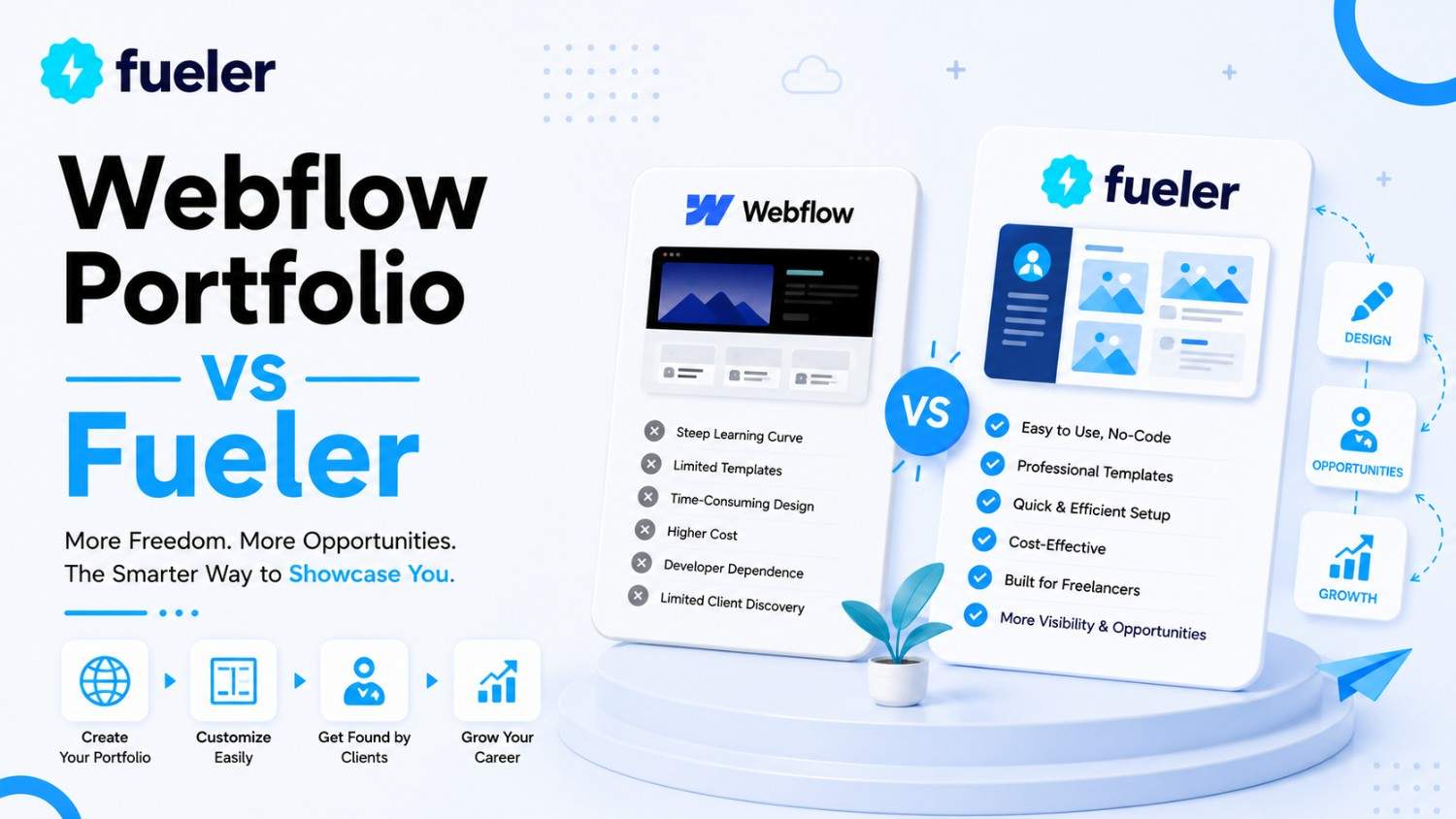
Side-by-Side Comparison Matrix
Step-by-Step: How to Build Your Fueler Portfolio
Setting up your profile on Fueler takes less than five minutes. Here is the exact process to turn your raw work history into a functional hiring asset.
Step 1: Sign up on Fueler.
Head to Fueler.io and create your free account.
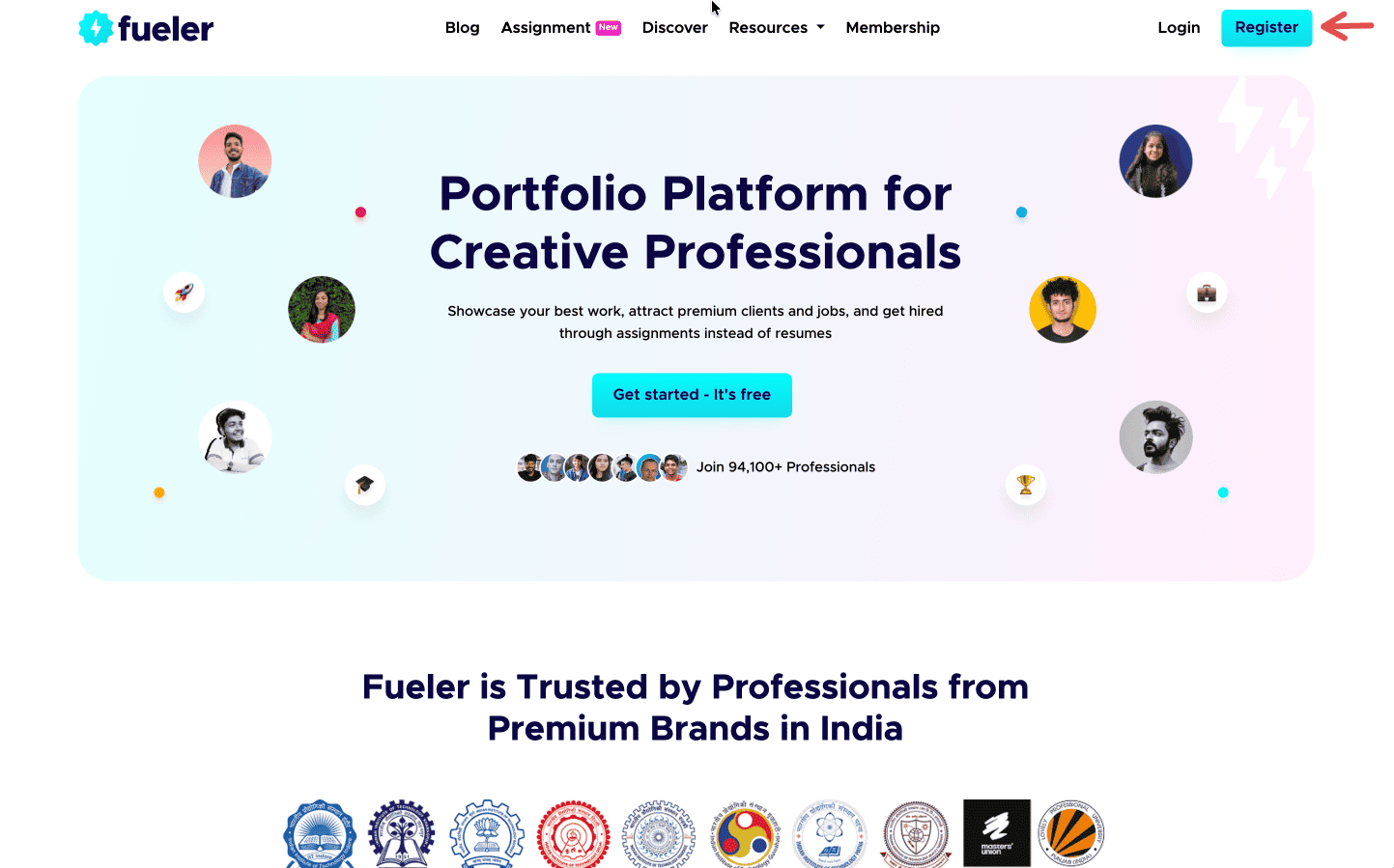
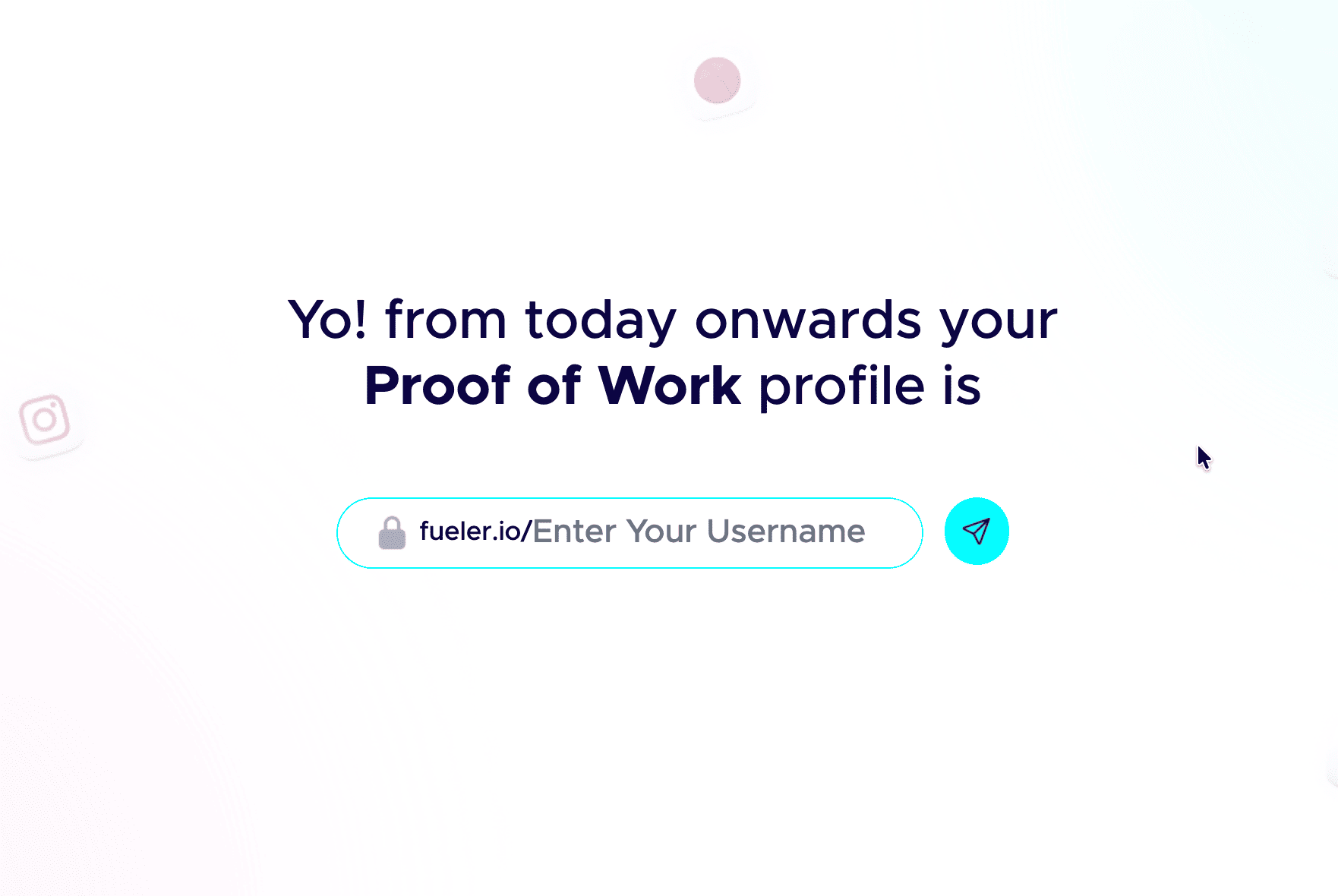
Step 2: Pick a professional handle.
Your handle shows up in your public link, so keep it clean and grown-up. Don’t add nicknames and random numbers. Your name or a simple version of it works best.
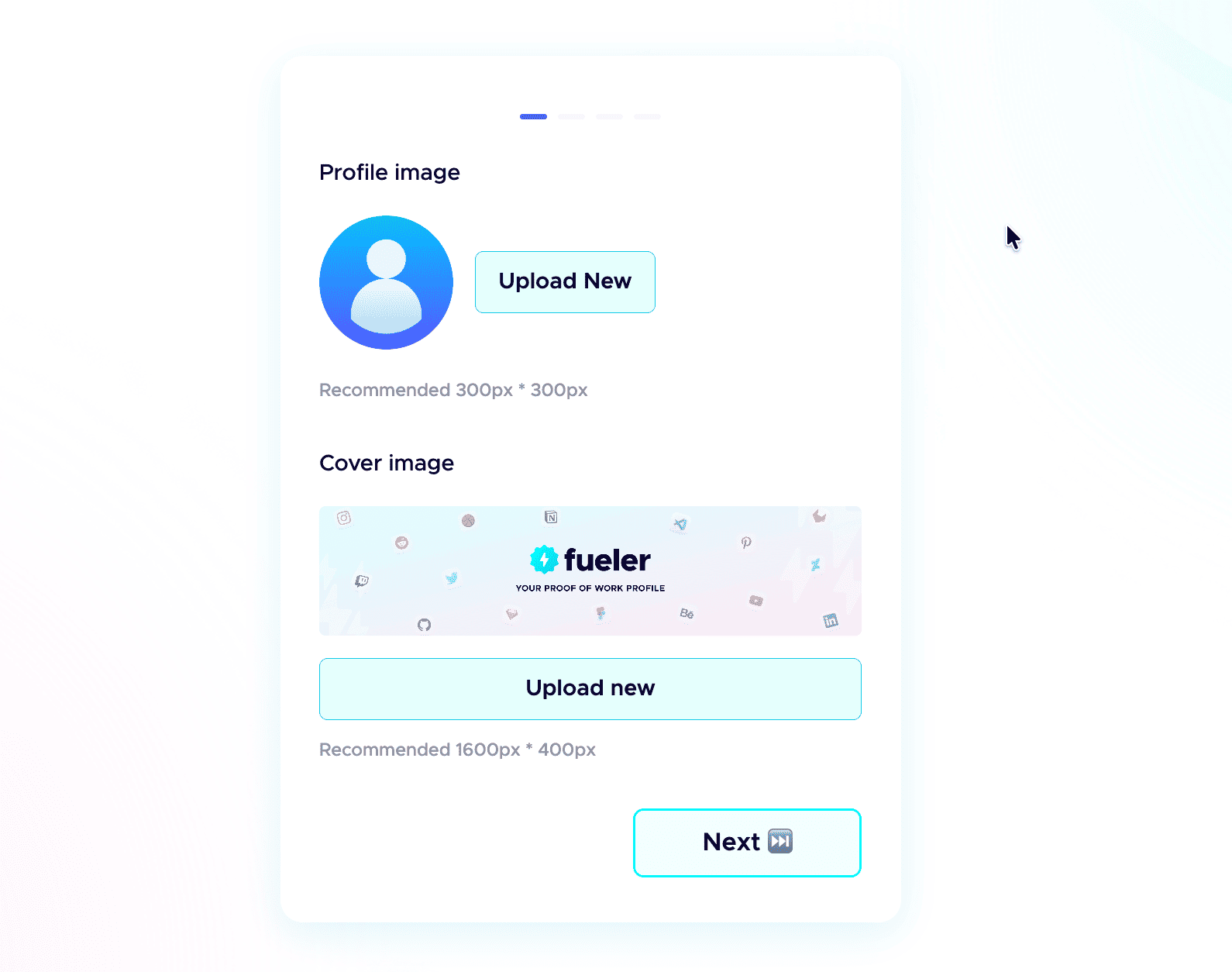
 Step 3: Add a professional profile picture.
Use the same kind of professional photo you would put on LinkedIn. Clear face, good lighting, and a simple background. People trust a real face more than an empty avatar.
Step 4: Write a strong header.
The header is the first thing anyone sees. In one or two short lines, say who you are, what you do, and the kind of work you have done. Make it specific, not vague.
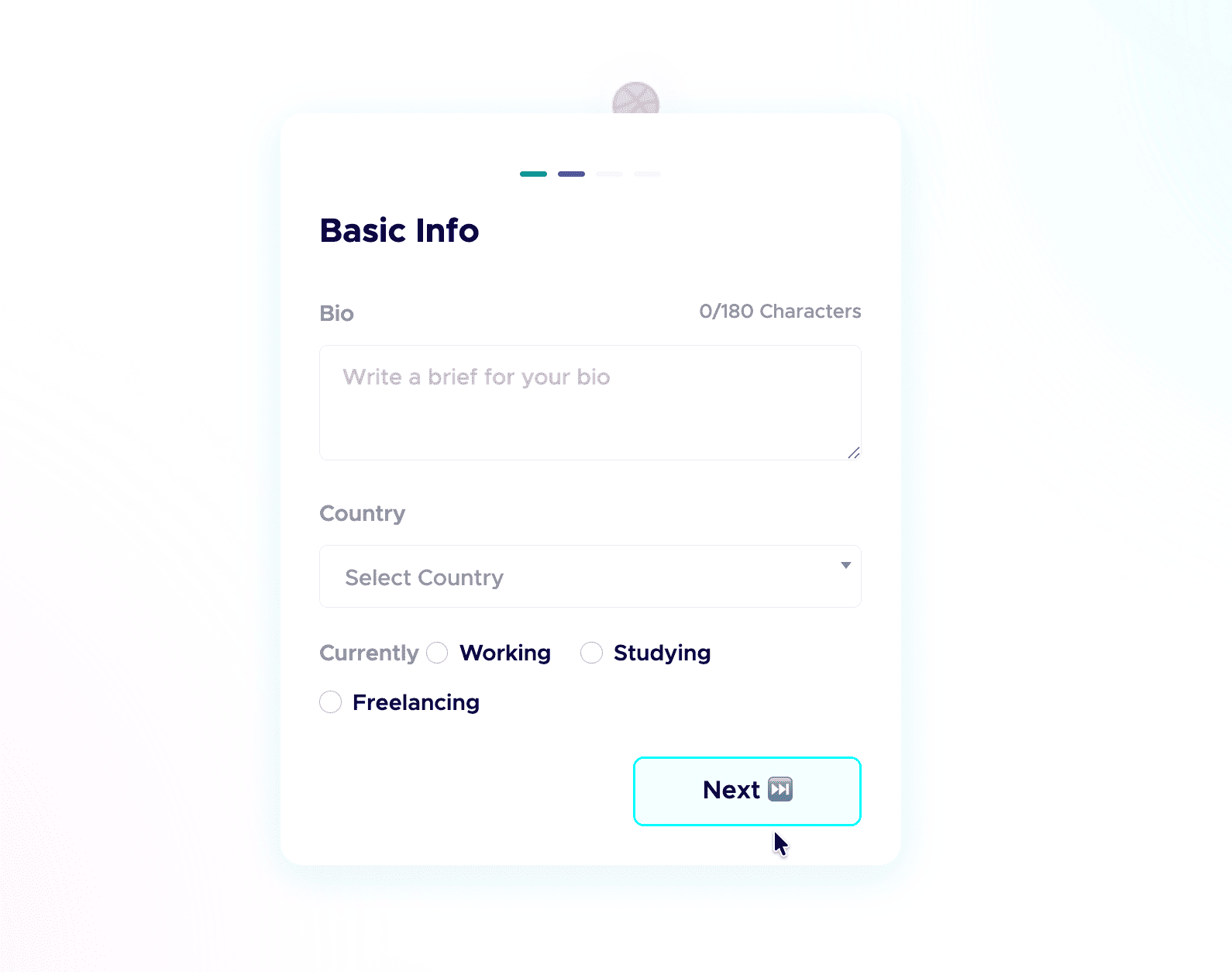
Step 5: Add a short bio.
Tell people who you are and what you do in a few plain sentences. No buzzwords, just enough for a recruiter to get you in five seconds.
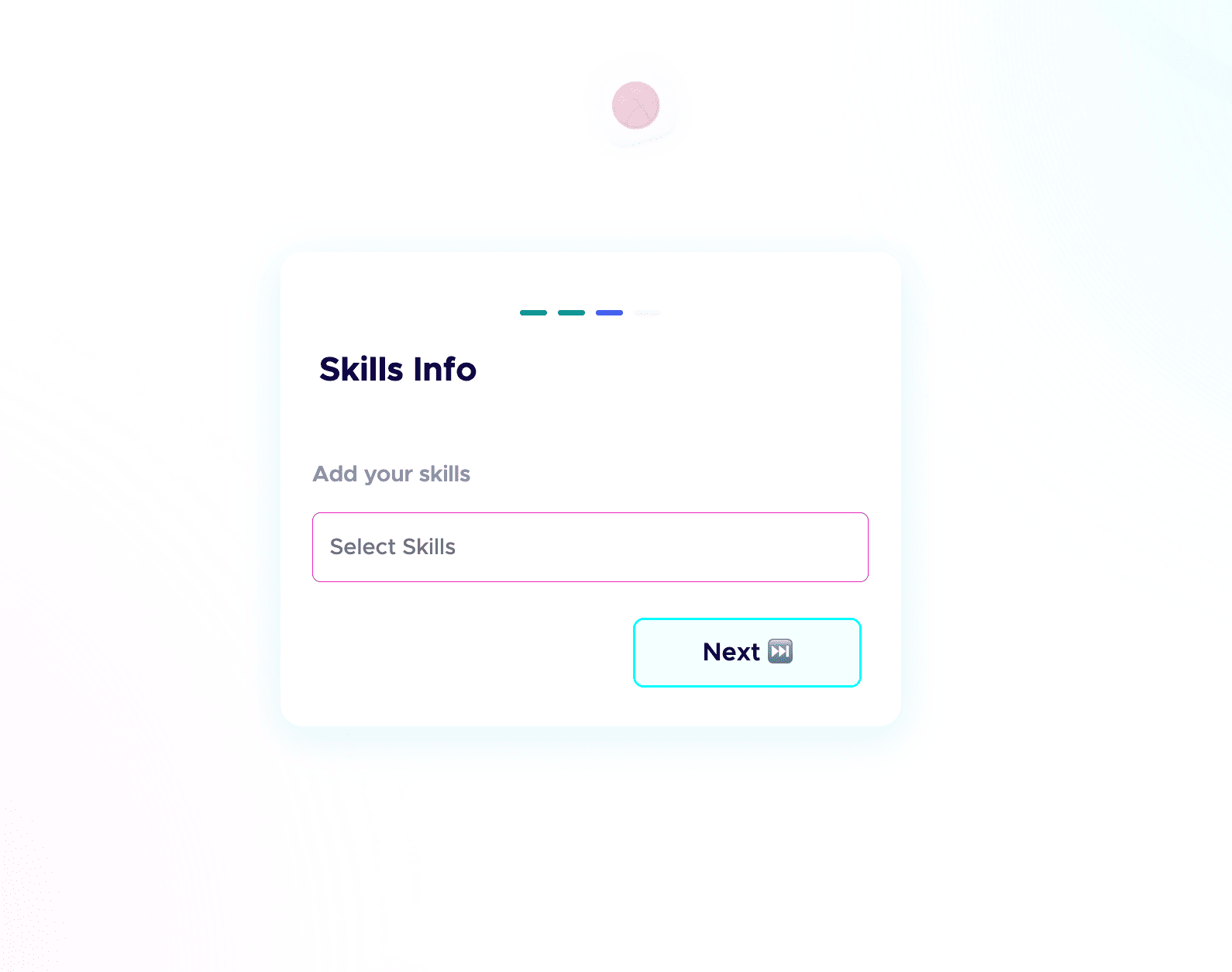
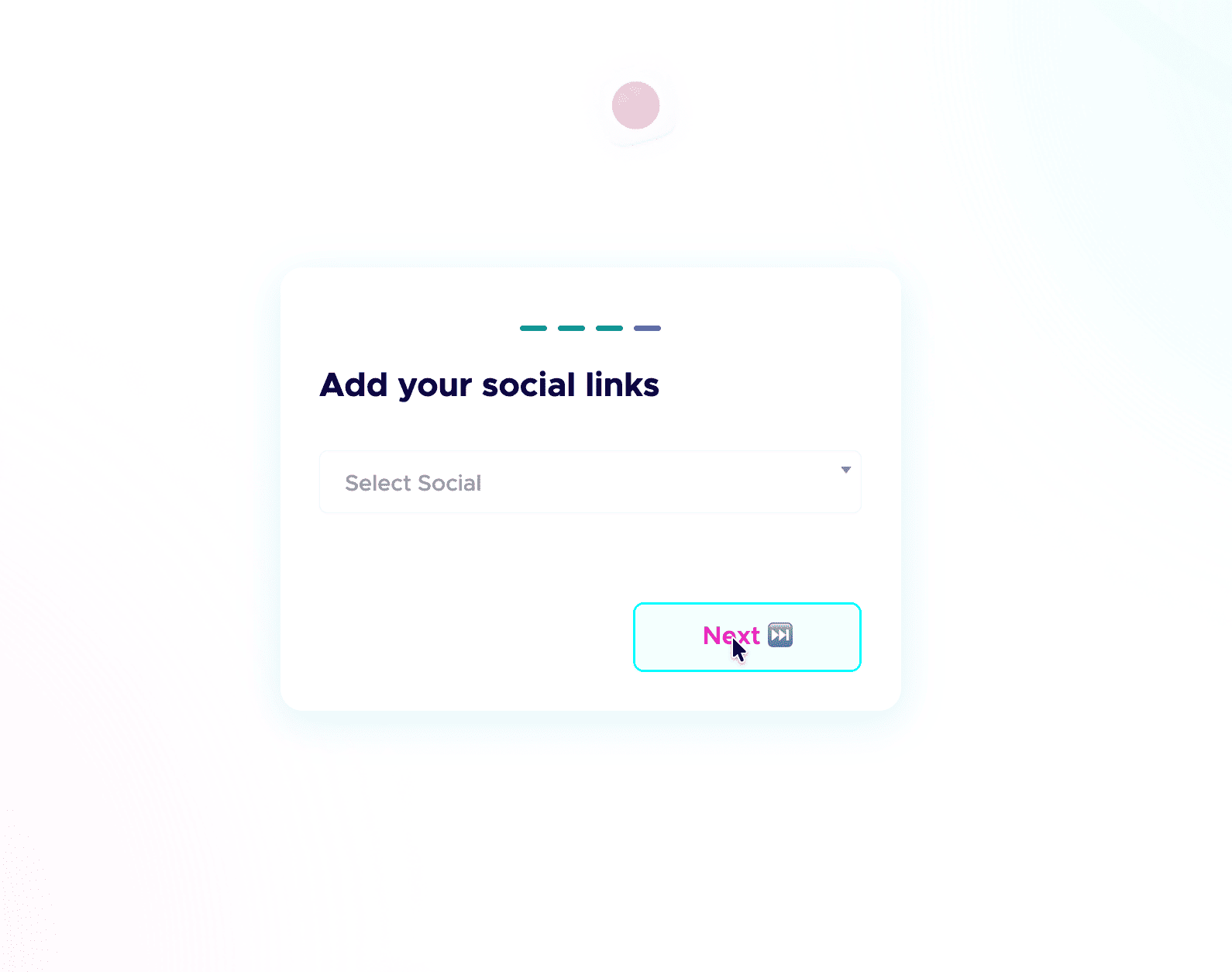
 Step 6: Add your skills and social links.
List the skills you are good at and actually want to be hired for, and connect your socials. People do check your profiles, and active socials build credibility before the first call. Students starting from scratch can follow my student guide to their first portfolio.
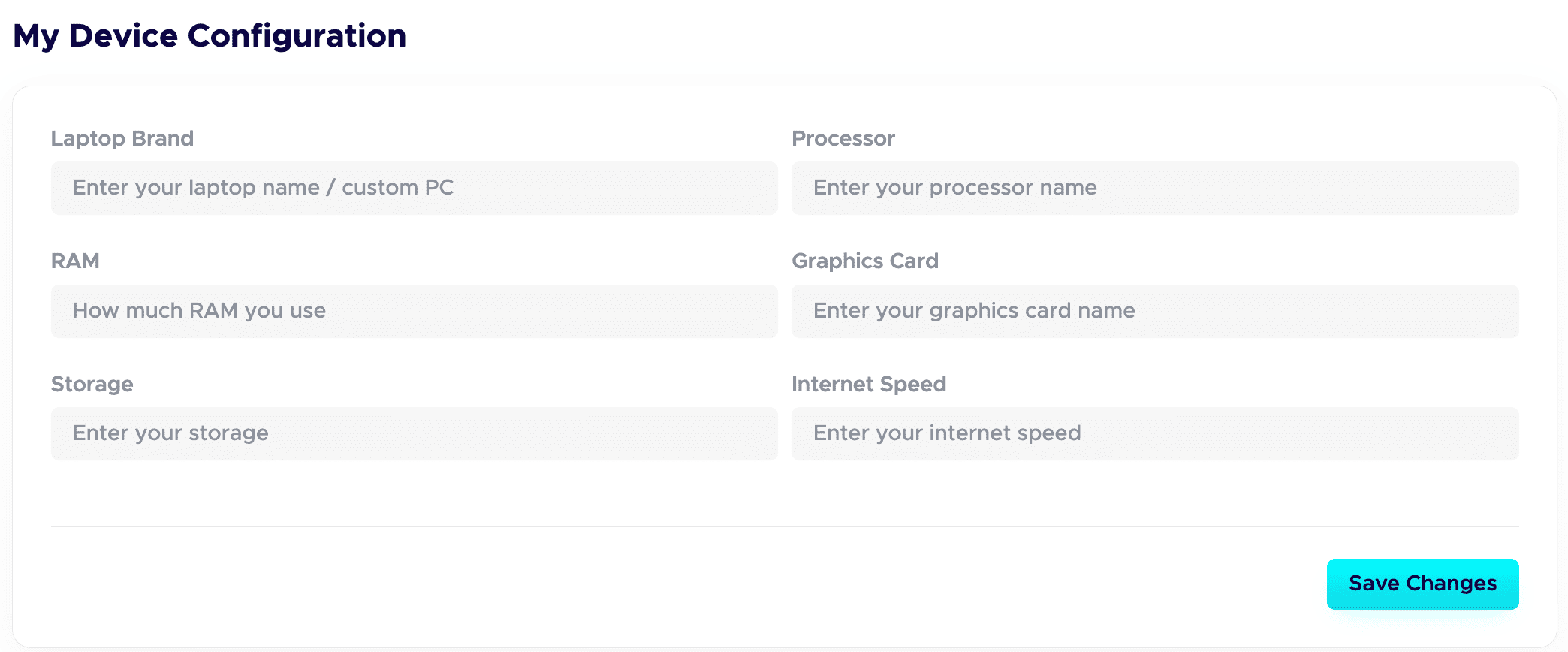
 Step 7: Fill in your Device Configuration.
In your dashboard, set up the Device Configuration section. Add the details about the device you are using. Remote-first companies want to know you have a solid setup to work from. A good setup quietly adds leverage and signals you are ready to deliver.
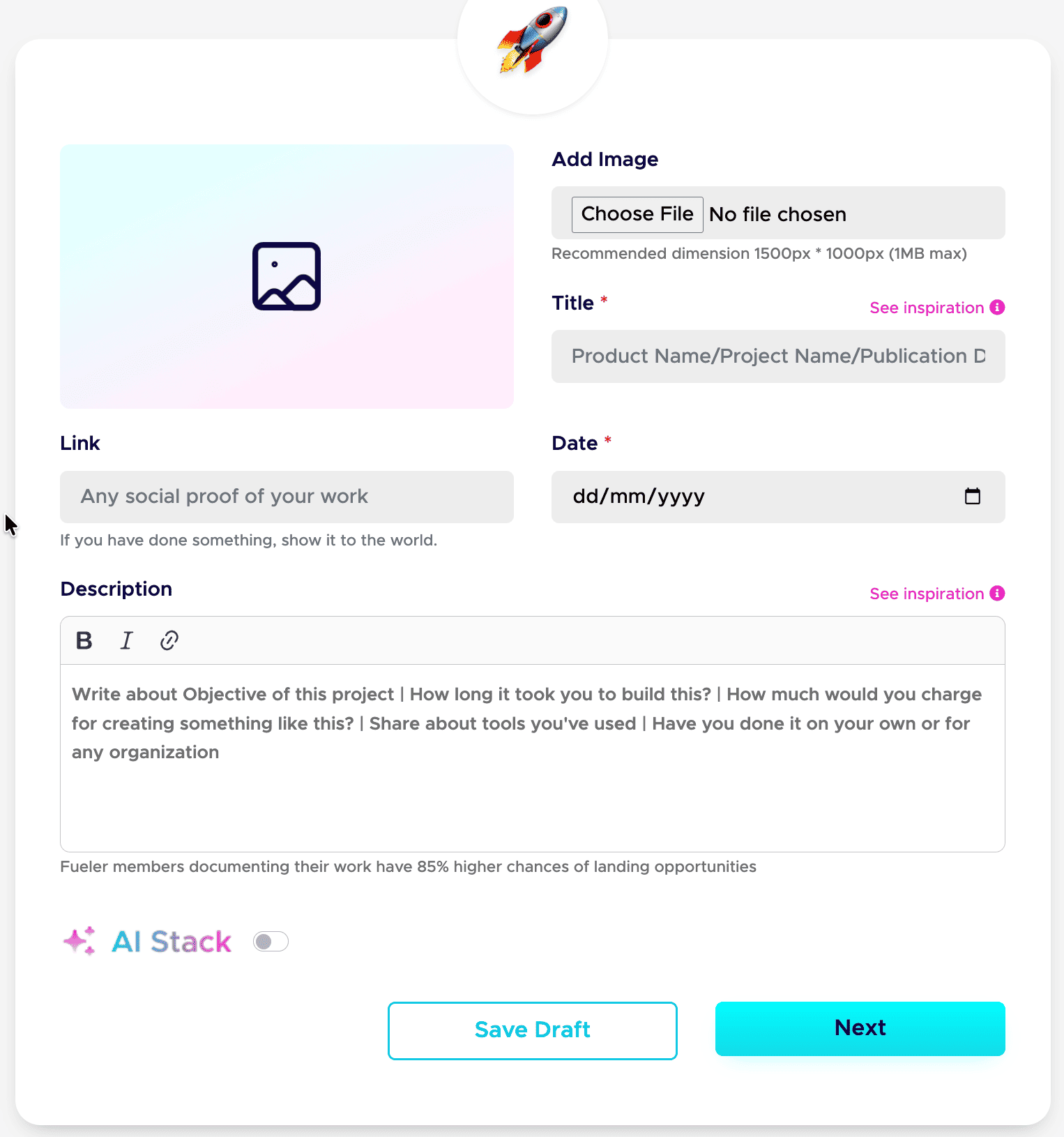
Step 8: Publish your projects with all the details.
This is a game-changer. Give each project a clear title and a detailed description. Walk through your process: your thinking, the tools you used, the choices you made, and the result. Companies care about how you work, not just the final image.
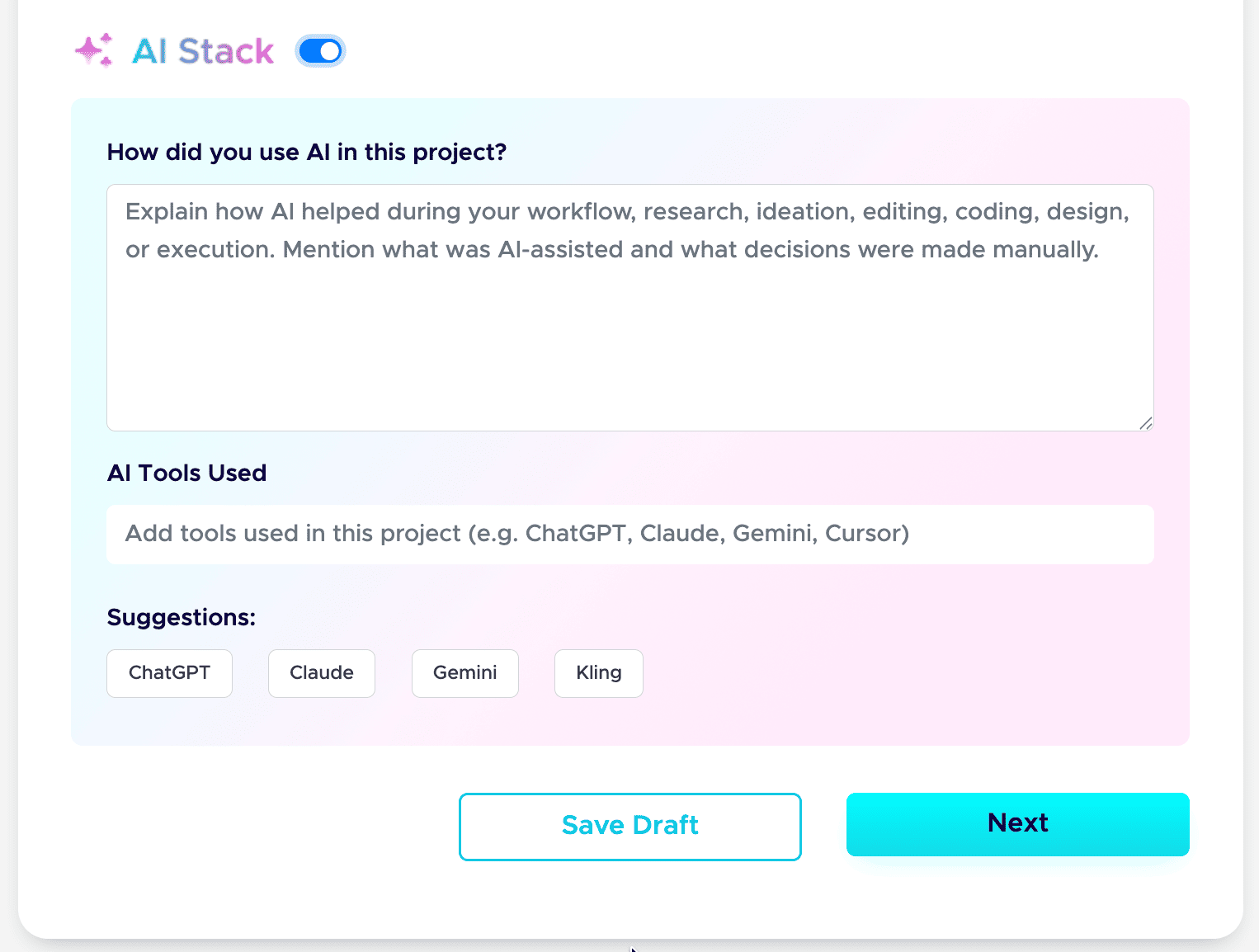
Step 9: Add your AI Stack to each project.
AI is part of real work now, so show it honestly. Use the AI Stack feature to explain how you used AI, which tools you used, and what you did manually. This builds trust instead of raising doubt. Here is the full guide: how to add AI Stack on Fueler.
That is the whole setup. Do these nine steps well, and your profile stops being a static page and starts working as a hiring asset. If you want a tighter version to follow next time, save my 6-step formula for a Fueler portfolio and my breakdown of a career portfolio that actually gets jobs.
Do this once, and you have a link you can drop into your resume, your email signature, and every job application.
Real-World Use Cases: Persona Breakdown
Let’s look at how this platform choice plays out across different professional paths.
Who Should Stick With Webflow?
- Bespoke Web Designers: If your core income comes from building premium, highly animated web experiences for corporate clients, your portfolio must demonstrate your mastery of web structures. Webflow is your natural stage.
- Brand Agencies: Small teams selling full-scale visual identity packages need absolute control over their digital aesthetic to justify premium project rates.
Who Wins Real Leverage on Fueler?
- Copywriters & Content Writers: You don't need a heavy, animated website to showcase a Google Doc or a published article. A proof of work portfolio lets clients read your writing samples without wading through complex layouts.
- Marketers & SEO Specialists: Your value lies in growth metrics, traffic curves, and conversion rates. Fueler allows you to cleanly document your case studies and get discovered without wasting time adjusting desktop design padding.
- Product Managers & Developers: Tech teams want to see clean product documentation, live code repositories, and clear problem-solving workflows. A structured, fast-loading profile helps engineering managers review your past builds in seconds.
The Reality of Modern Hiring: A gorgeous website layout can no longer cover up a lack of real execution experience. Recruiters are exhaustively hunting for raw evidence of capabilities. Stop optimizing website headers and start documenting your actual impact.
Key Takeaways
- Aesthetics Aren't Execution: Visual polish has become heavily commoditized; hiring managers now prioritize verified work samples and transparent case studies over design templates.
- Eliminate Layout Fatigue: Spending valuable hours adjusting mobile font scaling and cross-browser layouts takes energy away from shipping actual client work.
- Hiring-First Architecture: Portfolios shouldn't live on isolated digital islands. Utilizing an integrated talent network gives you access to direct company discovery and streamlined assignment paths.
High-Intent Frequently Asked Questions
Can I connect a personal custom domain to my Fueler profile?
Yes. You can map your personal custom domain directly to your Fueler profile page inside the dashboard settings. This allows you to maintain clean personal branding without managing complex hosting bills, server security, or web development panels.
How do company talent scouts find creators on Fueler?
Unlike standard web builders, Fueler features a centralized talent directory. Verified companies and project managers browse through specific skill tags, review published case studies, check client vouches, and send direct project opportunities straight to your profile hub.
Is it possible to showcase confidential or internal company projects?
Yes. You can toggle specific work entries into private visibility mode. This keeps sensitive assets completely hidden from public search engines while allowing you to share secure, direct access links exclusively with target clients or hiring teams during active interviews.
Do I need to know how to code to use Fueler?
Not at all. Fueler requires absolutely no knowledge of code, layout architecture, or responsive web design. The layout is fully structured and managed out of the box, allowing you to build an operational career portfolio simply by filling in your project details.
How does the AI Stack feature help with recruiter trust?
With the rise of generic AI generation, recruiters are highly skeptical of raw assets. The AI Stack feature allows you to cleanly document exactly how you used AI tools for efficiency alongside your manual execution, establishing absolute transparency with prospective teams.
Why 100,000+ professionals use Fueler
Fueler helps professionals showcase proof of work through projects, assignments, case studies, and achievements.
- Thousands of professionals use Fueler to create their digital portfolio
- Thousands of projects are published on Fueler. Check here
- Startups and Companies hire through proof of work on Fueler
- Used by freelancers, creators, marketers, video editors, writers, designers, and product managers
Our mission is to help the next 100 million professionals build a verified professional identity through proof of work

What should you do next?
You've read the article. Now turn your skills into proof of work and unlock more opportunities.
Build your proof of work portfolio
Create a clean portfolio with projects, assignments, resumes, and AI stack details that companies actually want to see.
Create your Fueler portfolio →Apply through assignments, not resumes
Stand out by solving real tasks from companies hiring on Fueler.
Explore assignments →Get discovered by companies
Make your work public and let recruiters discover your skills through actual projects instead of keywords.
Get discovered →
