Looking for an Adobe Portfolio Alternative? Try Fueler

Riten Debnath
12 Jul, 2026
Last updated: July 2026
The creative landscape has shifted away from static galleries toward dynamic proof of work. Traditional builders often trap your work behind rigid templates that fail to show how you actually solve real-world business problems.
I’m Riten, founder of Fueler, a skills-first portfolio platform that connects talented individuals with companies through assignments, portfolios, and projects, not just resumes/CVs. Think Dribbble/Behance for work samples + AngelList for hiring infrastructure.
If you are tired of spending hours tweaking margins and layout grids just to display your latest project, this guide is for you. We will explore how modern portfolio creation focuses on discoverability, impact, and proof of work rather than just aesthetic presentation. Here is what you need to know to make the switch.
1. Why Traditional Visual Galleries Are Losing Impact
Static display sites are struggling to convert casual visitors into paying clients. When an operator or recruiter opens a link, they do not just want to see a polished final asset. They need to understand the constraints, the business brief, and your specific execution path.
The traditional approach to showcasing creative work focuses entirely on the final surface layer while ignoring the operational problem-solving that companies actually pay for.
- Fails to explain actual ownership: A beautiful final image doesn’t clarify whether you ran the entire strategy, assisted a larger team, or simply tweaked an existing layout template, leaving recruiters guessing about your real capabilities.
- Lacks measurable business context: Repositories of uncontextualized files fail to show how your work moved core metrics, increased user engagement, or directly solved an operational bottleneck for your previous client.
- Prioritizes design aesthetics over execution: Rigid builders force you to spend hours fighting with responsive padding and alignment grids instead of documenting your actual problem-solving framework and technical workflow.
- Creates discovery friction for recruiters: Search engines and automated sourcing bots cannot read text trapped inside flat images, making your profile practically invisible to high-intent organic workspace searches.
- Impedes rapid project pitching workflows: Sending a dense, slow-loading website hurts your conversion numbers when a prospect simply needs to see one single, highly relevant piece of evidence to clear their doubts.
Why It Matters
In a competitive marketplace, clarity beats decoration every single time. Shifting your focus away from complex layout design toward clear, contextualized project documentation ensures that decision-makers instantly recognize your capability, accelerating the hiring process and improving your conversion rates.
2. What Actually Changed in the 2026 Hiring Landscape
The modern hiring ecosystem values verified output far above traditional credentials or polished resumes. Companies are optimization-driven, meaning they look for individuals who can join a workflow and deliver immediate value without requiring extensive onboarding or hand-holding.
Discoverability now relies heavily on how effectively your digital presence answers specific structural queries from automated discovery systems and platform algorithms.
- Rise of algorithmic candidate filtering: Recruitment systems now scan profiles for specific asset descriptions and contextual keywords rather than reviewing traditional, static PDF attachments that hide your actual practical skills.
- Value compression on basic skills: Generative automation makes basic asset creation incredibly common, pushing the market premium toward deep strategy, execution speed, and verified project ownership that cannot be faked.
- Preference for immediate practical evidence: Founders and operations managers scale teams by looking at exact past assignments and task outcomes rather than sorting through vague, inflated corporate job titles.
- Demand for cross-functional understanding: Modern roles require creators to understand distribution loops, product mechanics, and business growth goals alongside their core visual or technical creative execution.
- Decline of the traditional CV: Long, bulleted lists of daily duties are rapidly being replaced by interactive indices of standalone, verified professional contributions that prove you can deliver results.
Why It Matters
Understanding these shifts allows you to position your career assets exactly where modern sourcing tools look. By aligning your public profile with modern retrieval patterns, you stop chasing cold leads and start attracting highly targeted professional opportunities naturally.
3. The Structural Flaws of Rigid Portfolio Builders
Most legacy design platforms were built for a different era of the web. They require constant maintenance, demand custom code for basic structural changes, and often lock your data within proprietary ecosystems that do not distribute well across modern professional networks.
Spending days adjusting responsive breakpoints introduces unnecessary friction that keeps you from updating your profile with your latest and best work.
- High maintenance time investment: Fixing broken mobile layouts and troubleshooting domain errors takes away valuable time that you should be spending working on real client projects or scaling your business.
- Poor mobile optimization defaults: Complex visual sites often break on smaller viewports, creating a frustrating, clunky experience for busy managers trying to review your links while on the move.
- Siloed data architecture ecosystems: Platforms without clean text setups prevent your work from being indexed by modern search tools, keeping your profile hidden from organic industry discovery loops.
- Overwhelming customization paradoxes: Facing endless font choices, color palettes, and template styles just distracts you from the actual value proposition of your technical and creative work history.
- Slow page load performance: Heavy scripts and uncompressed media pages cause high bounce rates when clients try to open your links quickly during a fast-paced review session.
Why It Matters
Your professional hub should act as a lightweight, high-speed funnel for your talent. Removing technical maintenance roadblocks ensures your public profile remains accurate, highly functional, and completely focused on proving your capability to prospective clients and partners.
4. Why Proof of Work Beats Abstract Expertise
Claiming you are an expert on a resume carries very little weight in a market flooded with exaggerated profiles. Showing the step-by-step breakdown of how you solved an ambiguous problem provides instant clarity and establishes deep psychological safety for a hiring manager.
When you shift from telling people what you can do to showing what you have done, your conversion rates from profile view to intro call skyrocket.
- Establishes immediate operational trust: Sharing the exact workflow documents, trial phases, and final executions proves you have encountered real constraints and successfully navigated them to completion.
- Eliminates credential bias entirely: Clear project breakdowns allow self-taught professionals to compete directly with legacy degree holders by putting the raw focus entirely on output quality.
- Reduces discovery vetting cycles: Clients can skip long, repetitive technical interviews when your portfolio clearly maps out your execution methodology, tools used, and strategic decision-making history.
- Creates standalone intellectual assets: Turning an assignment or client project into a detailed case study creates an asset that continues to build authority for years without manual updates.
- Attracts high-intent collaborative partners: Clear documentation filters out bargain hunters and connects you with serious founders who value systematic execution over cheap, uncoordinated transactional tasks.
Why It Matters
Expertise is built through repetition and problem-solving, not self-proclaimed titles. Documenting your process openly changes the dynamic from pitching for work to letting your past execution pull the right opportunities toward you.
5. How to Create an Outcome-Driven Portfolio on Fueler
Building a high-converting profile does not require design expertise or complex configurations. By focusing directly on clean project logging, you can publish a functional, highly discoverable registry of your achievements in minutes without touching a line of code.
This streamlined onboarding process ensures your proof of work is structured perfectly for both human managers and digital discovery systems right from the start.
How to Create Your Portfolio on Fueler Step by Step
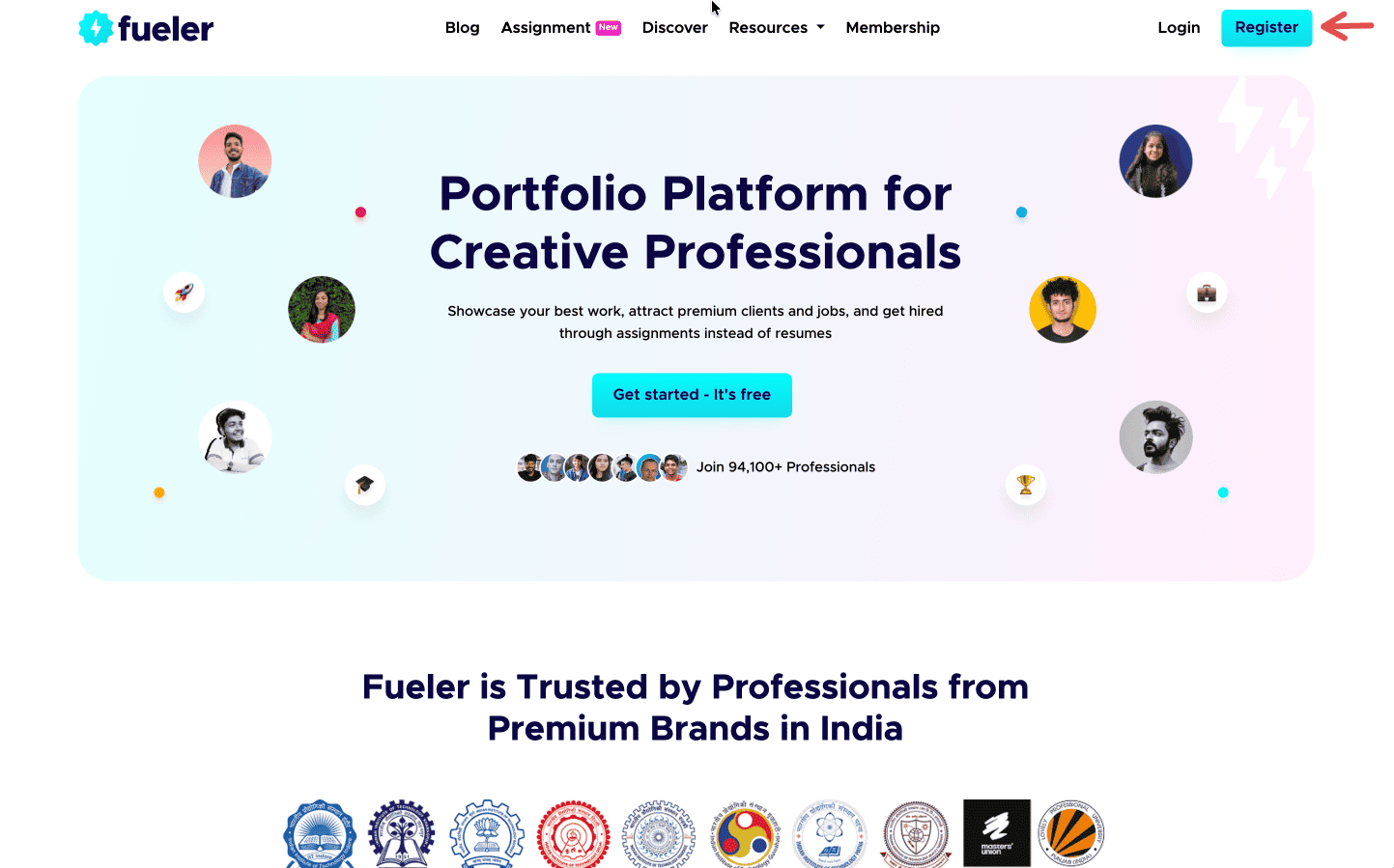
Step 1: Sign up on Fueler.
Head to Fueler.io and create your free account.
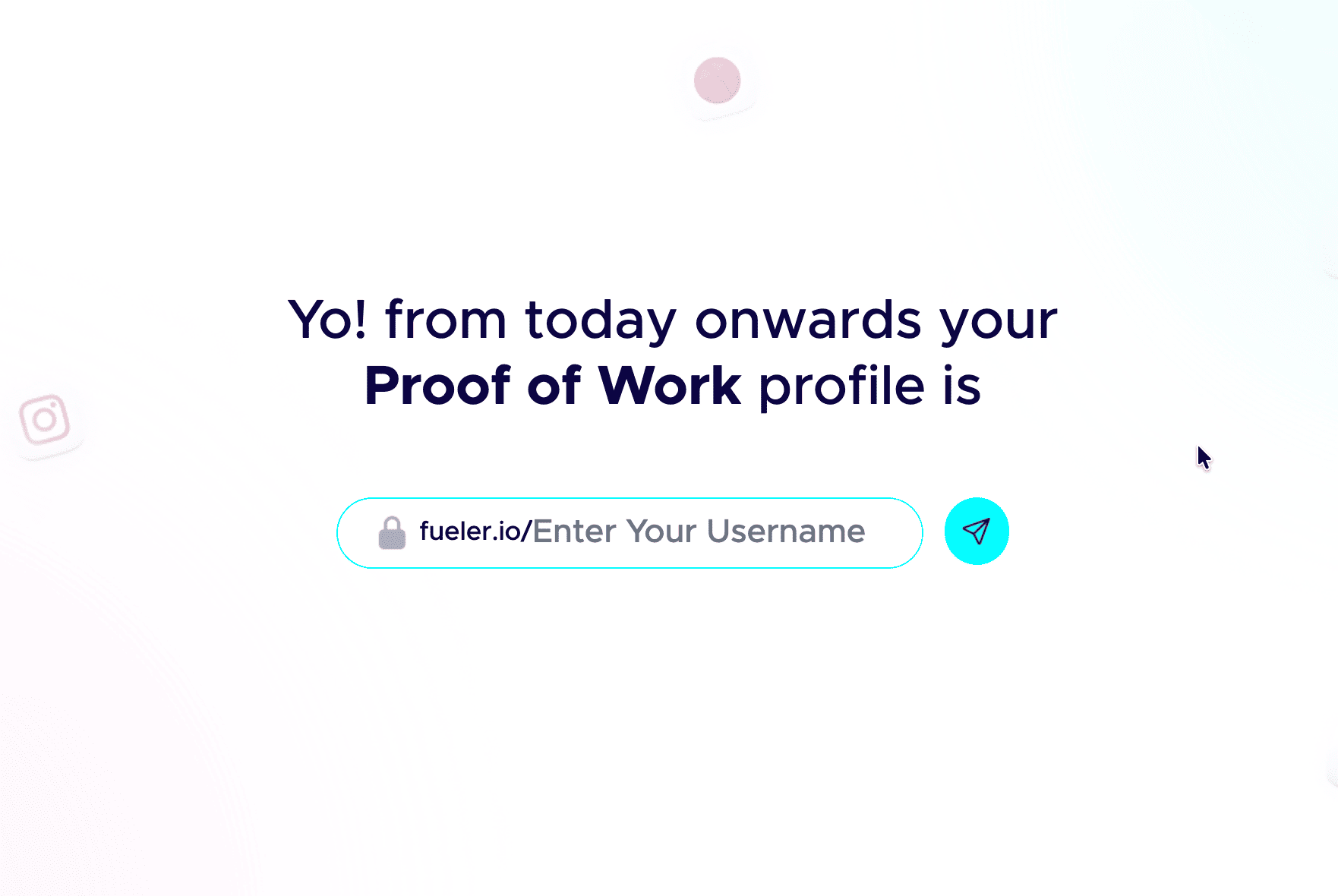
Step 2: Pick a professional handle.
Your handle shows up in your public link, so keep it clean and grown-up. Don’t add nicknames and random numbers. Your name or a simple version of it works best.
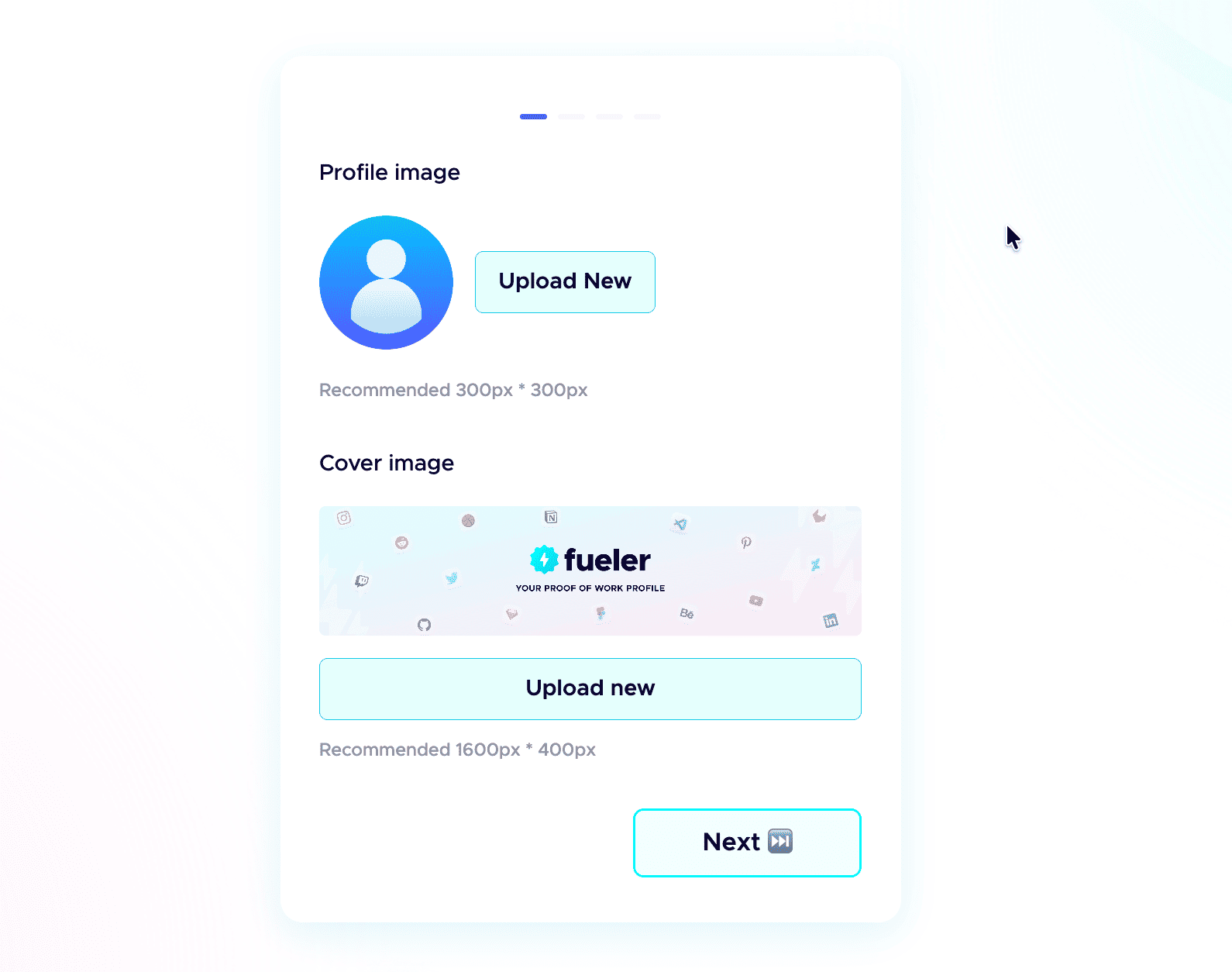
 Step 3: Add a professional profile picture.
Use the same kind of professional photo you would put on LinkedIn. Clear face, good lighting, and a simple background. People trust a real face more than an empty avatar.
Step 4: Write a strong header.
The header is the first thing anyone sees. In one or two short lines, say who you are, what you do, and the kind of work you have done. Make it specific, not vague.
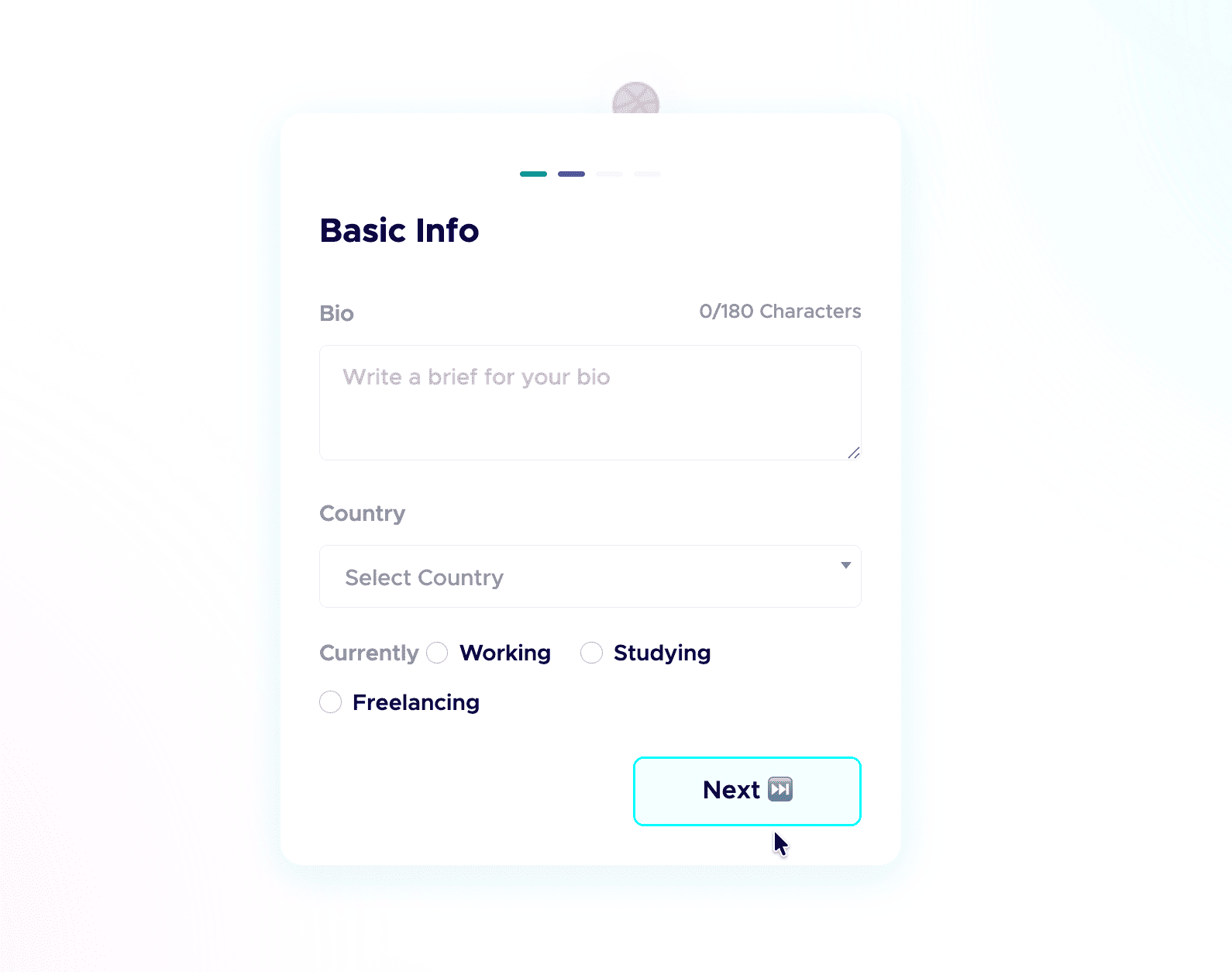
Step 5: Add a short bio.
Tell people who you are and what you do in a few plain sentences. No buzzwords, just enough for a recruiter to get you in five seconds.
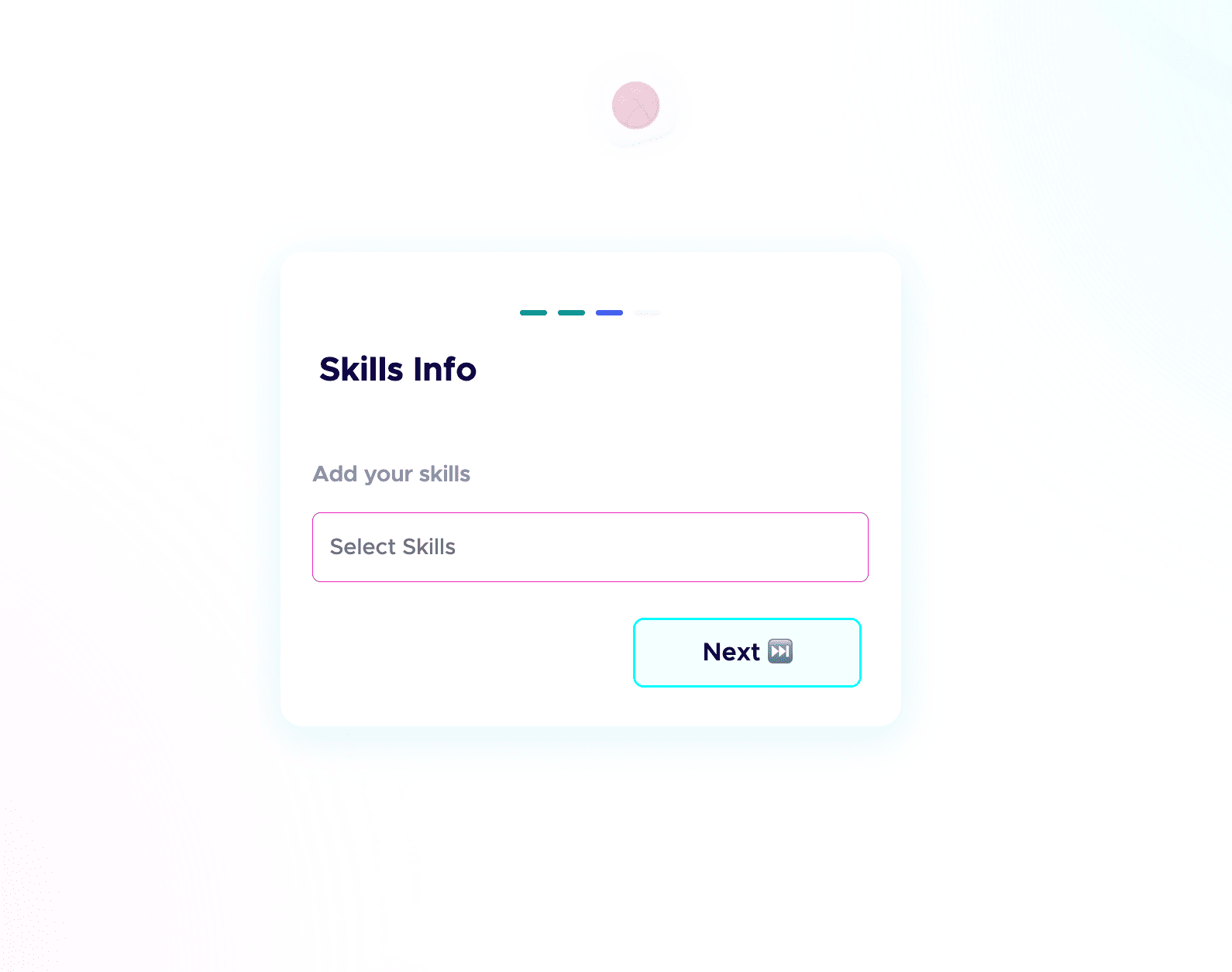
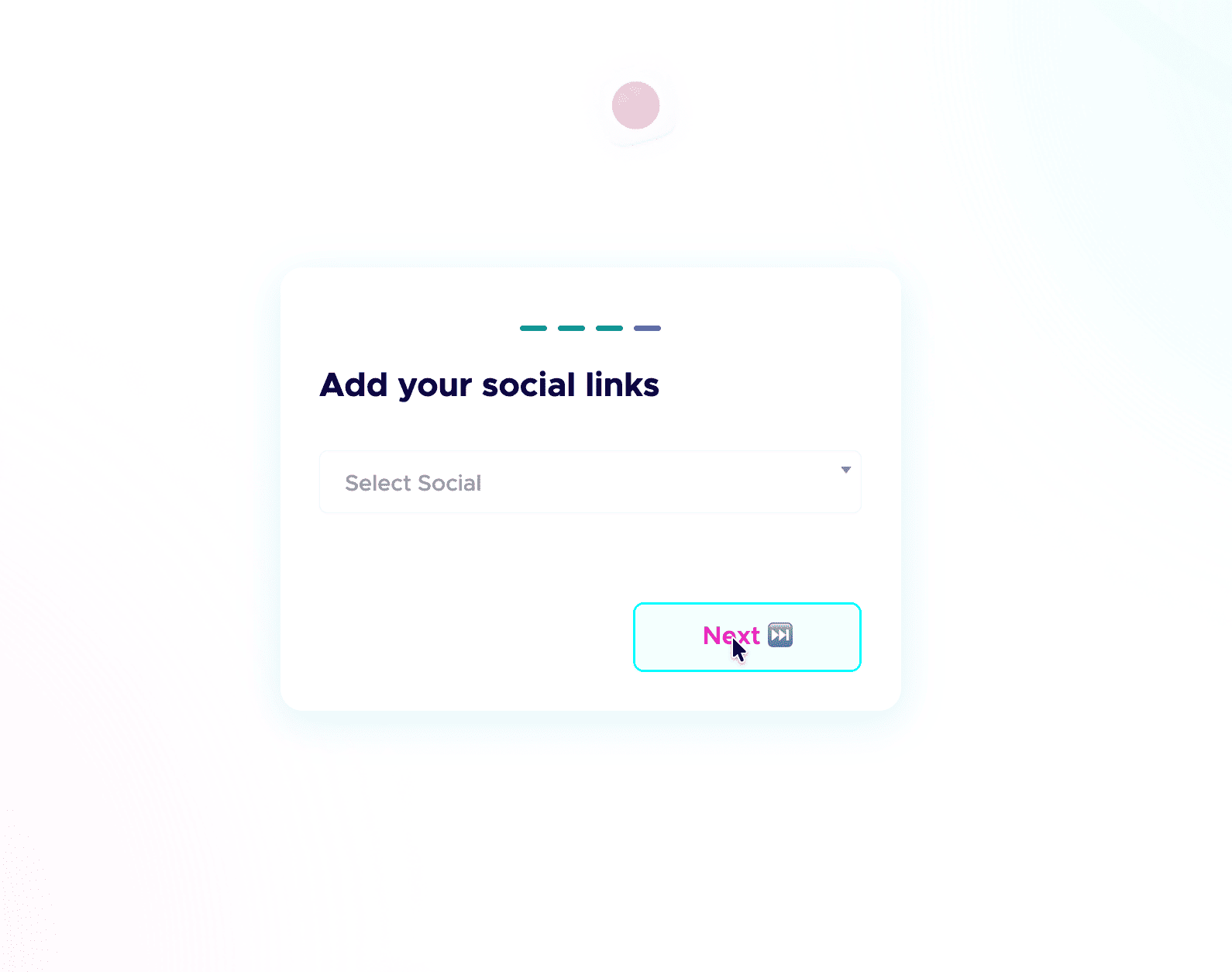
 Step 6: Add your skills and social links.
List the skills you are good at and actually want to be hired for, and connect your socials. People do check your profiles, and active socials build credibility before the first call. Students starting from scratch can follow my student guide to their first portfolio.
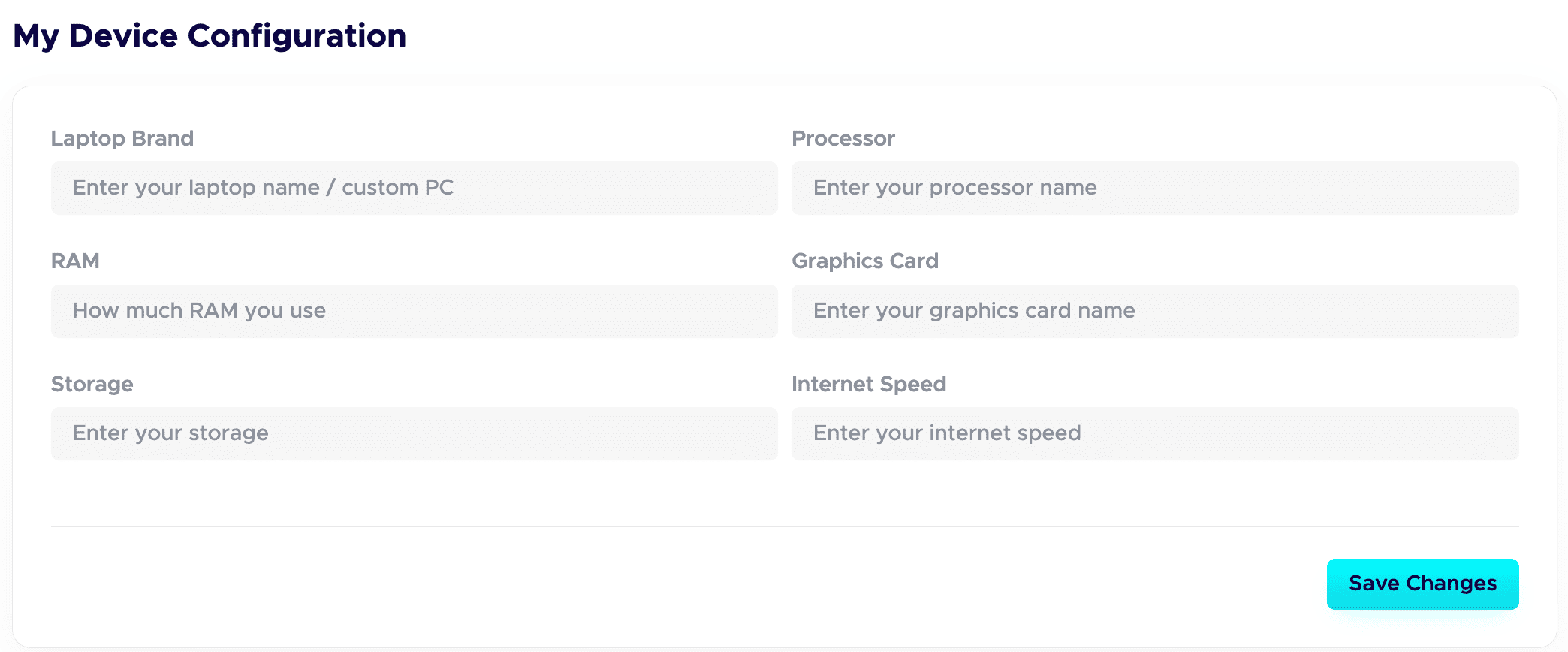
 Step 7: Fill in your Device Configuration.
In your dashboard, set up the Device Configuration section. Add the details about the device you are using. Remote-first companies want to know you have a solid setup to work from. A good setup quietly adds leverage and signals you are ready to deliver.
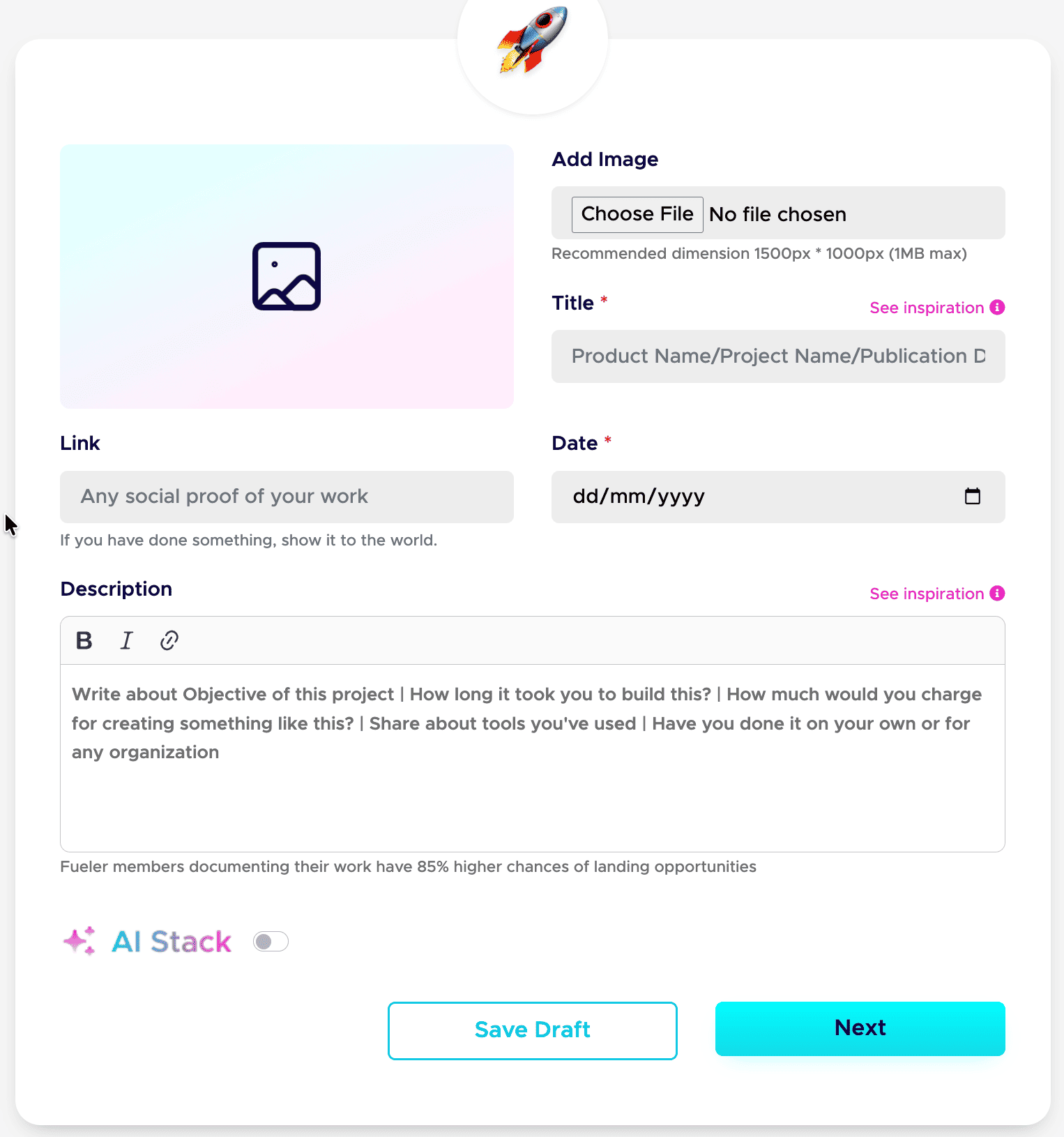
Step 8: Publish your projects with all the details.
This is a game-changer. Give each project a clear title and a detailed description. Walk through your process: your thinking, the tools you used, the choices you made, and the result. Companies care about how you work, not just the final image.
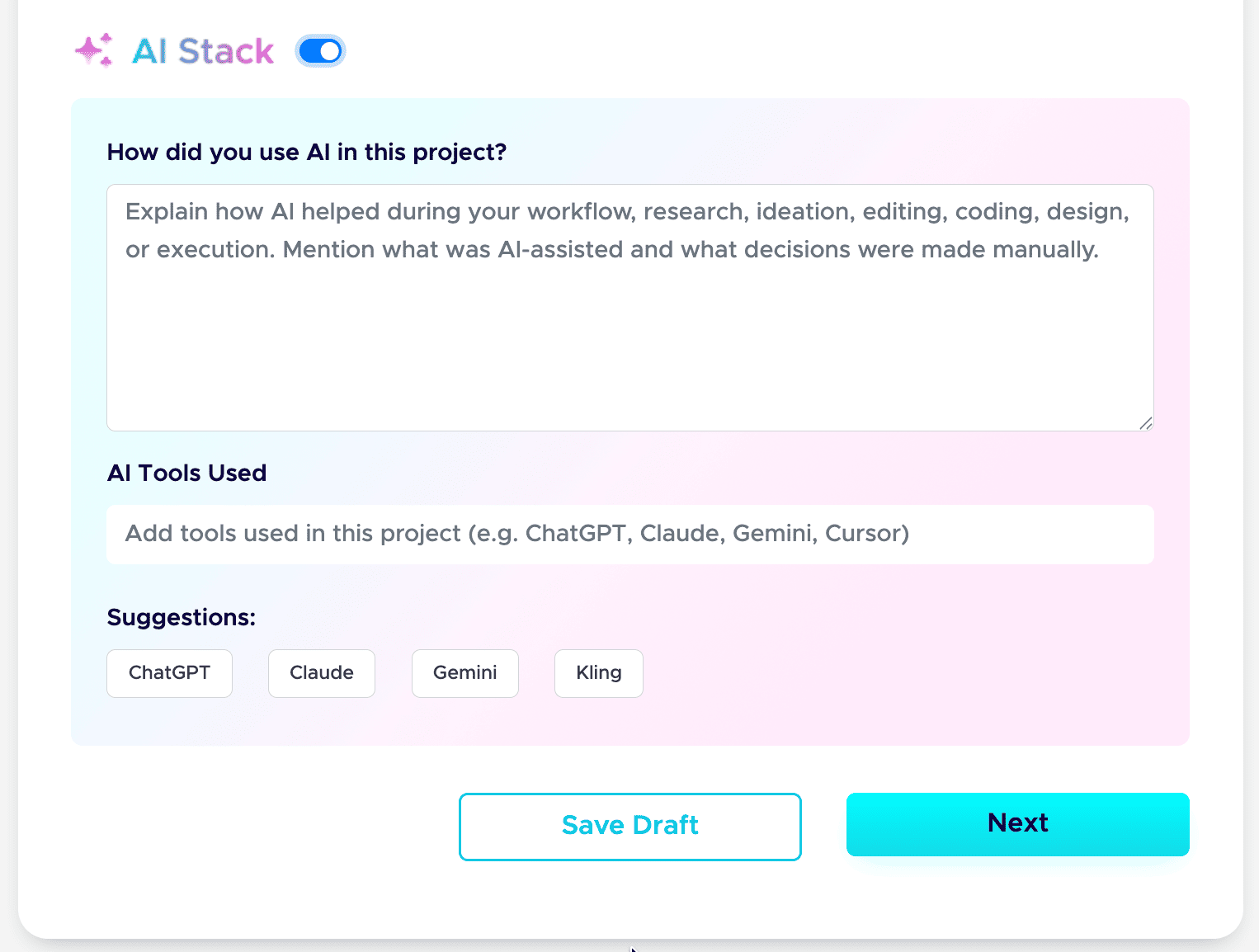
Step 9: Add your AI Stack to each project.
AI is part of real work now, so show it honestly. Use the AI Stack feature to explain how you used AI, which tools you used, and what you did manually. This builds trust instead of raising doubt. Here is the full guide: how to add AI Stack on Fueler.
That is the whole setup. Do these nine steps well, and your profile stops being a static page and starts working as a hiring asset. If you want a tighter version to follow next time, save my 6-step formula for a Fueler portfolio and my breakdown of a career portfolio that actually gets jobs.
Do this once, and you have a link you can drop into your resume, your email signature, and every job application.
6. Optimizing Your Proof of Work for Discovery Engines
Search optimization is no longer just about optimizing blog posts; it applies directly to how your personal profile ranks across search platforms. Using clear, functional terms to describe your work ensures that your profile appears when companies search for specific execution capabilities.
Structuring your project titles and descriptions around actual intent makes your profile an active asset that attracts inbound leads consistently.
- Use precise functional project naming: Replace vague, artistic titles with highly descriptive terms that explain exactly what system, asset, or growth funnel you built or managed.
- Integrate semantic industry terminology naturally: Include core tools, methodologies, and framework names within your project descriptions to match the natural search queries used by hiring systems.
- Write comprehensive inline text explanations: Ensure every uploaded project has a readable text summary so indexing bots can crawl, evaluate, and rank your profile effectively.
- Focus descriptions on problem resolution: Clearly state the operational bottleneck you took over and the strategic steps you deployed to fix the issue permanently.
- Link out to credible domains: Connecting your workspace entries to live client sites or active public repositories establishes deep digital authority and search engine trust.
Why It Matters
When your work is optimized for discovery, you break free from the erratic cycle of manual freelancing outreach. Your profile becomes an automated inbound lead source, surface-level filters disappear, and you build long-term topical authority within your specific niche.
7. The Power of Documenting Micro-Projects and Side Tasks
You do not need to wait for a massive enterprise project to update your profile. Documenting micro-projects, open-source contributions, or personal growth challenges shows an active obsession with execution that major companies love to see.
Consistency in publishing small wins highlights your self-starting nature and keeps your public profile fresh, relevant, and constantly updating.
- Highlights a continuous learning mindset: Logging small experiments and technical trials proves you are actively keeping pace with rapid industry shifts and tool iterations.
- Fills critical employment history gaps: Showcasing self-directed projects during transition periods demonstrates that your execution skills never paused, maintaining momentum in your career timeline.
- Tests niche skills risk-free: Publishing side tasks allows you to display capabilities in new frameworks or design styles before pitching them to high-paying enterprise clients.
- Generates consistent content touchpoints: Regularly sharing small, documented wins gives you high-quality, practical updates to share across your social distribution channels and networks.
- Builds deep workflow discipline: Getting into the habit of documenting small executions forces you to clarify your thinking, making you a sharper communicator during high-stakes pitches.
Why It Matters
Waiting for massive career milestones to update your site means missing hundreds of small networking opportunities. By treating every execution as a loggable asset, you construct a dense wall of proof that makes your value undeniable.
8. Transitioning Away From Static Layout Overheads
The mental tax of managing a complex visual portfolio site often causes creators to leave their profiles outdated for months. Shifting to an infrastructure that treats your projects like a clean ledger removes the psychological barrier to updating your work history.
When publication becomes as easy as sending a text message, your digital storefront naturally stays aligned with your real-time capabilities.
- Eliminates regular technical debt: Stopping the cycle of plugin updates, custom CSS fixes, and hosting renewals saves you significant mental energy and capital.
- Focuses cognitive energy on copy: Removing visual distractions forces you to write clearer, punchier project descriptions that explain your true business value.
- Enables instantaneous pitch customization: A clean, modular framework allows you to sort and send relevant project links to a client within seconds of reading their brief.
- Standardizes user viewing experiences: Giving recruiters a familiar, highly readable layout structure ensures they find your contact info and case studies without getting lost.
- Future-proofs your data distribution: Storing your work in a text-first, structured layout makes it easily portable and ready for future AI scraping and indexing models.
Why It Matters
Your digital profile should be an agile asset, not a heavy administrative chore. Streamlining your publishing pipeline ensures that whenever a high-value opportunity surfaces, your best work is already online, formatted, and ready to close the deal.
How Does This Connect to Building a Strong Career or Portfolio?
Modern hiring prioritizes transparent, verifiable outcomes over static resumes. Documenting your day-to-day projects establishes immediate execution visibility and builds deep professional credibility. When you display your actual proof of work on Fueler, you show companies exactly how you think and execute, turning your profile into a powerful, discoverable engine for long-term career growth.
Final Thoughts
The future of professional growth belongs to those who document their execution transparently. As platforms evolve and search systems become smarter, abstract claims of expertise will lose their value entirely. Focus on building an accessible, text-optimized registry of your actual output moving forward. Adaptability, speed of publication, and clear proof of work are your ultimate leverage points in this changing market.
FAQ
What are the best portfolio alternatives in 2026?
Modern professionals are moving away from visual-only platforms toward outcome-focused proof of work registries. The best choices prioritize clean text indexing, rapid project updates, and discoverability over complex layout design, helping you show your business impact and get hired quickly.
Why is proof of work better than a traditional resume?
Resumes rely on unverified claims, whereas proof of work provides direct evidence of your output. It showcases your problem-solving process, metrics, and exact project contributions, giving hiring managers the confidence they need to bring you onto their teams.
How do I optimize my portfolio for AI search engines?
Ensure your project updates include descriptive text, clear tool callouts, and specific case studies. Avoid burying your details inside unreadable image files; clean, semantic text allows discovery algorithms to index and recommend your profile accurately.
Can I build a portfolio without design or coding skills?
Yes. Modern platforms focus entirely on the substance of your work rather than layout customization. By using structured fields and clean text forms, you can easily create an authoritative, publish-ready profile without writing code or adjusting margins.
What should a modern creative case study include?
A strong case study needs the initial project goal, your clear execution steps, the tools used, and the measurable business outcome. Keeping your descriptions brief and focused on how you solved the problem makes your profile highly scannable for busy clients.
Why 100,000+ professionals use Fueler
Fueler helps professionals showcase proof of work through projects, assignments, case studies, and achievements.
- Thousands of professionals use Fueler to create their digital portfolio
- Thousands of projects are published on Fueler. Check here
- Startups and Companies hire through proof of work on Fueler
- Used by freelancers, creators, marketers, video editors, writers, designers, and product managers
Our mission is to help the next 100 million professionals build a verified professional identity through proof of work

What should you do next?
You've read the article. Now turn your skills into proof of work and unlock more opportunities.
Build your proof of work portfolio
Create a clean portfolio with projects, assignments, resumes, and AI stack details that companies actually want to see.
Create your Fueler portfolio →Apply through assignments, not resumes
Stand out by solving real tasks from companies hiring on Fueler.
Explore assignments →Get discovered by companies
Make your work public and let recruiters discover your skills through actual projects instead of keywords.
Get discovered →
