Looking for a WordPress Portfolio Alternative? Try Fueler

Riten Debnath
13 Jul, 2026
Last updated: July 2026
WordPress is the old-school king of the web. It runs a massive chunk of the internet, and for years, it was the only option if you wanted a custom portfolio. You bought a domain, paid for hosting, picked a theme, and built your home online.
But let’s be honest: the internet has changed.
If you are a freelancer, writer, designer, or developer, you don't need a heavy blogging engine or a complex content management system anymore. You need an opportunity engine. You need a way to show what you can do without spending hours updating plugins, fixing broken PHP scripts, or messing with CSS layout issues.
I’m Riten, founder of Fueler, a skills-first portfolio platform that connects talented individuals with companies through assignments, portfolios, and projects, not just resumes/CVs. Think Dribbble/Behance for work samples + AngelList for hiring infrastructure.
If you are tired of treating your online portfolio like a second full-time web development job, there is a different way to handle your digital presence.
Why People Search for WordPress Alternatives
Most professionals choose WordPress because it feels like the default option. It is highly customizable and gives you total control over your site structure. However, after the initial setup phase, the daily reality of managing a self-hosted website starts to conflict with actual client work.
The shift away from traditional website builders usually comes down to three operational bottlenecks:
1. High Maintenance Overhead
WordPress requires constant attention. You have to manage core system updates, keep your theme compatible, and monitor security patches. If a single plugin updates incorrectly, your entire site layout can break, forcing you to troubleshoot code instead of focusing on creative or billable client projects.
2. The Discovery Gap
A self-hosted website is a digital island. Even if your design looks incredibly polished, nobody sees it unless you actively drive traffic via search engine optimization or manual social sharing. It lacks a native ecosystem where recruiters, project managers, and brands are already actively browsing for talent.
3. Case Study Friction
Traditional templates treat your work like standard blog posts or flat image galleries. When you want to document a complex marketing campaign, a deep coding sprint, or a brand strategy, formatting the text blocks and layout becomes a painful chore. It values visual decoration over clear contextual data.
Where WordPress Excels: The Heavyweight Champion
To make an informed choice, you need to understand exactly what WordPress was designed to do. It is an incredibly powerful, open-source framework built for deep customization, high scalability, and content management.
Deep Visual Customization
If you want to build a completely unique web experience with custom layouts, custom post types, and complex interactive animations, WordPress gives you the exact code-level access you need to execute that vision.
E-commerce and Media Scaling
For businesses that want to sell digital products, run a high-volume media publication, host a membership forum, or process payments directly on-site, the WooCommerce ecosystem provides unmatched utility.
Long-form Content Publishing
The Gutenberg editor and taxonomy systems are built beautifully for traditional content publishers, media companies, and corporate blogs that manage thousands of articles across complex categories.
Where WordPress Breaks for Modern Professionals
If your primary goal is to land freelance clients, find full-time remote roles, or showcase proof of work, WordPress introduces unnecessary operational barriers. It solves a publishing problem, not a career discovery problem.
Technical Skill Barriers
Building a fast, clean WordPress site requires a solid understanding of hosting environments, caching rules, and responsive web design. Without these technical skills, your portfolio will likely suffer from slow loading times.
Hidden Operational Costs
While the core software is free, your actual expenses quickly add up. Between premium hosting, security certificates, domain renewals, page builder licenses, and premium themes, running a portfolio can become a costly recurring annual expense.
No Built-in Social Proof
Trust is difficult to establish on a standalone website. Anyone can copy an image, paste some text, and claim full credit for a project. WordPress does not have a native mechanism to verify that your work is actually yours.
Enter Fueler: A Dynamic Proof-of-Work Ledger
Fueler approaches the portfolio problem from a completely different angle. It isn't a general-purpose website builder or a blogging platform. Instead, it is a dedicated workspace designed to document your actual career execution and get you noticed by high-growth companies.
Instead of focusing on web design, Fueler focuses on your actual work outputs. It turns your past projects, freelance gigs, and assignments into clear, scannable proof points that help modern hiring managers make fast, risk-free decisions.
Feature-by-Feature Comparison
Let’s look at how these platforms handle the actual process of managing your professional reputation online.
1. Purpose and Philosophy
- WordPress: Built as a flexible content management system to publish blogs and business websites.
- Fueler: Built as a dedicated career portfolio engine to display verified skills and discover new roles.
2. Speed of Creation
- WordPress: Requires setting up hosting, installing themes, configuring plugins, and designing pages from scratch.
- Fueler: Offers a clean, no-code profile that goes live in minutes without any infrastructure setup.
3. Trust and Verification
- WordPress: Everything is self-reported, leaving recruiters naturally skeptical of your actual contributions.
- Fueler: Uses a native validation system called "Vouches" to verify your collaborative project work.
4. Recruiter Discovery
- WordPress: Completely hidden from search traffic unless you spend months building a complex SEO strategy.
- Fueler: Includes built-in company and recruiter discovery features that put your profile in front of decision-makers.
5. Tech Stack Documentation
- WordPress: Forces you to write long paragraphs to explain the software and tools you used.
- Fueler: Features a dedicated AI Stack tool to show exactly how you collaborate with modern automation.
The Strategic Comparison
Step-by-Step: How to Build Your Portfolio on Fueler
Getting your profile up and running is straightforward. Here is exactly how to set up your account to maximize your visibility:
How to Create Your Portfolio on Fueler Step by Step
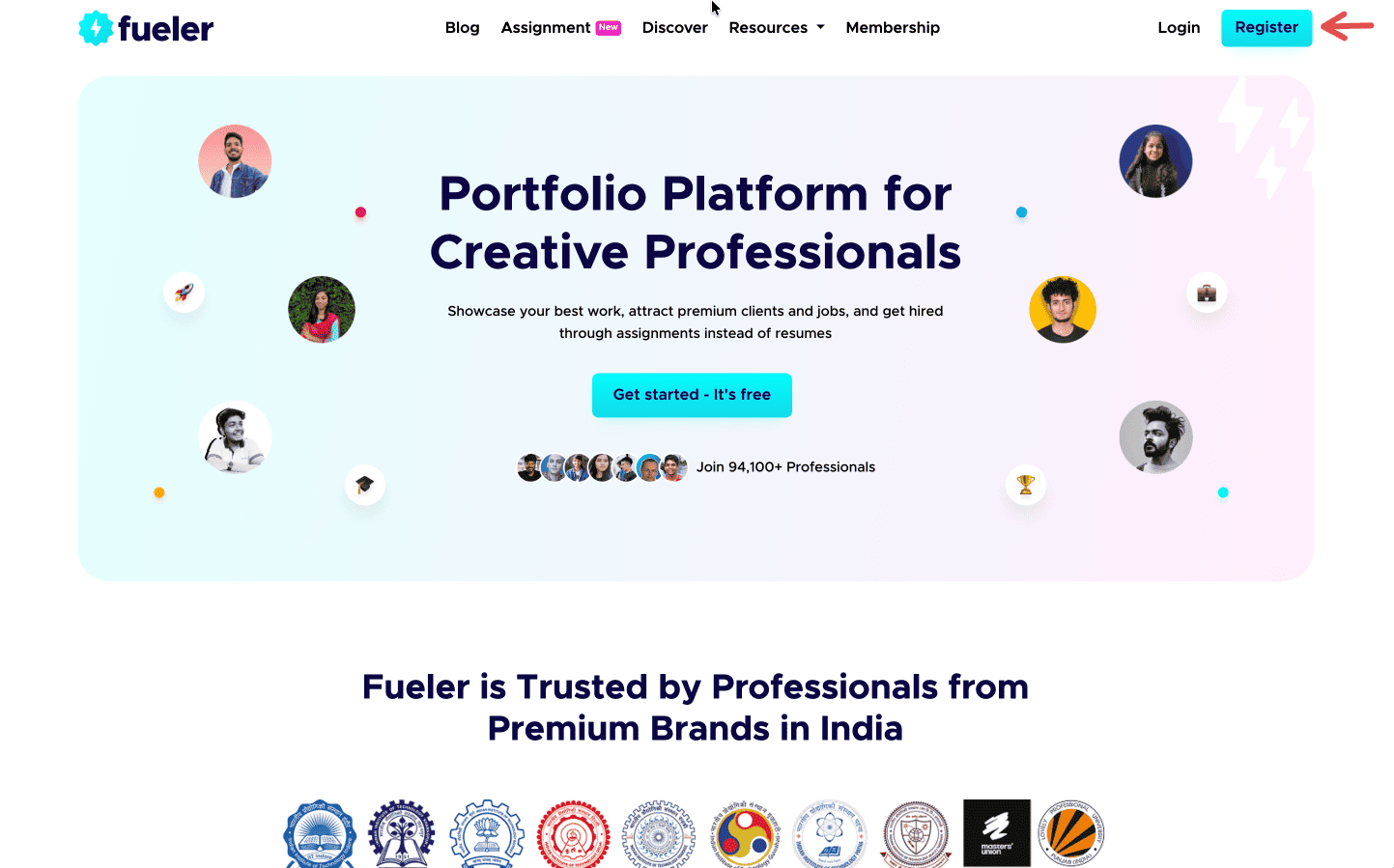
Step 1: Sign up on Fueler.
Head to Fueler.io and create your free account.
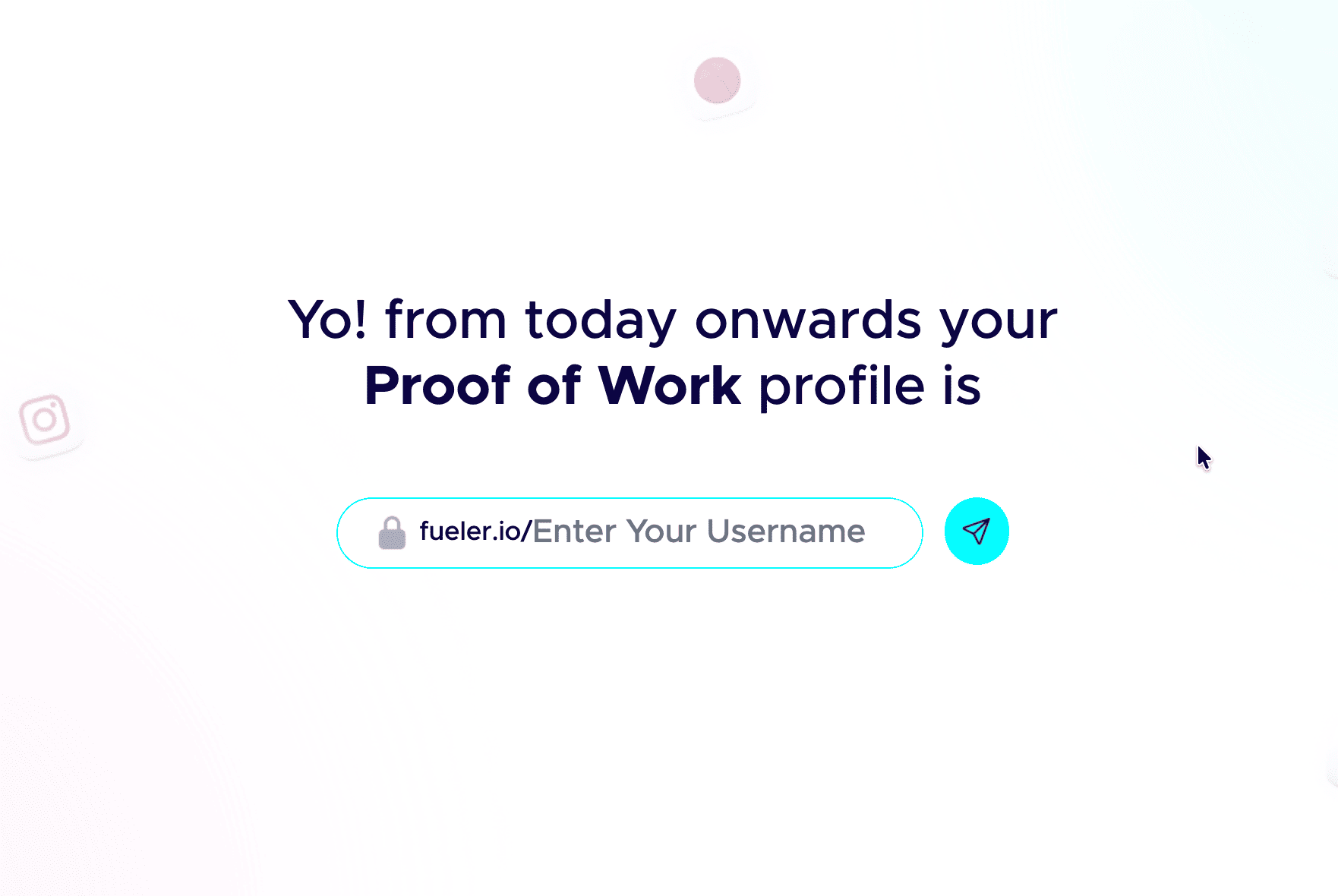
Step 2: Pick a professional handle.
Your handle shows up in your public link, so keep it clean and grown-up. Don’t add nicknames and random numbers. Your name or a simple version of it works best.
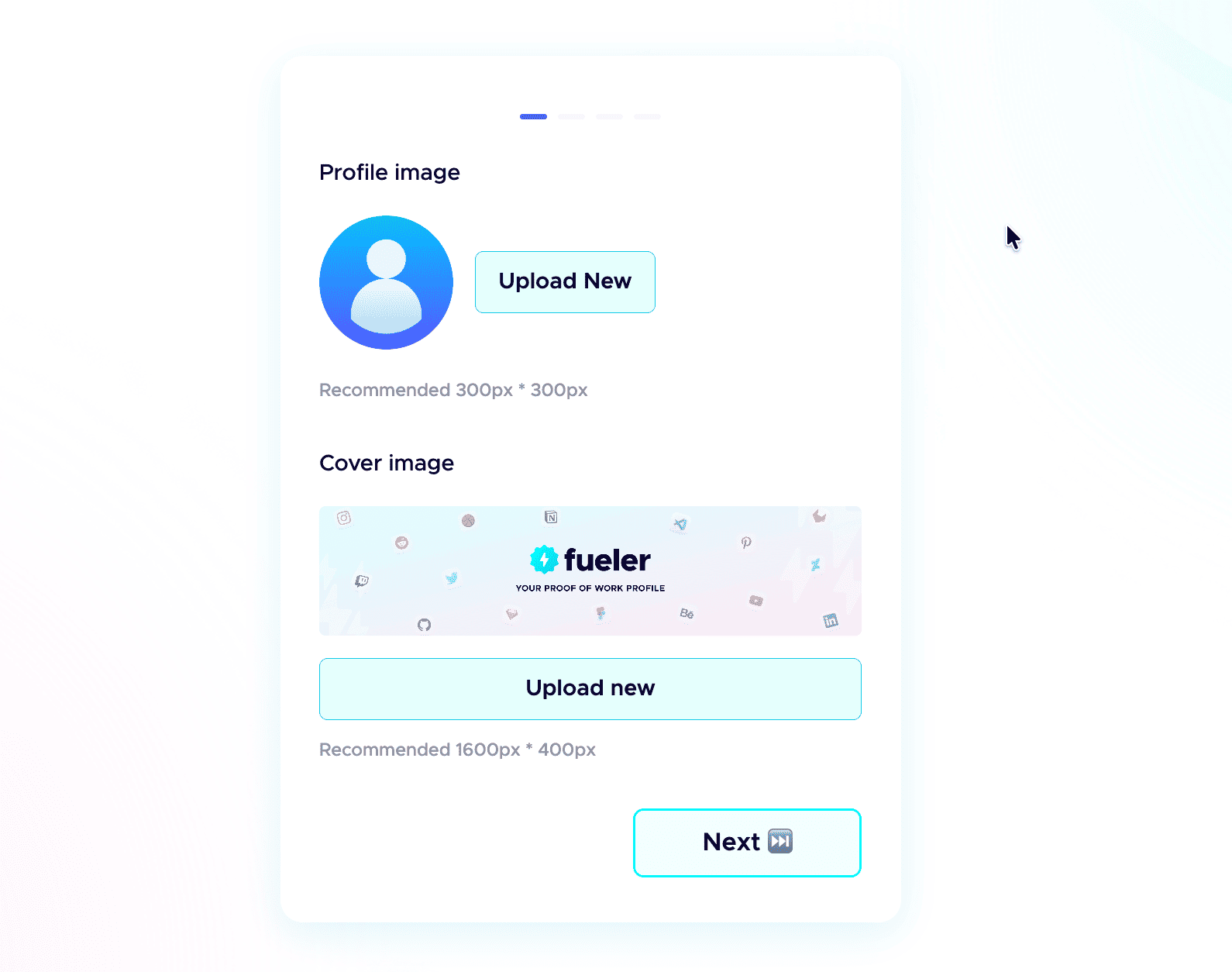
 Step 3: Add a professional profile picture.
Use the same kind of professional photo you would put on LinkedIn. Clear face, good lighting, and a simple background. People trust a real face more than an empty avatar.
Step 4: Write a strong header.
The header is the first thing anyone sees. In one or two short lines, say who you are, what you do, and the kind of work you have done. Make it specific, not vague.
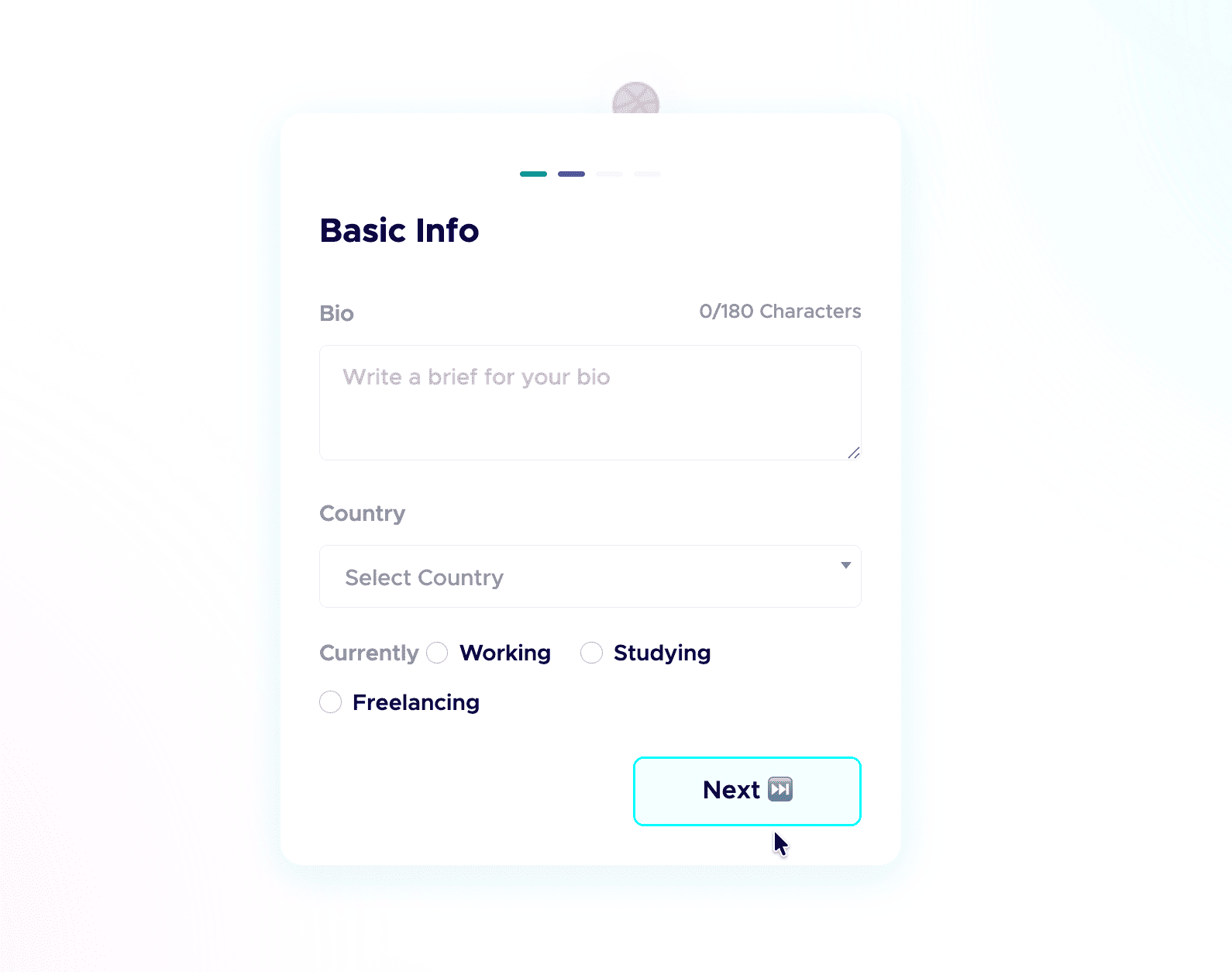
Step 5: Add a short bio.
Tell people who you are and what you do in a few plain sentences. No buzzwords, just enough for a recruiter to get you in five seconds.
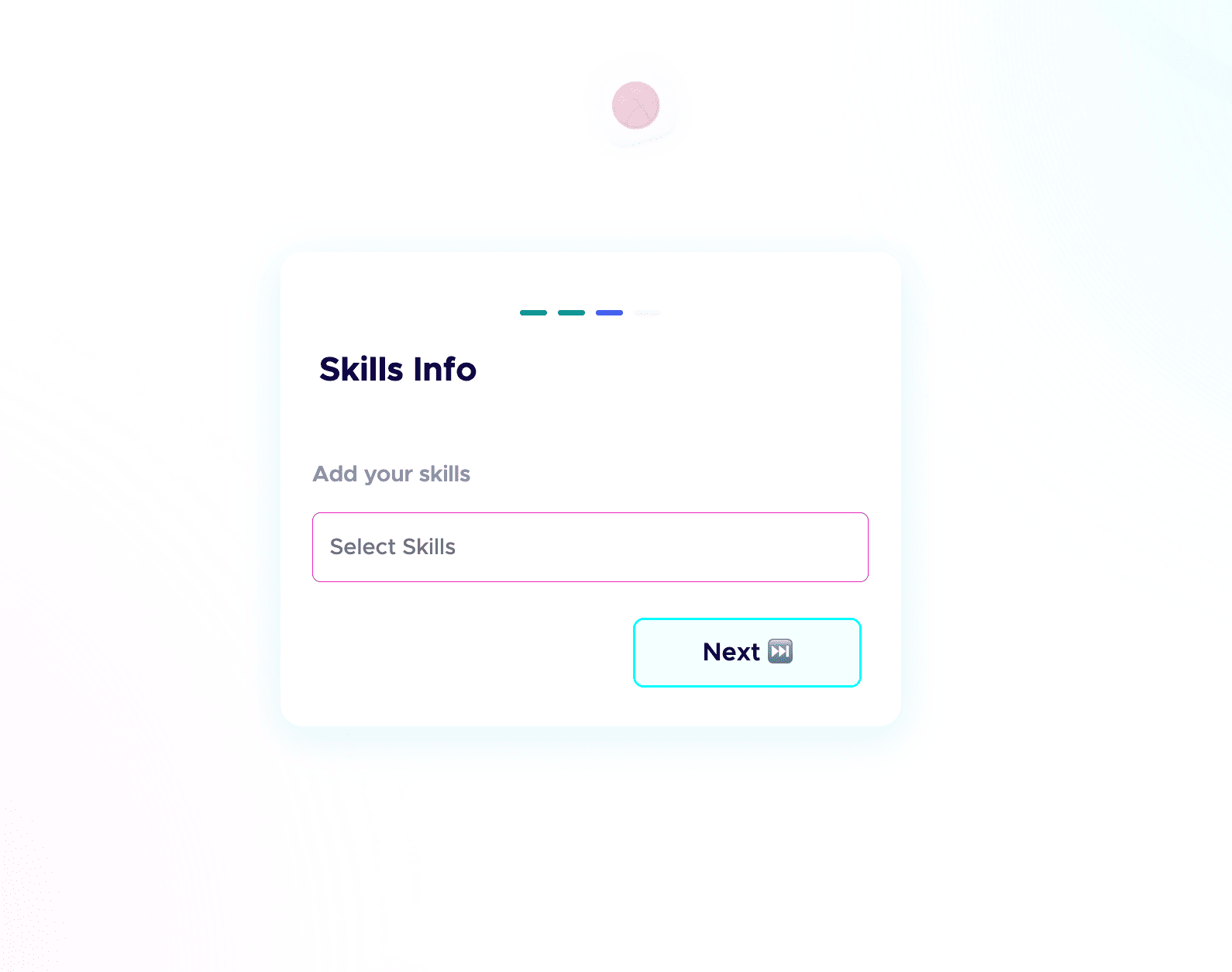
 Step 6: Add your skills and social links.
List the skills you are good at and actually want to be hired for, and connect your socials. People do check your profiles, and active socials build credibility before the first call. Students starting from scratch can follow my student guide to their first portfolio.
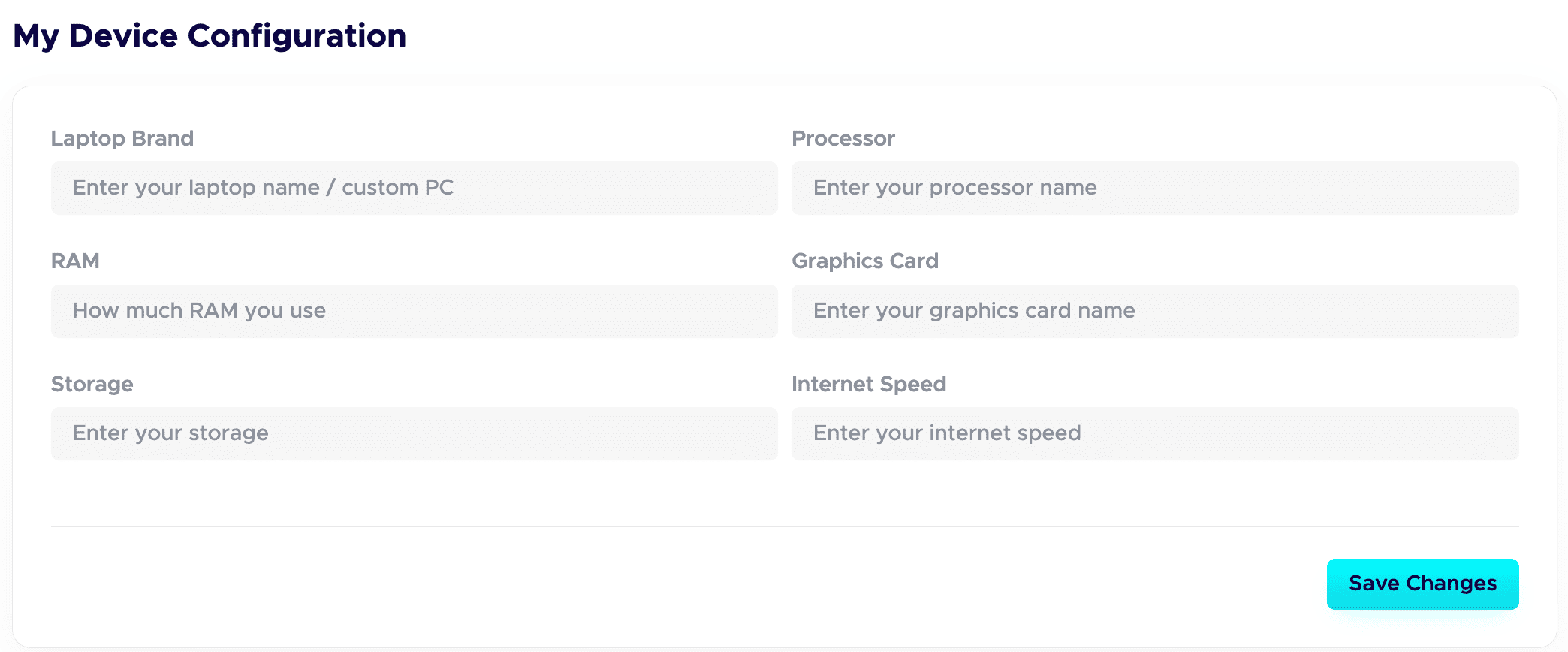
 Step 7: Fill in your Device Configuration.
In your dashboard, set up the Device Configuration section. Add the details about the device you are using. Remote-first companies want to know you have a solid setup to work from. A good setup quietly adds leverage and signals you are ready to deliver.
Step 8: Publish your projects with all the details.
This is a game-changer. Give each project a clear title and a detailed description. Walk through your process: your thinking, the tools you used, the choices you made, and the result. Companies care about how you work, not just the final image.
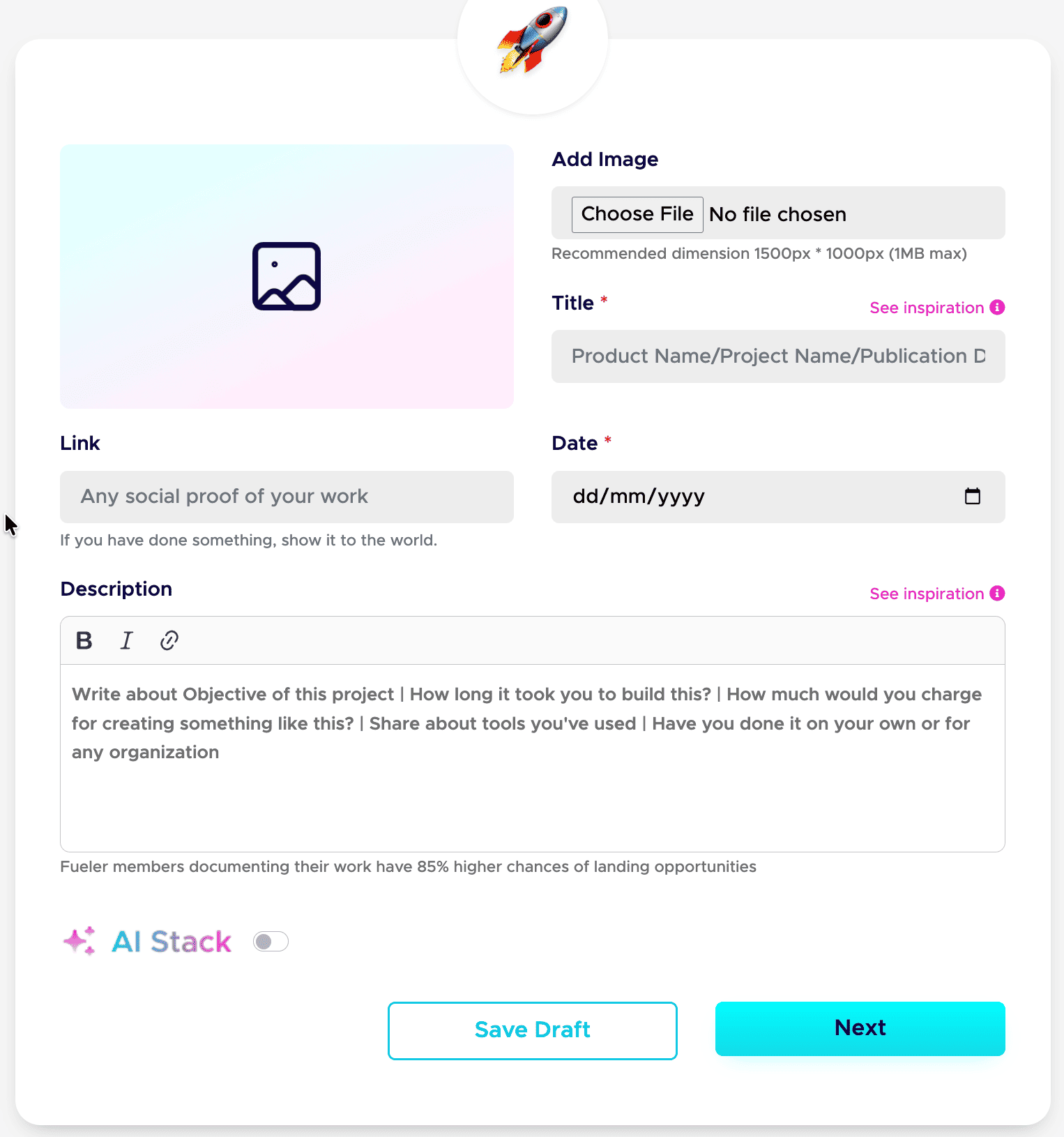
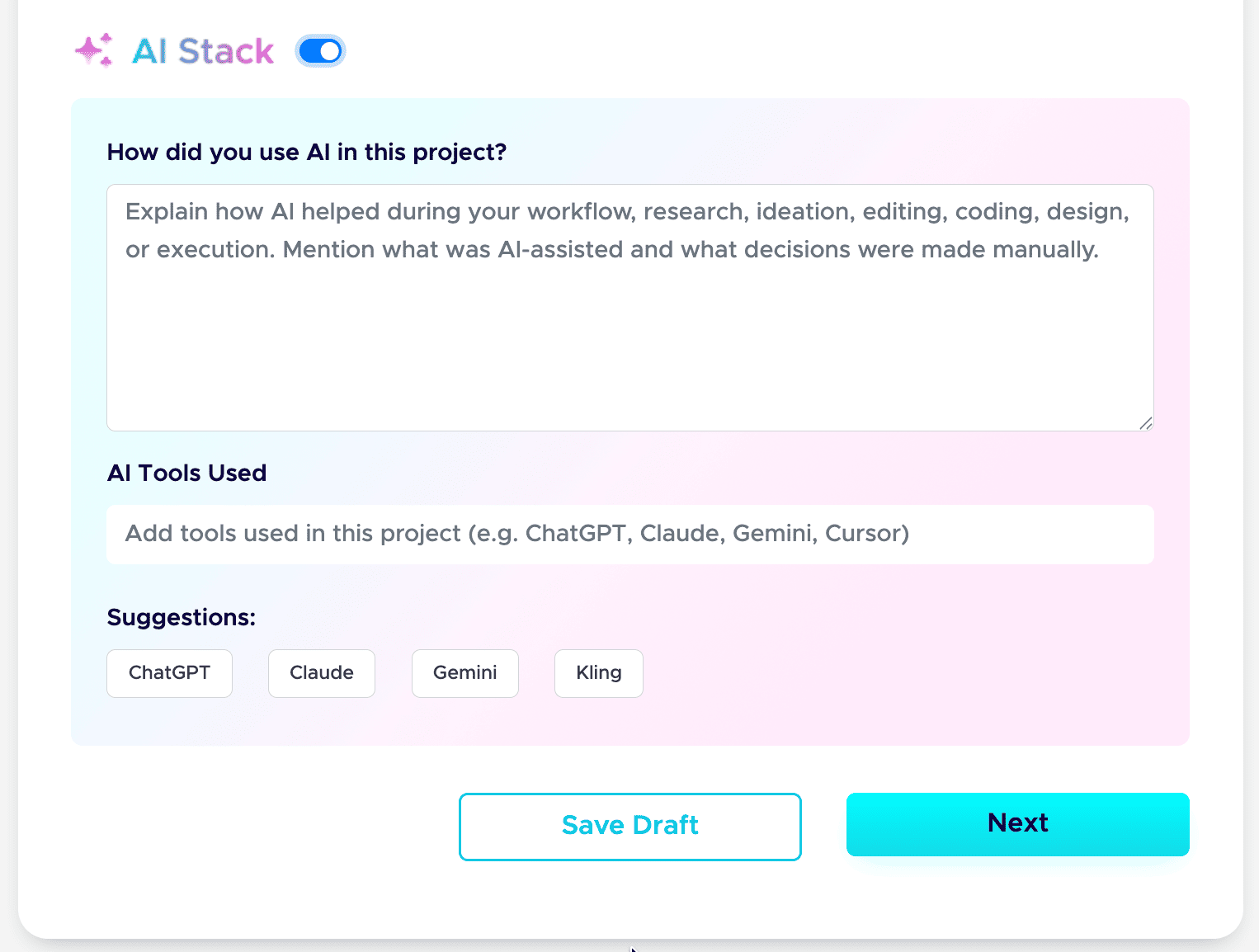
Step 9: Add your AI Stack to each project.
AI is part of real work now, so show it honestly. Use the AI Stack feature to explain how you used AI, which tools you used, and what you did manually. This builds trust instead of raising doubt. Here is the full guide: how to add AI Stack on Fueler.
That is the whole setup. Do these nine steps well, and your profile stops being a static page and starts working as a hiring asset. If you want a tighter version to follow next time, save my 6-step formula for a Fueler portfolio and my breakdown of a career portfolio that actually gets jobs.
Do this once, and you have a link you can drop into your resume, your email signature, and every job application.
Real-World Use Cases: Who Benefits Most?
Different tools work best for different professions. Let's look at how this plays out across specific roles in the current landscape:
The Modern Freelancer
If you are a freelance copywriter, video editor, or growth marketer, your income depends directly on your speed to trust. Clients don't want to read a five-page website. They want to see a scannable collection of your recent work samples so they can see your real results.
The Software Developer
For developers, maintaining an elaborate frontend layout on WordPress is an inefficient use of time. Your actual value lives inside your clean architecture and shipped code. Fueler lets you link your clean code blocks and live applications directly to highly structured case studies.
The Strategic Career Switcher
If you are moving into a new industry, your past job titles won't tell the whole story. You need a platform that emphasizes your skills-first portfolio over traditional resumes. Documenting personal projects and mock assignments helps prove your immediate readiness for the job.
The Ultimate Decision Matrix
Still trying to figure out which direction makes the most sense for your current situation? Use this simple decision guide:
Choose WordPress If:
- You want to run a complex media publication with multiple authors.
- You need to build a fully customized e-commerce storefront.
- You want complete code-level control over every single visual element.
Choose Fueler If:
- You want to showcase clean proof of work without managing code.
- You need to get discovered by modern recruiters on an active platform.
- You want to focus on landing opportunities instead of managing servers.
Final Thoughts
The era of building over-engineered personal websites just to host a basic list of links is coming to an end. Recruiters and clients are moving at a rapid pace, and they value clarity, truth, and verified proof over flashy visual design.
WordPress remains an incredible tool for building complex, scalable websites. But if you simply need a modern, professional home that showcases your actual capabilities and brings you new career opportunities, you don't need a heavy CMS. You just need to show your work clearly.
Key Takeaways
- Skills-First Shift: Modern companies prioritize clear evidence of execution over old-school text resumes.
- Zero Maintenance: Shifting away from self-hosted sites saves hours of technical troubleshooting every week.
- Verified Credibility: Peer-to-peer validation builds much higher trust than self-reported claims.
- Built-In Networks: Native platform ecosystems connect your profile directly with active hiring teams.
Frequently Asked Questions
Is it difficult to move my existing work over to Fueler?
Not at all. Because Fueler uses a streamlined, no-code editor, you don't have to deal with migrating databases, exporting files, or broken formatting. You can easily publish your best work samples by adding clean project titles, clear descriptions, and your live project links in just a few minutes.
Do I need to buy my own domain or hosting to use Fueler?
No. Fueler provides a fast, clean, and professional public link for your profile right out of the box. This completely removes the regular monthly costs of premium hosting plans, security certificates, and domain renewals that come with a standard self-hosted website.
How does the Vouch system actually verify my work?
When you add a project to your profile, you can tag the specific clients, managers, or colleagues you worked with. They receive a quick notification to digitally approve the entry. Once confirmed, a verification badge appears on that project, turning your portfolio into a trusted ledger.
Can I still use my Fueler profile alongside a regular resume?
Absolutely. Your profile link is designed to serve as the single destination for your practical work samples. You can easily paste your custom handle directly into your email signature, LinkedIn bio, or traditional applications to give hiring teams instant access to your actual results.
Why 100,000+ professionals use Fueler
Fueler helps professionals showcase proof of work through projects, assignments, case studies, and achievements.
- Thousands of professionals use Fueler to create their digital portfolio
- Thousands of projects are published on Fueler. Check here
- Startups and Companies hire through proof of work on Fueler
- Used by freelancers, creators, marketers, video editors, writers, designers, and product managers
Our mission is to help the next 100 million professionals build a verified professional identity through proof of work

What should you do next?
You've read the article. Now turn your skills into proof of work and unlock more opportunities.
Build your proof of work portfolio
Create a clean portfolio with projects, assignments, resumes, and AI stack details that companies actually want to see.
Create your Fueler portfolio →Apply through assignments, not resumes
Stand out by solving real tasks from companies hiring on Fueler.
Explore assignments →Get discovered by companies
Make your work public and let recruiters discover your skills through actual projects instead of keywords.
Get discovered →
