Looking for a Framer Portfolio Alternative? Try Fueler

Riten Debnath
11 Jul, 2026
Last updated: July 2026
Let’s be honest. We’ve all been there. You spend three straight weekends adjusting padding, fixing responsive container shifts, and tweaking subtle scroll animations on your custom portfolio site. It looks absolutely stunning on your 4K monitor. Then, you send the link to a high-profile client or a busy hiring manager.
They open it on a crowded train using a spotty mobile network. The custom fonts fail to load, the heavy media assets lag, and they exit your page within four seconds. All that meticulous pixel-pushing evaporated instantly.
In 2026, the digital workspace has hit a wall with hyper-polished, static personal websites. Thanks to generic templates and generative AI web builders, anyone can deploy a breathtaking website in minutes. Because of this, modern recruiters and corporate operators are suffering from visual fatigue. They no longer care about how flashy your landing page header transitions look. They care about one simple, unpolished reality: Can you actually do the work?
I’m Riten, founder of Fueler, a skills-first portfolio platform that connects talented individuals with companies through assignments, portfolios, and projects, not just resumes/CVs. Think Dribbble/Behance for work samples + AngelList for hiring infrastructure.
When you look at the landscape of career growth, managing a complex web design layout just to show off your marketing spreadsheets, copywriting samples, or development projects is a massive operational tax. Let's look at exactly how Framer and Fueler differ, and why switching your focus to verifiable output is the highest ROI move you can make for your career this year.
Where Framer Excels (And Where It Hits a Wall)
Framer is an incredible piece of software. It bridges the gap between design tools like Figma and live web interactions better than almost anything else on the market. If you are an advanced interaction designer or an agency whose primary service is building custom web experiences, Framer is your home turf. It gives you raw, unfiltered visual control.
But that absolute freedom comes with structural baggage:
- The Design Trap: When your portfolio is an open canvas, you stop focusing on your career accomplishments and start playing web designer. You spend hours fixing a broken alignment on a mobile view instead of reaching out to prospective clients.
- Zero Discovery Infrastructure: Framer hosts your site, but it won’t bring you clients. It is a lonely island in the middle of the web. To get eyes on your work, you have to run your own outbound cold emails, handle search engine optimization from scratch, or spam links across social media.
- The Maintenance Overhead: Every time you finish a new project, you can't just drop it in. You have to design a new layout card, test the responsiveness across four screen sizes, and republish the entire site structure.
Why Fueler Takes a Totally Different Approach
Fueler doesn't treat you like a web developer. It treats you like a builder who needs to get discovered. Instead of focusing on design aesthetics, Fueler focuses on proof of work, providing a clean, standard, and highly structured format that decision-makers can scan and verify in under ten seconds.
The Core Contrast
Step-by-Step Guide: Building Your Fueler Portfolio
If you are ready to stop managing code blocks and start publishing your execution history, setting up your space takes less time than making a cup of coffee. Here is exactly how to do it.
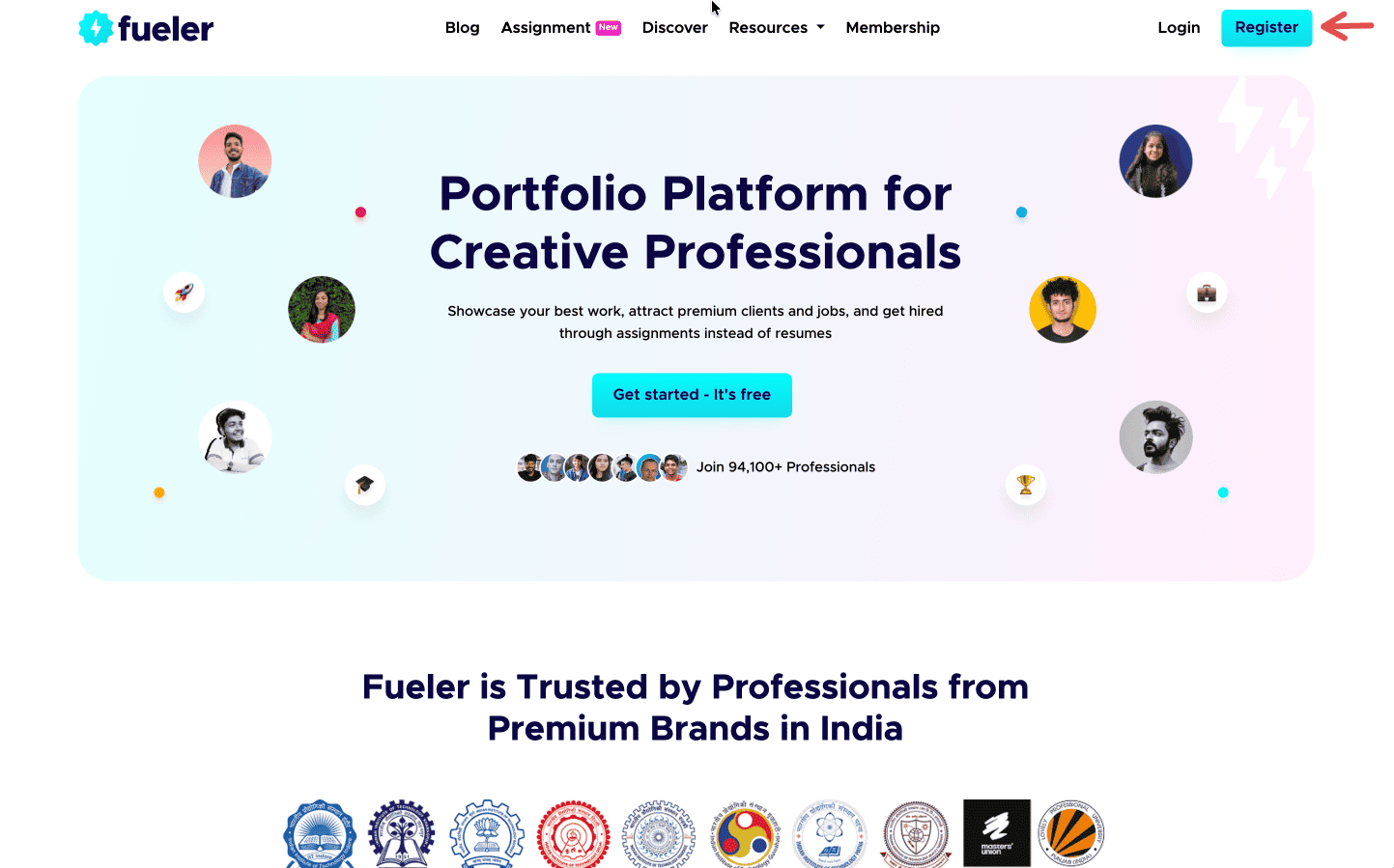
Step 1: Sign up on Fueler.
Head to Fueler.io and create your free account.
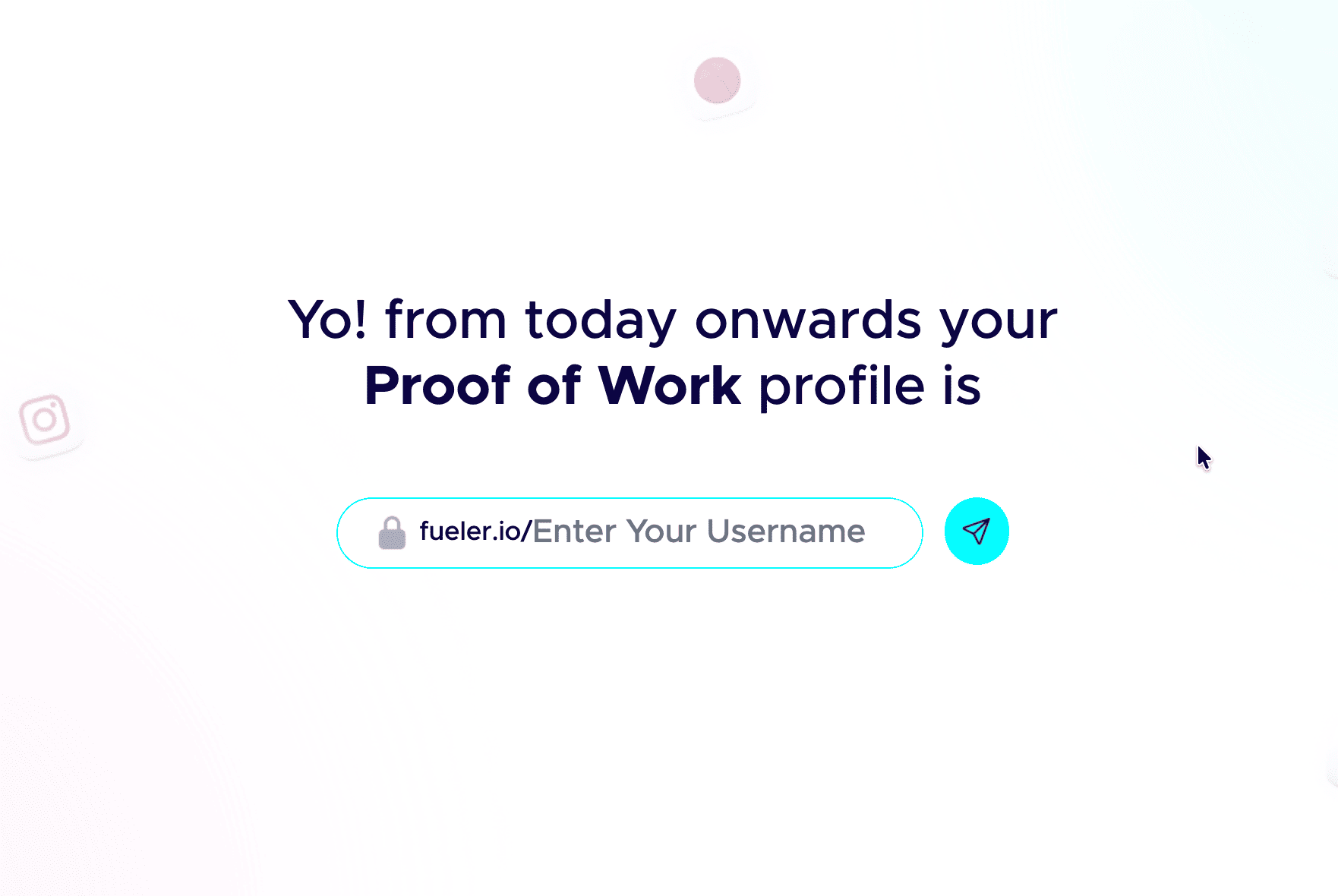
Step 2: Pick a professional handle.
Your handle shows up in your public link, so keep it clean and grown-up. Don’t add nicknames and random numbers. Your name or a simple version of it works best.
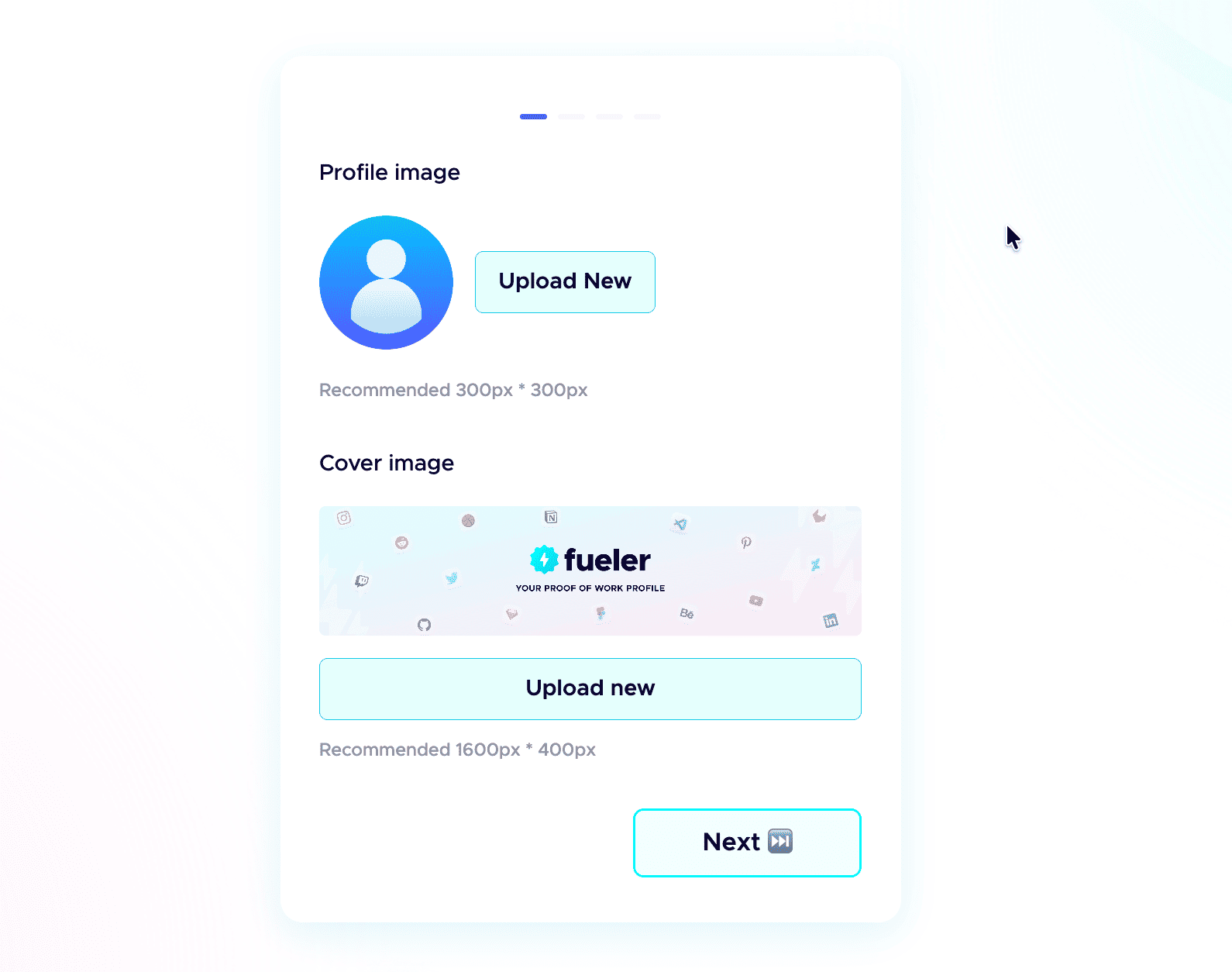
 Step 3: Add a professional profile picture.
Use the same kind of professional photo you would put on LinkedIn. Clear face, good lighting, and a simple background. People trust a real face more than an empty avatar.
Step 4: Write a strong header.
The header is the first thing anyone sees. In one or two short lines, say who you are, what you do, and the kind of work you have done. Make it specific, not vague.
Step 5: Add a short bio.
Tell people who you are and what you do in a few plain sentences. No buzzwords, just enough for a recruiter to get you in five seconds.
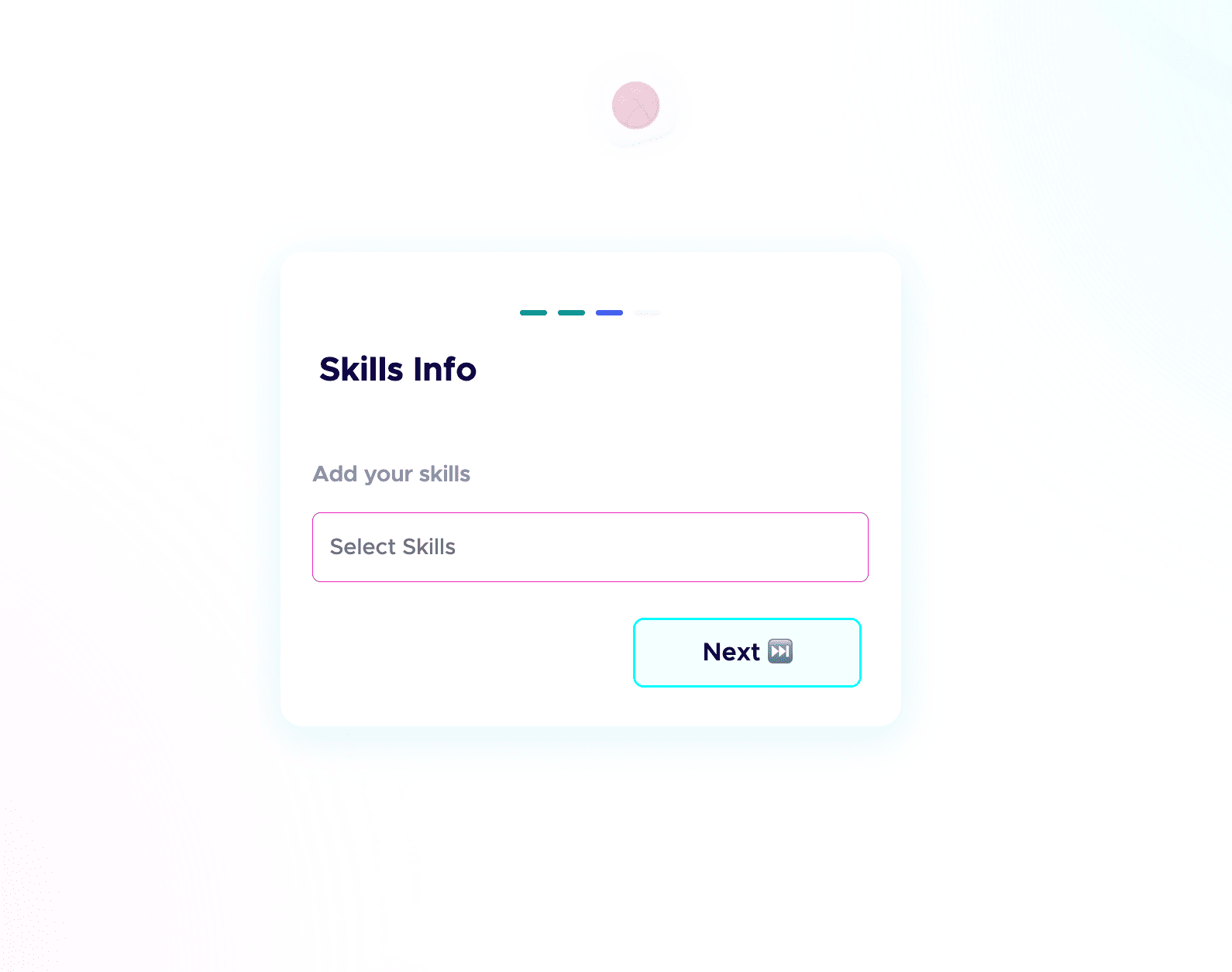
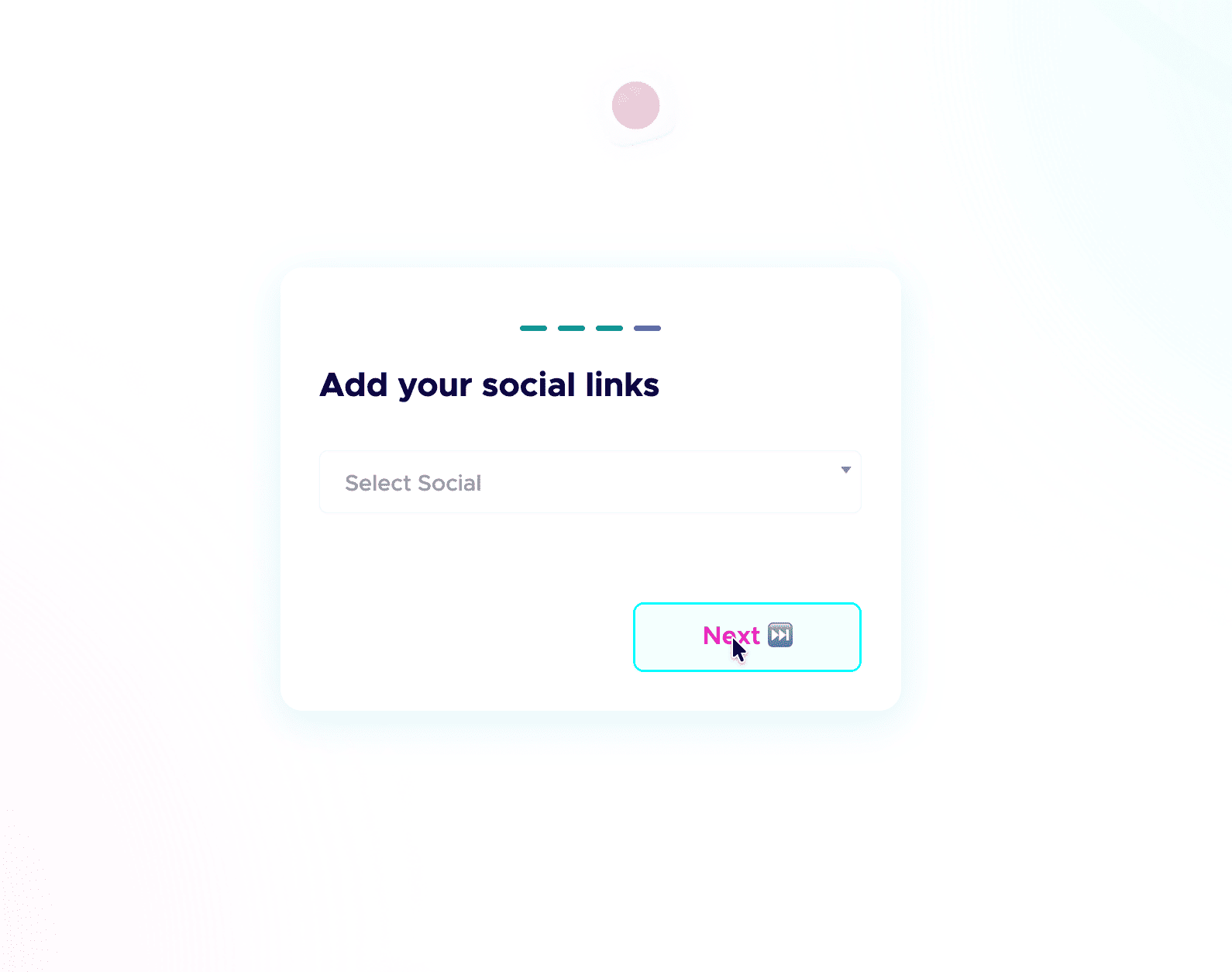
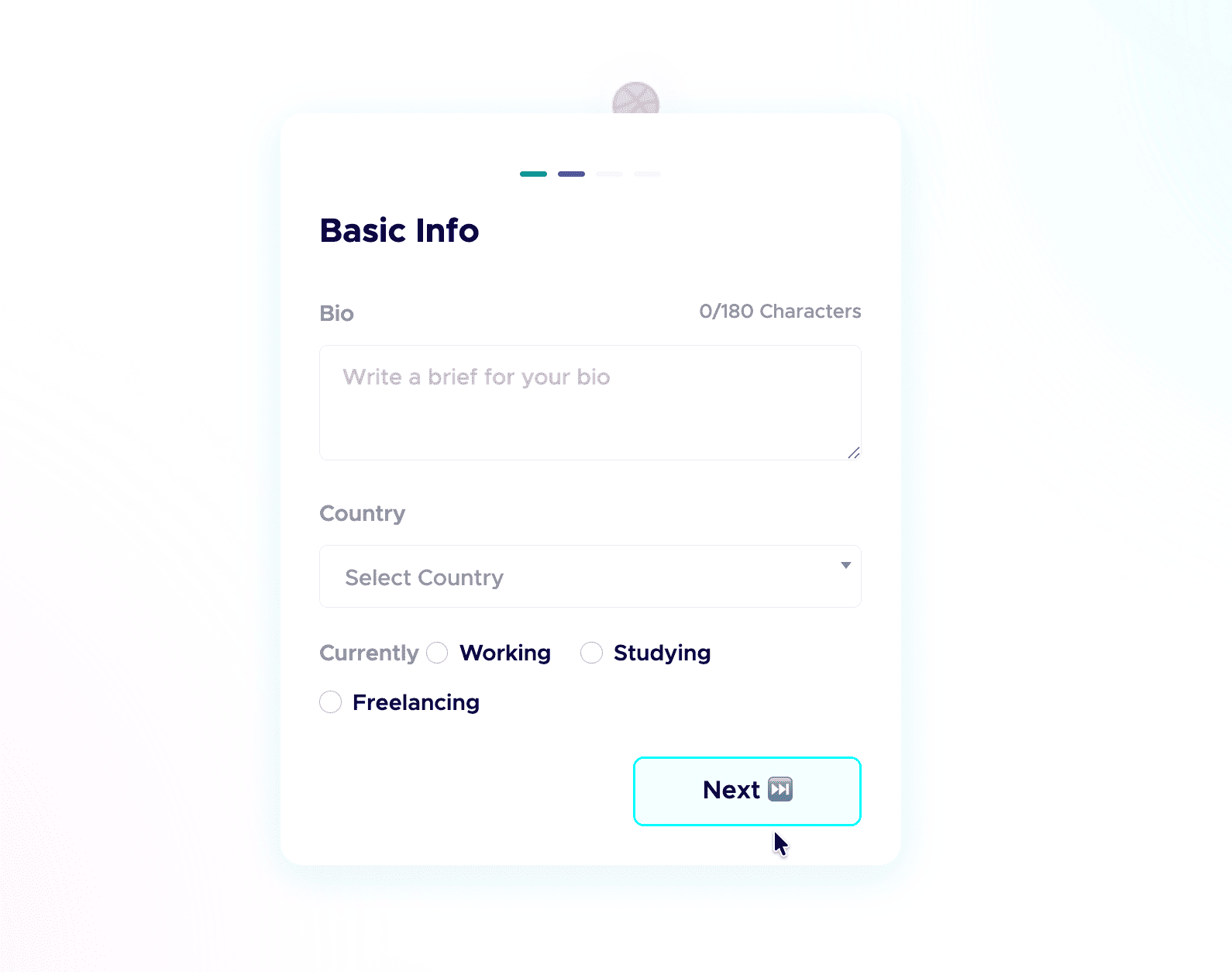 Step 6: Add your skills and social links.
List the skills you are good at and actually want to be hired for, and connect your socials. People do check your profiles, and active socials build credibility before the first call. Students starting from scratch can follow my student guide to their first portfolio.
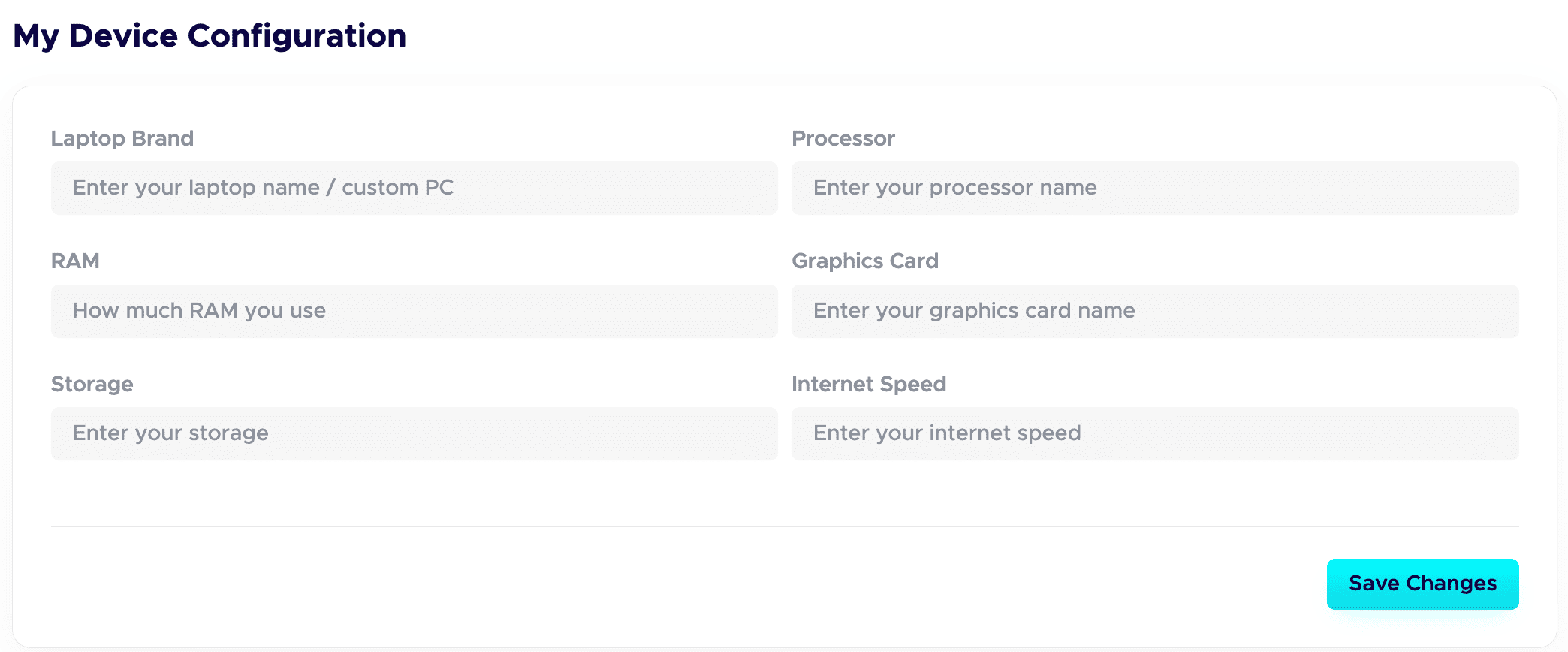
 Step 7: Fill in your Device Configuration.
In your dashboard, set up the Device Configuration section. Add the details about the device you are using. Remote-first companies want to know you have a solid setup to work from. A good setup quietly adds leverage and signals you are ready to deliver.
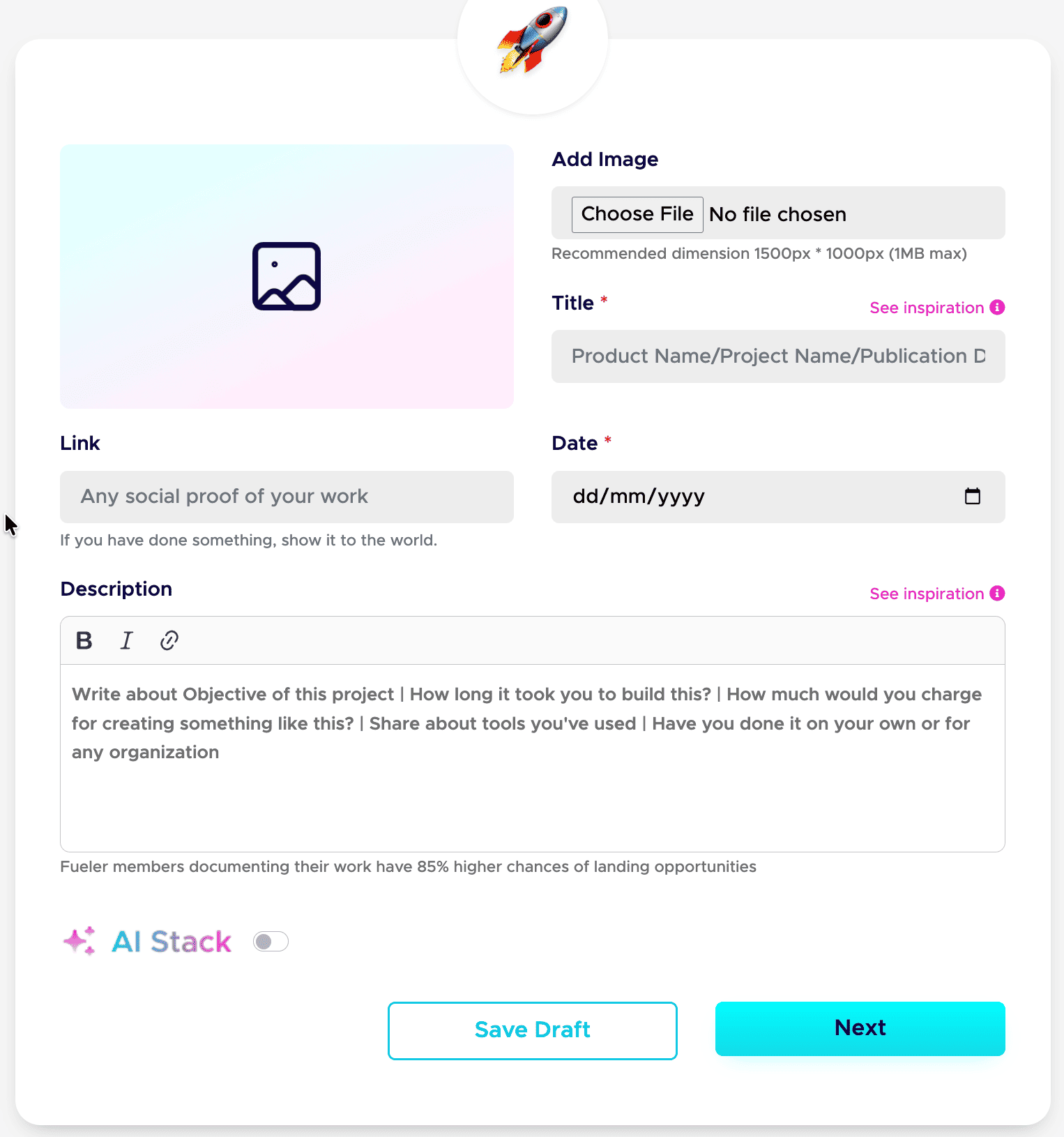
Step 8: Publish your projects with all the details.
This is a game-changer. Give each project a clear title and a detailed description. Walk through your process: your thinking, the tools you used, the choices you made, and the result. Companies care about how you work, not just the final image.
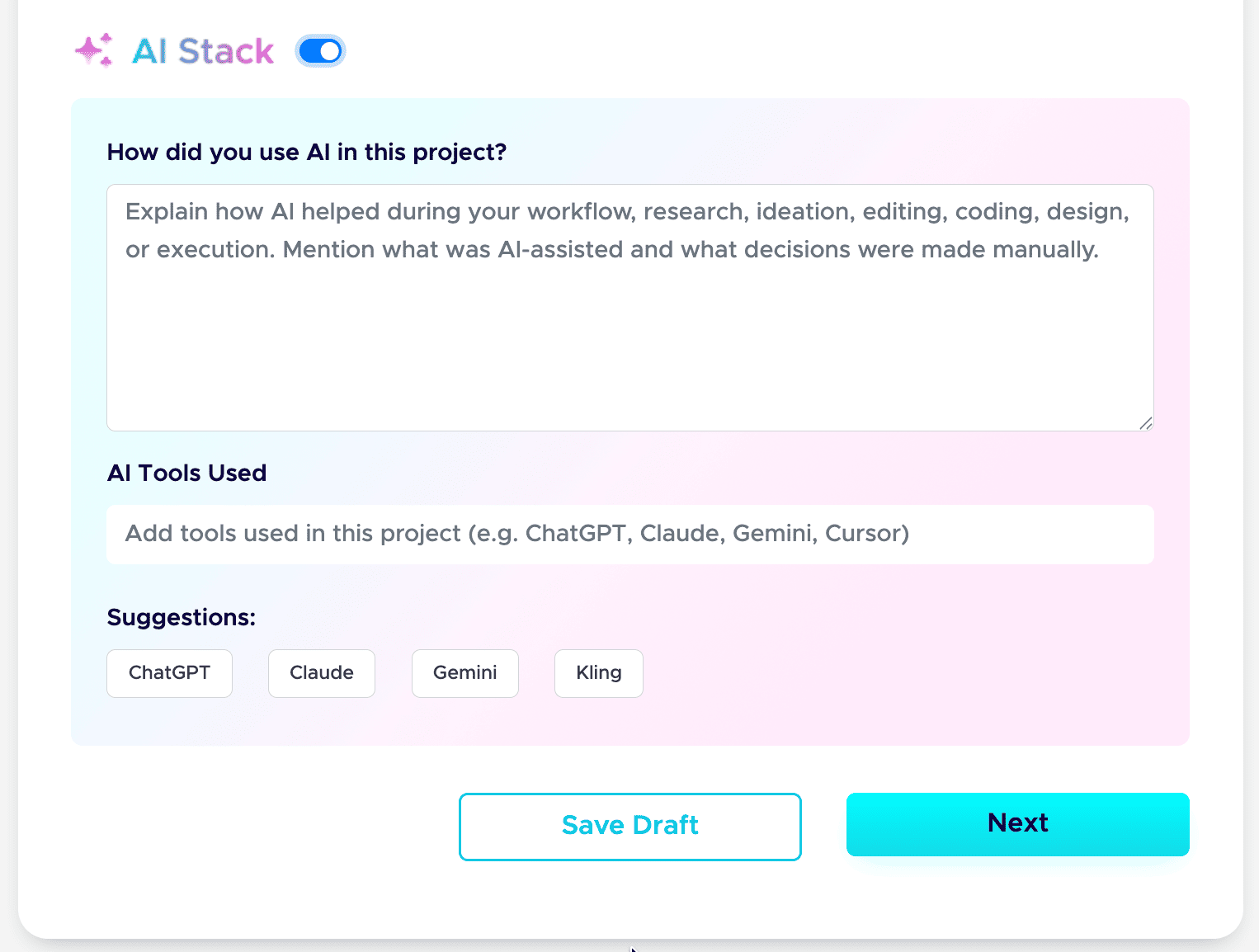
Step 9: Add your AI Stack to each project.
AI is part of real work now, so show it honestly. Use the AI Stack feature to explain how you used AI, which tools you used, and what you did manually. This builds trust instead of raising doubt. Here is the full guide: how to add AI Stack on Fueler.
That is the whole setup. Do these nine steps well, and your profile stops being a static page and starts working as a hiring asset. If you want a tighter version to follow next time, save my 6-step formula for a Fueler portfolio and my breakdown of a career portfolio that actually gets jobs.
Do this once, and you have a link you can drop into your resume, your email signature, and every job application.
Authentic Personas: Who Should Actually Switch?
Let's look at how this plays out for different professionals in the real world. No vague hypotheticals, just real execution needs.
Persona A: The Technical Content Specialist
Imagine you write highly technical documentation or manage complex search engine optimization campaigns. Building a Framer site means trying to make text documents and organic analytics reports look visually appealing on a creative canvas. It’s a mismatch.
- The Fueler Fit: Drop clean markdown text blocks, link live technical case studies, and stack data dashboards side by side. Clients don’t want to see animated entrances; they want to see your content strategy framework and traffic progression metrics clearly.
Persona B: The Full-Stack Product Developer
If you build functional software tools, your proof is in the execution, the clean code commits, and the shipping speed. Tinkering with visual node elements inside an external web designer takes you away from your actual development stack.
- The Fueler Fit: Connect your repositories directly, log your building milestones chronologically, and display your technical expertise through real, working assets that load instantly without heavy web frameworks slowing things down.
The Ultimate Decision Matrix
Still torn between the two spaces? Let's simplify the choice based on what you actually need to accomplish this week:
- Choose Framer if: You are an elite web animator, a brand agency selling bespoke web experiences for thousands of dollars, or your entire professional identity relies on breaking standard web layouts with custom interactive code.
- Choose Fueler if: You are a marketer, writer, builder, manager, or designer who wants a clean, zero-hassle digital anchor that showcases your real capabilities, handles client validation automatically, and keeps you focused on shipping real work instead of designing headers.
Key Takeaways
- Aesthetics Don't Equal Ability: A beautiful website layout can no longer mask a lack of real project experience. Recruiters are hunting for raw evidence of execution.
- Eliminate Layout Tax: Spending hours modifying responsive text fields and checking browser cross-compatibility is an operational waste of time for non-designers.
- Proof is Collaborative: Portfolios shouldn't be isolated islands. Embedding direct social proof and client validation alongside your specific assets builds instant professional credibility.
- Keep Your Focus Clear: Your portfolio tool should make it effortless to show your career growth, keep documentation clean, and open doors to direct opportunity paths.
Final Thoughts
Choosing your digital space isn't about finding the "best" tool on the internet it's about finding the right match for your daily workflow. If your presentation platform feels like a second job that requires constant design maintenance, it's stopping you from doing the actual building that gets you paid. Move your wins into a system built to document progress, and let your real output do the heavy lifting.
FAQs
Can I run a custom domain on my Fueler profile?
Yes. You can map your personal custom domain directly to your profile page, allowing you to maintain your clean personal branding without managing any complex web hosting panels or server configurations.
Do I need to know how to style elements to make Fueler look good?
Not at all. The entire system uses a clean, uniform layout that looks sharp on everything from an ultra-wide monitor to an old mobile phone. You focus entirely on uploading the assets and writing your project results.
How do company scouts find me on the platform?
Unlike standalone web builders, the platform includes a live talent directory. Companies and project managers browse through specific skill tags, review published case studies, and send direct project opportunities straight to your profile hub.
Is it possible to host confidential or internal work projects?
Yes. You can switch specific work entries into private visibility mode. This keeps them hidden from public search engines while allowing you to share secure, direct access links exclusively with specific clients or prospective partners during active evaluations.
Why 100,000+ professionals use Fueler
Fueler helps professionals showcase proof of work through projects, assignments, case studies, and achievements.
- Thousands of professionals use Fueler to create their digital portfolio
- Thousands of projects are published on Fueler. Check here
- Startups and Companies hire through proof of work on Fueler
- Used by freelancers, creators, marketers, video editors, writers, designers, and product managers
Our mission is to help the next 100 million professionals build a verified professional identity through proof of work

What should you do next?
You've read the article. Now turn your skills into proof of work and unlock more opportunities.
Build your proof of work portfolio
Create a clean portfolio with projects, assignments, resumes, and AI stack details that companies actually want to see.
Create your Fueler portfolio →Apply through assignments, not resumes
Stand out by solving real tasks from companies hiring on Fueler.
Explore assignments →Get discovered by companies
Make your work public and let recruiters discover your skills through actual projects instead of keywords.
Get discovered →
