Introducing Fueler's Resume to Proof of Work Ideas Generator

Riten Debnath
18 Jul, 2026
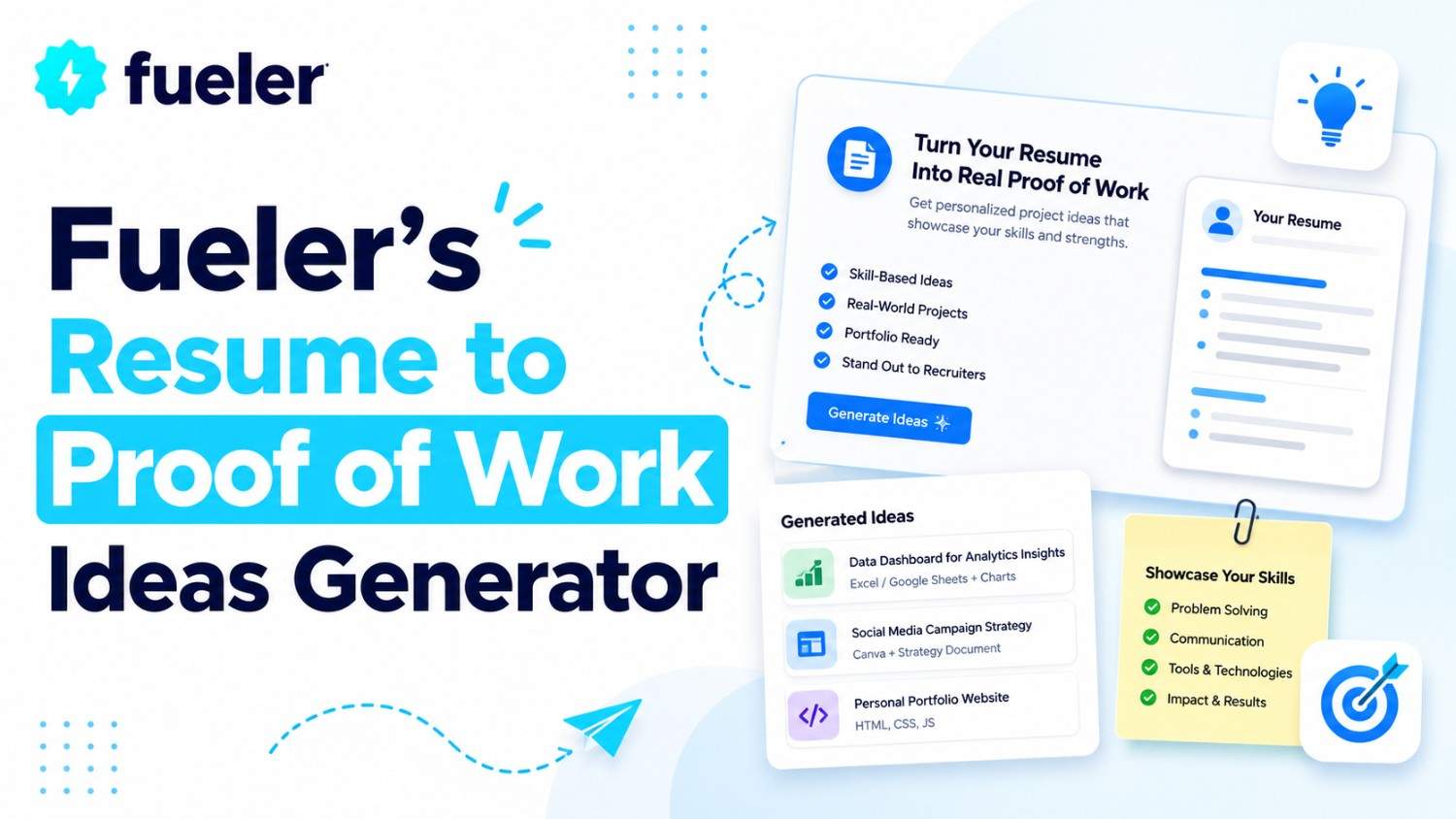
Your resume is already full of proof of work. The problem is that it is trapped inside bullet points nobody can click.
Most professionals write a resume, send it into an applicant tracking system, and wait. Recruiters spend only a few seconds scanning each one. Your skills get flattened into a single line, and the real work behind that line stays invisible. In 2026, that is a losing game. Hiring has moved toward proof of work, where companies want to see what you built, not just read what you claim.
I'm Riten, founder of Fueler, a portfolio platform that helps professionals get hired through assignments, proof of work, and projects instead of just resumes.
We at Fueler have built something to close the gap between what your resume says and what you can actually show. It is called the Resume to Proof of Work Ideas Generator. You upload your resume, it reads your experience and skills, and it hands you real project ideas you can build and publish.
In this article, you will learn how the tool works, how to turn each idea into a finished project, and how to publish it on a Fueler portfolio that companies actually browse. No theory. A simple, practical process you can start today.
What Is Fueler's Resume to Proof of Work Ideas Generator?
The Resume to Proof of Work Ideas Generator is a free Fueler tool that reads your resume and gives you real project ideas to build. Instead of staring at a blank page, you get a list of things to create based on your own skills and experience.
It works by scanning the details already inside your resume. Your roles, skills, and past work become the input. The output is a set of practical projects you can actually execute.
The point is simple. A resume tells people what you did. Proof of work shows it. This tool is the bridge between the two.
- The tool reads the skills and experience listed in your resume, then converts them into concrete project ideas you can build, so you are never guessing what proof of work would impress a hiring manager in your field.
- Every idea is tied to something you already claim on paper, which means the projects feel authentic to your background instead of random tasks that have nothing to do with the roles you are targeting.
- It removes the hardest part of building a portfolio, which is deciding what to make, so you can spend your energy on execution and documentation rather than getting stuck on ideation for days.
- The generator accepts standard resume files in PDF or DOCX format up to 5MB, which covers the exact files most people already have saved from their last job application, with no rebuilding required.
- The ideas are designed to be published, not just brainstormed, so each one can become a live project on your Fueler portfolio that companies discover through proof-of-work browsing.
Why It Matters: Most people know they should build proof of work but never start because they cannot decide what to make. This tool solves the ideation problem in seconds. It turns a document you already have into a clear plan of action. That single shift, from blank page to a real list, is what gets portfolios built and careers moving.
How the Resume to Proof of Work Ideas Generator Works: Step by Step
The tool is built to be fast. Here is the exact process from start to finish. Follow it once and you will understand the full loop. Checkout the link here: https://fueler.io/resume-to-proof-of-work
Step 1: Head to the Resume to Proof of Work Ideas Generator on Fueler and get to the upload screen.
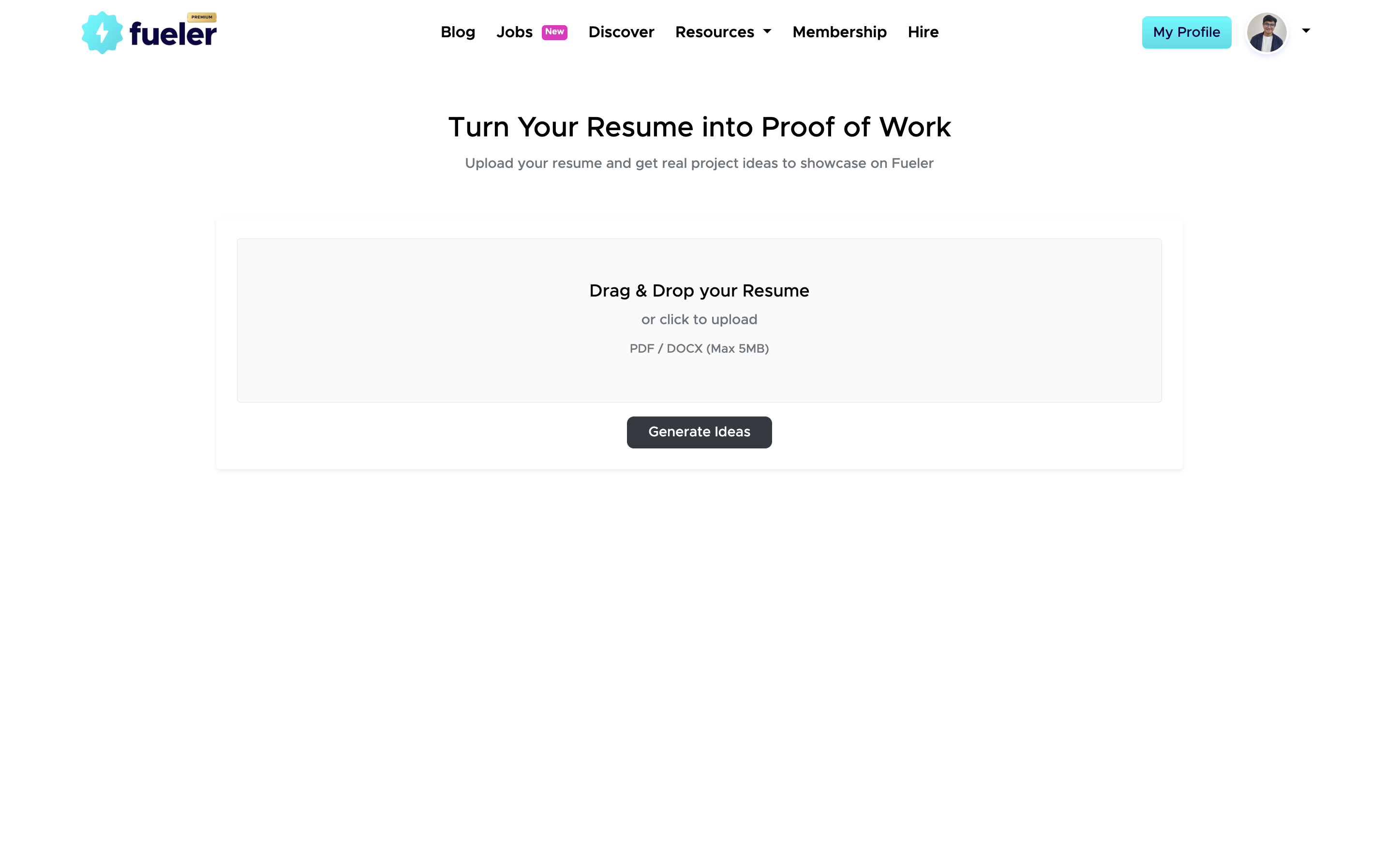
Step 2: Drag or upload your resume. Drop your file into the box, or click to upload. Then hit Generate Ideas.
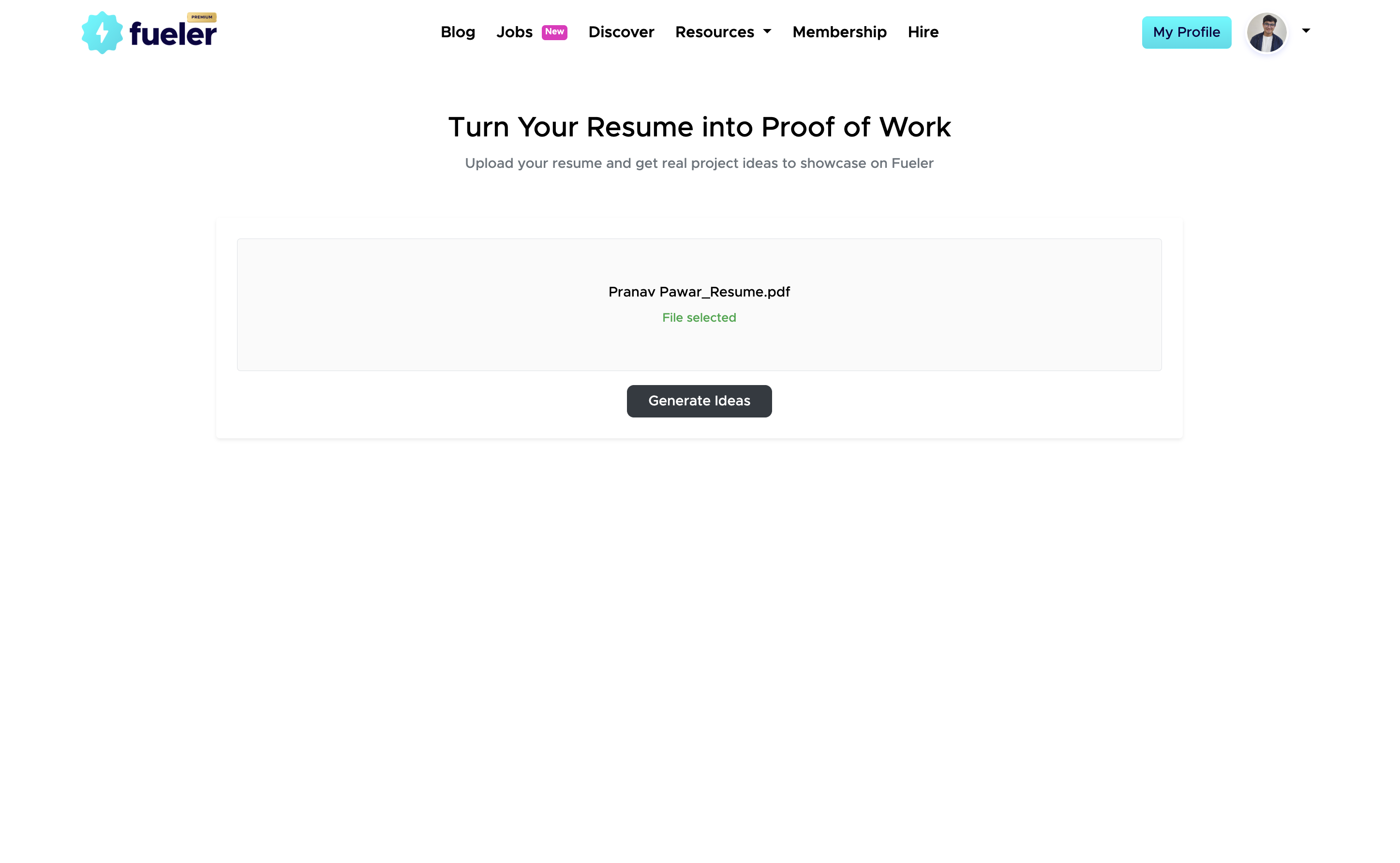
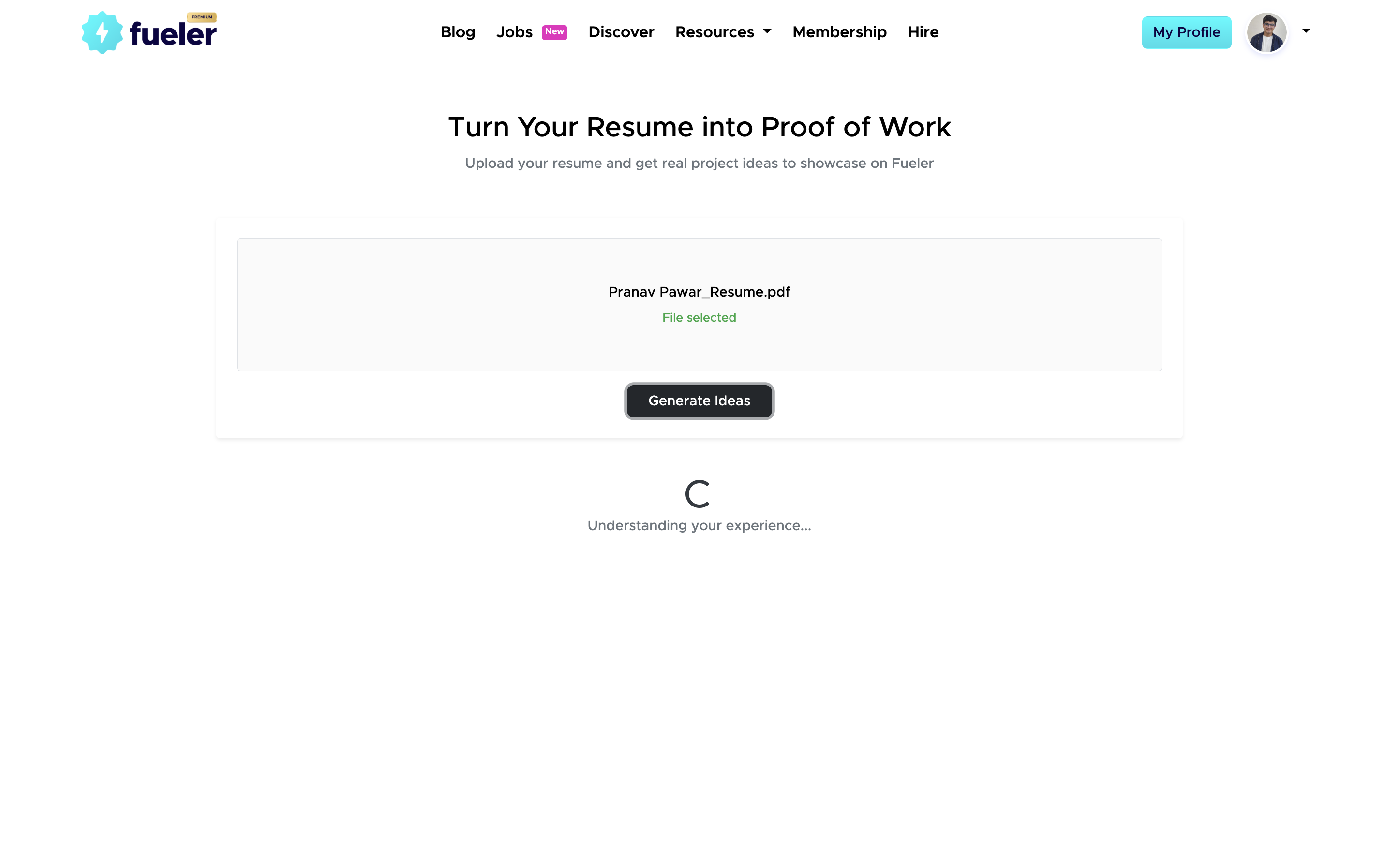
Step 3: Take the ideas and create proof of work. Read through the project ideas it gives you. Pick the ones that match the roles you want, then start building. This is where a suggestion becomes a real, finished piece of work.
- Uploading is friction-free, since you use the exact resume file you already have, which means you can go from opening the tool to holding a list of project ideas in under two minutes without any manual setup.
- The generated ideas are shaped by your actual skills, so a marketer gets marketing projects and a developer gets build ideas, keeping every suggestion relevant to the career path you are trying to grow into.
- You stay in control of what to build, choosing the ideas that map to your target roles rather than being forced down a fixed path, which keeps your portfolio focused on the jobs you actually want.
- Each idea is a starting point you can expand, so a simple suggestion like an audit or a redesign can grow into a full case study with your process, tools, and results documented for hiring managers to read.
- The output is portfolio-ready by design, meaning every project you finish is meant to be published and discovered, not saved in a folder where no company will ever find it.
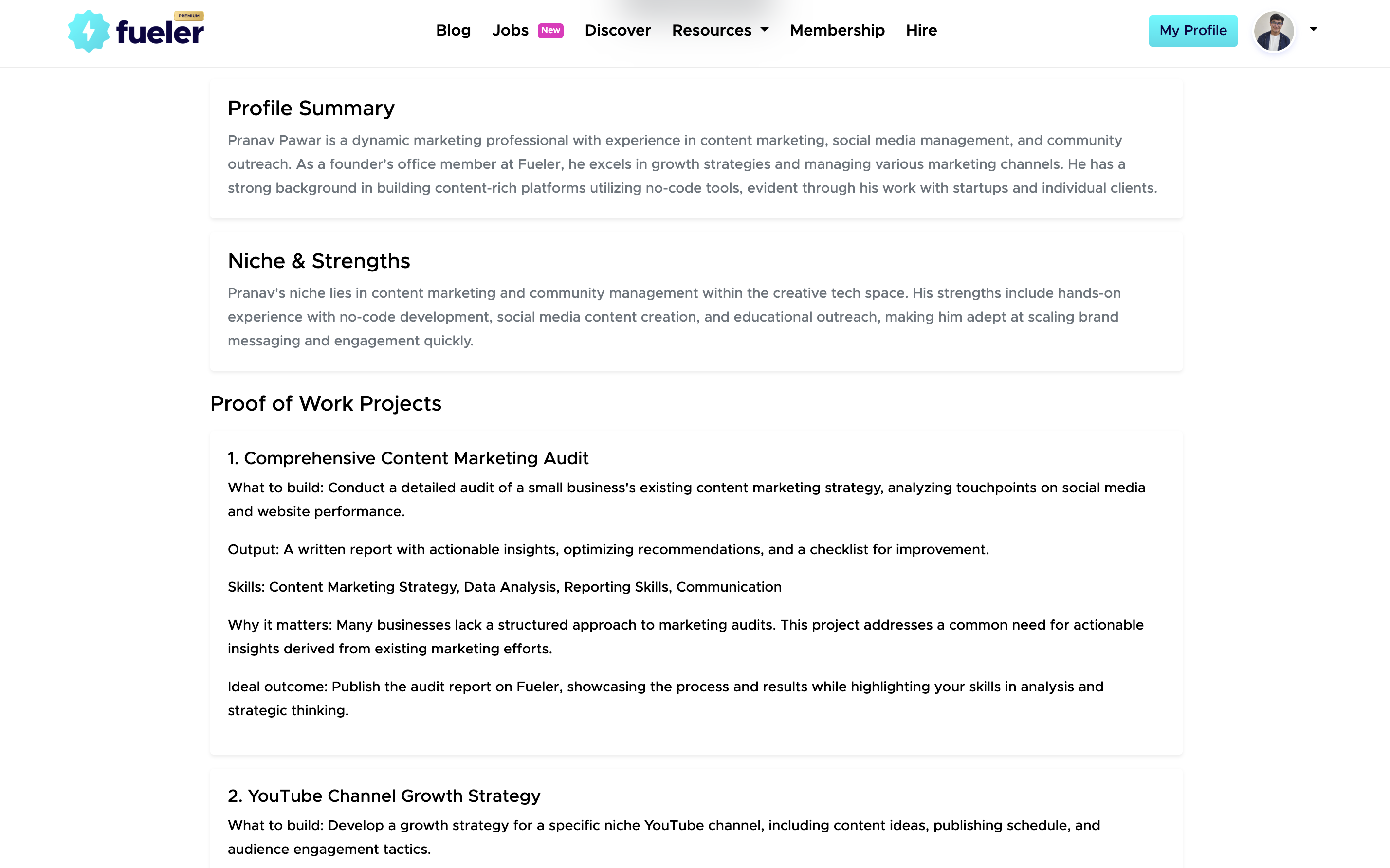
Why It Matters: The biggest reason people never build proof of work is that starting feels heavy. This tool makes starting light. Three steps take you from a static resume to a clear build list, which removes the excuse of not knowing where to begin. Momentum matters more than perfection, and this is the fastest way to create it.
How to Turn Generated Ideas Into Real Proof of Work
Getting ideas is the easy part. The value comes from execution. A good idea sitting in a list does nothing for your career. A finished project with a clear story does.
Think of each idea as a mini brief. Your job is to build the thing, then document how you built it. The documentation is often what separates a forgettable project from a memorable one.
Companies do not just want to see the final output. They want to see how you think, what you chose, and why. That thinking is your real edge.
- Pick one idea and finish it fully before moving on, because one complete project with a clear process beats five half-finished ones, and a single strong piece can be the exact proof a hiring manager needs to reach out.
- Document your process, not just the result, by writing down your goal, the tools you used, the decisions you made, and what you would improve, since this is what shows employers how you actually work.
- Add real context to every project, including the problem you were solving and the outcome you reached, so the work reads as a case study with a beginning, middle, and end instead of a random screenshot with no story.
- Include your AI stack where relevant, sharing how you used AI tools inside your process, because in 2026 companies want to see that you can direct AI to produce better work, not hide it.
- Publish the project on Fueler, as here companies can find it, since proof of work that lives only on your laptop is invisible, and a public portfolio link turns your effort into an asset you can share on repeat.
Why It Matters: Ideas are cheap and execution is rare. The professionals who win are the ones who ship. When you finish a project and document the thinking behind it, you create something a resume can never do. You give a company a preview of what it is like to work with you. That preview is what closes interviews and opens offers.
How to Publish Your Proof of Work on a Fueler Portfolio
Once you have built a project, it needs a home. A Fueler portfolio gives your proof of work a clean, professional link that companies actively browse. This is the bonus step that turns finished projects into real opportunities.
Setting it up takes minutes. Here is a simple step-by-step guide to create your portfolio on Fueler and publish what you build.
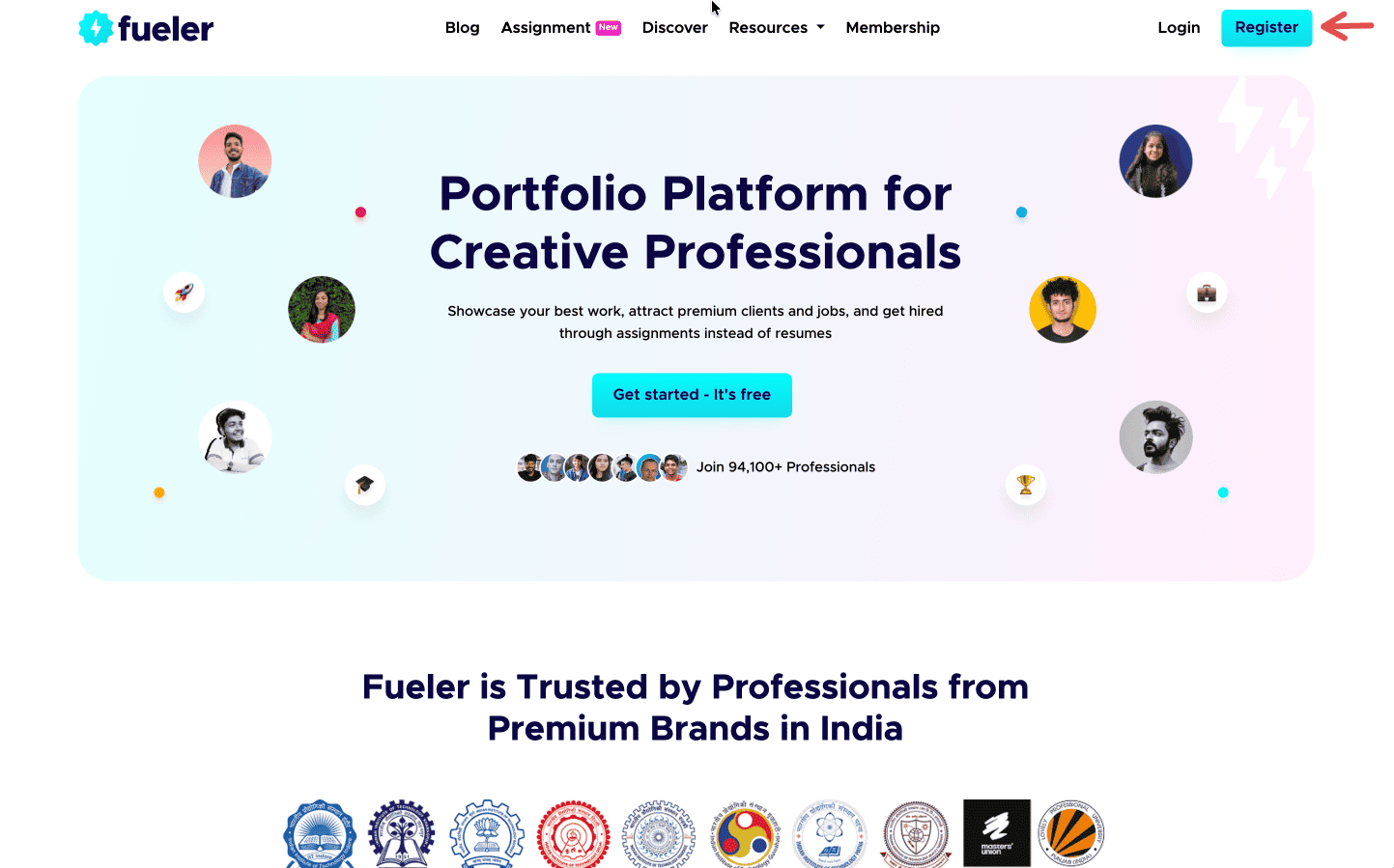
Step 1: Sign up on Fueler.
Head to Fueler.io and create your free account.
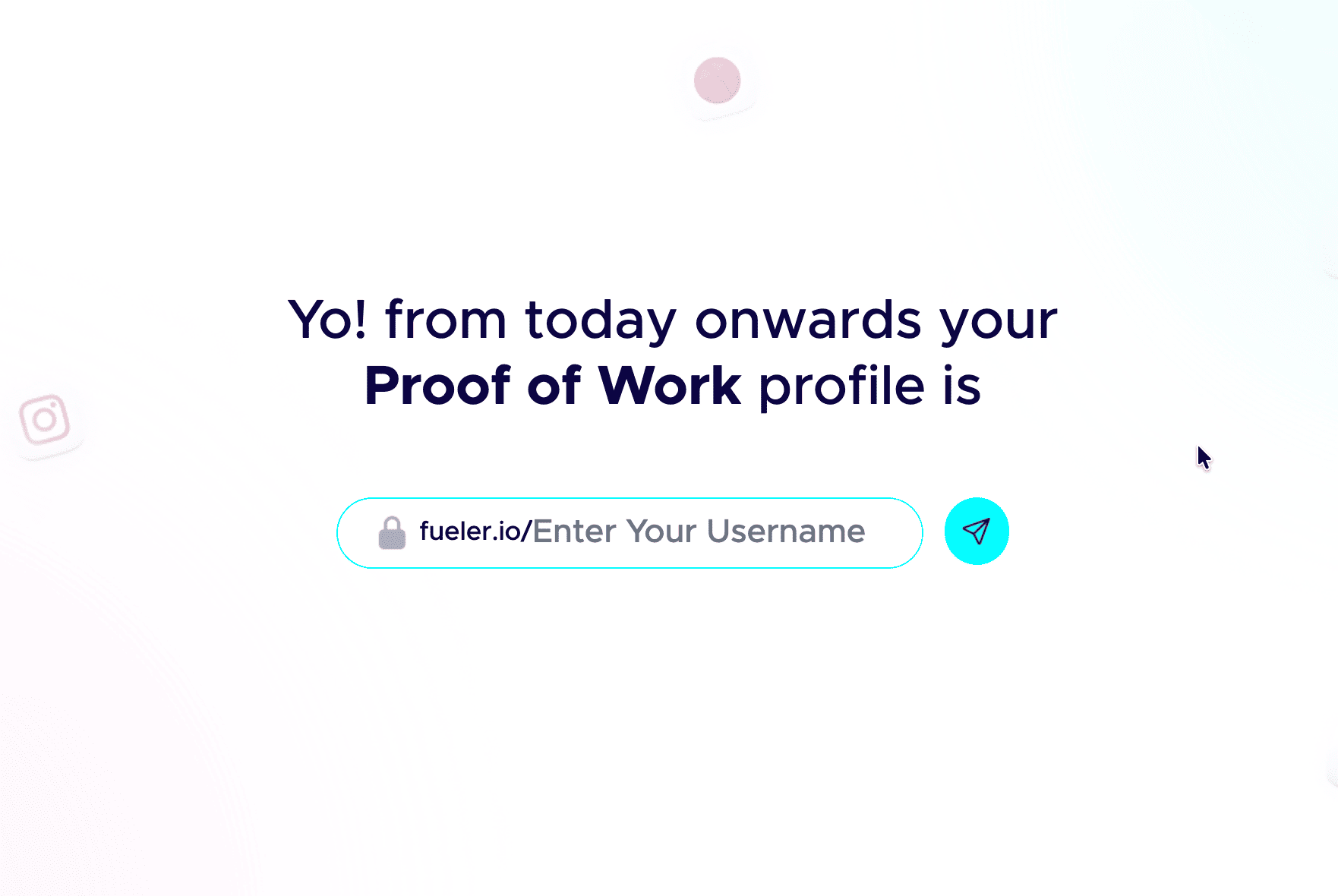
Step 2: Pick a professional handle.
Your handle shows up in your public link, so keep it clean and grown-up. Don’t add nicknames and random numbers. Your name or a simple version of it works best.
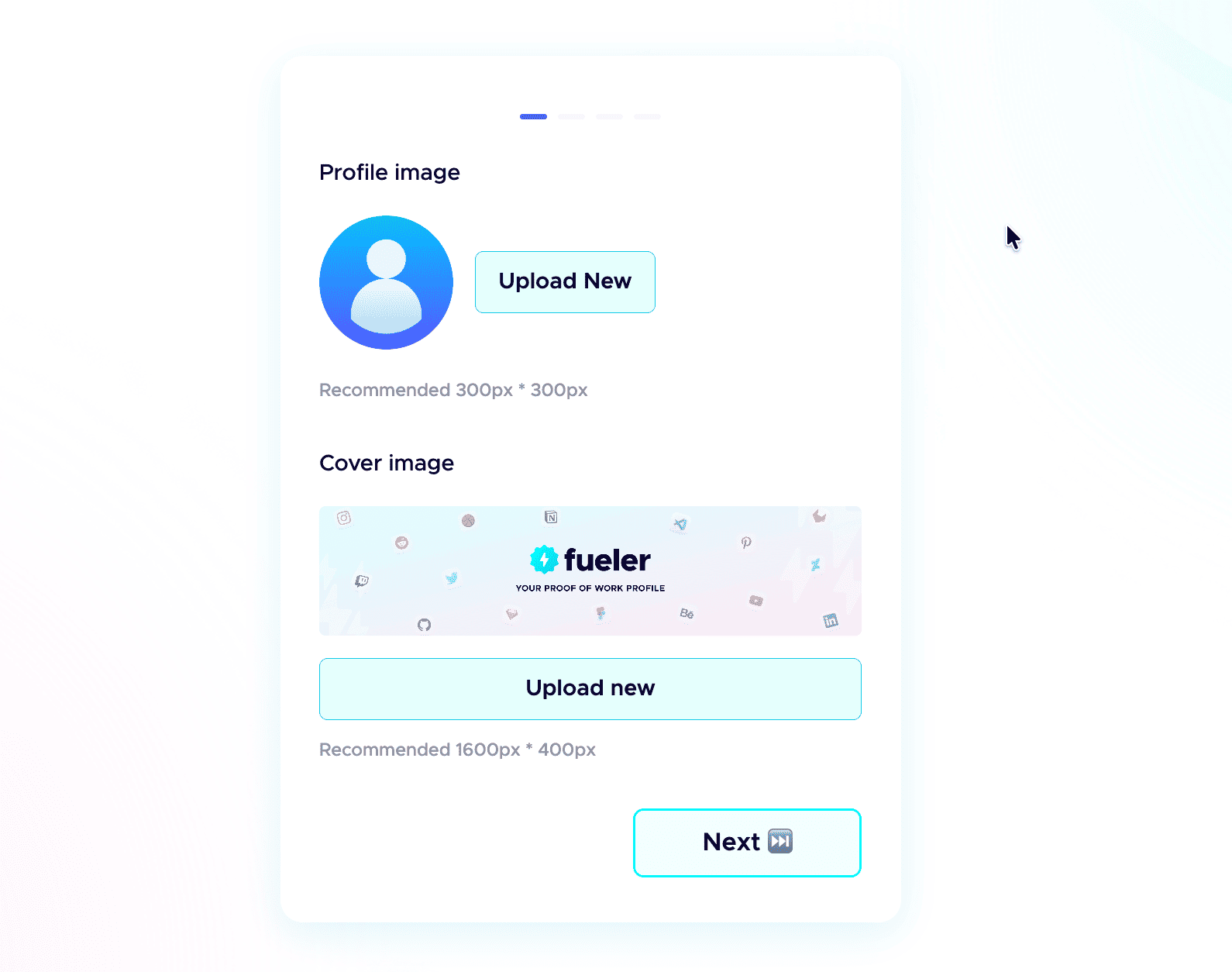
 Step 3: Add a professional profile picture.
Use the same kind of professional photo you would put on LinkedIn. Clear face, good lighting, and a simple background. People trust a real face more than an empty avatar.
Step 4: Write a strong header.
The header is the first thing anyone sees. In one or two short lines, say who you are, what you do, and the kind of work you have done. Make it specific, not vague.
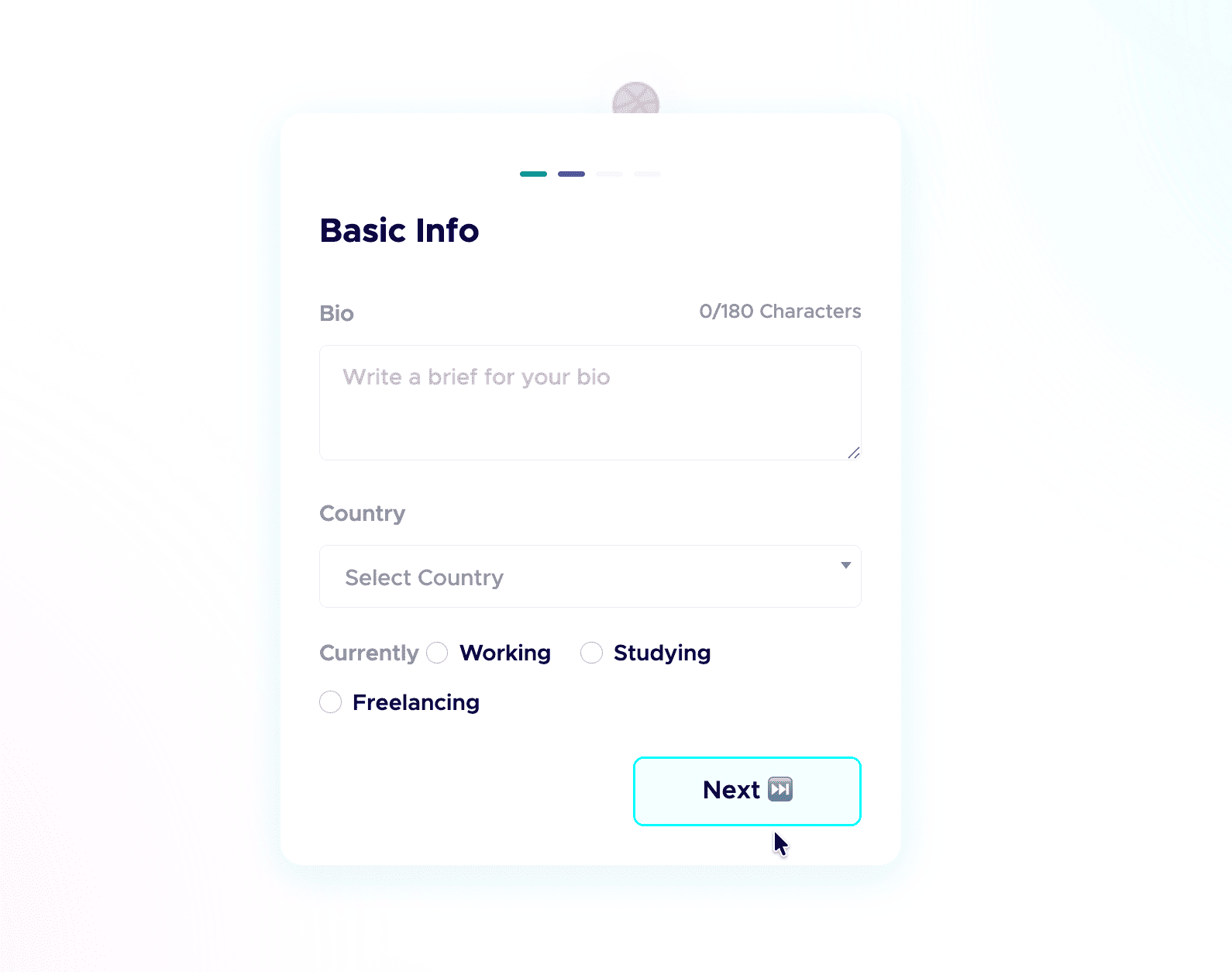
Step 5: Add a short bio.
Tell people who you are and what you do in a few plain sentences. No buzzwords, just enough for a recruiter to get you in five seconds.
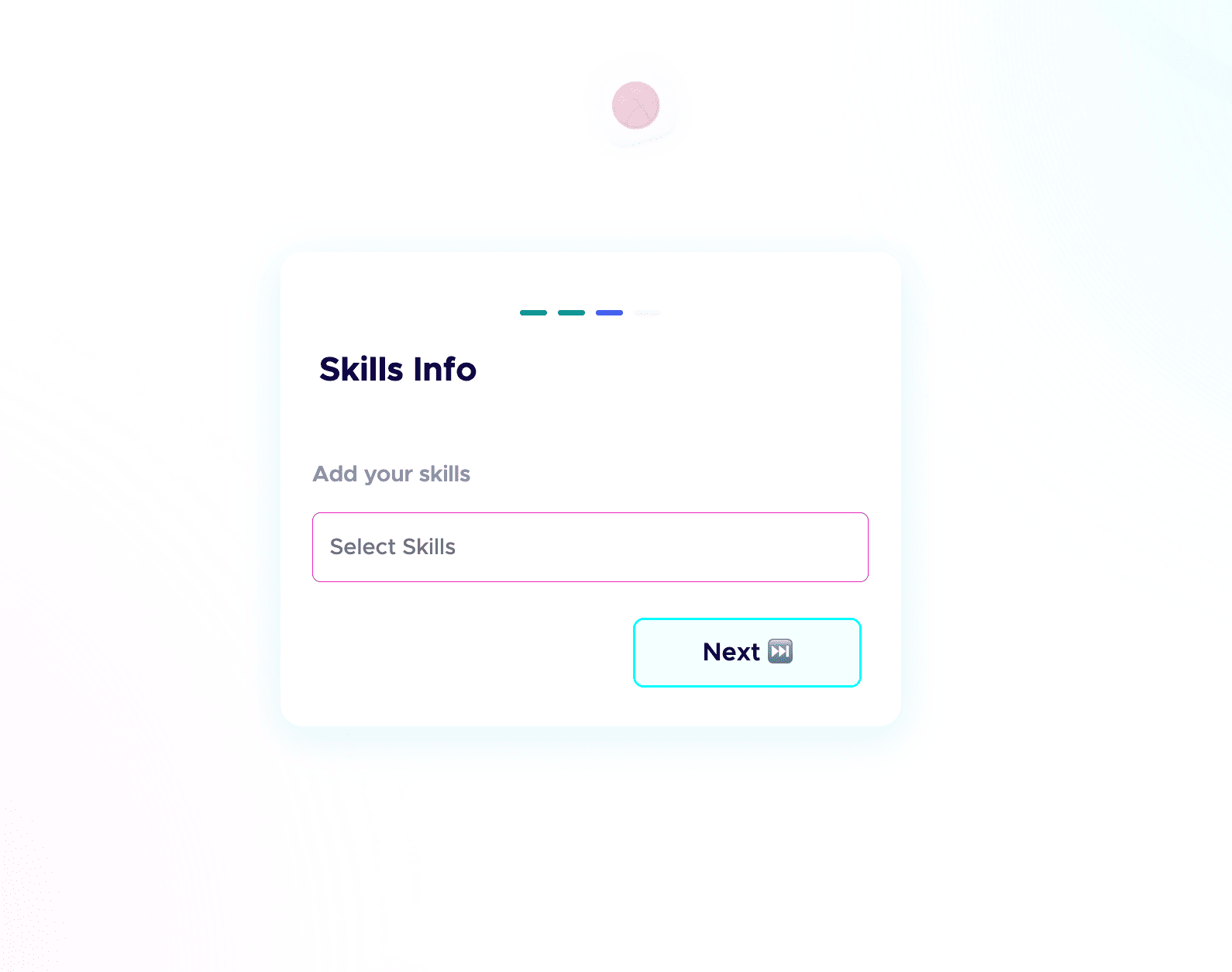
 Step 6: Add your skills and social links.
List the skills you are good at and actually want to be hired for, and connect your socials. People do check your profiles, and active socials build credibility before the first call. Students starting from scratch can follow my student guide to their first portfolio.
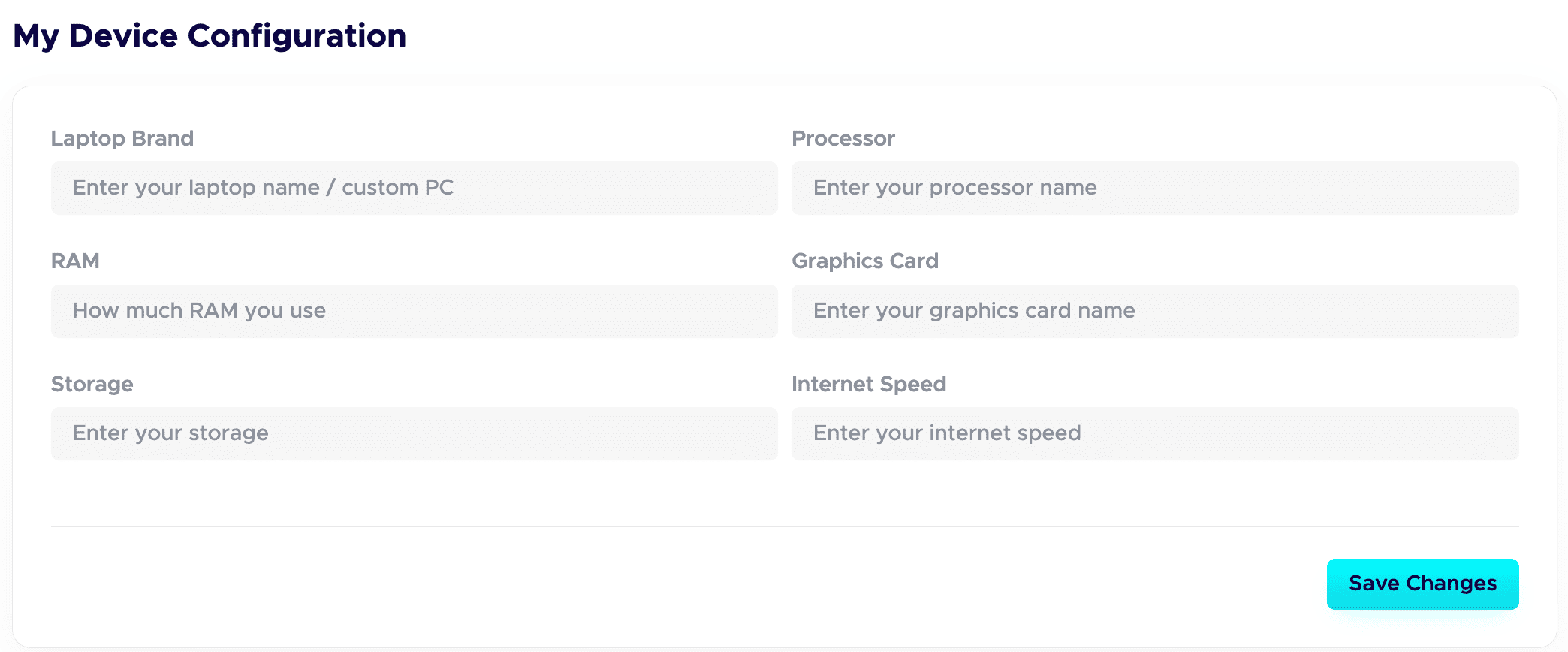
 Step 7: Fill in your Device Configuration.
In your dashboard, set up the Device Configuration section. Add the details about the device you are using. Remote-first companies want to know you have a solid setup to work from. A good setup quietly adds leverage and signals you are ready to deliver.
Step 8: Publish your projects with all the details.
This is a game-changer. Give each project a clear title and a detailed description. Walk through your process: your thinking, the tools you used, the choices you made, and the result. Companies care about how you work, not just the final image.
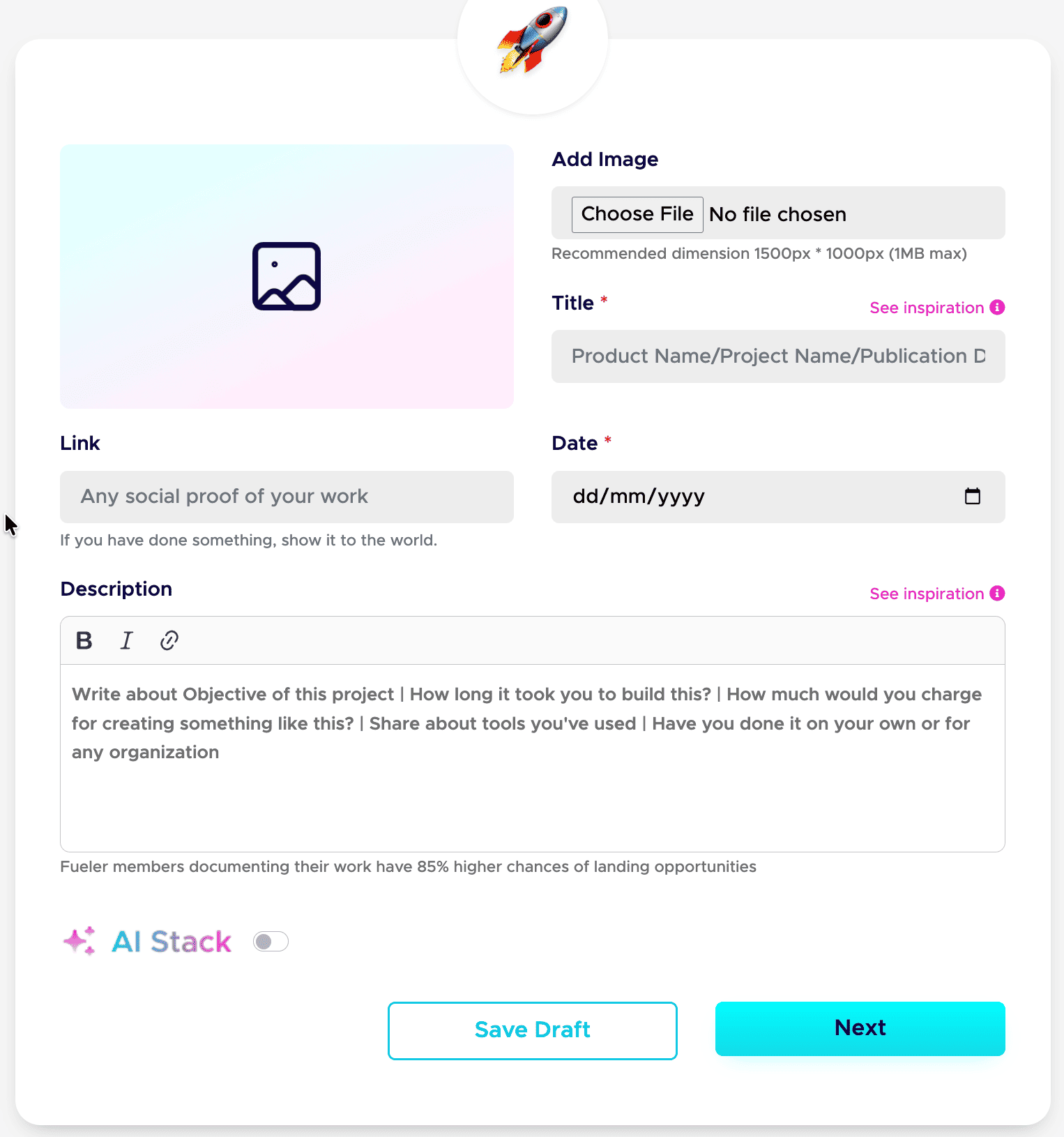
Step 9: Add your AI Stack to each project.
AI is part of real work now, so show it honestly. Use the AI Stack feature to explain how you used AI, which tools you used, and what you did manually. This builds trust instead of raising doubt. Here is the full guide: how to add AI Stack on Fueler.
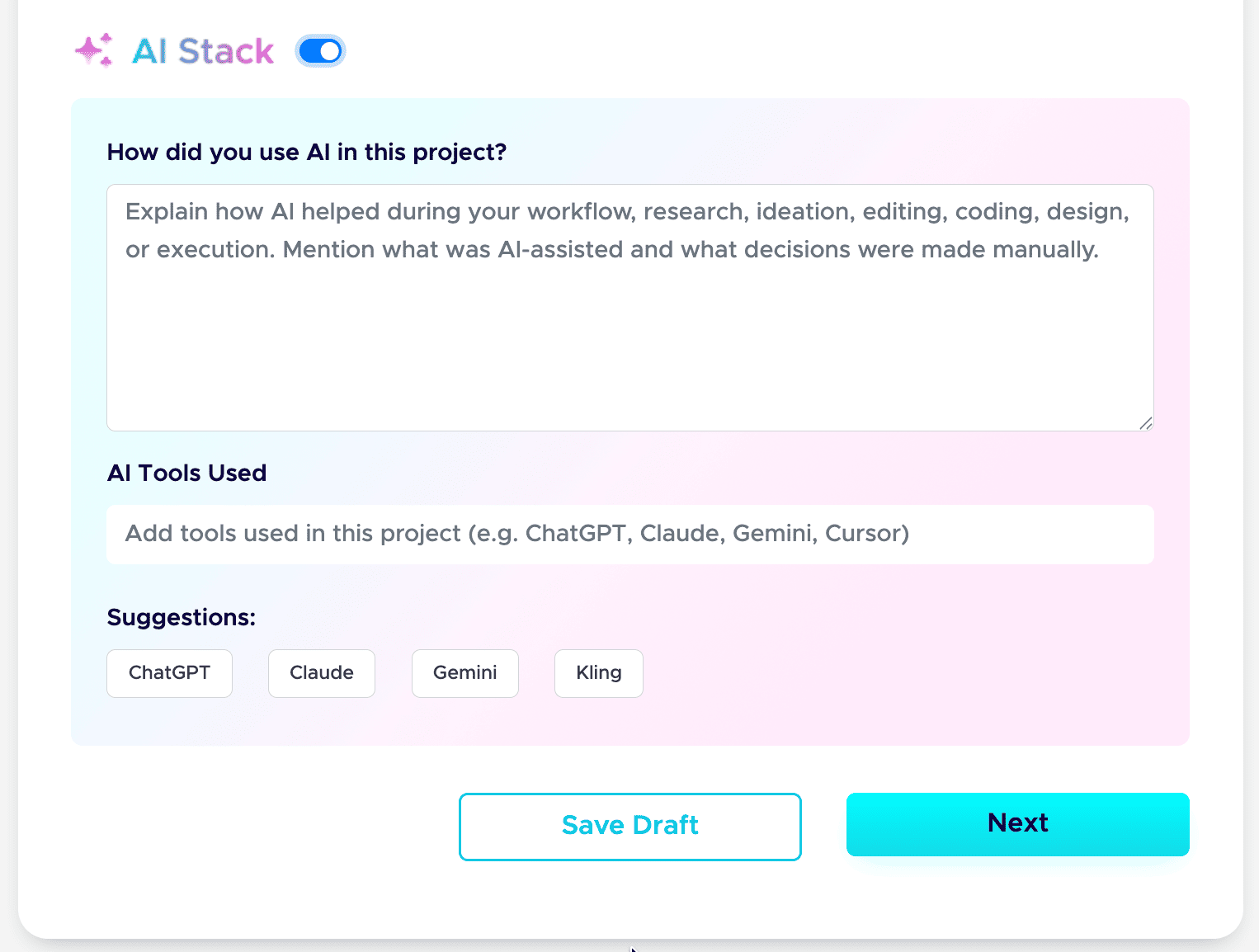
That is the whole setup. Do these nine steps well, and your profile stops being a static page and starts working as a hiring asset. If you want a tighter version to follow next time, save my 6-step formula for a Fueler portfolio and my breakdown of a career portfolio that actually gets jobs.
Why It Matters: Building proof of work without publishing it is like writing a great pitch and never sending it. A portfolio is the delivery system. When your projects live on a Fueler link with full context, they stop being personal experiments and become public proof. That is the difference between hoping to get noticed and being discoverable to companies that hire on proof of work.
Real Examples: Resume Lines Turned Into Proof of Work Projects
The easiest way to understand the tool is to see it in action. A resume line is a claim. A proof-of-work project is the evidence. Below are simple examples of how a flat resume bullet can become a real project you build and publish.
These are illustrative examples across common roles. Use them as a template for how to think about your own resume lines.
- Resume line: "Managed social media for a brand." Proof of work: Pick a real brand, audit its current social presence, and publish a short content strategy with sample posts and a clear reason behind each choice. This shows judgment, not just activity.
- Resume line: "Built web applications using React." Proof of work: Ship a small live app that solves one clear problem, then write a breakdown of your architecture, the tradeoffs you made, and the results, so a hiring manager can see your engineering process.
- Resume line: "Designed marketing creatives." Proof of work: Choose a product with a weak landing page or thumbnail, redesign it, and document your before-and-after reasoning, which turns a design claim into a visible skill a company can evaluate instantly.
- Resume line: "Wrote content for blogs." Proof of work: Publish an original case study on a topic in your niche, showing your research, structure, and point of view, since original thinking is far more valuable than another generic article.
- Resume line: "Handled operations and coordination." Proof of work: Map out a real workflow or process you improved, explain the bottleneck, the fix, and the outcome, so an ops or project role can see how you turn chaos into systems.
Why It Matters: These examples prove that everyone already has proof of work hiding inside their resume. The skill is not inventing new experience. It is translating what you have done into something visible and clickable. Once you see one resume line become a project, you start seeing every line as an opportunity. That mindset is what builds a portfolio that gets jobs.
Who Should Use the Resume to Proof of Work Ideas Generator
This tool is built for anyone who has a resume but no clear proof to back it up. That is a large group. Students, freelancers, career switchers, and working professionals all fit.
If you have ever felt that your resume undersells you, this is for you. The generator gives you a starting point when you do not know what to build first.
The common thread is simple. You have skills. You need to make them visible. This is the fastest bridge.
- Students and freshers benefit the most, since they often have skills from projects and coursework but no idea how to package them, and the generator turns a thin resume into a clear list of projects that build a first real portfolio.
- Freelancers use it to keep their proof of work fresh, generating new project ideas that match the clients they want, which keeps their portfolio relevant instead of stuck with old work from years ago.
- Career switchers can use it to build proof for a new field fast, creating projects that show they can do the target role even before they have official experience in it, which lowers the risk for a hiring team.
- Working professionals who want a promotion or a better job can document their real skills through fresh projects, turning quiet expertise into visible proof that supports a stronger negotiation or a bigger role.
- Anyone who has been ghosted after sending resumes can use it to change strategy, moving from a document that gets ignored to a portfolio link that gets clicked, which flips the dynamic of the job search entirely.
Why It Matters: The people who struggle most in hiring are often not the least skilled. They are the least visible. This tool is designed to close that visibility gap for the exact people who need it. When your skills are easy to see and easy to verify, opportunities start finding you instead of the other way around.
How This Connects to Building a Strong Career or Portfolio
Execution visibility is the real currency of modern hiring. Companies no longer reward the best-sounding resume. They reward the person whose work they can see, judge, and trust before a single interview. That shift is why proof of work matters more every year.
When you document your projects, your process, and your outcomes, you build something a resume can never give you: credibility that stands on its own. A resume tells. A portfolio shows. And in 2026, showing wins.
The generator is one small entry point into a bigger habit. The professionals who grow fastest treat proof of work as an ongoing practice, not a one-time task. Every project you build and publish adds another piece of evidence that you can do the work, which compounds into real career leverage over time.
Fueler exists to make that practice simple, giving your proof of work a home that companies actually browse for talent. The point is not to replace your resume. It is to make sure your skills are visible enough that the resume stops being the only thing standing between you and the right opportunity.
Final Thoughts
Your resume already holds the raw material for a strong portfolio. The Resume to Proof of Work Ideas Generator just helps you see it and act on it. Upload your file, take the ideas, build the projects, and publish them where companies look. The professionals who win in 2026 are not the ones with the prettiest resume. They are the ones who make their skills impossible to ignore. Start with one project this week, and let your work carry the weight your resume never could.
FAQs
1. What is Fueler's Resume to Proof of Work Ideas Generator?
It is a free Fueler tool that reads your resume and gives you real project ideas to build based on your own skills and experience. You upload your resume, and instead of a blank page, you get a list of practical projects you can create and publish. The goal is to turn the claims already sitting in your resume into visible proof of work that companies can see and judge, which matters more than a keyword-heavy CV in 2026.
2. How do I turn my resume into proof of work in 2026?
Start by uploading your resume to the Resume to Proof of Work Ideas Generator on Fueler. It reads your experience and hands you project ideas. Pick the ones that match the roles you want, build them fully, and document your process, tools, and results. Then publish each finished project on a Fueler portfolio so companies can discover it. The key is execution and documentation, since a completed, well-explained project proves your skill far better than a written claim.
3. What file formats does the resume ideas generator support?
The tool accepts standard resume files in PDF or DOCX format, up to 5MB in size. This covers the exact file most people already have saved from their last job application, so there is no need to rebuild or reformat anything. Just drag your file into the upload box or click to upload, then hit Generate Ideas. Within a couple of minutes, you get a list of project ideas tied directly to the skills and experience listed in your resume.
4. Is proof of work better than a resume for getting hired?
Proof of work does not replace your resume, it strengthens it. A resume summarizes your experience, while proof of work shows the actual quality of your thinking and output. In 2026, hiring managers face endless polished resumes that all look the same, so visible projects, case studies, and documented results lower their risk and stand out. The strongest approach is to use both together: a clear resume backed by a portfolio of real work that anyone can click and verify.
5. How do I build a proof of work portfolio with no experience?
You start with the skills you already have. Use personal projects, coursework, spec work, or ideas from the Resume to Proof of Work Ideas Generator to create real projects, paid or unpaid. Any genuine work counts. Build one project fully, document your process and results, then publish it on a free Fueler portfolio. Repeat with a few more. Even without formal experience, a small set of well-documented projects proves you can do the work, which is often enough to earn your first real opportunity.
Why 100,000+ professionals use Fueler
Fueler helps professionals showcase proof of work through projects, assignments, case studies, and achievements.
- Thousands of professionals use Fueler to create their digital portfolio
- Thousands of projects are published on Fueler. Check here
- Startups and Companies hire through proof of work on Fueler
- Used by freelancers, creators, marketers, video editors, writers, designers, and product managers
Our mission is to help the next 100 million professionals build a verified professional identity through proof of work

What should you do next?
You've read the article. Now turn your skills into proof of work and unlock more opportunities.
Build your proof of work portfolio
Create a clean portfolio with projects, assignments, resumes, and AI stack details that companies actually want to see.
Create your Fueler portfolio →Apply through assignments, not resumes
Stand out by solving real tasks from companies hiring on Fueler.
Explore assignments →Get discovered by companies
Make your work public and let recruiters discover your skills through actual projects instead of keywords.
Get discovered →
