GitHub Pages Portfolio vs Fueler: Which Platform Is Better?

Riten Debnath
13 Jul, 2026
Last updated: July 2026
No hiring manager in the history of the internet has ever looked at an applicant’s portfolio and thought, "Wow, their CSS grid alignment is so beautiful, let’s hire them right now without looking at what they actually built."
For the longest time, building a personal portfolio from scratch using raw code felt like the ultimate rite of passage. We happily sacrificed our weekends to configure static site generators, fight with custom domains, and push clean commits. It felt like absolute creative freedom.
But a funny thing happened on the way to getting hired. Recruiters stopped opening repository links. Hiring managers stopped cloning code just to see if a candidate's projects actually worked. The corporate world shifted to a fast-paced, skills-first economy where a beautiful, empty digital house matters far less than raw, verified proof of what you can ship.
I’m Riten, founder of Fueler, a skills-first portfolio platform that connects talented individuals with companies through assignments, portfolios, and projects, not just resumes/CVs. Think Dribbble/Behance for work samples + AngelList for hiring infrastructure.
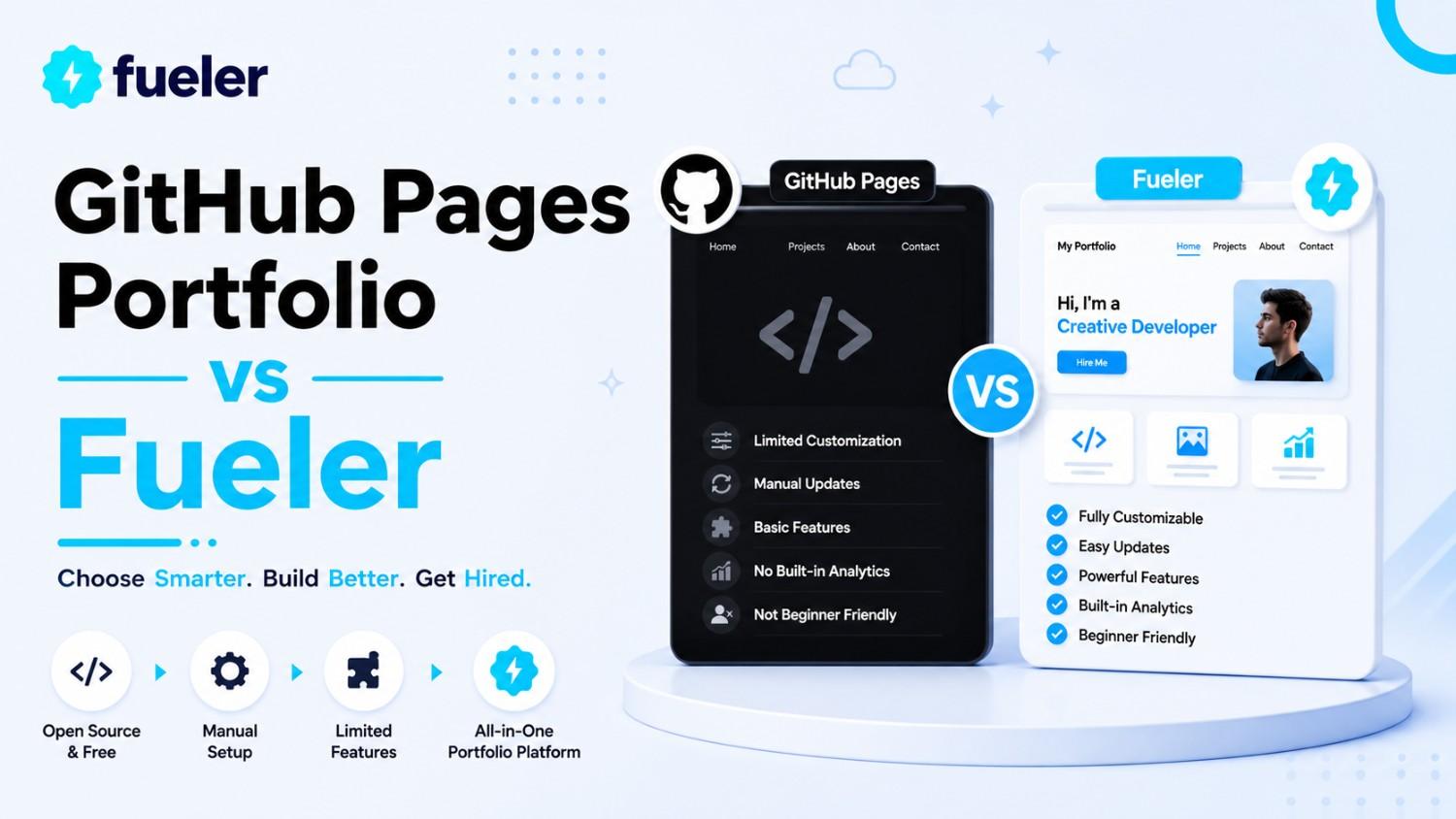
If you are currently deciding between GitHub Pages vs Fueler, you are choosing between two completely different career directions. One is a blank text file that requires constant technical maintenance. The other is an active, discoverable engine that does the heavy lifting of getting your skills noticed by real companies.
Where the Static Code Approach Fits Best
To understand where GitHub Pages genuinely shines, you have to look at what it was originally engineered to do. It is an extension of version control architecture, designed to take static files straight from your repository and push them onto a live web server.
Absolute Customization Control
If you want to spend days configuring custom layouts or writing raw, vanilla CSS, this environment gives you complete control over every single pixel. There are zero built-in design guardrails, layout restrictions, or platform constraints to hold you back.
Completely Free Infrastructure
The hosting costs absolutely nothing for public repositories, making it a highly reliable playground for hosting basic static code experiments. You never have to worry about connecting external cloud storage services for simple HTML structures.
The Standard Technical Handshake
Publishing a live page via a repository proves to other engineers that you understand the basic mechanics of git commands. It acts as an entry-level technical handshake for early-career programming roles to show you know how to push code.
The Hidden Friction of Self-Hosted Portfolios
While building a custom portfolio from scratch feels incredibly productive, it often turns into a massive black hole for your time. The exact moment your site goes live, you stop being a creator and start acting as a full-time system administrator.
The Infinite Maintenance Cycle
Every time a software dependency updates or a framework breaks, your personal site risks going down. You end up spending your free weekends debugging deployment scripts and broken links instead of actually documenting your latest professional achievements.
Completely Disconnected From Recruiters
A self-hosted site lives on an isolated island in the vast ocean of the web. Unless you are actively driving cold traffic to it through manual outreach or heavy SEO, absolute zero organic discovery happens on your site.
The Text-Heavy Static Layout
Most code-first templates force your work into a rigid design that struggles to present visual assets beautifully. They display text blocks cleanly but completely fail to present complex, multi-disciplinary case studies in an engaging way for readers.
The Shift to Proof of Work
The modern hiring market is facing an absolute crisis of trust. Resumes are filled with inflated titles, and generic AI applications are flooding applicant tracking databases. Companies no longer want to read what you claim you can do; they want to see the real material you have already shipped.
This is exactly why we built a different framework. The entire ecosystem revolves around making your project outputs instantly readable, verified, and completely impossible to fake.
Built for Instant Hiring Outcomes
The platform functions as an active career asset directory, where tech leads and founders actively source talent based on real evidence. It eliminates the traditional resume barrier completely, letting your actual production speak first.
Seamless Verification and Peer Vouches
Your work samples do not sit in a vacuum; they are backed by peer validation. Colleagues can verify their collaboration on specific assignments, giving your profile immediate professional authority that recruiters can trust instantly.
Transparent Asset Documentation
Instead of a simple link or a single screenshot, you can document your entire operational process. This allows you to display your thinking, your tool choices, and the measurable business impact of your work.
How to Set Up Your Fueler Portfolio in Minutes
Building a high-converting profile does not require technical design skills or coding knowledge. The layout is completely optimized out of the box to make your absolute best work stand out to visitors instantly.
How to Create Your Portfolio on Fueler Step by Step
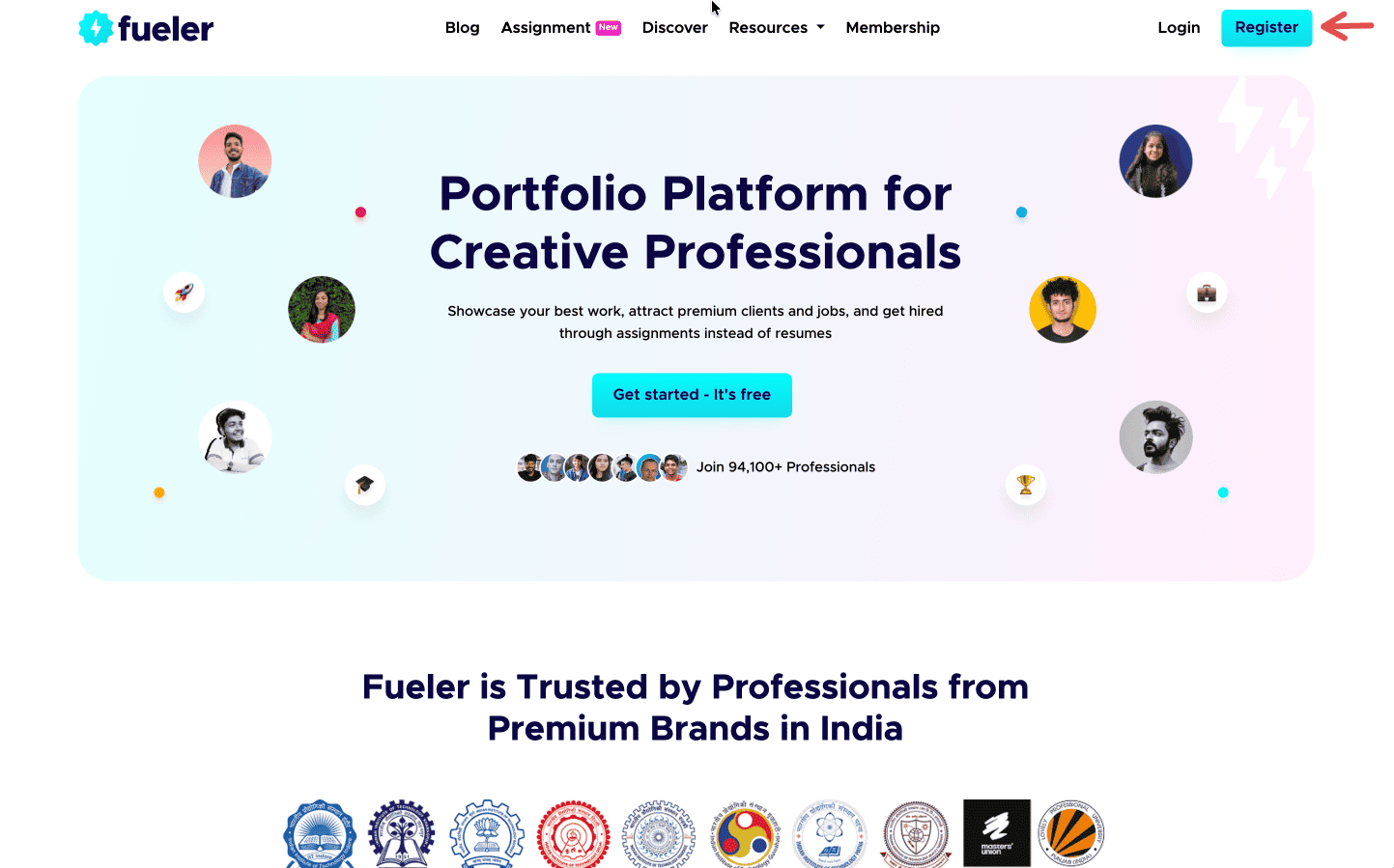
Step 1: Sign up on Fueler.
Head to Fueler.io and create your free account.
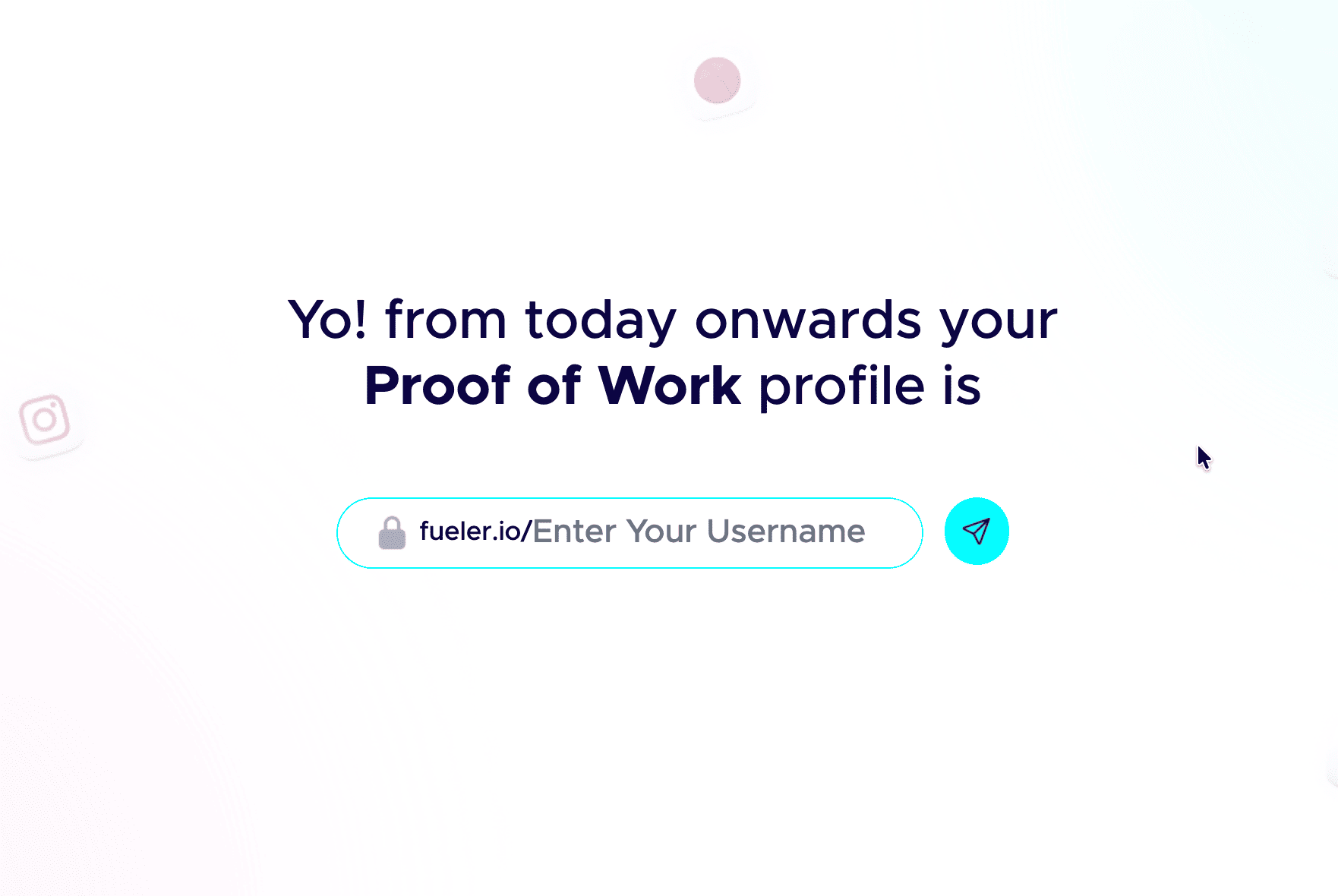
Step 2: Pick a professional handle.
Your handle shows up in your public link, so keep it clean and grown-up. Don’t add nicknames and random numbers. Your name or a simple version of it works best.
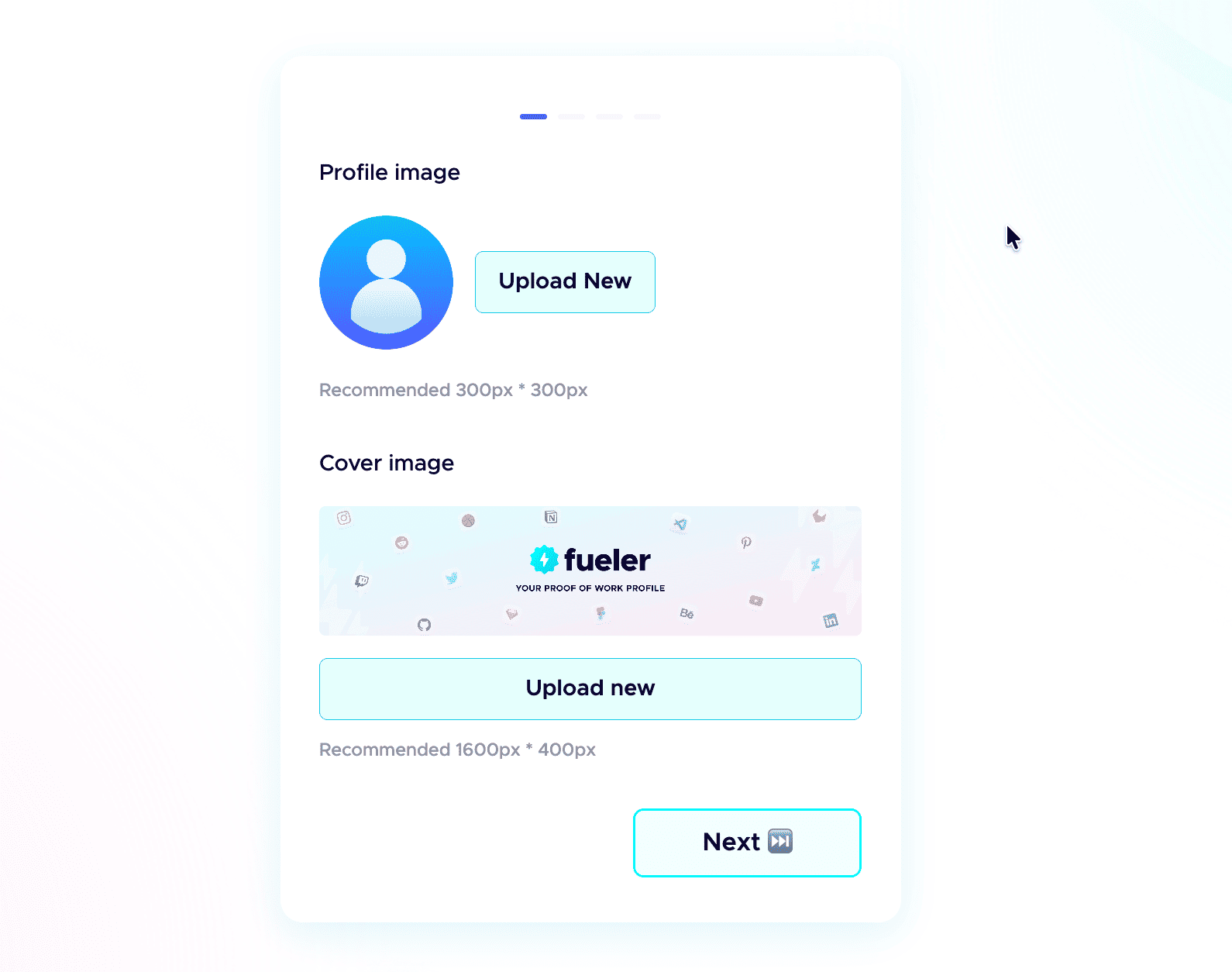
 Step 3: Add a professional profile picture.
Use the same kind of professional photo you would put on LinkedIn. Clear face, good lighting, and a simple background. People trust a real face more than an empty avatar.
Step 4: Write a strong header.
The header is the first thing anyone sees. In one or two short lines, say who you are, what you do, and the kind of work you have done. Make it specific, not vague.
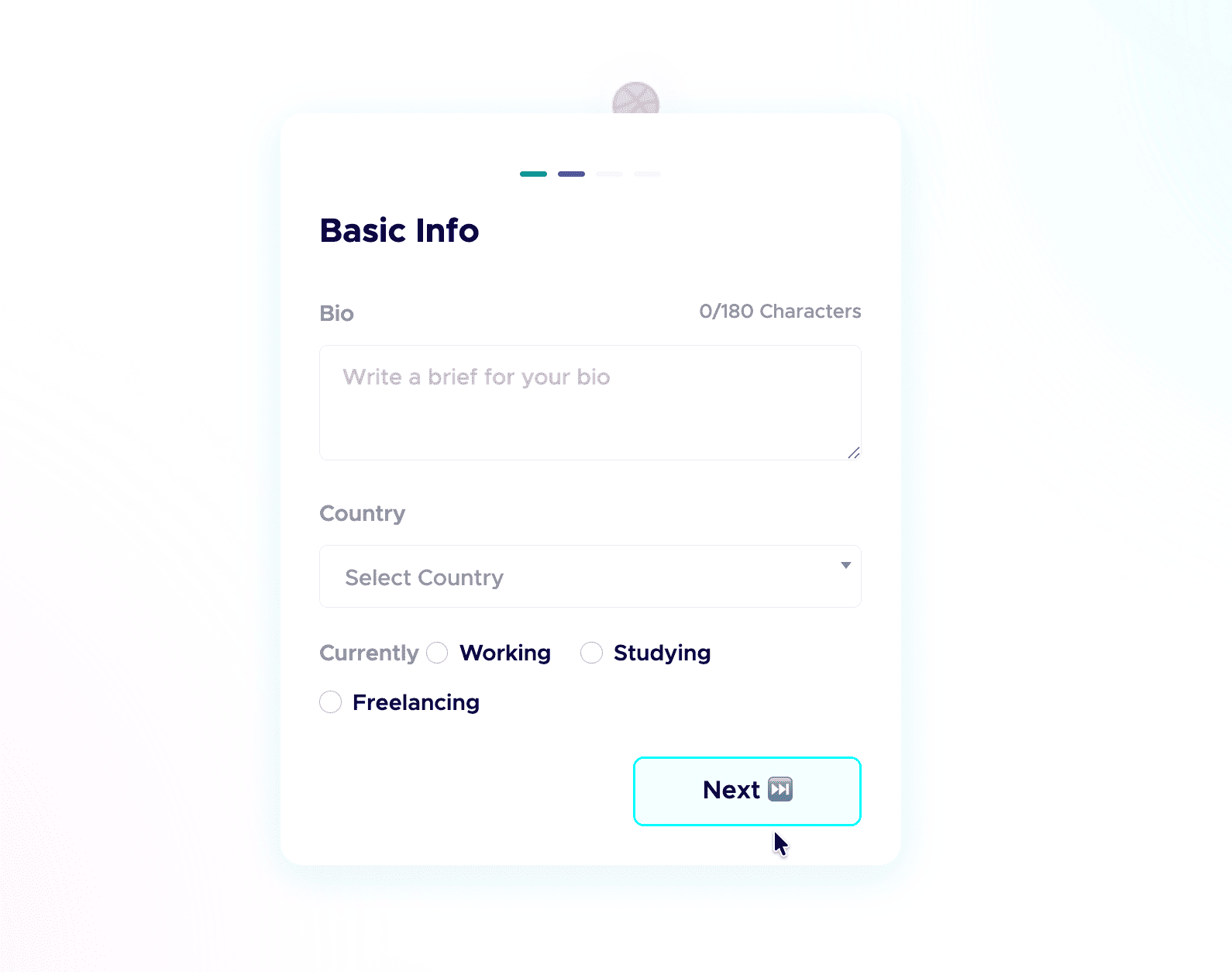
Step 5: Add a short bio.
Tell people who you are and what you do in a few plain sentences. No buzzwords, just enough for a recruiter to get you in five seconds.
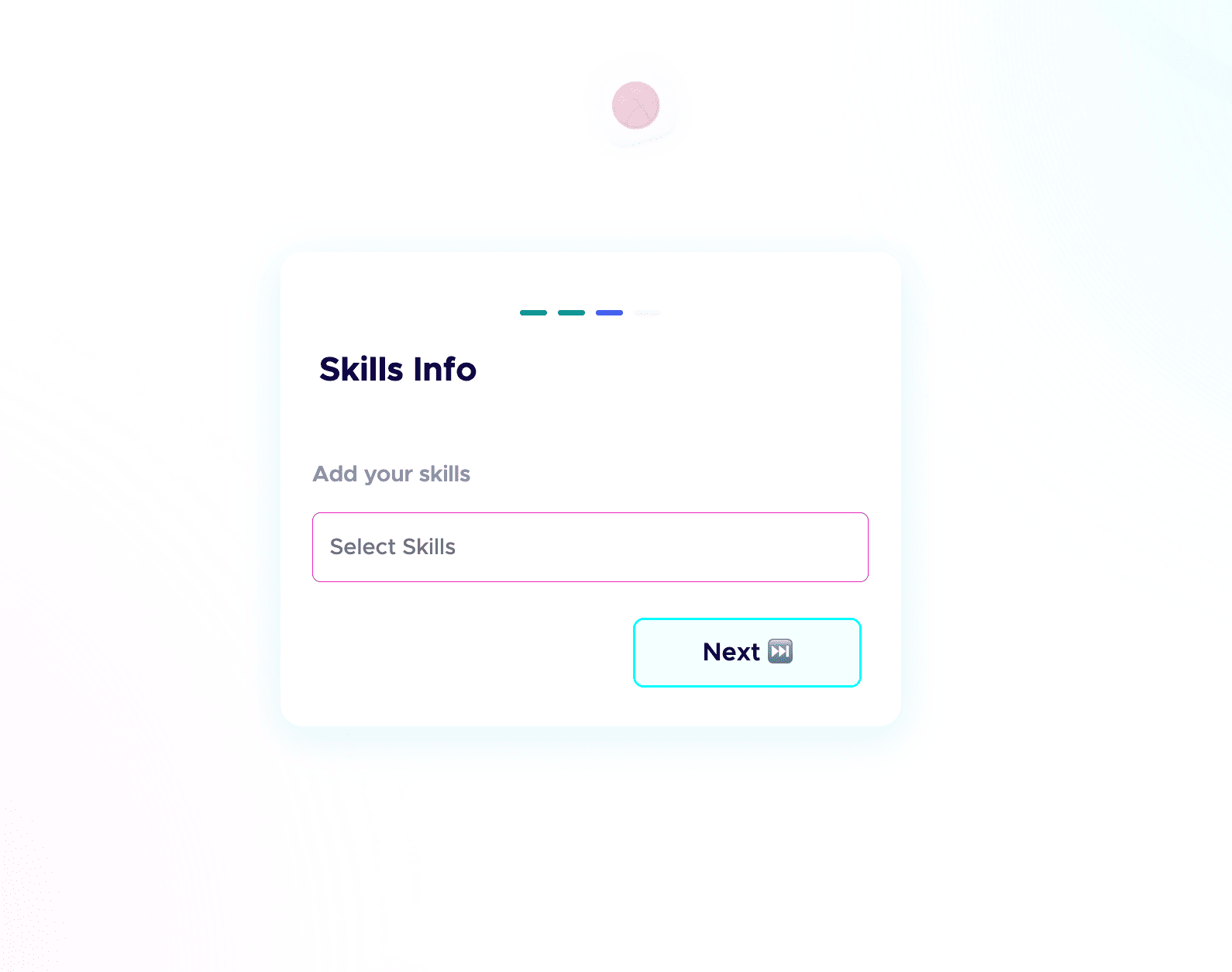
 Step 6: Add your skills and social links.
List the skills you are good at and actually want to be hired for, and connect your socials. People do check your profiles, and active socials build credibility before the first call. Students starting from scratch can follow my student guide to their first portfolio.
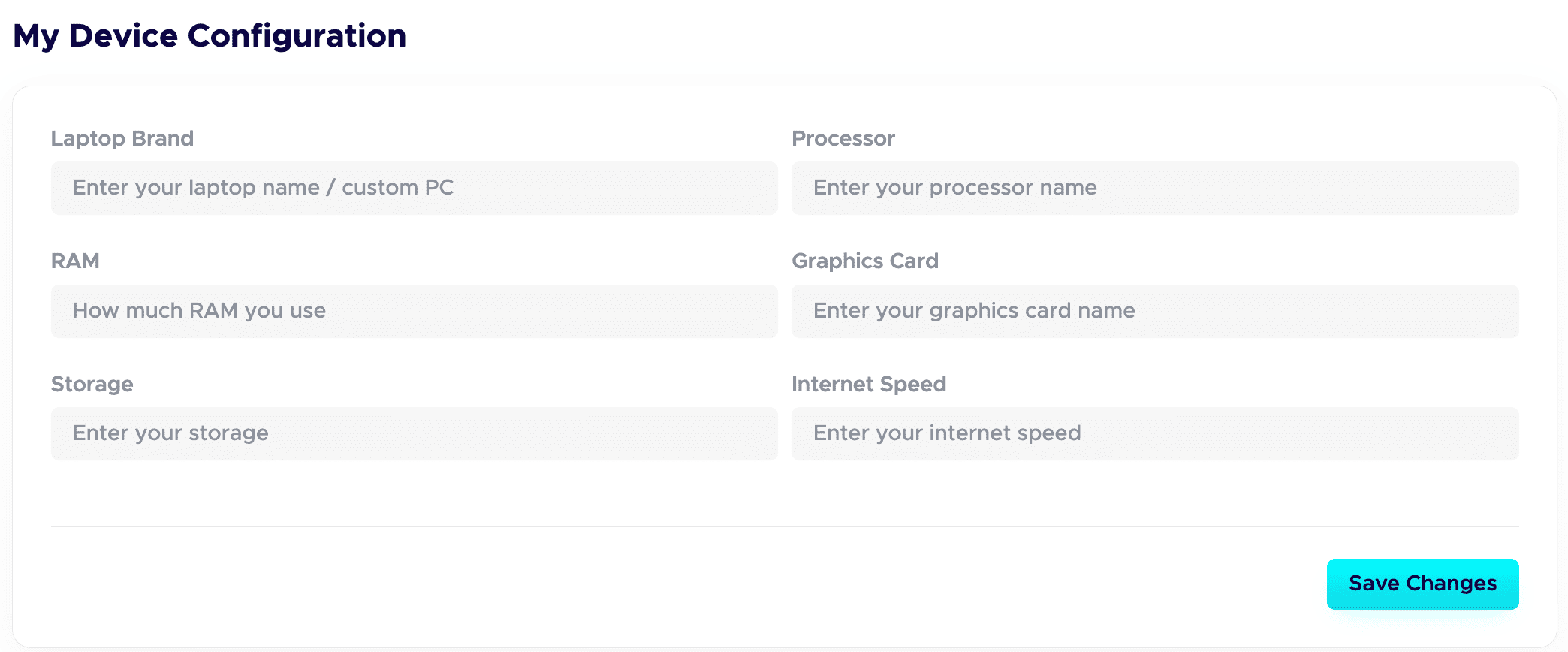
 Step 7: Fill in your Device Configuration.
In your dashboard, set up the Device Configuration section. Add the details about the device you are using. Remote-first companies want to know you have a solid setup to work from. A good setup quietly adds leverage and signals you are ready to deliver.
Step 8: Publish your projects with all the details.
This is a game-changer. Give each project a clear title and a detailed description. Walk through your process: your thinking, the tools you used, the choices you made, and the result. Companies care about how you work, not just the final image.
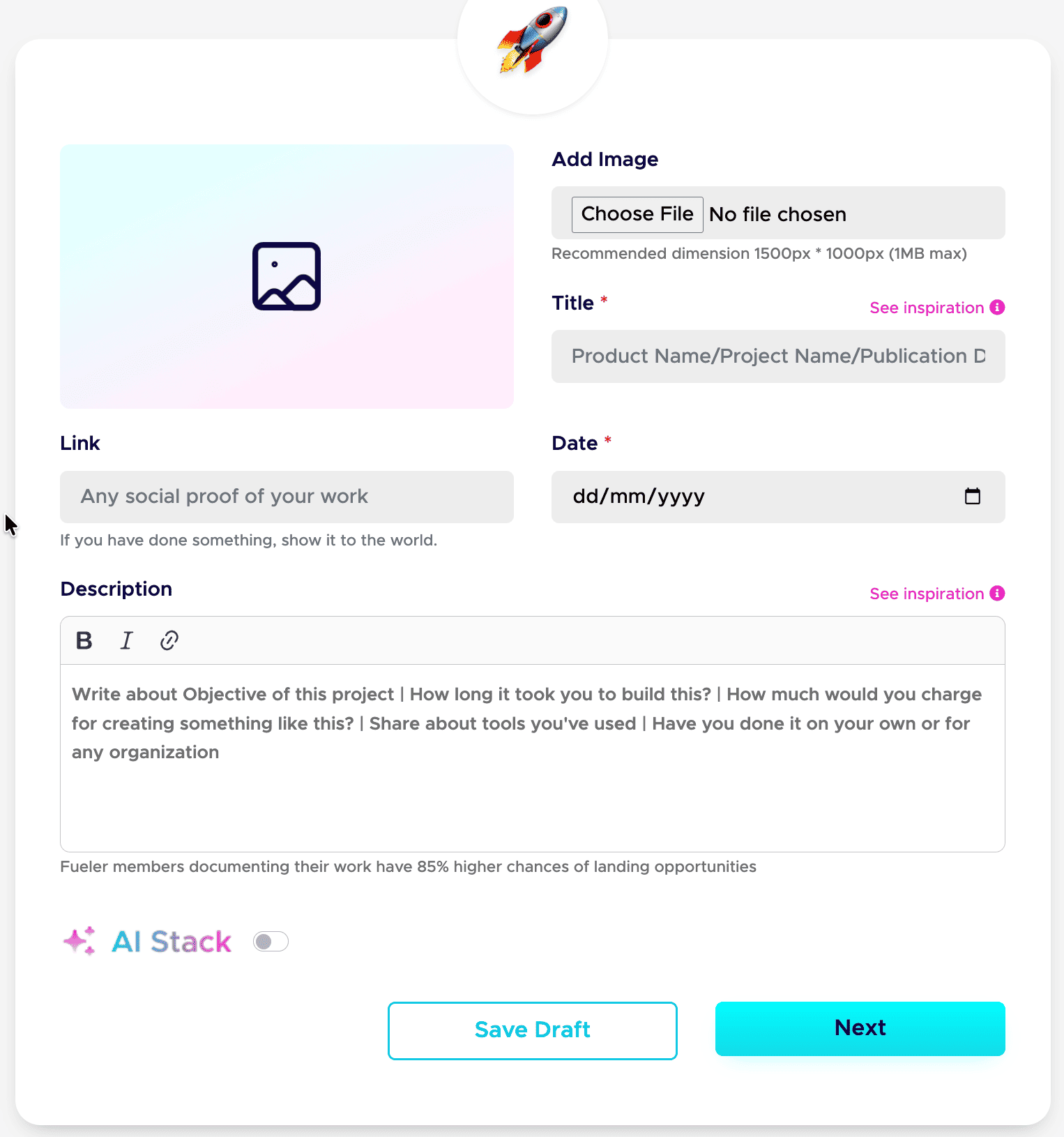
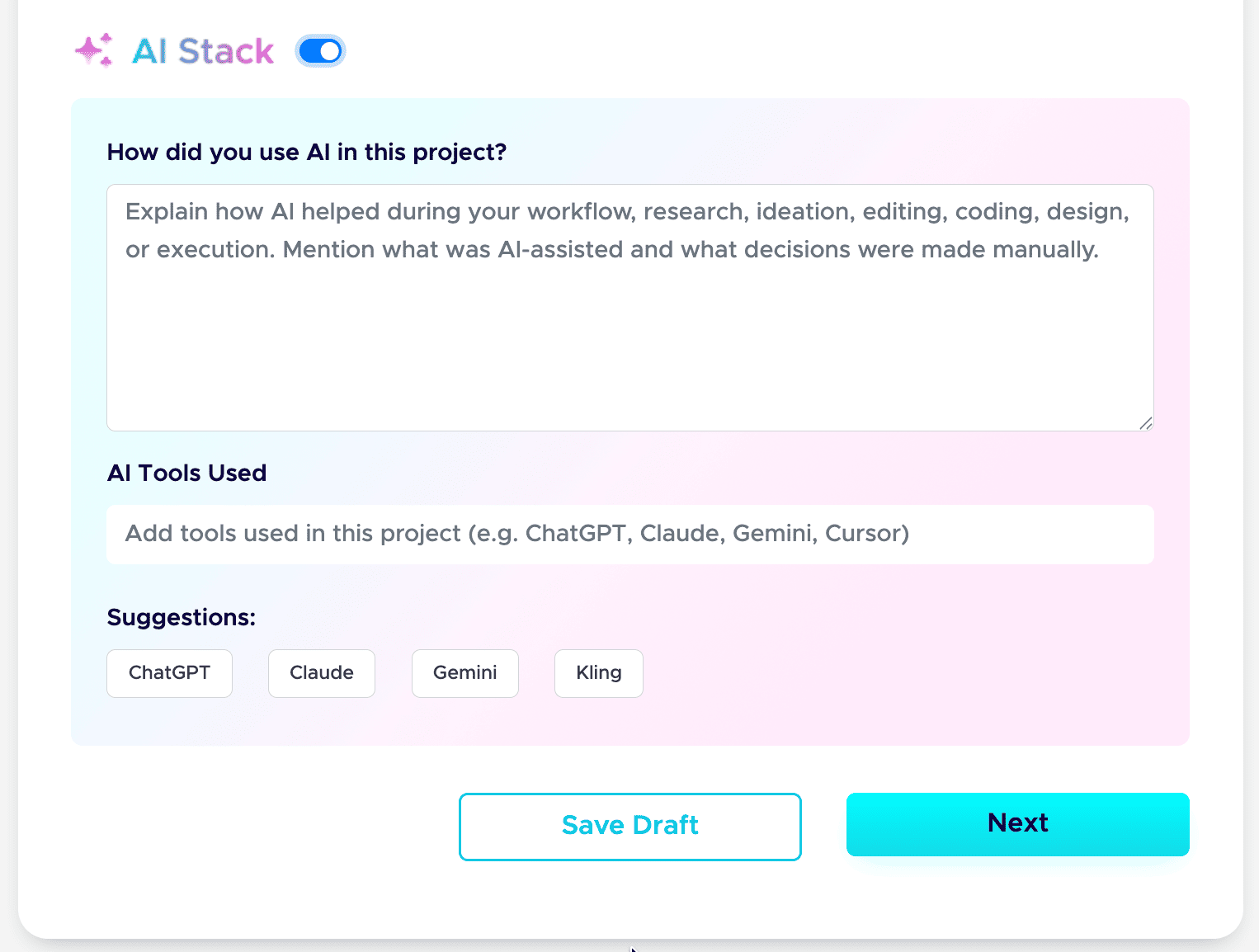
Step 9: Add your AI Stack to each project.
AI is part of real work now, so show it honestly. Use the AI Stack feature to explain how you used AI, which tools you used, and what you did manually. This builds trust instead of raising doubt. Here is the full guide: how to add AI Stack on Fueler.
That is the whole setup. Do these nine steps well, and your profile stops being a static page and starts working as a hiring asset. If you want a tighter version to follow next time, save my 6-step formula for a Fueler portfolio and my breakdown of a career portfolio that actually gets jobs.
Do this once, and you have a link you can drop into your resume, your email signature, and every job application.
Head-to-Head Structural Comparison
Real-World Scenarios: Who Wins Where?
The Full-Stack Software Engineer
If your core objective is showing a deep understanding of infrastructure compilation, keeping an engineered site makes sense. However, pairing it with an active asset engine ensures non-technical founders can actually view your project summaries without browsing through your source architecture.
The Multi-Disciplinary Designer
If you design user flows, static code repositories completely limit your presentation layout. You need an environment that lets you show design iterations, embedded interactive prototypes, and behavioral outcomes without writing complex interface code.
The Growth Marketer or Copywriter
If you write copy or scale traffic channels, setting up deployment environments is a complete waste of your energy. You need a fast, zero-code system to showcase your live conversion records and brand campaigns instantly.
Key Takeaways
- The Architecture Gap: One is a general-purpose host for raw code files, while the other is a specialized career asset network optimized for rapid professional discovery.
- Zero Overhead Living: Moving away from self-hosted sites eliminates the constant frustration of broken packages, letting you focus entirely on your actual production output.
- Trust Through Transparency: Modern hiring managers buy evidence, not promises; showing your operational process along with your stack builds immediate credibility.
Frequently Asked Questions
Can I use both tools together in my career?
Absolutely. You can host your live technical code experiments using repository hosting and link those live URLs directly inside your project documentation fields to show comprehensive implementation proof.
Is there a fee to host my work profiles?
The core platform provides robust portfolio creation features completely free, allowing you to publish your project logs and showcase your work history without paying subscription costs.
Do non-technical recruiters prefer case studies over repositories?
Yes. Recruiters spend an average of six seconds on an application; they will not navigate complex directory folders to find your work when clean summaries are visible instantly.
How does the assignment system function?
Companies list active operational tasks directly on the network, allowing creators to submit real solutions to prove their capabilities, bypassing the traditional screening processes completely.
Your career is too important to leave buried inside an unindexed repository folder that no recruiter will ever open. Stop spending your valuable weekends fixing broken layout configurations and styling static text blocks. Let your real proof speak for itself. Head over to Fueler, claim your unique professional handle, and get your best work discovered by top companies right now.
Why 100,000+ professionals use Fueler
Fueler helps professionals showcase proof of work through projects, assignments, case studies, and achievements.
- Thousands of professionals use Fueler to create their digital portfolio
- Thousands of projects are published on Fueler. Check here
- Startups and Companies hire through proof of work on Fueler
- Used by freelancers, creators, marketers, video editors, writers, designers, and product managers
Our mission is to help the next 100 million professionals build a verified professional identity through proof of work

What should you do next?
You've read the article. Now turn your skills into proof of work and unlock more opportunities.
Build your proof of work portfolio
Create a clean portfolio with projects, assignments, resumes, and AI stack details that companies actually want to see.
Create your Fueler portfolio →Apply through assignments, not resumes
Stand out by solving real tasks from companies hiring on Fueler.
Explore assignments →Get discovered by companies
Make your work public and let recruiters discover your skills through actual projects instead of keywords.
Get discovered →
