Fueler vs WordPress Portfolio: Simpler, Faster, Better

Riten Debnath
13 Jul, 2026
Last updated: July 2026
Let’s be honest. Building a WordPress portfolio in 2026 feels like buying a massive commercial-grade truck just to fetch a carton of milk from the corner store.
Sure, it is incredibly powerful. Yes, you can customize every single piece of metadata. But do you actually need a complex, server-heavy blogging infrastructure when your only real goal is to prove you can do the job and get hired?
The hiring landscape has completely shifted. Recruiters don’t have the time or patience to wander through an over-designed, slow-loading personal website with an entry animation that takes four seconds to reveal a basic "About Me" page. They want proof of your skills, and they want it fast.
I’m Riten, founder of Fueler, a skills-first portfolio platform that connects talented individuals with companies through assignments, portfolios, and projects, not just resumes/CVs. Think Dribbble/Behance for work samples + AngelList for hiring infrastructure.
If you are tired of acting like a part-time systems administrator for your own resume, let's look at why thousands of professionals are stepping away from the classic self-hosted setup.
Why the Traditional Portfolio Setup Feels Broken
Most people start a WordPress site because it feels like the adult thing to do. You buy a domain name, find a cheap hosting provider, install a default theme, and suddenly feel like a legitimate business owner. Then reality hits.
The shift toward lightweight alternatives usually starts when people hit three major workflow walls:
1. The Endless Update Loop
WordPress sites require regular, active maintenance. You are constantly updating core files, adjusting theme compatibility, and patching random plugin vulnerabilities. One bad update can easily break your custom page layout right before an important client interview.
2. The Isolated Island Problem
A self-hosted website sits entirely by itself on the internet. You have to build your own traffic channels from absolute scratch. If you aren't an expert at technical SEO or manual social distribution, your beautiful portfolio won't get any eyeballs.
3. Case Study Layout Exhaustion
Formatting a detailed project breakdown inside a traditional text editor is surprisingly painful. Managing responsive image columns, code blocks, and key metrics takes hours of trial and error. The technical setup takes more time than documenting the actual work.
Where WordPress Works Best: The Heavyweight Choice
To make the right choice for your career, you need to understand exactly what WordPress was originally built to do. It is an open-source powerhouse designed for deep structural scale and custom web development.
Complex Multi-Author Publications
If you are running a massive digital magazine, a content network with multiple editors, or an enterprise media brand that publishes dozens of articles daily, the WordPress core taxonomy system is completely unmatched.
Full E-commerce Control
When you need to sell physical products globally, manage complex warehouse inventory, set up custom subscription billing pipelines, or build a closed membership forum, the WooCommerce ecosystem provides absolute structural freedom.
Total Code-Level Customization
If your primary goal is to showcase highly experimental frontend engineering, custom database integrations, or specific web layout architectures, having full access to raw server files is a massive advantage.
Where WordPress Breaks for Modern Creators
If you are a freelancer, writer, designer, growth marketer, or developer, your portfolio needs to do one job: remove friction between your skills and a hiring manager’s decision. This is where the old-school CMS setup introduces major bottlenecks.
High Technical Friction
- Hosting Configuration: Managing nameservers, SSL certificates, and server side caching requires real technical patience.
- Performance Optimization: Keeping your page loading speeds fast requires image compression plugins and minifying scripts.
- Database Management: Dealing with occasional database connection errors can take hours of frustrating troubleshooting.
The True Cost of "Free" Software
- Premium Web Plugins: Essential drag-and-drop page builders often require expensive annual licenses.
- Secure Managed Hosting: Cheap hosting packages usually slow down your site when a few visitors open it simultaneously.
- Premium Theme Upgrades: Finding a clean, fast portfolio layout usually means paying upfront or buying extensions.
Zero Native Social Verification
Anyone can build a standalone website, type out a few metrics, and claim they single-handedly grew a startup's revenue by 500%. Because there is no native social proof framework, recruiters are naturally skeptical of self-reported claims on independent sites.
What Exactly is Fueler?
Fueler is a dedicated proof of work ledger built specifically for the skills-first talent economy. It drops the heavy blogging architecture entirely to focus on a clean, scannable record of your actual project outputs.
Instead of spending your weekend configuring servers or designing custom navigation menus, Fueler gives you a structured workspace to document your shipped code, design wireframes, or marketing campaigns. It is built to turn your past execution into immediate professional trust.
Feature-by-Feature Comparison
Let’s see how both platforms handle the actual work of building and maintaining your professional reputation online.
1. Intent and Direction
- WordPress: A highly flexible, general-purpose platform designed to build any type of website on the internet.
- Fueler: A specialized career portfolio engine built entirely to showcase skills and connect with companies.
2. Time Investment
- WordPress: Takes days of setting up themes, configuring layout grids, and testing plugins before publishing.
- Fueler: Ready to use out of the box with a clean, pre-optimized profile that takes minutes to complete.
3. Credibility Metrics
- WordPress: Relies on manual text blocks and basic copy-pasted screenshots that are difficult to verify.
- Fueler: Uses a collaborative "Vouch" system to give your individual project entries official peer validation.
4. Direct Discoverability
- WordPress: Requires ongoing search engine optimization and manual marketing campaigns to get noticed by anyone.
- Fueler: Places your profile directly inside a native ecosystem where recruiters are actively looking for specific skills.
5. Collaboration and Teams
- WordPress: Requires setting up separate user roles or building complex custom database relationships for co-authored work.
- Fueler: Allows multiple creators to link the exact same project to their profiles simultaneously with shared credit.
The Strategic Comparison Matrix
How to Set Up Your Fueler Profile
Getting your proof-of-work portfolio live shouldn't feel like a major software deployment. Here is the straightforward process to get your profile ready for opportunities:
How to Create Your Portfolio on Fueler Step by Step
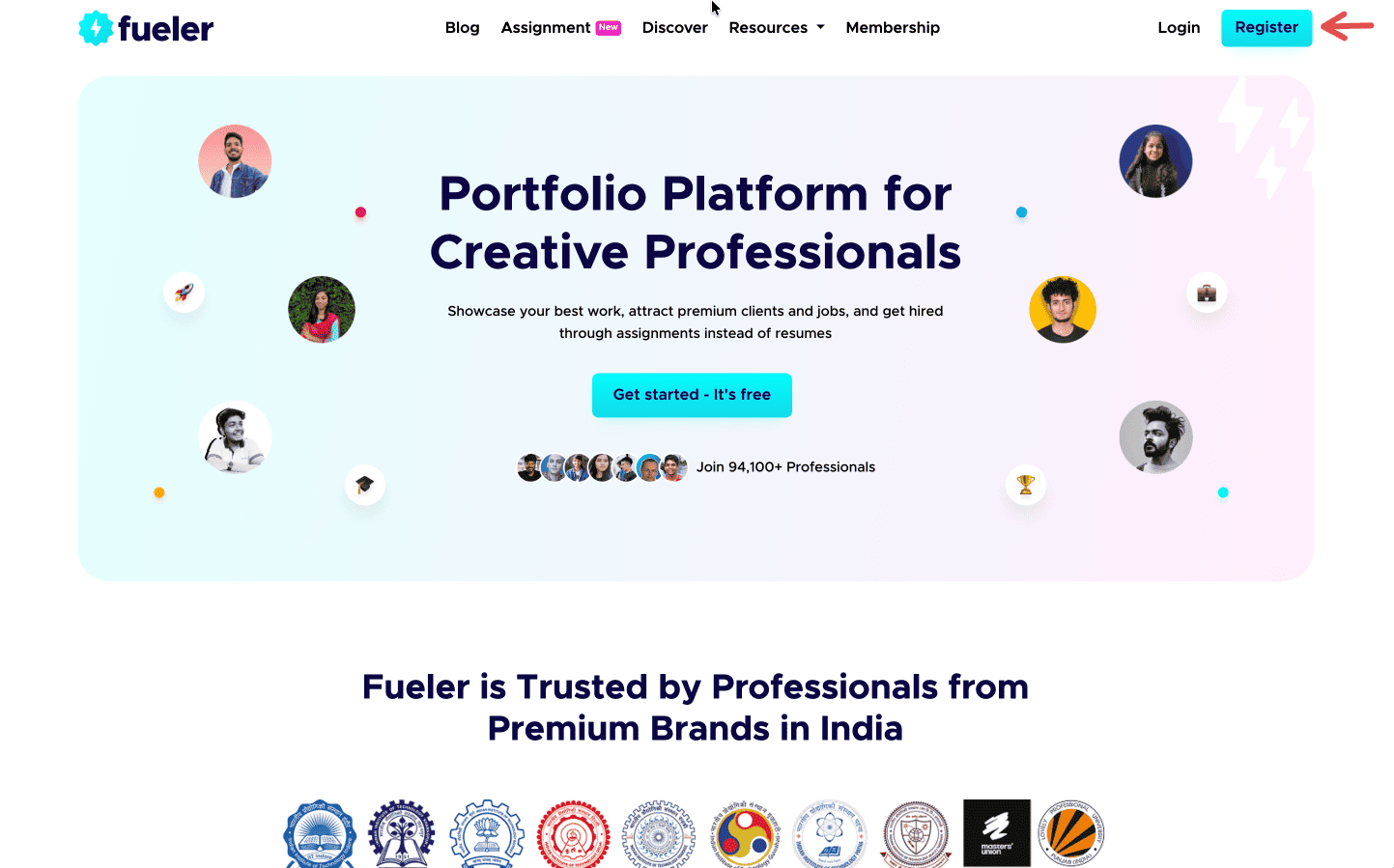
Step 1: Sign up on Fueler.
Head to Fueler.io and create your free account.
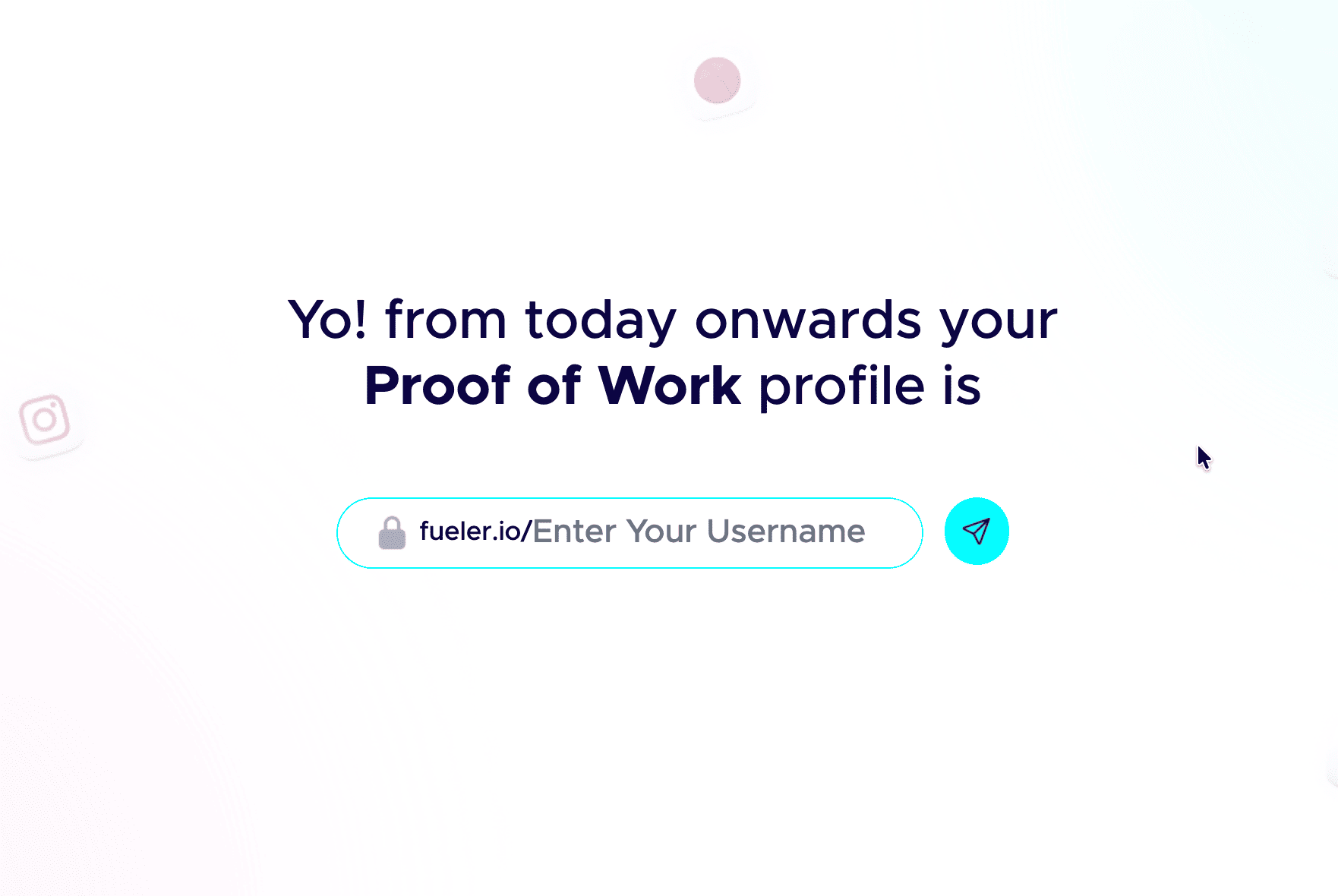
Step 2: Pick a professional handle.
Your handle shows up in your public link, so keep it clean and grown-up. Don’t add nicknames and random numbers. Your name or a simple version of it works best.
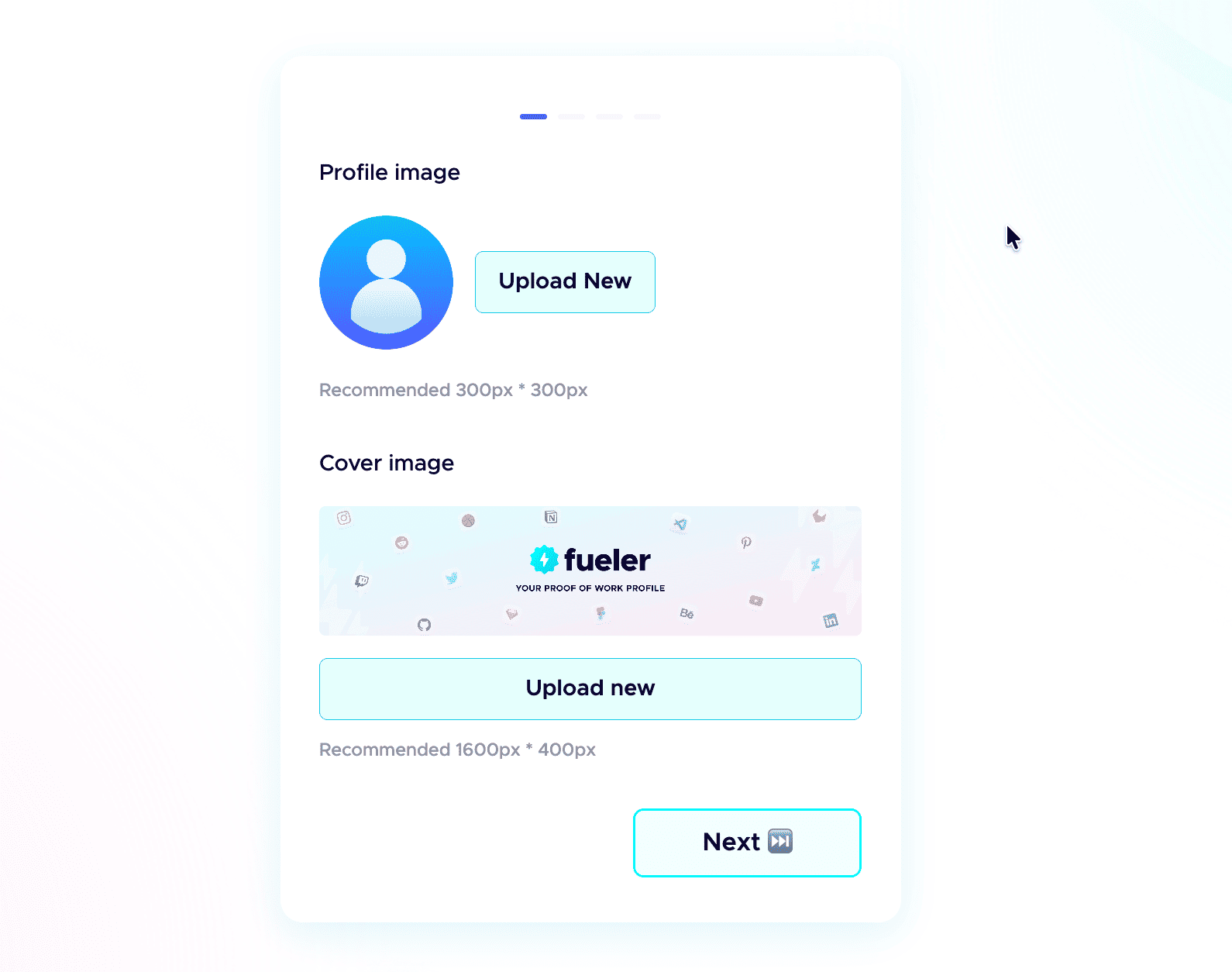
 Step 3: Add a professional profile picture.
Use the same kind of professional photo you would put on LinkedIn. Clear face, good lighting, and a simple background. People trust a real face more than an empty avatar.
Step 4: Write a strong header.
The header is the first thing anyone sees. In one or two short lines, say who you are, what you do, and the kind of work you have done. Make it specific, not vague.
Step 5: Add a short bio.
Tell people who you are and what you do in a few plain sentences. No buzzwords, just enough for a recruiter to get you in five seconds.
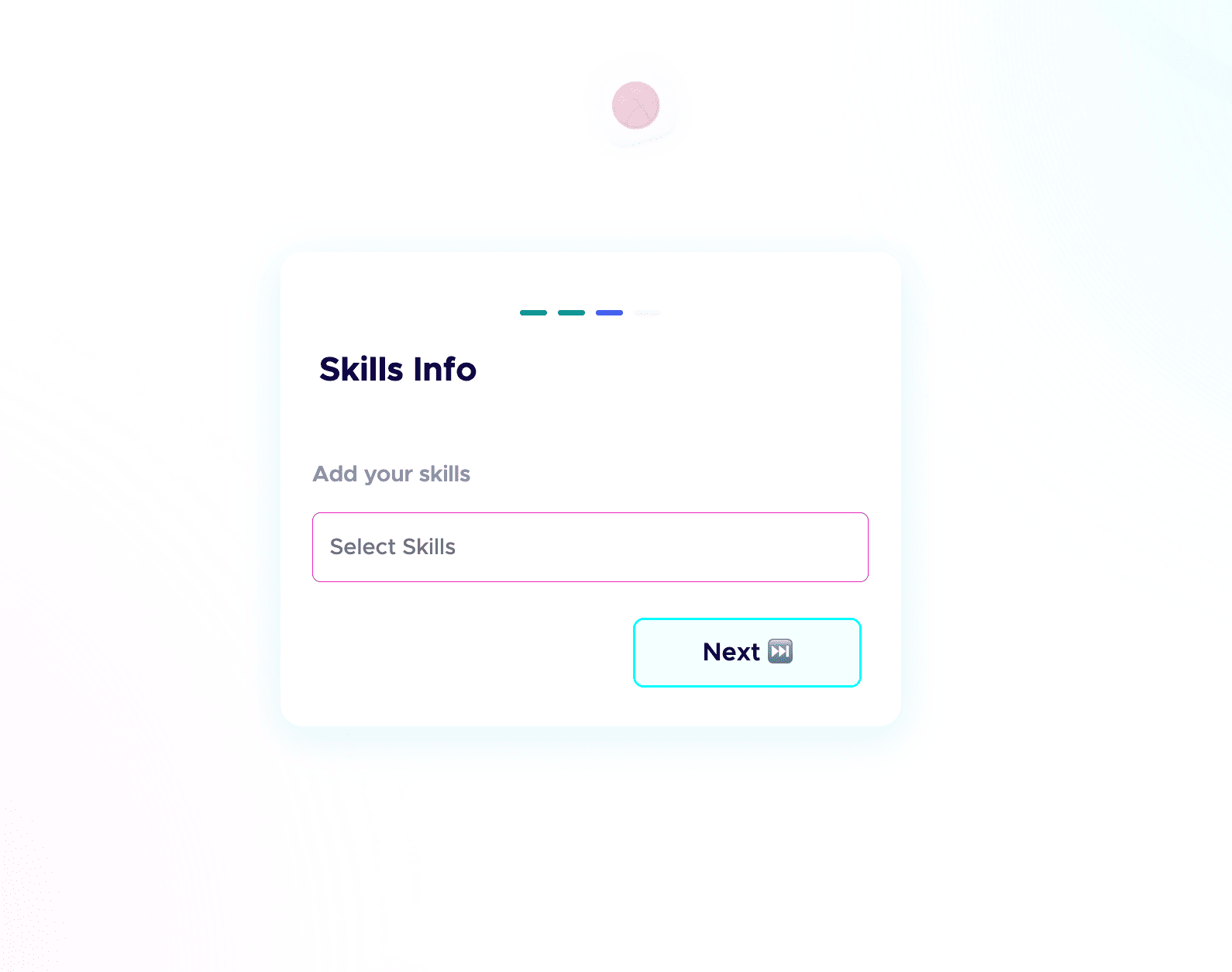
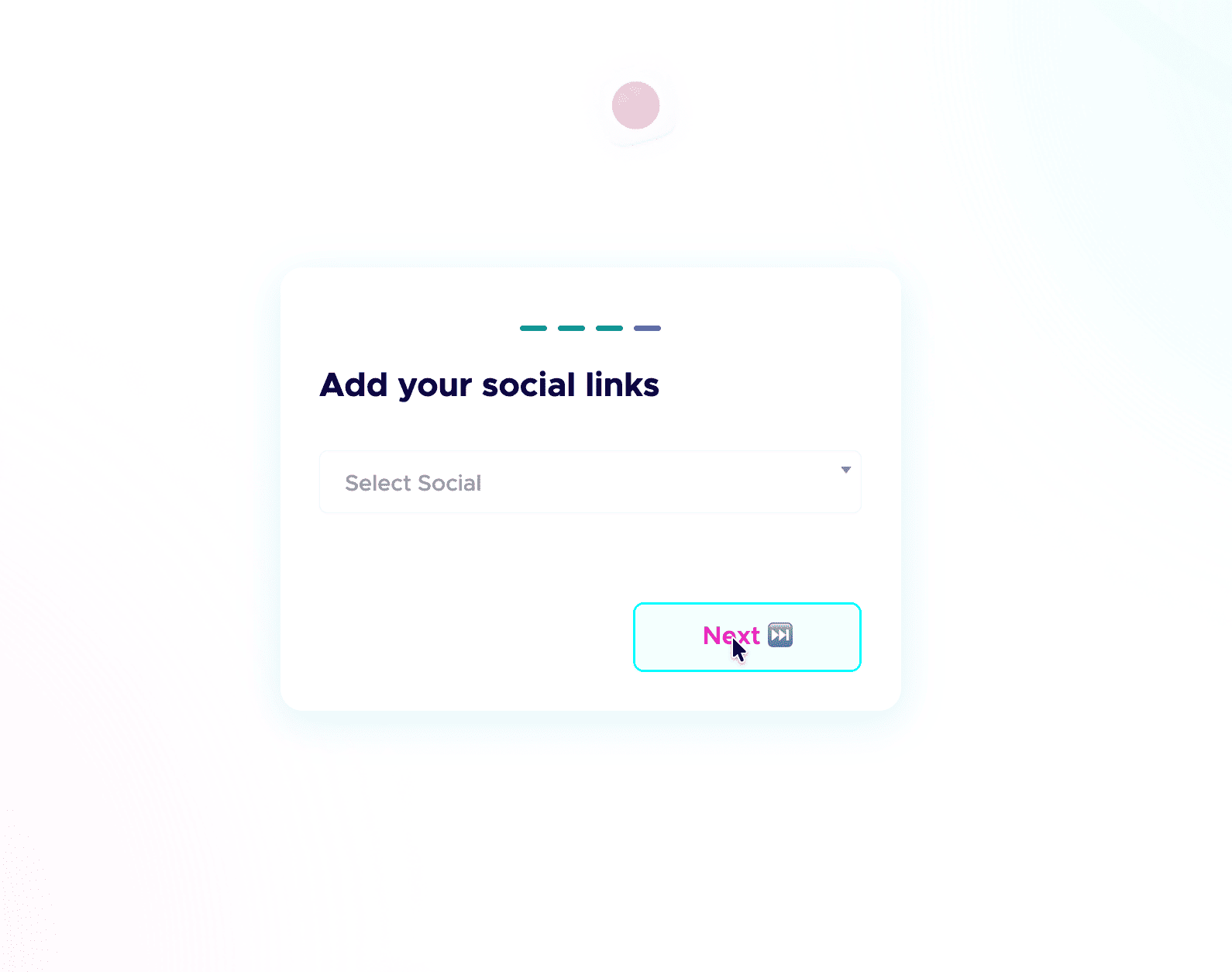
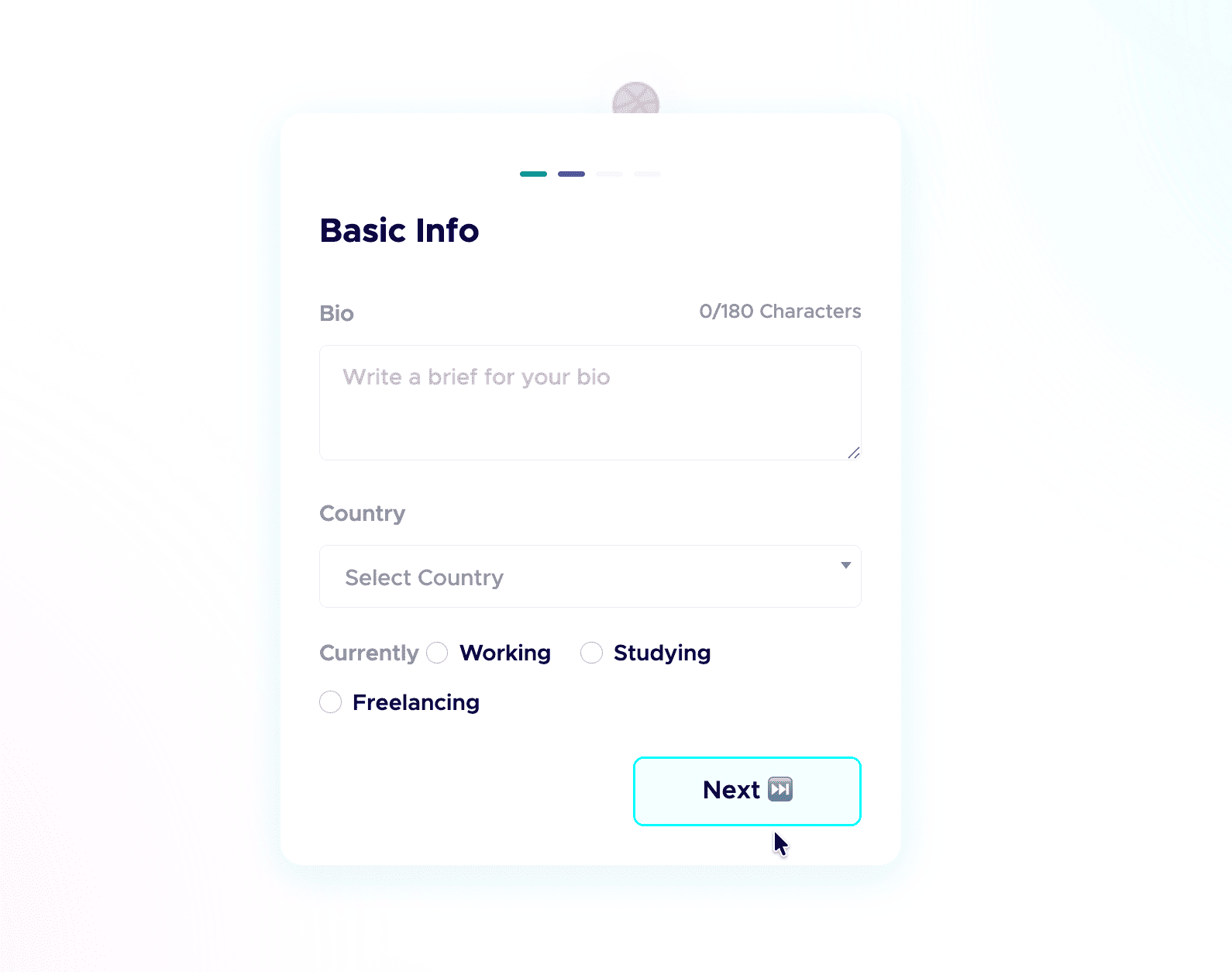 Step 6: Add your skills and social links.
List the skills you are good at and actually want to be hired for, and connect your socials. People do check your profiles, and active socials build credibility before the first call. Students starting from scratch can follow my student guide to their first portfolio.
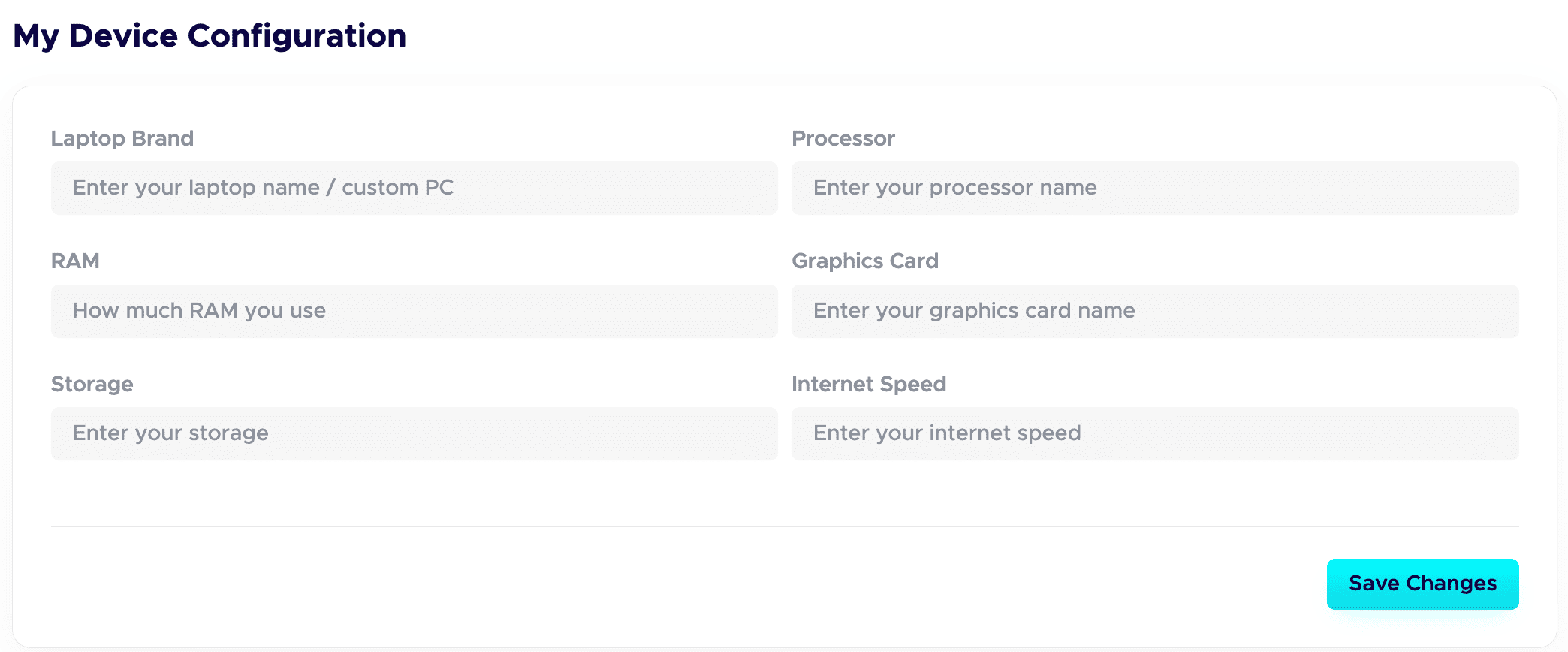
 Step 7: Fill in your Device Configuration.
In your dashboard, set up the Device Configuration section. Add the details about the device you are using. Remote-first companies want to know you have a solid setup to work from. A good setup quietly adds leverage and signals you are ready to deliver.
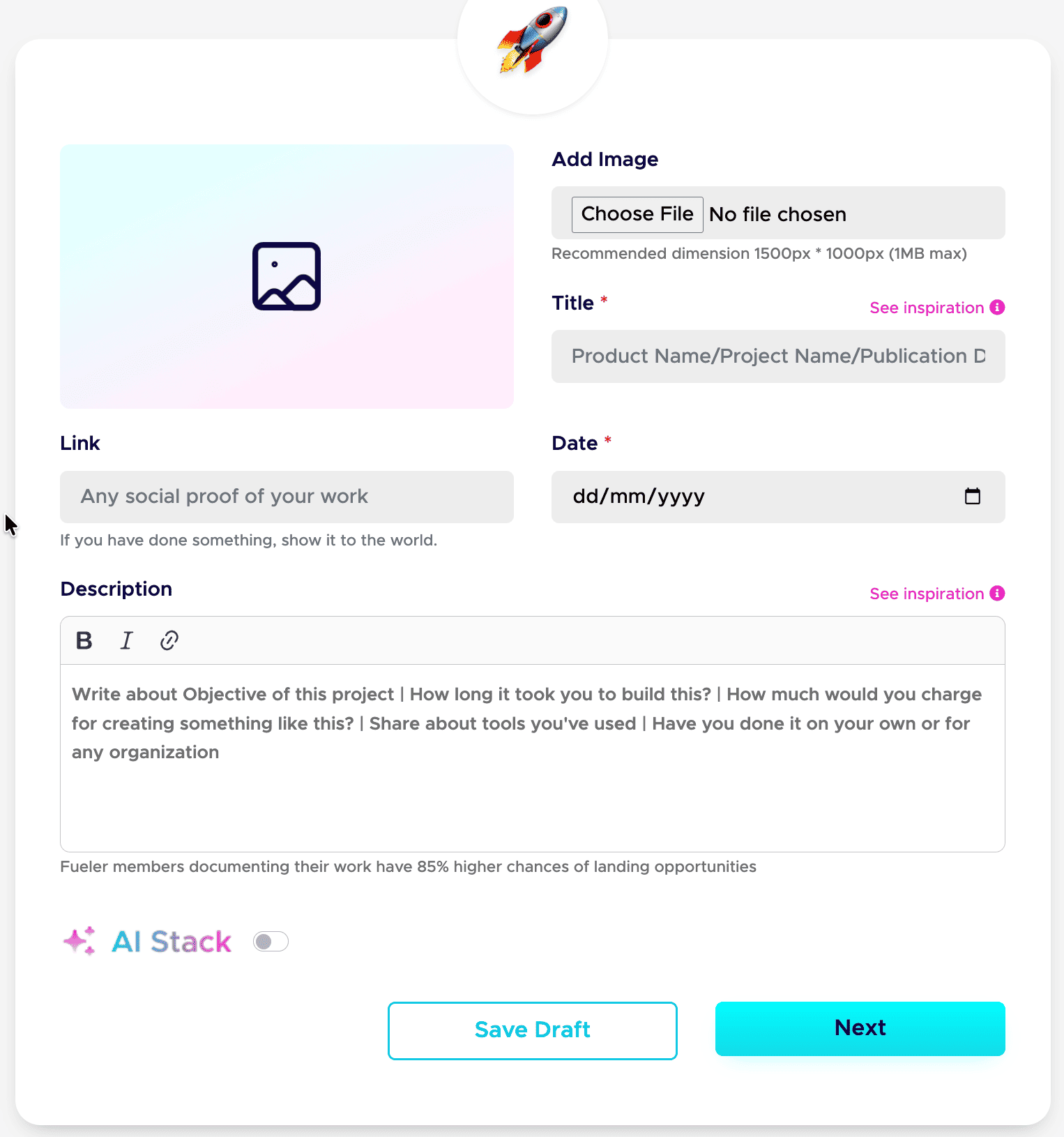
Step 8: Publish your projects with all the details.
This is a game-changer. Give each project a clear title and a detailed description. Walk through your process: your thinking, the tools you used, the choices you made, and the result. Companies care about how you work, not just the final image.
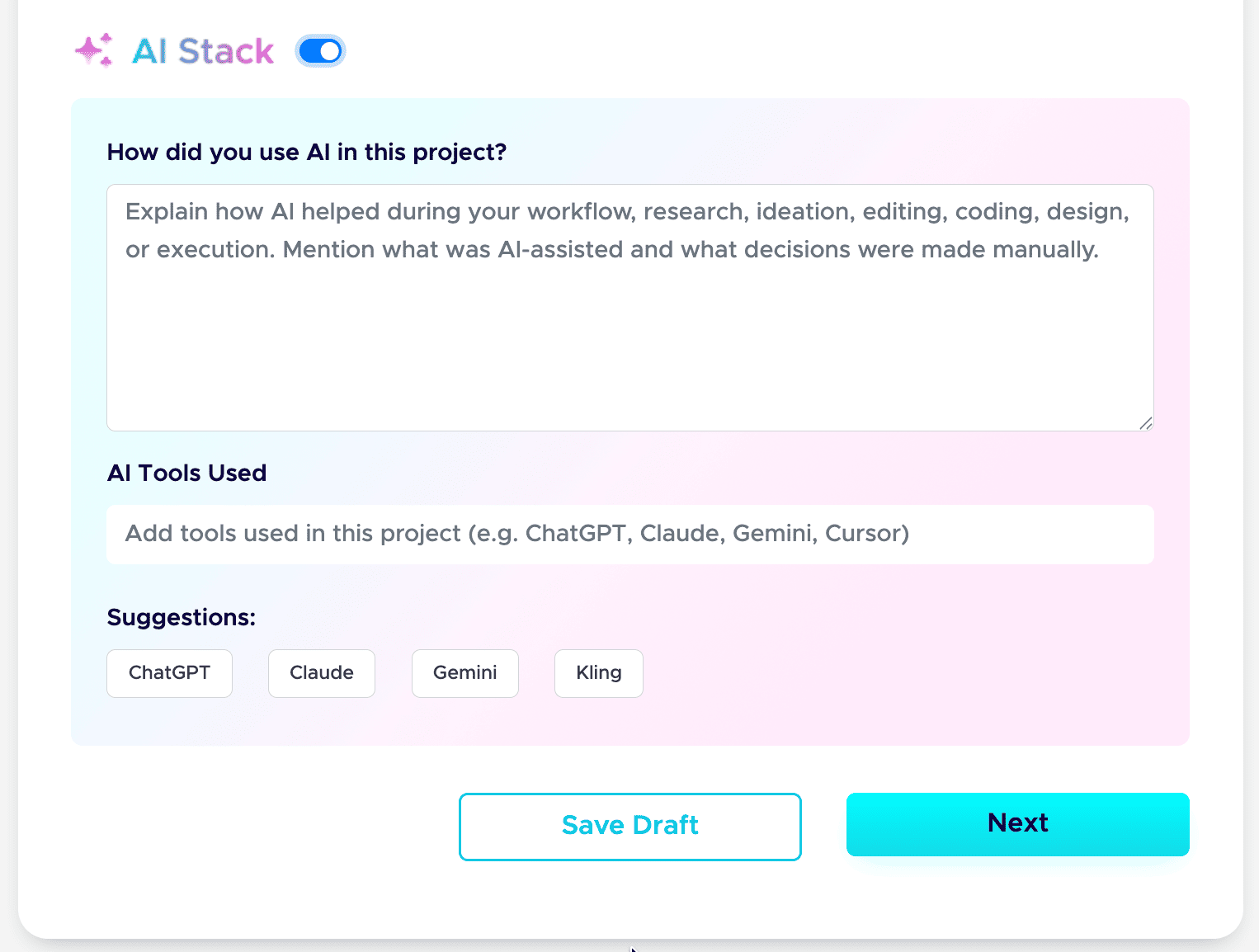
Step 9: Add your AI Stack to each project.
AI is part of real work now, so show it honestly. Use the AI Stack feature to explain how you used AI, which tools you used, and what you did manually. This builds trust instead of raising doubt. Here is the full guide: how to add AI Stack on Fueler.
That is the whole setup. Do these nine steps well, and your profile stops being a static page and starts working as a hiring asset. If you want a tighter version to follow next time, save my 6-step formula for a Fueler portfolio and my breakdown of a career portfolio that actually gets jobs.
Do this once, and you have a link you can drop into your resume, your email signature, and every job application.
Real-World Scenarios: Choosing Your Tool
Let's look at how different professionals approach their portfolios depending on their actual day-to-day career goals:
The Independent Growth Marketer
If you manage ad campaigns, write copy, or coordinate product launches, clients don't care about your website design. They want to see your actual metrics. A structured profile lets you quickly showcase your conversion numbers, landing page links, and client verifications without dealing with layout blocks.
The Full-Stack Engineer
For developers, your code speaks much louder than a custom WordPress theme. Spending hours fixing a PHP layout bug on your personal site is an inefficient use of time. Linking your GitHub repositories, live application links, and production case studies directly to a clean profile keeps your focus entirely on shipping code.
The Multi-Disciplinary Creator
If you balance multiple skills—like writing content, designing graphics, and managing communities—building a traditional website that displays all three clearly can be a design nightmare. A skills-first platform lets you organize different project types under clean, scannable tags so recruiters can filter for exactly what they need.
The Clear Choice Matrix
If you are still weighing your options, use this simple checklist to guide your next step:
Stick with WordPress If:
- You want to run an active blog network with dozens of long-form articles.
- You need to process digital payments or host an on-site store directly.
- You genuinely enjoy customizing CSS code and tweaking backend web servers.
Switch to Fueler If:
- You want a fast, clean home for your work without any system maintenance.
- You need to show clear, verified proof of your day-to-day professional execution.
- You want to get discovered by modern brands on a platform built for hiring.
Summary of the Shift
The practice of building heavy, complex personal websites just to host a basic list of resume bullet points is quickly fading. Modern hiring managers move fast, and they prioritize clear, verifiable capability over stylistic web design.
WordPress will always be an incredible tool for building deep, customizable web platforms. But if your immediate professional goal is to showcase your skills clearly, build trust, and open doors to new career opportunities, you don't need to manage a whole website ecosystem. You just need a clean, undeniable record of your work.
Key Takeaways
- Clarity Over Design: Companies value scannable evidence of your skills far more than intricate portfolio website themes.
- Zero Upkeep Overhead: Removing self-hosted servers saves you hours of technical maintenance and troubleshooting every month.
- Collaborative Trust: Sharing credit on multi-author projects builds immediate validation that independent text pages cannot match.
- Active Discovery Ecosystems: Joining a built-in talent network puts your best work directly in front of companies looking for your exact skills.
Frequently Asked Questions
Will moving my work away from WordPress hurt my personal brand?
Not at all. Your personal brand is built on the actual quality of your output, your consistency, and the real-world results you deliver to your clients. Moving to a clean, highly structured layout often makes your work much easier to read, which helps people understand your true value faster.
Do I lose control over my content if I use a portfolio platform?
No. You still maintain full ownership of your case studies, project details, and external links. The platform simply acts as a fast, highly optimized presentation layer that ensures your work renders perfectly on both mobile screens and desktop monitors without any design effort on your part.
Can I track how many people are looking at my work?
Yes. The platform includes built-in profile analytics that show you exactly how much traffic your portfolio is receiving. This gives you clear visibility into how well your links are performing when you share them in cold emails, social bios, or project applications.
Is a proof-of-work profile useful for someone with zero formal experience?
It is actually one of the fastest ways to stand out. When you don't have a long list of traditional corporate job titles on a resume, publishing personal projects, mock assignments, and open-source contributions gives you concrete evidence to prove you can handle real client work.
Why 100,000+ professionals use Fueler
Fueler helps professionals showcase proof of work through projects, assignments, case studies, and achievements.
- Thousands of professionals use Fueler to create their digital portfolio
- Thousands of projects are published on Fueler. Check here
- Startups and Companies hire through proof of work on Fueler
- Used by freelancers, creators, marketers, video editors, writers, designers, and product managers
Our mission is to help the next 100 million professionals build a verified professional identity through proof of work

What should you do next?
You've read the article. Now turn your skills into proof of work and unlock more opportunities.
Build your proof of work portfolio
Create a clean portfolio with projects, assignments, resumes, and AI stack details that companies actually want to see.
Create your Fueler portfolio →Apply through assignments, not resumes
Stand out by solving real tasks from companies hiring on Fueler.
Explore assignments →Get discovered by companies
Make your work public and let recruiters discover your skills through actual projects instead of keywords.
Get discovered →
