Fueler vs GitHub Pages: The Better Portfolio Platform for Professionals

Riten Debnath
13 Jul, 2026

Last updated: July 2026
The era of checking a standard web layout or reading a stale list of bullet points to judge professional skill is over. For a decade, hosting a portfolio on GitHub Pages was the definitive badge of honor. You wrote some Markdown, picked a Jekyll theme, set up a CNAME record, and deployed a site completely free.
But a massive disconnect has formed between hosting files on a server and getting discovered by people who actually pay for talent.
Recruiters, startup founders, and marketing directors don’t spend their afternoons inspecting commit logs or digging through nested folders of raw code to see if someone is a good fit. They want to see what you made, who verified it, and how it worked. The real issue isn't launching a website it's putting your proof of work directly where decisions are made.
I’m Riten, founder of Fueler, a skills-first portfolio platform that connects talented individuals with companies through assignments, portfolios, and projects, not just resumes/CVs. Think Dribbble/Behance for work samples + AngelList for hiring infrastructure.
When you look at Fueler against GitHub Pages, you aren't comparing two direct competitors. You are looking at a file storage tool vs an active career engine designed to get you hired.
The Natural Habitat of GitHub Pages
GitHub Pages is a truly brilliant utility for exactly what it was built to do: taking static files directly from a code repository and showing them to the world.
[GitHub Pages Process]
Write Local Code ➔ Git Commit ➔ Push to Repository ➔ Build Action ➔ Static Live URL
If you are a core systems engineer or an open-source maintainer, your code repository is your natural presentation layer. For professionals who want absolute control over their underlying HTML structure, custom frameworks, or automated build actions, this platform offers a playground with zero cost. It rewards individuals who love config files and running terminal commands just to change a layout header.
But using it as a general portfolio engine for multi-disciplinary careers introduces significant operational friction. The moment you need to showcase a strategic marketing campaign, an intense user experience study, or a multimedia production, a file repository turns into an obstacle course for non-technical eyes.
When Version Control Becomes an Administrative Burden
Building a functional portfolio on GitHub Pages means managing everything by hand. You act as the designer, frontend engineer, and server admin all at once.
- Friction in Updates: Modifying a project description requires writing Markdown, committing files, and waiting for deployment pipelines.
- The Recruiter Wall: Non-technical hiring managers frequently struggle to navigate raw directories or parse raw repository links.
- Zero Built-In Discovery: Your site exists in complete isolation on the web until you manually send out the link.
This works perfectly if your only goal is maintaining a personalized sandbox online. But if you want your work to actively discover new opportunities while you sleep, relying on static repositories puts a heavy administrative load on your routine.
The Core DNA of Fueler: Built to Land Opportunities
Fueler was built from day one to serve as a public record of your execution. It treats your projects as living career assets rather than flat entries in a folder structure.
[Fueler Process]
Drop Project Link/Files ➔ Add Core Details ➔ Dynamic Portfolio Update ➔ Global Discovery Engine
Instead of spending hours debugging CSS variables or formatting markdown tables, you simply drop in your work. The system handles the visual presentation, search engine indexing, and optimization for modern discovery engines automatically.
This shifts your focus away from maintaining infrastructure and places it entirely on documenting what you can do. It functions as a specialized network where companies actively browse real, tangible output instead of scanning text-heavy resumes.
Side-by-Side: Technical Control vs. Professional Discovery
Real Work Scenarios: Choosing Your Tool
The Multi-Skilled UI/UX Designer
A digital designer needs to show high-fidelity interactive wireframes, detailed persona maps, and behavioral user research. On GitHub Pages, displaying these rich elements means manually wrestling with heavy media assets or writing complex frontend code just to handle basic galleries.
Fueler lets you drop your live design work directly into clean, visual case studies that non-technical clients can read and understand in seconds.
The Growth Marketer and SEO Strategist
For growth marketers, proof lives in performance data, traffic spikes, and campaign architecture. Trying to turn spreadsheet data or organic traffic screenshots into a code repository feels unnatural and messy.
Using Fueler, an SEO specialist can quickly construct a clear case study showing exactly how they scaled traffic, backed by direct evidence and client validation.
The Modern Full-Stack Engineer
Developers often think GitHub is the only place they belong, but code alone doesn't show your full value. If you build a beautiful product, a non-technical manager wants to see the functional application and understand your development choices, not just look at your clean syntax.
Fueler acts as a visual wrapper for your technical projects, allowing you to highlight the final product while cleanly linking back to your source code repositories for deep technical reviews.
Step-by-Step: Launching Your Fueler Profile
Setting up your workspace takes less than five minutes from start to finish.
Step 1: Sign up on Fueler.
Head to Fueler.io and create your free account.

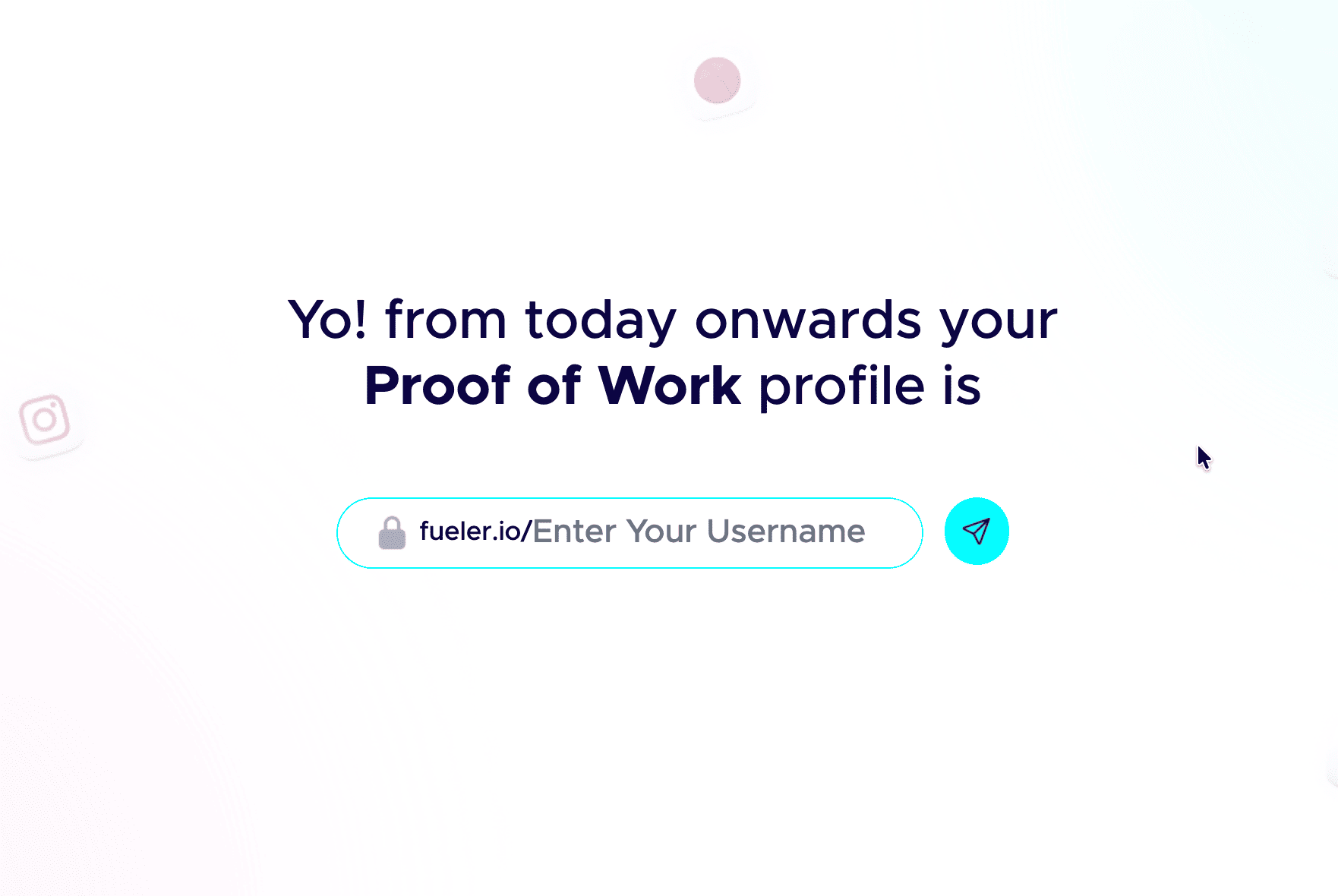
Step 2: Pick a professional handle.
Your handle shows up in your public link, so keep it clean and grown-up. Don’t add nicknames and random numbers. Your name or a simple version of it works best.
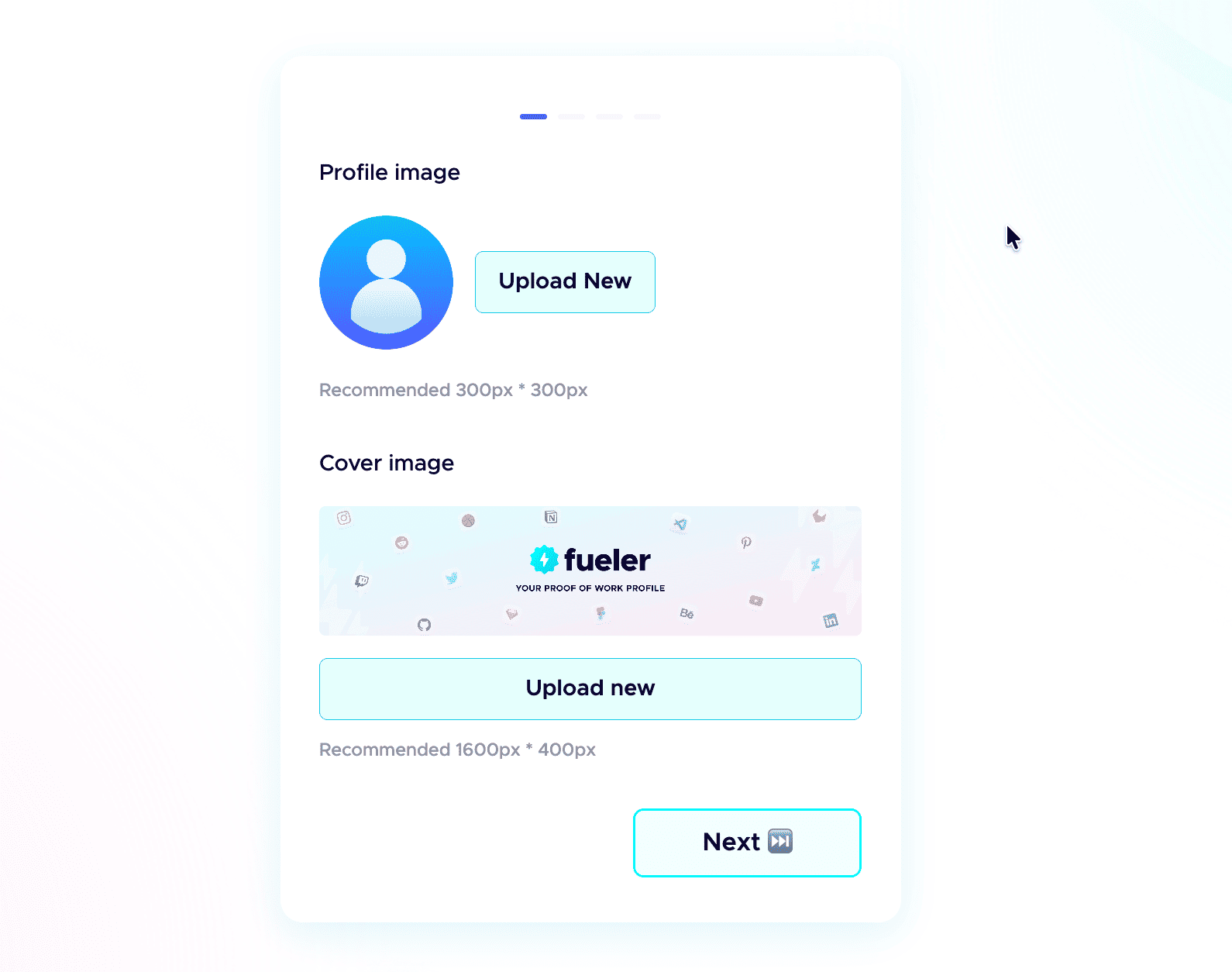
 Step 3: Add a professional profile picture.
Use the same kind of professional photo you would put on LinkedIn. Clear face, good lighting, and a simple background. People trust a real face more than an empty avatar.
Step 4: Write a strong header.
The header is the first thing anyone sees. In one or two short lines, say who you are, what you do, and the kind of work you have done. Make it specific, not vague.
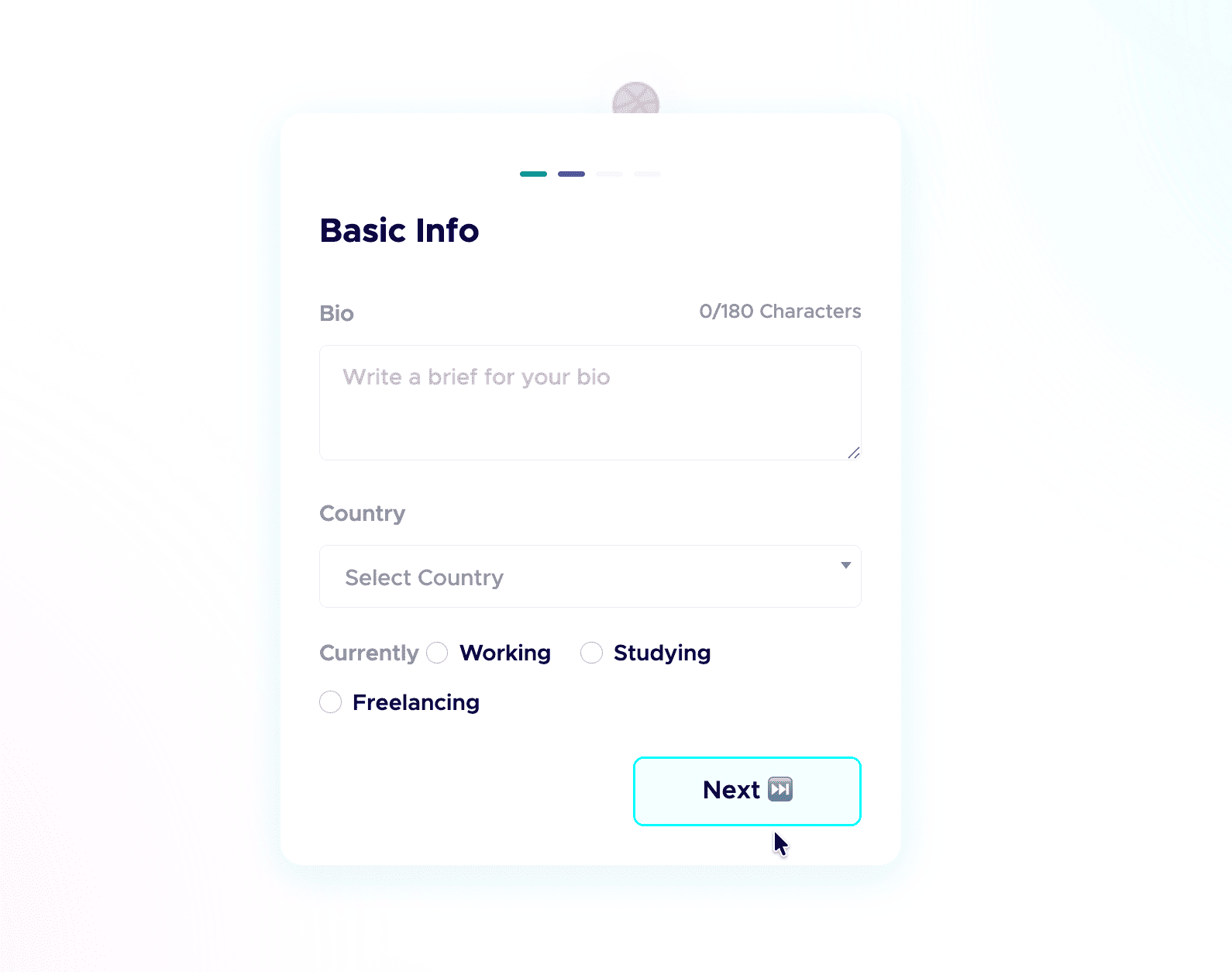
Step 5: Add a short bio.
Tell people who you are and what you do in a few plain sentences. No buzzwords, just enough for a recruiter to get you in five seconds.
 Step 6: Add your skills and social links.
List the skills you are good at and actually want to be hired for, and connect your socials. People do check your profiles, and active socials build credibility before the first call. Students starting from scratch can follow my student guide to their first portfolio.

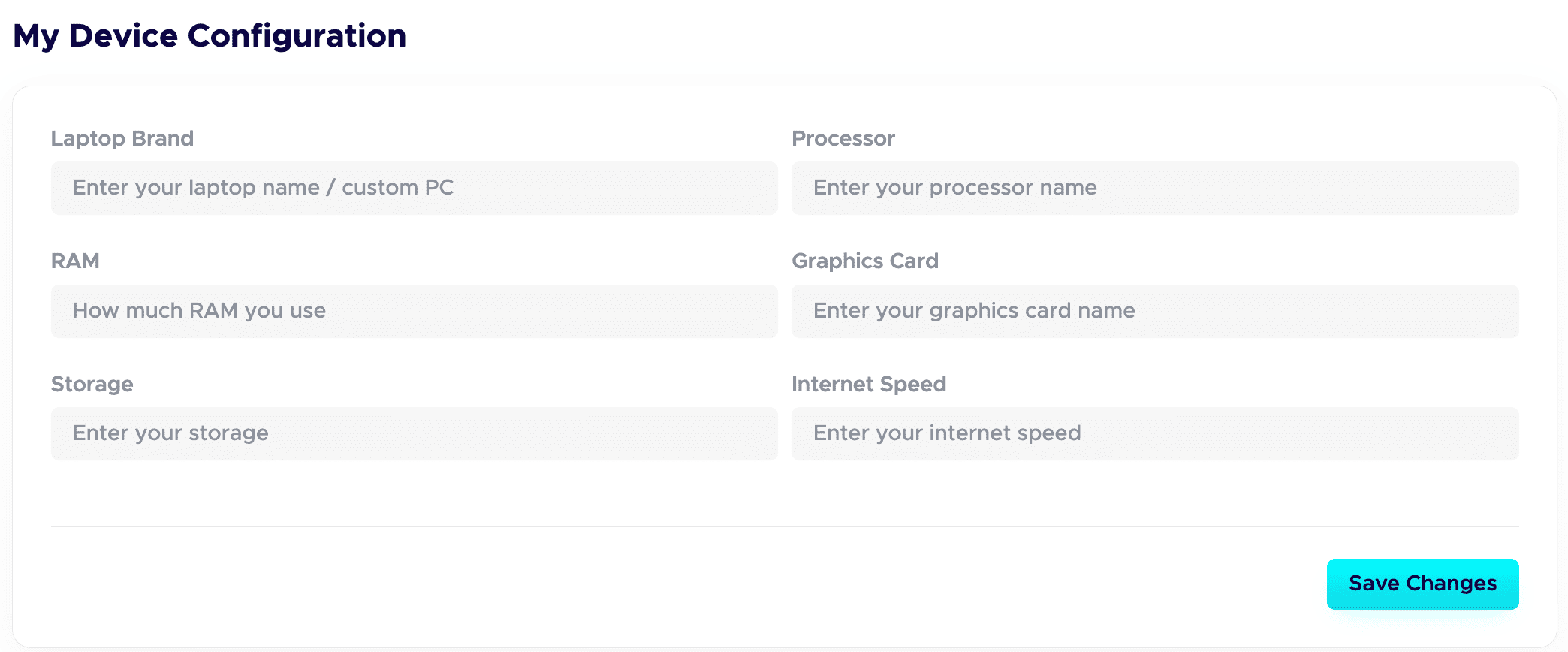
 Step 7: Fill in your Device Configuration.
In your dashboard, set up the Device Configuration section. Add the details about the device you are using. Remote-first companies want to know you have a solid setup to work from. A good setup quietly adds leverage and signals you are ready to deliver.
Step 8: Publish your projects with all the details.
This is a game-changer. Give each project a clear title and a detailed description. Walk through your process: your thinking, the tools you used, the choices you made, and the result. Companies care about how you work, not just the final image.
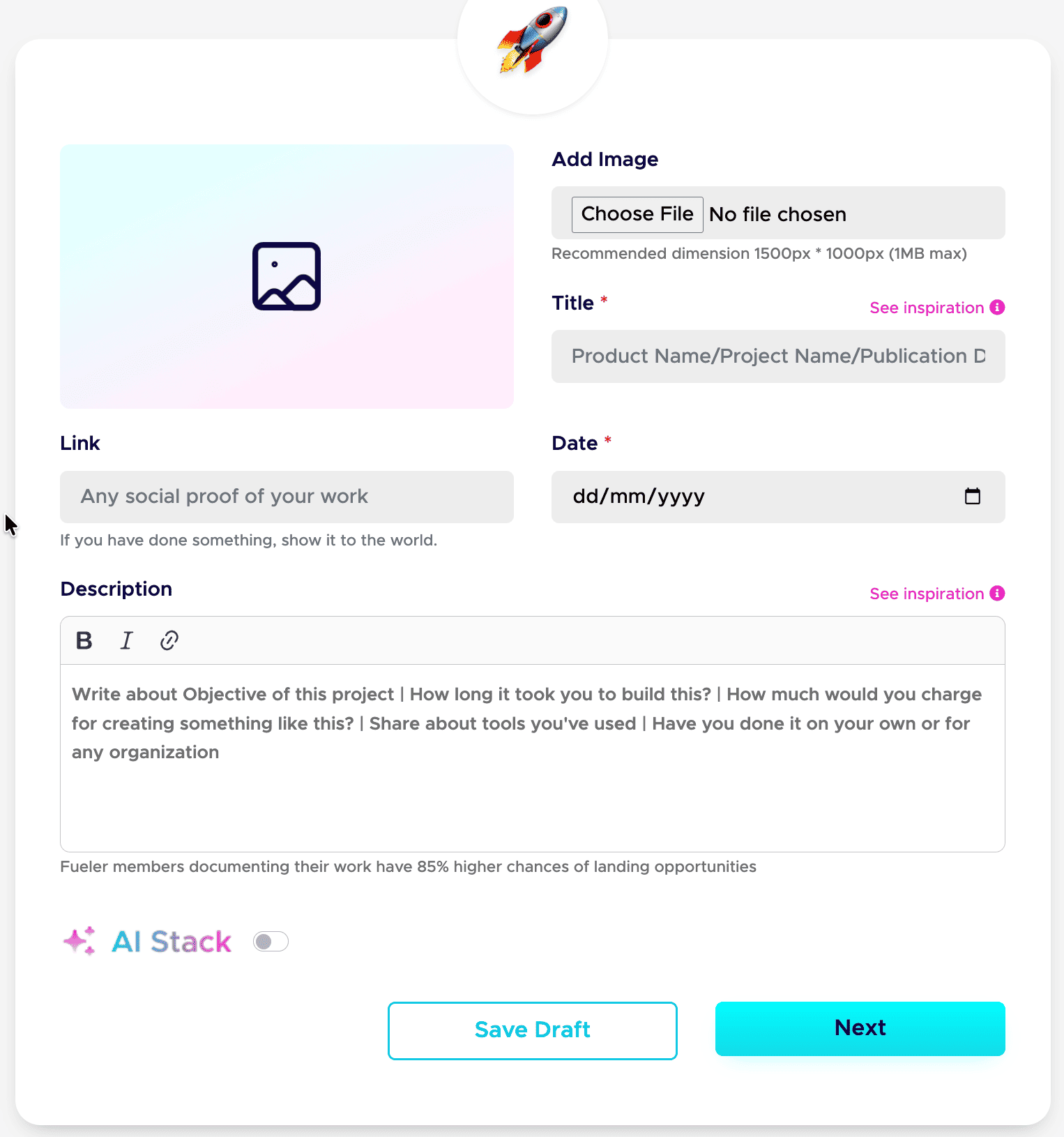
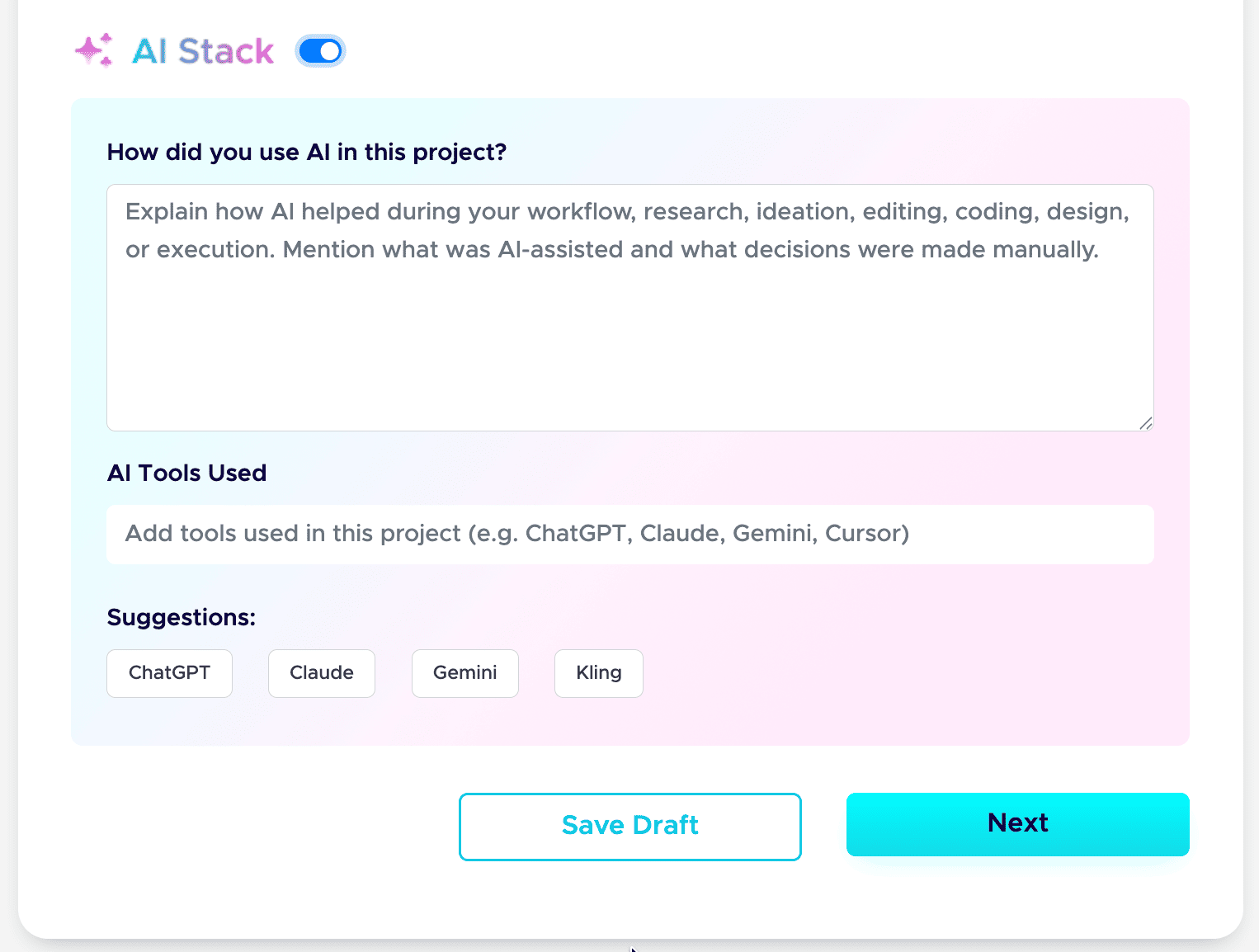
Step 9: Add your AI Stack to each project.
AI is part of real work now, so show it honestly. Use the AI Stack feature to explain how you used AI, which tools you used, and what you did manually. This builds trust instead of raising doubt. Here is the full guide: how to add AI Stack on Fueler.
That is the whole setup. Do these nine steps well, and your profile stops being a static page and starts working as a hiring asset. If you want a tighter version to follow next time, save my 6-step formula for a Fueler portfolio and my breakdown of a career portfolio that actually gets jobs.
Do this once, and you have a link you can drop into your resume, your email signature, and every job application.
How Hiring Models Have Completely Changed
The standard practice of dropping a plain text document into a resume portal is losing its effectiveness. Modern companies face thousands of generic applications for single roles, making manual screening incredibly slow.
The corporate world is shifting toward skills-first hiring models where real project validation matters far more than traditional degrees.
This shift has changed the role of your online presentation. A great portfolio shouldn't just sit online waiting for a visitor; it needs to prove your execution instantly, protect your personal brand, and give managers the exact context they need to make a hiring decision.
Final Thoughts: Choosing Your Modern Setup
If your main goal is having complete control over your codebase, running custom terminal scripts, and building a custom site from scratch, GitHub Pages is an excellent utility. It remains a legendary playground for raw development work.
But if your priority is showing what you can build, landing premium clients, and avoiding regular web maintenance, Fueler is built for your workflow. It stops you from wasting time as an accidental web developer and gets you back to creating real, impactful projects.
Frequently Asked Questions
Can I connect a custom domain to my profile?
Yes, you can easily link your own custom domain directly to your page without dealing with complicated server scripts or manual configuration tasks.
Does it cost anything to host my proof of work?
The core features needed to build your professional profile, post your work, and get discovered by talent seekers are completely free to use.
Is this tool only for software engineers?
Not at all. The platform is designed for all types of knowledge workers, including content creators, product managers, designers, growth marketers, and writers.
How do people verify my projects?
You can request direct validation from clients or teammates right inside the platform, linking their verified accounts directly to your specific project cards.
Can I keep some of my work private?
Yes, you have full control over your settings and can switch specific projects to private mode whenever you want to limit access.
How does this help me find active jobs?
The platform features an active assignment marketplace where you can apply directly to open company roles by submitting real project work.
Can I import my existing projects easily?
Yes, you can quickly link live web URLs, document drives, or code repositories into individual project cards in just a few clicks.
Why 100,000+ professionals use Fueler
Fueler helps professionals showcase proof of work through projects, assignments, case studies, and achievements.
- Thousands of professionals use Fueler to create their digital portfolio
- Thousands of projects are published on Fueler. Check here
- Startups and Companies hire through proof of work on Fueler
- Used by freelancers, creators, marketers, video editors, writers, designers, and product managers
Our mission is to help the next 100 million professionals build a verified professional identity through proof of work

What should you do next?
You've read the article. Now turn your skills into proof of work and unlock more opportunities.
Build your proof of work portfolio
Create a clean portfolio with projects, assignments, resumes, and AI stack details that companies actually want to see.
Create your Fueler portfolio →Apply through assignments, not resumes
Stand out by solving real tasks from companies hiring on Fueler.
Explore assignments →Get discovered by companies
Make your work public and let recruiters discover your skills through actual projects instead of keywords.
Get discovered →
