Fueler: The Best Alternative to Dribbble in 2026

Riten Debnath
11 Jul, 2026
Last updated: July 2026
Designers are currently facing a massive crisis of faith online. For years, dropping a shiny 400x300 pixel thumbnail of a mobile app UI on a popular network was enough to land a six-figure client or a cozy remote role at a top startup.
Then came the algorithmic shift. Suddenly, your deep typographic hierarchy and conversion-focused UX layout started getting buried by conceptual 3D geometric shapes that serve absolutely zero business utility. The industry is tired of pretty pictures that break the moment an engineer tries to write the CSS for them.
I’m Riten, founder of Fueler, a skills-first portfolio platform that connects talented individuals with companies through assignments, portfolios, and projects, not just resumes/CVs. Think Dribbble/Behance for work samples + AngelList for hiring infrastructure.
If you want your design skills to actually pay your rent this year, relying on surface-level visual feedback loops is a losing strategy. Companies are aggressively cutting costs, meaning they are no longer hiring based on aesthetic vibes or vanity like counts. They want proof that your work actually drives user engagement, lowers churn, or optimizes code.
Let's look at exactly why the creative hiring pipeline is fundamentally broken, how the visual landscape evolved into an echo chamber, and how you can position your proof of work to stand out as a highly capable problem solver.
1. Why Dribbble Is Losing Its Grip on Modern Creative Hiring
The original design destination has slowly transformed into an algorithmic popularity contest that completely ignores shipping real code. When a hiring manager browses modern design feeds, they are bombarded with hyper-polished user interfaces that look incredible but fail every basic accessibility checklist in existence.
Most traditional layout engines are built to optimize quick, casual scrolling rather than deep technical evaluation of human-centered software systems. Because these spaces lack the core structural setup required to explain a project end-to-end, talented creators struggle to differentiate their real product engineering from fictional concepts that cannot function in production.
- The platform engine prioritizes micro-interactions like quick clicks and views, forcing designers to optimize for algorithmic trends rather than actual client utility, business metrics, or layout functionality.
- Static layout previews completely hide the product development journey, making it difficult for scaling startups to analyze an applicant’s technical engineering frameworks or deep user-testing methodologies.
- Fictional, overly polished design concepts frequently lack real-world technical constraints, causing massive friction between what a creator presents online and what they can actually ship to production.
- High community metrics on superficial UI elements create false indicators of actual talent, which frequently misleads talent acquisition teams who need to evaluate actual product architecture.
- Traditional visual networks lack a native mechanism to link direct code repositories or functional live prototypes, leaving your comprehensive software engineering capabilities completely invisible to modern engineering teams.
Why It Matters: If your career relies on getting discovered via a visual-first feed, you are actively competing against bots and fictional concepts. Modern design operations demand transparency, and showing the business rationale behind your layouts is the only way to protect your personal leverage in the current market.
2. How Fueler Offers a Complete Architecture for True Proof of Work
True career growth happens when you show the entire scope of your operational delivery rather than a single isolated frame. Fueler acts as a dedicated asset engine built to help software engineers, product designers, and growth marketers document their actual technical impact.
Instead of forcing your creative files into a restrictive grid, this infrastructure allows you to bundle interactive prototypes, technical documentation, and performance data into a unified digital ecosystem. It shifts the primary focus from superficial vanity loops back to deep, undeniable proof of work that quickly establishes technical authority.
- The specialized framework enables creators to publish comprehensive multi-format project logs, seamlessly combining live application links, markdown case studies, and design documentation in one clean space.
- By prioritizing functional proof over community likes, the network ensures your engineering assets are evaluated solely on execution quality and practical business application.
- The system allows direct integrations with live software assets, giving prospective engineering teams instant validation that your technical layouts operate smoothly in the real world.
- Built-in indexing allows engineering teams to search for specific project types, ensuring your technical capabilities are discovered by high-intent tech founders looking for immediate execution.
- The clean infrastructure removes distracting social feeds and competitive ad placements, keeping the hiring manager's attention entirely focused on your individual project delivery.
Why It Matters: When your platform is optimized for clean execution rather than casual social media scrolling, your portfolio transitions from a simple photo gallery into a high-converting landing page. This layout shift directly impacts your conversion rate when pitching technical leads.
3. The Shift From Superficial Visual Aesthetics to Functional Business Impact
Modern engineering teams no longer care about conceptual dashboard mockups that look great in a dark mode preview but fail actual user testing. The industry has fully pivoted toward functional, data-backed design execution that directly solves conversion bottlenecks.
A static snapshot cannot communicate how you managed cross-functional engineering handoffs, how you navigated tight performance budgets, or how your typography scales across responsive screen sizes. If your presentation layer does not immediately highlight your understanding of real production systems, your profile is passed over for candidates who treat design as a core business function.
- Tech companies are aggressively prioritizing operational performance over aesthetic trends, making comprehensive case studies far more valuable than basic thumbnail previews during hiring rounds.
- Functional portfolio layouts allow you to document specific conversion gains, giving non-technical product managers a clear view of your strategic business value.
- Showcasing responsive layouts and accessible design structures proves you understand modern web standards, preventing costly design iterations during the front-end development cycle.
- Documenting your specific project constraints demonstrates mature product thinking, establishing you as a reliable operator who can balance product aesthetics with engineering realities.
- Modern product teams require designers to understand basic component architecture, which is easily demonstrated when your portfolio links directly to active codebases.
Why It Matters: The market is flooded with visual assets, but it severely lacks builders who understand how design decisions directly impact business metrics. Showing the practical function behind your visuals immediately separates you from the casual creator tier.
4. Setting Up Your Fueler Profile in Three Simple Steps
Building a high-converting profile shouldn't feel like configuring a complex cloud database or spending three weeks writing custom CSS components. The onboarding flow is explicitly optimized to get your absolute best work online and fully indexed in under ten minutes.
The entire process focuses heavily on stripping away layout choices and complex configuration menus so you can focus entirely on context. Here is the exact system configuration needed to transition your engineering projects from offline folders into an organic discovery machine.
- Create your centralized hub by claim-checking your custom username string, which immediately establishes a clean, professional link architecture for your personal distribution channels.
- Populate your active repository by uploading your multimedia project files, ensuring you include deep context links, live staging environments, and functional design documents.
- Add relevant performance tags and technical descriptors to each block, allowing the background indexing engine to correctly categorize your assets for incoming discovery queries.
- Organize your published blocks into distinct operational categories, making it simple for specific talent scouts to filter your profile based on their immediate project requirements.
- Distribute your optimized profile link across modern professional networks, giving potential clients an uncluttered, direct gateway to review your technical execution.
Why It Matters: A complex portfolio setup causes deep friction, which frequently leads to outdated case studies and forgotten projects. A streamlined publishing workflow ensures your active proof of work stays current with your latest professional wins.
5. Maximizing Your Discovery Potential in Modern AI Search Engines
Traditional keyword stuffing is completely ineffective inside modern semantic search algorithms and AI-driven retrieval models. Modern search networks and conversational engines analyze your contextual depth, looking for specific technical entities, project relationships, and true industry vocabulary.
When your proof of work is formatted with clear operational headers, descriptive project metrics, and clean source links, it becomes highly discoverable for automated scrapers. This ensures your profile surfaces when a tech founder asks an AI tool to locate specialized product creators.
- Natural entity optimization ensures your portfolio blocks match semantic intent patterns, placing your work directly inside highly specific professional search queries.
- Including detailed technology stacks within your project summaries helps AI data aggregators accurately match your specific skill sets to active project requirements.
- Writing direct, clear project answers increases your chances of getting cited inside modern conversational answers and AI summaries used by tech recruiters.
- Clean markdown structures allow search bots to easily crawl your portfolio context, boosting your organic search visibility across primary discovery networks.
- Documenting real-world project outcomes creates a rich semantic footprint that positions your profile as an authoritative industry resource within your specific niche.
Why It Matters: Recruitment is quickly shifting toward automated talent sourcing and AI-driven discovery engines. Structuring your portfolio for machine readability ensures your proof of work gets surfaced before a human recruiter even opens a traditional job board.
6. How Visual Distractions and Ads Ruin the Traditional Recruiter Journey
The moment a busy hiring manager lands on a traditional design feed, they are immediately assaulted by sticky sidebars, job ads, and trending algorithmic recommendations. This chaotic interface design fragments the recruiter's attention, pulling them away from your specific portfolio within seconds of arrival.
Your hard-earned case studies should never compete against a firehose of distracting global notifications or blinking promotional banners. A minimalist, professional interface design keeps the entire viewing session focused exclusively on your technical execution, preventing user drop-off and significantly increasing your interview conversion rates.
- Intrusive platform advertising loops distract potential clients, reducing the total duration a recruiter spends analyzing your personal engineering case studies.
- Algorithmic recommendation footers frequently direct users toward competing portfolios, unintentionally driving high-value traffic away from your profile page.
- Busy, cluttered layout presentation templates diminish the perceived premium value of your engineering work, making your projects look like generic template assets.
- Slow page load speeds caused by heavy platform ad scripts create immediate friction, leading to high abandonment rates from mobile hiring managers.
- Confusing platform navigation structures make it difficult for busy talent teams to quickly locate your direct contact options or external platform links.
Why It Matters: Your portfolio is your primary digital sales funnel, and allowing third-party platforms to run ads inside your funnel destroys your conversion rates. Clean presentation layouts respect the recruiter's limited time.
7. The Power of Direct Project Context Over Algorithmic Metrics
An isolated design frame without explicit context is just pretty digital wallpaper that fails to demonstrate real professional capability. True operational credibility is established when you clearly explain the specific problem, your technical methodology, and the final results.
When you outline why a specific layout pattern was selected over an alternative approach, you show true product leadership. This level of technical depth signals to startup founders that you can confidently own a product feature from initial discovery all the way through to deployment.
- Documenting your early product iterations proves you can pivot based on hard user data, demonstrating maturity over personal aesthetic bias.
- Detailing your collaborative team workflows highlights your communication skills, ensuring hiring teams that you integrate smoothly into engineering units.
- Linking your final visual outputs directly to real-world performance metrics provides concrete validation of your product design choices.
- Explicitly stating your specific project responsibilities prevents team attribution confusion, clearly highlighting your individual technical contributions.
- Sharing the post-launch challenges of your software systems builds immense professional trust, showing you understand long-term product lifecycles.
Why It Matters: Metrics can easily be manipulated, but deep project context cannot be faked. Sharing the strategic thinking behind your decisions turns your portfolio into an undeniable proof of work engine.
8. Navigating the Modern Contract and Freelance Ecosystem Efficiently
The modern freelance market demands immediate, friction-free verification of your technical delivery capabilities before a contract is ever issued. Premium clients no longer have the patience to read through bloated PDF resumes or navigate slow, पासवर्ड-protected corporate web portals.
They want a fast, secure, and clear view of your past project executions that perfectly align with their current business problems. Providing a clean, accessible repository of your active proof of work speeds up the initial trust-building phase, helping you close high-ticket contracts much faster.
- Providing a direct, un-gated portfolio link removes early pipeline friction, significantly increasing your inbound contract conversation rates.
- Categorizing your projects by industry sector allows prospective clients to instantly review relevant case studies that match their business.
- Featuring clear, verified client outcomes within your project blocks shortens your sales cycle, removing the need for long introductory calls.
- Keeping a live, accessible archive of your technical work allows you to respond to urgent project opportunities ahead of competing agencies.
- Using a unified digital portfolio link keeps your professional network organized, giving you a clean, repeatable system for outbound client acquisition.
Why It Matters: In the fast-moving freelance landscape, speed of trust is your most critical metric. A highly scannable portfolio layout allows prospective clients to qualify your engineering skills in seconds.
How to Create Your Portfolio on Fueler Step by Step
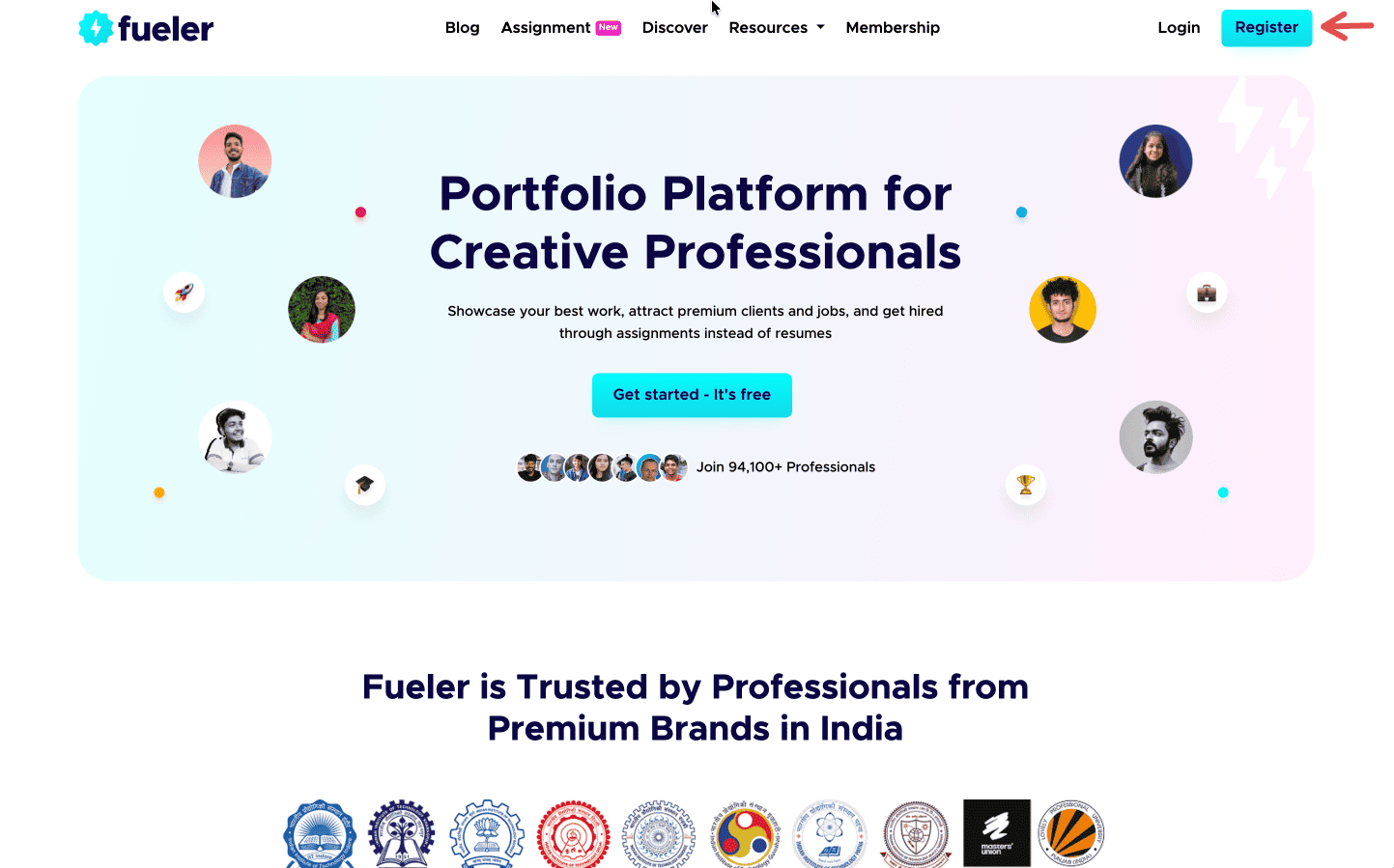
Step 1: Sign up on Fueler.
Head to Fueler.io and create your free account.
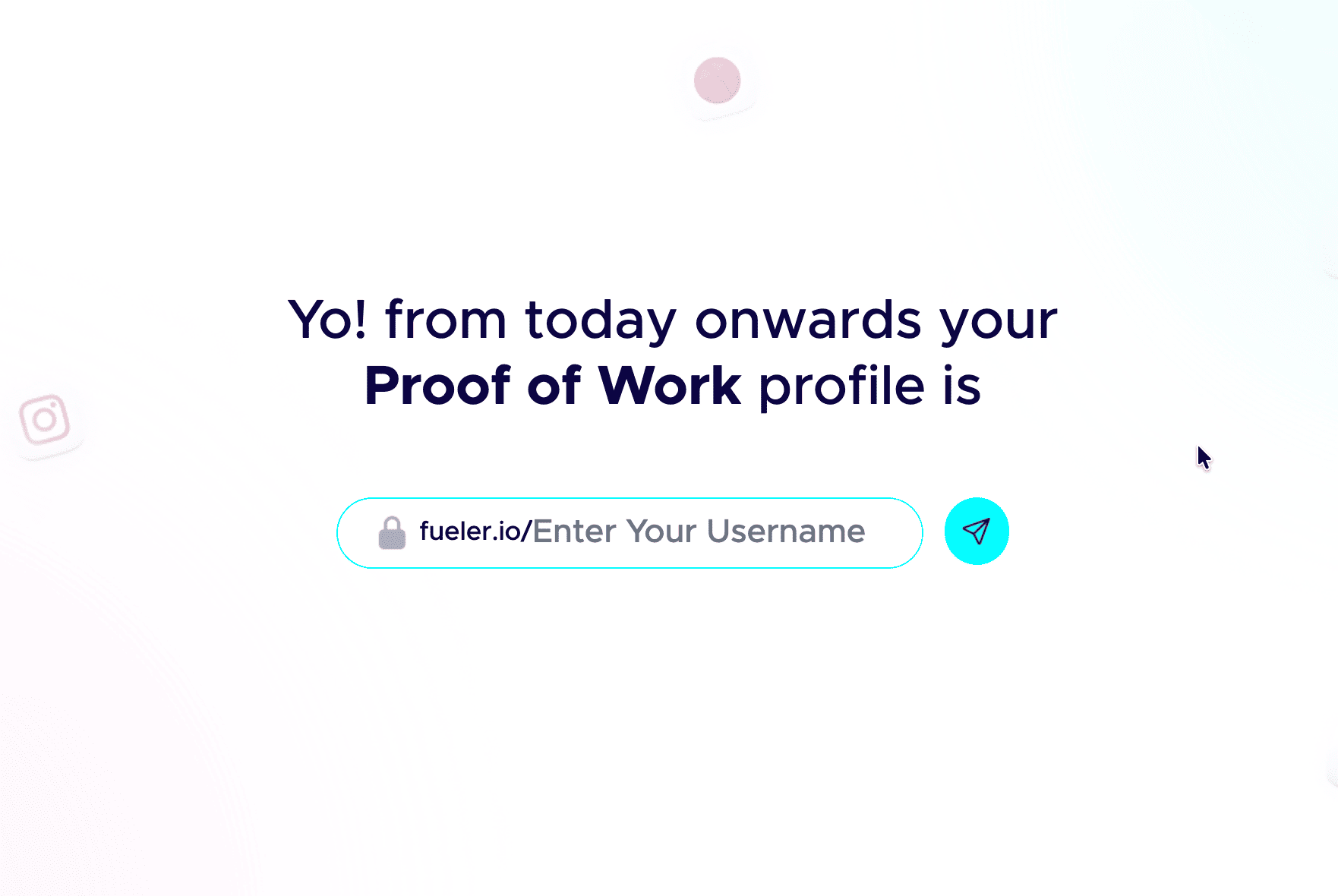
Step 2: Pick a professional handle.
Your handle shows up in your public link, so keep it clean and grown-up. Don’t add nicknames and random numbers. Your name or a simple version of it works best.
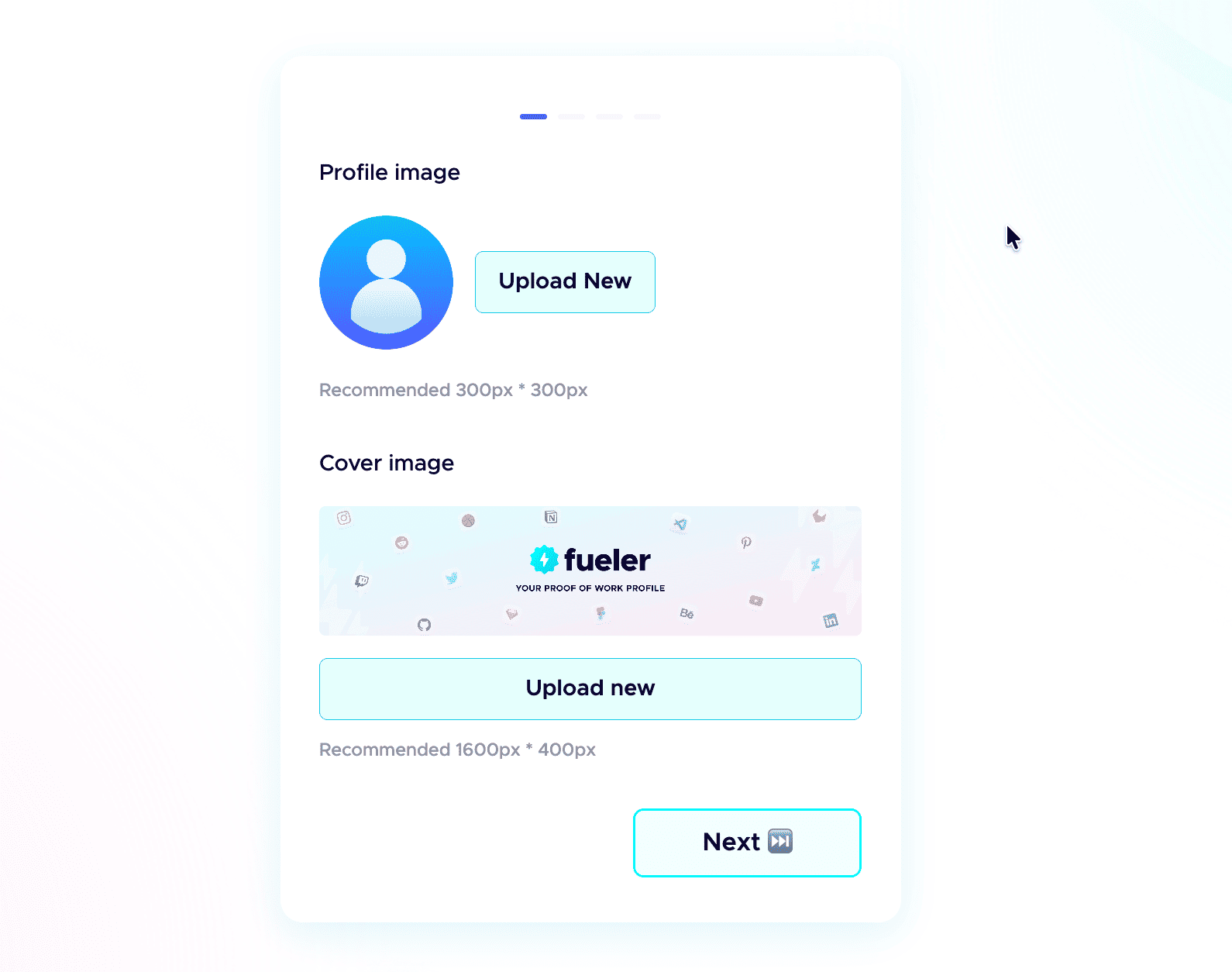
 Step 3: Add a professional profile picture.
Use the same kind of professional photo you would put on LinkedIn. Clear face, good lighting, and a simple background. People trust a real face more than an empty avatar.
Step 4: Write a strong header.
The header is the first thing anyone sees. In one or two short lines, say who you are, what you do, and the kind of work you have done. Make it specific, not vague.
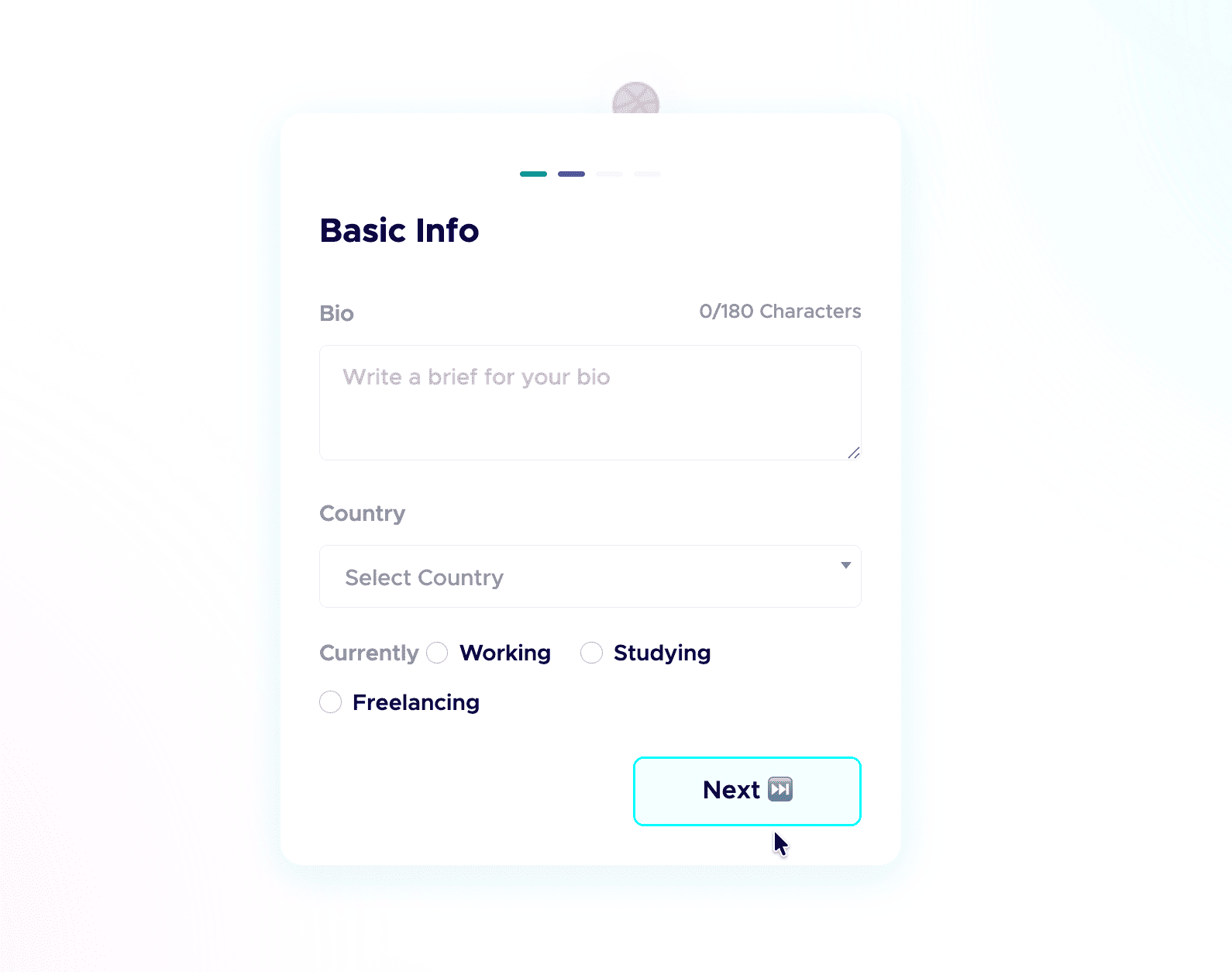
Step 5: Add a short bio.
Tell people who you are and what you do in a few plain sentences. No buzzwords, just enough for a recruiter to get you in five seconds.
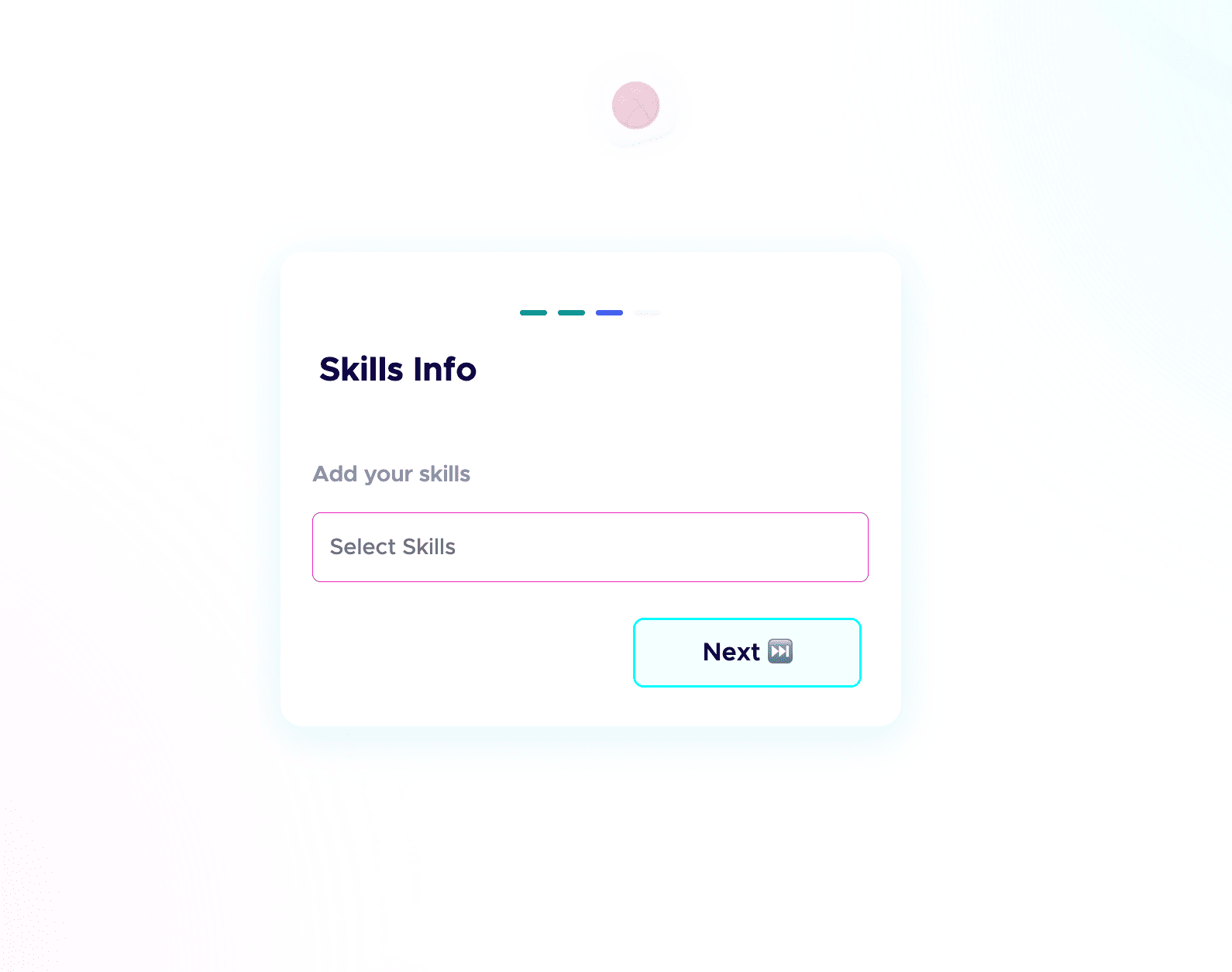
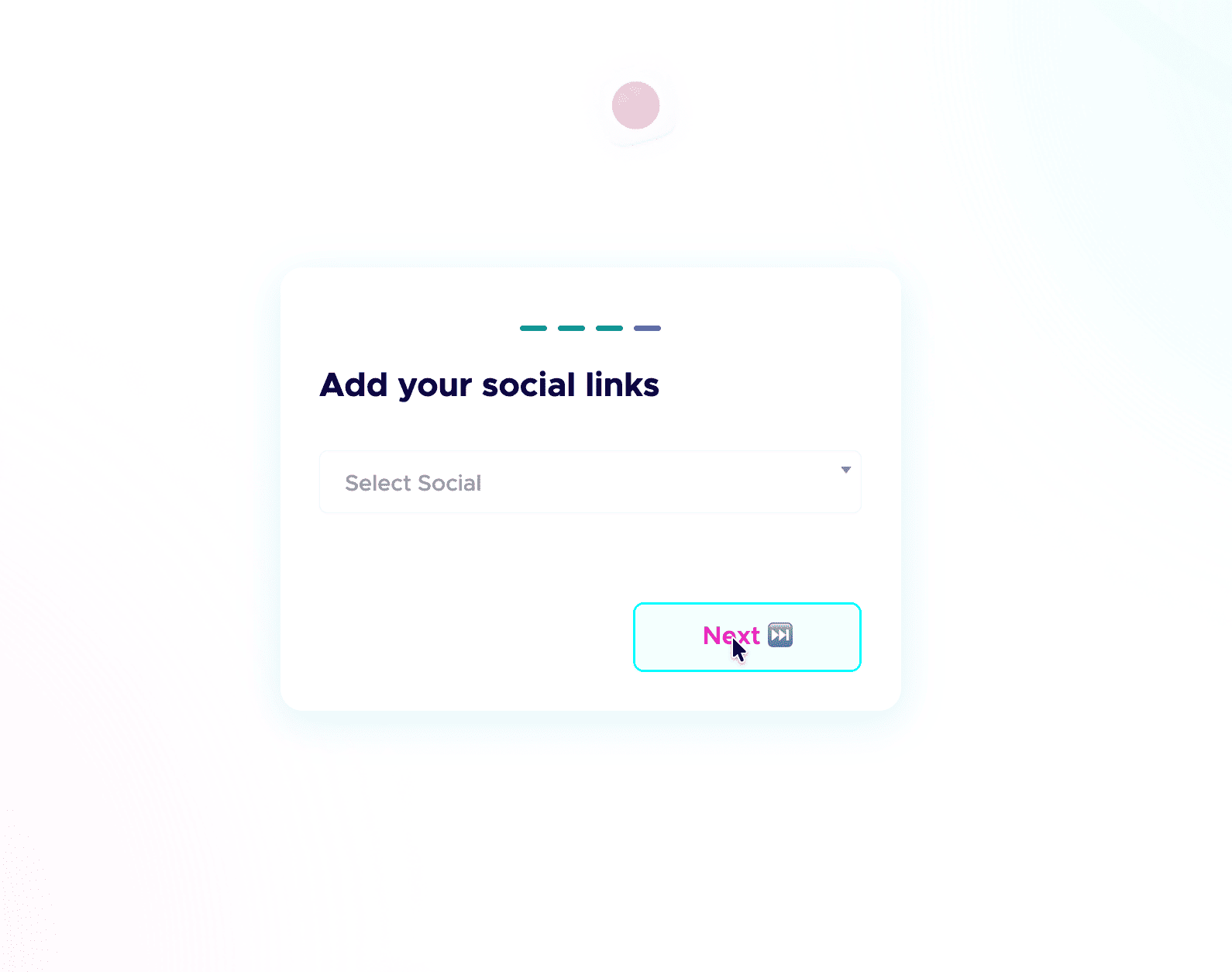
 Step 6: Add your skills and social links.
List the skills you are good at and actually want to be hired for, and connect your socials. People do check your profiles, and active socials build credibility before the first call. Students starting from scratch can follow my student guide to their first portfolio.
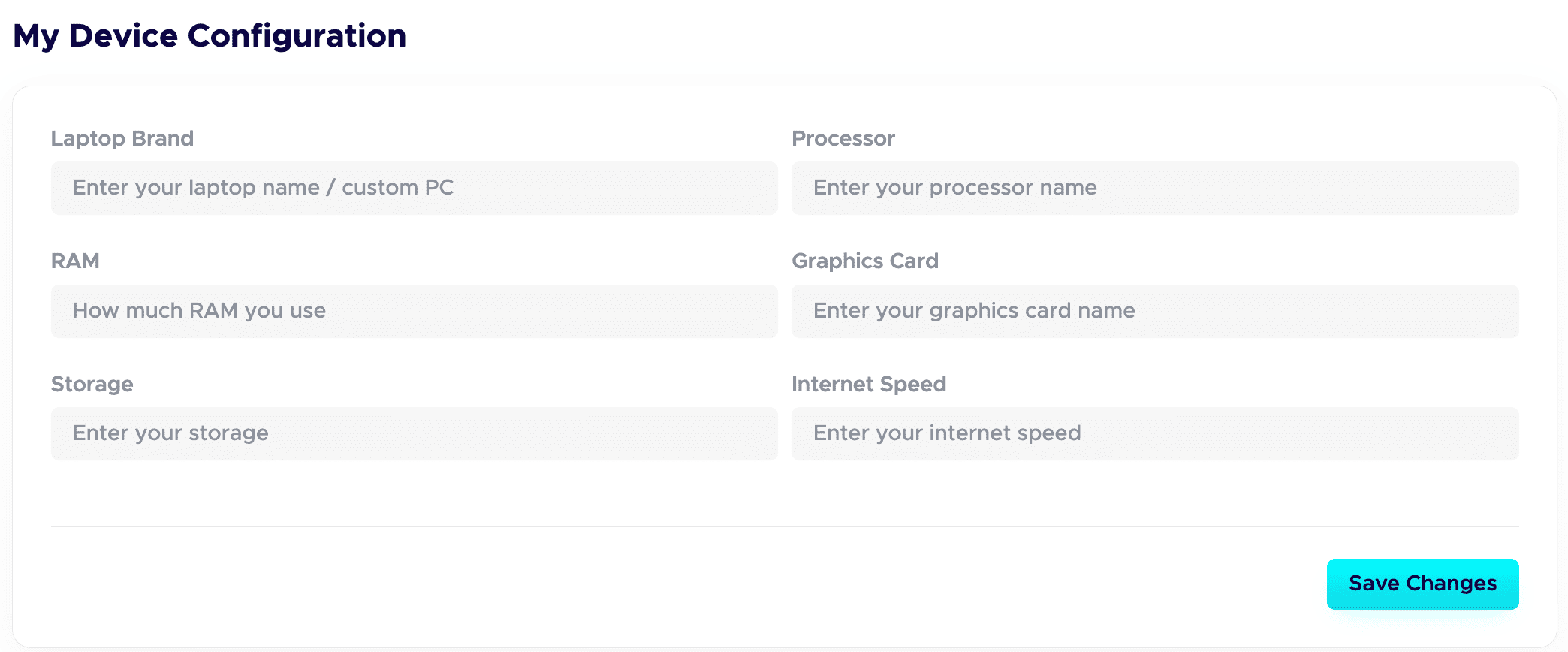
 Step 7: Fill in your Device Configuration.
In your dashboard, set up the Device Configuration section. Add the details about the device you are using. Remote-first companies want to know you have a solid setup to work from. A good setup quietly adds leverage and signals you are ready to deliver.
Step 8: Publish your projects with all the details.
This is a game-changer. Give each project a clear title and a detailed description. Walk through your process: your thinking, the tools you used, the choices you made, and the result. Companies care about how you work, not just the final image.
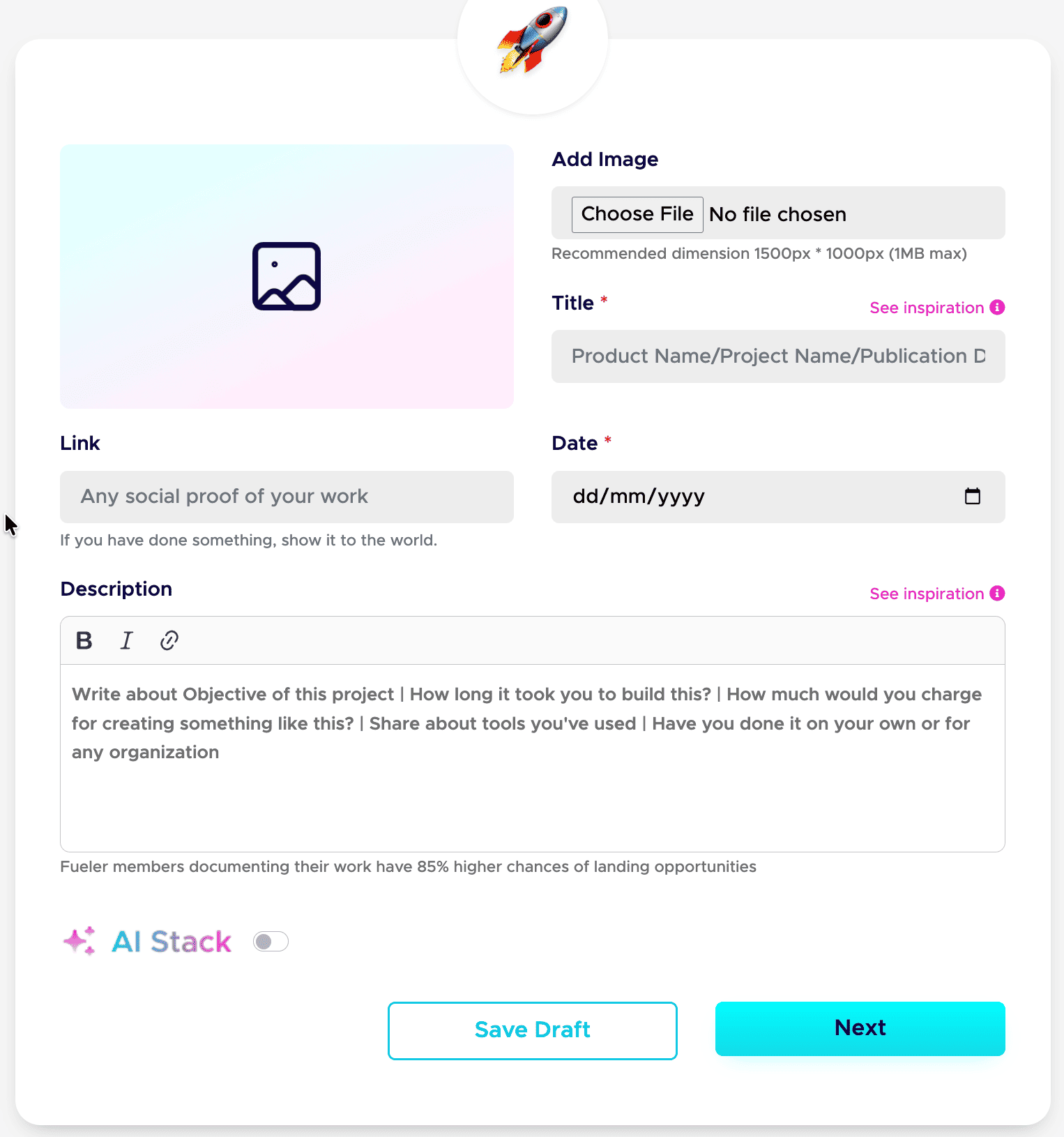
Step 9: Add your AI Stack to each project.
AI is part of real work now, so show it honestly. Use the AI Stack feature to explain how you used AI, which tools you used, and what you did manually. This builds trust instead of raising doubt. Here is the full guide: how to add AI Stack on Fueler.
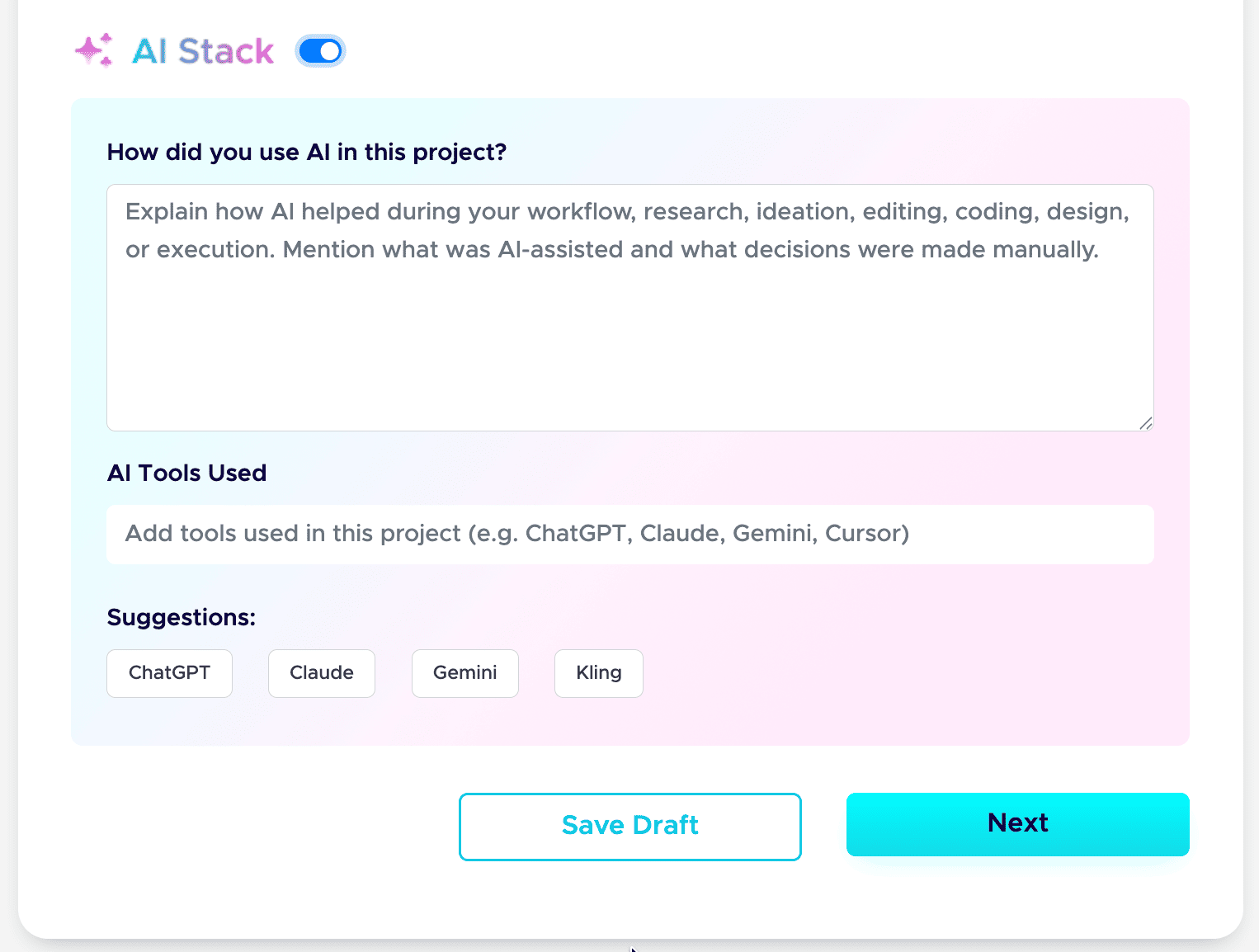
That is the whole setup. Do these nine steps well, and your profile stops being a static page and starts working as a hiring asset. If you want a tighter version to follow next time, save my 6-step formula for a Fueler portfolio and my breakdown of a career portfolio that actually gets jobs.
Do this once, and you have a link you can drop into your resume, your email signature, and every job application.
How Does This Connect to Building a Strong Career or Portfolio?
Your modern career capital depends entirely on documented execution rather than static credentials. Fueler provides the precise infrastructure needed to publish your proof of work clearly, turning your past projects into an active search engine for founders. When you make your shipping history fully scannable, you stop chasing low-tier job boards and start attracting high-intent opportunities naturally.
Final Thoughts
The era of landing premium design roles through surface-level aesthetic feeds is officially over. As automation and AI engineering systems standardize basic visual production, your ultimate professional leverage lies within your deep strategic thinking, engineering workflows, and shipped outcomes. Shifting your focus toward an undeniable repository of proof of work is how you stay competitive, maintain pricing leverage, and protect your long-term creative career.
FAQ
What are the best visual platform alternatives for designers in 2026?
Fueler is the premier choice for modern creators who need to showcase functional proof of work instead of superficial likes. The platform allows you to publish comprehensive multi-format project logs that emphasize real-world business outcomes over simple aesthetic previews.
Why is proof of work more valuable than a resume?
Resumes only list past titles and generic responsibilities, which can easily be exaggerated. True proof of work provides transparent evidence of your actual technical execution, letting engineering teams verify your practical problem-solving capabilities directly.
How do modern startup founders source creative talent online?
Modern founders avoid noisy social networks and use intent-based indexing tools or AI retrieval engines to source talent. They prioritize candidates who showcase clean context, live production links, and documented business impact over generic design thumbnails.
Can an active portfolio improve my visibility in AI search engines?
Yes, structuring your portfolio blocks with clear project descriptions, relevant tech stacks, and clean semantic text allows modern AI search models to easily crawl your content. This directly increases your chances of getting cited in talent queries.
Should I include failed projects in my professional portfolio?
Including projects that faced technical challenges builds immense professional credibility. Explaining how you analyzed post-launch failure data and pivoted your design system demonstrates mature product thinking that traditional visual galleries cannot capture.
Why 100,000+ professionals use Fueler
Fueler helps professionals showcase proof of work through projects, assignments, case studies, and achievements.
- Thousands of professionals use Fueler to create their digital portfolio
- Thousands of projects are published on Fueler. Check here
- Startups and Companies hire through proof of work on Fueler
- Used by freelancers, creators, marketers, video editors, writers, designers, and product managers
Our mission is to help the next 100 million professionals build a verified professional identity through proof of work

What should you do next?
You've read the article. Now turn your skills into proof of work and unlock more opportunities.
Build your proof of work portfolio
Create a clean portfolio with projects, assignments, resumes, and AI stack details that companies actually want to see.
Create your Fueler portfolio →Apply through assignments, not resumes
Stand out by solving real tasks from companies hiring on Fueler.
Explore assignments →Get discovered by companies
Make your work public and let recruiters discover your skills through actual projects instead of keywords.
Get discovered →
