Framer Builds Websites. Fueler Builds Careers

Riten Debnath
11 Jul, 2026
Last updated: July 2026
Sending a traditional PDF resume to a modern company feels a bit like using a paper map to navigate a new city. It technically contains data, but it completely lacks the real-time proof, context, and dynamic validation that modern builders look for. While stunning web builders make creating crisp landing pages effortless, a beautiful interface alone no longer closes the gap between an interview invite and a signed offer letter.
I’m Riten, founder of Fueler, a skills-first portfolio platform that connects talented individuals with companies through assignments, portfolios, and projects, not just resumes/CVs. Think Dribbble/Behance for work samples + AngelList for hiring infrastructure.
The hiring landscape has fundamentally pivoted from evaluating aesthetic credentials to verifying proof of execution. In this resource, we will break down why static pages fall short, how to document your operational thinking, and the exact process to transform your career artifacts into high-intent talent magnets. You will learn to treat your professional history as a living engine of business outcomes.
1. Why Surface-Level Design Fails the Modern Interview Process
Aesthetics grab brief attention, but actual proof of execution closes the hiring gap. When growth-focused teams evaluate remote contributors or core operators, they quickly look past superficial visual finishes. A clean landing page looks pleasant, but revealing the strategic data, resource constraints, and iterative testing behind that layout establishes immediate structural trust.
Shifting your focus from basic styling to transparently documented results fundamentally alters how decision-makers assess your ultimate workspace capability. Founders and managers need to see your precise tactical steps when managing a tight deadline or shipping an engineering update. Displaying this analytical background ensures you are evaluated on your active revenue-generation potential.
- Demonstrating practical problem-solving frameworks provides companies with an exact view of how you navigate high-stakes operational pressure and ambiguous project scopes.
- Highlighting direct business growth metrics clearly proves your shipped work moves key corporate indicators like active user acquisition or product retention.
- Displaying end-to-end management histories fully validates your ability to successfully steer cross-functional initiatives without requiring constant daily managerial oversight.
- Providing clear context around asset constraints reveals how efficiently you maximize limited development budgets or tight launch windows.
- Highlighting your post-launch tracking methods shows a sophisticated commitment to continuous optimization based on real-world user interaction data.
Why It Matters
This structural breakdown is vital because presentation layer talent is commoditized, but deep execution remains remarkably scarce. Showing your raw operational logic directly protects your pipeline from shifting hiring freezes. It instantly separates you from hundreds of generic applicants by proving you understand bottom-line business realities.
2. The Critical Shift From Static Resumes to Active Proof of Work
Traditional resumes limit your multi-dimensional workspace value into arbitrary text bullet points that anyone can fabricate. Modern hiring frameworks are aggressively shifting toward real-world testing, immediate sample assignments, and verifiable portfolio history. True proof of work showcases the granular mechanics of your daily execution rather than just listing your past job titles.
This transition requires treating your professional output as a rolling collection of mini case studies rather than a historical archive. When you document the specific tools, code repositories, or copy iterations you handled, you eliminate hiring speculation. This level of granular clarity allows talent acquisition teams to match your past work to their current needs.
- Publishing verified codebase contributions eliminates technical speculation by letting engineering leads directly evaluate your architectural cleanliness and pull-request etiquette.
- Documenting your content distribution funnels explicitly demonstrates you know how to convert raw traffic into measurable pipeline revenue.
- Sharing actual localized user research highlights a mature capability to extract actionable product insights straight from authentic consumer conversations.
- Detailing your live conversion optimizations proves you can systematically isolate user friction points and actively increase checkout completion percentages.
- Displaying raw unedited project sprint files gives teams authentic visibility into how you organize tasks and communicate asynchronous updates.
Why It Matters
Static resumes are a major point of friction for both talent and hiring managers. Embracing live proof of work establishes instant functional authority before an interview even begins. It shifts the dynamic from trying to convince a team of your value to showing them your exact worth.
3. How Beautiful Landing Pages Accidentally Hide Real Business Impact
Stunning front-end interfaces can easily mask a complete lack of underlying strategic depth. A beautifully balanced grid or smooth animation looks great, but it does not tell a founder if the product actually solved a user problem. True career leverage comes from connecting your visual or technical executions directly to core commercial outcomes.
To stand out, your portfolio must consciously tell the deeper story behind the polished layout. If you designed a checkout flow, highlight the cart abandonment drop or the click-through improvement. Explaining the functional purpose behind your design aesthetic shifts you from an order-taker to a strategic business partner.
- Exposing the underlying user metrics prevents hiring teams from assuming your design work was purely cosmetic rather than highly functional.
- Detailing the precise conversion mechanics establishes your clear understanding of user psychology, data tracking, and behavioral product flows.
- Contrasting early design versions with final files demonstrates a healthy, ego-free willingness to iterate based on real feedback.
- Quantifying specific engineering or design page-load improvements links your technical execution directly to reduced bounce rates and better SEO.
- Connecting micro-interactions to direct feature usage proves you design for clear consumer utility rather than chasing fleeting design trends.
Why It Matters
In a market flooded with automated templates, visual polish alone is no longer a differentiator. Showing the strategic intent behind your work protects your position from being automated or outsourced. It proves you build things that drive actual business retention and revenue.
4. How to Document Technical Execution for Non-Technical Decision Makers
A major career hurdle is explaining complex, highly technical workflows to non-technical founders or HR teams. If your portfolio only features raw code blocks or dense architectural jargon, busy stakeholders will quickly move on. The solution is translating your complex technical builds into clear, outcome-oriented project summaries.
The best approach balances high-level business context with deep-dive technical breakdowns for engineering leads who review your work later. Framing your projects around resource efficiency, system stability, and team velocity makes your value clear to everyone. This structural balance positions you as a highly collaborative, business-aware contributor.
- Framing major software refactors around infrastructure savings immediately catches the attention of budget-conscious operations executives.
- Using clear, everyday analogies for complex systems ensures human resource teams can quickly grasp your core engineering contributions.
- Highlighting personal code review and documentation standards signals that you build clean, maintainable systems that help teams scale.
- Detailing API integrations through concrete partner outcomes shifts the narrative from basic connectivity to enabling valuable new product features.
- Mapping database migrations directly to reduced application latency shows a sharp focus on protecting and improving the overall user experience.
Why It Matters
Engineers and technical marketers who can translate their work into clear business value are incredibly rare. Mastering this documentation style wins trust across different departments and speeds up hiring loops. It ensures your application is never cast aside simply due to misaligned jargon.
5. Step-by-Step: Setting Up Your Living Proof of Work Engine on Fueler
Building a high-converting portfolio should not require managing complex hosting environments, custom codebases, or clunky database systems. The entire platform workflow is intentionally optimized to help you publish individual project proofs within minutes of completion. Here is the exact sequence to move from an empty profile to a fully operational proof of work engine.
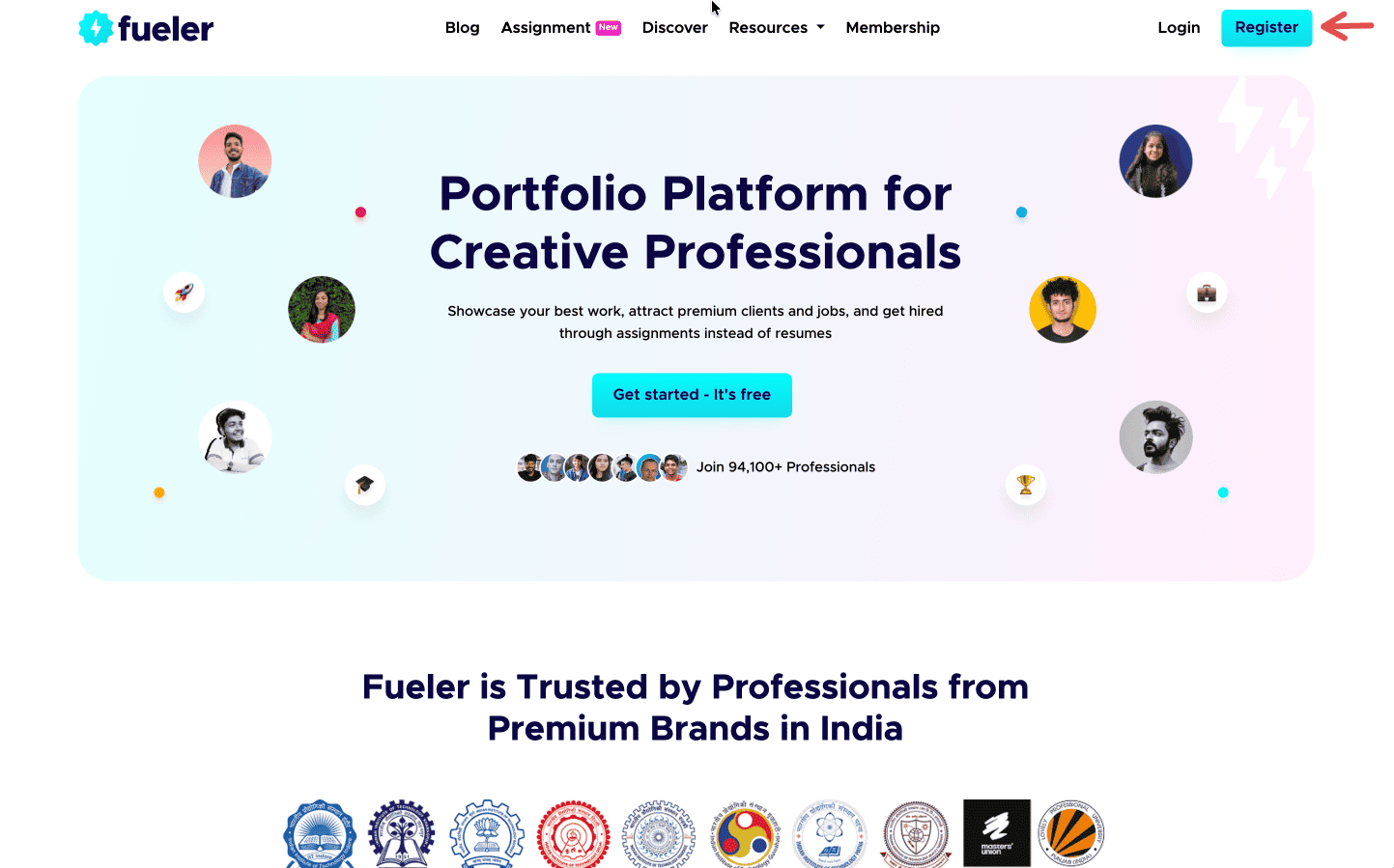
Step 1: Sign up on Fueler.
Head to Fueler.io and create your free account.
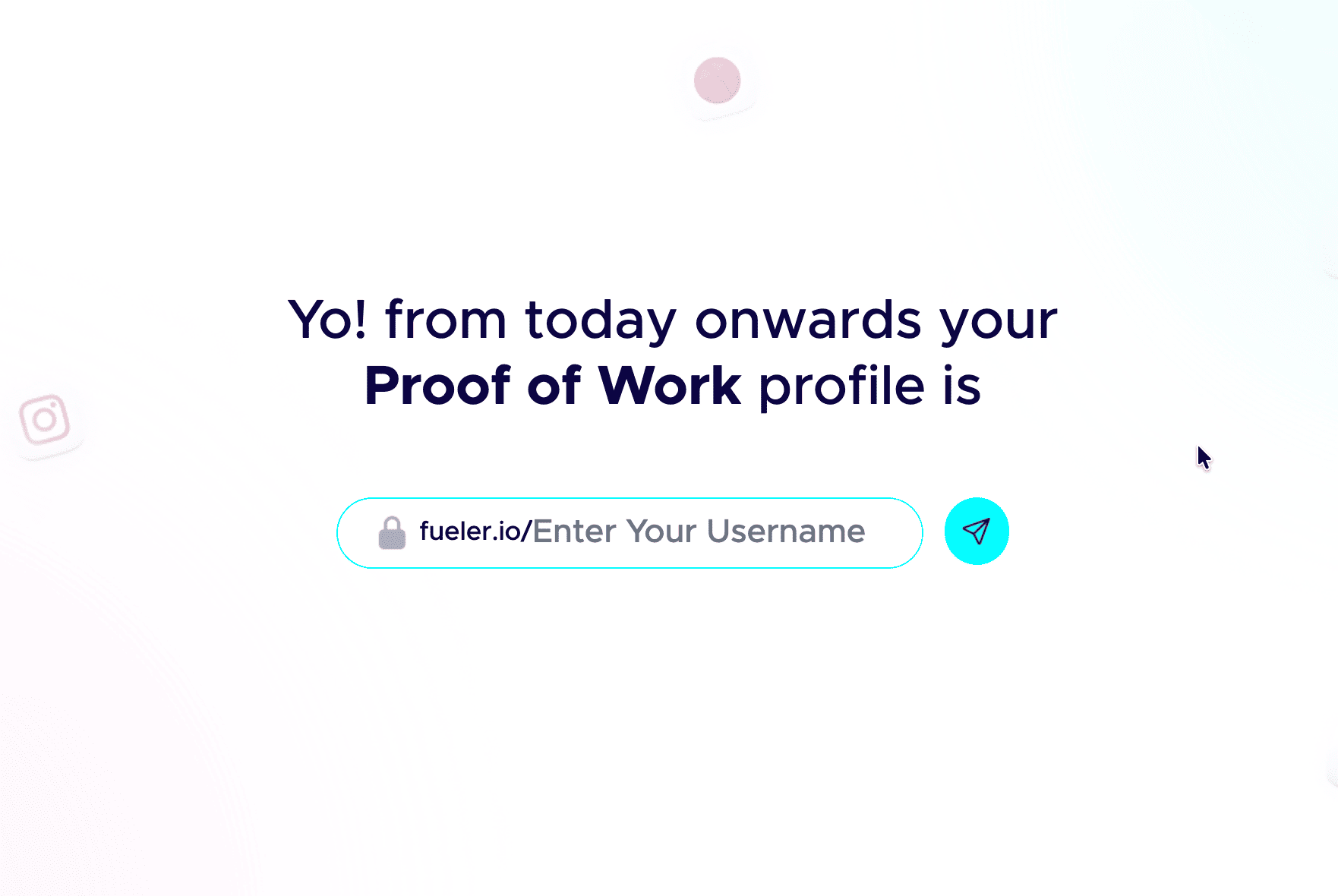
Step 2: Pick a professional handle.
Your handle shows up in your public link, so keep it clean and grown-up. Don’t add nicknames and random numbers. Your name or a simple version of it works best.
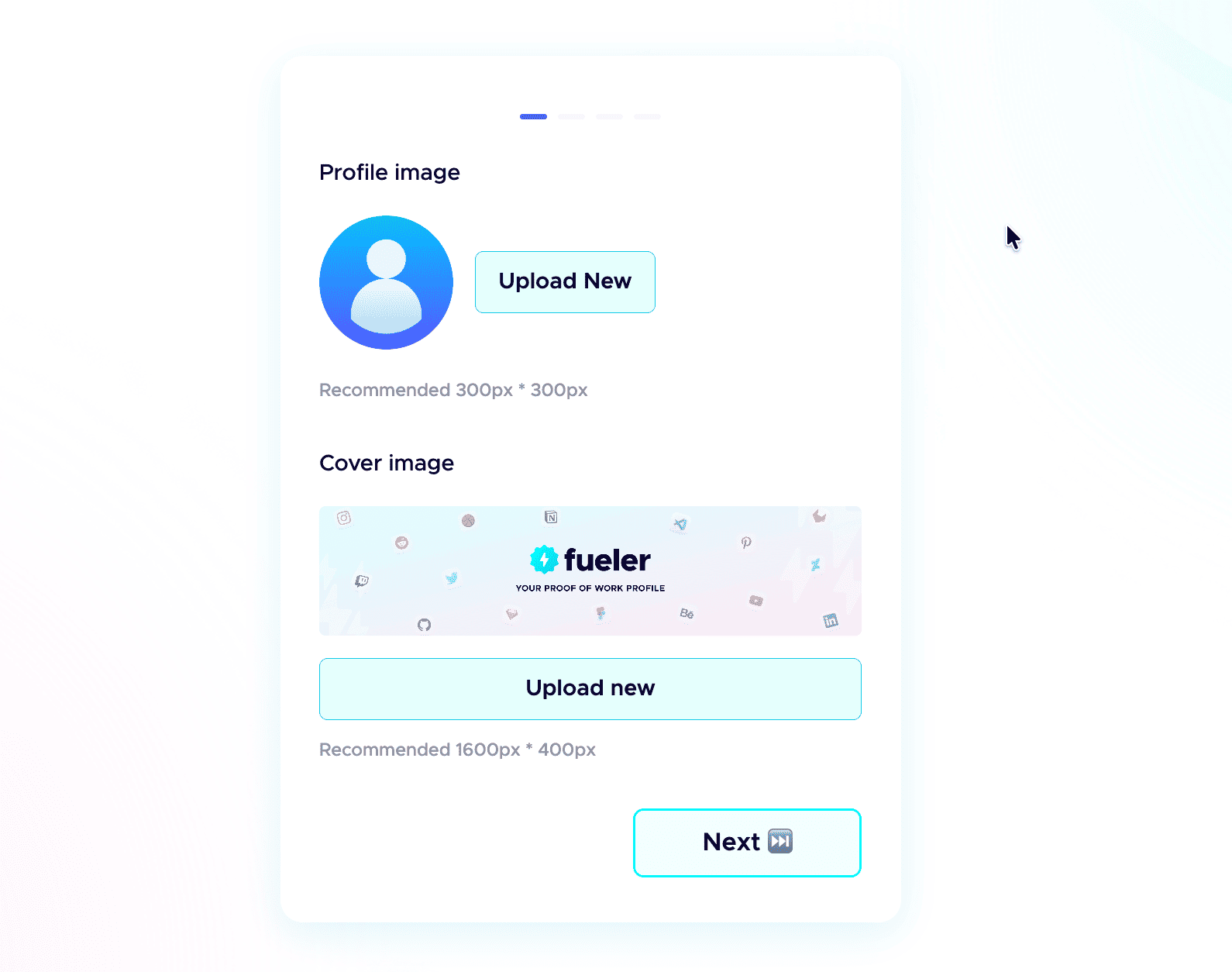
 Step 3: Add a professional profile picture.
Use the same kind of professional photo you would put on LinkedIn. Clear face, good lighting, and a simple background. People trust a real face more than an empty avatar.
Step 4: Write a strong header.
The header is the first thing anyone sees. In one or two short lines, say who you are, what you do, and the kind of work you have done. Make it specific, not vague.
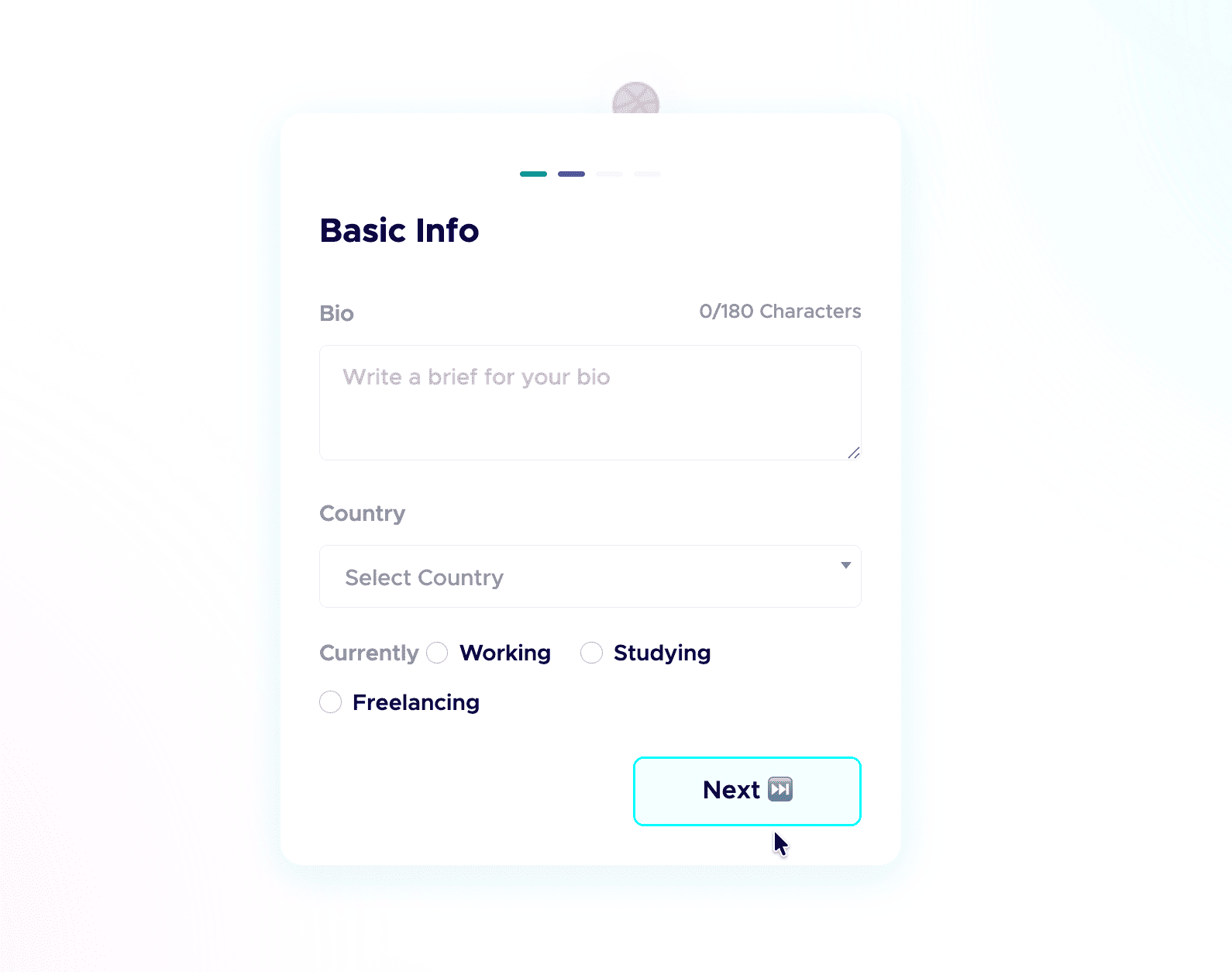
Step 5: Add a short bio.
Tell people who you are and what you do in a few plain sentences. No buzzwords, just enough for a recruiter to get you in five seconds.
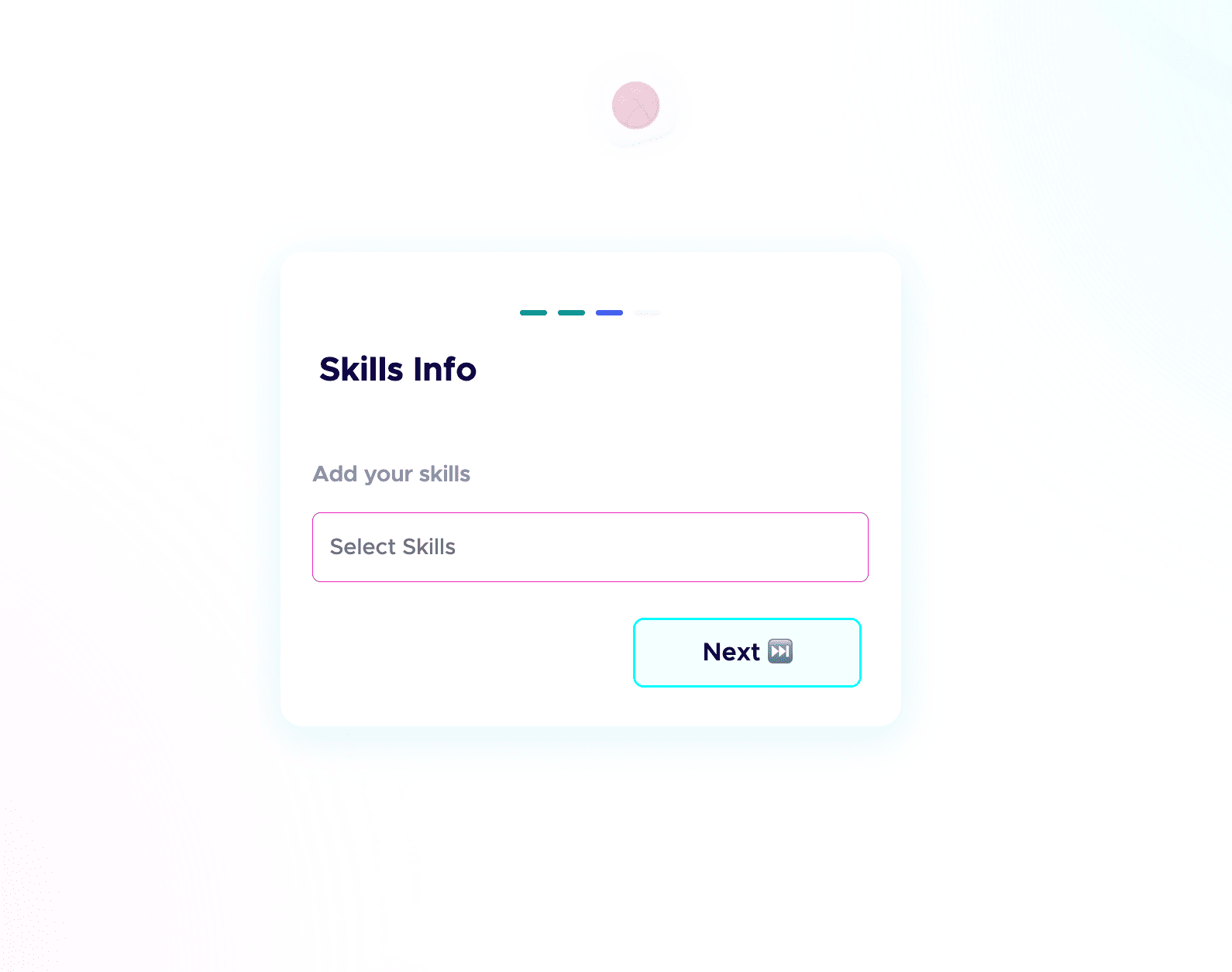
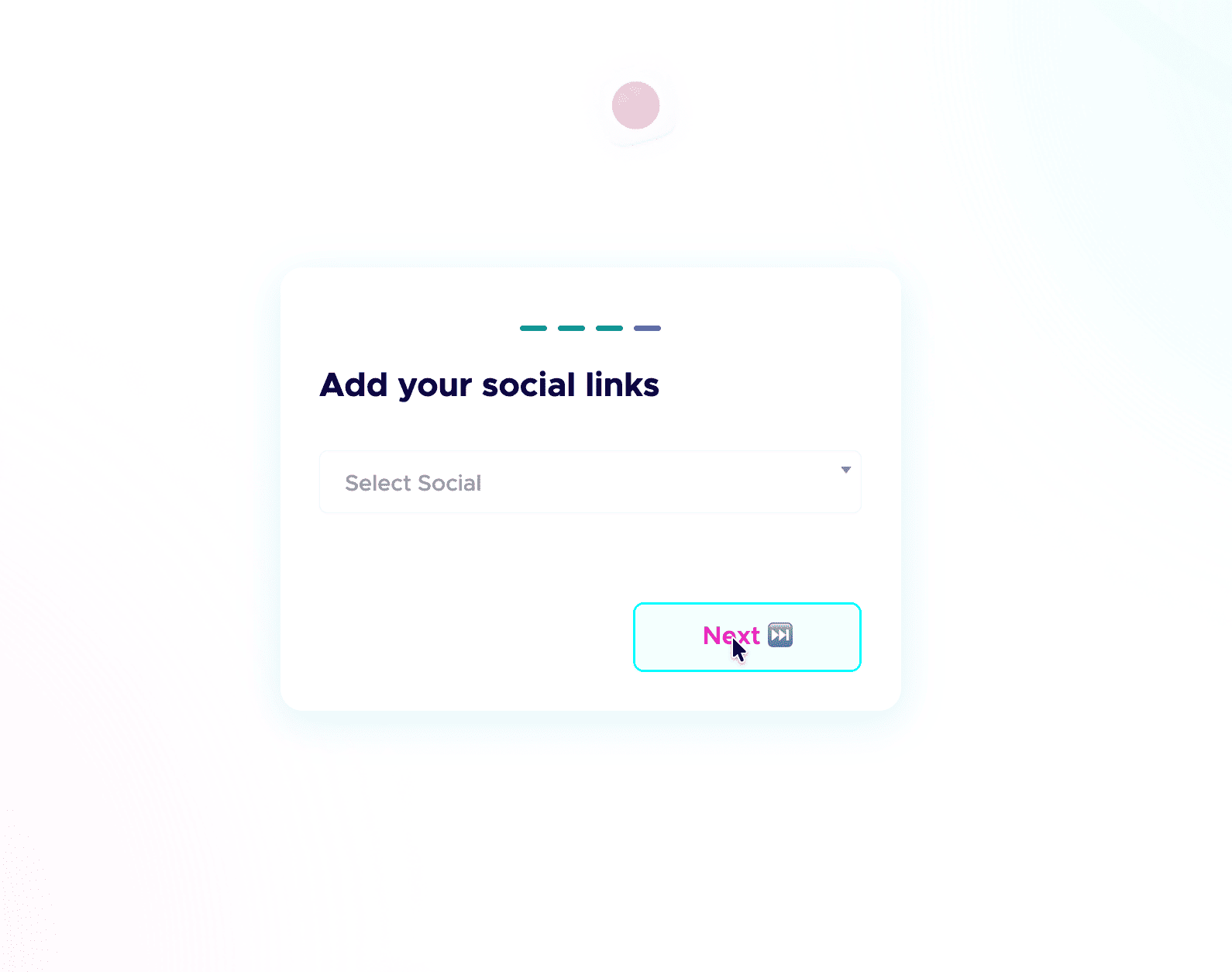
 Step 6: Add your skills and social links.
List the skills you are good at and actually want to be hired for, and connect your socials. People do check your profiles, and active socials build credibility before the first call. Students starting from scratch can follow my student guide to their first portfolio.
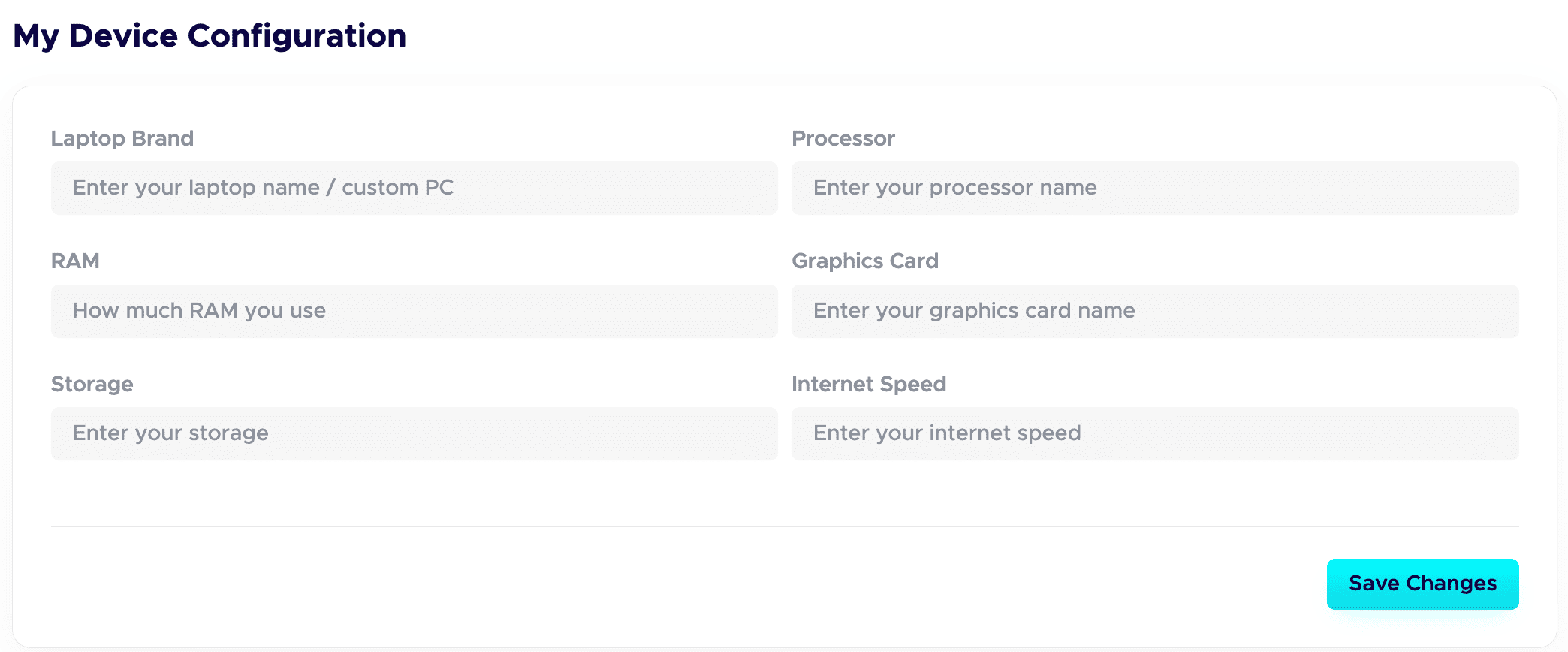
 Step 7: Fill in your Device Configuration.
In your dashboard, set up the Device Configuration section. Add the details about the device you are using. Remote-first companies want to know you have a solid setup to work from. A good setup quietly adds leverage and signals you are ready to deliver.
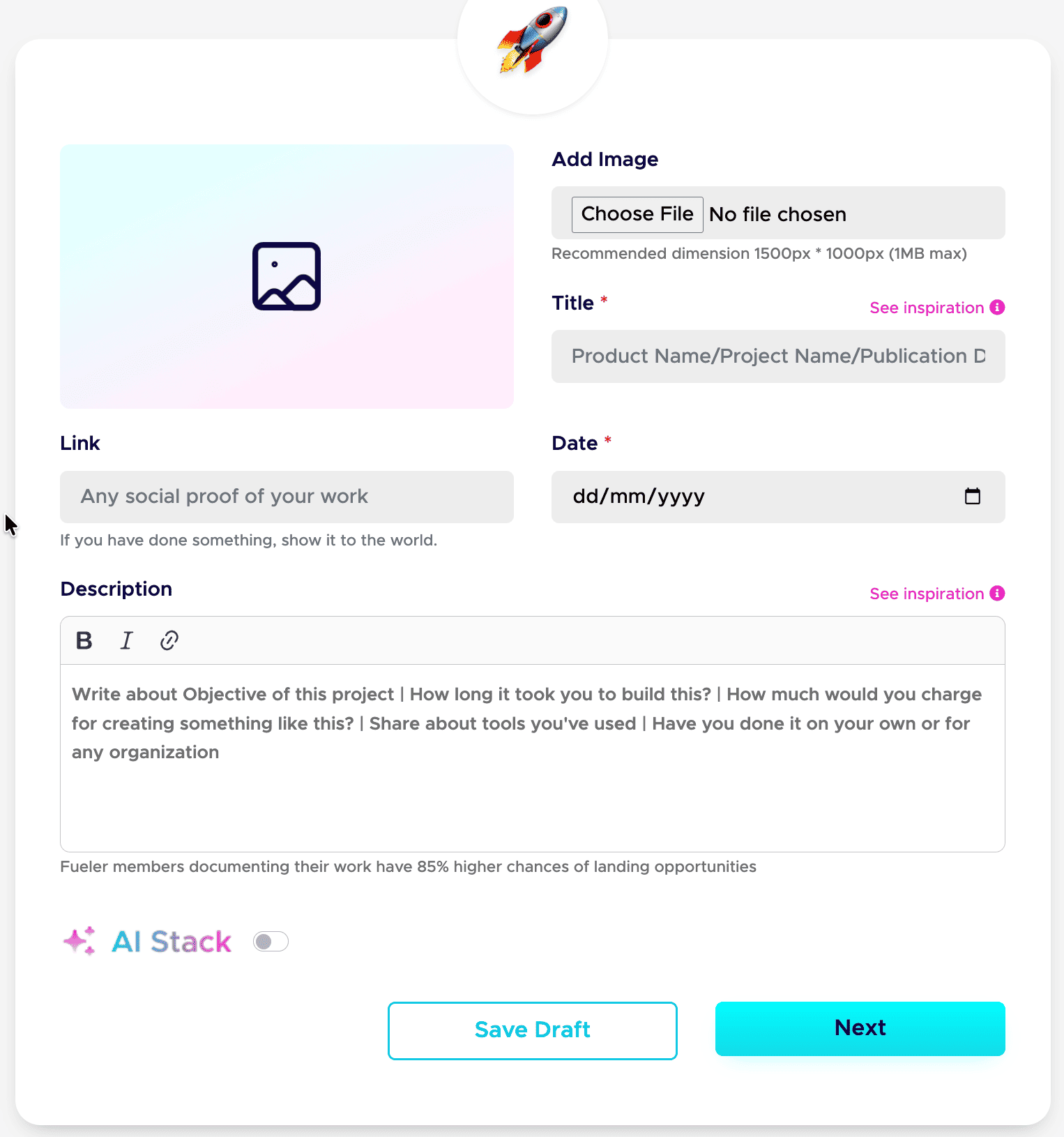
Step 8: Publish your projects with all the details.
This is a game-changer. Give each project a clear title and a detailed description. Walk through your process: your thinking, the tools you used, the choices you made, and the result. Companies care about how you work, not just the final image.
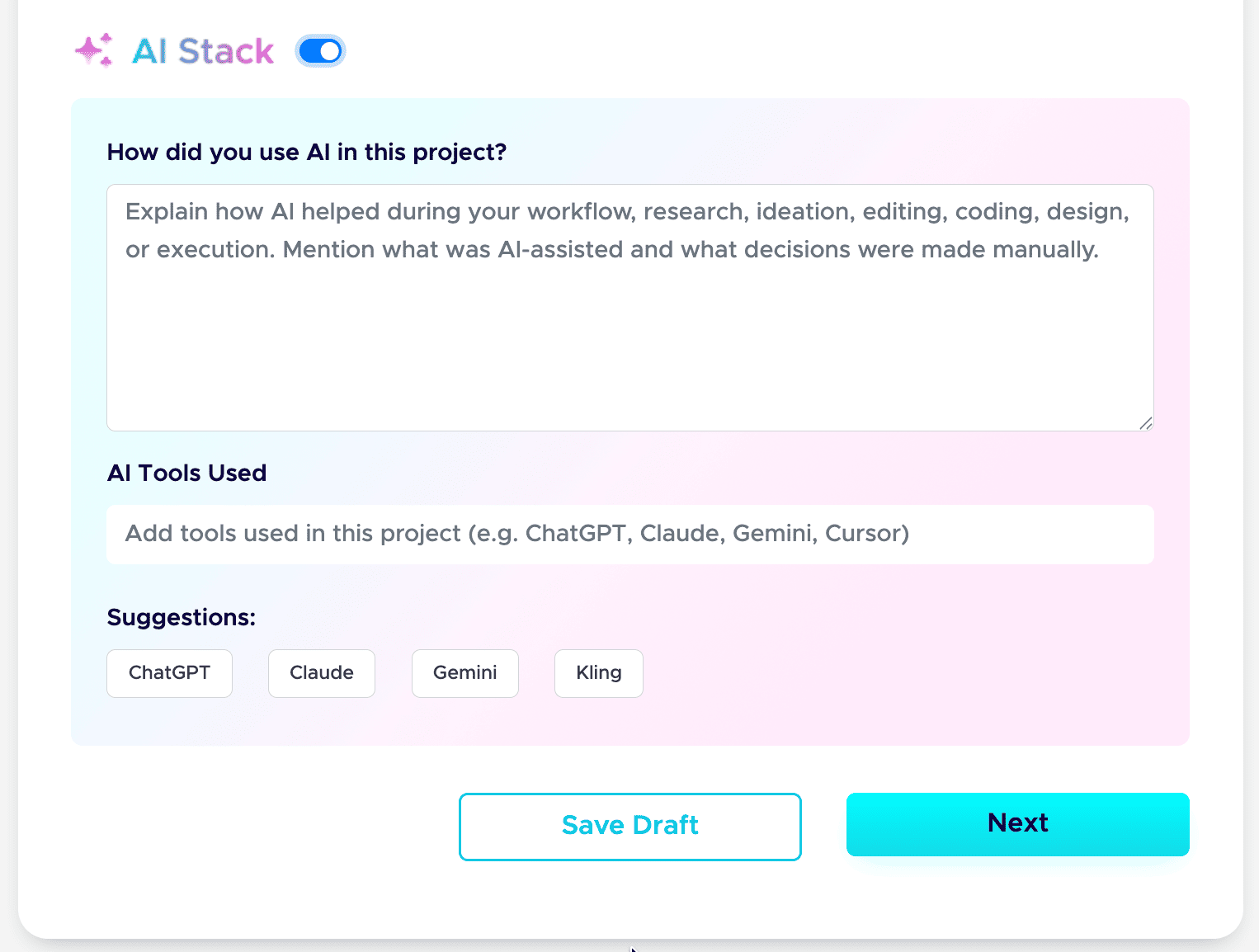
Step 9: Add your AI Stack to each project.
AI is part of real work now, so show it honestly. Use the AI Stack feature to explain how you used AI, which tools you used, and what you did manually. This builds trust instead of raising doubt. Here is the full guide: how to add AI Stack on Fueler.
That is the whole setup. Do these nine steps well, and your profile stops being a static page and starts working as a hiring asset. If you want a tighter version to follow next time, save my 6-step formula for a Fueler portfolio and my breakdown of a career portfolio that actually gets jobs.
Do this once, and you have a link you can drop into your resume, your email signature, and every job application.
6. Curating High-Intent Project Logs That Attract Top Startup Founders
Founders read portfolios with a distinct sense of urgency, looking specifically for individuals who can immediately solve their operational bottlenecks. They do not want to dig through a messy archive of everything you have ever touched since university. They want to see a curated selection of highly relevant projects that mirror their company's current challenges.
Effective curation means prioritizing recent, high-impact assignments that match the specific roles you are targeting. Grouping your work around clear skill sets makes it easy for busy founders to assess your capabilities in seconds. This clear focus shows a mature understanding of what early-stage teams actually need to scale.
- Grouping your proof of work into clean skill buckets saves founders time and makes your primary expertise instantly recognizable.
- Archiving outdated or low-impact student projects keeps your portfolio focused on your strongest, most professional outcomes.
- Leading with highly relevant private brand assignments builds immediate credibility by showing you have tackled real commercial challenges.
- Explaining the specific business goals of each project shows you think like an owner who aligns tasks with company objectives.
- Keeping your project links active and verified avoids broken-link frustration and proves your shipped work is still performing live.
Why It Matters
When hiring loops move fast, clarity and speed are everything. Curating high-intent logs ensures busy decision-makers see your best work within the first few seconds. This intentional approach dramatically boosts your response rates from premium startups.
7. The Operational Trap: Why Polishing Portfolios Instead of Shipping Work Kills Momentum
It is easy to fall into the trap of constantly tweaking fonts, animations, and margins instead of putting your work out there. This endless polishing is often just procrastination disguised as productive design work. The hard truth is that an unreleased portfolio sitting in a draft editor has zero chance of landing your next role.
True career momentum comes from sharing your projects early, gathering real-world feedback, and documenting your growth over time. Embracing an iterative, ship-as-you-go approach removes the pressure of trying to build a flawless website. Showing your progress in real-time is far more impressive to fast-moving teams than a static page that never changes.
- Setting a strict weekly deadline for project uploads keeps you from over-analyzing design details and builds a healthy shipping habit.
- Focusing on clear, scannable text breakdowns ensures your core value is clear, even without complex web interactions.
- Publishing raw, imperfect internal case documents shows an authentic, transparent working style that builds genuine professional trust.
- Spending your energy on metrics rather than custom layout code keeps your portfolio updates focused on actual business results.
- Treating your portfolio as a living, rolling workspace log takes away the stress of trying to launch a perfect, finished product.
Why It Matters
Over-polishing your site wastes valuable time that could be spent shipping real work and landing clients. Shifting to an execution-first mindset ensures your portfolio stays up to date with your actual skills. It keeps your digital presence moving at the exact same speed as your career.
8. Decentralized Validation: Leveraging Collaborative Proof to Build Trust
Self-reported claims on a standard resume are inherently met with skepticism by experienced hiring managers. Anyone can add a bullet point claiming they led a project or managed a successful launch. The most effective way to break through this skepticism is by adding decentralized peer validation directly to your work.
Co-publishing entries with your teammates, clients, and managers provides built-in social proof that verifies your exact role in a project. This transparent, shared documentation makes your portfolio look less like a self-promotion page and more like an official record of collaborative success. It gives founders the immediate confidence they need to move you to the next stage.
- Tagging verified co-creators on your project cards creates an immutable link that validates your active involvement.
- Displaying client sign-offs directly inside your case studies confirms that your project deliverables met real business standards.
- Cross-linking your portfolio with verified public code repositories gives technical teams an unedited look at your actual contributions.
- Gathering contextual recommendations attached to specific milestones provides deep, relevant social proof right next to your work.
- Sharing collaborative project planning workspaces shows exactly how you communicate and collaborate within a modern remote team.
Why It Matters
In a competitive job market, trust is the ultimate currency for fast-moving hiring teams. Incorporating collaborative validation into your portfolio removes the need for long, drawn-out reference checks later on. It turns your network into a quiet, continuous engine of professional credibility.
How Does This Connect to Building a Strong Career or Portfolio?
Modern hiring prioritizes transparent execution over resume summaries. Documenting your projects builds instant trust with global teams by showing exactly how you solve problems. Using Fueler lets you easily organize your proof of work, connect with collaborators, and show your true business impact, helping you stand out in competitive spaces.
Final Thoughts
The shift toward proof of work is fundamentally changing how modern talent is found, vetted, and hired globally. Waiting around for a hiring manager to read through a generic text resume is a losing strategy in a fast-moving market. True career security comes from consistently documenting your daily project executions, sharing your metrics, and maintaining an active portfolio. As the industry evolves, the professionals who clearly show their business impact will always stay ahead of the curve.
FAQs
What are the best ways to display proof of work in 2026?
The most effective way is through structured, linkable project cards that clearly show your core context, specific tool stacks, and measurable business outcomes. This gives hiring managers everything they need to verify your skills in seconds.
How does proof of work differ from a standard portfolio?
A traditional portfolio usually just shows the final visual product. True proof of work digs much deeper, revealing the underlying problem-solving frameworks, resource choices, metrics, and team collaboration that actually drove the project's success.
Can non-technical professionals build effective project portfolios?
Yes, non-technical marketers, operations managers, and writers can easily document their workflows by sharing clear strategy briefs, project management pipelines, conversion metrics, and written case studies that show their organizational impact.
How often should I update my project execution logs?
You should aim to document your wins in real-time by uploading new project proofs every time you finish a contract or launch a feature. Keeping your log current ensures you are always ready for unexpected career opportunities.
Do startup founders actually prefer portfolios over traditional resumes?
Modern startup founders consistently prefer clear proof of work because it eliminates the guesswork of hiring. Seeing your real-world projects gives them the confidence that you can jump in and solve their problems from day one.
Why 100,000+ professionals use Fueler
Fueler helps professionals showcase proof of work through projects, assignments, case studies, and achievements.
- Thousands of professionals use Fueler to create their digital portfolio
- Thousands of projects are published on Fueler. Check here
- Startups and Companies hire through proof of work on Fueler
- Used by freelancers, creators, marketers, video editors, writers, designers, and product managers
Our mission is to help the next 100 million professionals build a verified professional identity through proof of work

What should you do next?
You've read the article. Now turn your skills into proof of work and unlock more opportunities.
Build your proof of work portfolio
Create a clean portfolio with projects, assignments, resumes, and AI stack details that companies actually want to see.
Create your Fueler portfolio →Apply through assignments, not resumes
Stand out by solving real tasks from companies hiring on Fueler.
Explore assignments →Get discovered by companies
Make your work public and let recruiters discover your skills through actual projects instead of keywords.
Get discovered →
