Canva Portfolio vs Fueler Portfolio: Which Platform Is Better?

Riten Debnath
14 Jul, 2026
Last updated: July 2026
The corporate resume is officially dead, and generative AI killed it. In 2026, nobody believes a bullet point on a CV anymore. When anyone can use a prompt to generate a flawlessly worded job description or a pixel-perfect template, the traditional hiring process collapses under the weight of artificial polish. Recruiters are drowning in an ocean of identical, unverified applications.
If you are still sending out a static link to a stylized, text-heavy page hoping someone will read between the lines and guess your value, you are playing a losing game. The modern market doesn’t care about what you claim you can do. It cares about what you have actually executed.
I’m Riten, founder of Fueler, a skills-first portfolio platform that connects talented individuals with companies through assignments, portfolios, and projects, not just resumes/CVs. Think Dribbble/Behance for work samples + AngelList for hiring infrastructure.
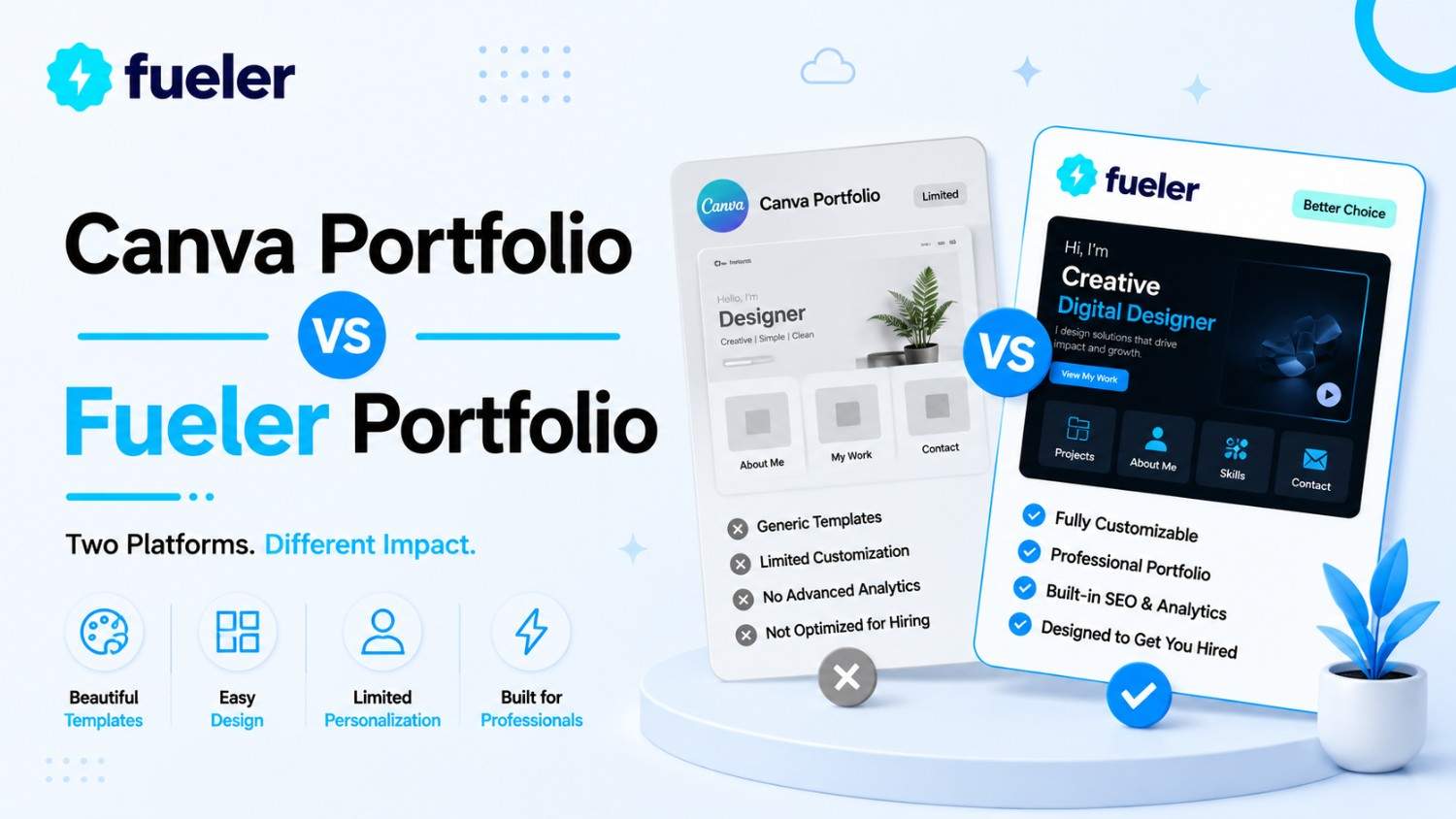
This brings us to a massive fork in the road for anyone building an online presence: Canva vs. Fueler.
One is an absolute juggernaut of graphic layout and visual design. The other is a hyper-focused utility engine built to convert cold career evidence into paid opportunities. Let’s look at the absolute truth of where these platforms live, where they fail, and how to decide which one to back your career with.
The Core Philosophy: Aesthetic Presentation vs. Verified Execution
To understand the difference, you have to look at the structural intent behind each platform.
Canva is an ecosystem built for visual communication. It democratized design by giving non-designers the power to create gorgeous, presentation-ready layouts, PDFs, slide decks, and microsites without touching code. When you build a portfolio on Canva, your primary currency is pixels. You are focusing heavily on how your brand looks, the alignment of your text, the color palette, and the visual hierarchy. It treats your career history like a magazine spread: static, clean, and styled.
Fueler operates on an entirely different axis. Fueler is a Proof-of-Work infrastructure platform. It doesn’t treat your career like a graphic layout; it treats it like a ledger of execution. Your primary currency here is evidence. Instead of spending three hours picking a font or adjusting line spacing, Fueler forces you to document the hard realities of your work: what was the problem, what did you ship, who did you do it with, and can they prove it?
Canva optimizes for how you look. Fueler optimizes for what you’ve done.
Where Canva Excels (And Where It Hits a Hard Wall)
Let’s be completely fair: Canva is brilliant at what it was designed to do. If you are an interior designer, a pitch-deck consultant, or a graphic designer who needs total canvas freedom to show off your spatial branding skills, Canva is a playground. You can drag and drop any element, create gorgeous custom grids, and publish a web link that looks like a high-end agency site in twenty minutes.
But a career portfolio needs to do more than just sit there and look pretty. It has to act as a functional bridge between your skills and a hiring manager’s confidence. That is exactly where the static design approach hits a structural wall.
- Zero Built-In Proof Mechanisms: Anyone can paste a screenshot of a dashboard into a Canva document and claim they grew a brand's traffic by 400%. There is no native way to link that asset back to a verified peer, an open-source pull request, or a live production build. It is an honor-system platform in an era where trust is at an all-time low.
- The Content Maintenance Trap: Have you ever tried updating a highly custom, design-heavy layout with a new project? One extra paragraph of text pushes your bounding boxes out of alignment, ruins your grid, throws your footer onto a new page break, and forces you to spend an hour shifting elements around just to keep the visual balance intact. It treats your evolving career like a fixed PDF.
- Recruiter Blindness: Recruiters do not look at portfolios the way art critics look at paintings. They scan them for technical validation under extreme time constraints. A deeply customized, non-standard layout forces a recruiter to hunt through creative sections just to find out what your actual role was, what tools you used, and who can back up your claims.
The Fueler Architecture: Built for Skills-First Hiring
When we built Fueler, we looked at why people were getting stuck in the hiring loop. The bottleneck wasn’t a lack of beautiful templates; it was the fact that traditional portfolios don't provide a quick, low-friction way for a hiring manager to verify technical competence.
Fueler addresses this by moving away from arbitrary layout design and focusing purely on the mechanics of professional discovery and validation.
1. Rich, Structured Case Studies
On Fueler, a project is not just an image block. It is a structured narrative that details the lifecycle of your work. The platform guides you to present your work via clear parameters: the initial problem, your explicit execution steps, the tech stack or tools utilized, and the direct, measurable impact of your output. This structure gives recruiters the exact data points they need within a five-second scan.
2. Social Proof & Verified Vouches
A major flaw of the standard digital portfolio is isolation. You publish a link, and it exists in a vacuum. Fueler introduces a collaborative, multiplayer dynamic to your proof of work. If you collaborated with a developer, a writer, or a product manager on a launch, you can tag them directly in the project. Once they approve it, the project displays as a verified collaboration on both of your profiles, creating an undeniable layer of social proof that no static document can replicate.
3. Native Talent Discovery Engine
When you publish a portfolio link via a typical design tool, you are entirely responsible for driving your own distribution. If you don't paste that link into a cold email or a social media post, nobody sees it. Fueler functions as a live talent network. Companies and recruiters actively use Fueler's discovery engine to source talent based on specific project types, tool proficiencies, and verified skill subsets. Your profile works for you in the background while you sleep.
The Strategic Choice: A Side-by-Side Reality Check
Let's break down how these two approaches handle the practical, day-to-day realities of managing your professional reputation online.
Step-by-Step Guide: Building a High-Converting Fueler Portfolio
If you want to stop guessing what recruiters want and start showing them undeniable evidence, you can set up a fully functional, high-converting Fueler profile in less time than it takes to fix a broken layout margin elsewhere. Here is the exact playbook to convert your chaotic folders of old work into a clean, professional opportunity engine.
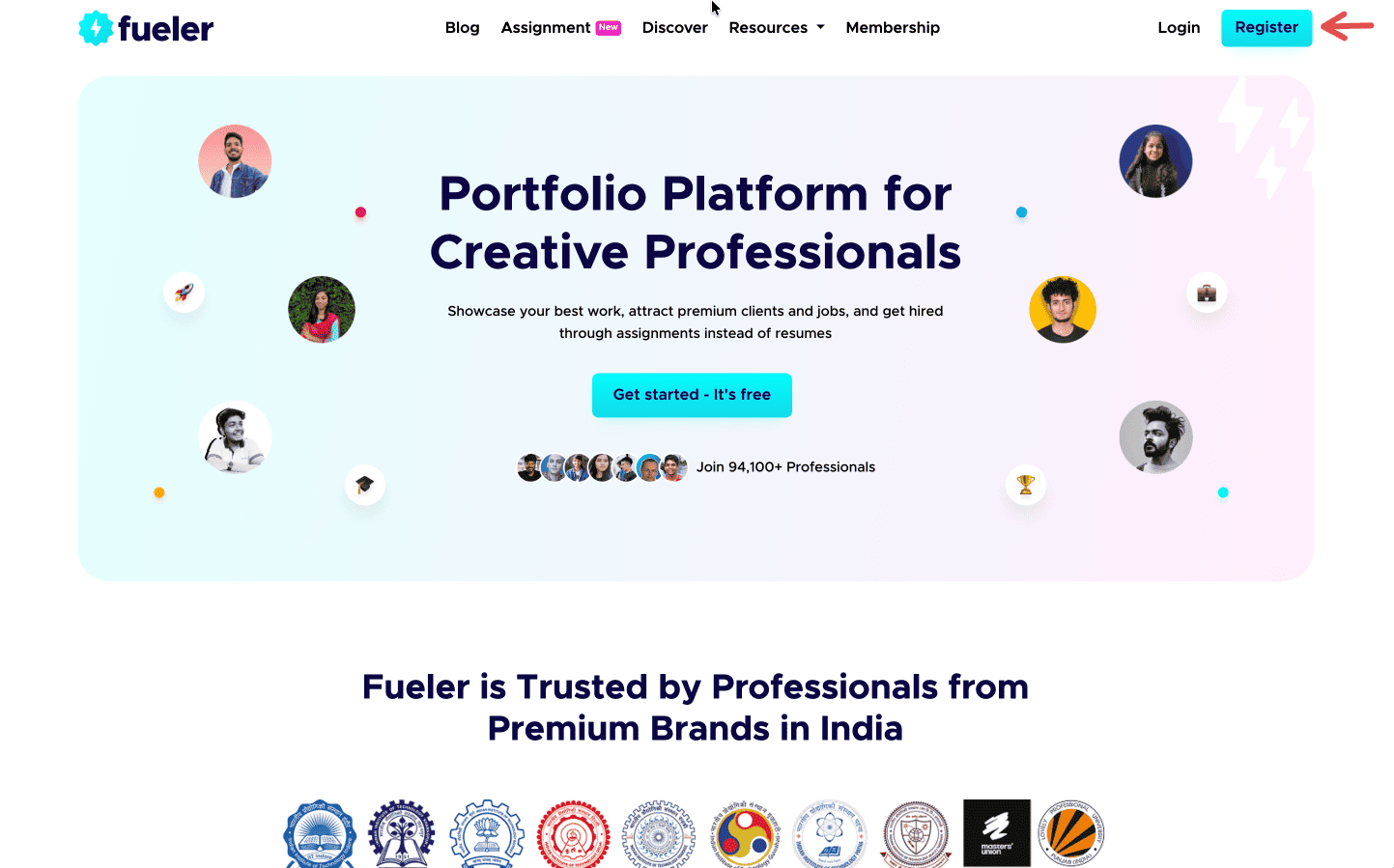
Step 1: Sign up on Fueler.
Head to Fueler.io and create your free account.
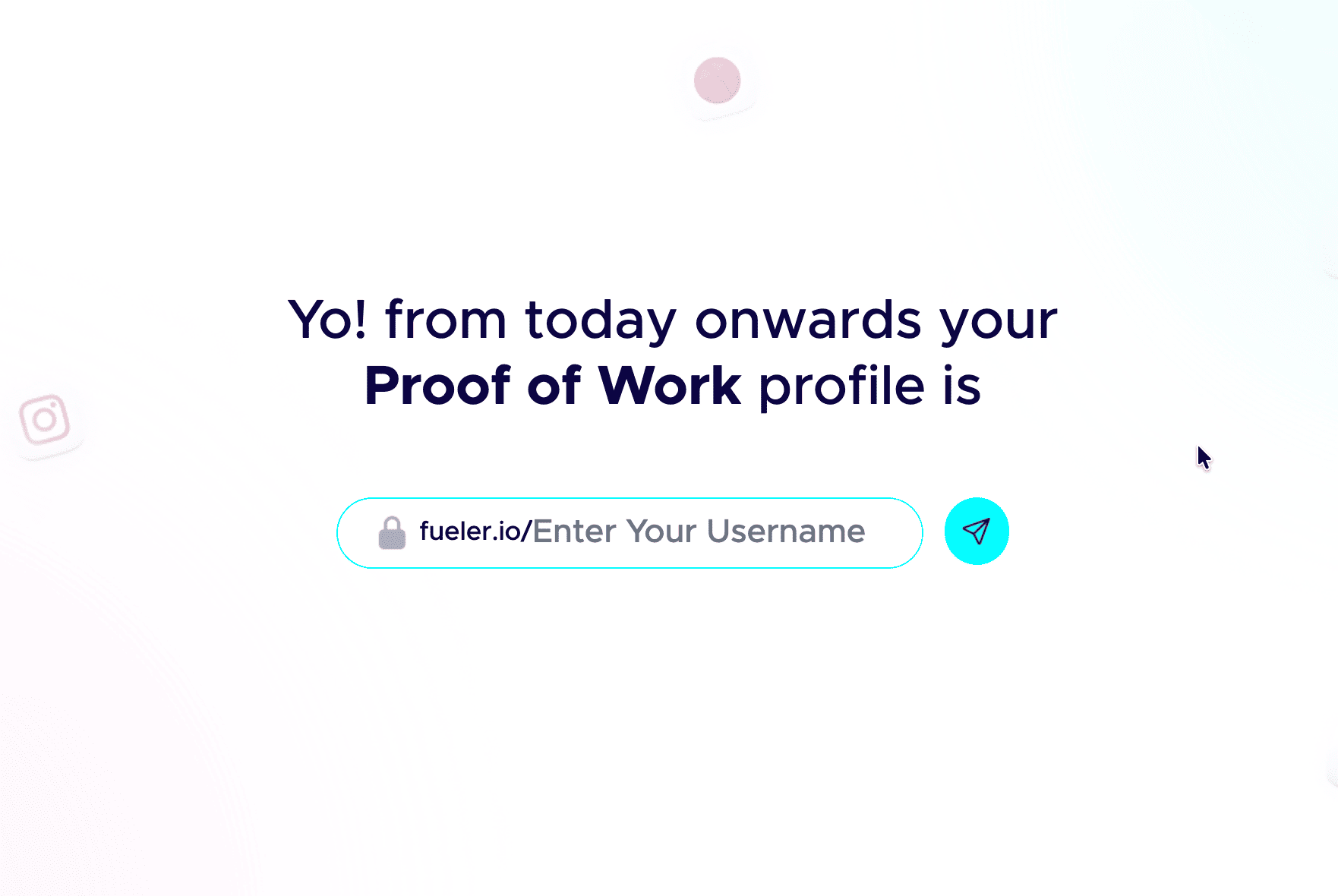
Step 2: Pick a professional handle.
Your handle shows up in your public link, so keep it clean and grown-up. Don’t add nicknames and random numbers. Your name or a simple version of it works best.
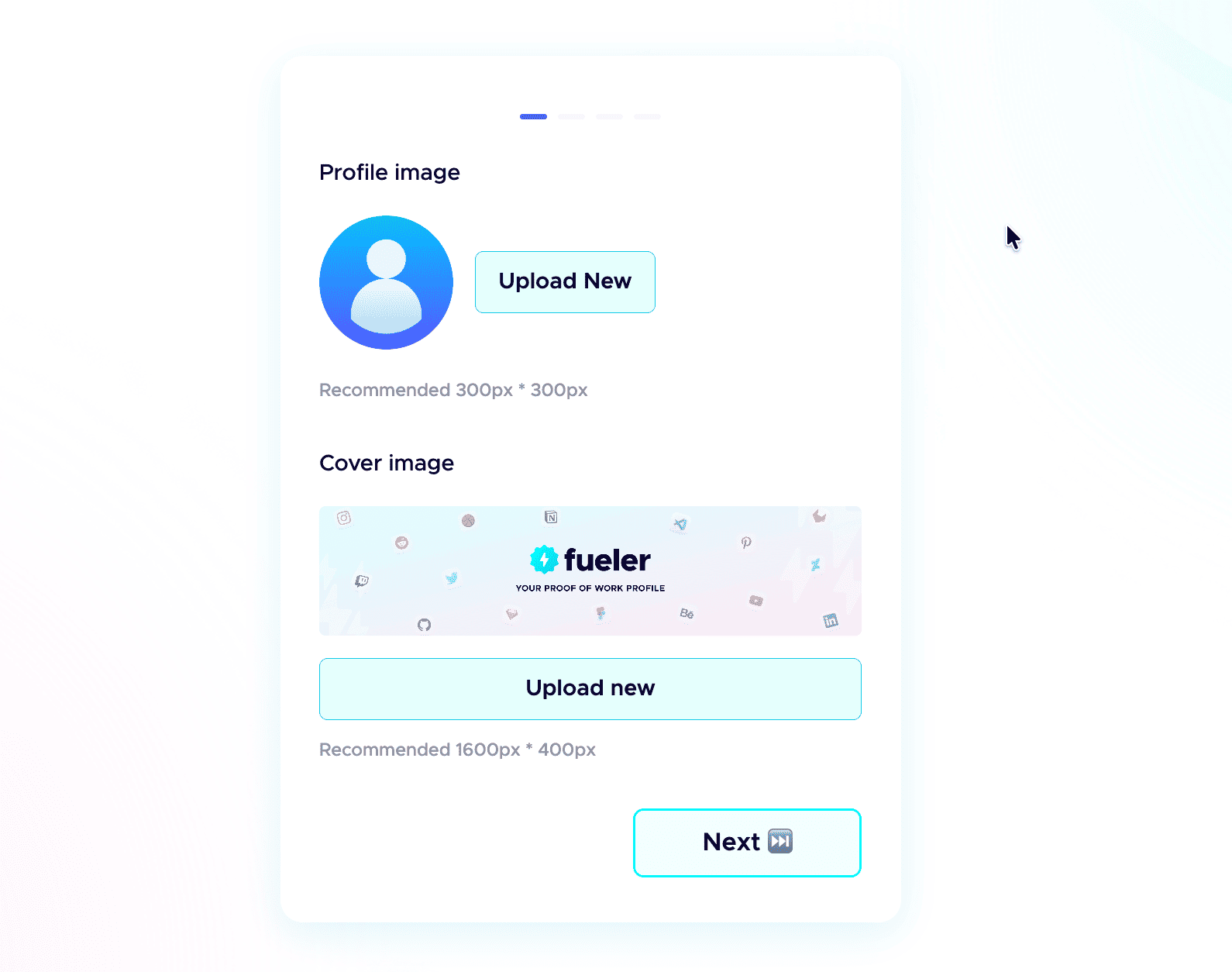
 Step 3: Add a professional profile picture.
Use the same kind of professional photo you would put on LinkedIn. Clear face, good lighting, and a simple background. People trust a real face more than an empty avatar.
Step 4: Write a strong header.
The header is the first thing anyone sees. In one or two short lines, say who you are, what you do, and the kind of work you have done. Make it specific, not vague.
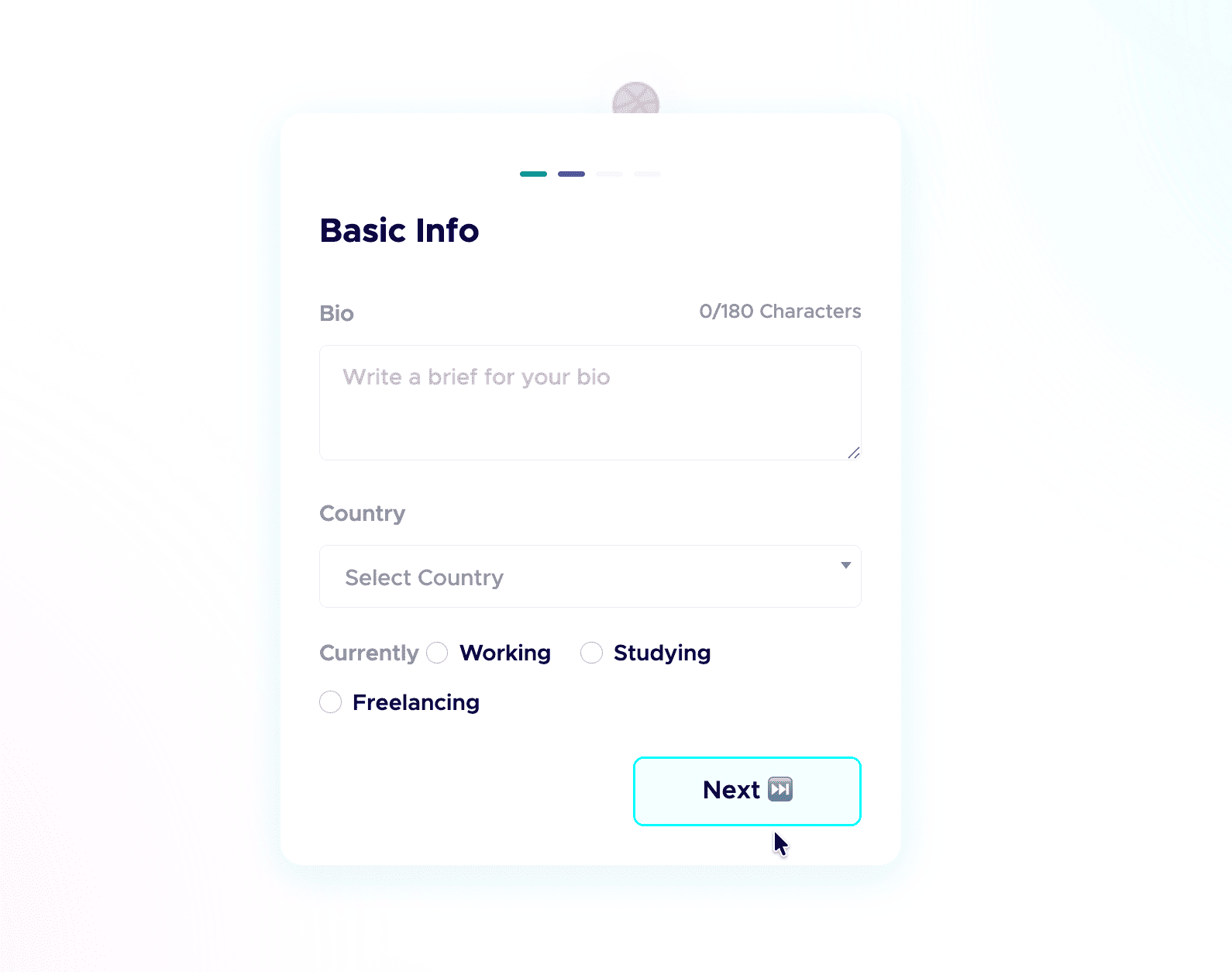
Step 5: Add a short bio.
Tell people who you are and what you do in a few plain sentences. No buzzwords, just enough for a recruiter to get you in five seconds.
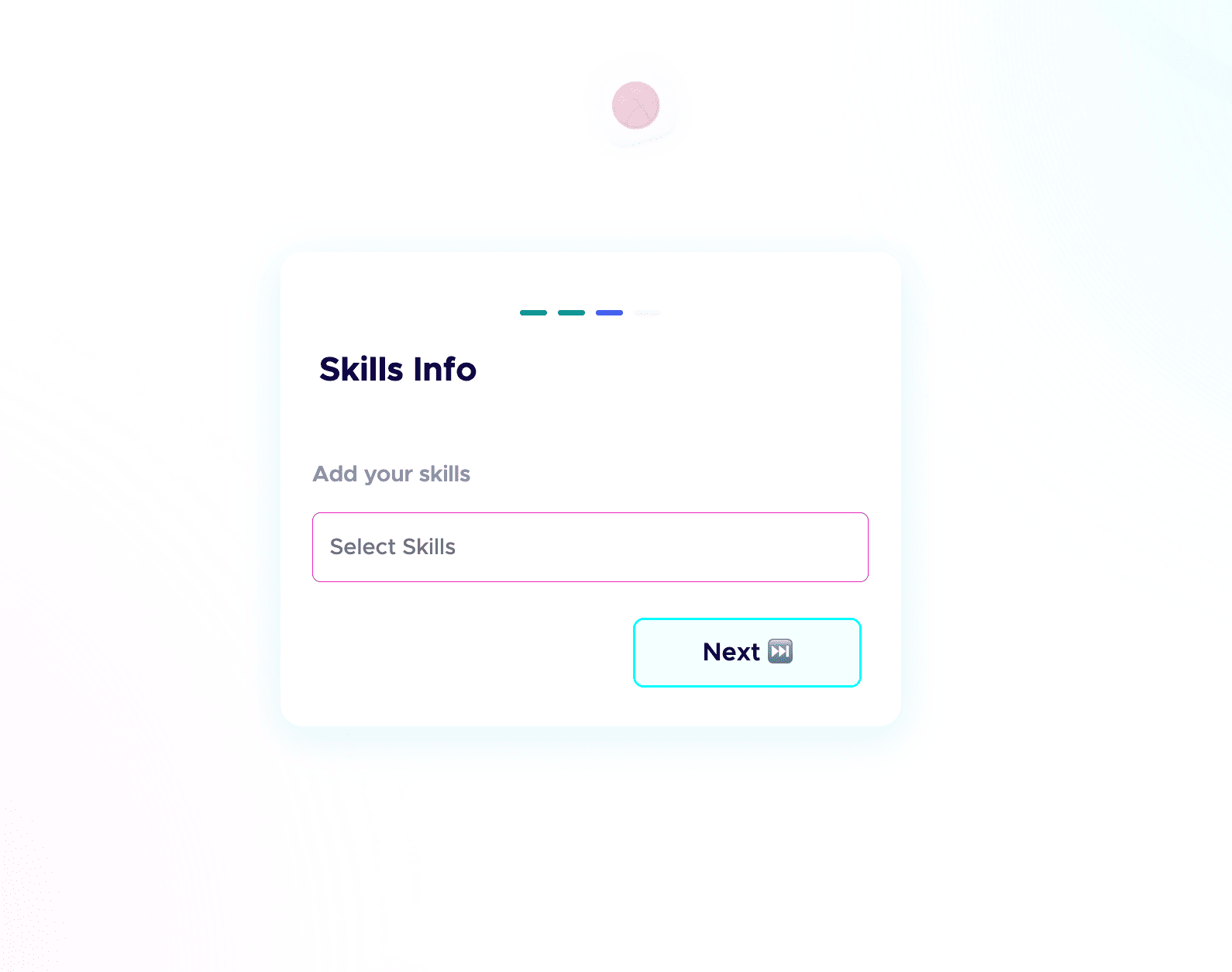
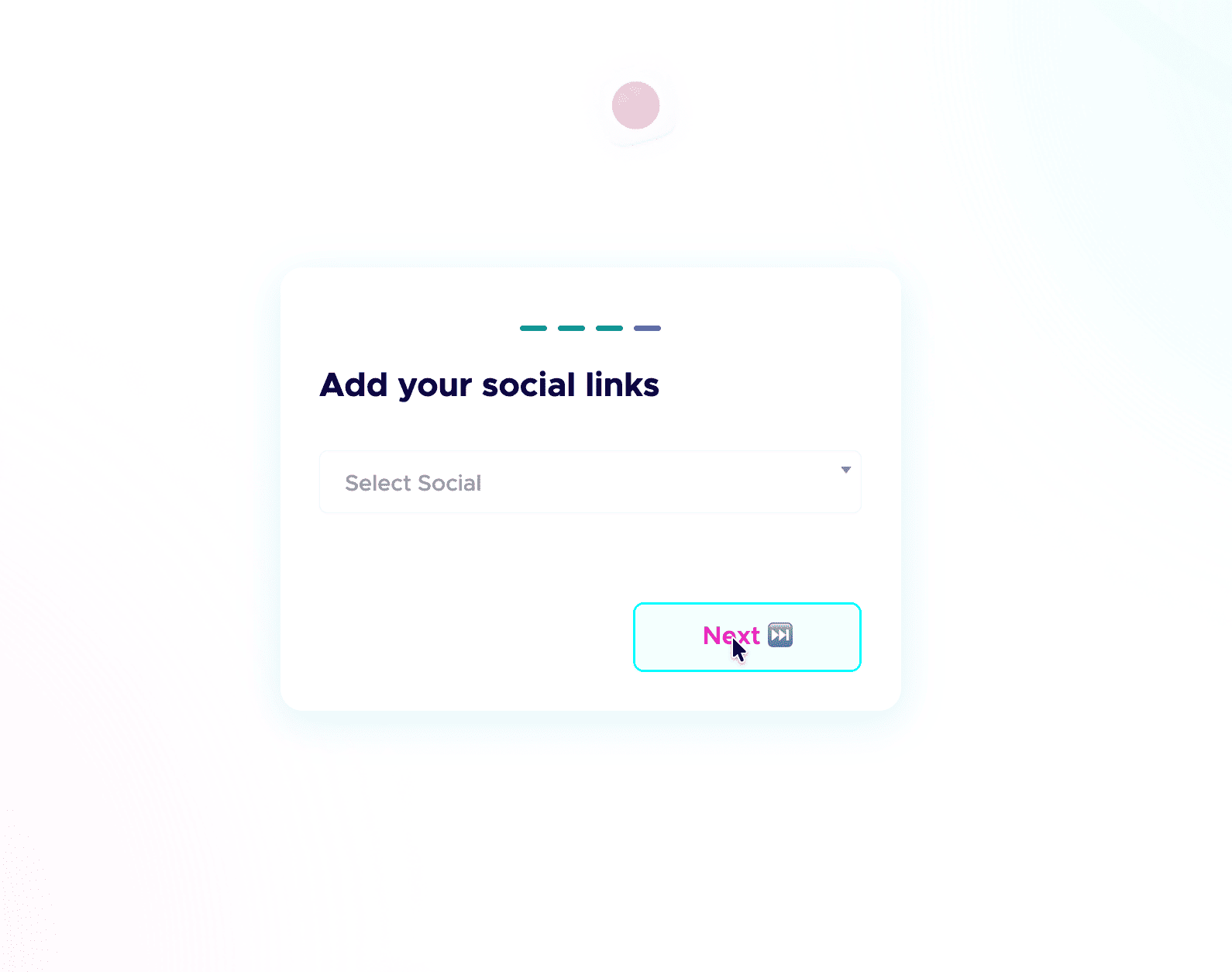
 Step 6: Add your skills and social links.
List the skills you are good at and actually want to be hired for, and connect your socials. People do check your profiles, and active socials build credibility before the first call. Students starting from scratch can follow my student guide to their first portfolio.
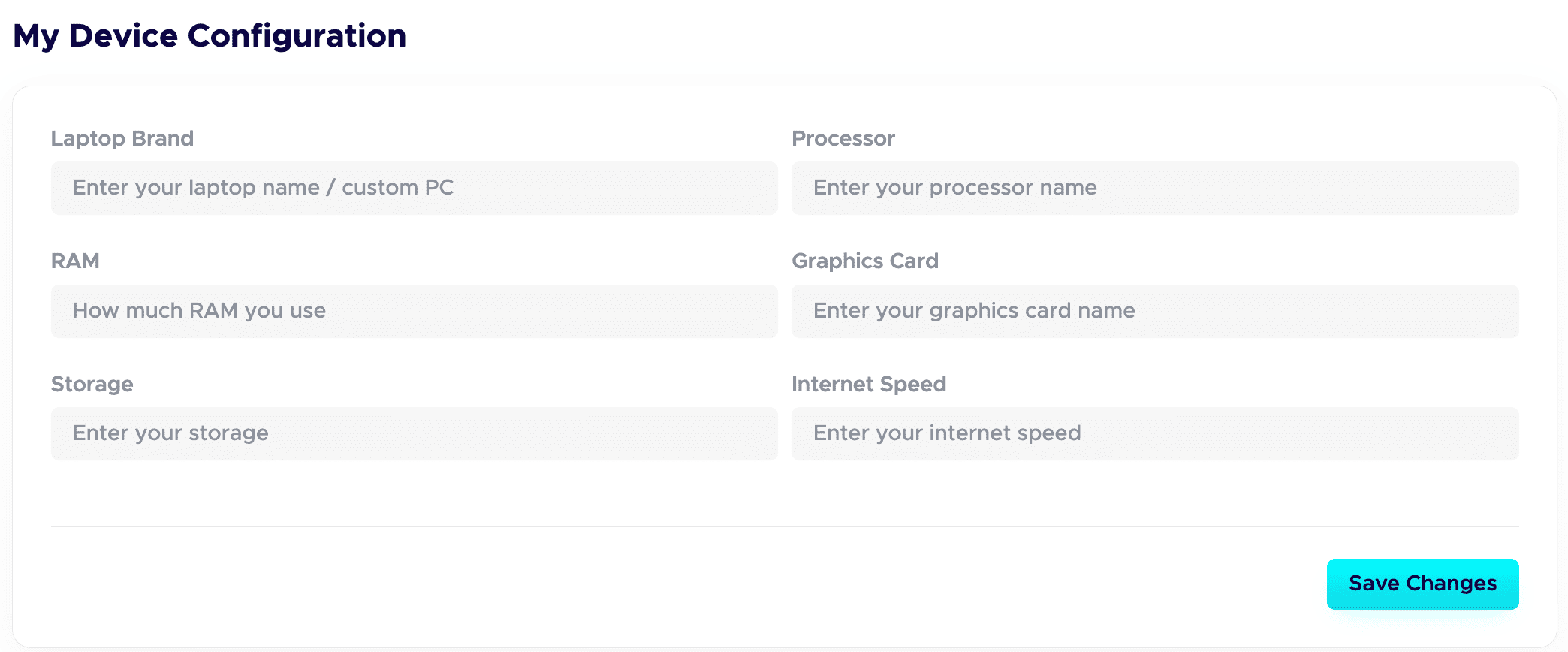
 Step 7: Fill in your Device Configuration.
In your dashboard, set up the Device Configuration section. Add the details about the device you are using. Remote-first companies want to know you have a solid setup to work from. A good setup quietly adds leverage and signals you are ready to deliver.
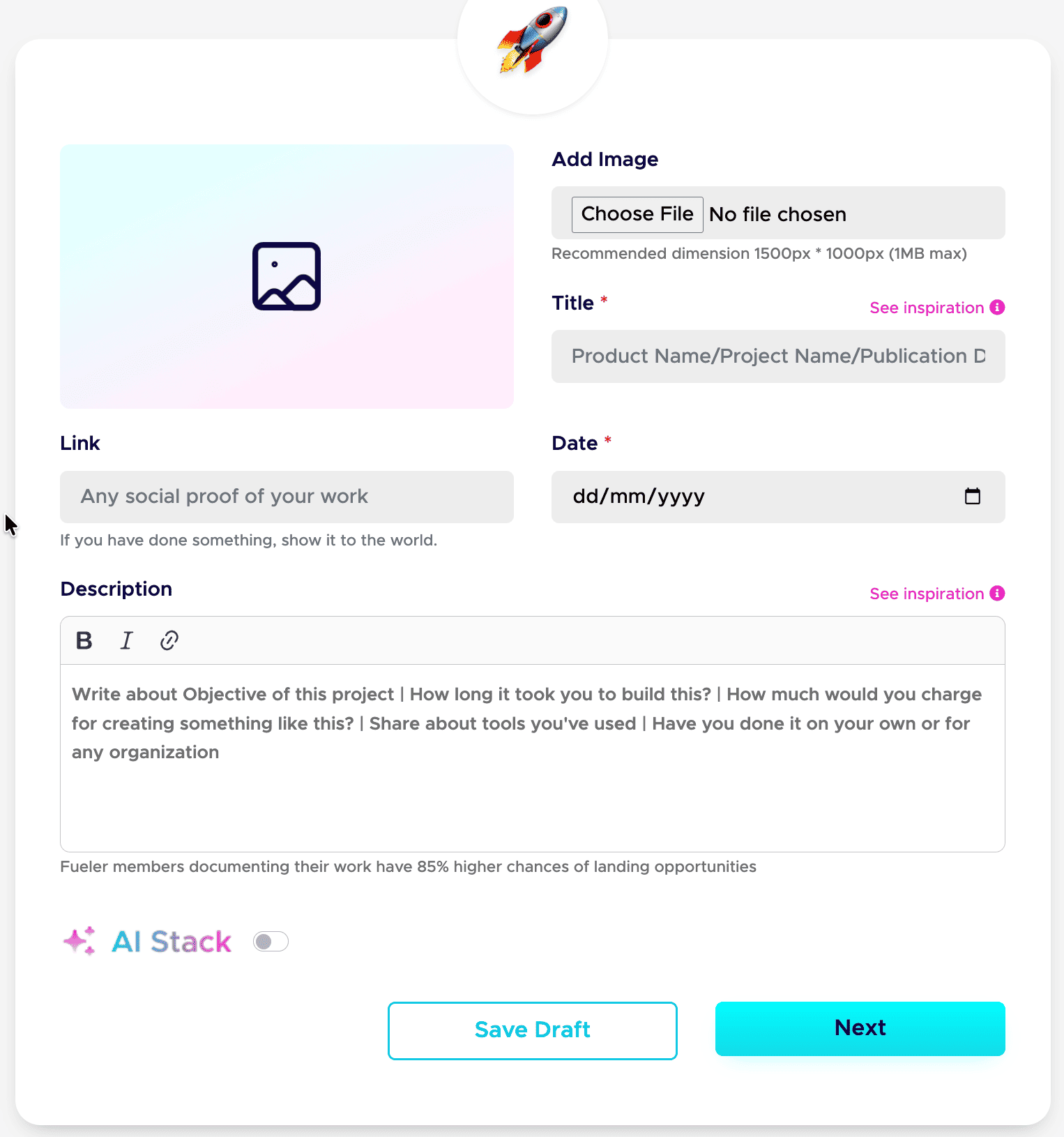
Step 8: Publish your projects with all the details.
This is a game-changer. Give each project a clear title and a detailed description. Walk through your process: your thinking, the tools you used, the choices you made, and the result. Companies care about how you work, not just the final image.
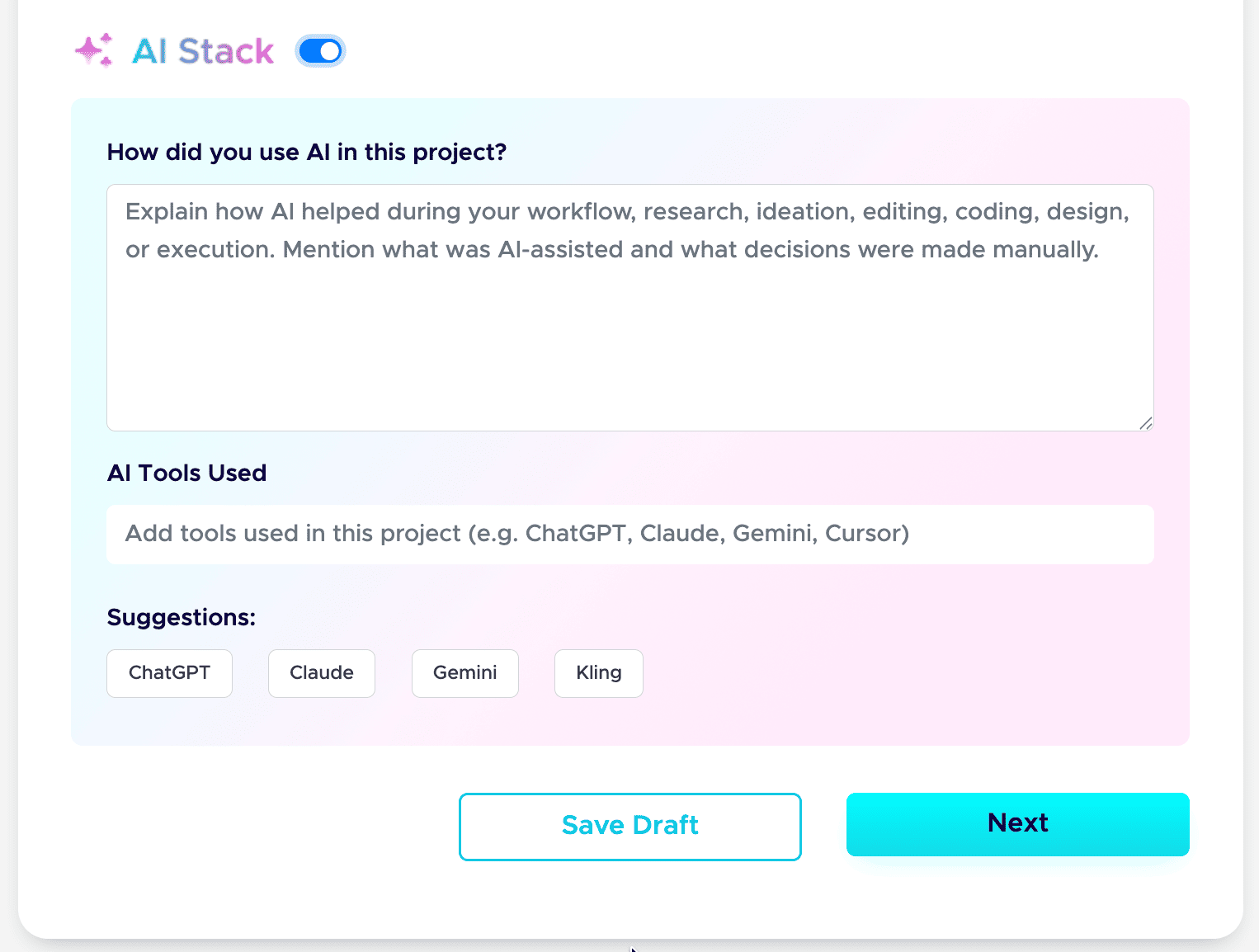
Step 9: Add your AI Stack to each project.
AI is part of real work now, so show it honestly. Use the AI Stack feature to explain how you used AI, which tools you used, and what you did manually. This builds trust instead of raising doubt. Here is the full guide: how to add AI Stack on Fueler.
That is the whole setup. Do these nine steps well, and your profile stops being a static page and starts working as a hiring asset. If you want a tighter version to follow next time, save my 6-step formula for a Fueler portfolio and my breakdown of a career portfolio that actually gets jobs.
Do this once, and you have a link you can drop into your resume, your email signature, and every job application.
Who Should Choose What? The Final Breakdown
Choosing your platform shouldn't be stressful. It comes down to what you are actually selling to the market.
Choose Canva If:
- You are in an intensely visual creative field where the spatial layout of the page is your actual product (e.g., editorial layout artists, brand deck designers, presentation specialists).
- You need to build highly customized, one-off visual presentations for client pitches where every font weight, background shape, and color gradient must map to a rigid brand guidelines document.
- You are creating a static portfolio meant to be printed or exported as a traditional slide-by-slide PDF file for in-person presentations.
Choose Fueler If:
- You are a developer, writer, marketer, product manager, SEO specialist, or growth engineer whose value is determined by operational execution, metrics, and technical output.
- You want an automated, clean, zero-maintenance profile framework that allows you to log new work in seconds without ever messing up a visual grid or structural layout again.
- You want your portfolio to actively generate visibility, capture recruiter analytics, and function as a piece of verified proof that builds trust instantly before an interview even begins.
Stop spending your valuable weekends acting as an unpaid layout graphic designer just to keep your portfolio online. Your work speaks louder than any template color scheme ever could. Go set up your workspace, drop in your genuine execution data, and let your actual proof of work clear the path for your next big professional leap.
Key Takeaways
- Trust is the Modern Bottleneck: With generative AI flooding pipelines with polished fluff, recruiters use portfolios to verify execution capability, not just check design templates.
- Canva Defines Layouts: Canva remains an exceptional tool for bespoke visual design, slide decks, and creative document customization where page aesthetics dictate project success.
- Fueler Proves Capability: Fueler operates as an optimization engine for skills-first hiring, transforming standalone case studies into verified, collaborative evidence that recruiters can easily scan and trust.
- Zero Layout Overhead: Moving to an infrastructure-led portfolio allows you to log, tag, and publish proof-of-work updates instantly without formatting friction.
Frequently Asked Questions
Can I link my external technical assets directly inside my Fueler projects?
Yes. Fueler is built to consolidate your distributed proof of work. You can seamlessly embed or link out to external live assets including GitHub repositories, Figma prototypes, live web apps, published content pieces, or Google Analytics screenshots directly within your structured project case studies.
How does the verified collaboration feature work to build hiring trust?
When you add a project on Fueler, you can tag the profiles of team members, clients, or managers who built it with you. Once they approve the tag, the project carries a verified marker and appears on all participating profiles. This prevents people from fabricating roles on successful initiatives, providing instant trust to hiring teams.
Is a Fueler profile harder to maintain over time than a standard template site?
It is significantly easier. Because Fueler relies on a structured, input-driven framework rather than an open canvas, you never have to adjust layouts, repair broken margins, or re-align elements when adding new entries. You simply enter your text and assets, and the platform handles structural scaling automatically.
Can recruiters find my portfolio organically on Fueler without me sharing the link?
Yes. Unlike standard standalone design links that exist in complete isolation, Fueler features an active, search-optimized talent discovery database. Companies use this directory to source professionals based directly on documented skills, real-world tools used, and verified project historical performance data.
Why 100,000+ professionals use Fueler
Fueler helps professionals showcase proof of work through projects, assignments, case studies, and achievements.
- Thousands of professionals use Fueler to create their digital portfolio
- Thousands of projects are published on Fueler. Check here
- Startups and Companies hire through proof of work on Fueler
- Used by freelancers, creators, marketers, video editors, writers, designers, and product managers
Our mission is to help the next 100 million professionals build a verified professional identity through proof of work

What should you do next?
You've read the article. Now turn your skills into proof of work and unlock more opportunities.
Build your proof of work portfolio
Create a clean portfolio with projects, assignments, resumes, and AI stack details that companies actually want to see.
Create your Fueler portfolio →Apply through assignments, not resumes
Stand out by solving real tasks from companies hiring on Fueler.
Explore assignments →Get discovered by companies
Make your work public and let recruiters discover your skills through actual projects instead of keywords.
Get discovered →
