

Hey, this is Riten. This guide is to help you learn how to create a proof of work portfolio for Content Writers. The term Proof of Work(PoW) means the same as it reads. Proof of Work is what you have done before or working on right now. When it comes to content writing, many content writers are confused or don’t know how to create a portfolio.
So in this simple and short guide, I will discuss Proof of Work, creating an effective portfolio, and many more important and amazing things.
Let's dive In.
Who are Content Writers?
Content writers are professional writers who specialize in creating written content for companies. As a content writer, your job is to write blog posts, articles, social media posts, newsletters, and more to help businesses connect with their audiences.
For example, say you're hired as a content writer for an outdoor gear company. You may be tasked with writing gear reviews, "how to" guides for camping or rock climbing, listicles on essential items to pack, or spotlight pieces on employees and customers. The goal is to publish useful and engaging content that establishes the company as an authority in their industry.
To become a content writer, you don't necessarily need a degree in English or journalism. Many content writers start out by building up their writing skills and experience through blogging or freelancing on websites like Upwork or Fiverr.
Some tips are:
- Strong writing and communication skills. You need to be able to explain complex topics in a clear, concise way.
- Technical knowledge. Familiarity with SEO, content management systems, and Google Analytics is essential.
- Creativity. Coming up with fresh ideas and new angles on common topics is key to standing out.
- Adaptability. Content writers often have to switch between different styles, topics, and tones based on the client and target audience. Flexibility is key.
- A portfolio of your work. The best way to land clients and jobs as a content writer is to build up a collection of samples that showcase your abilities. Start a blog, contribute to other sites, and gather testimonials from happy clients.
Now let's take a look at creating Proof of Work Portfolio for Content Writers.
What Proof of Work to Include in your Content Writing Portfolio?
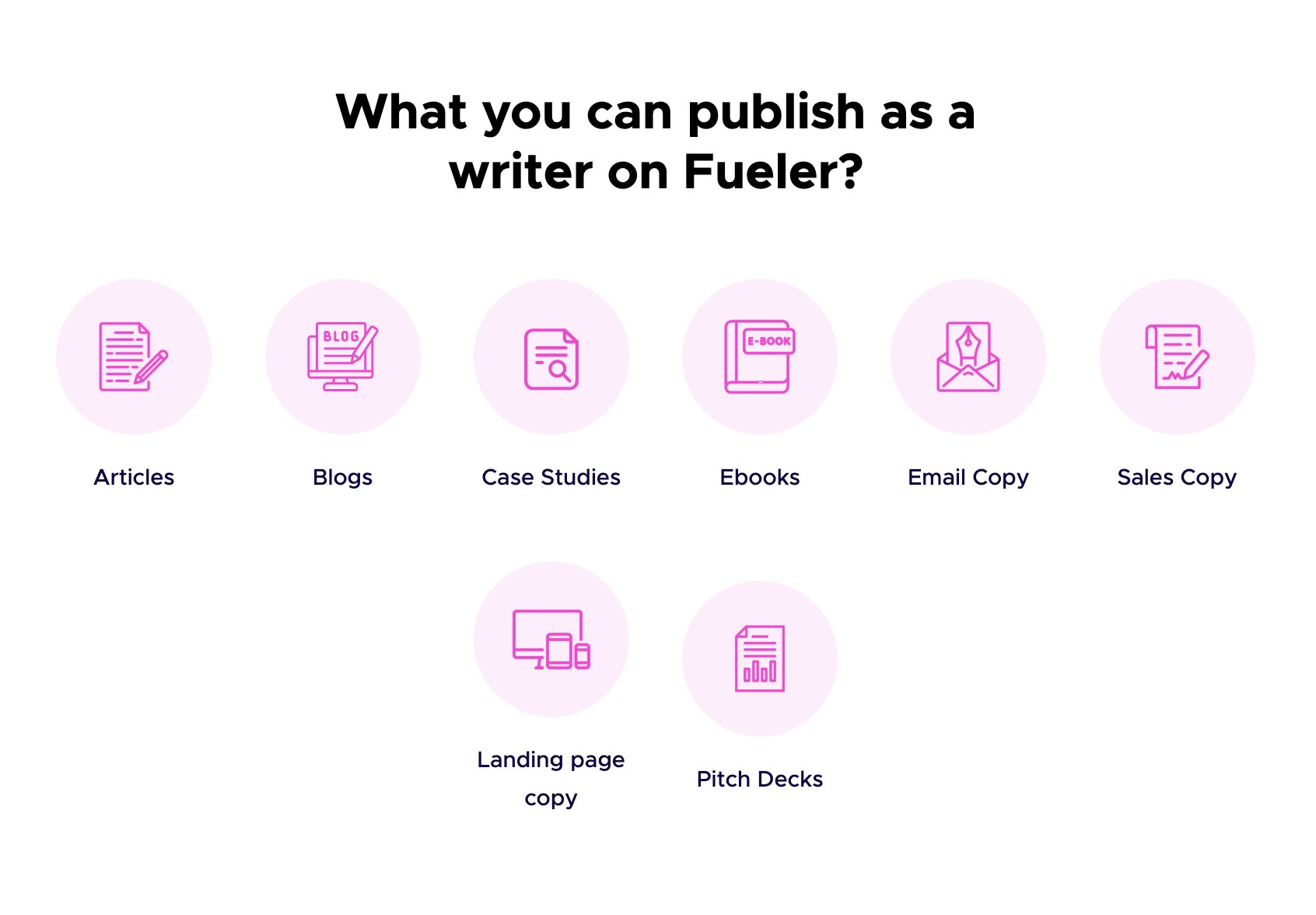
Content creation aims to share interesting stories and valuable information that connect with the audience. So your Content Writing proof of work must include all the necessary things like:
1. Objective:
- Clearly state the objective of your content, whether it's to increase brand awareness, drive website traffic, improve SEO rankings, or any other specific goal.
2. Brief:
- Provide a brief overview of the content, including the target audience, main message, and key takeaways.
3. Timeline:
- Outline the timeline of the project, detailing when you started and completed the content, as well as any important milestones or deadlines.
4. Tools:
- List the tools and resources you used in the content creation process. This could include writing and editing tools, CMS, or any other relevant software.
5. Focused Keywords:
- Identify the focused keywords or phrases you used into the content for SEO purposes. Discuss your approach to keyword research and placement.
6. Result:
- Summarize the results and impact of your content, emphasizing any key metrics or achievements. This could include increased website traffic, improved search rankings, higher engagement rates, or positive feedback.
Adding all this in your Proof of Work will make your Future Clients make decisions faster.
How to create Proof of Work Portfolio as a Content Writer?
As discussed above in the first paragraph, Proof of Work means proof of the work you have done, evidence, or strong work. In this section, I will show you how to create strong portfolio also what to include in your portfolio.
Signing up at Fueler.io
Fueler is an online portfolio tool that is built on the vision for Proof of Work. For fast sign-up process signup using Google.

signing at Fueler
After signing up customize your profile by clicking on your profile photo which is on the top right. Your dashboard will look something like this.

Fueler Dashboard
Now here comes the most important part.
- Click on Publish work, and paste the link of your published technical article. Just like I did. And click on Submit.

Add your Work
- You’ll see a page where you can edit your Proof of Work. You’ll also see that it has automatically extracted images and the title and other things.
Now let's paste the Content Writing Proof of Work Format in the box and make it live.
- Here you can take a look at my proof of work, simply, and gives a direct understanding of my work.

Proof of Work Editing
- Afterward, you just have to set the date your technical article was published and hit on the Next Button, and it will take you to a page where you can add tags, and collaborators.
If you have worked in collaboration with someone for article then you can add them as a collaborator (it requires their Fueler profile).
Tip: Please add tags related to your proof of work, it will help you gain more discoverability, and maybe kudos😉
- The page will loo something like this after you add tags

Proof of Work add Collaborators
Now just hit the PUBLISH button, and you’re Proof of Work is live. You can now go ahead and share your proof of work on social media

Proof of Work is Live
Now your Proof of Work looks as smart as you.
What Next?
Now that you've created your proof of work, it's time to start making Custom Portfolio. But what's custom portfolio?
Let me explain. Imagine you have a lot of proof of work in content writing and what if you want to categorize them into different niches to impress your clients or decision maker - ain't that be amazing? A simple visual to help you

What is a Custom Portfolio?
A custom portfolio is a special feature for Fueler users, designed to help you showcase your best work to clients and companies. It allows you to curate a selection of your work that you know will appeal to your audience, so you can share it with them in an easy and effective way.
Imagine that a client is interested in seeing some of your design work, but you've published a lot of different projects across various platforms. It can be overwhelming to share all of these links and hope that they find what they're looking for.
With a custom portfolio, you can create a unique link that features only the work you want to showcase, making it easy for clients to view and appreciate your talents.
Example:
Here is Rahul’s technical writing portfolio:

Rahul's Technical Writing Portfolio
Here is Anshu’s Copywriting Portfolio:

Anshu's copywriting Portfolio
You can find all the custom portfolios you create in your Dashboard, which will look like this:

Custom Portfolios Dashboard
Now it's time for some actions, create your Custom Portfolio now.
10 Best Content Writer Portfolio Examples 2024
Checkout the following portfolio to help you build your content writing portfolio:
Conclusion
In conclusion, creating a portfolio is crucial for content writers to showcase their skills and experience. It is important to have an effective portfolio that stands out to the potential employers.
By following the tips and guidelines outlined in this guide, content writers can create a strong portfolio and demonstrate their capabilities in the field. Remember to keep it concise, and relevant, and highlight your achievements to make a lasting impression.