What Building a Startup From Agartala Taught Me in 5 Years

Riten Debnath
05 Feb, 2026
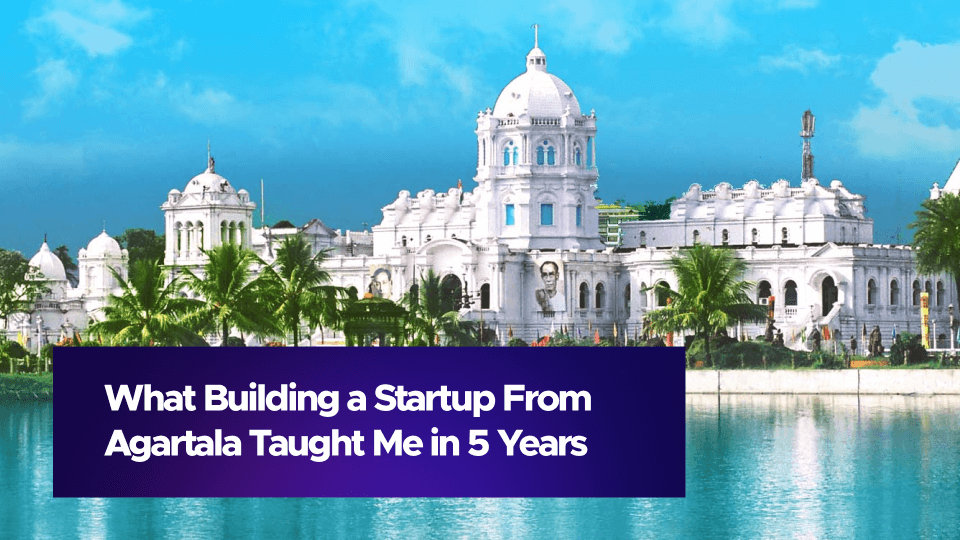
Hey, my name is Riten. I am a startup founder from Agartala, Tripura. When I started Fueler from Agartala five years ago, people thought I was making a mistake. "Move to Bangalore," they said. "You need funding first," others told me. "Get a stable job and save money," my well-meaning relatives advised.
I ignored all of that advice. Today, Fueler is still standing, still growing, and helping companies hire through assignments while empowering professionals to showcase their work through portfolios.
Here's what building a startup from a small city taught me, and why it might be the best decision you ever make.
Money Was Never the Real Problem
When we started, I had very little in savings. No big investment. No rich uncle to fund us. Just a burning desire to solve a real problem I understood deeply.
Instead of waiting for the perfect conditions, I did what many successful founders do. I took consulting projects during the day to pay the bills. At night, I built Fueler. Every single rupee we earned went straight back into the business. My college juniors became my first team members, and together we learned by doing.
According to research, about 78% of small businesses use their own funds to start their businesses. Bootstrapping isn't just common. It's how most successful companies begin.
The Small City Advantage Nobody Talks About
Here's something big city founders don't want you to know. Building from a smaller city gives you an unfair advantage.
First, the costs are much lower. Rentals and utilities in tier 2 cities and tier 3 cities are about half the price compared to tier 1 cities. This means your money lasts twice as long. Your runway extends without raising a single rupee.
Second, and more importantly, you understand problems that others don't. The challenges people face in Agartala, Patna, Bhopal, or Kochi are real. They're deep. Someone sitting in a fancy Bangalore office won't feel these problems the way you do. That understanding becomes your biggest strength.
Right now, over 51% of India's startups are coming from tier 2 and tier 3 cities. This isn't happening by accident. Small cities are becoming startup powerhouses because founders here are solving real problems for real people.
The Ecosystem Is Ready (Really)
Five years ago, when I started, people questioned whether small cities had the infrastructure for startups. Today, the picture is completely different.
India now has over 1.57 lakh DPIIT-recognized startups. The government has launched initiatives like Startup India, Atal Innovation Mission, and state-level programs. In Tripura alone, we have Startup Tripura and the Tri-Seed Fund providing support to local entrepreneurs.
The startup ecosystem has created 17.28 lakh jobs across the country. Women-led startups now make up over 45% of recognized startups. The movement is real, and it's happening everywhere, including in smaller cities.
What You Actually Need to Start
Forget the fancy pitch decks for now. Forget the dream of raising millions. Here's what you really need:
A problem you understand deeply: The best startups solve problems that founders have experienced themselves. What frustrates you every day? What makes your life difficult? Start there.
Willingness to start small: You don't need a perfect product on day one. Build something simple. Get it into users' hands. Learn from their feedback. Improve it. Repeat.
Ability to keep going: This is the hardest part. There will be days when nothing works. Clients won't pay on time. Team members will leave. Code will break. The difference between those who succeed and those who quit is simple. Successful founders keep going.
Practical Resources for New Founders
When I started, I wish someone had given me a list of free tools that actually work. Here are some resources that helped me build Fueler without spending much:
For Building Your Product:
- Figma (Free for design and prototyping)
- Notion (Free for documentation and planning)
- GitHub (Free for code management)
- Canva (Free for creating graphics and presentations)
For Managing Your Team:
- Fueler (Hire Interns and Professionals for your Startup)
- Slack (Free for team communication)
- Trello or Asana (Free for project management)
- Google Workspace (Affordable for emails and documents)
- Zoom (Free for video calls up to 40 minutes)
For Finding Customers:
- LinkedIn (Free for networking and finding leads)
- Mailchimp (Free for email marketing up to 500 contacts)
- Buffer (Free for scheduling social media posts)
- Google Analytics (Free for tracking website visitors)
For Learning:
- Y Combinator's Startup School (Free online courses)
- Google for Startups (Free resources and mentorship)
- SCORE (Free mentoring from experienced business owners)
- YouTube (Countless free tutorials on everything)
Government Support You Should Know About
The Indian government has made it easier than ever to start a business from anywhere in the country. Here are programs you should explore:
- Startup India: Register your startup for free and get access to tax benefits, easier compliance, and networking opportunities. Over 1.57 lakh startups are already registered.
- Atal Innovation Mission: Provides funding and support for early-stage startups. So far, 3,556 startups have been incubated, creating over 41,965 jobs.
- State-Level Programs: Check your state's startup policy. Most states now have dedicated funds, incubation centers, and mentorship programs. In Tripura, we have Startup Tripura and the Tri-Seed Fund.
- MUDRA Loans: Get collateral-free loans up to Rs 10 lakh for small businesses. This has helped thousands of entrepreneurs, especially women, start their ventures.
The Mistakes I Made (So You Don't Have To)
Looking back at five years, I made plenty of mistakes. Here are the biggest ones:
- Trying to build everything perfectly: I wasted months building features nobody wanted. Start small. Ship fast. Learn from real users.
- Not asking for help sooner: I thought I had to figure everything out alone. Wrong. Other founders, mentors, and even customers are happy to help if you just ask.
- Ignoring cash flow: Revenue is nice, but cash flow is what keeps you alive. Make sure you have money coming in regularly, even if it's from consulting or freelancing.
- Hiring too fast: I hired people before we really needed them. Keep your team lean in the early days. You can always hire more people later.
Why Now Is the Best Time to Start
If you've been thinking about starting something, this is your moment. Here's why:
The digital divide is closing fast. High-speed internet is now available in most cities. UPI has made payments simple everywhere. You don't need to be in a metro to reach customers across India or even globally.
According to recent data, India attracted over $131 billion in startup funding since 2016. The government abolished the angel tax, making it easier for startups to raise money. New reforms are making it simpler to start and run a business.
Most importantly, the success stories are multiplying. Startups from smaller cities are proving that location doesn't determine success. Your ideas, execution, and persistence do.
Your First Steps Tomorrow
If you're ready to start, here's what you should do tomorrow:
- Write down the problem you want to solve. Be specific. Who has this problem? How big is it? Why does it matter?
- Talk to 10 people who have this problem. Don't build anything yet. Just listen. Understand their pain points deeply.
- Sketch a simple solution. It doesn't have to be perfect. Just something that addresses the core problem.
- Build the smallest version possible. This might take a week or a month. Don't spend six months building in secret.
- Get it in front of users. Even if it's embarrassing. Even if it's broken. Feedback from real users is worth more than months of planning.
The Truth About Entrepreneurship From Small Cities
I won't lie to you. Building a startup is hard. Building it from a small city adds extra challenges. You might not have access to as many investors. Networking events are fewer. The talent pool might seem smaller.
But these limitations become your strengths. You learn to be resourceful. You build strong relationships with your small team. You focus on solving real problems instead of chasing fancy metrics that don't matter.
Some startups need massive funding and should be in big cities. If you're building rockets or semiconductor chips, maybe Bangalore or Mumbai makes sense. But if you're solving everyday problems for regular people, small cities give you an edge.
You're closer to your customers. You understand their struggles. You can build and test faster without burning through millions. These advantages matter more than having a fancy office in a tech park.
Final Thoughts
Five years into this journey, I'm grateful I ignored the advice to move to a bigger city or wait for funding. Building Fueler from Agartala taught me that resourcefulness beats resources. Understanding beats connections. Persistence beats perfection.
To every engineer, student, or graduate reading this from a small town: you have everything you need right where you are. The problems around you are opportunities. The lack of resources forces creativity. Your unfair advantage is understanding things that others don't.
The best startup isn't built in the fanciest office. It's built by founders who deeply understand a problem and refuse to give up until they solve it.
If you need help or just want to talk about your startup idea, reach out to me. I'm always happy to support fellow founders who are brave enough to start from anywhere.
Check out Fueler if you want to hire interns and professionals for your startup.
Frequently Asked Questions
How much money do I need to start a startup from a small city?
You can start with very little money, sometimes even under Rs 10,000. Many successful founders begin by bootstrapping using personal savings, taking consulting projects, or working a job while building their startup on the side. The key is to start small, focus on generating revenue early, and reinvest profits back into the business. According to data, 78% of small businesses use their own funds to start.
What are the biggest advantages of starting a startup in a tier 2 or tier 3 city?
The main advantages include lower operational costs (rent and utilities are about half of metro cities), deeper understanding of local problems, less competition for talent, and the ability to test and iterate faster. Over 51% of India's startups now come from tier 2 and tier 3 cities, proving these advantages are real and significant.
Can I get funding and government support for my startup in a small city?
Yes! The government offers several programs like Startup India (1.57 lakh startups registered), Atal Innovation Mission (41,965 jobs created), state-level startup policies, and MUDRA loans (up to Rs 10 lakh without collateral). Most states now have dedicated startup funds and incubation centers like Agartala has NIDHI iTBI – NIT Agartala. Check your state's startup policy for specific programs available in your region.
What free tools should I use when starting my first startup?
Essential free tools include Figma for design, Notion for documentation, Slack for team communication, Trello or Asana for project management, Canva for graphics, LinkedIn for networking, Mailchimp for email marketing, Fueler for your team building, Google Analytics for tracking visitors, and GitHub for code management. These tools can help you build and run your startup without spending much money initially.
How do I validate my startup idea before building the product?
Start by talking to at least 10-20 people who might have the problem you're trying to solve. Don't pitch your solution yet. Just listen to their problems and frustrations. Look for patterns in what they say. Then create a simple prototype or mockup and show it to them. Their reactions will tell you if you're on the right track. Only start building when you're confident people actually want what you're making.
What is Fueler Portfolio?
Fueler is a career portfolio platform that helps companies find the best talent for their organization based on their proof of work. You can create your portfolio on Fueler. Thousands of freelancers around the world use Fueler to create their professional-looking portfolios and become financially independent. Discover inspiration for your portfolio
Sign up for free on Fueler or get in touch to learn more.

What should you do next?
You've read the article. Now turn your skills into proof of work and unlock more opportunities.
Build your proof of work portfolio
Create a clean portfolio with projects, assignments, resumes, and AI stack details that companies actually want to see.
Create your Fueler portfolio →Apply through assignments, not resumes
Stand out by solving real tasks from companies hiring on Fueler.
Explore assignments →Get discovered by companies
Make your work public and let recruiters discover your skills through actual projects instead of keywords.
Get discovered →
