Last updated: November 2026
Is your US startup ready for tomorrow’s web, or will you get left behind? In 2027, success isn’t just about launching a site, but about building trust, scaling smoothly, and adapting to a market moving at full speed. From AI-powered automation to progressive apps and ethical coding, staying ahead with the newest solutions determines who leads and who fades.
I’m Riten, founder of Fueler, a skills-first portfolio platform building the career infrastructure for 100 million creative professionals. Fueler connects talented individuals with companies through assignments, portfolios, and projects, not just resumes or CVs. Think of it as Dribbble/Behance for work samples combined with AngelList for hiring infrastructure.
In this article, I’m spotlighting the web development trends that US startups must watch in 2027. As a clear, proven portfolio reassures potential clients, your web stack and UX prove your company’s credibility to every user and investor.
Why Tracking Web Development Trends is Crucial in 2027
Cutting-edge web development shapes user experience, performance, security, and brand perception. Startups ignoring trends often miss out on easier scaling, top Google rankings, and effective user retention. Following trends
Makes your startup platform user-friendly, reliable, and secure
Signals future readiness to investors and partners
Allows for smooth pivots as you grow or regulations shift
Saves costs by avoiding large-scale replatforming down the road
Why it matters: Staying current is what separates thriving, scalable brands from those constantly playing catch-up.
1. AI-Powered Web Development & Personalization
AI is now a core driver of smarter web experiences. It automates code writing, analyzes user behavior for personalized journeys, and enables instant support with chatbots. US startups leverage AI for rapid prototyping, data-driven UX, and smoother onboarding, rolling out new features with minimal manual effort. Collaborating with a web development company can help integrate AI solutions effectively, creating advanced, user-friendly, and scalable web applications.
Predicts user needs and suggests actions for higher engagement
Powers chatbots for 24/7 support, onboarding, and FAQs
Streamlines code reviews, bug fixing, and A/B testing
Tailors pages, recommendations, and search results for each visitor
Why it matters for US startups: AI optimization and instant UX improvements can turn even small teams into market leaders, keeping your product and support competitive.
2. Progressive Web Apps (PWAs)
PWAs merge the best of mobile and desktop web, creating smooth, reliable sites that mimic native apps. Startups benefit by reaching more users—especially those wary of downloads or with slow networks.
Installable directly from browsers, bypassing app stores
Deliver offline access and background sync for full usability anywhere
Load rapidly, improving retention among first-time visitors
Enable push notifications for higher engagement and updates
Why it matters for US startups: PWAs drive conversions and loyalty, making your brand accessible to everyone with zero friction or delay.
3. Serverless and Edge Architectures
Serverless technologies and edge deployments remove the need to manage infrastructure. Startups can build highly responsive apps, tap into global markets instantly, and scale with demand—paying only for what they use.
Autoscaling handles spikes in user traffic without risk of downtime
Serves content from locations closest to users, cutting latency
Minimizes DevOps and hosting costs, freeing up startup budgets
Reduces launch times, so you can roll out features faster
Why it matters for US startups: With serverless, resource-light teams launch and adapt fast, staying agile without burning capital managing servers.
4. Headless CMS and API-First Platforms
Headless content management lets startups create once and distribute everywhere. Separate backends and frontends connect by APIs, making it easy to update, localize, and push content to any device or channel.
Flexible content delivery web, mobile, smart devices from one source
Faster changes and updates, less developer dependency
Easy integration with analytics, personalization, and third-party tools
Supports omnichannel strategies critical for SaaS and e-commerce
Why it matters for US startups: Headless systems speed up campaigns and updates, keeping your message consistent and agile as you grow and diversify audiences.
5. Privacy-By-Design and Accessibility Compliance
With US regulations tightening, startups now build privacy and accessibility into their foundations not as afterthoughts. It’s expected that your product works for every customer, and protects every user’s data.
Data-minimization, user consent, and strong encryption by default
Accessible navigation, color contrast, alt text, and captions for all users
Compliance with CCPA, ADA, and new US digital regulations
Clear data practices and transparency for user trust
Why it matters for US startups: Legally compliant, accessible websites score higher on SEO, avoid fines, and appeal to values-driven buyers across all markets.
6. Low-Code and No-Code Platforms
Low-code tools allow teams to prototype or even launch full features with minimal coding. Startups accelerate MVP creation, iterate based on feedback, and empower more team members to innovate, even without engineering backgrounds.
Drag and drop interfaces, reusable components, and preset integrations
Quicker turnaround from idea to deployable product or campaign
Reduces bottlenecks on technical talent, especially in early-stage startups
Easy maintenance and updates with visual editors
Why it matters for US startups: No-code boosts speed and creativity letting you test, learn, and capture market opportunities before bigger players respond.
7. Cloud-Native Security and Proactive Monitoring
Security threats are rising and users expect their data to be safe. New approaches embed monitoring, threat detection, and recovery into every stage of web development.
Always-on, automated scanning and vulnerability alerts
Real-time backups, faster disaster recovery, and ransomware protection
Instant security updates from cloud providers and web hosts
Transparent logs and audits for continuous improvement
Why it matters for US startups: Robust, modern security protects reputation and investor trust no business can afford a data breach or loss of user confidence in 2027.
How Fueler Accelerates Startup Growth With Assignment-Based Hiring
With so many trends and tools, finding people who can prove their skills is tough. On Fueler, you find and hire tech talent and web developers by reviewing their real assignments and project portfolios confirming they can deliver the latest solutions that US startups demand. Instead of sifting through empty resumes, you build teams ready for whatever tomorrow brings.
Final Thought
US startups face endless web technology choices, but following the right trends isn’t just about staying modern it’s about growing faster, earning trust, and building a brand that lasts. Innovate early, adopt smart solutions, and make every web decision a building block for your future.
Frequently Asked Questions
1. What web framework is best for US startups in 2027?
Frameworks like Next.js and SvelteKit are popular for their speed, scalability, and robust US developer communities.
2. How can a startup make their website ADA compliant?
Focus on clear navigation, text alternatives for media, color contrast, and consistent keyboard access; tools like axe or WAVE can help you audit compliance.
3. Do startups still need mobile apps or are PWAs enough now?
PWAs are rapidly closing the gap for most use cases, offering offline access, notifications, and fast installs without app store requirements.
4. What’s the biggest web risk for new startups in 2027?
Neglecting privacy compliance and modern security leaves startups vulnerable to fines, hacks, and damaged trust.
5. How do I find developers or agencies who are up to date on these trends?
Use platforms like Fueler to review portfolios and real projects, ensuring candidates have proven experience with current web technologies and US market needs.
Why 150,000+ professionals use Fueler
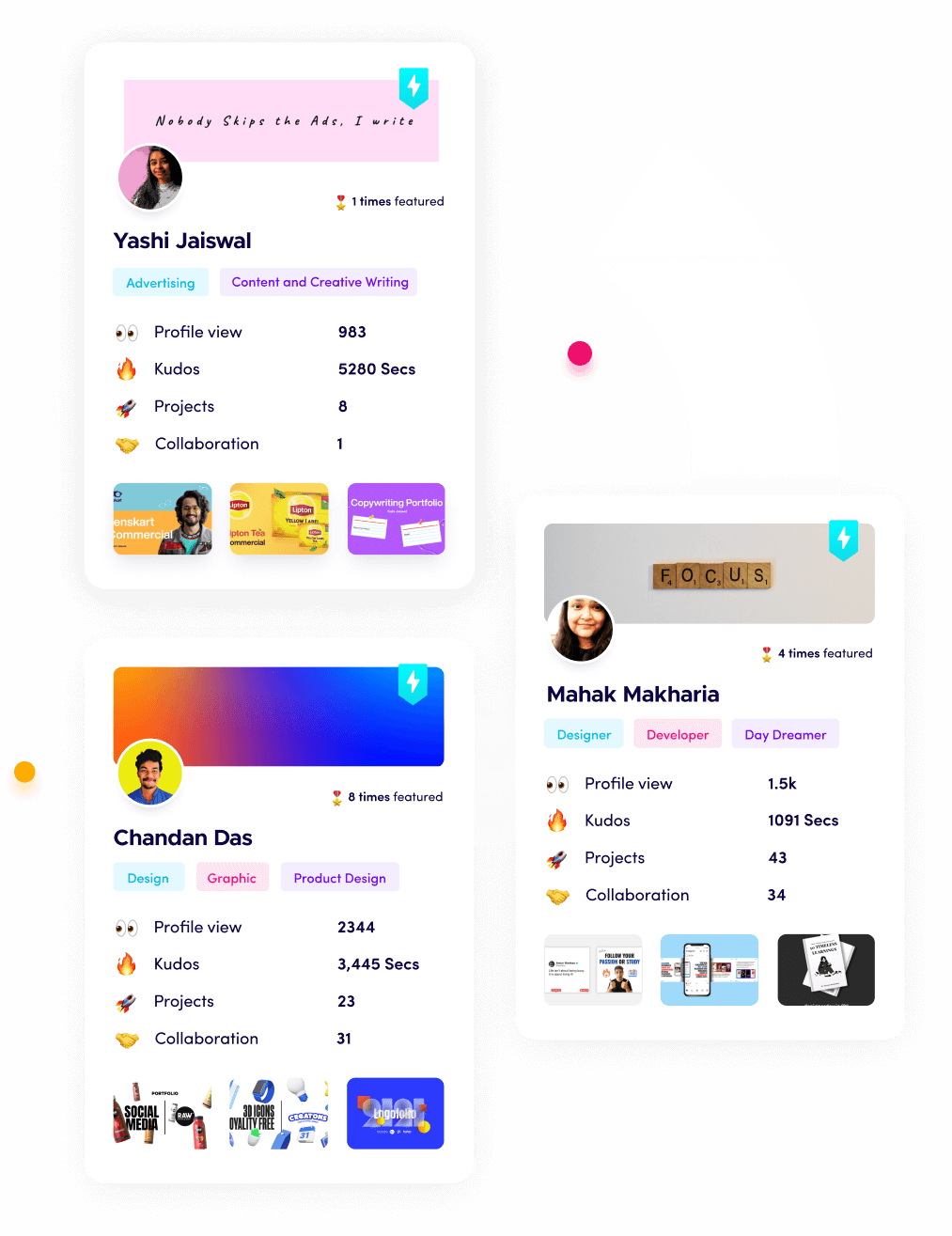
Fueler helps professionals showcase proof of work through projects, assignments, case studies, and achievements.
Thousands of professionals use Fueler to create their digital portfolio
Thousands of projects are published on Fueler. Check here
Startups and Companies hire through proof of work on Fueler
Used by freelancers, creators, marketers, video editors, writers, designers, and product managers
Our mission is to help the next 100 million professionals build a verified professional identity through proof of work