Top Customer Retention Strategies for Subscription SaaS in 2026

Riten Debnath
04 Dec, 2025
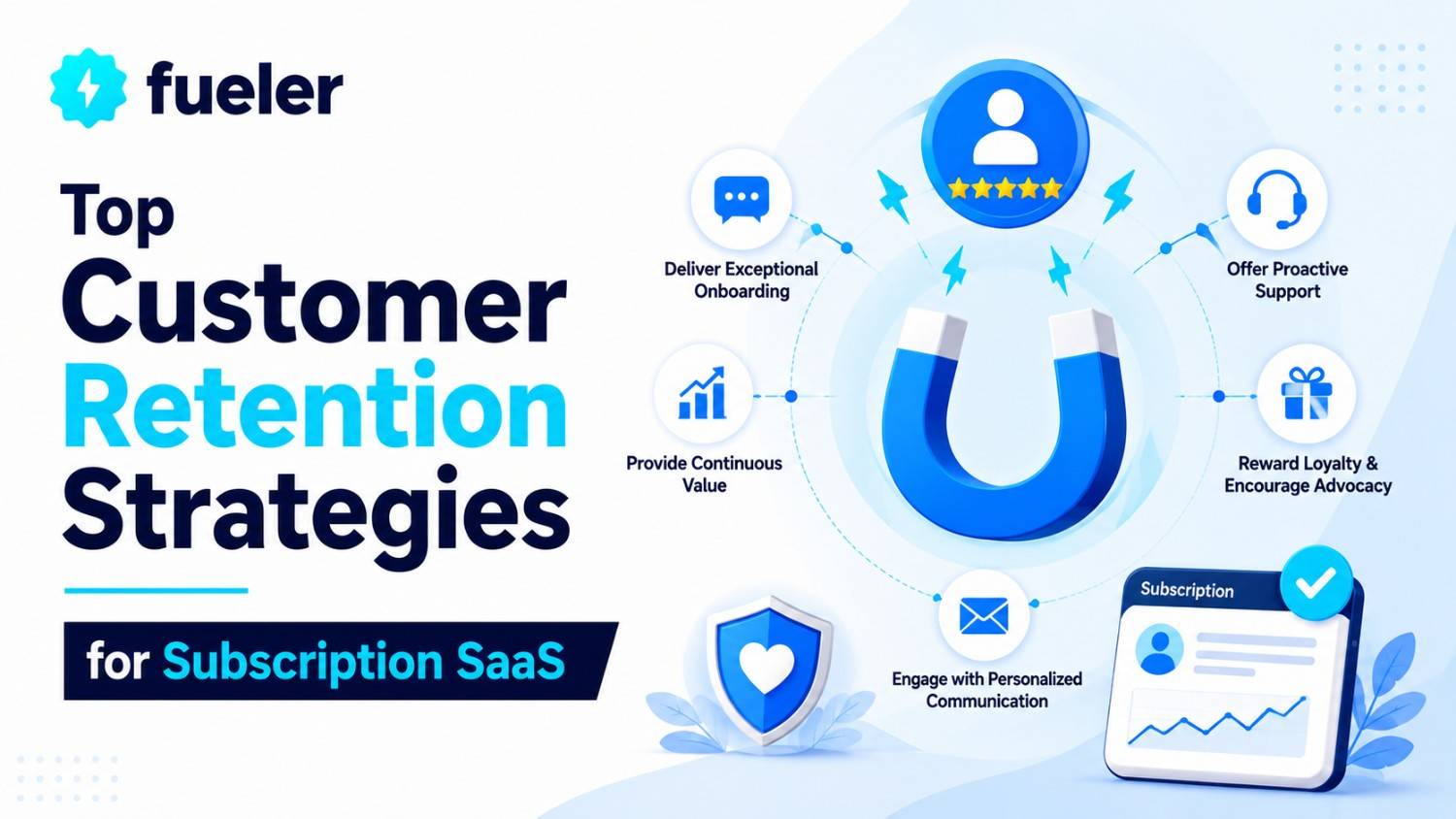
Keeping your customers is the most powerful growth tool you have in SaaS today.
In 2026, subscription-based SaaS companies are finding that their greatest asset is the customers who stay loyal over time. Winning new customers might cost a lot, but turning existing users into happy, long-term subscribers is where sustained profits and brand trust come from. Today’s SaaS market demands more than just good products; it requires exceptional user experiences, proactive support, and continual value delivery. Below, we unpack eight deeply effective retention strategies that any SaaS business can deploy to reduce churn, increase lifetime value, and fuel growth.
I’m Riten, founder of Fueler - a skills-first portfolio platform that connects talented individuals with companies through assignments, portfolios, and projects, not just resumes/CVs. Think Dribbble/Behance for work samples + AngelList for hiring infrastructure
1. Continuous, Customer-Focused Product Improvements That Speak Volumes
Keeping your SaaS product fresh and aligned to customer needs is foundational for retention. Customers want reassurance that the products they invest in keep evolving with their business realities.
- Engage in ongoing feedback loops, utilizing customer surveys, support tickets, and direct user interviews to identify practical issues and desired features, giving your development roadmap a real voice from the users.
- Establish a regular, transparent update cycle that includes not only bug fixes but meaningful feature rollouts, optimizations, and UX improvements that create smoother workflows or create new opportunities for users.
- Craft communications around product updates that clearly explain benefits and usage scenarios, using emails, blogs, or in-app notifications so customers don’t miss out on what’s new and relevant.
- Introduce early access or beta groups of loyal customers who can test, review, and influence upcoming features, fostering a deep participatory relationship that boosts engagement and trust.
- Employ usage analytics to track feature adoption rates, user satisfaction, and friction points after releases, enabling data-driven iterations that steadily raise customer satisfaction.
Why it matters: Continuous product improvement driven by real user insight signals dedication, boosts user confidence, and reduces churn risk as subscribers feel their evolving needs are understood and met.
2. Deep Personalization at Every Touchpoint to Strengthen Bonds
Customers expect to be treated as individuals, not just numbers in a database. Personalizing experiences increases relevance, builds emotional connection, and fosters loyalty.
- Segment customers based on precise criteria including usage behavior, industry, company size, and feature preferences, enabling targeted messaging that resonates on a personal level rather than blanket announcements.
- Leverage AI-powered tools and CRM systems to deliver tailored onboarding content, reminders, and progress nudges matching each customer’s pace and goals, helping them quickly find and realize value.
- Equip customer success teams with detailed user profiles and histories, enabling personalized conversations that anticipate needs, solve problems effectively, and recognize milestones or usage achievements.
- Implement automated, yet personalized, campaigns triggered by user behavior such as trial expiration warnings, feature adoption encouragements, or re-engagement offers, optimizing timing and content relevance.
- Provide tailored upgrade recommendations highlighting features or packages that fit each user’s growth path, increasing upsell success by aligning with real user needs.
Why it matters: Personalized experiences make customers feel valued and understood, which enhances satisfaction and keeps subscription renewal likelihood high.
3. Incentivize Loyalty with Rewards, Exclusive Access, and Special Programs
Rewards and exclusives create emotional connections by recognizing customer commitment, motivating ongoing engagement.
- Design structured loyalty programs offering points, discounts, or special perks for consistent use, referrals, and feedback contributions, encouraging continued investment in your product.
- Give early access to new features, beta releases, or exclusive events to VIP customers, making them feel privileged and part of an inner circle influencing your SaaS’s future.
- Celebrate milestones like anniversaries, usage milestones, or subscription renewals with personalized messages and rewards, deepening emotional bonds.
- Create ambassador or advocate programs that reward customers for public testimonials, social sharing, or community involvement, expanding your brand reach organically.
- Offer special customer-only webinars, training sessions, or networking opportunities to strengthen community and provide additional value beyond product features.
Why it matters: Incentives foster loyalty, encourage positive behavior, and turn satisfied customers into active promoters that help reduce churn and drive acquisition.
4. Proactive Customer Support for Issue Prevention and Relationship Growth
Reactive customer service is not enough; SaaS companies succeed by anticipating needs and concerns before customers feel frustrations.
- Implement AI and analytics to monitor product usage, identifying anomalies or drops in engagement that may signal issues, enabling timely outreach with personalized support or troubleshooting assistance.
- Schedule routine check-ins aligned with customers’ lifecycle stage and goals to assess satisfaction, gather feedback, and offer proactive guidance, building rapport and detecting churn risks early.
- Ensure multi-channel support availability including live chat, email, phone, and self-service portals, providing customers with convenient options for help when and how they prefer.
- Develop detailed knowledge bases and automated chatbots that deliver immediate answers to frequent questions, minimizing wait times and resolving common problems instantly.
- Equip customer success teams with tools to track and follow up on open issues diligently, ensuring swift resolution and closing feedback loops to confirm customer satisfaction.
Why it matters: Proactive support builds trust and reduces friction, making customers feel cared for and increasing the likelihood they’ll renew and recommend.
5. Rich Education and Training Programs That Empower Users
Helping customers master your SaaS product is a key to long-term retention, preventing frustration and driving deeper adoption of features.
- Develop multi-format educational resources such as comprehensive video tutorials, step-by-step guides, use-case-based documentation, and interactive walkthroughs, tailored to different user roles and experience levels. Pairing those educational resources with purpose-built product tour software keeps every lesson tied to the exact screen where a user needs it, which tends to outperform email-based learning paths in early adoption.
- Host live webinars and Q&A sessions regularly where expert product trainers address common questions, share best practices, and introduce advanced tips, fostering a community of engaged learners.
- Use microlearning strategies by pushing bite-sized tips, short how-tos, or feature highlights via email or in-app notifications, supporting constant, easy skill-building without overwhelming users.
- Create user certification tracks or badges that reward skill mastery and proficiency, encouraging users to invest time in learning and providing social proof of expertise that can be leveraged professionally.
- Foster community-driven learning by encouraging users to share insights, success stories, and hacks in forums or social groups connected to your software ecosystem.
Why it matters: Well-educated customers unlock higher product value, require less reactive support, and transform into power users and vocal brand advocates.
6. Transparent and Flexible Billing Options That Respect Customer Budgets
Billing practices often drive churn, but fair, flexible approaches can enhance retention by reducing frustration and empowering choice.
- Provide clear, upfront pricing and billing terms avoiding hidden fees or surprise charges, building trust and reducing subscription cancellations due to billing confusion.
- Offer payment flexibility such as monthly, quarterly, or annual plans, coupled with discounts for longer commitments, motivating customers to choose options that fit their financial comfort and business cycles.
- Allow easy upgrades, downgrades, and pause/resume subscription features without penalty, accommodating fluctuating customer needs and improving satisfaction.
- Send proactive billing reminders with handy payment options and customer support contacts to preempt failed payments and aid quick resolution.
- Implement transparent refund and cancellation policies that reassure customers of fair treatment, helping salvage relationships even when they consider leaving.
Why it matters: Respecting customers’ billing preferences and budgets removes barriers to renewal, reducing involuntary churn and increasing perceived fairness.
7. Build an Engaged Community to Foster Peer Support and Brand Love
Strong customer communities create belonging and shared value, increasing stickiness and organic growth.
- Establish forums, social media groups, or dedicated community platforms where users exchange tips, troubleshoot challenges, and showcase success stories together.
- Facilitate regular community events such as challenges, webinars, or “ask me anything” sessions with your team to deepen engagement and trust.
- Encourage user-generated content by featuring testimonials, tutorials, and case studies contributed by customers, recognizing their expertise and dedication.
- Collaborate with influential community voices or power users to amplify your product’s reach and credibility through authentic endorsements.
- Monitor community sentiment to identify potential issues early and involve customers in product decisions, enhancing transparency and loyalty.
Why it matters: Communities create a sense of ownership and mutual support that helps SaaS customers feel connected and committed, reducing churn significantly.
8. Use Data-Driven Insights to Continuously Optimize Retention Strategies
Retention efforts should be measured and refined through actionable customer data analytics to maximize effectiveness.
- Track key metrics including churn rate, customer lifetime value, feature adoption, and support ticket trends to get a holistic view of retention health.
- Segment churn patterns by customer profiles, contract types, and usage levels to identify high-risk groups that need targeted attention and customized interventions.
- Conduct cohort analysis to understand how retention evolves over time across different customer batches and what drives their success or departure.
- Use predictive analytics and machine learning tools to forecast churn risk and trigger proactive retention campaigns focused on at-risk customers.
- Regularly test new retention tactics using A/B experiments, collecting data on messages, offers, or product changes to scale winning approaches quickly.
Why it matters: Harnessing data for retention allows SaaS businesses to act smarter, anticipate risks, and tailor strategies that maximize customer lifetime value and growth.
Final Thoughts
Retention is the backbone of growth for any subscription SaaS company in 2026. The strategies above combine personalized care, ongoing value delivery, proactive issue resolution, and community cultivation to build enduring customer loyalty. Adopting these approaches not only reduces churn but also generates enthusiastic brand promoters who fuel sustainable business expansion.
FAQs
1. Why is customer retention important for SaaS businesses?
Retaining customers costs less than acquiring new ones, ensures stable recurring revenue, and turns loyal users into advocates who attract referrals and reduce churn.
2. How often should SaaS companies update their products?
Frequent, meaningful updates ideally monthly or bi-monthly that fix issues and introduce real improvements keep customers engaged and confident in your SaaS.
3. What are the benefits of personalized customer engagement?
Personalization makes customers feel valued by tailoring messaging and support to their unique needs, increasing satisfaction and subscription renewals.
4. How does customer education impact retention?
Educating users on product features improves satisfaction and usage depth, lowering frustration and making customers more likely to stay.
5. What does proactive customer support mean for SaaS?
It means anticipating and resolving issues before customers report them, improving trust and preventing churn.
What is Fueler Portfolio?
Fueler is a career portfolio platform that helps companies find the best talent for their organization based on their proof of work. You can create your portfolio on Fueler, thousands of freelancers around the world use Fueler to create their professional-looking portfolios and become financially independent. Discover inspiration for your portfolio
Sign up for free on Fueler or get in touch to learn more.

What should you do next?
You've read the article. Now turn your skills into proof of work and unlock more opportunities.
Build your proof of work portfolio
Create a clean portfolio with projects, assignments, resumes, and AI stack details that companies actually want to see.
Create your Fueler portfolio →Apply through assignments, not resumes
Stand out by solving real tasks from companies hiring on Fueler.
Explore assignments →Get discovered by companies
Make your work public and let recruiters discover your skills through actual projects instead of keywords.
Get discovered →
