The Paytm Mafia: How Ex-Paytm Employees Built India's Next Wave of Startups

Riten Debnath
06 Jul, 2026
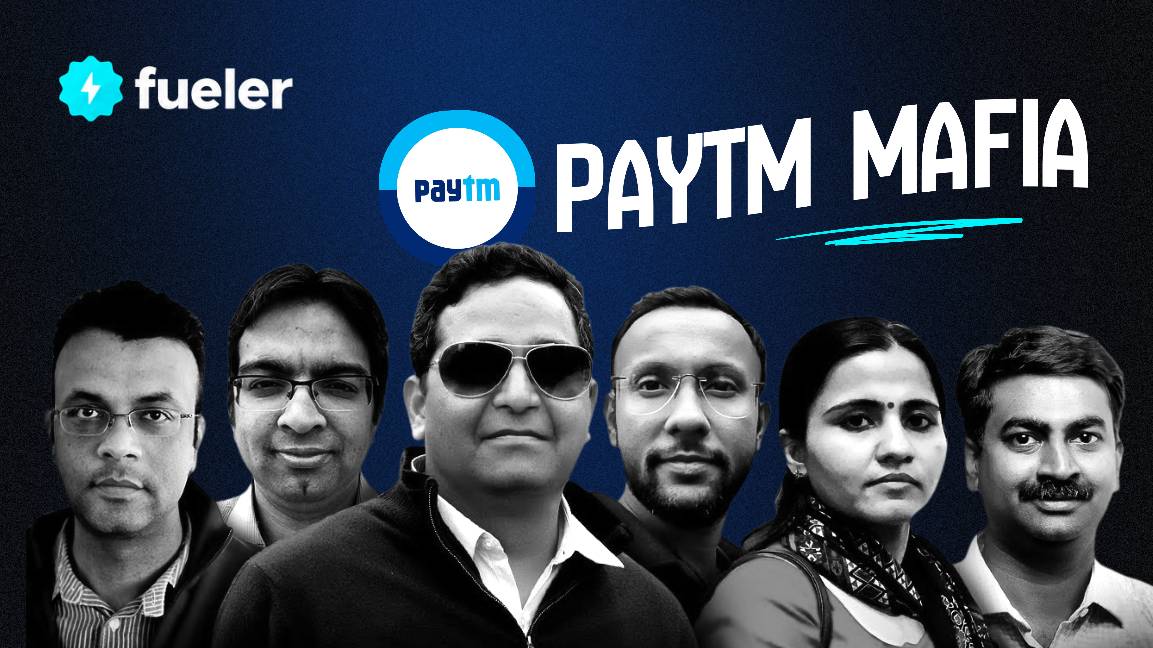
Some of India's most talked about startups did not start in a college dorm or an IIT hackathon. They started inside Paytm.
Over the last few years, a quiet pattern has become impossible to ignore. Senior leaders who once ran payments, wallet, product, and business at Paytm walked out and started building their own companies. One of them is now a unicorn. Another crossed 350 million dollars in annual revenue. A third sold to YouTube. People have started calling this group the "Paytm Mafia," borrowing the phrase from the famous PayPal Mafia in Silicon Valley.
I'm Riten, founder of Fueler, a portfolio platform that helps professionals get hired through assignments, proof of work, and projects instead of just resumes. I spend a lot of time studying how operators turn into founders, and the Paytm story is one of the clearest case studies in India right now.
In this article, you will get the full Paytm Mafia list in one clean table, an updated 2026 look at each startup, the real numbers behind them, and the patterns any founder or operator can learn from. No hype. Just what actually happened and why it matters.
What Is the Paytm Mafia and Why Everyone Is Talking About It
The Paytm Mafia is the informal name for the group of startups founded by former Paytm employees. The term copies the "PayPal Mafia," the group of early PayPal staff who later built Tesla, LinkedIn, YouTube, and Palantir.
Paytm has employed thousands of people across payments, lending, commerce, and banking. A chunk of its senior team left after gaining deep experience in building products at scale, and many of them turned that experience into their own ventures.
Here is why this matters as a signal. According to data from PrivateCircle reported in March 2024, a set of 22 businesses built by ex-Paytm employees had a combined valuation of around 10,668 crore rupees. That figure is already dated, because Dhan alone became a 1.2 billion dollar company in October 2025. The real number today is much higher.
A few things stand out about this group:
- Fintech is the core. Close to a quarter of these startups are fintech, which makes sense given where Paytm operators built their reputations. The rest spread across audio, agritech, mobility, healthtech, eyewear, and cybersecurity.
- They fund each other. Many of these founders show up as angel investors in each other's rounds. Kredmint's angel list alone reads like a Paytm alumni reunion.
- Vijay Shekhar Sharma backs his own alumni. VSS Investco, the investment vehicle linked to Paytm's founder, has put money into companies like Daalchini, started by his former employees.
The Full Paytm Mafia List in 2026
Below is the complete list built from the original dataset, with the status column refreshed to 2026 using public filings, funding reports, and founder updates. Each row shows the founders, their old role at Paytm, the company they built, the sector, and where the business stands now.
Dhan and Raise Financial Services: The First Paytm Mafia Unicorn

Dhan Founder, Pravin Jadhav
If there is a crown jewel in the Paytm Mafia, it is Dhan. Pravin Jadhav built and ran Paytm Money, one of India's biggest retail investing platforms, before leaving to start Raise Financial Services in January 2021 with Alok Pandey, Jay Prakash Gupta, and Raunak Rathi.
Dhan is the flagship product, a trading and investing app built for a new generation of retail investors, especially in tier 1 and tier 2 cities. It went after a real gap. Most apps were either too basic for serious traders or too complex for beginners.
The numbers tell the story. In October 2025, Raise closed a 120 million dollar Series B led by Hornbill Capital and Japan's MUFG, valuing the company at 1.2 billion dollars. That was roughly a tenfold jump from its 2022 Series A valuation of 125 million dollars.
- It is profitable, which is rare. Dhan reported around 900 crore in revenue in FY24 with a net profit of about 155 crore, reversing a small loss the year before. Profitable brokers in India are a short list that includes Zerodha, Groww, and Angel One.
- It is buying its way into new verticals. Raise acquired Filter Coffee, GreenLife Insurance Broking, wealth-tech platform Infinyte Club, and algo investing platform Stratzy to expand beyond trading.
- It is building AI and long-term investing products. In 2025 it launched Fuzz, an AI research tool for the Indian market, and "millions," a SIP-focused app aimed at Groww's core audience.
Why it matters: Dhan proves that an operator who deeply understands one hard problem, in this case retail investing, can go back to that same problem as a founder and build something bigger than the role they left.
Pocket FM: The Audio Giant That Grew Out of a Long Commute

PocketFM Founders
Rohan Nayak came into Paytm through the acquisition of Cube26, where he worked as a product manager. His idea for Pocket FM came from something simple. He spent hours commuting and listening to audio, and realised nobody was building serious audio entertainment for India.
Founded in 2018 with Prateek Dixit, Nishanth Srinivasagowda, and Dana Ram Meghwal, Pocket FM turned audio series into a real content format. Writers publish episodic stories, listeners unlock episodes with small payments, and the best shows scale across languages and countries.
Pocket FM is now one of the largest consumer stories to come out of India in this category.
- Revenue is at global scale. Annual recurring revenue is near 350 million dollars and growing about 80 percent a year, with the United States as a major market. Parent company Pocket Entertainment posted revenue of about 1,768 crore in FY25, up 68 percent.
- It has raised close to 197 million dollars. This includes a 103 million dollar Series D at a 750 million dollar valuation from investors like Lightspeed and Tencent.
- The creator economy is real money. Pocket FM says its creators have earned over 300 crore, with the top writers making meaningful full-time income. More than 300,000 creators published on the platform in the past year.
- AI made it profitable. The company credits AI production tools for helping it find more shows, scale content, and reach its first profitable phase.
Why it matters: Pocket FM shows that a Paytm operator can leave fintech entirely and win in content, as long as the core skill of building for the Indian mass market travels with them.
Park+: Turning Parking Into a Full Car Services App

Park+ Founder, Amit Lakhotia
Amit Lakhotia ran the wallet business at Paytm and helped scale it to over 100 million wallets. In 2019 he left and founded Park+ with Hitesh Gupta.
The first wedge was parking, a daily pain for car owners in Indian cities. But Park+ did not stop there. It became a super app for everything a car owner deals with, including FASTag recharges, traffic challan payments, insurance, and car care.
- It has raised about 51.8 million dollars across rounds from investors like Peak XV Partners and Epiq Capital, with a valuation near 334 million dollars.
- It built a large base of car owners by attacking small, high-frequency problems most companies ignored.
- It is known for tight unit economics, with Lakhotia often pointing to low customer acquisition cost as a core advantage.
Why it matters: Park+ is a lesson in wedge strategy. Start with one boring, frequent problem, earn trust, then expand into everything around it.
Indiagold: The Zepto of Gold Loans
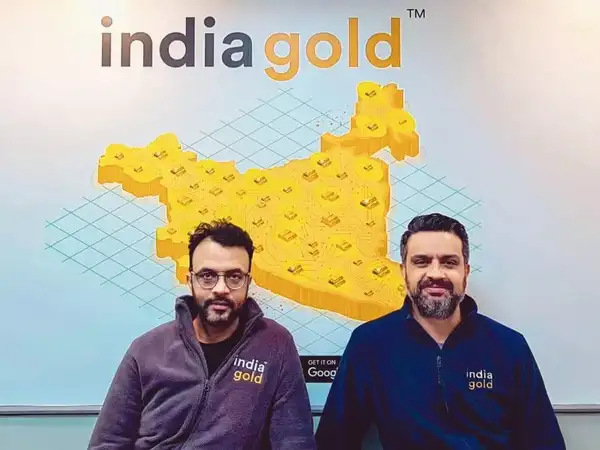
Indiagold Founders
Deepak Abbot and Nitin Misra were both senior vice presidents at Paytm, working on product and business. In 2020 they launched Indiagold under the entity Flat White Capital.
Their pitch is easy to remember. Think Zepto meets Muthoot Finance. Instead of asking customers to visit a branch, Indiagold offers gold loans at the customer's doorstep, along with digital gold and secure gold lockers.
The Indian gold loan market is huge and mostly served by traditional banks and NBFCs, so a tech-led, doorstep model is a real opening.
- It has raised around 23.8 million dollars from investors including PayU, Alpha Wave, 3one4 Capital, and Leo Capital.
- It is chasing profitability. The founders have said margins improved sharply and burn dropped, with a target of turning profitable around March 2026.
- It is focused on the next set of borrowers. The team talks about serving the next 100 million gold loan customers with a mix of technology and heavy physical operations most fintechs avoid.
Why it matters: Indiagold shows that the hardest categories, the ones full of trust and regulation, can be the most defensible if you are willing to do the offline work.
SimSim: The Clean Exit to YouTube
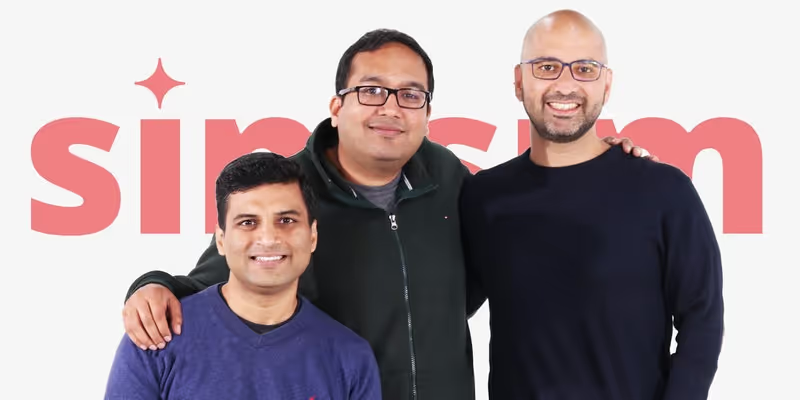
SimSim Founders
SimSim is the Paytm Mafia's exit story. Amit Bagaria and Saurabh Vashishtha were both senior vice presidents at Paytm, and they teamed up with Kunal Suri, who had led Foodpanda India, to start SimSim in 2019.
SimSim was a social commerce app. Creators and influencers posted video reviews of products from small businesses in local languages like Hindi, Tamil, and Bengali, and viewers could buy directly through the app.
- It raised close to 16 million dollars from backers including Accel and Shunwei Capital.
- YouTube acquired it in 2021 at a reported valuation of over 70 million dollars, a strong outcome for a two-year-old company.
- The app was later wound down. In March 2023, YouTube shut the standalone SimSim app and folded social commerce learnings into YouTube Shopping.
Why it matters: Not every founder needs to build a unicorn. A sharp product in the right category can become an acquisition target for a global platform, and that is a real career and financial win.
Daalchini: Profitable Smart Vending at Scale

Daalchini Founder, Prerna Kalra
Prerna Kalra led the wallet product at Paytm Payments Bank before founding Daalchini in 2017 with Vidya Bhushan. The idea was to bring smart, tech-enabled vending machines to India the way Japan uses them everywhere.
Daalchini machines are IoT-connected and sell everything from fresh Indian meals to snacks and daily essentials, placed in offices, hospitals, colleges, and stations. Brands and cloud kitchens use the network to reach customers with no delivery cost.
- It turned profitable in FY25, posting a net profit of about 2.5 crore on revenue of around 70 crore, which grew close to 89 percent.
- The network more than doubled to 3,400 machines by the end of FY25, with a target of 6,700 by the end of FY26.
- Paytm's founder backed it. VSS Investco, linked to Vijay Shekhar Sharma, is an investor, a neat example of a founder betting on his own former employee.
Why it matters: Daalchini is proof that profitability and a physical, offline business model can be a strength, not a weakness, even in a market obsessed with quick commerce burn.
Unnati: The Agritech Bet Heading Toward an IPO
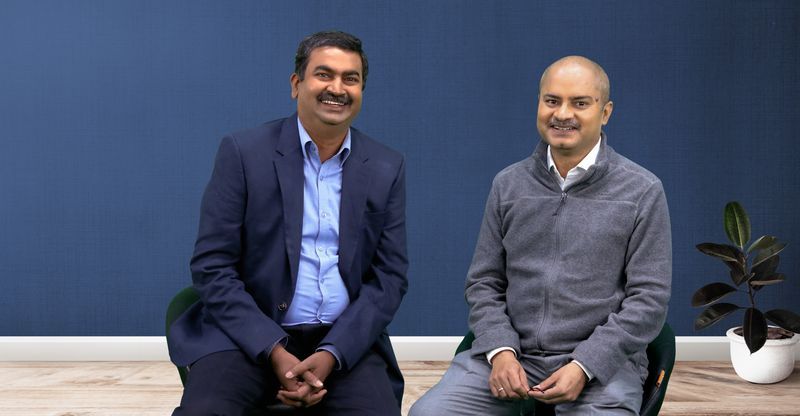
Unnati Founders
Amit Sinha held a senior business role at Paytm's parent company before co-founding Unnati in 2017 with Ashok Prasad. The company operates under Akshamaala Solutions and works at the intersection of agriculture and finance.
Unnati brings agri-input brands, farmers, and produce buyers onto one platform. It sells seeds and fertilizers, helps farmers sell their harvest, and layers in credit and advisory services.
- Revenue reached around 294 crore in FY25, making it one of the larger businesses in this group by top line.
- It is consolidating the sector. Unnati acquired agritech platform Gramophone to strengthen its reach.
- It is scaling toward the public markets. The company is targeting a 30 million to 35 million dollar equity raise in the second half of 2026 and has spoken about a public listing in the next few years.
Why it matters: Unnati shows that fintech skills can transfer into deep, underserved sectors like agriculture, where distribution and credit are the real moats.
Junio: Teaching Kids Money Before They Grow Up
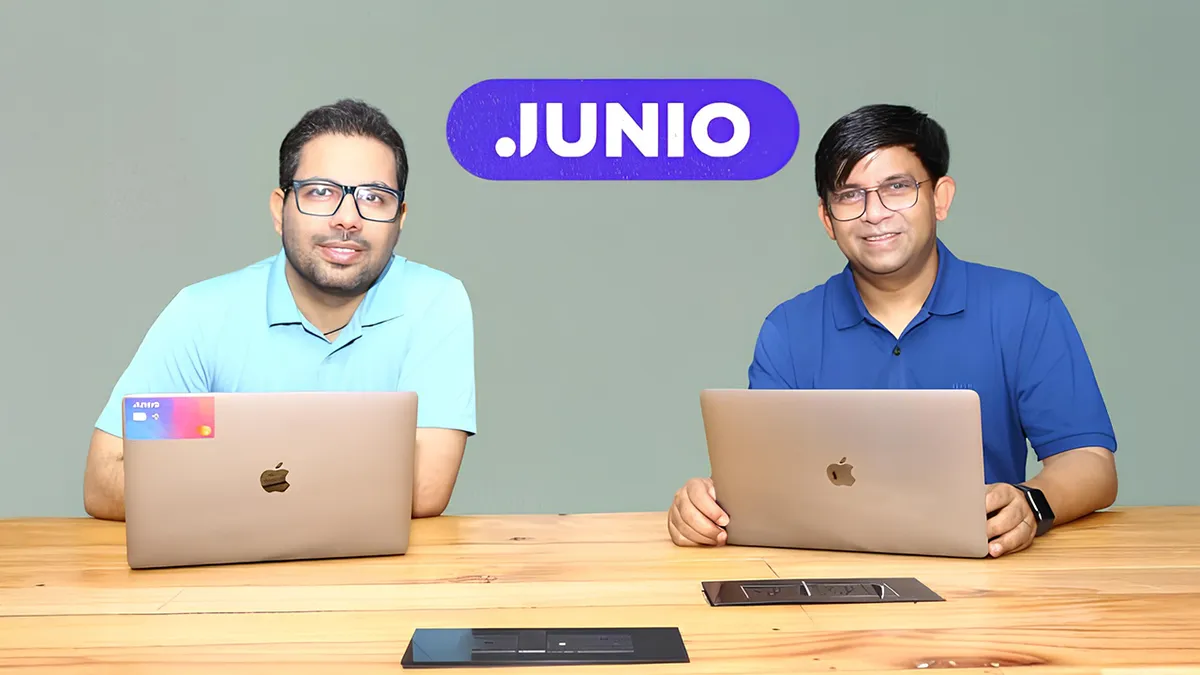
Junio Founders
Shankar Nath spent about five years as Paytm's chief marketing officer. Ankit Gera led user growth. In 2020 they teamed up to build Junio, a pocket money and payments app for children and teenagers.
Junio gives kids a smart card and app so they can make payments while parents stay in control, set limits, and tie allowances to chores. The goal is to build financial habits early.
- It has raised around 8 million dollars from an angel and institutional mix, including many fellow founders.
- It cleared a big regulatory milestone. In November 2025, Junio received RBI approval to issue prepaid payment instruments directly, which strengthens its core product.
- It sits in a growing niche alongside players like FamPay and Walrus, betting on financially aware young users.
Why it matters: Junio is a reminder that regulated fintech is a long game. Licences and approvals, not just growth, decide who survives.
ClearDekho: Affordable Eyewear for Bharat
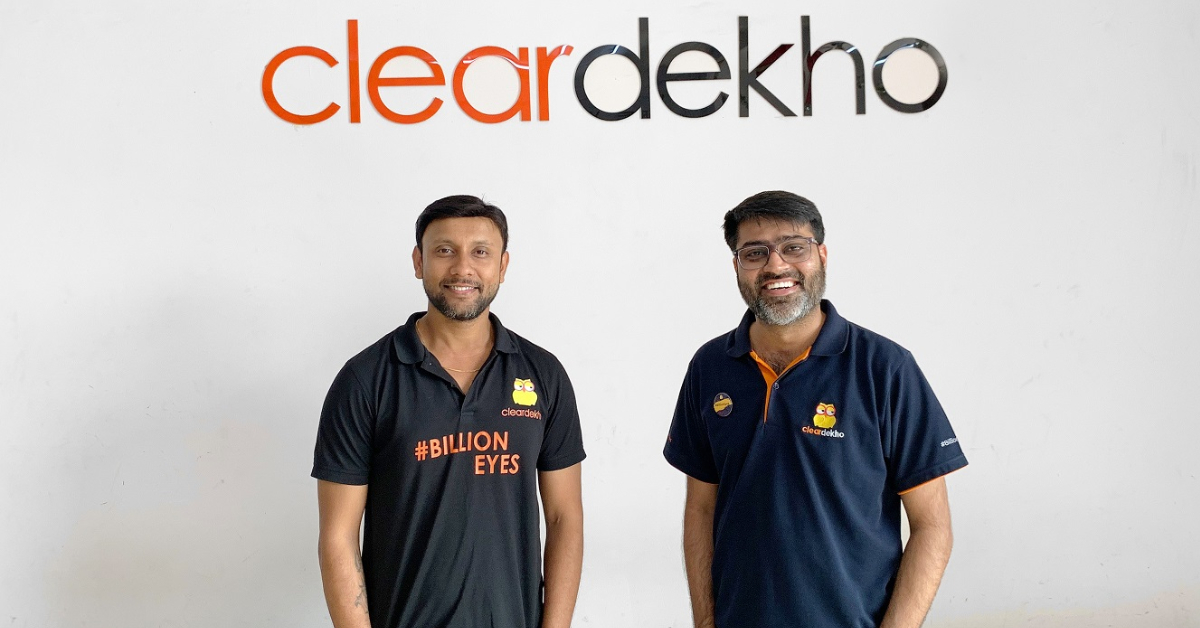
ClearDekho Founders
Saurabh Dayal spent time at Paytm on merchant onboarding and marketing before co-founding ClearDekho with Shivi Singh in 2016 to 2017. The company sells affordable eyeglasses and sunglasses, aimed squarely at tier 2, 3, and 4 towns.
The Indian eyewear market is largely unorganised, and a big share of the country needs affordable vision correction. ClearDekho blends online and offline, running a network of stores while keeping prices low.
- It has raised over 5 million dollars across a pre-Series A and Series A, with backers including the family office of OYO's Ritesh Agarwal.
- It runs 100 plus stores across dozens of cities, using an asset-light, franchise-friendly model.
- It targets the value segment that large brands like Lenskart address less aggressively.
Why it matters: ClearDekho shows the size of the Bharat opportunity. Serving the mass market with affordable products can be a durable business if the cost structure is right.
Kredmint: The Paytm Alumni Network in One Cap Table
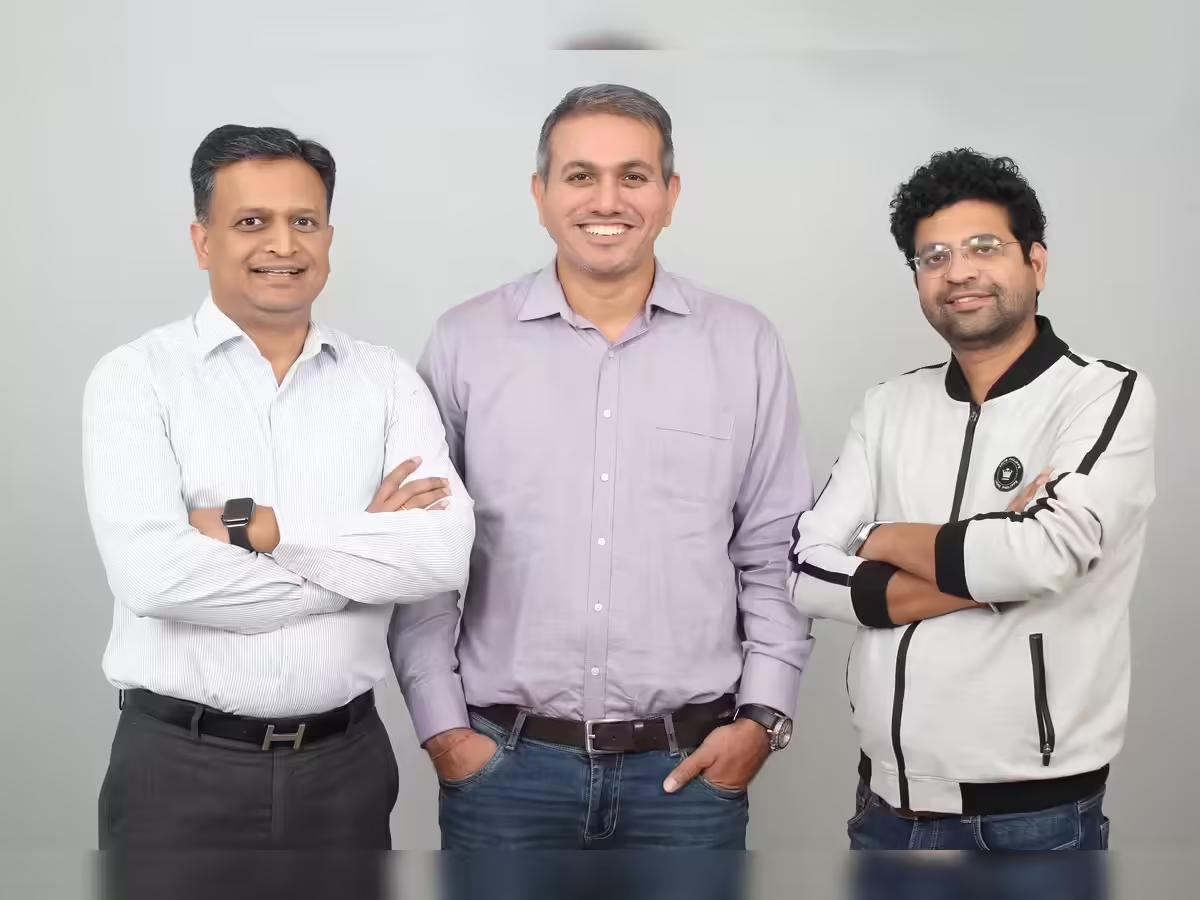
Kredmint Founders
Kredmint is the most recent entry, and it is almost a portrait of the Paytm Mafia itself. Vikas Garg, a former Paytm CFO, founded it in June 2022 with Rahul Nagar, a former VP of business at Paytm, and Himanshu Arora, who worked in product at Paytm, Gaana, and Yatra.
Kredmint provides supply chain financing and embedded finance for MSMEs, offering credit lines, invoice discounting, and vendor financing that plug into a business's existing systems.
- It raised about 2 million dollars in its first round.
- Its angel list is the Paytm Mafia. Backers include Kunal Shah, Ashneer Grover, Amit Lakhotia, Shankar Nath, Amit Sinha, and other Paytm alumni founders.
- It targets a real gap. India's MSME credit gap runs into tens of trillions of rupees, and cash-flow-based lending is one way to close it.
Why it matters: Kredmint shows how the mafia compounds. Each new founder inherits a ready network of angels, advisors, and believers who have already built at scale.
Healthtrip: Turning Medical Travel Into a Platform
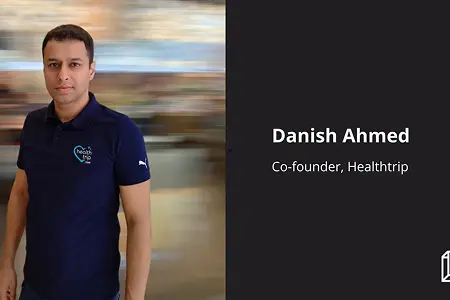
Healthtrip Founder, Danish Ahmed
Danish Ahmed is a serial founder best known earlier for the ecommerce brand Yebhi.com, with a stint in the Paytm ecosystem before launching what is now Healthtrip in 2018 to 2019, alongside Obaidullah Junaid and Nitin Raj.
Healthtrip, earlier called Hospals, is a medical and wellness travel platform. It helps patients find the right hospitals, doctors, and clinics abroad, then handles teleconsults, visas, travel, and post-treatment care.
- It has raised around 5 million dollars from investors across India and the Gulf.
- It has served 65,000 plus patients from 38 countries, with a network of about 1,500 hospitals and wellness centres.
- It expanded into the Middle East, opening offices in the UAE and Saudi Arabia to tap fast-growing demand for health and wellness travel.
Why it matters: Healthtrip is a cross-border play. It shows Paytm operators are comfortable building for global patients, not just the Indian market.
Kratikal Tech: The Bootstrapped Cybersecurity Story Heading to the Public Market
Kratikal is a slightly different case, and it is worth being precise about it. The company was actually founded around 2012 to 2013 by four batchmates from NIT Allahabad: Pavan Kushwaha, Paratosh Bansal, Dip Jung Thapa, and Ankit Singh. Dip Jung Thapa is the founder in this group with a Paytm link, which is why Kratikal shows up on Paytm Mafia lists.
Kratikal is a cybersecurity company. It offers vulnerability assessment and penetration testing, plus products like the phishing simulation tool Threatcop and the email security tool KDMARC. It serves enterprises across banking, healthcare, and ecommerce.
- It grew mostly on its own steam, raising only about 1.9 million dollars over the years while building a real customer base.
- It reached the public market. Kratikal Tech opened its IPO on the BSE SME platform in June 2026, a rare listing outcome in this group.
- It focuses on the human layer of security, arguing that most attacks succeed because of people, not just weak firewalls.
Why it matters: Kratikal is the outlier that proves range. The Paytm connection in this group is thin, and the real lesson is that deep technical focus plus patience can lead all the way to an IPO.
What the Paytm Mafia Teaches Founders and Operators
Look across all twelve companies and clear patterns show up. These are the takeaways worth stealing.
- Operators beat idea people. Almost every founder here ran a real business unit or product at Paytm before leaving. They did not start with a pitch deck. They started with scars from shipping at scale, which is why investors backed them fast.
- Go where you have an unfair advantage. Pravin Jadhav returned to investing. The Indiagold team went to fintech. Even the ones who switched sectors carried the same core skill of building for the Indian mass market.
- Small, frequent problems compound. Park+ started with parking. Daalchini started with a vending machine. Boring, daily problems create habit, and habit creates a business.
- A strong network is a moat. The mafia funds itself. New founders inherit angels, advisors, and warm intros. That single factor removes months of friction from a startup's early life.
- Profit is back in fashion. Dhan, Daalchini, and Pocket FM all point to profitability, not just growth. The operators who lived through Paytm's own path seem to respect unit economics more than most.
Why Ex-Paytm Employees Keep Producing Founders
There is a reason "mafia" fits companies like PayPal, Flipkart, and Paytm. These are places where people learn how to build under real pressure, with real users and real money.
Paytm scaled through demonetisation, the UPI boom, and heavy regulation. Anyone who held a senior role during those years learned product, growth, compliance, and P&L the hard way. That is a rare education.
There is also a money factor. Many senior leaders earned meaningful wealth through Paytm ESOPs, which gave them the runway to take a risk and start something without betting their family's security on month one.
Put those together, deep skill plus some financial cushion plus a tight network, and you get a founder factory. That is the real engine behind the Paytm Mafia.
How This Connects to Building a Strong Career or Portfolio
Here is the quieter lesson inside every one of these stories. None of these founders got funded because of a fancy resume. They got funded because of proof.
Investors backed Pravin Jadhav because he had already built Paytm Money. They backed the Indiagold team because they had shipped digital gold at scale. The work spoke first. The resume was almost an afterthought.
That is the shift happening across hiring and founding today. Outcomes matter more than titles. What you have actually built, the systems you have run, the results you can show, that is what earns trust now.
This is exactly why I built Fueler, a place where professionals show their work through assignments, projects, and proof of work instead of a plain resume. Whether you want to get hired, raise money, or start something of your own, the same rule applies. Document what you do, show the process, and let the work make your case.
You do not need to be a Paytm SVP to use this idea. You just need to treat your work as visible evidence of what you can do next.
Final Thoughts
The Paytm Mafia is not a one-off. It is what happens when a company scales fast enough to teach thousands of people how to build, then sends them into the wild with skill, money, and a network. Expect more of these stories, and expect them across sectors, not just fintech. As more Paytm alumni cross into profitability and the public markets, this group will keep reshaping the Indian startup map. The lesson for anyone watching is simple. Learn to build real things, keep proof of that work, and your next move gets easier every time.
Frequently Asked Questions
What is the Paytm Mafia?
The Paytm Mafia is the informal name for startups founded by former Paytm employees. The term borrows from the PayPal Mafia in the United States. It includes companies like Dhan, Pocket FM, Park+, Indiagold, Daalchini, Unnati, Junio, and more. Many of these founders held senior product and business roles at Paytm, then left to build their own ventures. A notable feature of the group is that its founders often invest in each other's startups, creating a tight network that helps new companies raise money and hire faster.
Which is the most successful Paytm Mafia startup?
As of 2026, Dhan, run by parent company Raise Financial Services, is the standout. Founded by former Paytm Money CEO Pravin Jadhav, it became a unicorn in October 2025 at a 1.2 billion dollar valuation after a 120 million dollar Series B. It is also profitable. Pocket FM is another top performer, with annual recurring revenue near 350 million dollars. Both show how deep operating experience at Paytm translated into large, fast-scaling businesses.
How many startups have ex-Paytm employees founded?
Reports based on PrivateCircle data identified at least 22 businesses started by former Paytm employees, with a combined valuation of around 10,668 crore rupees as of early 2024. That number is now outdated on the low side, since Dhan alone reached a 1.2 billion dollar valuation in late 2025. The true count is higher, as new companies like Kredmint keep emerging from the Paytm alumni base every year.
Why do so many Paytm employees become founders?
Three reasons stand out. First, Paytm scaled through demonetisation, the UPI boom, and heavy regulation, so senior staff learned to build products and manage P&L under real pressure. Second, many earned meaningful wealth through ESOPs, which gave them the financial runway to take a risk. Third, the alumni network backs its own, so new founders get angel money, advice, and warm introductions quickly. Skill, capital, and a strong network together turn operators into founders.
Who are the key founders in the Paytm Mafia?
Some of the most prominent names include Pravin Jadhav of Dhan and Raise Financial Services, Rohan Nayak of Pocket FM, Amit Lakhotia of Park+, Deepak Abbot and Nitin Misra of Indiagold, Prerna Kalra of Daalchini, Amit Sinha of Unnati, Shankar Nath and Ankit Gera of Junio, and Vikas Garg of Kredmint. Amit Bagaria and Saurabh Vashishtha of SimSim also stand out for selling their company to YouTube. Together they span fintech, audio, agritech, mobility, and more.
Why 100,000+ professionals use Fueler
Fueler helps professionals showcase proof of work through projects, assignments, case studies, and achievements.
- Thousands of professionals use Fueler to create their digital portfolio
- Thousands of projects are published on Fueler. Check here
- Startups and Companies hire through proof of work on Fueler
- Used by freelancers, creators, marketers, video editors, writers, designers, and product managers
Our mission is to help the next 100 million professionals build a verified professional identity through proof of work

What should you do next?
You've read the article. Now turn your skills into proof of work and unlock more opportunities.
Build your proof of work portfolio
Create a clean portfolio with projects, assignments, resumes, and AI stack details that companies actually want to see.
Create your Fueler portfolio →Apply through assignments, not resumes
Stand out by solving real tasks from companies hiring on Fueler.
Explore assignments →Get discovered by companies
Make your work public and let recruiters discover your skills through actual projects instead of keywords.
Get discovered →
