The Bluelearn Mafia

Riten Debnath
12 Jun, 2026
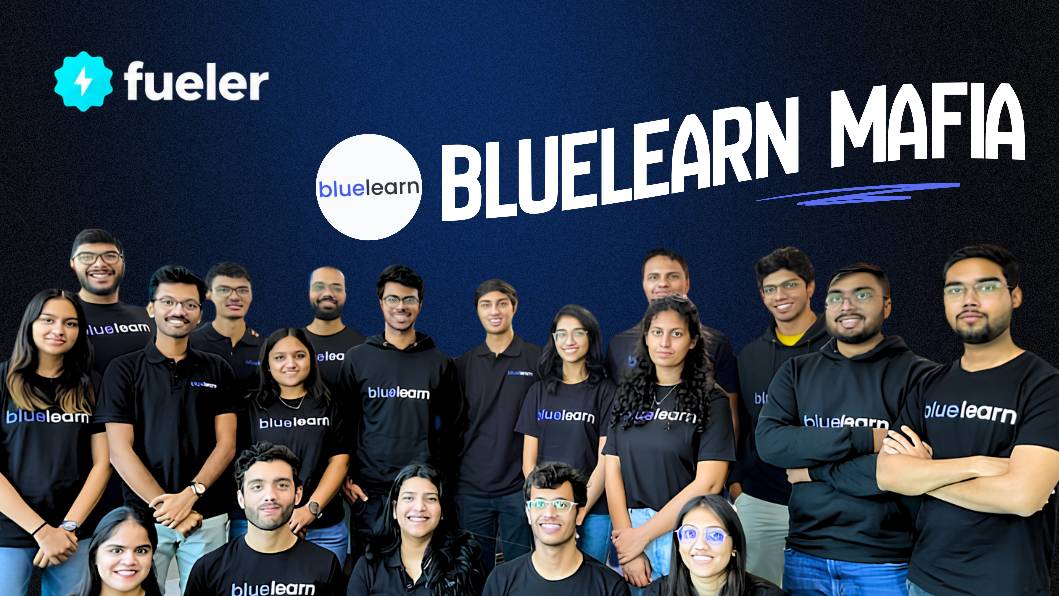
Most startup stories are judged by one metric: whether the company survived.
If the startup raises funding, scales rapidly, and reaches a large exit, it's considered a success. If it shuts down, most people move on.
But that framework misses something important. Some companies create products. Some companies create industries. And a few companies create builders.
Bluelearn belongs in the third category.
The startup officially shut down in 2024 after building one of India's largest student communities. Yet, two years later, the company's influence is arguably stronger than ever.
Former founders, designers, marketers, engineers, operators, and growth leaders have gone on to launch startups, join global companies, build AI products, create media businesses, and shape India's startup ecosystem in ways few could have predicted.
That's why Bluelearn deserves to be viewed through a different lens.
Not as an edtech company, but as a startup talent factory.
A place that produced an unusually high concentration of ambitious builders.
In startup culture, there's a term for this phenomenon: a mafia.
The PayPal Mafia produced companies like Tesla, LinkedIn, YouTube, Yelp, and Palantir.
Bluelearn obviously operates on a much smaller scale. But the pattern is surprisingly similar.
I'm Riten, founder of Fueler, a portfolio platform that helps professionals get hired through assignments, proof of work, and projects instead of just resumes.
As someone who built Fueler during the same era of India's community-led startup movement, I saw Bluelearn become a magnet for ambitious students. Many of the people who now run startups, communities, and AI companies first found leverage through Bluelearn.
And when I look at Bluelearn's legacy, I don't primarily see a startup that shut down. I see a network of people who continue creating new companies, products, communities, and opportunities long after the original company disappeared.
This is the story of the Bluelearn Mafia.
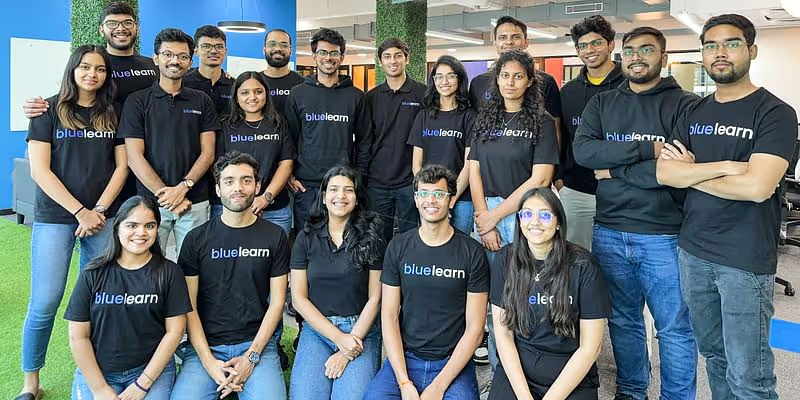
What Was Bluelearn?
Bluelearn began in 2021 when BITS Pilani graduates Harish Uthayakumar and Shreyans Sancheti started building a student community.
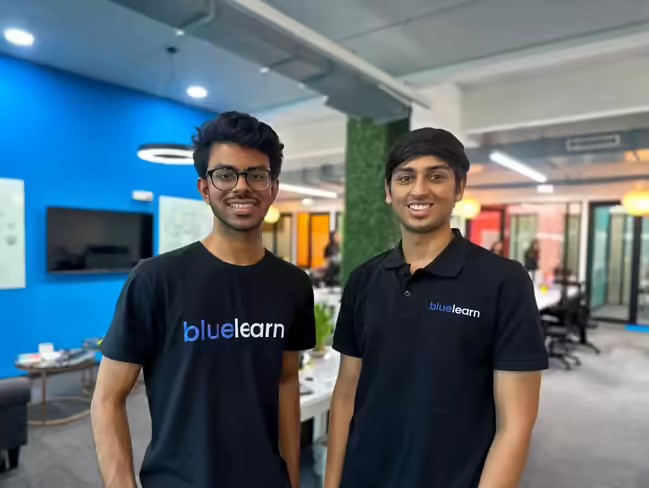
Originally called Clinify, the project began as a simple Telegram group where students could ask questions, learn from peers, and connect with ambitious people beyond their campuses.
What started as a community became a big platform.
Bluelearn eventually grew into one of India's largest student networks, bringing together students interested in startups, freelancing, technology, design, content creation, careers, and entrepreneurship.
Unlike traditional edtech companies, Bluelearn wasn't focused on selling courses. It focused on creating opportunities for students.
Students found internships.They built projects, learned skills, they met founders and found collaborators
At its peak, Bluelearn reached more than 2,50,000 members across thousands of colleges and schools. The company raised venture capital from Lightspeed, Elevation Capital, and several prominent angel investors.
But Bluelearn's biggest contribution wasn't its user base.It was the people who built it.
You can add a short section like this:
Why Bluelearn Produced So Many Builders?
Most startups hire for roles.
Bluelearn hired for potential.
Many team members joined when they were still students or fresh graduates. They weren't expected to stay inside strict job descriptions. Instead, they were encouraged to experiment, learn quickly, and take ownership far beyond their titles.
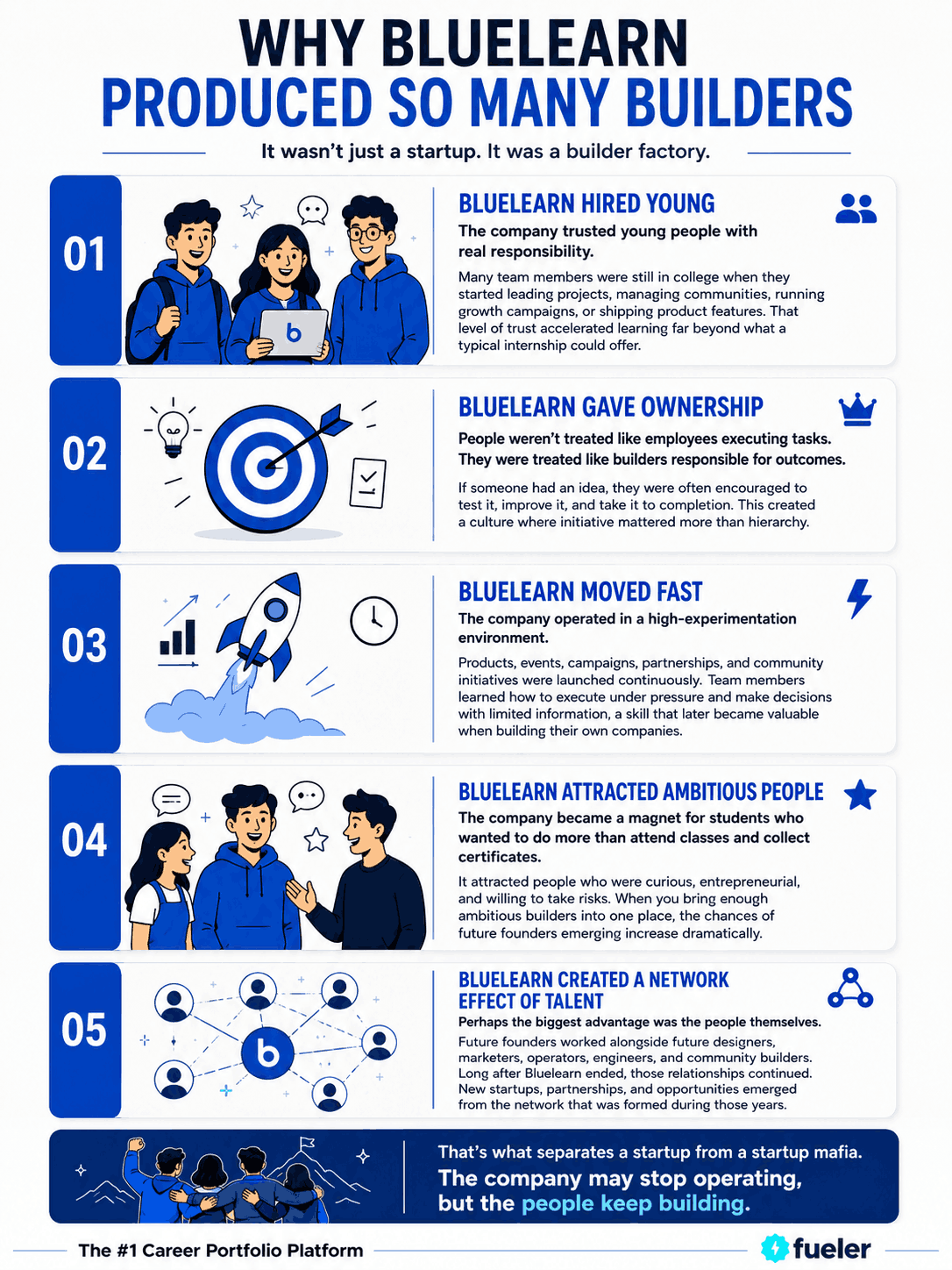
Why Bluelearn Produced So Many Builders?
Bluelearn Hired Young
The company trusted young people with real responsibility.
Many team members were still in college when they started leading projects, managing communities, running growth campaigns, or shipping product features. That level of trust accelerated learning far beyond what a typical internship could offer.
Bluelearn Gave Ownership
People weren't treated like employees executing tasks.
They were treated like builders responsible for outcomes.
If someone had an idea, they were often encouraged to test it, improve it, and take it to completion. This created a culture where initiative mattered more than hierarchy.
Bluelearn Moved Fast
The company operated in a high-experimentation environment.
Products, events, campaigns, partnerships, and community initiatives were launched continuously. Team members learned how to execute under pressure and make decisions with limited information, a skill that later became valuable when building their own companies.
Bluelearn Attracted Ambitious People
The company became a magnet for students who wanted to do more than attend classes and collect certificates.
It attracted people who were curious, entrepreneurial, and willing to take risks. When you bring enough ambitious builders into one place, the chances of future founders emerging increase dramatically.
Bluelearn Created A Network Effect Of Talent
Perhaps the biggest advantage was the people themselves.
Future founders worked alongside future designers, marketers, operators, engineers, and community builders. Long after Bluelearn ended, those relationships continued. New startups, partnerships, and opportunities emerged from the network that was formed during those years.
That's what separates a startup from a startup mafia.
The company may stop operating, but the people keep building.
The Founders Who Started Building Again
The clearest sign of a startup mafia is when founders continue creating new ventures after their first company ends.
Bluelearn's founders did exactly that.
Shreyans Sancheti And Darshil Rathod: Building Linkrunner
When Bluelearn shut down, co-founder Shreyans Sancheti got together with former Bluelearn Founding Engineer Darshil Rathod to launch Linkrunner.
Linkrunner is an AI-powered mobile measurement platform designed to help companies improve retention, attribution, and return on advertising spend.
For many mobile apps, one of the hardest challenges today is understanding where users come from and which marketing channels actually drive growth. Privacy changes introduced by Apple and Google have made attribution significantly more difficult. Linkrunner aims to solve that problem.
While Bluelearn focused on community growth, Linkrunner focuses on growth infrastructure.
The industries are different, but the underlying skill remains the same: understanding user behavior and helping businesses grow.
It's a natural evolution for founders who spent years building consumer products at scale.
Harish Uthayakumar: Building Fest
Harish Uthayakumar has always been interested in human connection. Bluelearn was built around helping students connect with opportunities and with each other.
His next startup has a similar theme through artificial intelligence.
Harish is now building Fest, an AI companion platform focused on emotional support and personal conversations.
Most AI startups today focus on productivity. They help people write faster, code faster, or automate work.
Fest explores a different question: Can AI help people feel understood?
The company sits within one of the fastest-growing categories in technology: AI companionship.
Whether through emotional support, personal reflection, or everyday conversation, Fest is exploring how AI can create meaningful interactions beyond traditional software experiences.
It's a bold and ambitious bet that reflects Harish's long-term interest in building products centered around people rather than purely around technology.
The Bluelearn Operators Who Became Startup Founders
One of the most interesting aspects of the Bluelearn story is how many early team members eventually became founders themselves.
Their companies span entirely different industries, yet they share a common DNA: community, execution, and experimentation.
Vinit Sarode: Building Wavelength

Few people represent Bluelearn's culture better than Vinit Sarode.
Over the years, Vinit worked across product, design, marketing, and leadership roles before eventually becoming Head of Design.
Today, he is building Wavelength. The startup is focused on helping people create meaningful personal connections through technology.
This might sound simple, but it addresses a challenge many modern platforms struggle with.
Most technology products optimize for attention, but Wavelength appears to be exploring how technology can optimize for connection. That distinction matters.
As social media becomes increasingly transactional, there is growing demand for products that help people build deeper relationships rather than simply consume content.
The problem Wavelength is tackling feels like a continuation of many ideas that existed within Bluelearn itself.
Chandan Perla: Building Localhost
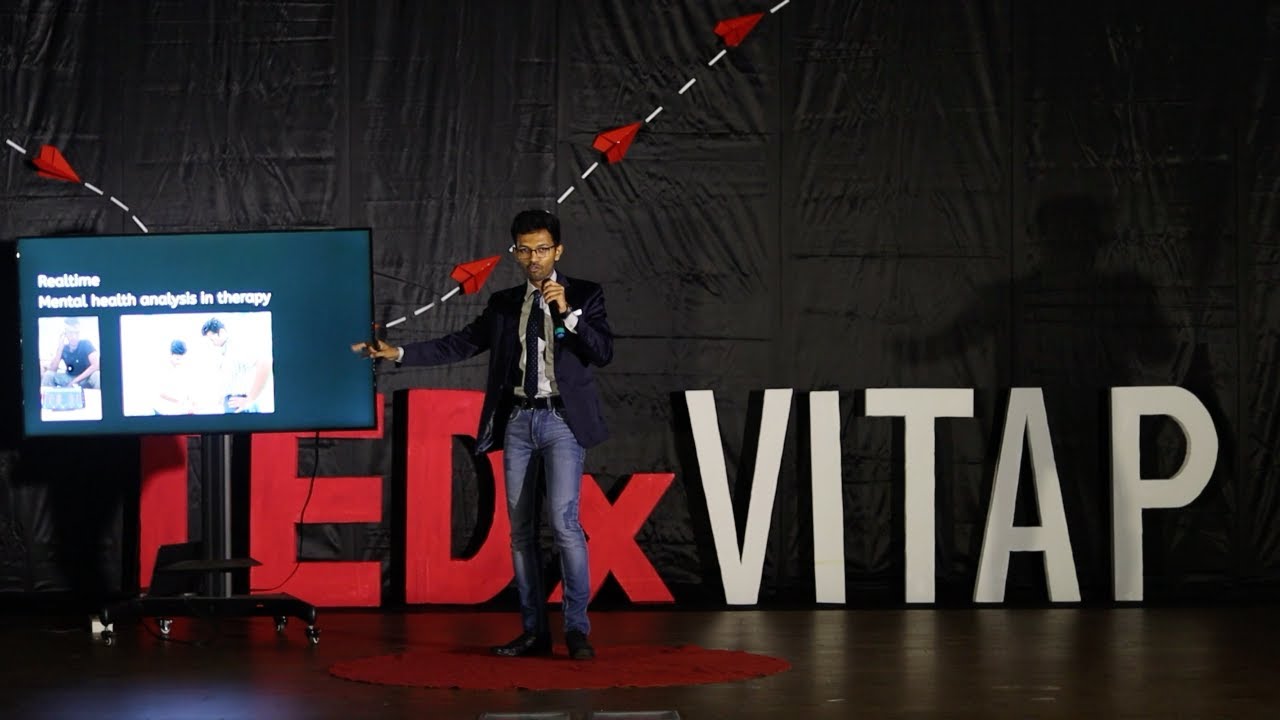
Chandan is building an environments where ambitious people can build thier startups.
Localhost is a 75-day residential builder program based in Bangalore.
Participants live and work together while building products, testing ideas, launching projects, and learning directly through execution.
The model feels closer to a startup accelerator crossed with a founder residency than a traditional educational program.
Instead of teaching entrepreneurship through lectures, Localhost teaches through experience.
Builders work alongside other builders, Ideas are tested quickly and products are shippe faster.
People learning by building as well.
Ishan Gupta: Building Juicebox
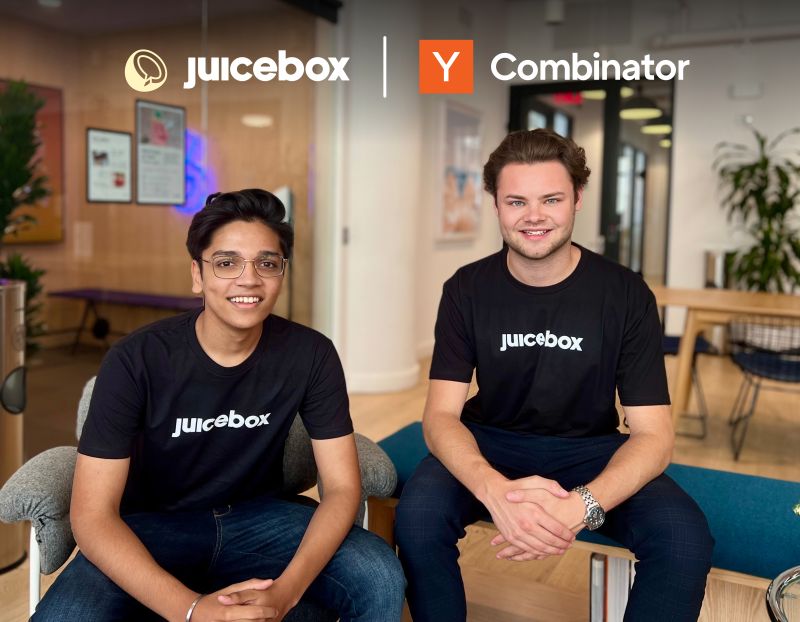
Former Bluelearn software engineer Ishan Gupta is tackling one of the most important challenges facing startups today: hiring.
His company, Juicebox, is an AI recruiting platform designed to help organizations identify, evaluate, and hire talent more effectively.
Recruiting has traditionally relied on resumes, keywords, and manual screening.
AI is changing that.
Juicebox aims to help companies understand exactly what kind of candidate they need and then identify the best possible matches.
What's particularly interesting is how this connects back to Bluelearn.
Bluelearn spent years helping students discover opportunities.
Juicebox focuses on helping companies discover talent.
Different sides of the same equation.
Sahil Godara: Building OnlyReason
One of the biggest opportunities in AI isn't building larger models. It's making expert knowledge accessible.
That's the opportunity Sahil Godara is pursuing through OnlyReason.
The company works with investors, operators, lawyers, and domain experts to convert their expertise into AI-powered agents.
Most valuable knowledge is trapped inside human experience.
OnlyReason aims to make that knowledge available at scale.
As businesses increasingly adopt AI agents for decision-making and knowledge management, startups like OnlyReason could become important infrastructure for the future of professional expertise.
The Builders Expanding India's Startup Ecosystem
Not everyone from Bluelearn became a traditional startup founder.
Many are helping shape the ecosystem itself.
Dyumna - Selected in The Foundery

Dyumna got selected for the Foundery by Nikhil Kamath and Kishore Biyani. The Foundery is a startup venture builder and entrepreneurship residency launched by Nikhil Kamath and Kishore Biyani. Instead of teaching entrepreneurship like a course or funding existing startups like an accelerator, it aims to create new companies from scratch alongside selected founders
Kenan Collaco

After serving as Head of Technology at Bluelearn, Kenan Collaco joined Zamp, where he works on engineering for one of the most ambitious ideas in artificial intelligence: AI employees that can own and complete real work.
Unlike traditional AI tools that wait for instructions, Zamp is building autonomous AI workers capable of handling end-to-end business processes. These AI employees can ask clarifying questions, make decisions, flag exceptions, and drive tasks to completion across functions like finance, recruiting, compliance, customer support, and software development.
Charan And Dayamay Udaygiri: Building Plus1000Aura
Every startup needs distribution and storytelling.
Very few know how to do either effectively.
Charan and Dayamay are solving that problem through Plus1000Aura.
The company creates launch videos and storytelling assets for Y Combinator startups and other high-growth technology companies.
As software becomes easier to build, communication becomes increasingly valuable.
The startups that win aren't always the ones with the best products.
They're often the ones that explain their products most effectively.
By helping founders communicate ideas, attract attention, and launch products successfully, Plus1000Aura has positioned itself within one of the most important layers of the startup ecosystem.
Yashvi Dhruv: Building Startup Communities Through Media

At Bluelearn, Yashvi Dhruv worked as a marketing manager helping grow one of India's largest student communities.
Today, she serves as Network Lead at The Offline Network (OfflineOnAir), a media platform focused on India's startup ecosystem.
Media companies play a surprisingly important role in startup ecosystems.
They connect founders, share opportunities and creating communities.
By helping build one of India's emerging startup media platforms, Yashvi continues contributing to the same kind of ecosystem-building work that defined Bluelearn's growth.
Janice Coutinho And Ajay Pawriya
Not every impact shows up through a startup launch announcement.
Janice Coutinho has continued working as a marketing consultant, helping companies understand growth, positioning, and community building.
Ajay Pawriya, Bluelearn's founding designer, continues contributing to product and design initiatives across startups.
These careers highlight an important reality.
Startup ecosystems don't run only on founders.
They run on exceptional operators, designers, marketers, and builders.
The people who help companies scale are often just as important as the people who start them.
What is the significance of Bluelearn Mafia
Most startup success stories focus on company outcomes.
- Revenue.
- Funding.
- Valuation.
- Exits.
The Bluelearn story suggests a different way of measuring impact.
What if the most important thing a startup produces isn't a product?
What if it's people?
Bluelearn may didn’t become a billion-dollar company.
But it has already produced startup founders, AI entrepreneurs, media operators, ecosystem builders, growth experts, designers, and future leaders across India's technology ecosystem. That's a legacy many successful startups never achieve.
Similarities between Bluelearn story and Fueler mission
The Bluelearn Mafia demonstrates something that modern professionals often overlook.
People rarely get extraordinary opportunities because of credentials alone. They get opportunities because they have evidence of execution.
Almost every person in this story built something.
- A product.
- A community.
- A campaign.
- A company.
- A network.
- A project.
That work became their leverage. This is why portfolios matter more than ever.
When people can see what you've built, your credibility becomes measurable.
Platforms like Fueler exist because hiring is increasingly shifting toward proof of work rather than resume keywords. The professionals who stand out are the ones who can show outcomes, not just claim experience.
Final Thoughts on Bluelearn story
Bluelearn's story didn't end when the company shut down.
That's actually where the most interesting chapter began.
The founders kept building. The operators became founders. The marketers became ecosystem builders. The designers continued shaping products. The engineers launched companies. The network expanded.
Years from now, Bluelearn may be remembered less for being a student community and more for becoming a launchpad.
A place where ambitious people learned how to build and then went on to build everywhere else.
That's what makes the Bluelearn Mafia worth paying attention to.
The company ended, but the ripple effects didn't.
FAQs On The Bluelearn Mafia
What is the Bluelearn Mafia?
The Bluelearn Mafia refers to former Bluelearn team members who later became startup founders, operators, AI entrepreneurs, media builders, and ecosystem leaders. The term is inspired by the PayPal Mafia, whose members went on to create influential technology companies.
Who founded Bluelearn?
Bluelearn was founded by Harish Uthayakumar and Shreyans Sancheti in 2021. It started as a student community and eventually grew into one of India's largest student networking platforms.
Which startups have emerged from Bluelearn alumni?
Notable startups and ventures linked to former Bluelearn team members include Linkrunner, Fest, Wavelength, Localhost, Juicebox, OnlyReason, and Plus1000Aura.
Why did Bluelearn produce so many founders?
Bluelearn gave young team members significant ownership and exposure to product development, community building, growth, design, and startup operations. That environment helped develop entrepreneurial thinking and execution skills.
Why is the Bluelearn Mafia important for India's startup ecosystem?
The Bluelearn Mafia shows how startups can create long-term impact beyond financial outcomes. Even after the company shut down, its former team members continue building businesses, communities, AI products, and media platforms that contribute to India's broader technology ecosystem.
Most startups leave behind users. A few leave behind companies.
The rarest ones leave behind founders.
Bluelearn may have shut down, but every new company started by its alumni is proof that the story never really ended.
What is Fueler Portfolio?
Fueler is a career portfolio platform that helps companies find the best talent for their organization based on their proof of work. You can create your portfolio on Fueler. Thousands of freelancers around the world use Fueler to create their professional-looking portfolios and become financially independent. Discover inspiration for your portfolio
Sign up for free on Fueler or get in touch to learn more.

What should you do next?
You've read the article. Now turn your skills into proof of work and unlock more opportunities.
Build your proof of work portfolio
Create a clean portfolio with projects, assignments, resumes, and AI stack details that companies actually want to see.
Create your Fueler portfolio →Apply through assignments, not resumes
Stand out by solving real tasks from companies hiring on Fueler.
Explore assignments →Get discovered by companies
Make your work public and let recruiters discover your skills through actual projects instead of keywords.
Get discovered →
