Last updated: October 2026
Starting your first business is both exciting and challenging. For first-time founders in 2026, picking the right sector can make all the difference in finding customers, attracting funding, and building a lasting company. The US market offers many opportunities, but some startup sectors stand out because of fast growth, strong investor interest, and clear real-world needs.
I’m Riten, founder of Fueler, a skills-first portfolio platform building the career infrastructure for 100 million creative professionals. Fueler connects talented individuals with companies through assignments, portfolios, and projects, not just resumes or CVs. Think of it as Dribbble/Behance for work samples combined with AngelList for hiring infrastructure.
In this article, I’ll guide you through the best sectors to focus on in 2026 as a first-time founder in the US. Remember, mastering skills is essential, but smartly presenting your work is just as important. Your portfolio isn’t only a collection of projects; it’s your proof of skill, your credibility, and your shortcut to trust.
1. Niche SaaS (Software as a Service)
Rather than competing in crowded general markets, SaaS startups targeting specific industries or business functions are growing quickly. Cloud-based software with subscription models provides steady, predictable revenue.
Project management tools customized for industries like legal or healthcare
HR and sales automation for small and medium enterprises
Customer relationship management (CRM) tailored to niche sectors
Continuous updates and customer support through subscriptions
Why it matters: Niche SaaS products foster loyal customers and reduce churn, making them attractive for early-stage founders. Predictable revenue and focused markets help founders grow sustainably.
2. Green and Sustainable Businesses
Sustainability is a key global priority, creating demand for eco-friendly products and services. Startups offering renewable energy, recyclable packaging, and waste-reduction technology benefit from consumer demand and government incentives.
Solar and wind power solutions for residential and commercial use
Compostable and recycled packaging materials
Sustainable fashion using eco-friendly fabrics
Platforms for waste collection and recycling management
Why it matters: Green businesses align with growing environmental regulations and consumer values, creating opportunities for startups to thrive and attract dedicated customers in expanding markets.
3. EdTech and Digital Content Platforms
Remote learning and content creation are rising trends. EdTech startups deliver personalized learning experiences while content platforms empower creators to monetize their work online.
AI-powered tutoring and personalized learning apps
Marketplaces for online courses and certifications
Platforms for monetizing videos, artwork, and writing
Interactive and gamified educational tools
Why it matters: The shift to online education and digital content continues to accelerate. Founders in this space can develop stable, scalable communities and generate recurring revenue through subscriptions or digital sales.
4. Logistics and Supply Chain Tech
E-commerce growth fuels an urgent need for smarter and faster logistics. AI, Internet of Things, and blockchain innovations help startups optimize delivery routes, warehouse management, and supply chain transparency.
AI-based route optimization to save time and fuel
Automated warehouse robotics improving efficiency
Blockchain platforms ensuring secure and transparent shipping
Drone and autonomous vehicle delivery solutions
Why it matters: Efficient logistics reduces costs and speeds up delivery, which directly benefits customers. Startups solving these problems see high demand and fast adoption in a rapidly expanding market.
5. Artificial Intelligence (AI)
Artificial intelligence remains the fastest-growing startup sector. In the first five months of 2026 alone, AI startups raised nearly $33 billion globally. AI is changing how businesses operate by automating tasks, analyzing data, and improving customer experiences.
Predictive analytics helping businesses forecast trends and sales
AI-powered chatbots providing 24/7 customer support
Cybersecurity solutions using AI to detect and stop threats
Why it matters: AI offers founders the chance to build scalable software that solves broad problems across industries. Investors are eager to back AI-driven startups, making it a rich environment for first-time founders to raise capital and grow fast, as seen with firms like Sera Capital supporting investment-focused growth strategies
6. Fintech (Financial Technology)
Fintech is reshaping the finance sector by making payments, banking, and investments easier and more secure. It continues to experience rapid growth, with over 29,000 startups globally and a market expected to reach nearly $700 billion within five years.
Mobile wallets and real-time payment apps
AI-driven platforms for investment idea generation and market analysis
Lending and investment platforms targeting underserved markets
Embedded finance tools integrated into other apps
Why it matters: As financial services shift toward digital-first models, fintech startups that simplify money management have huge potential. This sector attracts strong investor interest, offering first-time founders many funding opportunities.
7. Healthtech
Healthtech startups are driving the digital transformation of healthcare. New technologies in telemedicine app development, personalized care, and AI diagnostics improve healthcare quality and accessibility, supported by increasing venture capital investment.
Telehealth platforms for remote consultations
Wearables and apps monitoring personal health data
Automation tools to streamline hospital and clinic workflows
Why it matters: With rising demand for digital healthcare solutions, healthtech offers startups a growing market and strong investor enthusiasm. First-time founders can build impactful businesses that improve people’s lives.
Promoting Fueler: Showcase Your Skills to Win Trust
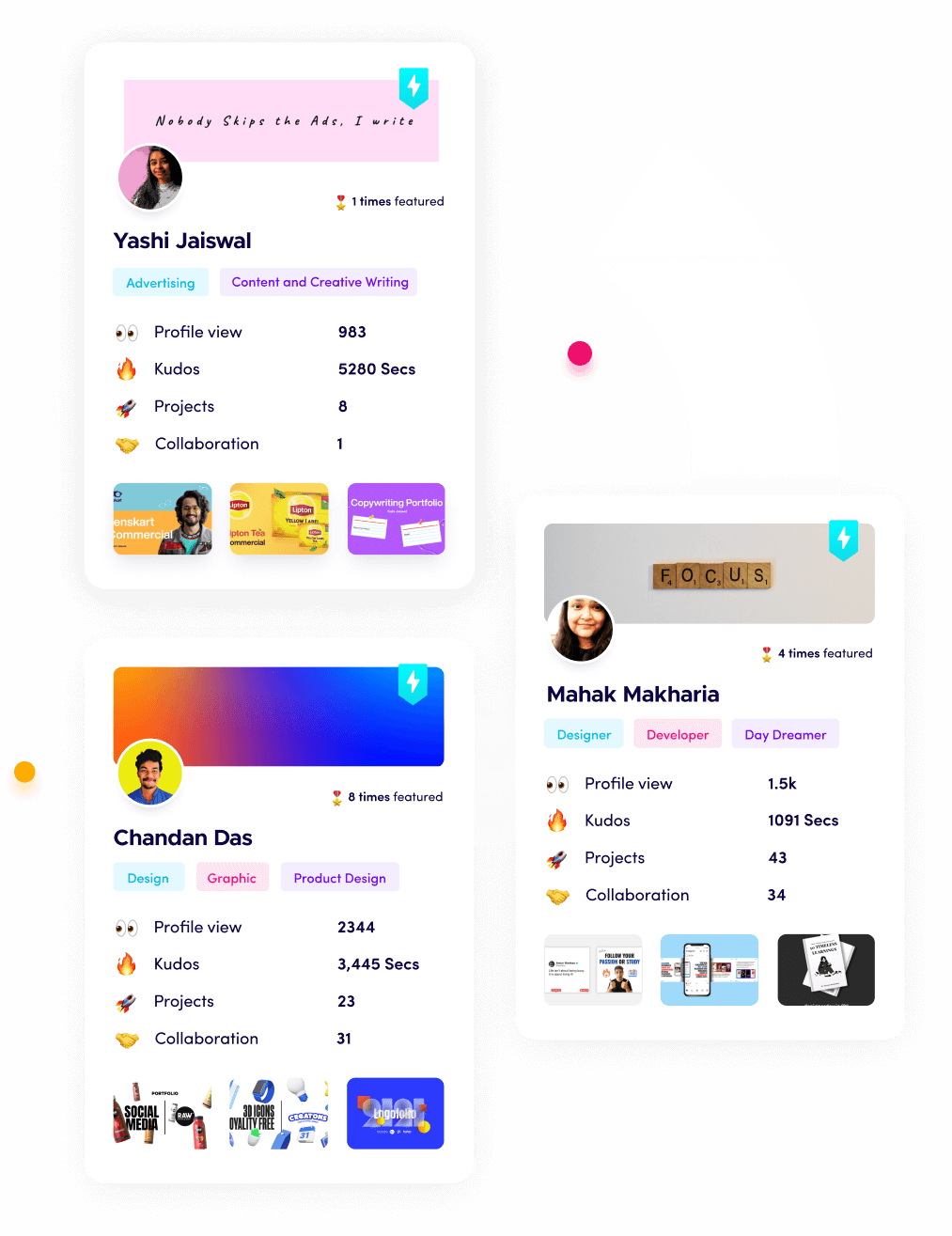
In competitive startup sectors, skills alone are not enough. Investors, clients, and partners want to see real proof of your work and results. Fueler helps you build a portfolio with actual projects and samples that highlight your capabilities. Presenting your work smartly accelerates trust-building and opens doors to funding and opportunities.
Final Thoughts
The US startup landscape in 2026 offers exciting sectors for first-time founders, combining strong growth and investor interest. Whether you choose AI, fintech, healthtech, logistics, niche SaaS, green tech, or EdTech, success comes from solving real problems and showing credible results. Use platforms like Fueler to showcase your skills and project outcomes clearly. This approach helps turn your startup vision into reality in a competitive market.
Frequently Asked Questions (FAQs)
1. What are the best startup sectors for first-time founders in 2026?
Artificial intelligence, fintech, healthtech, logistics, niche SaaS, green businesses, and EdTech are among the top sectors.
2. How much funding is going into AI startups this year?
AI startups raised nearly $33 billion globally in the first five months of 2026, reflecting huge investor interest.
3. Why is fintech a good sector for new startups?
Fintech’s growth comes from digital payments, AI fraud detection, and lending platforms, making finance easier and safer.
4. How can first-time founders stand out in SaaS markets?
By focusing on niche industries and offering tailored solutions, founders reduce competition and build loyal customers.
5. How does Fueler help founders get hired or funded?
Fueler lets you create portfolios showcasing real work samples, increasing credibility with investors and clients.
Why 100,000+ professionals use Fueler
Fueler helps professionals showcase proof of work through projects, assignments, case studies, and achievements.
Thousands of professionals use Fueler to create their digital portfolio
Thousands of projects are published on Fueler. Check here
Startups and Companies hire through proof of work on Fueler
Used by freelancers, creators, marketers, video editors, writers, designers, and product managers
Our mission is to help the next 100 million professionals build a verified professional identity through proof of work