SEO Strategies for Personal Brands in 2026

Riten Debnath
14 May, 2025

In today’s digital age, your online presence is your reputation. Whether you’re a freelancer, creator, or founder, how people find you online matters. That’s why personal branding and SEO go hand in hand.
I’m Riten, founder of Fueler, a skills-first portfolio platform building the career infrastructure for 100 million creative professionals. Fueler connects talented individuals with companies through assignments, portfolios, and projects, not just resumes or CVs. Think of it as Dribbble/Behance for work samples combined with AngelList for hiring infrastructure.
In this article, I’ll walk you through proven SEO strategies to build a personal brand that gets discovered, trusted, and hired. Because no matter how good your work is, if no one finds it, it doesn’t matter.
When you optimize your brand for search, you're not just boosting visibility; you're building credibility. Let’s break down how to make your personal brand SEO-friendly in simple, effective steps.
There’s no shortcut to building a strong personal brand online, but there are strategies that work consistently. Think of SEO as the bridge between your skills and your audience. Below are five practical ways to boost your personal brand visibility using search engine optimization:
1. Optimize Your Personal Website
Your website is your online headquarters; make it count. It’s often the first impression, so design and SEO must go hand in hand.
Clear Branding: Use your name consistently across the domain, title tags, and content.
Responsive Design: Make sure your website looks good on mobile and loads fast.
Structured Data: Use schema markup to help Google understand your site better.
Example: Add a professional bio with relevant keywords like “freelance UX designer” or “AI content strategist” and include a photo to build trust.
2. Leverage Social Media Platforms
Social media isn’t just for scrolling; it’s a powerful tool to strengthen your personal brand SEO. These platforms usually rank high in search results.
Consistent Handles: Use the same username on LinkedIn, Twitter, Instagram, etc.
Professional Bios: Add keywords that describe your work and experience clearly.
Engaging Content: Share your wins, insights, lessons, and behind-the-scenes stories.
Example: Post updates on LinkedIn about recent projects or write short thought leadership posts that show your perspective on trends in your field.
3. Create High-Quality, Relevant Content
Content is your proof of expertise. It gives search engines more to index and helps your audience understand what you do. With content writing that speaks to your audience, you can share that message in a way that feels clear, natural, and trustworthy.
Blog Posts: Answer questions people are searching for in your niche.
Guest Contributions: Write for popular blogs or publications to get backlinks. Backlinks are crucial for improving your website’s authority and visibility in search engine rankings. They act as endorsements from other reputable sites, signaling to search engines that your content is trustworthy. Whether you use backlink building software or pursue manual outreach strategies, acquiring quality backlinks can significantly boost your SEO performance. Focusing on reputable marketing sites for guest posting ensures these backlinks come from relevant sources, maximizing both authority and long-term ranking benefits
Multimedia Content: Make videos, carousels, or infographics to explain your ideas.
Example: If you're a frontend developer, write a blog post about “5 Mistakes to Avoid When Building Responsive Websites” and include relevant keywords.
4. Utilize Fueler to Showcase Your Work
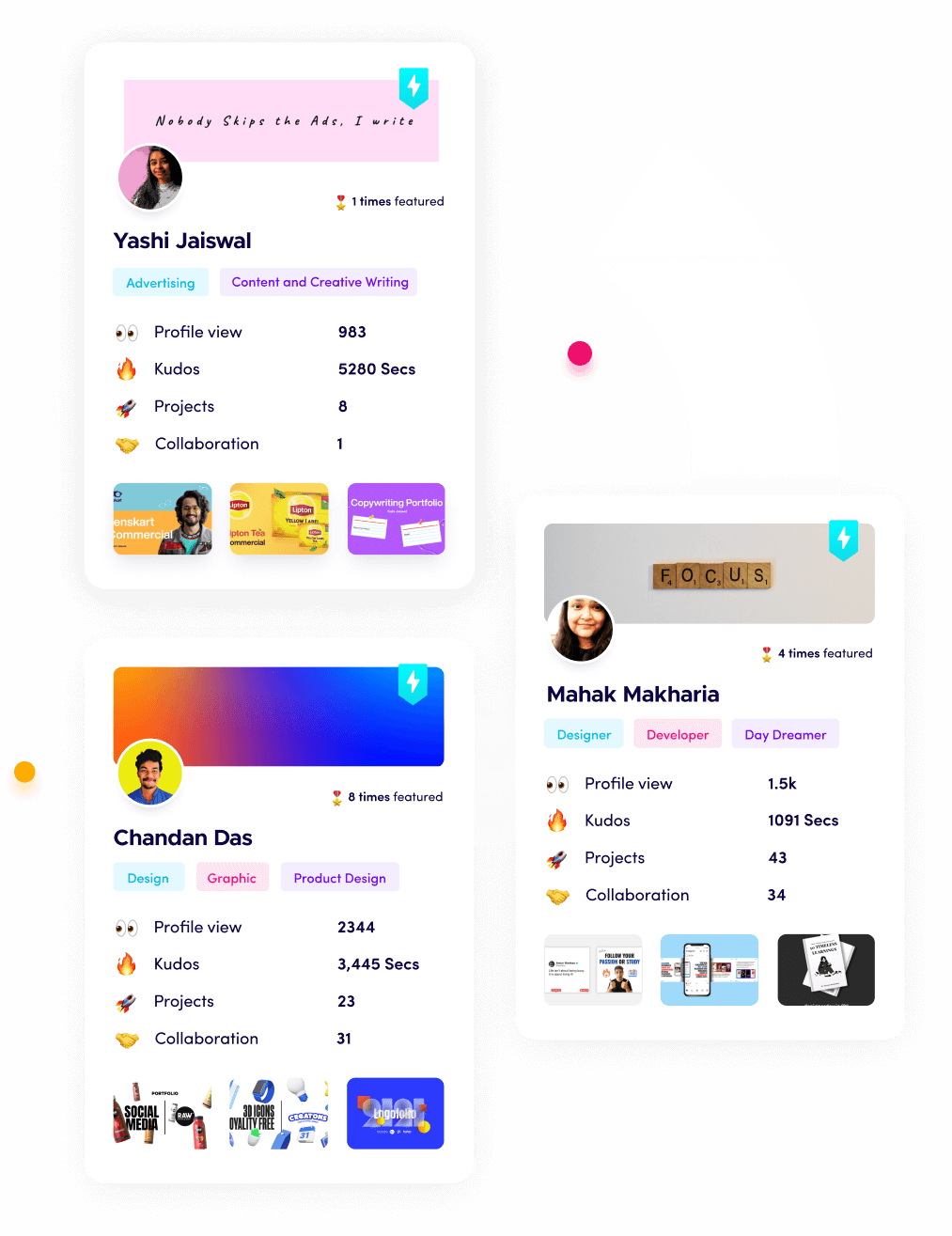
Proof builds trust faster than words. At Fueler, we help you show your skills through actual work, and that plays a huge role in SEO too.
Project Highlights: Write about the goals, your process, and what you achieved.
Visual Elements: Add screenshots, links, or even short clips of your work.
SEO-Friendly Descriptions: Use industry-specific keywords naturally in your project summaries.
Example: A UI/UX designer can showcase a dashboard redesign project on Fueler, detailing the user pain points, solutions implemented, and the outcome.
💡 Fueler is designed to make your portfolio searchable, professional, and credible, helping companies discover and hire talent based on real work, not just words.
5. Monitor and Analyze Your SEO Performance
Once your content is live, it’s important to track how it performs. SEO isn’t “set and forget”; it’s about testing and improving. Regularly reviewing your results helps you make necessary SEO adjustments to keep your content effective.
Analytics Tools: Google Analytics and AI Search analytics tools show you where visitors are coming from and how they interact with your website.
Search Console: Helps you track search rankings and fix indexing issues.
Keyword Rankings: Monitor how your target keywords are performing over time.
Example: If your blog about “remote freelancing tips” is performing well, double down by writing related posts like “Best Tools for Remote Freelancers.”
Final Thought
Building a personal brand that shows up in search doesn’t happen overnight. It’s a long-term investment, but the rewards compound: more visibility, more trust, and more opportunities.
If you're serious about being known for your skills, start with your website, use a portfolio platform like Fueler, stay active on social media, and create content that helps others. Your work deserves to be seen, and SEO helps make that happen
FAQs
1. What are the best SEO tools for personal branding?
Google Analytics, Ahrefs, SEMrush, and Google Search Console are the most useful tools to track your website traffic, search performance, and keyword growth.
2. How can I use keywords for personal branding?
Use relevant keywords in your website bio, blog posts, image alt text, project titles, and even your LinkedIn headline. Think about what people would search to find someone like you.
3. Does social media affect personal SEO?
Yes, it does. Social media profiles are often ranked on the first page of search results. Optimized bios and regular activity improve your personal visibility.
4. How often should I update my personal website for SEO?
Aim to refresh your website every 2–3 months. Add new work, update your skills, and tweak your content based on your keyword performance.
5. What is Fueler and how does it help with SEO?
Fueler is a portfolio platform that lets you publish your work in SEO-friendly formats. It increases your visibility by making your proof of work easier to find and trust.
Why 100,000+ professionals use Fueler
Fueler helps professionals showcase proof of work through projects, assignments, case studies, and achievements.
Thousands of professionals use Fueler to create their digital portfolio
Thousands of projects are published on Fueler. Check here
Startups and Companies hire through proof of work on Fueler
Used by freelancers, creators, marketers, video editors, writers, designers, and product managers
Our mission is to help the next 100 million professionals build a verified professional identity through proof of work


What should you do next?
You've read the article. Now turn your skills into proof of work and unlock more opportunities.
Build your proof of work portfolio
Create a clean portfolio with projects, assignments, resumes, and AI stack details that companies actually want to see.
Create your Fueler portfolio →Apply through assignments, not resumes
Stand out by solving real tasks from companies hiring on Fueler.
Explore assignments →Get discovered by companies
Make your work public and let recruiters discover your skills through actual projects instead of keywords.
Get discovered →