Last updated: November 2026
The freelance world in 2027 is thriving, offering opportunities across various industries. Yet, amidst the vast talent pool, certain freelancers have distinguished themselves through unique strategies and unwavering dedication.
I’m Riten, founder of Fueler, a skills-first portfolio platform building the career infrastructure for 100 million creative professionals. Fueler connects talented individuals with companies through assignments, portfolios, and projects, not just resumes or CVs. Think of it as Dribbble/Behance for work samples combined with AngelList for hiring infrastructure.
In this article, I’ll walk you through eight essential lessons from top freelancers who have made significant strides in 2027. Beyond mastering specific skills, presenting your work smartly is crucial. Your portfolio isn’t just a collection of projects; it’s your proof of skill, your credibility, and your shortcut to trust. Let's delve into these lessons to understand what it takes to succeed.
1. Consistency Builds Credibility
If there’s one trait all successful freelancers have in common, it’s consistency.
Freelancing is not a one-time gig. It’s a long game. And to win that game, you have to show up again and again. Consistency in delivering projects, updating your portfolio, improving your skills, and sharing your knowledge makes clients trust you.
Take Rashi Chanchal, a freelance content writer known for her work in the B2B SaaS space. She didn't become a go-to name overnight. Over time, she built her brand by consistently delivering high-quality content, staying active on LinkedIn, and working with well-known clients like Kommunicate and Adapt.
If you're starting out, consistency is your best marketing strategy. Whether it's one blog post a week, a LinkedIn post every 3 days, or a monthly newsletter, stick to a rhythm. Clients want reliable professionals. And your track record becomes your reputation.
2. Effective Communication is Key
Most freelancers lose clients not because of poor work, but because of poor communication.
This doesn’t mean being available 24/7. It means setting clear expectations, providing timely updates, being transparent when challenges arise, and asking the right questions. Communication builds clarity, and clarity builds trust.
Rahul Malodia, a business coach and YouTuber, shares how maintaining open and structured communication helped him scale his consulting work. Whether it’s explaining deliverables or following up post-project, his clients know what to expect, and that builds loyalty.
For freelancers, mastering tools like email, Notion, Slack, or even WhatsApp effectively becomes just as important as mastering your technical skills. Good communication = smoother projects = happy clients = referrals.
3. A Strong Portfolio Showcases Your Value
Let’s be honest: no one reads your resume anymore. They look at your portfolio.
Your portfolio is your proof of work. It’s the difference between “I know how to do this” and “Here’s when I did it.” A great portfolio shows potential clients that you’re not just talking; you’ve delivered results.
Take Lakshya Chawla, founder of Shutterdown. His wedding photography isn’t just about pretty images. His portfolio tells stories, builds emotions, and shows results; he helps families create lifelong memories. That’s what sells.
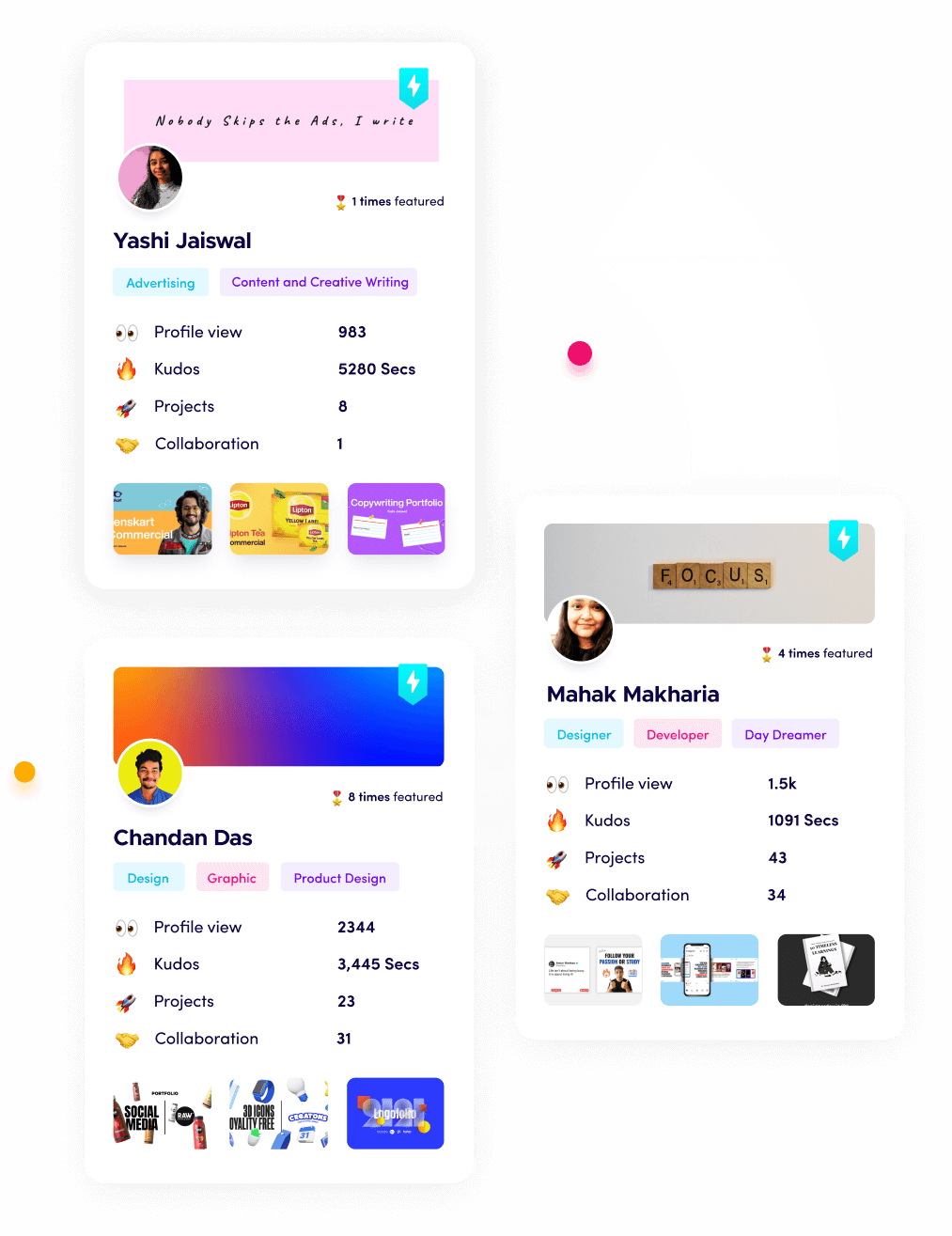
Whether you're a designer, marketer, developer, or writer, curate your best work in one place. Tools like Fueler make it super easy. Upload your work, write a few lines of context, add results, and boom- you have a trust-building asset.
4. Specialization Enhances Marketability
In freelancing, generalists survive, but specialists thrive.
Clients aren’t just looking for someone who can do the job. They’re looking for the best fit. When you specialize, you become the obvious choice for a specific problem. That’s how you build demand.
Sumit Bansal, founder of TrumpExcel, didn’t try to master all software tools. He doubled down on Excel. And because of that focus, his tutorials, templates, and tools now reach millions globally.
If you’re a freelance writer, niche into B2B tech, health, or fintech. If you’re a designer, specialize in landing pages or mobile apps. You don’t have to stay in that niche forever, but going deep first will help you go wide later.
5. Continuous Learning Keeps You Competitive
Technology and trends change fast. What’s hot this year might be outdated next year. That’s why successful freelancers never stop learning.
They invest in new skills, stay updated with industry shifts, and upgrade their tools regularly. Continuous learning isn’t a luxury; it’s the price of staying relevant.
Anshu Bisht, aka GamerFleet, didn’t become one of India’s top gamers by playing the same game for years. He adapts to new formats, platforms, and content styles, keeping his audience engaged and sponsors interested.
Subscribe to newsletters, take online courses, follow industry leaders, and most importantly, experiment. Learning by doing always beats passive learning.
6. Personal Branding Sets You Apart
Your personal brand is your online reputation. It’s how people perceive you even when you’re not in the room. And in the freelance economy, people work with people they trust.
Sorav Jain, a digital marketing expert, built a personal brand so strong that clients approach him instead of the other way around. His regular updates, insightful content, and strong presence across channels make him a trusted name.
As a freelancer, your social media, website, and portfolio should all tell a story: Who are you, what do you stand for, and how do you help? Share your wins, talk about your process, post testimonials, and let your personality shine.
The best clients don’t hire you because of your skills; they hire you because they connect with your story.
7. Networking Opens Doors
The freelance journey can feel lonely, but it doesn’t have to be.
Building relationships in your industry will change your career. From getting referrals to collaborating on projects, a strong network unlocks opportunities that cold pitching never will.
Kaveri Gopalakrishnan, a visual storyteller and comic artist, has worked with TEDx, Pratham Books, and several independent publishers. Much of her work comes from her network- people who admire her work and refer her without asking.
Attend virtual events, join niche Slack or Discord groups, comment meaningfully on LinkedIn, DM your inspirations, and go to meetups. You never know who might be your next big collaborator or client.
8. Adaptability Ensures Longevity
In freelancing, change is the only constant. Platforms rise and fall. Client needs evolve. Algorithms change. The freelancers who win are the ones who can pivot without panic.
Trishneet Arora started as a self-taught hacker. Today, he’s the founder of a multi-million-dollar cybersecurity firm. His journey is proof that adapting to market needs rather than clinging to one identity is how you stay ahead.
You might start as a writer and become a UX strategist. Or begin as a designer and grow into a creative director. Stay open. The ability to learn fast and shift gears is your biggest strength.
Fueler: Helping Freelancers Showcase Their Best Work
A big part of your freelance success depends on how you show your work. Clients want proof, not just promises. That’s where Fueler helps.
It’s more than a portfolio tool- it’s a platform that lets freelancers and professionals showcase their projects, organize work samples, and build trust instantly. Companies are already using Fueler to discover talent through assignments and real-world projects.
If you’re serious about growing your freelance business, having a Fueler portfolio is one of the smartest moves you can make in 2027.
Conclusion:
Freelancing in 2027 is no longer a backup plan; it’s a full-fledged career path.
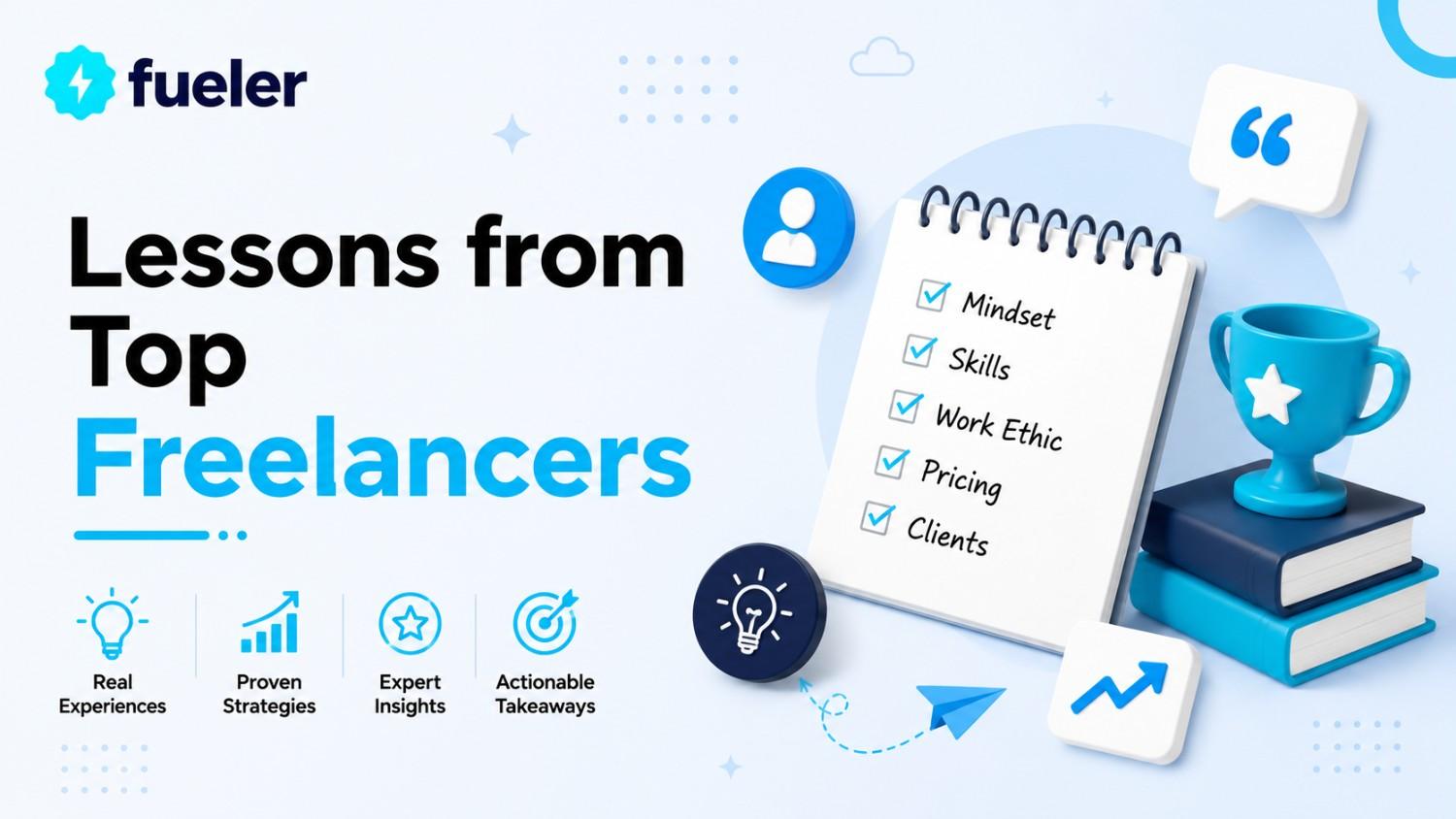
But success doesn’t happen by accident. You need a system. And that system includes consistent work, great communication, deep specialization, continuous learning, personal branding, networking, and the ability to adapt.
The good news? You don’t have to figure it all out on day one.
Follow the path that India’s top freelancers are already walking. Learn from them. Use tools like Fueler. And build a body of work that speaks for itself.
Your freelance journey is yours to design. Make it count.
FAQs
1. How do I build a strong freelance portfolio in 2027?
Use a platform like Fueler to showcase your best projects. Make sure each sample includes a short description, tools used, your role, and the outcome. Always focus on clarity and impact.
2. What are the top freelance skills in demand in 2027?
Some of the most in-demand freelance skills include AI content editing, no-code development, SEO content writing, UI/UX design, and email marketing automation. Learn a high-demand skill and back it up with solid projects.
3. How do I attract clients as a new freelancer in India?
Start with a niche skill, build a compelling portfolio, and promote it actively on LinkedIn, Twitter, and freelance communities. Offer value before you ask. Consistency, outreach, and personal branding go a long way.
4. How important is networking for freelance success?
Networking is crucial. Most freelancers get their best clients through referrals, collaborations, or inbound leads via social media. Build genuine relationships by showing interest, sharing value, and staying in touch.
5. Is freelancing a stable career choice in 2027?
Absolutely. With more companies hiring project-based talent and platforms like Fueler making discovery easier, freelancing is becoming more mainstream and stable. As long as you treat it like a business and keep learning, it can offer both income and independence.
Why 150,000+ professionals use Fueler
Fueler helps professionals showcase proof of work through projects, assignments, case studies, and achievements.
Thousands of professionals use Fueler to create their digital portfolio
Thousands of projects are published on Fueler. Check here
Startups and Companies hire through proof of work on Fueler
Used by freelancers, creators, marketers, video editors, writers, designers, and product managers
Our mission is to help the next 100 million professionals build a verified professional identity through proof of work