Last updated: November 2026
In 2027, Google and other search engines care more about topical authority than ever before. If your site is seen as the "go-to" resource for a particular subject, you eclipse competitors, rank for entire keyword ecosystems, and become the default choice for searchers. With smarter AI and tougher competition, true topical authority is the engine that will propel your content and your brand ahead.
I’m Riten, founder of Fueler, a skills-first portfolio platform building the career infrastructure for 100 million creative professionals. Fueler connects talented individuals with companies through assignments, portfolios, and projects, not just resumes or CVs. Think of it as Dribbble/Behance for work samples combined with AngelList for hiring infrastructure.
Building topical authority today means creating focused, value-packed content that proves your expertise over time. Like the best portfolios, your content isn’t just about quantity; it’s the quality and structure that win trust. Let’s break down the steps and strategies to build unshakable topical authority for 2027.
1. Start with a Focused Niche and Clear Objectives
Choosing a narrow, well-defined subject area allows you to become a true specialist instead of getting lost as a generalist. Topical authority starts with targeted planning, knowing exactly what you want to be known for, and sticking to that lane.
Select a specific topic or vertical (e.g., “B2B SaaS onboarding” over just “SaaS”).
Set measurable goals (traffic, conversions, recognition).
Audit current content for focus, gaps, and strengths.
Build a roadmap of pillar topics and supporting subtopics.
Why it matters: Focusing tightly boosts your chances to be recognized as an expert; the more concentrated your efforts, the faster you outrank broader, scattered competitors.
2. Research the Topic Ecosystem in Depth
True authority means understanding the full breadth and depth of your subject area. Successful brands don’t just target popular keywords, but also master the related questions, trends, and subtopics that together form the “topic cluster.”
Analyze top-ranking competitors’ content breakdown.
Map main keywords, long-tails, and related questions.
Use tools like Ahrefs, SEMrush, or AnswerThePublic for topic discovery.
Organize content ideas into clusters, not isolated posts.
Why it matters: Covering every aspect of your topic builds search engine trust and gives visitors everything they need, so they never have to look elsewhere.
3. Create In-Depth Pillar Pages and Supporting Content
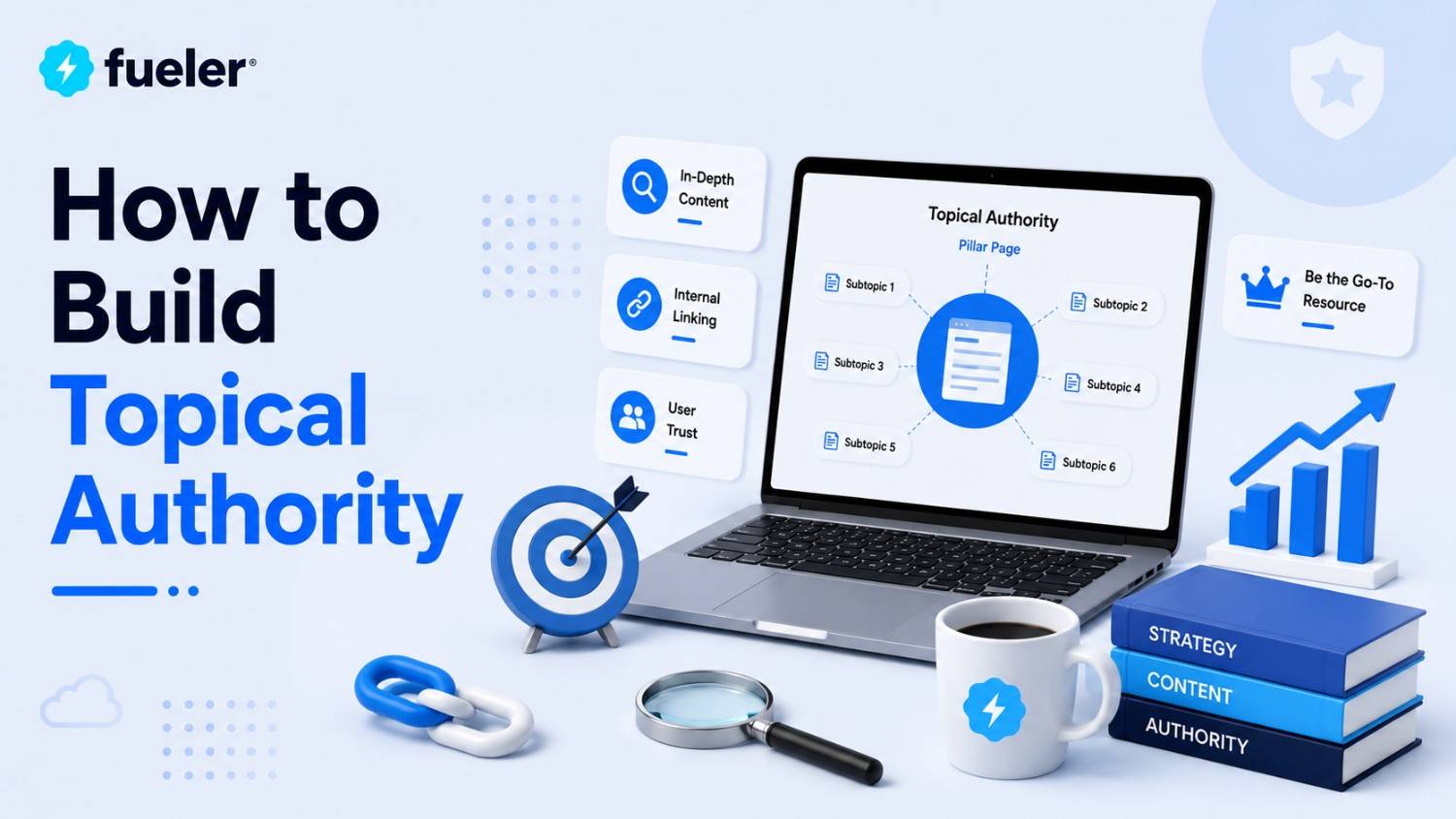
Pillar pages are comprehensive, long-form articles that cover a core topic fully. Supporting content (like blog posts, guides, and FAQs) links back to and from these core pages, building a tightly interconnected content web.
Write exhaustive pillar pages (2,000–5,000 words) covering the main subject.
Supplement with detailed supporting articles about subtopics.
Interlink every piece to strengthen topical signals.
Update regularly to keep the pillar evergreen and accurate.
Why it matters: Content clusters show algorithms your expertise runs deep helping you dominate not just one keyword, but entire search verticals.
4. Optimize Content Structure for Crawling and User Experience
Technical structure is as key as content quality. Clear navigation helps both users and search engines move through your site, boosting authority and engagement.
Use clear headings (H1, H2, H3), tables of contents, and relevant metadata.
Link between content within your topical cluster.
Use schema and structured data for rich snippets.
Ensure mobile-friendliness and fast load speeds.
Why it matters: A logical, interconnected structure signals expertise to search engines and makes it easier for readers to discover more content each visit builds trust and authority.
5. Consistently Add and Update Value
Topical authority isn’t set-and-forget; it requires ongoing effort. Keep adding new subtopics, updating data, and responding to industry news or algorithm changes.
Monitor performance and expand content to new related queries.
Regularly refresh your pillar pages and high-traffic posts.
Add new case studies, examples, and internal insights.
Respond to trending topics and update outdated sections.
Why it matters: Authority is built through momentum consistent updates ensure you stay ahead, keep visitors returning, and protect your rankings long-term.
6. Engage in Thought Leadership and Community Participation
True topical authorities guide the conversation, not just reflect it. Building a name outside your own site through podcasts, interviews, guest posts, and webinars extends your credibility, attracts backlinks, and proves you are shaping the industry.
Pitch articles or guest posts to reputable industry blogs.
Speak at webinars, podcasts, or online industry events.
Share, comment on, and participate in topic-related online communities.
Collaborate with other niche experts for research or roundups.
Why it matters: Establishing your presence in community and expert channels cements your reputation as a trusted, go-to resource in your topic, on and off your own site.
7. Measure and Adapt to Authority Signals
Your authority grows as you measure impact and adjust based on real outcomes not just gut feeling. Use analytics and feedback to identify what content strengthens your standing.
Track keyword rankings, organic traffic, and referring domains.
Monitor which clusters get the most user engagement.
Use Google Search Console, Analytics, and third-party domain authority checkers.
Gather direct feedback from readers and customers.
Why it matters: Adapting based on data means you continually hone your topical edge, fixing weaknesses and doubling down where authority is building fastest.
Use Fueler to Showcase Real Expertise
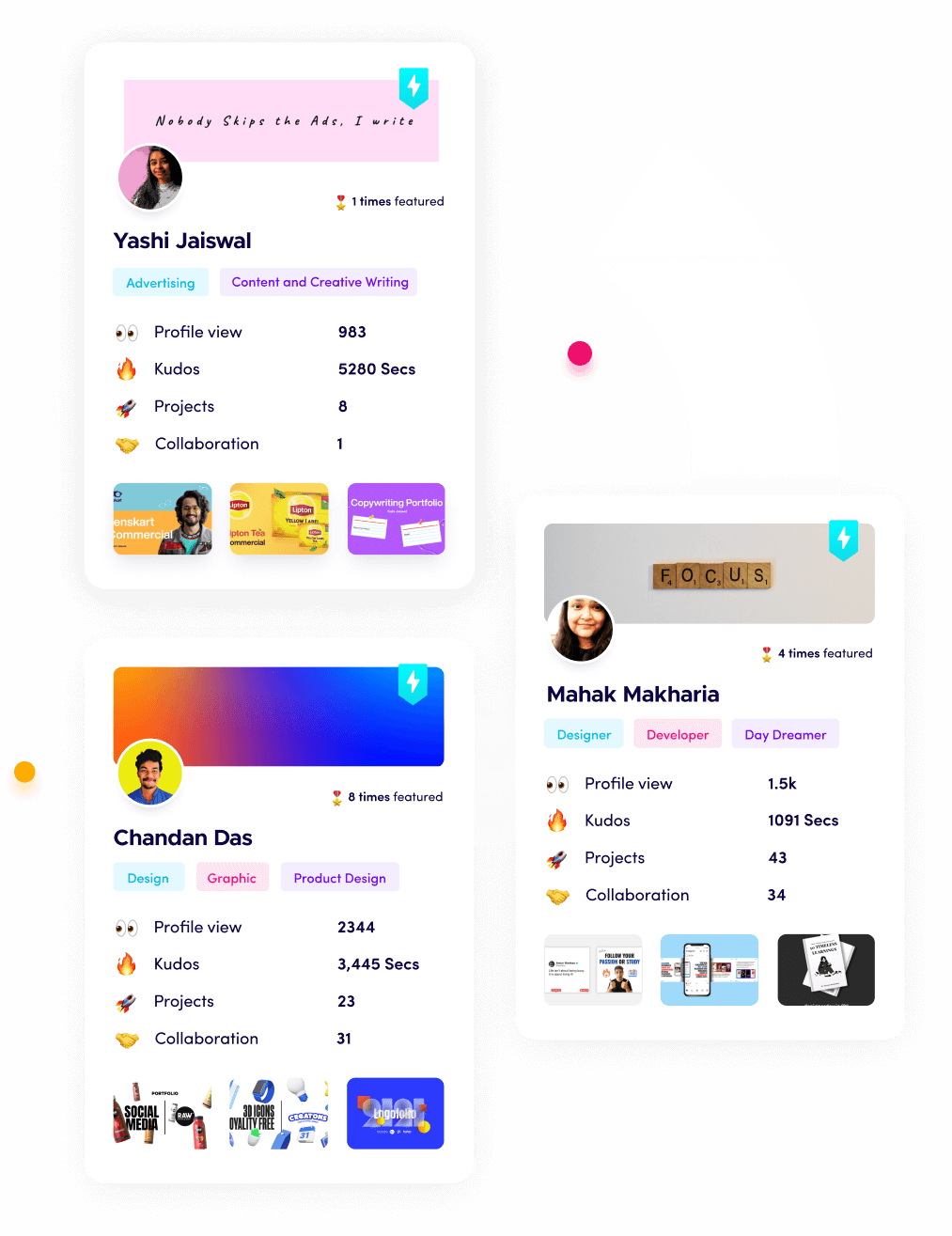
Building authority isn’t just about what you say; it’s about proof. On Fueler, you can display real projects, assignments, and campaigns connected to your pillar topics. Linking to these proof points from your content boosts both credibility and conversion. In 2027, search engines and clients alike value expertise they can verify. Fueler turns your knowledge into visible authority others can trust.
Final Thoughts
Topical authority is the long game of content strategy, but in 2027, it’s the surest way to outlast competitors, rise above AI-generated noise, and truly own your niche. Focus on a clear topic, build with depth through clusters, prove your expertise with real assignments and results (especially using Fueler), and you’ll earn lasting trust from both search engines and your audience.
Frequently Asked Questions (FAQs)
1. What is topical authority in SEO and why is it important in 2027?
It’s your website’s recognized expertise in a specific subject, helping you rank for large keyword families and adding credibility that visitors trust.
2. How do I pick the right topic for building authority?
Start with a focused niche where you have experience, clear expertise, and long-term audience interest rather than going too broad.
3. How long does it take to build topical authority?
It often takes several months of consistent, focused content creation and updates, plus external validation through backlinks and engagement.
4. What content structure helps with topical authority?
Use pillar pages supported by tightly interlinked articles (“topic clusters”), making it easy for users and search engines to access every aspect.
5. How does Fueler help reinforce my site’s topical authority?
Fueler lets you showcase real-world projects and assignments linked to your content, giving proof of expertise and increasing audience trust critical for true, lasting authority.
Why 150,000+ professionals use Fueler
Fueler helps professionals showcase proof of work through projects, assignments, case studies, and achievements.
Thousands of professionals use Fueler to create their digital portfolio
Thousands of projects are published on Fueler. Check here
Startups and Companies hire through proof of work on Fueler
Used by freelancers, creators, marketers, video editors, writers, designers, and product managers
Our mission is to help the next 100 million professionals build a verified professional identity through proof of work