How HIPAA-Compliant Mobile Apps Are Changing Patient Engagement?

Riten Debnath
06 Jun, 2026
Last updated: June 2026
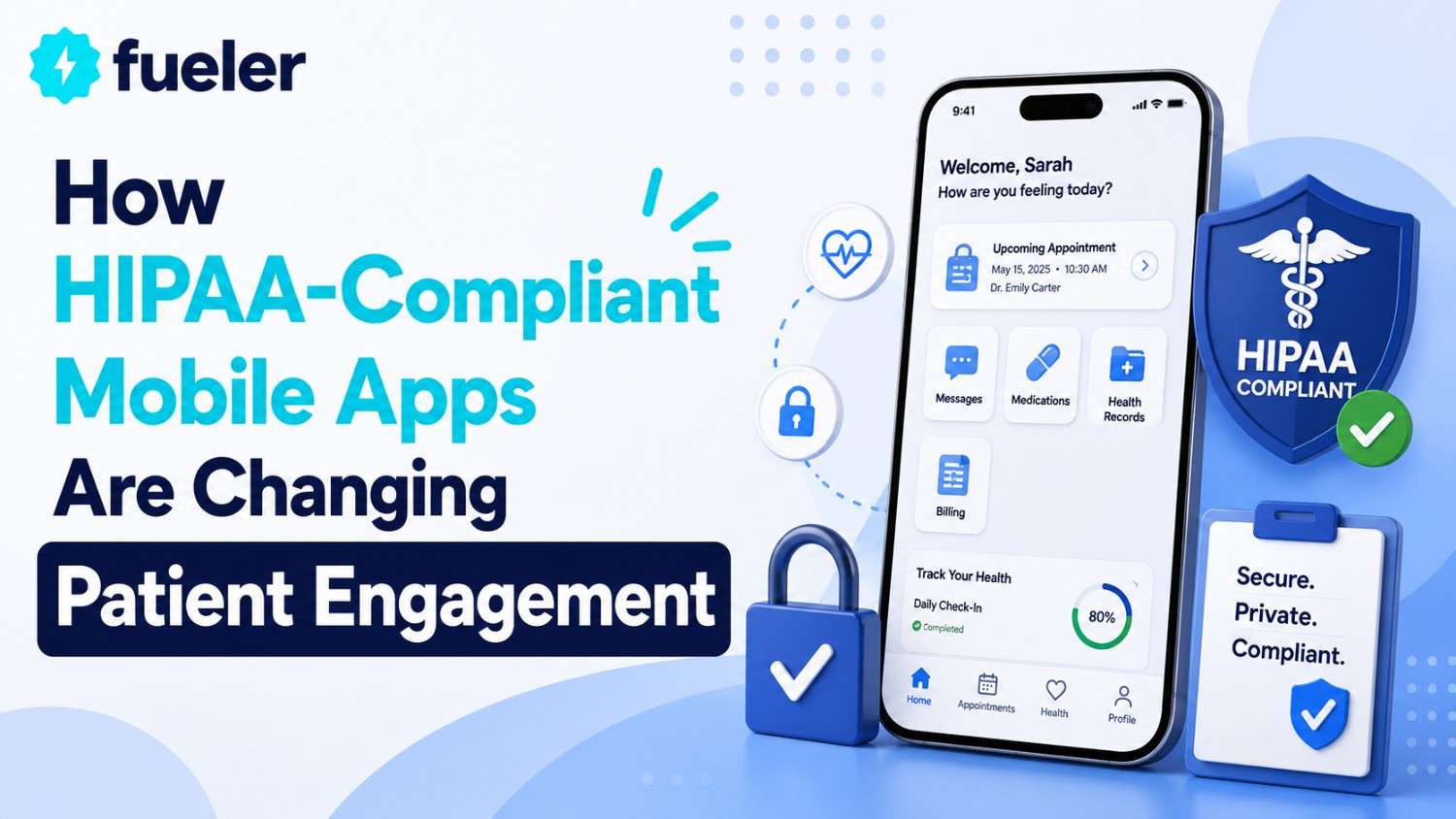
Patient communication used to live within broken phone trees, delayed portal messages, and forgotten paper appointment cards. In 2026, healthcare delivery has shifted directly to the smartphone, turning patient engagement into an immediate, secure dialogue. The driving force behind this change is the rapid adoption of custom mobile apps designed specifically around data privacy laws.
I’m Riten, founder of Fueler, a skills-first portfolio platform that connects talented individuals with companies through assignments, portfolios, and projects, not just resumes/CVs. Think Dribbble/Behance for work samples + AngelList for hiring infrastructure.
Building modern medical apps requires balancing security protocols with a great user experience. This guide breaks down exactly how healthcare providers use secure mobile technology to build deeper patient relationships, automate compliance workflows, and improve clinical outcomes.
1. Shifting From Vulnerable SMS to Secure Asynchronous Messaging
Patients expect to text their care teams with the same speed and convenience they experience when messaging friends. However, standard cellular SMS text messages lack essential encryption and access controls, creating severe security vulnerabilities for sensitive medical details. Mobile applications solve this by embedding encrypted messaging networks directly into their user interfaces.
This shift allows patients to send quick questions, upload photos of wound healing, or request prescription updates safely from their phones. Care teams manage these incoming messages through an organized dashboard, responding during operational windows without exposing their private phone numbers or violating privacy mandates.
- End-to-End Encryption Standards: Secure apps utilize advanced cryptographic protocols to encrypt messages both while traveling across network connections and while stored on devices. This continuous protection ensures that sensitive personal health data remains entirely unreadable to unauthorized external parties.
- Automatic Identity Verification Layers: Users must complete biometric authentication, such as fingerprint or facial recognition, before accessing their message history within the app interface. This quick verification check prevents unauthorized account access if a patient leaves their smartphone unattended.
- Encrypted Document and Asset Sharing: Patients can securely capture and upload clear photographs of physical symptoms or diagnostic documents directly through the app. The system transfers these images straight to the electronic health record without saving them to the phone's public camera roll.
- Contextual Auto-Deletion Infrastructure: Mobile security frameworks allow administrators to apply automatic expiration dates to message threads containing transient clinical data. This intentional data removal limits exposure risks if an individual's personal device is ever compromised or stolen.
- Integrated Read Receipts and Timestamps: Every single message sent within the secure app records highly precise delivery confirmation times and viewing histories. This detailed documentation provides an unalterable audit trail that satisfies strict regulatory compliance tracking rules.
Why It Matters
Replacing basic text messaging with secure, application-based messaging such as the best texting API protects healthcare organizations from massive regulatory fines and expensive data breaches. Operationally, it reduces the volume of incoming phone calls, allowing clinical staff to resolve routine questions faster. This improved efficiency keeps schedules clear for patients who need in-person medical care.
2. Automating Patient Onboarding and Digital Document Execution
Traditional patient registration involves stacks of clipboards, illegible handwriting, and repetitive manual data entry that slows down front-desk operations. HIPAA-compliant mobile applications completely digitize this entire workflow by allowing patients to complete required intake forms at home before their appointment. New patients simply download the app, verify their identity, and fill out their medical profiles.
The application guides users through necessary medical histories, consent disclosures, and insurance details using clear, accessible screens. Once completed, the patient signs the documents digitally using a secure signature framework, and the application transfers the formatted data straight into the clinic's records.
- Structured Mobile Form Completion: Smart intake interfaces present questions one at a time, adapting subsequent prompts based on the patient's previous answers. This dynamic flow accelerates the paperwork process and ensures individuals only complete sections relevant to their care.
- Secure Biometric Document Signing: Patients review and sign legal consent forms and privacy notices using encrypted digital signature tools embedded in the app. These electronic signatures attach secure identification metadata to the document, proving legal validity.
- Real-Time Insurance Card Verification: The application utilizes the smartphone camera to scan insurance cards, instantly extracting policy numbers and copay details. The system checks coverage status automatically with the insurer, flagging potential billing issues before the patient arrives.
- Automated Data Migration Pipelines: Completed digital intake forms translate into structured data fields that update the clinic's primary database automatically. This instant transfer eliminates manual data entry mistakes and cuts administrative preparation times for support staff.
- Dynamic Language Translation Accommodations: Modern onboarding modules allow users to switch the entire registration interface into their preferred language instantly. This accessibility improves data accuracy and helps diverse patient populations understand important medical consents.
Why It Matters
Automating the onboarding process eliminates waiting room friction and shortens patient check-in times. For healthcare administrators, this digital transformation lowers overhead costs by reducing paper waste and manual transcription work. Getting clean, verified data before an appointment allows clinics to optimize scheduling and accelerate their insurance billing cycles.
3. Embedding Direct Video Consultations and Telehealth Workflows
Telehealth has evolved past clunky, third-party video software that requires complex downloads and confusing login credentials. Modern, compliant apps embed high-definition video conferencing directly into their core code, allowing patients to join virtual appointments with a single tap. Patients no longer need to manage external links or risk exposing data on unsecured video platforms.
Physicians launch virtual visits from their standard clinic dashboard, keeping their patient records open on the same screen. The application manages the entire connection securely, adjusting video quality dynamically based on network speeds to prevent dropped calls or lagging audio during critical discussions.
- Integrated Virtual Waiting Rooms: Patients enter a secure, private digital waiting zone within the app while waiting for their physician to join. This buffer screen displays helpful pre-visit checklists and educational materials to prepare the patient for their consultation.
- Compliant In-Video Screen Sharing: Clinicians can safely share their screens during a video call to show patients lab trends, X-ray results, or anatomical models. The application blocks unauthorized background notifications, keeping other patient records completely hidden during the call.
- Synchronized Multi-Party Clinical Calls: The video architecture allows primary care doctors to bring specialists, family members, or medical translators into the call instantly. This multi-party connection keeps everyone aligned on the treatment plan without requiring separate meetings.
- Encrypted In-Call Text Chatting: If audio quality drops due to poor cellular connections, users can type text questions directly within the video screen. This chat history is securely encrypted and saved straight to the patient's record for future reference.
- Automated Billing Session Documentation: The application tracks the exact duration of every video consultation automatically, creating an unalterable log of the session. This automated time tracking generates precise data points required for telehealth insurance reimbursement codes.
Why It Matters
Embedding video care directly into a secure mobile app simplifies the telehealth experience for patients who struggle with complex technology. This accessible care delivery model reduces appointment cancellation rates and opens up healthcare access for rural or low-mobility individuals. For medical practices, it expands patient capacity and builds a modern, flexible service model.
4. Delivering Intelligent Prescription Management and Adherence Tracking
Forgetting medications or taking wrong dosages is a major cause of preventable hospital readmissions. Mobile health applications address this issue by syncing directly with hospital pharmacy networks to download a patient's active prescriptions automatically. The app then generates custom reminder schedules based on specific doctor instructions.
Instead of generic alarms, these systems provide interactive notifications that require patients to log when they take their medication. If a patient repeatedly misses a dose of a high-risk medication, the app can alert the care team, allowing nurses to call and offer support before a medical emergency occurs.
- Real-Time Pharmacy Data Syncing: The mobile application updates the patient's medication list automatically whenever a physician changes a prescription or orders a refill. This direct link ensures patients always have an accurate, up-to-date medication list on their phones.
- Interactive Notification Schedules: Custom mobile alerts prompt patients to take specific medications at exact times throughout the day. These smart reminders require active user confirmation, creating a reliable log of real-world medication adherence.
- One-Tap Digital Refill Requests: Patients can request prescription renewals from their doctors or submit refill orders to local pharmacies with a single click. This simple process removes the need for long phone calls and prevents gaps in treatment.
- Automated Drug Interaction Warnings: When a patient adds an over-the-counter supplement, the app scans their existing prescriptions for potential safety risks. The system alerts the user to dangerous interactions, prompting them to consult their doctor.
- Visual Medication Identification Guides: The application displays clear, high-resolution photographs and color descriptions of the patient's specific pills. This visual reference helps patients, especially seniors taking multiple medications, avoid confusing their pills.
Why It Matters
Smart prescription tracking improves patient safety and helps individuals stick to their long-term treatment plans. For hospital networks, reducing medication errors directly lowers expensive emergency readmission rates and fulfills insurance quality metrics. Helping patients manage their medications at home leads to better long-term health outcomes and higher satisfaction.
5. Integrating Wearable Biometric Streams for Real-Time Health Monitoring
Managing chronic illnesses like diabetes or hypertension requires consistent health tracking beyond occasional clinic visits. Modern healthcare apps connect seamlessly with consumer wearables and home medical devices, including blood pressure cuffs, continuous glucose monitors, and smartwatches. This connection imports vital signs directly into a secure, encrypted mobile portal.
The application aggregates this continuous health data, turning confusing numbers into clean visual trends for the patient. More importantly, the system scans these incoming biometrics for dangerous shifts, automatically flagging anomalous readings so clinical teams can intervene early.
- Secure Bluetooth Hardware Pairing: The mobile application connects safely with at-home medical devices using encrypted wireless protocols. This secure link transfers vital signs directly to the app without exposing data to external interception.
- Personalized Alert Boundaries: Physicians set custom biometric thresholds tailored specifically to each patient's condition. The app filters out normal temporary fluctuations and only triggers alerts when metrics cross into unsafe zones.
- Clean Graphical Trend Displays: The user interface transforms raw health data into simple, scannable charts that show patients their weekly progress. This visual feedback helps individuals see exactly how diet, exercise, and medication affect their vitals.
- Automated High-Risk Clinical Alerts: If a patient's biometrics cross a critical threshold, the app instantly sends an urgent notification to the clinic's triage team. This rapid warning allows doctors to adjust treatments before a condition worsens into an emergency.
- EHR-Compatible Data Packages: The app bundles weeks of continuous biometric data into organized, lightweight summaries that integrate into electronic health records. This clean data package gives doctors actionable insights during regular check-ups without overwhelming them with raw numbers.
Why It Matters
Integrating wearable data changes medicine from a reactive emergency model to a proactive, continuous care system. Tracking vitals in real time allows care teams to catch health issues early, preventing costly hospitalizations. This continuous loop keeps chronic disease patients safer, stabilizes care costs, and maximizes hospital bed availability for acute emergencies.
6. Personalizing Patient Education Through Dynamic Content Delivery
Generic, printed care sheets handed out at discharge often end up lost or ignored, leaving patients confused about their recovery. Mobile applications solve this by delivering personalized educational articles, video guides, and post-operative instructions directly to the patient's device. The content automatically adjusts to match the patient's specific diagnosis, recovery stage, and reading preference.
An app can deliver step-by-step physical therapy videos during week two of orthopedic recovery, then switch to dietary tips by week four. This timely education ensures patients receive actionable information exactly when it is most relevant to their healing process.
- Contextual Content Recommendations: The application updates its educational feed dynamically based on the patient's active diagnosis codes and recovery timeline. This tailoring ensures patients see information relevant to their current healing phase.
- High-Definition Video Walkthroughs: Patients can watch clear, professional video guides explaining complex physical therapy movements or medical equipment setups. Visual learning reduces confusion and helps patients perform home care exercises safely.
- Accessible, Plain-Language Content: Educational materials avoid dense medical jargon, explaining complex recovery processes in simple, everyday terms. This clear language helps patients understand their instructions, regardless of their medical background.
- Interactive Comprehension Checklists: Quick, friendly in-app quizzes confirm that a patient understands their discharge instructions and medication schedules. If a quiz reveals confusion, the app automatically alerts a nurse to reach out and clarify.
- Offline Content Availability: The application stores essential recovery guides and emergency instructions directly on the device's local memory. This offline access ensures patients can view critical care information even without an active internet connection.
Why It Matters
Delivering targeted digital education helps patients understand their conditions and take an active role in their recovery. Better understanding leads to fewer recovery mistakes, lower complication rates, and fewer anxious phone calls to the clinic. For sensitive preventive care topics like PrEP for women, clear digital education can also help patients understand their options privately before starting a conversation with a provider. Educated patients recover faster and report higher satisfaction with their healthcare providers.
7. Maximizing Clinic Efficiency with Smart, Automated Appointment Scheduling
Traditional appointment scheduling requires patients to call during business hours, often leading to long hold times and frustrating games of phone tag. Compliant mobile apps solve this by giving patients 24/7 access to live scheduling calendars. Users can view open slots, select their preferred specialist, and book or reschedule appointments instantly from their phones.
The application automatically checks the clinic’s real-time staffing schedules and room availability before confirming a booking. Once scheduled, the app manages automated text and push reminders, allowing patients to add the appointment directly to their personal digital calendars.
- Real-Time Calendar Access: Patients can view open clinic appointment slots any time of day, picking times that fit their schedules. This round-the-clock booking option removes the frustration of calling during busy clinic hours.
- Automated Waitlist Management: If a preferred appointment time is full, patients can join a digital waitlist within the app. If another patient cancels, the system automatically texts the next person in line to offer the open slot.
- Custom Dynamic Reminders: The application sends personalized push notifications and text reminders as the appointment date approaches. These smart alerts require patients to actively confirm or reschedule, reducing costly no-show rates.
- Frictionless One-Tap Rescheduling: Patients can easily reschedule or cancel appointments directly through the app interface, following clinic policy rules. This simple change discourages patients from skipping appointments without notice when unexpected conflicts arise.
- Pre-Visit Requirement Alerts: The scheduling system automatically reminds patients of specific pre-visit instructions, such as fasting before blood work. These timely alerts ensure patients arrive fully prepared, preventing delayed appointments.
Why It Matters
Automated mobile scheduling removes a massive administrative burden from front-desk staff, allowing them to focus on welcoming patients in the clinic. Eliminating scheduling bottlenecks increases daily patient volume and keeps clinics running on time. Reducing empty slots and missed appointments stabilizes clinic revenue while ensuring patients get timely care.
8. Simplifying Healthcare Finances with Transparent Mobile Billing
Medical billing is notoriously confusing, often leaving patients frustrated by unexpected paper statements and complex insurance codes. Secure mobile applications bring clarity to healthcare finances by displaying clear, broken-down billing statements directly on the screen. Patients can see exactly what insurance covered and what balance remains.
The app connects with secure payment processors, allowing patients to pay bills instantly using credit cards, mobile wallets, or health savings accounts. For larger balances, the application can offer structured payment plans automatically, letting patients manage their healthcare costs without calling the billing department.
- Itemized Financial Statements: The application displays clear, easy-to-read balance breakdowns that separate insurance adjustments from out-of-pocket costs. This transparency reduces confusion and helps patients understand exactly what they are paying for.
- Secure Mobile Wallet Payments: Integrated payment gateways allow patients to settle balances quickly using secure methods like Apple Pay, Google Pay, or credit cards. This modern convenience speeds up collections compared to mailing traditional paper checks.
- Automated Payment Plan Setup: For high-balance treatments, the app can automatically suggest customized, interest-free monthly payment plans. This flexible financial option helps patients manage costs while ensuring the clinic receives steady revenue.
- Digital HSA/FSA Card Integration: Patients can save their Health Savings Account or Flexible Spending Account cards directly within their secure mobile profiles. This integration simplifies using tax-advantaged healthcare funds for copays and balances.
- Instant Electronic Receipt Delivery: The system generates and stores detailed digital receipts for every transaction automatically within the app. Patients can easily download these receipts for personal tax tracking or employer reimbursement claims.
Why It Matters
Providing clear, convenient mobile billing reduces payment delays and lowers the administrative costs of printing and mailing paper statements. Transparent pricing builds patient trust and reduces billing disputes and angry phone calls. Accelerating collections improves the clinic's cash flow, keeping the organization financially healthy and ready to invest in better care.
How Does This Connect to Building a Strong Career or Portfolio?
As digital tools reshape the healthcare industry, the demand for professionals who understand both clinical workflows and data security is skyrocketing. Succeeding in this competitive field requires moving past traditional resumes and building verifiable proof of work. Documenting your specific contributions whether you designed a secure mobile messaging layout, managed an intake automation project, or integrated wearable data streams proves your practical execution skills to hiring managers.
Modern healthcare organizations and software agencies value documented project histories that show real-world results over simple lists of past job titles. Showcasing your healthcare technology projects on platforms like Fueler builds immediate professional credibility. Sharing your development choices, security strategies, and workflow designs tells employers you are ready to build the next generation of compliant medical technology.
Final Thoughts
The shift toward secure mobile applications is fundamentally changing how patients interact with the healthcare system. By replacing outdated paper forms, unsecured text messages, and frustrating phone trees with intelligent mobile tools, providers can build continuous, trusting relationships with patients. As we move through 2026, the medical practices that thrive will be those that use mobile technology to make healthcare simple, accessible, and completely secure.
Frequently Asked Questions
What makes a mobile application fully HIPAA-compliant?
A compliant app must protect personal health data using end-to-end encryption during transfer and storage. It requires secure user logins, automatic timeout screens, detailed activity logs, and a signed Business Associate Agreement from the cloud hosting platform.
Can standard SMS texting be used for patient communications?
Standard SMS text messages are not compliant for sharing specific health details because they lack encryption and cannot be permanently deleted from cellular networks. Secure mobile apps replace SMS with encrypted in-app messaging to protect patient privacy.
How do secure apps integrate with existing hospital EHR systems?
Modern applications connect to electronic health records using secure, standardized pipelines called FHIR APIs. These secure connections allow the mobile app to sync patient data, schedules, and lab results in real time without creating security risks.
Do patients actually use mobile apps for health management?
Yes, adoption rates have climbed significantly because mobile apps offer modern conveniences like 24/7 appointment booking, clear billing statements, and quick texting with care teams. Patients prefer using apps over waiting on hold or navigating confusing web portals.
How does remote biometric tracking protect patient data privacy?
Wearable data is encrypted directly on the medical device before being sent to the mobile application via a secure Bluetooth connection. The app then transmits this data using encrypted pathways straight to the hospital’s secure servers, keeping it completely hidden from public networks.
What is Fueler Portfolio?
Fueler is a career portfolio platform that helps companies find the best talent for their organization based on their proof of work. You can create your portfolio on Fueler. Thousands of freelancers around the world use Fueler to create their professional-looking portfolios and become financially independent. Discover inspiration for your portfolio
Sign up for free on Fueler or get in touch to learn more.
What should you do next?
You've read the article. Now turn your skills into proof of work and unlock more opportunities.
Build your proof of work portfolio
Create a clean portfolio with projects, assignments, resumes, and AI stack details that companies actually want to see.
Create your Fueler portfolio →Apply through assignments, not resumes
Stand out by solving real tasks from companies hiring on Fueler.
Explore assignments →Get discovered by companies
Make your work public and let recruiters discover your skills through actual projects instead of keywords.
Get discovered →
