How European Travel Startups Can Win With Automation

Riten Debnath
29 Nov, 2025
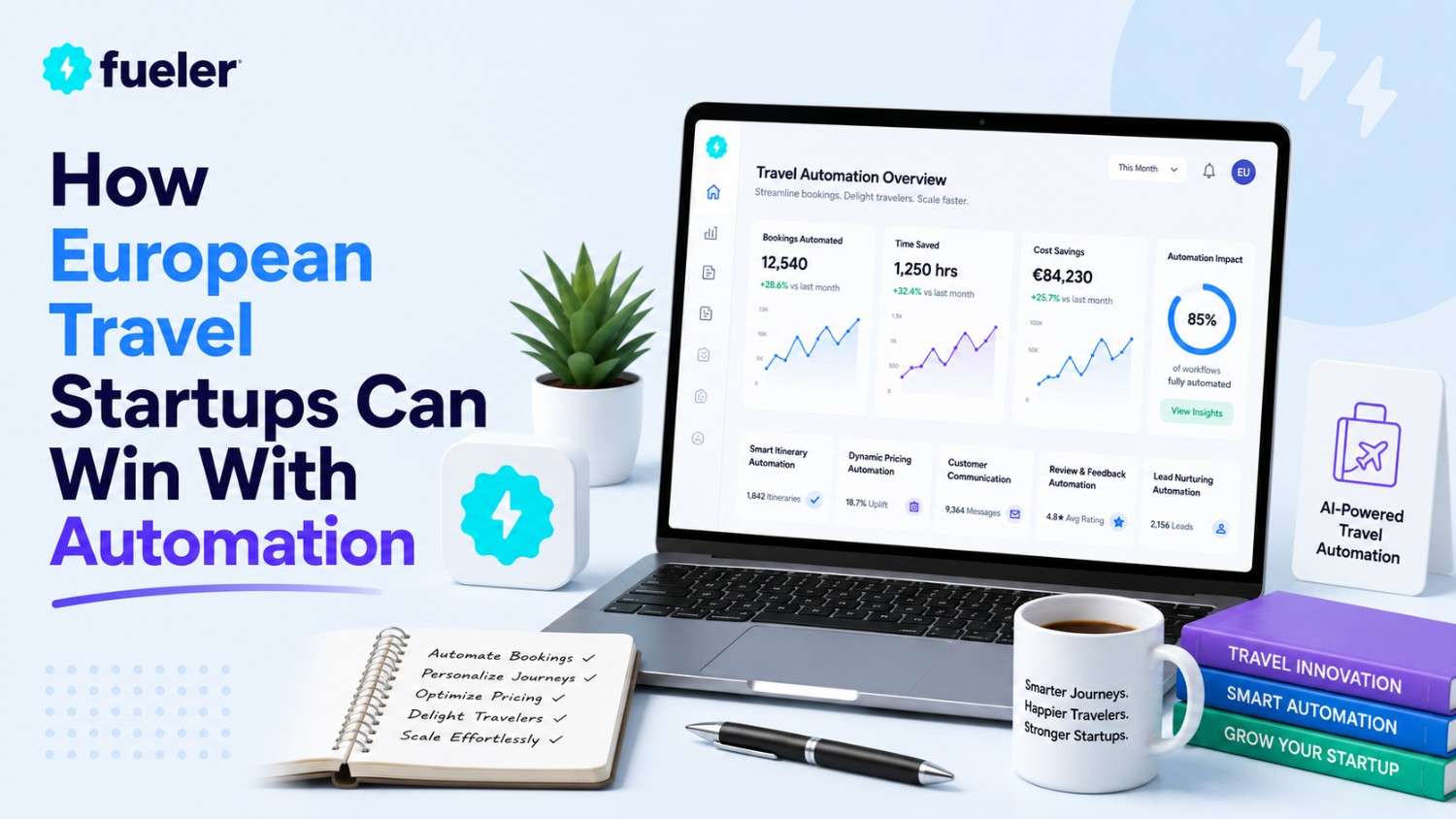
The travel industry in Europe is undergoing a rapid transformation driven by technological advancements and customer demand for seamless, personalized experiences. For startups entering this competitive landscape, automation isn’t just a buzzword, it’s a strategic weapon that can revolutionize operations, improve customer service, and accelerate growth. By leveraging intelligent automation solutions, European travel startups can streamline booking processes, personalize travel recommendations, optimize resource management, and deliver experiences that surpass customer expectations.
I’m Riten, founder of Fueler - a skills-first portfolio platform that connects talented individuals with companies through assignments, portfolios, and projects not just resumes/CVs. Think Dribbble/Behance for work samples + AngelList for hiring infrastructure
Embracing End-to-End Automation for Seamless Travel Experiences
Automation in the travel industry refers to the use of advanced technologies like AI, machine learning, and robotic process automation to handle repetitive tasks, analyze vast data, and deliver intelligent solutions. For startups, this means transforming complex operational workflows into streamlined, error-free processes that improve efficiency and customer satisfaction.
- Automated booking engines synchronize availability, pricing, and reservations across multiple channels, significantly reducing manual entry errors while increasing conversion rates.
- Dynamic pricing tools leverage AI to adjust prices in real-time based on demand, competitor activity, and seasonality, maximizing revenue without losing competitive edge.
- AI-powered chatbots and virtual assistants provide instant, 24/7 support for customer inquiries, booking modifications, and personalized recommendations, reducing reliance on human support.
- Advanced analytics dashboards monitor key metrics like booking volume, cancellations, and revenue, offering actionable insights to optimize sales and marketing strategies.
- Automated communication workflows send personalized emails, reminders, and promotional offers aligned with user behavior, boosting engagement and loyalty.
- Intelligent resource management solutions coordinate transport, accommodation, and activities, creating personalized packages that meet specific traveler preferences. For instance, this could mean automating the logistics of the Tours of Normandy, synchronizing expert guides with hotel and transportation availability to offer ready-to-book itineraries.
- End-to-end digital onboarding procedures streamline document collection, identity verification, and compliance checks with minimal manual intervention.
- Integration platforms connect disparate systems CMS, CRM, PMS creating a unified tech stack that simplifies data sharing and operational consistency.
Why it matters: Automation empowers European travel startups to deliver smooth, personalized customer journeys while reducing the cost and complexity of day-to-day operations, ultimately helping them scale at a faster pace.
How AI Is Revolutionizing Travel Booking and Dynamic Pricing
AI-driven solutions enable startups to offer smarter, tailored, and more flexible booking experiences, driving higher customer satisfaction and revenue.
- AI algorithms analyze user preferences, travel history, and real-time market data to provide customized trip recommendations that resonate with travelers’ specific needs.
- Machine learning models forecast demand fluctuations, enabling dynamic pricing that reacts instantly to demand shifts, inventory, and competitor moves.
- Intelligent chatbots handle end-to-end booking processes, answer queries, and upsell additional services like airport transfers or travel insurance.
- Predictive analytics identify high-value customer segments, allowing personalized marketing campaigns and targeted promotions.
- AI-models suggest optimal itineraries and add-ons based on user behavior, increasing average transaction value.
- Data-driven insights help optimize inventory distribution, reducing overbooking and cancellations.
- Facial recognition and biometric check-ins streamline airport security and boarding, reducing wait times and enhancing traveler experience.
- AI-powered fraud detection systems monitor transactions in real time, preventing fraudulent activities and safeguarding customer trust.
Why it matters: Personalization powered by AI not only elevates user satisfaction but also directly impacts revenue growth, making startups more competitive and resilient.
Building Loyalty Through Intelligent Customer Engagement
Customer loyalty in travel hinges on continuous, personalized engagement that anticipates needs and rewards loyalty.
- AI-driven customer journey mapping helps startups deliver hyper-targeted offers, content, and support based on individual preferences and behaviors.
- Automated loyalty programs reward repeat customers with personalized discounts, upgrades, and exclusive experiences.
- Chatbots and digital assistants provide seamless support, answers, and travel tips throughout the entire customer lifecycle, boosting satisfaction scores.
- Real-time feedback collection enables quick resolution of issues, demonstrating to customers that their experience is valued.
- Gamification features such as challenges, badges, and leaderboards incentivize users to stay active on the platform.
- AI-powered cross-sell and upsell algorithms recommend relevant services and upgrades tailored to each traveler’s profile.
- Social media automation helps maintain consistent engagement, share user-generated content, and foster a vibrant travel community.
- Proactive notification systems alert travelers about delays, weather updates, or special promotions to keep their experience frictionless.
Why it matters: Loyalty driven by smart engagement increases lifetime customer value, reduces churn, and encourages positive word-of-mouth, critical for startups aiming to scale quickly.
Enhancing Operational Efficiency with Automation Technologies
Operational excellence is vital to reduce costs and improve service delivery, especially when handling high volumes of bookings and customer interactions.
- Robotic Process Automation (RPA) streamlines repetitive administrative tasks such as data entry, invoicing, and compliance checks.
- AI-powered scheduling tools optimize staff allocation across different operational areas based on demand forecasts.
- Automated customer support reduces strain on human agents, allowing focus on complex, high-value interactions.
- IoT sensors in hotels, airports, and transport systems enable real-time monitoring of facilities, enhancing safety and efficiency.
- Smart logistics solutions coordinate transportation and supply chain management, reducing delays and costs.
- AI-based maintenance scheduling predicts equipment failures before they happen, saving costs and preventing service disruptions.
- Automatic review and reputation management tools help startups respond promptly to feedback, maintaining a positive brand image.
- Cloud-based systems facilitate rapid scaling by providing flexible, on-demand infrastructure for data storage and process automation.
Why it matters: Automating core operations frees up resources for innovation and customer experience, essential for startups looking to grow efficiently in a competitive space.
Integrating Sustainable and Eco-Friendly Automation Solutions
In today’s eco-conscious travel industry, startups that incorporate sustainable automation solutions can differentiate themselves and appeal to environmentally conscious travelers.
- Smart energy management systems adjust lighting, heating, and cooling based on occupancy and weather data, reducing carbon footprint.
- AI models optimize resource utilization in hotels and transportation, minimizing waste.
- Automated recycling and waste management systems improve sustainability metrics.
- IoT sensors enable real-time tracking of energy and water use, identifying areas for efficiency gains.
- Eco-friendly routing algorithms plan transportation and logistics to minimize emissions.
- Digital tools reduce paper usage through electronic documentation, digital receipts, and contactless check-in.
- Data sharing with environmental agencies via automation supports sustainability reporting and compliance.
- Gamified eco-awareness campaigns incentivize travelers to choose greener options, supported by automated rewards.
Why it matters: Sustainable automation not only meets regulatory standards but also builds brand loyalty among eco-minded consumers, creating a competitive edge.
How to Measure Automation Success and Iterate
Implementing automation is an ongoing process that requires continuous measurement and refinement.
- Define KPIs such as decreased booking time, higher customer satisfaction scores, increased revenue, and operational cost reductions.
- Use data analytics and dashboards to monitor the impact of automation initiatives in real time.
- Conduct A/B testing on workflows, messaging, and features to discover what resonates best with users.
- Gather qualitative feedback through surveys and reviews to identify pain points and areas for improvement.
- Regularly review technology performance, security, and scalability to ensure alignment with business goals.
- Iterate rapidly by deploying updates and new features based on insights and user behavior.
- Keep a close eye on industry benchmarks to stay ahead of emerging trends and competitors.
- Document successes and lessons learned to build a case for further automation investments.
Why it matters: Data-driven iteration ensures startups maximize ROI from automation investments, refine user experience, and sustain growth momentum.
Fueler: Showcasing Success Stories and Campaigns
Fueler helps travel startups and professionals build portfolios that highlight successful automation projects, innovative campaigns, and measurable growth results. Showcasing these stories demonstrates your impact, builds credibility, and attracts investors and partners interested in scalable solutions.
Final Thoughts
In a hyper-competitive travel industry, startups that harness the power of automation gain significant advantages from streamlined operations to personalized customer experiences. By adopting innovative automation tools and strategies, European travel startups will be better positioned to scale rapidly, deliver exceptional value, and lead the future of travel technology. Representing these successes through compelling portfolios will further cement their authority in this evolving space.
FAQs
What are the most effective automation tools for travel startups in 2025?
AI-powered booking engines, dynamic pricing systems, chatbot automation, and integrated CRM platforms top the list.
How does automation improve customer experiences in travel?
It offers instant support, personalized recommendations, seamless booking, and real-time updates that enhance overall satisfaction.
Which sustainability automation solutions are trending in travel?
Smart energy management, IoT-based resource monitoring, eco-routing, and contactless check-in support green initiatives.
How can travel startups measure automation success?
By tracking KPIs like booking time, user satisfaction, operational costs, and revenue growth through analytics dashboards.
Why is portfolio showcasing important for travel startups?
It highlights impact, demonstrates technological expertise, and builds trust with investors and customers, accelerating growth.
What is Fueler Portfolio?
Fueler is a career portfolio platform that helps companies find the best talent for their organization based on their proof of work. You can create your portfolio on Fueler, thousands of freelancers around the world use Fueler to create their professional-looking portfolios and become financially independent. Discover inspiration for your portfolio
Sign up for free on Fueler or get in touch to learn more.

What should you do next?
You've read the article. Now turn your skills into proof of work and unlock more opportunities.
Build your proof of work portfolio
Create a clean portfolio with projects, assignments, resumes, and AI stack details that companies actually want to see.
Create your Fueler portfolio →Apply through assignments, not resumes
Stand out by solving real tasks from companies hiring on Fueler.
Explore assignments →Get discovered by companies
Make your work public and let recruiters discover your skills through actual projects instead of keywords.
Get discovered →
