How European Retailers Can Compete With Global Giants in 2026

Riten Debnath
30 Nov, 2025
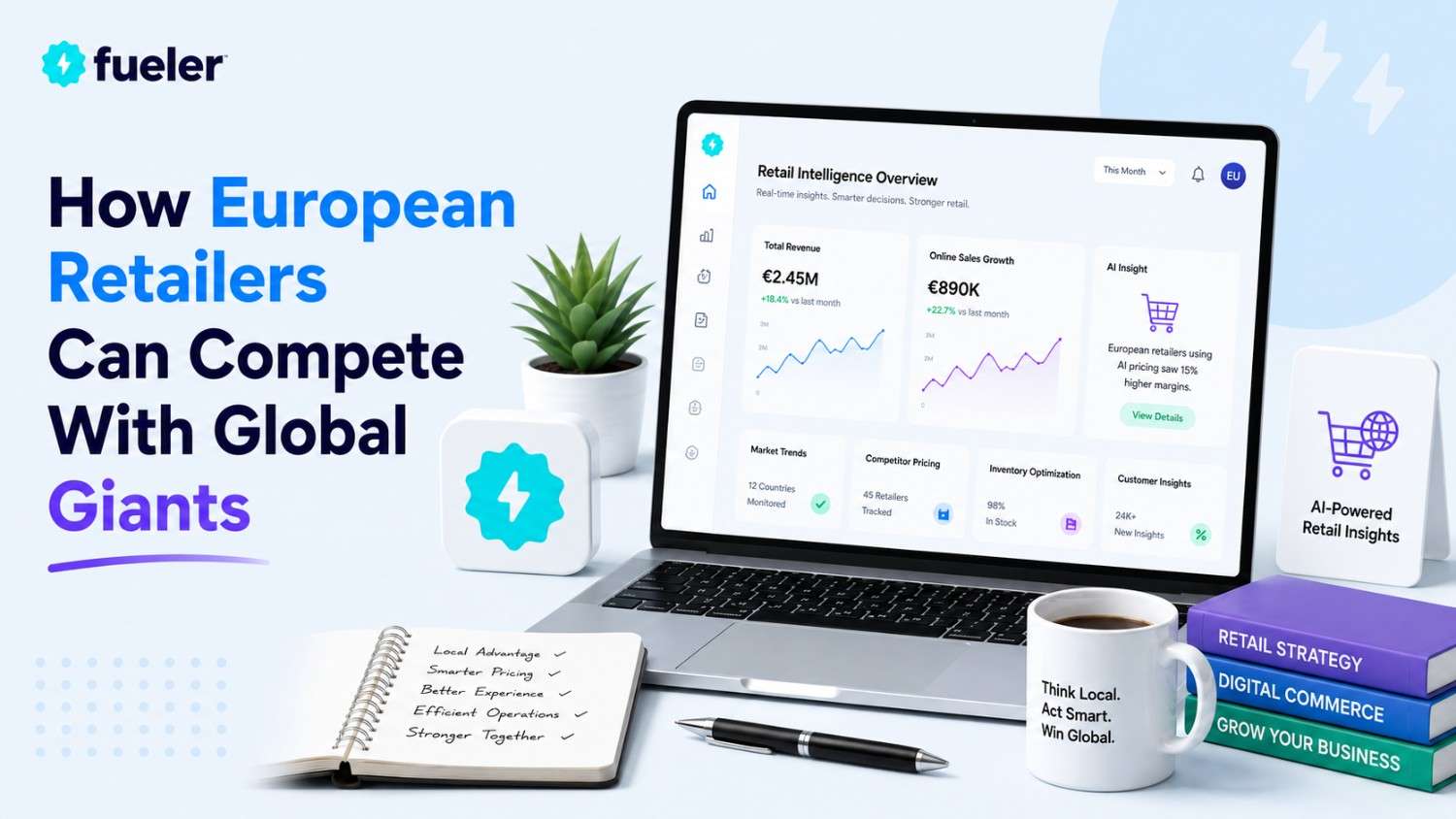
Local retailers across Europe are now facing the toughest competition in years. Tech giants and global e-commerce platforms are rapidly expanding, offering lightning-fast delivery and aggressive discounts. Yet, countless mid-sized European stores are proving that agility, authenticity, and smart tech adoption can help them stand tall against these global players.
I’m Riten, founder of Fueler, a skills-first portfolio platform connecting talented professionals with companies through assignments, portfolios, and projects instead of traditional resumes. Think Dribbble or Behance showcasing work samples, combined with AngelList’s hiring infrastructure.
Let’s dive into how European retailers are leveraging technology, personalization, and innovation to stay competitive in 2026.
1. Embracing Localized Marketing and Consumer Behavior
European audiences are incredibly diverse, so localized campaigns help retailers connect deeply with regional cultures and habits. Understanding small routines, holidays, and language nuances gives an unmatched edge over global platforms focused on standardization.
- Localized content creation ensures ads and websites resonate with native languages, traditions, and buying sentiments.
- Geo-targeted offers allow customized discounts and campaigns based on country-specific festivals or events.
- Cultural relevance in design and tone increases trust and engagement, especially among older consumers who prefer familiar regional cues.
- Community-driven marketing builds loyalty by aligning brand values with social and environmental causes locals care about.
- Collaborations with micro-influencers offer authentic outreach in small but powerful demographic pockets.
Why it matters:
Focusing on cultural depth rather than mass appeal helps European retailers build lifelong relationships with their audience. Localized campaigns capture emotional loyalty, which massive global brands often miss.
2. Building Omnichannel Retail Frameworks
Physical stores are not dying, they’re transforming into digital touchpoints. By 2025, combining online convenience with in-store experience has become essential. European retailers are adopting omnichannel systems to give customers seamless transitions between web, mobile, and physical shopping.
- Unified customer profiles merge online and offline data for accurate personalization.
- Click-and-collect systems allow buyers to shop online and pick up goods locally, reducing delivery expenses.
- Mobile-first interfaces ensure shopping experiences suit Europe’s smartphone-driven population.
- Smart in-store devices such as tablets and kiosks enhance browsing and speed up checkout.
- Cross-channel loyalty programs encourage repeat purchases whether online or in-store.
Why it matters:
Omnichannel retail puts convenience at the center of customer experience, keeping European retailers competitive by blending their local physical presence with modern e-commerce capabilities.
3. Leveraging AI and Automation
Artificial intelligence is no longer a luxury in retail, it’s a necessity. European retailers now integrate AI to analyze purchases, forecast trends, and automate customer support. These tools speed up operations while personalizing each interaction.
- AI-driven product recommendations improve upsells and conversions through precision targeting.
- Automated inventory prediction prevents stockouts and reduces wastage based on real-time buying trends.
- Chatbots and virtual assistants manage instant customer queries, freeing human agents for complex support.
- AI-powered dynamic pricing helps match or beat competitors' offers in real time.
- Predictive analytics optimize advertising and inventory flow for higher profit margins.
Why it matters:
Integrating intelligent systems lets retailers match the efficiency and adaptability global e-commerce giants enjoy. It levels the playing field by helping local stores compete through precision and speed rather than scale.
4. Prioritizing Sustainable and Ethical Supply Chains
The modern European consumer values ethics as much as quality. In 2025, brands that source responsibly and promote sustainable products differentiate themselves from global competitors focused solely on scale and speed.
- Eco-friendly packaging initiatives reduce plastic use and build green brand perception.
- Transparent vendor partnerships show buyers exactly where and how items are produced.
- Certifications for fair trade appeal to ethically conscious customers.
- Carbon footprint tracking tools provide measurable sustainability data and compliance.
- Local manufacturing alliances strengthen community economies while slashing transport emissions.
Why it matters:
Sustainability isn’t just marketing anymore. For European retailers, it’s a trust-building strategy that connects deeply with evolving consumer values and keeps them relevant against profit-driven global operators.
5. Investing in Smart Payment Solutions
Safe and convenient payment options define customer trust, especially in cross-border transactions. European retailers adapting faster with regional alternatives and secure gateways see better conversion and fewer abandoned carts.
- Multi-currency compatibility allows shoppers from different EU countries to pay in their preferred currency.
- Local payment options like SEPA and Klarna increase accessibility among domestic audiences.
- Integrated BNPL (Buy Now, Pay Later) options encourage higher-value purchases.
- Advanced fraud detection systems protect against chargebacks and scams, critical in high-growth online sectors.
- AI payment analytics identify patterns and improve transaction success rates.
Why it matters:
Modern payment tools ensure smooth customer experiences and promote trust, helping retailers compete with global platforms that offer multiple payment routes effortlessly.
6. Reinventing Customer Experience with Personalization
Global giants may offer speed, but regional retailers can offer emotional connection. Using behavior data and AI-driven personalization, European stores create shopping experiences tailored to each customer’s habits.
- Recommendation engines show products aligned to browsing or purchase history.
- Personalized email and SMS campaigns keep engagement active even after checkout.
- Visual AI tools match styles across categories, increasing cross-sells.
- Loyalty programs reward repeat shoppers with unique regional perks.
- User-friendly customer dashboards track orders and preferences in real time.
Why it matters:
Personalization transforms buying into an emotional journey. It gives shoppers a reason to choose independent regional brands over global giants offering generic product suggestions.
7. Using Data Insights to Make Smarter Decisions
Data is often the hidden advantage smaller retailers possess. When used effectively, it identifies demands early and guides strategy at every level product selection, pricing, and marketing.
- Integrated analytics tools like Google Analytics 4 and Triple Whale visualize purchase trends clearly.
- Sales performance dashboards provide instant feedback on best-selling items.
- Consumer sentiment analysis tracks feedback across social media and customer support.
- Predictive data modeling helps anticipate seasonal peaks and reduce overstocking.
- Unified KPI reporting ensures managers stay aligned across departments.
Why it matters:
By acting on real-time data, European retailers compete with precision, not guesswork. Data insights bring clarity, turning competition into informed progress instead of blind challenges.
How Fueler Helps European Retailers Show Expertise
Retail success hinges on visible proof of innovation. With Fueler, retailers and professionals can showcase real achievements in marketing campaigns, brand launches, supply chain projects, or AI-based system integrations as portfolio samples. It’s the fastest way to attract opportunities in Europe’s fast-evolving retail landscape.
Final Thoughts
European retailers are not losing ground, they’re evolving. By embracing automation, personalization, and sustainability, they prove that innovation doesn’t require scale, it requires creativity and connection. Smart strategies and reliable tech empower them to compete with global brands while protecting their local authenticity.
FAQs
1. How can small European retailers compete with Amazon or Alibaba in 2025?
Focus on localized marketing, personalized experiences, and community trust—areas large global firms usually overlook.
2. Which tech tools help local retailers grow faster?
AI-based platforms like Klaviyo for marketing, Zoho Inventory for stock management, and Triple Whale for analytics allow strong scalability.
3. Are sustainable practices profitable for local brands?
Yes, customers increasingly prefer eco-conscious products, pushing profit margins higher for ethical sellers.
4. Why is omnichannel retail important in Europe now?
Integrating online, mobile, and offline experiences gives regional stores broader reach and retention power.
5. How can European retail professionals showcase their innovation?
Fueler provides a platform to highlight campaign results, business shifts, and technology integrations through skill-based portfolios.
What is Fueler Portfolio?
Fueler is a career portfolio platform that helps companies find the best talent for their organization based on their proof of work. You can create your portfolio on Fueler, thousands of freelancers around the world use Fueler to create their professional-looking portfolios and become financially independent. Discover inspiration for your portfolio
Sign up for free on Fueler or get in touch to learn more.

What should you do next?
You've read the article. Now turn your skills into proof of work and unlock more opportunities.
Build your proof of work portfolio
Create a clean portfolio with projects, assignments, resumes, and AI stack details that companies actually want to see.
Create your Fueler portfolio →Apply through assignments, not resumes
Stand out by solving real tasks from companies hiring on Fueler.
Explore assignments →Get discovered by companies
Make your work public and let recruiters discover your skills through actual projects instead of keywords.
Get discovered →
