How European Logistics Startups Can Scale With Technology

Riten Debnath
29 Nov, 2025
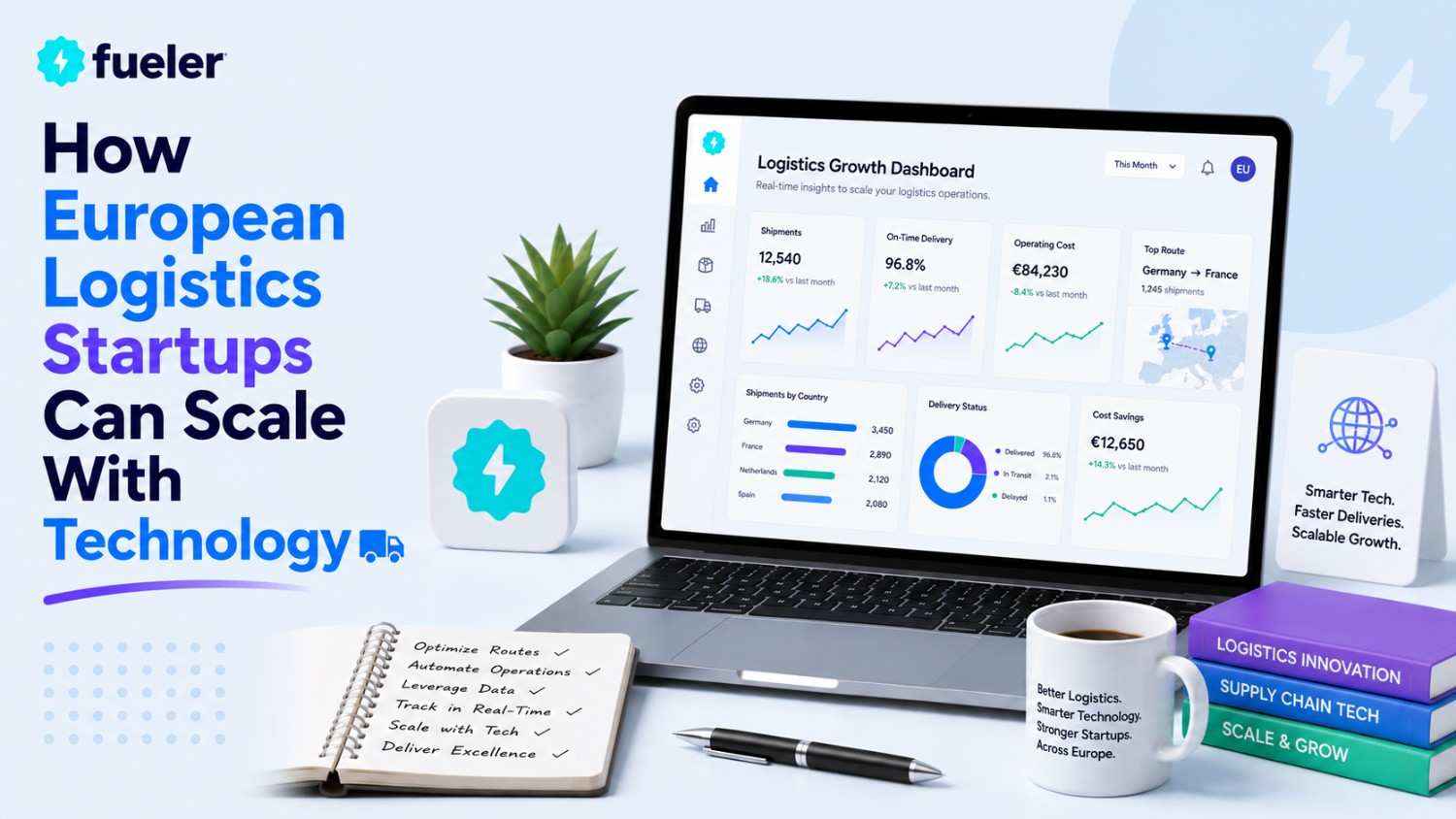
In today’s fast-moving world, logistics startups play a vital role in ensuring products reach customers quickly and safely. As demands grow and competition stiffens across Europe, logistics startups face pressure to scale efficiently while handling complex supply chains and fluctuating customer needs. Technology offers powerful solutions that can transform logistics operations from slow, error-prone processes to streamlined, data-driven workflows that boost speed and reduce cost. Smart use of tech can be the difference between a startup that thrives and one that struggles to keep pace.
I’m Riten, founder of Fueler - a skills-first portfolio platform that connects talented individuals with companies through assignments, portfolios, and projects not just resumes/CVs. Think Dribbble/Behance for work samples + AngelList for hiring infrastructure
AI-Powered Supply Chain Integration
AI technology is revolutionizing how logistics startups connect suppliers, warehouses, and distribution networks. By automating data workflows and analyzing large datasets, AI platforms enable seamless integration across all parts of the supply chain. This leads to fewer manual errors, faster transactions, and increased supply chain visibility, empowering startups to act swiftly on insights and demands.
- Uses powerful machine learning models to analyze supplier, warehouse, and shipping data simultaneously, reducing manual reconciliation errors.
- Allows automated scheduling of shipments based on predictive analytics about stock levels and delivery times, improving efficiency.
- Supports dynamic inventory management with on-demand warehousing, adapting automatically to market demands.
- Creates end-to-end transparency by offering real-time tracking of stock, orders, and shipments, helping startups optimize operations based on up-to-date workflow data.
- Enables startups to forecast disruptions or bottlenecks early using AI prediction models, facilitating proactive solutions that minimize delays.
Why it matters
Integrated AI systems let logistics startups improve agility and responsiveness in managing complex operations. This enables streamlined processes and real-time decision-making critical for scaling in a technology-driven logistics environment.
Real-Time Tracking and Fleet Management
Modern logistics startups depend on real-time tracking to efficiently manage fleets and shipments. IoT-enabled GPS devices and sensors provide continuous visibility into delivery progress, vehicle location, and cargo conditions like temperature and humidity. Advanced dashboards aggregate this data to improve route planning and driver performance.
- Equips delivery vehicles with GPS trackers that offer minute-by-minute location updates, reducing uncertainty and improving scheduling accuracy.
- Deploys IoT sensors that monitor cargo condition during transport, such as temperature control for sensitive goods like food or pharmaceuticals.
- Uses driver performance management systems that monitor driving behaviors, fuel usage, and adherence to schedules, boosting safety and reducing costs.
- Sends automated alerts to operations teams about route deviations, delays, or security events, allowing quick corrective actions.
- Provides comprehensive dashboards that analyze fleet efficiency metrics like average speed, idle times, and delivery times to help startups optimize routes and reduce fuel consumption.
Why it matters
Real-time tracking and fleet management enhance operational control and customer transparency. These technologies help startups reduce risk, operate more efficiently, and improve delivery quality while scaling their logistics network.
Autonomous Robots and Drones in Warehousing
Automation is transforming warehouse operations for logistics startups, increasing speed and accuracy while lowering labor costs. Autonomous robots handle repetitive tasks such as picking, sorting, and packing, while drones assist with inventory monitoring and last-mile delivery in difficult or remote areas.
- Uses automated guided vehicles (AGVs) that navigate warehouses to pick up and transport goods without human intervention, improving speed and consistency.
- Employs robotic arms for packing and palletizing shipments quickly and with high precision, reducing human errors.
- Integrates drones equipped with scanning technology to conduct fast inventory counts and monitor stock levels in large warehouses.
- Utilizes drones for last-mile delivery, especially in urban or rural areas where road access is limited or traffic congested.
- Combines robotics systems with warehouse management software to optimize workflows and resource allocation based on real-time data.
Why it matters
Robotics and drones provide scalable automation solutions that help startups reduce labor costs, increase throughput, and improve inventory accuracy, enabling smooth growth as demand expands.
Blockchain for Secure and Transparent Transactions
Blockchain technology offers a decentralized and tamper-proof system to record logistics transactions, making supply chains more secure and transparent. Using blockchain can help European startups build trust with clients by guaranteeing data integrity and traceability.
- Creates immutable records of every shipment, transaction, and contract in a blockchain ledger, preventing fraud or unauthorized changes.
- Enhances traceability by allowing all supply chain participants to verify shipment origins, handling history, and delivery status through shared blockchain access.
- Supports smart contracts that automatically execute terms like payments or penalties when predefined conditions are met, reducing administrative overhead.
- Improves regulatory compliance by providing auditable transaction histories that simplify inspections and certifications.
- Helps build customer confidence by offering transparent, verifiable proof of ethical sourcing or temperature-controlled handling required for certain products.
Why it matters
Blockchain boosts transparency and security in supply chains, a critical factor for startups aiming to establish credibility and scale through trusted partnerships in the European logistics market.
Cloud-Based Logistics Management Platforms
Cloud technology enables startups to manage everything from warehouse operations to order fulfillment through a centralized, scalable platform accessible anytime and anywhere. Cloud systems allow rapid deployment, easy updates, and integration with other digital tools.
- Offers platform access from multiple locations via the internet, allowing remote management of logistics operations across cities or countries. Companies expanding cross-border logistics operations should also maintain a valid eori number for Netherlands to help ensure customs clearance, regulatory compliance, and smoother movement of goods across European markets.
- Integrates with AI, IoT, and analytics tools to provide a holistic view of inventory, shipments, fleet status, and customer orders.
- Allows startups to scale computing power as needed without investing heavily in physical infrastructure.
- Provides automated data backups, disaster recovery, and system security to protect sensitive logistics information.
- Supports collaboration among different teams or partners with real-time sharing of data and documents on the cloud platform.
Why it matters
Cloud-based platforms offer flexible, cost-effective logistics management solutions that empower startups to scale operations quickly and maintain high service levels through advanced technology.
Big Data Analytics for Demand Forecasting
Big data analytics helps logistics startups anticipate market needs by analyzing customer behavior, seasonal trends, and external factors influencing demand. This insight allows startups to optimize inventory and improve delivery planning.
- Collects and processes large volumes of data from sales, social media, traffic, and weather sources to predict demand patterns.
- Applies machine learning models to detect shifts in customer preferences or supply disruptions early on.
- Enables startups to adjust inventory levels dynamically, avoiding stockouts or excess warehousing costs.
- Helps optimize delivery routes and schedules based on forecasted demand spikes to meet customer expectations efficiently.
- Provides actionable reports and dashboards that support strategic decision-making across operations and sales teams.
Why it matters
Accurate demand forecasting enables logistics startups to increase responsiveness and reduce costs, two critical factors that determine successful scaling within competitive markets.
Sustainable Technology Adoption in Logistics
European startups are adopting green technologies to reduce carbon footprint and meet regulatory or customer demands for sustainability. Eco-friendly innovations enhance operational efficiency while supporting environmental goals.
- Incorporates electric and hybrid vehicles into fleets to cut emissions and reduce fuel expenses.
- Adopts energy-efficient warehouse systems including LED lighting and solar panels to minimize power consumption.
- Uses route optimization software to reduce mileage and lower greenhouse gas emissions during deliveries.
- Implements packaging innovations that reduce waste and improve recyclability of shipped goods.
- Tracks environmental impact with digital tools that produce sustainability reports for stakeholders and clients.
Why it matters
Sustainable technology not only helps startups meet regulatory standards but also strengthens brand reputation and attracts customers who prioritize eco-friendly logistics solutions.
Fueler: Showcasing Your Logistics Tech Success
Beyond implementing these advanced technologies, demonstrating your startup’s capabilities effectively can accelerate partnerships and growth. Fueler, the platform I founded, helps professionals and startups showcase their work through smart, proof-based portfolios. Presenting successful projects, automation workflows, or AI integrations in a clear portfolio builds credibility and trust with clients or investors.
Final Thoughts
Technology is essential for European logistics startups aiming to scale efficiently. From AI-powered integrations to real-time tracking, autonomous robots, blockchain, and sustainable tech, the right tools transform operations and unlock growth potential. Pairing these innovations with strong portfolio presentation on platforms like Fueler can significantly boost trust and market reach. Startups that embrace tech smartly will thrive in the evolving logistics landscape.
FAQs
1. What are the best AI tools for logistics startups in 2025?
AI tools for route optimization, demand forecasting, warehouse automation, and predictive maintenance are top choices. They help reduce costs and improve delivery reliability.
2. How can real-time tracking improve delivery performance?
Real-time tracking offers live updates on vehicle and cargo status, enabling faster issue resolution and better route planning for timely deliveries.
3. What role does blockchain play in supply chain transparency?
Blockchain secures transaction data and creates immutable records, boosting trust and traceability across the supply chain.
4. How does big data help in logistics demand forecasting?
Big data analyzes customer behavior and market trends, helping startups predict demand and optimize inventory accordingly.
5. What sustainable technologies are used in European logistics?
Electric vehicles, energy-efficient warehouses, route optimization software, and eco-friendly packaging reduce carbon footprint and costs.
What is Fueler Portfolio?
Fueler is a career portfolio platform that helps companies find the best talent for their organization based on their proof of work. You can create your portfolio on Fueler, thousands of freelancers around the world use Fueler to create their professional-looking portfolios and become financially independent. Discover inspiration for your portfolio
Sign up for free on Fueler or get in touch to learn more.

What should you do next?
You've read the article. Now turn your skills into proof of work and unlock more opportunities.
Build your proof of work portfolio
Create a clean portfolio with projects, assignments, resumes, and AI stack details that companies actually want to see.
Create your Fueler portfolio →Apply through assignments, not resumes
Stand out by solving real tasks from companies hiring on Fueler.
Explore assignments →Get discovered by companies
Make your work public and let recruiters discover your skills through actual projects instead of keywords.
Get discovered →
