How European E-Commerce Brands Can Win With AI Campaigns

Riten Debnath
29 Nov, 2025
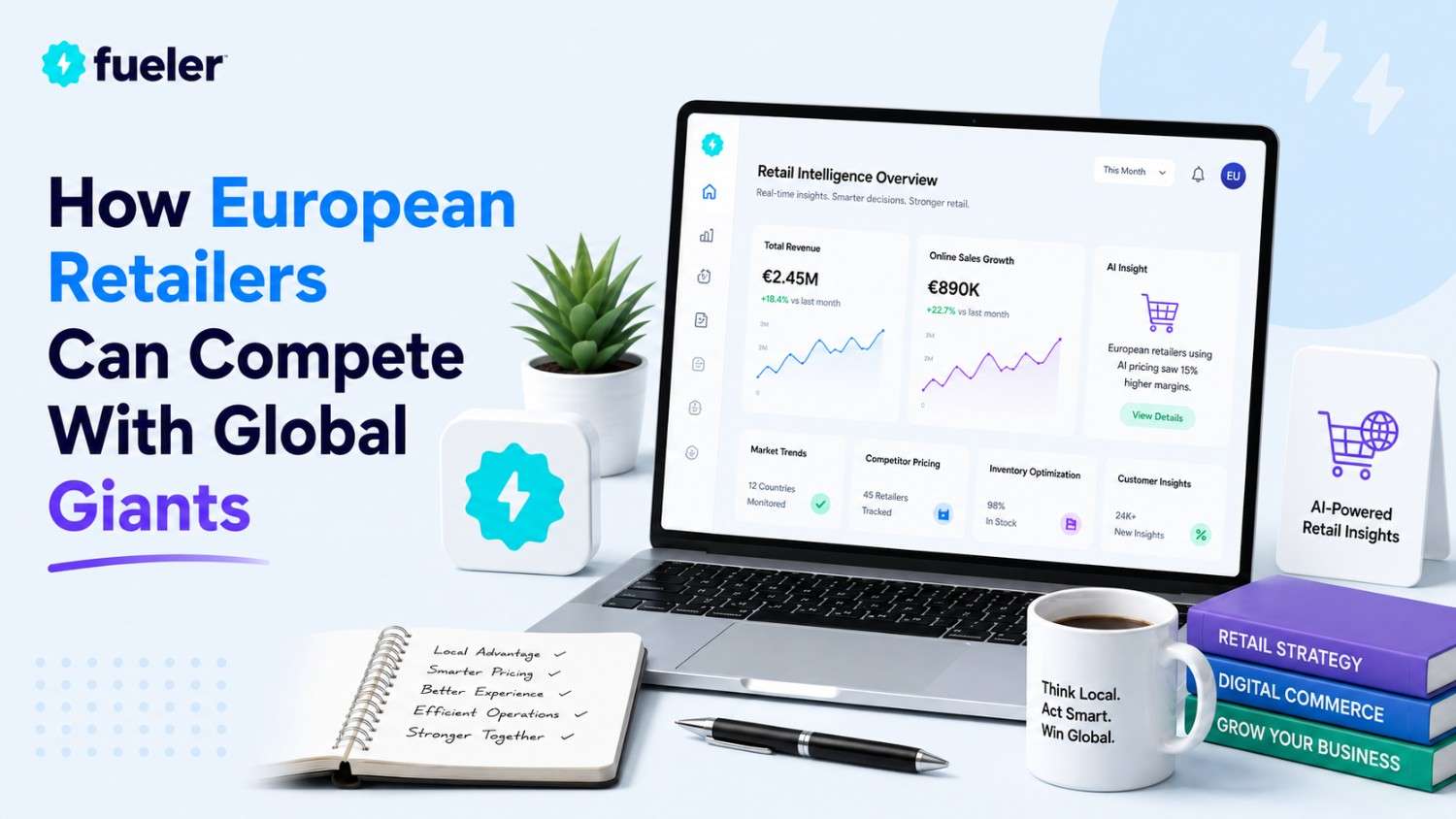
European e-commerce is experiencing unprecedented growth, with customers expecting fast, personalized, and seamless shopping experiences. AI campaigns are transforming the landscape by allowing brands to deliver exactly what customers want before they even know it themselves. Harnessing AI can help e-commerce brands not only increase sales but also build deeper customer relationships and gain a competitive edge. If implemented well, AI-driven marketing will be a game changer for your brand in 2025.
I’m Riten, founder of Fueler - a skills-first portfolio platform that connects talented individuals with companies through assignments, portfolios, and projects not just resumes/CVs. Think Dribbble/Behance for work samples + AngelList for hiring infrastructure
1. AI-Powered Personalization at Scale
AI-driven personalization allows brands to curate unique shopping experiences for each customer by analyzing large volumes of behavioral and transactional data. This goes beyond simple segmentation to delivering tailored recommendations, offers, and content in real time.
- Use machine learning models to analyze browsing histories, past purchases, and click patterns, enabling real-time adjustments to product recommendations that reflect changing customer preferences and interests.
- Automate personalized email drip campaigns that dynamically adapt to each user’s lifecycle stage, interests, and engagement level, boosting open rates and conversions.
- Customize website content and user interfaces on the fly to display products, banners, and messaging that resonate with the visitor’s unique profile and previous interactions.
- Leverage AI-powered push notifications triggered by specific behaviors like cart abandonment, wish list additions, or repeat visits, designed to re-engage customers without being intrusive.
- Integrate AI chatbots that assist shoppers by instantly suggesting products, answering questions, and personalizing assistance based on browsing context and purchase history.
Why it matters: Personalization increases relevance and connection, which are crucial for customer retention and revenue growth in competitive European markets. Brands that mimic one-to-one service at scale gain trust and loyalty from their customers.
2. Advanced Predictive Analytics to Forecast Customer Behavior
Predictive analytics driven by AI uses historical data and complex algorithms to anticipate customer needs and market trends. This capability allows brands to proactively tailor campaigns and optimize resource allocation.
- Analyze multi-channel sales and engagement data to accurately forecast future buying trends, enabling brands to prepare targeted marketing campaigns well ahead of peak demand periods.
- Identify patterns of customer churn and usage decline to craft retention campaigns that re-engage at-risk customers with personalized offers and communications.
- Use demand forecasting models to optimize inventory management, reducing costly stockouts and overstock situations by aligning stock levels with predicted sales volumes.
- Predict product preferences and potential upsell opportunities for individual customers, so campaigns suggest relevant items that increase average order value.
- Adjust marketing budgets dynamically using AI to allocate spend towards the most promising customer segments and channels based on predicted conversion likelihood.
Why it matters: Predictive insights equip European e-commerce brands to move from reactive marketing to proactive strategies that optimize performance, boost sales, and improve customer loyalty.
3. Dynamic Pricing Optimization
AI-powered dynamic pricing tools analyze competitor prices, customer demand, and sales trends to continuously adjust prices for maximum profitability and competitiveness.
- Monitor real-time competitor pricing and market conditions to automatically adjust your product prices, ensuring you stay competitive without eroding margins.
- Implement personalized pricing strategies where discounts, promotions, or loyalty rewards vary based on customer purchase behavior, history, and willingness to pay.
- Use historical sales and seasonal data to calculate the optimal price points that maximize both sales volume and profit margin during key shopping periods.
- Automatically apply bundle pricing or volume discounts informed by AI that predicts the combinations customers are most likely to buy together, increasing cart size.
- Continuously test and refine pricing models through machine learning feedback loops to identify the most effective strategies for different products and customer segments.
Why it matters: Dynamic pricing ensures European e-commerce brands remain agile and profitable in fluctuating markets, driving revenue without sacrificing customer satisfaction.
4. AI-Enhanced Customer Segmentation
Segmentation powered by AI moves beyond static groups to dynamic, behavior-based segments that evolve in real time, allowing more precise targeting.
- Combine demographic, transactional, and behavioral data in AI models to create fine-grained customer segments with distinct buying motivations and preferences.
- Use clustering algorithms to discover hidden patterns in customer data that reveal new audience segments or niche markets to target with tailored messaging.
- Continuously update segments as customers engage with products and campaigns, ensuring your marketing remains aligned with current behaviors and needs.
- Employ AI-driven psychographic analysis integrating social media, review sentiment, and browsing data to deepen understanding of customer attitudes and interests.
- Automate segment-specific campaign delivery across multiple channels like email, social media, and display ads, optimizing timing and message for each group.
Why it matters: AI-powered segmentation helps European brands deliver relevant and compelling messages that increase engagement and conversion by speaking directly to customer needs.
5. AI Chatbots and Virtual Assistants for Seamless Support
AI chatbots provide instant, personalized assistance to customers 24/7, improving satisfaction and boosting conversion rates by addressing questions and issues swiftly.
- Use natural language processing (NLP) to understand and respond to customer inquiries in multiple languages with high accuracy and conversational tone.
- Integrate chatbots with product catalogs and user data to provide instant, personalized product recommendations and support during the shopping journey.
- Enable chatbots to handle common support tasks like order tracking, return processing, and payment assistance, freeing human agents for complex issues.
- Use AI-driven sentiment analysis to detect frustrated or dissatisfied users and escalate to live agents when necessary, ensuring high service quality.
- Implement chatbots across channels such as websites, mobile apps, and social media platforms to provide consistent, accessible customer support everywhere.
Why it matters: AI-powered support delivers faster service and personalized shopping assistance, reducing friction and increasing conversion rates for European online stores.
6. Automated Content Creation and Optimization
AI tools can now generate, optimize, and tailor marketing content ranging from product descriptions to social media posts, reducing manual work and improving SEO and engagement.
- Leverage AI content generators to produce high-quality, keyword-optimized product descriptions that improve search rankings and conversions.
- Use AI-driven tools to create personalized ad copy and email subject lines that resonate with different customer segments and maximize open and click-through rates.
- Employ AI to analyze competitor content strategies and suggest opportunities to differentiate or improve your brand messaging.
- Automatically optimize website content for SEO by identifying and including trending keywords and semantic related terms that boost organic visibility.
- Use natural language generation (NLG) tools to scale up content production for blogs, newsletters, and social media while maintaining brand voice and quality.
Why it matters: Automating content tasks with AI increases efficiency for European e-commerce brands and ensures marketing messages are always targeted, relevant, and optimized for discovery.
7. Voice Commerce Optimization
With increasing use of voice assistants for shopping, AI optimizes e-commerce platforms for voice search and conversational commerce.
- Adapt product listings with natural language keywords and phrases that reflect how users ask questions aloud on devices like Alexa and Google Assistant.
- Implement voice-enabled shopping features such as voice search, product recommendations, and checkout through AI-powered conversational interfaces.
- Use AI to analyze voice search queries and customer intent, refining marketing strategies to target voice shoppers effectively.
- Integrate AI chatbots with voice recognition to guide customers seamlessly through their shopping journey using voice commands.
- Combine voice commerce data with other customer insights to personalize offers and communications across all channels.
Why it matters: Voice commerce is rapidly growing, and European e-commerce brands optimizing for voice search can capture new customer segments and offer frictionless shopping experiences.
8. AI-Driven Marketing Automation
AI automates repetitive marketing tasks while optimizing campaign performance through data-driven decision making.
- Automate campaign scheduling, audience targeting, and budget allocation using AI algorithms that learn from past performance to maximize ROI.
- Use AI to run multichannel campaigns across email, social, search, and display with consistent, personalized messaging adapted to each platform.
- Continuously test and optimize creative elements like images and headlines through AI-powered A/B tests to improve engagement.
- Use AI to monitor brand sentiment and competitor activity in real time, adjusting campaigns swiftly to market changes or opportunities.
- Integrate AI with CRM systems to deliver hyper-personalized post-purchase follow-ups, loyalty incentives, and reactivation campaigns.
Why it matters: Automation with AI lets European e-commerce brands scale their marketing efforts intelligently, increasing efficiency and results without growing budgets or teams.
Fueler: Showcase AI Skills Through Your Portfolio
For freelancers and professionals working with AI tools in e-commerce marketing, Fueler provides a unique platform to present real work samples and assignments that demonstrate skills to potential clients. A well-curated portfolio with AI campaign case studies can open doors in the competitive freelance market.
Final Thoughts
AI is revolutionizing how European e-commerce brands connect with customers and grow sales. By adopting AI campaigns that personalize at scale, forecast customer behavior, optimize pricing, and automate marketing, brands can build lasting relationships and accelerate business success. As customers expect smarter, faster experiences, AI-driven marketing becomes a vital competitive advantage for 2025 and beyond.
FAQs
1. What AI tools help European e-commerce brands improve marketing?
AI tools like personalized recommendation engines, predictive analytics platforms, dynamic pricing tools, and AI chatbots enhance targeting and customer service for better sales and engagement.
2. How does AI boost personalization in e-commerce?
AI analyzes customer data to deliver tailored product recommendations, emails, and website content, making shopping more relevant and increasing conversions.
3. What is the role of predictive analytics in AI campaigns?
Predictive analytics forecasts customer behaviors and demand trends, enabling precise marketing and inventory decisions.
4. How do AI chatbots improve customer experience?
Chatbots provide instant 24/7 support, answer FAQs, assist with purchases, and reduce wait times, improving satisfaction and conversions.
5. Why is voice commerce important for online retailers?
Voice assistants are growing in popularity; optimizing for voice search captures new customers and offers convenient shopping options.
What is Fueler Portfolio?
Fueler is a career portfolio platform that helps companies find the best talent for their organization based on their proof of work. You can create your portfolio on Fueler, thousands of freelancers around the world use Fueler to create their professional-looking portfolios and become financially independent. Discover inspiration for your portfolio
Sign up for free on Fueler or get in touch to learn more.

What should you do next?
You've read the article. Now turn your skills into proof of work and unlock more opportunities.
Build your proof of work portfolio
Create a clean portfolio with projects, assignments, resumes, and AI stack details that companies actually want to see.
Create your Fueler portfolio →Apply through assignments, not resumes
Stand out by solving real tasks from companies hiring on Fueler.
Explore assignments →Get discovered by companies
Make your work public and let recruiters discover your skills through actual projects instead of keywords.
Get discovered →
