
Last updated: November 2026
B2B SaaS is no longer just about building dashboards, throwing in some analytics, and hoping sales picks up. In 2027, the rules have shifted, and AI is leading that change. Whether you're building a CRM, a team collaboration tool, or a billing platform, if AI isn’t baked into your product roadmap, you’re already behind.
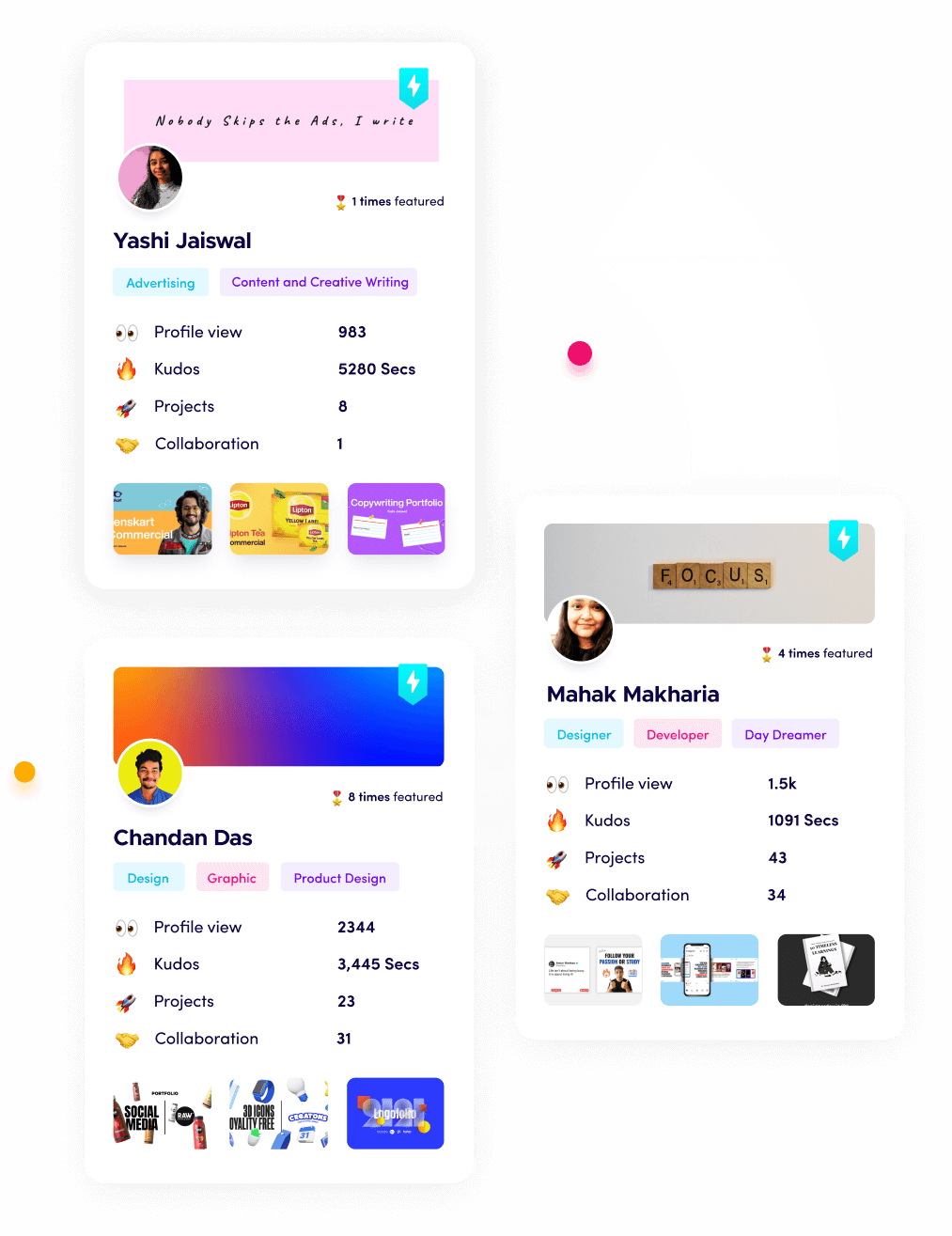
I’m Riten, founder of Fueler, a skills-first portfolio platform building the career infrastructure for 100 million creative professionals. Fueler connects talented individuals with companies through assignments, portfolios, and projects, not just resumes or CVs. Think of it as Dribbble/Behance for work samples combined with AngelList for hiring infrastructure.
In this article, I’ll walk you through how AI is reshaping B2B SaaS product development in 2027. But beyond building smart features, the real power lies in showcasing what you’ve built. Your portfolio isn’t just a gallery; it’s your credibility, your leverage, and your silent salesperson.
Let’s break it all down.
1. AI-Driven User Behavior Analytics
In 2027, B2B SaaS companies aren’t guessing what users want; they’re predicting it in real time. Thanks to AI-powered analytics, product teams can track micro-interactions like hover time, scroll speed, feature usage frequency, and even rage clicks. This data isn’t just visualized; AI interprets it, suggests UX improvements, and sometimes even auto-tests new flows.
Key upgrades in AI analytics:
AI tools like Heap, Pendo, and Mixpanel with GPT integrations auto-recommend UX updates.
Predictive churn scoring helps prioritize retention features over vanity ones.
Continuous feedback loops: AI summarizes support tickets and user feedback into product sprints.
2. AI Co-Pilots for Product Managers
Product Managers (PMs) in 2027 no longer operate solo. They have AI copilots assisting in backlog grooming, competitive analysis, PRD writing, and roadmap prioritization. Tools like Notion AI, Productboard with AI Assist, and Craft.io AI Planner save hours every week by automating repetitive cognitive tasks.
What these copilots actually do:
Draft Product Requirement Documents (PRDs) from customer feedback.
Compare your roadmap with your competitors based on public release notes and user reviews.
Prioritize tickets based on business impact, dev time, and user urgency.
At Fueler, we’ve even seen PMs use their AI-generated roadmaps as portfolio projects when applying to product roles. That’s exactly what we’re enabling: letting you showcase your thinking, not just outcomes.
3. AI-Powered Onboarding and Support Experiences
Forget traditional help docs. In 2027, onboarding is dynamic and smart. SaaS platforms now use embedded AI chat widgets that adapt to the user’s skill level, usage pattern, and goals. No more generic guides; each user gets personalized onboarding paths.
How it changes product design:
Tools like Intercom Fin, Zendesk AI, and Tidio AI power human-like conversations 24/7.
AI tracks friction points during onboarding and reports them to PMs automatically.
Context-aware nudges increase trial-to-paid conversions significantly.
4. AI-Generated UI Variants and A/B Tests
Design teams aren’t working alone anymore. Platforms like Uizard, Builder.io, and Framer AI now suggest UI variants based on heatmap data and user demographics. Developers feed the models with past campaign results, and the AI suggests new layouts; some even A/B test themselves.
What’s really happening:
Faster iterations without full design-dev cycles.
AI predicts which UI changes will increase engagement.
Personalized dashboards per user segment, auto-generated with performance predictions.
5. Smarter Pricing Models with AI Forecasting
SaaS monetization in 2027 is part art, part machine. AI tools like ProfitWell AI, Price Intelligently, and Chargebee Predict now model revenue streams based on cohort behavior, usage intensity, and even macroeconomic data. The days of flat-tier pricing are fading.
Impact of AI-driven pricing:
Dynamic pricing for high-usage customers without shocking them.
Alerts on churn risk due to pricing sensitivity.
Personalized upgrade prompts during value spikes.
6. Continuous Deployment with AI-QA
With shipping cycles accelerating, AI now handles a huge part of testing in modern B2B SaaS. QA no longer waits for humans; tools like Testim AI, Mabl, and ReTest AI automatically generate test cases from user journeys and execute them across devices.
Why it matters:
Saves dev hours and ensures fewer bugs hit production.
AI catches visual regressions, performance lags, and even accessibility gaps.
CI/CD pipelines are now smarter and self-improving.
Final Thoughts
In 2027, the smartest SaaS companies aren’t just building with AI. They’re thinking with it. From planning to pricing, onboarding to design, AI isn’t just a backend power; it’s a core product principle.
But here’s the twist. As AI automates the work, how you present the thinking behind your work becomes the real differentiator. Whether you're a PM, designer, or developer in SaaS, your portfolio must reflect how you solve problems, not just ship features. That’s exactly why we built Fueler to help you get hired based on your actual problem-solving ability, not just keywords on your resume.
FAQs
1. What AI tools are used in SaaS product development in 2027?
AI tools like Notion AI, Mixpanel AI, Intercom Fin, Uizard, and Chargebee Predict are widely used in modern SaaS workflows.
2. How does AI help product managers?
AI helps product managers by drafting PRDs, suggesting priorities, analyzing feedback, and speeding up competitor research.
3. Can AI handle customer support for B2B SaaS?
Yes. AI chatbots and onboarding agents now deliver contextual, human-like support that adapts to each user’s journey.
4. What is AI-driven pricing in SaaS?
AI-driven pricing uses behavior and usage data to personalize pricing plans and forecast revenue with better accuracy.
5. How is AI improving SaaS testing and QA?
AI tools auto-generate test cases, detect bugs, and streamline regression testing across multiple environments.
Why 150,000+ professionals use Fueler
Fueler helps professionals showcase proof of work through projects, assignments, case studies, and achievements.
Thousands of professionals use Fueler to create their digital portfolio
Thousands of projects are published on Fueler. Check here
Startups and Companies hire through proof of work on Fueler
Used by freelancers, creators, marketers, video editors, writers, designers, and product managers
Our mission is to help the next 100 million professionals build a verified professional identity through proof of work